Demystifying the Concept of the First World: Beyond Political and Economic Allegiances

Exploring the origins, characteristics, criticisms, and impact of First World nations. Discover this intriguing concept that goes beyond political and…
Introduction to the First World
The term “First World” originated during the Cold War era in the 1950s when it referred to nations allied with the United States against the Soviet Union and its allies. Over time, as political and economic circumstances have evolved, so has the meaning of this term. Today, a First World nation is generally understood to be an industrialized, capitalist country that enjoys political stability, high standards of living, democratic institutions, and robust infrastructure.
Understanding the Origins and Historical Context
The term “First World” gained traction as a political label during the Cold War when the world was divided into two major ideological blocs: capitalist democracies, primarily in Europe and North America, and communist states, most notably the Soviet Union. The First World designation referred to those nations that aligned with the United States in opposition to the Soviet Union, which dominated the Second World.
As political alliances shifted and the Cold War came to an end, the meaning of “First World” began to evolve beyond its geopolitical origins. It increasingly became synonymous with industrialized and technologically advanced economies that provided their citizens with high living standards and robust infrastructure.
Characteristics of First World Nations
First World nations can be identified by several key characteristics:
1. Political Stability
First World countries typically enjoy stable democratic institutions, the rule of law, and a peaceful political environment. These conditions contribute to a predictable business climate, which is essential for economic growth.
2. Capitalist Economies
Capitalism is the dominant economic system in First World nations. This system encourages private enterprise, free markets, and individual initiative, resulting in high levels of productivity and innovation.
3. High Standard of Living
First World countries offer their citizens a high standard of living, which includes access to healthcare, education, clean water, sanitation, and reliable infrastructure. This leads to happier, healthier populations, higher levels of productivity, and increased economic opportunities.
4. Robust Infrastructure
First World nations invest heavily in infrastructure, including transportation networks, energy grids, and communication systems. These investments enable efficient movement of goods and people, reduce production costs, and create jobs.
Understanding the Origin of the Term ‘First World’
The term “First World” was first used during the Cold War era to describe nations that were politically and economically aligned with the United States in opposition to the Soviet Union and its allies. It was a way for these countries to differentiate themselves from those with communist ideologies, which often resulted in political instability and economic turmoil.
Contemporary Definitions of First World Nations
Today, various definitions are used to describe First World nations, ranging from strictly economic indicators like GDP or literacy rates to broader measures such as the Human Development Index (HDI). These definitions help to clarify the economic and social conditions that define a First World nation.
Criticisms and Controversy Surrounding the Term ‘First World’
Despite its widespread usage, the term “First World” has been criticized for being divisive and outdated. Some argue that it unfairly ranks nations based on geopolitical alignments rather than genuine economic or social conditions. This can lead to controversy and tension in international relations, particularly when developing countries seek support from First World nations or challenge their policies.
Examples of First World Nations
First World nations include the United States, Canada, Australia, New Zealand, Japan, and several Western European countries like Great Britain, France, Germany, Switzerland, and Scandinavian countries. These countries share common characteristics such as stable democracies, capitalist economies, high living standards, and robust infrastructure.
Controversies in Defining a First World Nation
There are ongoing debates about how best to define a First World nation, particularly when it comes to economic indicators like per capita income or literacy rates. For example, Saudi Arabia’s per capita income is nearly equal to Portugal’s, yet Saudi Arabia is often classified as a Second World nation due to its political structure and oil-dependent economy. Additionally, within First World nations, there are pockets of poverty and inequality that do not align with the typical image of a wealthy and prosperous society.
First World Economies and Capital Markets
Economically speaking, First World nations tend to have stable currencies and robust financial markets, making them attractive to foreign investors. Their capitalist economies are characterized by private enterprise, free markets, and the rule of law. These conditions create a favorable environment for economic growth and innovation.
Impact of First World Nations on Developing Countries
First World nations exert significant influence in international organizations like the United Nations and the World Trade Organization (WTO), often pushing for policies that benefit their industries and trade. This pressure can create tension with developing countries, who may feel that they are being unfairly marginalized or exploited.
Alternative Perspectives on Global Economic Classification
Some experts argue that the term “First World” is outdated and that alternative classifications like “developed” or “industrialized” nations are more accurate and inclusive. Additionally, emerging economies like the BRICS countries (Brazil, Russia, India, China, and South Africa) have gained prominence in recent decades and challenge the traditional division of nations into three distinct categories.
Conclusion: A More Inclusive Global Economic Framework
The term “First World” can be limiting and divisive, as it implies a ranking or hierarchy of nations based on geopolitical alignments rather than genuine economic or social conditions. To create a more nuanced and inclusive global economic framework, experts suggest focusing on common measures like the Human Development Index or the United Nations Sustainable Development Goals. By evaluating nations based on their actual progress in areas like education, health, and income equality, we can better understand the complexities of economic development and reduce international tensions.

Characteristics of First World Nations
The term “first world” has evolved significantly since its inception during the Cold War era when it referred to nations allied with the United States against the Soviet Union. Today, the term encompasses developed and industrialized countries that share several distinct characteristics. These include political democracy, capitalist economies, high living standards, robust infrastructure, and resources.
One of the primary hallmarks of first world nations is their democratic systems, which ensure political stability and protect citizens’ rights through the rule of law. Democratic governance also promotes transparency in decision-making processes, enabling effective policy implementation and fostering a favorable business environment.
Capitalist economies are another defining feature of first world countries. These economies feature free markets and private enterprise, which stimulate innovation and growth, attract foreign investment, and create jobs. A strong economic foundation is crucial for maintaining high living standards and providing citizens with access to modern infrastructure and essential services.
First world nations also boast a high standard of living, characterized by a comprehensive social safety net and extensive public services such as healthcare, education, and affordable housing. These amenities contribute to overall well-being and economic mobility while promoting a healthy and productive workforce.
Robust infrastructure is another characteristic of first world countries. Modern transportation networks, reliable energy sources, advanced communications systems, and sophisticated technologies facilitate efficient commerce and ease daily life. Investments in infrastructure create jobs, spur innovation, and support long-term economic growth.
To better understand the characteristics of first world nations, let’s delve deeper into their defining traits:
1. Political stability and democracy
First world nations prioritize political stability and democracy as cornerstones for their success. A stable political environment enables sustained economic growth, fosters international cooperation, and maintains public trust in government institutions. Democracy ensures that citizens have a voice in decision-making processes while maintaining the rule of law to protect their rights and interests.
2. Capitalist economies
Capitalism is the driving force behind first world countries’ economic success stories. Free markets and private enterprise create a dynamic, adaptive economy, allowing businesses to respond efficiently to market demands and consumer preferences. These conditions attract foreign investment from both domestic and international investors seeking stable returns on their investments.
3. High standard of living
First world nations are characterized by a high standard of living, which includes access to essential services, adequate housing, quality education, and affordable healthcare. This not only contributes to overall well-being but also fosters economic mobility, enabling citizens to reach their full potential and contribute positively to society.
4. Robust infrastructure
Modern infrastructure plays a crucial role in the success of first world nations. Investments in infrastructure create jobs, foster innovation, and support long-term economic growth. In turn, these conditions enable businesses to operate efficiently while providing citizens with essential services such as transportation, energy, communications, and technology.
5. Examples of First World Nations
The following countries are considered first world nations based on their political stability, capitalist economies, high standard of living, and robust infrastructure:
– The United States
– Canada
– Australia
– New Zealand
– Japan
– Western European countries such as Great Britain, France, Germany, Switzerland, and the Scandinavian countries.
These nations have successfully demonstrated the benefits of a first world nation status through their economic achievements and quality of life for their citizens. By examining these defining characteristics, we can gain a better understanding of what it means to be a first world nation and how they contribute to global prosperity.
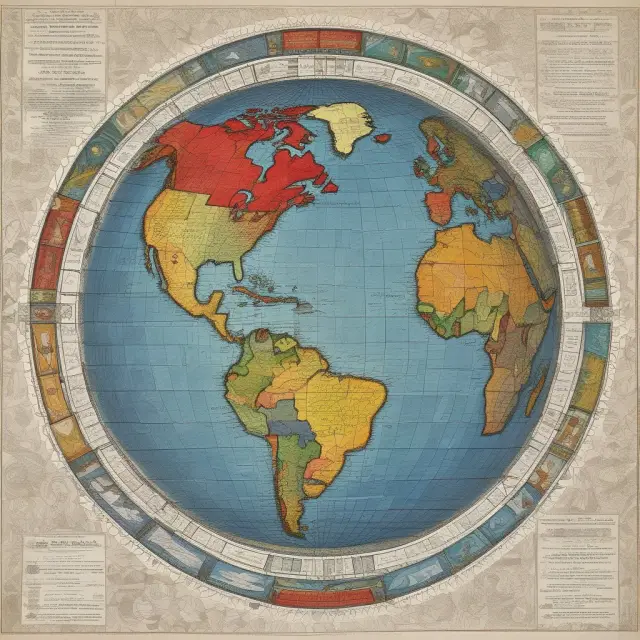
Origin of the Term ‘First World’
The term “first world” emerged during the Cold War era, originally referring to nations that aligned themselves politically with the United States and its Western European allies against the Soviet Union and its Eastern European satellite states. This classification was born out of the geopolitical climate of the time, as two distinct ideological systems clashed on the global stage: capitalism versus communism.
However, the meaning of ‘first world’ has evolved considerably since then. Today, it is more commonly used to describe countries with a high standard of living, robust economies, political stability, and well-established democratic institutions. These characteristics are often associated with nations in Europe, North America, Australia, and Japan.
Understanding the Historical Context
The term ‘first world’ gained widespread use during the Cold War era when the world was divided into two major ideological blocs: the Western capitalist democracies and the Soviet-led communist bloc. The first world countries, also referred to as the Free World or the Western World, were those that aligned with the United States and its allies. These nations embraced democracy, market economies, and adhered to the principles of the Marshall Plan, which aimed to help rebuild Europe after World War II.
Meanwhile, the second world countries were those under Soviet influence, while third world countries remained neutral or non-aligned. However, it’s important to note that the distinction between first, second, and third world nations was not always clear-cut. For instance, some countries with relatively high economic development and living standards, like Singapore or South Korea, were initially categorized as third world due to their lack of political alignment with the Western powers.
As the global political landscape changed, so did the usage and meaning of ‘first world.’ In contemporary times, the term is often used interchangeably with ‘developed countries’ or ‘industrialized nations,’ focusing more on economic and developmental indicators rather than geopolitical affiliations.
Characteristics of First World Nations
First world nations are typically characterized by several defining features, including:
– Democracy and political stability.
– Capitalist economies.
– High standard of living.
– Robust infrastructure and resources.
– Advanced education systems.
While these characteristics may vary from one country to another, they generally reflect the relative prosperity, security, and development enjoyed by residents of first world nations. It is essential to recognize that no single definition fully captures the complexities and nuances of the term ‘first world,’ as economic, political, and social realities differ greatly among these countries.
In conclusion, the term ‘first world’ has undergone several shifts in meaning throughout history. Its origins lie in geopolitical alignments during the Cold War era, but its contemporary usage focuses more on a country’s level of economic development and standard of living. As global economic and political dynamics continue to evolve, it is crucial to recognize that first world countries encompass diverse realities, necessitating a more nuanced understanding of this concept.
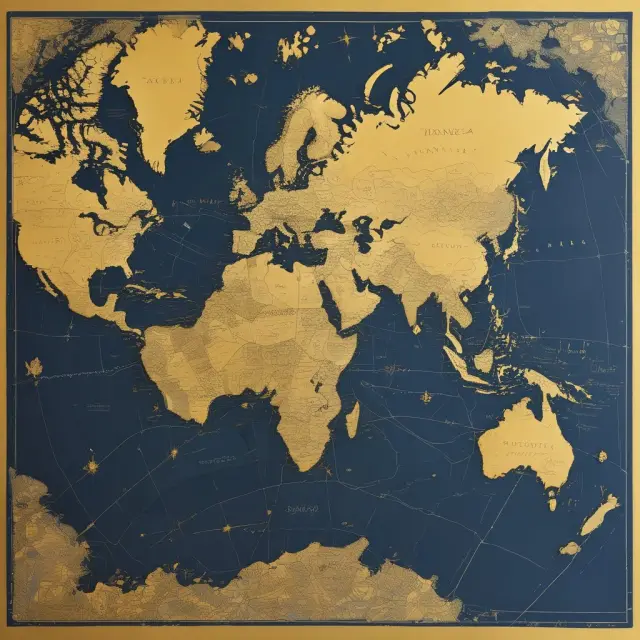
Contemporary Definitions of First World Nations
The term ‘first world’ has evolved considerably since its Cold War origins in the 1950s when it signified countries aligned against the Soviet Union. Today, it is generally used to denote developed or industrialized nations, characterized by political and economic stability, democracy, a capitalist economy, and a high standard of living. This concept, however, remains somewhat contentious due to differing interpretations and controversial connotations.
One approach to defining first world nations involves examining economic indicators such as Gross Domestic Product (GDP) or literacy rates. The Human Development Index (HDI), another widely used measure, provides a more nuanced understanding of development and well-being. By this definition, countries with high HDI scores, like the United States, Canada, Japan, Australia, and several Western European nations, can be considered first world.
However, it is important to acknowledge that this categorization is not without controversy. Critics argue that dividing nations into three worlds is an outdated perspective. Some countries display characteristics of both developed and developing economies, challenging the binary labeling of first/third world. Saudi Arabia, for instance, boasts a higher per capita income than Portugal but remains technically classified as a second or third world nation in some contexts.
Moreover, wealth disparities within first world nations can be striking. While many enjoy high living standards and prosperity, there are also pockets of significant poverty and inequality. In the United States, for example, residents of rural areas such as Appalachia or certain urban neighborhoods like Milwaukee’s 53206 face conditions akin to developing countries.
Alternative perspectives include classifying nations based on development or industrialization instead of the pejorative term ‘first world.’ This approach recognizes that economic progress and political stability are not limited to a select group of nations. Countries like Brazil and India, which have made significant strides in these areas, can be considered part of this evolving narrative.
In conclusion, the concept of the first world remains a subject of ongoing debate. Its historical origins, shifting meanings, and controversial connotations call for a more nuanced understanding of global economic development and international relations. As the world progresses towards greater interconnectedness and shared challenges, it becomes increasingly essential to adopt a more inclusive framework that goes beyond divisive labels.
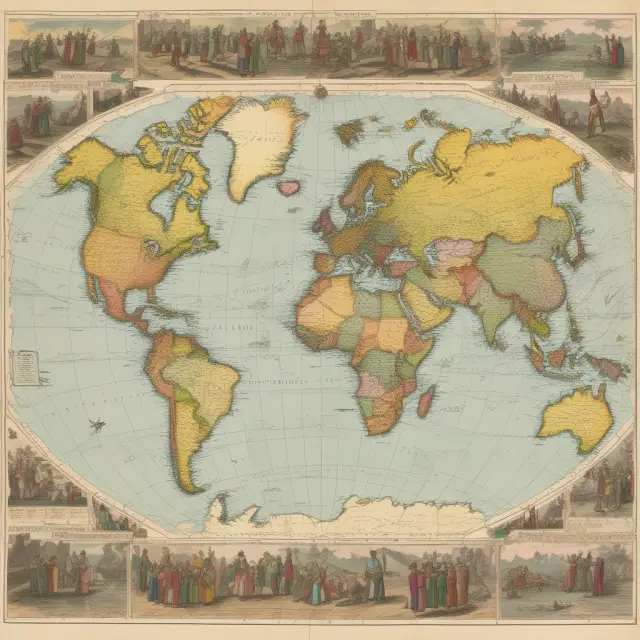
Criticisms and Controversy Surrounding the Term ‘First World’
Although the term “first world” has historical significance stemming from the Cold War era, it is no longer an accurate or effective way to describe modern geopolitical alignments or economic classifications. The label carries divisive connotations and controversy for several reasons:
Divisive Labels and International Tension
The term “first world” can create tension between nations when used as a ranking system, implying a hierarchy that pits some countries against others. This perception has led to criticisms of the term, with many arguing that it reinforces an outdated mindset that overlooks the complex realities of the global economy and international relations.
Outdated Cold War Era Connotations
During the Cold War, the first world referred to nations aligned with the United States and Western Europe against the Soviet Union and its allies. The term has since lost relevance due to the collapse of the Soviet Union and the changing geopolitical landscape. As a result, using “first world” as a shorthand for developed or economically powerful countries can be confusing, especially when considering that many emerging economies display characteristics traditionally associated with first world nations but have yet to be recognized as such.
Lack of a Universally Agreed Definition
The definition of a first world country remains elusive due to the various ways it can be defined. Some interpretations focus on political and economic stability, while others emphasize industrialization or high standards of living. This ambiguity makes it challenging for researchers, policymakers, and the general public to have a shared understanding of what constitutes a first world nation.
Contemporary Examples of First World Nations
The term “first world” has been applied to countries like the United States, Canada, Japan, Australia, New Zealand, and several European nations such as Germany, France, and the UK. These countries share common characteristics, including stable democracies, high living standards, capitalist economies, and robust infrastructure, among others. However, not every nation possessing these traits is universally recognized as a first world country, further complicating the term’s usage.
Misconceptions and Inaccuracies Surrounding First World Countries
The label “first world” often leads to misconceptions and inaccurate assumptions about the economic situations of certain countries. For example, Saudi Arabia has a higher per capita income than Portugal, but it is still considered a second or third world nation by some. Additionally, many first world nations have significant pockets of poverty, and not every resident enjoys the high standards typically associated with these countries.
Alternative Perspectives on Global Economic Classification
To address the limitations and controversies surrounding the term “first world,” scholars and policymakers have proposed alternative ways to classify global economies. For instance, some suggest using terms such as “developed” or “industrialized nations” instead of “first world countries.” Others propose using a multidimensional approach that considers factors like human development, innovation capacity, and environmental sustainability, among others.
In conclusion, while the term “first world” has historical significance, it is increasingly inadequate for describing the contemporary global economic landscape. The ambiguous and divisive nature of this label creates confusion and misunderstandings, making it essential to explore alternative ways to classify and understand the complex dynamics of global economies and international relations.

Examples of First World Nations
The term “first world” is not an officially recognized or universally accepted definition. However, it has been colloquially used to refer to developed countries with stable economies, a high standard of living, and strong political institutions. This concept originated during the Cold War era as a way to categorize nations based on their political allegiances, with first world countries being those aligned with the United States and its Western European allies against the Soviet Union and its Eastern European satellite states.
Today, the term “first world” has evolved beyond its Cold War roots, but its meaning remains somewhat ambiguous. In general, first world nations are characterized by their stable democracies, capitalist economies, advanced infrastructure, and high levels of education and human development.
Some specific examples of first world countries include the United States, Canada, Australia, New Zealand, Japan, Great Britain, France, Germany, Switzerland, and the Scandinavian nations of Denmark, Finland, Norway, and Sweden. These countries are known for their strong economies, political stability, and high standards of living.
However, it is important to note that even within first world countries there can be significant income inequality and areas with living conditions that are less than ideal. For instance, in the United States, poverty-stricken areas such as Appalachia or inner-city neighborhoods may not meet the definition of a “first world” standard of living.
Despite the ambiguities surrounding the term, first world countries do have certain common characteristics that set them apart from other nations. For instance, they tend to have stable currencies and robust financial markets, which make them attractive destinations for foreign investment. Additionally, their political systems are generally characterized by the rule of law, transparency, and democratic institutions.
It is worth noting that some argue that the term “first world” can be a misleading and divisive label. Critics point out that many countries with high levels of poverty and underdevelopment have made significant progress in recent decades, while some so-called first world countries still face significant economic and social challenges. Additionally, there are countries like China, South Korea, and Taiwan that have rapidly industrialized and achieved impressive economic growth without aligning themselves with the Western powers.
In conclusion, the term “first world” is a somewhat vague and contested concept. It originally emerged during the Cold War era as a way to describe countries aligned with the United States and its allies against the Soviet Union and its satellite states. Today, it is often used to refer to developed countries with stable economies, high standards of living, and strong political institutions. However, it is important to remember that even within first world countries, there can be significant income inequality and areas with less than ideal living conditions. Furthermore, the term “first world” can be a divisive label that obscures the complex realities of global economic development. Instead, it may be more productive to focus on measurable indicators such as GDP, literacy rates, or the Human Development Index to better understand a country’s level of development.
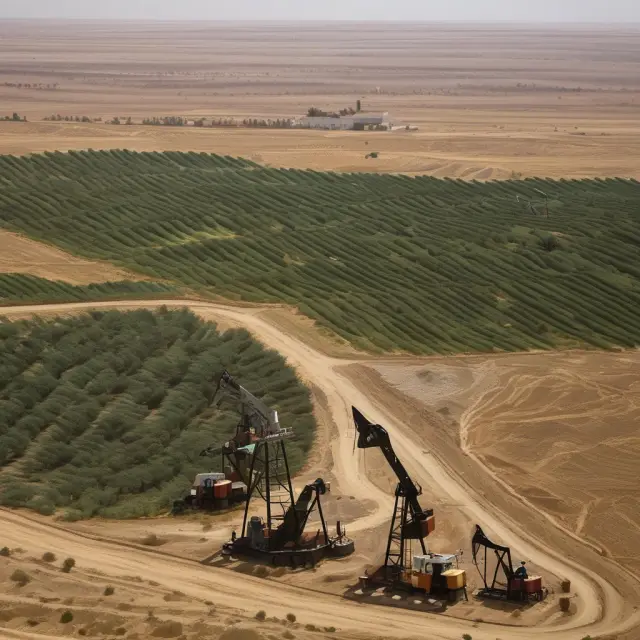
Controversies in Defining a First World Nation
Since its origin during the Cold War era, the term “first world” has been subject to various interpretations and controversies, despite its initial meaning of representing an alliance between Western nations against the Soviet Union. The main criticisms revolve around the uneven distribution of wealth within these countries, and the lack of a universally agreed definition that fails to account for economic progress in certain regions and countries.
Saudi Arabia’s Wealth vs. Portugal’s Per Capita Income
One common criticism concerns the discrepancy between nations with substantial wealth, such as Saudi Arabia, which has a higher per capita income than Portugal but is often technically classified as a second or third world nation due to its political system. This inconsistency highlights the importance of reconsidering the relevance and validity of using “first,” “second,” or “third” world labels.
Poverty-stricken Regions within First World Nations
Another issue is the presence of poverty-stricken regions within first world nations, which can be compared to those found in developing countries. For instance, while the United States, a clear first world example, has one of the highest standards of living globally, its rural areas and inner cities face conditions that are reminiscent of third world living circumstances. This discrepancy emphasizes the need for a more inclusive understanding of economic development within a country and highlights the limitations of using outdated labels to classify nations.
In summary, while the term “first world” is commonly used to describe countries with stable democracies, high standards of living, capitalist economies, and modern infrastructure, its application has been controversial due to inconsistencies and discrepancies in wealth distribution within these nations. As global economic structures evolve, it is crucial to re-evaluate the relevance and validity of classifying countries using outdated labels. Instead, we should focus on a more nuanced approach that considers both macroeconomic indicators and internal disparities within each country.

First World Economies and Capital Markets
The term “first world” has evolved from its original meaning during the Cold War era to encompass economically stable and developed nations across the globe. One defining characteristic of first world countries is their robust financial markets and capitalist economies, which make them attractive destinations for foreign investors. In this section, we will explore why stability and wealth in first world economies are critical aspects of their financial markets.
Stable Currencies
First World Economies boast stable currencies due to sound monetary policies, transparency, and effective regulatory frameworks. Investors prefer stable currencies because they reduce exchange rate risk and ensure predictability when making long-term commitments in these economies. For instance, countries like Switzerland, Japan, and the United States have some of the most stable currencies globally, attracting significant foreign investment.
Robust Financial Markets
First World Economies possess mature and sophisticated financial markets characterized by well-regulated institutions, transparent rules, and efficient infrastructure. These factors enable businesses and governments to raise capital and access a wide range of financial instruments effectively. For example, the United States’ stock exchanges, such as the New York Stock Exchange (NYSE) and Nasdaq, are the largest and most influential in the world.
Attractiveness to Foreign Investment
First World Economies are highly attractive to foreign investors due to their stable currencies, sound financial markets, and political stability. This inflow of capital fosters economic growth and strengthens the overall economic environment. Moreover, foreign investment provides access to new technologies, know-how, and expertise that can boost productivity and competitiveness. For example, China’s rapid economic growth in recent decades can be attributed, in part, to its successful attracting of significant foreign investment.
Examples:
Some examples of First World Economies include the United States, Canada, Australia, New Zealand, Japan, Germany, France, and the United Kingdom. These countries are known for their stable political systems, capitalist economies, and high standards of living.
The Importance of Understanding First World Economies
Understanding the features that define First World Economies is crucial for investors, businesses, and policymakers who seek to make informed decisions in an increasingly interconnected global economy. By investing in or establishing operations within these economies, individuals and organizations can take advantage of their stable financial markets, robust infrastructure, and political stability—ultimately leading to long-term growth and success.
Impact of First World Nations on Developing Countries
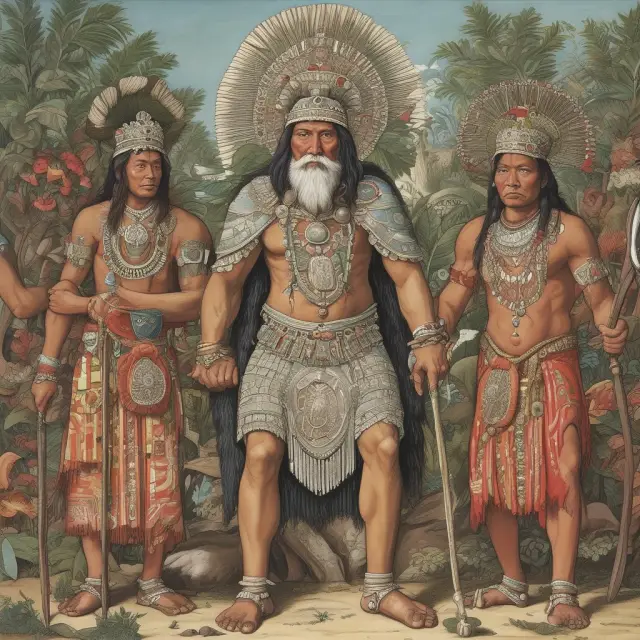
As influential players in international politics and economics, first world nations exert considerable influence over developing countries through their policies and memberships in global organizations. Among the most significant global bodies that shape economic and political relations among nations are the United Nations (UN) and the World Trade Organization (WTO). First world nations often have seats of power within these organizations and can significantly impact decision-making, leading to policies and agreements that favor their interests.
First world nations’ influence extends beyond global governance institutions. They also bring pressure on developing countries to adopt specific economic models, such as adhering to international financial standards and implementing structural adjustment programs. While some argue these measures foster growth and development, critics contend that they prioritize the interests of first world economies over those of developing nations, often exacerbating inequality.
For instance, IMF and World Bank loan conditions have been criticized for imposing austerity measures on borrowing countries, which may lead to cuts in social spending while favoring fiscal discipline and debt repayment. These policies can be detrimental to vulnerable populations, who face reduced access to healthcare and education when these essential services are cut to meet loan requirements.
The term ‘first world’ is not without controversy, as some argue that it is an outdated and divisive label. Critics point out that it is an oversimplification to classify countries based on economic development or political alignment and that such labels can lead to tension between nations. Moreover, the term fails to capture the nuanced complexities of global economics, which are influenced by a myriad of factors beyond geopolitical allegiances or levels of industrialization.
Despite its limitations, understanding the concept of first world nations provides valuable insight into the unequal power dynamics that exist in international relations. By recognizing the influence that these countries hold over global economic policies and institutions, we can better grasp the implications of their decisions on developing countries’ economies and the lives of millions of people around the world.
Examples of first world nations with significant influence include the United States, Canada, Australia, Japan, and most Western European countries like France, Germany, Switzerland, and the United Kingdom. These nations are not only political and economic powerhouses but also have robust financial markets and stable currencies, making them attractive to foreign investors seeking a secure environment for their capital.
The impact of first world nations on developing countries is felt both directly and indirectly through international trade agreements, aid programs, and diplomatic initiatives. While these interactions can lead to economic growth and improved living standards in some cases, they may also result in unequal power dynamics, environmental degradation, or social unrest.
For instance, the implementation of free trade agreements between first world countries and developing nations has led to increased export-oriented industrialization in the latter. This can create jobs and generate revenue; however, it often comes at the cost of increased competition from more established industries, leading to lower wages and poorer working conditions for local labor.
Additionally, foreign aid and debt relief programs have been criticized for perpetuating a cycle of dependence on external funding instead of fostering sustainable development. In some cases, these initiatives may divert resources away from essential domestic spending, creating long-term challenges in achieving self-sufficiency.
Moreover, first world nations’ influence extends to the environmental realm, with multinational corporations often exploiting natural resources and polluting developing countries’ land and water without proper regulations or penalties. This can result in irreversible damage to local ecosystems, as well as negative health consequences for affected communities.
The relationship between first world nations and developing countries is complex and multifaceted, with both opportunities and challenges. By understanding the historical context, power dynamics, and implications of this relationship, we can work towards creating a more equitable global economic framework that benefits all parties involved.
Alternative Perspectives on Global Economic Classification
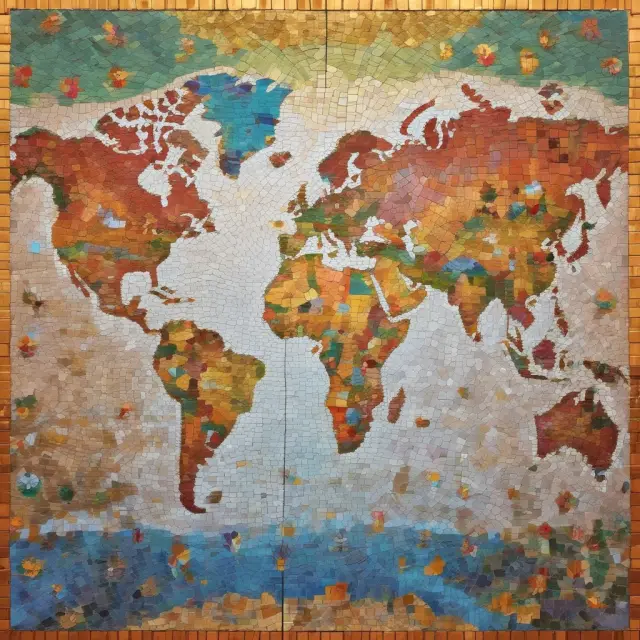
The term ‘first world’ has been a topic of controversy for decades due to its lack of universally accepted definition. Alternative economic classifications have emerged, offering more nuanced approaches to categorizing nations based on their development levels and global influence. Among these are the terms ‘developed’ or ‘industrialized’ nations and the BRICS (Brazil, Russia, India, China, and South Africa) countries as an alternative classification system.
Developed or Industrialized Nations:
The term ‘developed’ or ‘industrialized’ nations has gained increasing popularity over the years due to its more inclusive nature compared to the outdated ‘first world’ moniker. These nations are characterized by stable economies, robust financial markets, and a high standard of living for their populations. Although there is no definitive agreement on which countries belong to this category, it typically includes Western European countries, Japan, South Korea, Singapore, Taiwan, Australia, New Zealand, Canada, and the United States.
BRICS Countries:
The BRICS acronym represents Brazil, Russia, India, China, and South Africa. This classification system was first coined in 2001 by Jim O’Neill, then-chairman of Goldman Sachs Asset Management’s commodity research team. The term refers to the economic potential of these countries, which are seen as rising powers that will challenge traditional Western economies. While there is some overlap between the first world and BRICS nations, it is important to note that not all first world countries belong to the BRICS bloc, and not all BRICS nations can be considered part of the first world.
Implications for Global Relations:
The shift from the ‘first world’ narrative towards more inclusive economic classifications has significant implications for international relations. As more countries join the ranks of developed or industrialized economies, global power dynamics change. The BRICS nations, in particular, are expected to challenge the dominance of traditional first world powers like the United States and European Union. This shift will lead to new forms of economic cooperation and diplomacy, as well as a reevaluation of existing international institutions.
Conclusion:
In conclusion, the term ‘first world’ has served its purpose in historical context but is no longer an accurate or useful way to describe nations based on their economic status. More nuanced approaches, such as ‘developed’ or ‘industrialized’ nations and the BRICS classification system, offer a more comprehensive understanding of global economic dynamics and help bridge the gap between different regions and ideologies. By acknowledging the complexities of modern economies, we can build a more inclusive and equitable global framework that fosters cooperation rather than division.
Conclusion: A More Inclusive Global Economic Framework
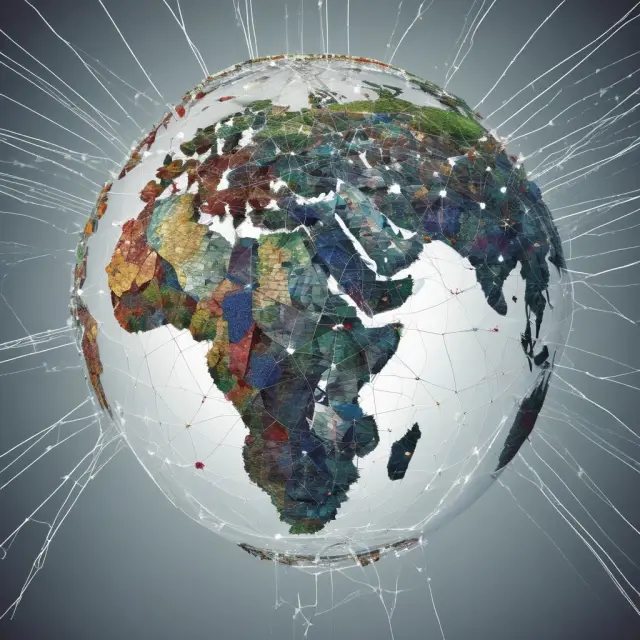
As we’ve explored throughout this article, the term “first world” has evolved significantly from its origins during the Cold War era. Its use to describe developed, industrialized nations with strong economies and political stability has become more nuanced and complex. However, some criticisms persist regarding the divisive nature of such labels and their potential to create international tension.
Critics argue that the concept of dividing nations into first, second, or third worlds represents an outdated perspective. With many developing countries embracing democracy and capitalism, it is increasingly important to acknowledge the shifting realities of our globalized world. A more inclusive global economic framework could offer a more accurate representation of these complex realities.
Instead, alternative terms such as developed or industrialized nations may provide a more precise and less divisive way to describe countries with strong economies, stable governments, and high standards of living. Furthermore, acknowledging the increasing interconnectedness of global markets and economies can help move beyond limiting labels that risk oversimplifying the complex nature of economic development and international relations.
Moreover, it is essential to recognize that even within first world nations, there are disparities in wealth distribution. Poverty-stricken regions with living conditions akin to developing countries exist within some first world nations. Therefore, it is vital to remember that no single label can fully capture the economic complexities of any given nation. Instead, a more nuanced and multidimensional perspective on economic development can offer a more accurate representation of our interconnected and ever-evolving global economy.
In conclusion, while the term “first world” continues to carry weight in various contexts, it is essential to critically consider its limitations and potential implications for international relations. A more inclusive global economic framework that acknowledges the complex realities of economic development and interconnectedness can offer a more precise and equitable way forward. As we move into an increasingly globalized world, such a perspective will be crucial in fostering greater understanding, cooperation, and prosperity among nations.
 Next entry · No. 1,537First Movers in Business: Leveraging Brand Recognition, Economies of Scale, and Switching Costs
See also
-
 No. 5,784
07 Oct 2025
18 min
Understanding the Working Class: Defining the Socioeconomic Group and Its Evolution
Economics
No. 5,784
07 Oct 2025
18 min
Understanding the Working Class: Defining the Socioeconomic Group and Its Evolution
Economics -
 No. 5,768
06 Oct 2025
19 min
Withholding Tax: Understanding This Essential Part of the U.S. Tax System
Taxation
No. 5,768
06 Oct 2025
19 min
Withholding Tax: Understanding This Essential Part of the U.S. Tax System
Taxation -
 No. 5,761
05 Oct 2025
19 min
Maximizing Withdrawal Benefits From Your Employer-Sponsored Retirement Accounts
Retirement
No. 5,761
05 Oct 2025
19 min
Maximizing Withdrawal Benefits From Your Employer-Sponsored Retirement Accounts
Retirement -
 No. 5,540
17 Sep 2025
23 min
Voluntary Compliance in the US Income Tax System: An Overview
Taxation
No. 5,540
17 Sep 2025
23 min
Voluntary Compliance in the US Income Tax System: An Overview
Taxation -
 No. 5,369
03 Sep 2025
19 min
Understanding the U.S. Treasury: Functions, History, and Key Players
Business Finance
No. 5,369
03 Sep 2025
19 min
Understanding the U.S. Treasury: Functions, History, and Key Players
Business Finance -
 No. 5,285
26 Aug 2025
21 min
Understanding Unlawful Loans: Definition, Laws, and Consequences
Business Finance
No. 5,285
26 Aug 2025
21 min
Understanding Unlawful Loans: Definition, Laws, and Consequences
Business Finance