Economic Forecasting: Predicting Future Economic Conditions – An Overview
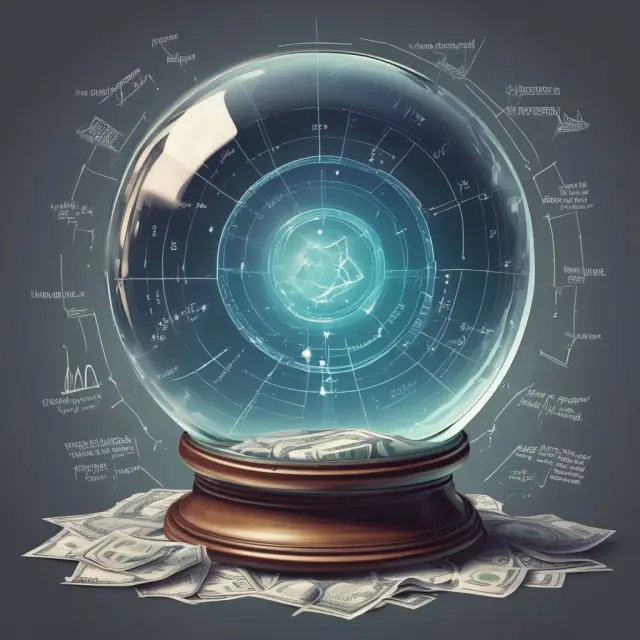
Dive into the world of economic forecasting—its significance, indicators, limitations, applications, history, case studies, and future prospects.
Introduction to Economic Forecasting
Economic forecasting plays a critical role in shaping fiscal and monetary policies by predicting future economic conditions based on various key indicators. Economists employ statistical models with inputs from primary indicators such as inflation, interest rates, industrial production, consumer confidence, worker productivity, retail sales, and unemployment rates to build projections for quarterly or annual Gross Domestic Product (GDP) growth rates. These predictions guide business managers in planning future operating activities and help government officials determine appropriate fiscal and monetary policies. However, economic forecasting faces challenges due to inherent flaws and human behavior, potentially leading to inaccurate predictions.
Understanding Economic Forecasts
Economic forecasting serves as the foundation for predicting macroeconomic trends. Governments and businesses rely on these forecasts to shape their decisions regarding investments, hiring, spending, taxes, and other policies that impact economic activity. Business managers, especially those in sectors highly sensitive to economic shifts, often employ economists or consult external sources for accurate and timely predictions.
For instance, a shipping company may focus on GDP growth related to trade, while an agricultural business might be interested in forecasts concerning consumer spending patterns on food. Government officials use economic forecasts to establish fiscal policies based on revenue projections and allocate resources accordingly. The accuracy of these forecasts is crucial for setting appropriate tax rates and determining the size of budget deficits or surpluses.
Economic Indicators: Building a Forecast Model
Economists utilize various indicators to construct economic forecast models. Primary indicators include inflation, interest rates, industrial production, consumer confidence, worker productivity, retail sales, and unemployment rates. These factors influence the overall economic climate and provide insight into the health of an economy. By analyzing trends in these indicators, economists can predict future economic conditions with reasonable accuracy.
Importance to Businesses and Governments
Businesses use economic forecasts as a strategic tool for planning future operations. For example, a company anticipating growth may expand its workforce or invest in new equipment based on positive economic projections. Conversely, a firm expecting a downturn might choose to cut costs, reduce headcount, or seek alternative revenue streams.
Governments also rely on accurate forecasts for policy making. For instance, they can adjust taxes and spending levels based on expected changes in economic activity. Infrastructure investments and social safety net programs may be prioritized when an economy is expected to grow, while austerity measures or tax increases might be considered during periods of economic contraction.
Limitations: Challenges and Human Behavior
Despite the importance of economic forecasting, it is not without its challenges. Politics and subjective human behavior often impact forecasts’ accuracy. In some cases, governments may produce rosy predictions to justify legislation or mask underlying economic issues. Conversely, private sector economists have been known to get predictions wrong due to personal biases and an inherent reluctance to stray from the consensus.
The limitations of economic forecasting are evident when examining historical failures. Economists missed numerous signs of recessions, including the 2008 financial crisis. According to a study by Prakash Loungani, economists failed to predict 148 of the past 150 recessions, highlighting the challenges in accurately forecasting economic conditions and the importance of maintaining objectivity and critical analysis.
Impact on Businesses and Investors
Economic forecasts shape businesses’ strategic planning and investment decisions. Incorrect predictions can result in significant losses or missed opportunities, particularly in capital-intensive industries such as energy and infrastructure. For instance, an oil company investing heavily in new drilling sites based on positive economic projections might face large losses if the economy performs poorly, leading to reduced demand for their product.
In conclusion, economic forecasting plays a crucial role in shaping fiscal and monetary policies by predicting future economic conditions. While these predictions are vital for businesses and governments, they are not without limitations. Inaccuracies can lead to missed opportunities or significant losses. To mitigate these risks, it is essential to understand the primary indicators used in forecasts, their importance, and the challenges inherent in making accurate predictions. By doing so, businesses and investors can make informed decisions based on realistic economic projections.
Economic Indicators: Key Variables Used for Predictions
Economic forecasting relies heavily on a set of primary indicators to assess the current economic climate and anticipate future conditions. These key variables, or leading indicators, enable economists to build models that predict macroeconomic trends, particularly Gross Domestic Product (GDP) growth rates. By closely monitoring these indicators, businesses and governments alike can make informed decisions about their fiscal and monetary policies.
Seven primary economic indicators are commonly used in economic forecasting: inflation, interest rates, industrial production, consumer confidence, worker productivity, retail sales, and unemployment rates. These indicators provide valuable insights into the overall state of an economy and its potential future direction. Let us take a closer look at each one.
1. Inflation – The rate at which the general price level for goods and services is rising, or falling, measured usually by the Consumer Price Index (CPI) or Producer Price Index (PPI). A stable inflation rate is crucial to maintaining economic balance, as it allows businesses to make long-term plans with predictability. Inflation can impact other indicators, such as interest rates and consumer confidence.
2. Interest Rates – The cost of borrowing money from financial institutions. Central banks, like the Federal Reserve or European Central Bank (ECB), adjust interest rates in response to changing economic conditions in order to manage inflation and stabilize economic growth. Low interest rates encourage borrowing, leading to increased consumer spending and investment. High interest rates reduce borrowing, as the cost of credit becomes prohibitively expensive.
3. Industrial Production – A measure of output from factories, mines, and utilities. Industrial production is a significant contributor to GDP growth, and trends in this sector can help predict overall economic conditions. Strong industrial production indicates a healthy economy, while declining figures suggest potential trouble on the horizon.
4. Consumer Confidence – A measure of consumer optimism regarding future economic conditions, typically determined through monthly surveys conducted by organizations like the Conference Board or University of Michigan. Consumer confidence is influenced by several factors such as employment levels, income growth, and inflation. High levels of consumer confidence lead to increased spending on goods and services, driving economic growth.
5. Worker Productivity – A measure of output per hour worked in an economy. Increases in worker productivity indicate that the same amount of resources (labor and capital) are producing more output than before. This is a desirable situation for businesses as it leads to higher profits and, ultimately, economic growth.
6. Retail Sales – The value of total sales at retail outlets. Retail sales represent a significant portion of overall economic activity. Consumer spending on goods and services drives much of the GDP growth in many economies. A strong trend in retail sales is indicative of a healthy economy, while declining figures suggest potential trouble ahead.
7. Unemployment Rates – The percentage of the labor force that is currently unemployed but actively seeking employment. Low unemployment rates mean more people have jobs and are earning income, boosting consumer spending power and contributing to overall economic growth. High unemployment rates indicate a weak economy and may lead to decreased consumer spending and slower GDP growth.
Understanding these primary indicators provides valuable insights into the current state of an economy and can help predict future conditions. By monitoring trends in these indicators, economists, businesses, and governments alike can make informed decisions about fiscal and monetary policies that promote economic stability and growth.

Importance of Economic Forecasting to Businesses and Governments
Economic forecasts serve as crucial guidance for both businesses and governments in their planning and policy-making processes. Understanding future economic conditions enables these entities to make informed decisions regarding investments, hiring, spending, taxation, and other policies that significantly impact the overall economic landscape.
Businesses rely on economic forecasts to plan their operational activities effectively. Large corporations may employ their team of economists to closely monitor macroeconomic indicators that are most relevant to their industries. For instance, a shipping company might focus on GDP growth, trade, and port activity levels to make informed decisions about their capacity utilization and expansion plans. Alternatively, they could rely on external economic research firms or academic experts for insights into the economy’s future trajectory.
In contrast, government officials use economic forecasts to inform fiscal policies that directly impact millions of citizens. Economists employed by federal, state, or local governments play a crucial role in helping policymakers set spending and tax parameters based on expected economic conditions. In the U.S., for instance, economists at the White House, Federal Reserve Board (FSB), and Congressional Budget Office are responsible for providing their respective institutions with economic projections. These forecasts influence decisions regarding deficit targets, infrastructure spending, and interest rate policies that can significantly shape the economy’s direction.
However, it is essential to note that economic forecasting comes with inherent limitations and challenges. Politicians may exert pressure on economists to produce favorable forecasts that align with their policy objectives. Additionally, human biases and errors can impact the accuracy of predictions. These factors contribute to inconsistencies in economic forecasts and warrant a degree of skepticism from investors and decision-makers alike.
In conclusion, economic forecasting is an essential tool for businesses and governments alike. By understanding future economic conditions, these entities can make well-informed decisions that influence the economy’s trajectory. However, it is crucial to recognize the limitations and inherent challenges associated with this field, ensuring a balanced perspective when interpreting and acting on economic forecasts.
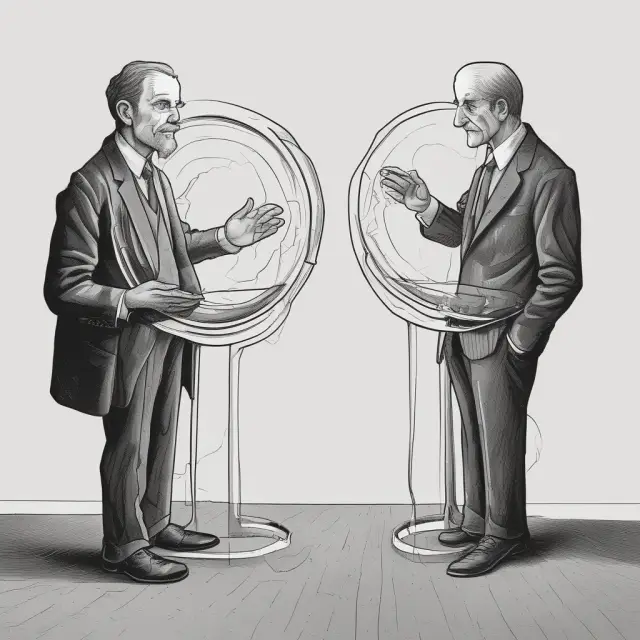
Limitations of Economic Forecasting: Inherent Flaws and Human Behavior
The process of economic forecasting, while crucial for businesses and governments alike, faces numerous challenges due to inherent flaws and human behavior. Despite the use of a vast array of statistical models and indicators, economic predictions can be subjective and prone to inaccuracies. This section will delve into these limitations.
Political Pressures
Government-produced forecasts can be scrutinized due to political pressures and biases. Economists working within the government sector often face demands from policymakers, leading them to generate forecasts that align with a particular agenda. In some instances, this can result in optimistic or overly conservative projections that may not accurately represent the economy’s true state. For example, during the passing of significant legislation like the U.S. Tax Cuts and Jobs Act of 2017, government economists were tasked with producing forecasts assuming lower fiscal deficits than those predicted by independent economists. The potential implications on the economy are drastic, making it essential to critically evaluate these predictions.
Personal Biases
Human bias plays a significant role in economic forecasting as well. Economists’ personal theories and beliefs can influence their interpretation of data and projections. For instance, an economist with a belief that government spending negatively impacts the economy may focus more on indicators such as inflation and debt levels rather than those highlighting consumer confidence or industrial production. This subjectivity could lead to inaccurate forecasts, making it essential to be aware of individual biases when assessing predictions.
Subjectivity Among Private Sector Economists
Private-sector economists are also prone to errors in their economic projections. They may prioritize their reputation over being bold in their forecasts to avoid potential consequences. This could lead to a lack of diversity in the consensus, which can hinder the discovery of potential economic downturns or crises. Prakash Loungani, assistant director and senior personnel and budget manager at the International Monetary Fund (IMF), reported that economists missed 148 of the past 150 recessions worldwide. The inability to spot imminent economic downturns underlines the importance of acknowledging the inherent limitations and biases present in economic forecasting.
In conclusion, while economic forecasting provides valuable insights for businesses and governments, it is essential to acknowledge its inherent flaws and human behavioral aspects that can influence projections’ accuracy. By being aware of these limitations, one can make more informed decisions when evaluating economic forecasts and their implications for the economy and personal investments.

How Economic Forecasts Are Used: Planning and Policy Making
Economic forecasts serve as invaluable tools for both businesses and governments in planning their strategies, making informed decisions, and setting policies based on predicted economic conditions. For businesses, accurate economic forecasting can help them assess potential market trends, adjust production levels, and make informed investment decisions. Conversely, government officials utilize economic forecasts to formulate fiscal and monetary policies based on anticipated economic growth rates or inflation.
Businesses depend on economic forecasts to plan their operational activities effectively. By understanding the economic environment, companies can optimize their resources, adapt production levels, and invest wisely. For instance, a shipping company might require information on GDP growth to anticipate demand for international trade, enabling them to adjust their fleet accordingly. Alternatively, a manufacturing firm may analyze industrial production trends to determine capacity expansions or contractions.
Government officials, on the other hand, rely on economic forecasts to shape fiscal policies that impact public spending and taxation. Economists employed within various government departments play essential roles in providing insights into future economic conditions. These analyses help inform decisions regarding budgets, interest rates, and employment levels. For instance, a reduction in consumer confidence might lead a government to implement stimulus measures to support the economy.
Despite their significance, economic forecasts have inherent limitations. One major challenge is the subjective nature of human judgment involved in the process. Economists, like all humans, possess biases that can impact their predictions. Moreover, political pressures and partisanship might influence government-issued forecasts. This uncertainty highlights the importance of considering multiple forecasts from various sources to gain a more comprehensive understanding of economic conditions.
Additionally, economists often disagree on economic theories, which can lead to differing perspectives when it comes to forecasting. The choice of specific indicators and weightings used in economic models is also subject to interpretation, resulting in varying predictions. In light of these challenges, investors should remain cautious when relying solely on any single economic forecast.
A historical example of the importance of accurate economic forecasts can be seen during the 2008 financial crisis. Many economists and financial institutions failed to predict the magnitude of the impending recession, resulting in significant losses for both individuals and governments alike. The ability to accurately forecast economic conditions would have allowed businesses and policymakers to prepare for the downturn, potentially mitigating some of the negative impacts.
In conclusion, economic forecasts provide valuable insights into future economic conditions that enable both businesses and governments to make informed decisions and adjust strategies accordingly. However, their limitations, including subjective biases, political pressures, and disagreements among economists, necessitate a cautious approach when relying on any single forecast. Instead, investors should consider multiple forecasts from various sources to gain a comprehensive understanding of the economic landscape.

Economic Theories: Impact on Projections
Economists’ Personal Beliefs Influence Predictions
Economic forecasting relies on a wide range of variables, or economic indicators, to project future conditions. However, it is important to recognize the role economists’ personal theories play in shaping their predictions. Economists hold varying beliefs regarding how the economy functions, leading to distinct approaches in interpreting data and making forecasts. This section discusses the significance of economic theories on projections and illustrates a few key examples.
Economic Theory: Supply-side vs Demand-side
One fundamental divide among economists centers around the supply side or demand side of an economy. According to the theory of aggregate demand, economic activity is primarily driven by consumer spending and investment in goods and services. In contrast, the supply-siders argue that the supply of goods and services determines the overall level of economic output.
The differences between these two theories can significantly impact economic forecasts. For instance, a demand-side economist might focus more on indicators related to consumer spending, such as retail sales and personal income, when making predictions. Conversely, a supply-sider would pay greater attention to variables like industrial production, worker productivity, and inflation.
Economic Theory: Monetarism vs Keynesianism
Another significant divide within the economics profession lies between monetarists and Keynesians. Monetarists argue that changes in the money supply determine economic fluctuations. According to this theory, controlling the money supply is the primary tool for managing inflation and stabilizing the economy. In contrast, Keynesian economists believe government spending can stimulate demand during recessions and counteract deflationary pressures.
The monetarist versus Keynesian debate has significant implications on economic forecasts, particularly regarding fiscal policy. A monetarist might pay more attention to inflation rates when making projections, while a Keynesian economist could place greater emphasis on consumer confidence and government spending indicators in their analysis.
Economic Theory: Classical vs Behavioral Economics
Another significant divide within economic theory is between classical economics and behavioral economics. While classical economics assumes individuals make rational decisions based on complete information, behavioral economics acknowledges the role of cognitive biases and emotions in decision-making.
Classical economists might focus on macroeconomic variables, like GDP or inflation rates, when making projections. However, a behavioral economist could also consider psychological factors, such as sentiment and confidence, that can impact consumer spending patterns and economic trends.
Examples of Economic Theory Influence
A classic example of the influence of economic theories on projections can be seen in the ongoing debate over interest rates. Monetarists argue that raising interest rates will help control inflation by reducing demand for goods and services, while Keynesians believe lowering interest rates can stimulate economic growth through increased borrowing and investment. The different perspectives result in varying forecasts on the implications of interest rate changes for the overall economy.
In conclusion, understanding economists’ personal theories is crucial when analyzing economic projections. Their beliefs shape their interpretation of data and the indicators they prioritize, ultimately impacting the validity and relevance of their predictions. In a complex and ever-changing global economy, it is essential to acknowledge the role of economics as both an art and a science, with subjective judgment playing an inevitable part in forecasts.
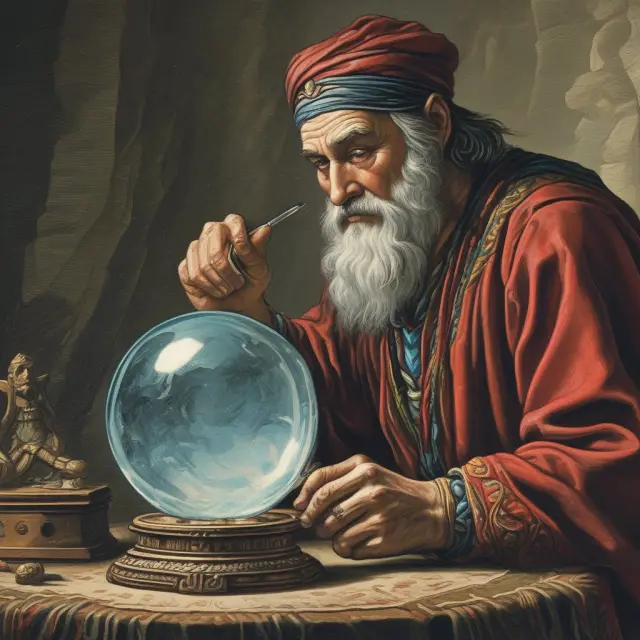
History of Economic Forecasting: From Ancient Times to Modern Economics
Economic forecasting holds a long and fascinating history, dating back to ancient civilizations and evolving with the advent of modern economics. This section offers an in-depth look into the origins, development, and significance of economic forecasting throughout history.
The practice of attempting to predict future economic conditions dates back to ancient times. The Babylonians are believed to have used divination techniques as early as 500 BC to estimate rice harvests and plan taxes. Fast forward to the late 18th and early 19th centuries, economists like Thomas Robert Malthus and Simon Kuznets began developing more formal economic models to forecast future trends. In the mid-20th century, the field took a significant leap with the establishment of the National Bureau of Economic Research (NBER) in 1920, which focused on identifying business cycle turning points.
Economic forecasting gained increasing importance following the Great Depression of the 1930s. The disaster spurred a greater emphasis on understanding economic trends and predicting future conditions to prevent another catastrophe. This led to the development of more sophisticated statistical methods, such as time series analysis and econometrics, which are widely used in modern economic forecasting.
Governments and businesses began to rely heavily on economic forecasters during World War II to plan war efforts and allocate resources effectively. After the war, forecasts became essential for determining fiscal and monetary policies, making it a crucial tool for both governments and private sector organizations.
The challenges inherent in economic forecasting, such as political pressures, personal biases, and human behavioral factors, have led to mixed successes throughout history. Despite its limitations, economic forecasting remains an indispensable aspect of our economy, providing valuable insights that guide decision-making at both macro and micro levels.
In the following sections, we will explore the key indicators used in economic forecasting, their importance for businesses and governments, and the limitations of this often-challenging field. Stay tuned for more insightful information on economic forecasting and its impact on our economy!

Case Studies: Successes and Failures in Economic Forecasting
Economic forecasts can serve as valuable tools for businesses, investors, and policymakers. However, the accuracy of predictions relies on a combination of statistical modeling and human expertise. In this section, we explore real-life examples of successful economic predictions and instances where forecasts fell short, shedding light on the complexities of predicting future economic conditions.
In the early 1960s, the economist and Nobel laureate Paul Samuelson famously predicted that “the national product will be, on average, a little over $800 billion in 1970.” At the time, the US national income was about $450 billion. Samuelson’s forecast was almost spot-on; the US Gross Domestic Product (GDP) reached $812.6 billion in 1970. His correct prediction underscores the power of accurate economic forecasting but also highlights the challenges involved, as this example occurred during a period of strong economic growth and relatively stable conditions.
Conversely, economists’ ability to predict crises or significant downturns has been less impressive. In the late 1920s, most economists missed the warning signs leading up to the Great Depression, despite some early indicators such as a stock market bubble and increased economic volatility. It was only after the onset of the crisis that the underlying causes became apparent, including excessive borrowing, overproduction, and underconsumption.
More recently, in 2005, the US Federal Reserve raised interest rates to combat inflation concerns amidst a robust housing market and an expanding economy. Economists from various institutions, including Goldman Sachs and Morgan Stanley, predicted that the housing market would not be affected by this rate hike. However, the bursting of the housing bubble in 2007 resulted in a widespread economic downturn known as the Great Recession.
These examples illustrate the importance of understanding both the successes and failures in economic forecasting. They serve as valuable learning opportunities for investors, businesses, and policymakers alike. Successful predictions can guide decision-making and provide insights into economic trends, while mistakes offer lessons on potential pitfalls and help improve future accuracy. As economist Paul Romer once said, “A bad economic forecast may be more important to a society than a good one,” as it can lead to policy changes that mitigate potential risks and protect against economic instability.
The human element in economic forecasting is another essential factor to consider. Economists’ personal theories, biases, and political pressures can impact their predictions. For instance, the Great Depression-era economist John Maynard Keynes once commented that “the markets can remain irrational longer than you can stay solvent.” His belief in the role of human behavior in economic trends influenced his advocacy for government intervention to stabilize the economy during times of crisis.
In conclusion, economic forecasting is a complex and ever-evolving process. While it can provide valuable insights into future economic conditions and aid in decision-making, its accuracy is subject to various factors including statistical modeling, personal biases, and political pressures. A thorough understanding of economic history, the role of human behavior, and real-life examples like those discussed here, can help investors, businesses, and policymakers make informed decisions and navigate the inherent challenges in predicting future economic conditions.

Future Developments in Economic Forecasting
Economic forecasts have long been an integral part of policy making for both governments and businesses, providing vital insights into future economic conditions. However, as the business landscape evolves, economists are employing new trends, technologies, and methodologies to enhance their forecasting capabilities and adapt to emerging challenges.
One significant development is the increasing use of alternative data sources in economic forecasting. With the rise of big data and advanced analytics, economists can now leverage an extensive array of data points from various industries, such as social media, satellite imagery, and financial transactions, which were previously unavailable or difficult to access. These alternative data sources can offer valuable insights into consumer behavior, market trends, and economic conditions that traditional indicators might miss.
Another notable advancement is the adoption of machine learning algorithms and artificial intelligence (AI) in economic forecasting models. By using historical data and advanced algorithms, economists can create more accurate predictions by identifying patterns and correlations that are not immediately apparent through conventional statistical analysis. Moreover, these models can adapt to new data points and adjust their forecasts accordingly, providing more flexibility and responsiveness than traditional forecasting methods.
Furthermore, there is growing interest in incorporating behavioral economics principles into economic forecasting. By understanding the psychological, emotional, and cognitive aspects of human decision-making, economists can develop a more nuanced perspective on consumer behavior, market trends, and policy implications. For instance, studies have shown that emotions play a significant role in driving economic decisions, from investment choices to consumption patterns.
Finally, collaboration between economists, data scientists, and policymakers is becoming increasingly important for developing accurate and comprehensive economic forecasts. By combining expertise across disciplines, these interdisciplinary teams can integrate multiple perspectives, data sources, and analytical techniques to create more robust and informative forecasts that cater to a diverse range of stakeholders.
In conclusion, the field of economic forecasting continues to evolve, with new trends, technologies, and methodologies transforming how economists analyze and predict future economic conditions. By embracing these advancements, economists can enhance their forecasting capabilities, adapt to emerging challenges, and provide valuable insights to businesses and governments alike.

FAQ: Common Questions on Economic Forecasting
Economic forecasting is a crucial tool for businesses, investors, and governments alike in anticipating future economic conditions. This section delves into some of the most frequently asked questions about economic forecasts and their implications.
Question: What is economic forecasting?
Answer: Economic forecasting refers to the process of estimating and predicting future economic conditions using a range of essential indicators, such as inflation, interest rates, industrial production, consumer confidence, worker productivity, retail sales, and unemployment rates. It provides valuable insights for decision-making, allowing businesses and governments to plan their strategies accordingly.
Question: What role do economic forecasts play in shaping fiscal and monetary policies?
Answer: Government officials use economic forecasts as a vital input when determining fiscal policies, while business managers rely on them to plan their operating activities. Accurate predictions help shape the economic direction and provide valuable guidance for decision-makers.
Question: Why is economic forecasting considered flawed?
Answer: Economic forecasts are often criticized for their inherent limitations and human behavioral biases. Economists may face political pressures that could lead to unrealistic scenarios, or they might prefer to stick to the consensus to avoid potential reputation damage. However, economists have also missed major economic downturns throughout history, making their predictions less reliable at times.
Question: How accurate are economic forecasts?
Answer: Economic forecasting is not an exact science, and the accuracy of forecasts varies. The level of uncertainty increases as the time horizon extends. Despite inherent limitations and challenges, economic forecasts can still provide valuable insights when used with caution and a proper understanding of their assumptions.
Question: What impact do economists’ theories have on economic forecasting?
Answer: Economists’ personal theories significantly influence their predictions. Different perspectives on how the economy functions lead to varying interpretations of key indicators, potentially resulting in biased or subjective projections. It is essential for investors and decision-makers to consider multiple forecasts from various perspectives to gain a more comprehensive understanding of potential economic outcomes.
Question: How has economic forecasting evolved over time?
Answer: Economic forecasting has been practiced since ancient civilizations, but its significance grew during the Great Depression in the 1930s when a greater emphasis was placed on analyzing economic conditions and predicting future trends. Over the years, statistical models and analytical techniques have improved, making economic forecasts more sophisticated and valuable for decision-making.
 Next entry · No. 1,210Understanding Economic Integration: Benefits, Costs, and Real-World Examples
See also
-
 No. 359
15 Apr 2024
19 min
Understanding and Leveraging the Base Effect in Finance and Investment
Economics
No. 359
15 Apr 2024
19 min
Understanding and Leveraging the Base Effect in Finance and Investment
Economics -
 No. 1,599
10 Oct 2024
21 min
Understanding and Managing Foreign Exchange Risk for Institutional Investors
Global Finance
No. 1,599
10 Oct 2024
21 min
Understanding and Managing Foreign Exchange Risk for Institutional Investors
Global Finance -
 No. 4,099
22 May 2025
19 min
Procyclic: Understanding the Correlation between Economic Indicators and Business Cycles
Economics
No. 4,099
22 May 2025
19 min
Procyclic: Understanding the Correlation between Economic Indicators and Business Cycles
Economics -
 No. 3,495
02 Apr 2025
18 min
Understanding Non-Accelerating Inflation Rate of Unemployment (NAIRU) and Its Role in Economy
Economics
No. 3,495
02 Apr 2025
18 min
Understanding Non-Accelerating Inflation Rate of Unemployment (NAIRU) and Its Role in Economy
Economics -
 No. 1,414
12 Sep 2024
20 min
Understanding the Expenditure Method for Calculating Gross Domestic Product: A Comprehensive Guide
Economics
No. 1,414
12 Sep 2024
20 min
Understanding the Expenditure Method for Calculating Gross Domestic Product: A Comprehensive Guide
Economics -
 No. 834
17 Jun 2024
19 min
The Crowding Out Effect in Finance: Understanding Government’s Impact on Private Spending
Economics
No. 834
17 Jun 2024
19 min
The Crowding Out Effect in Finance: Understanding Government’s Impact on Private Spending
Economics