General Partner: Understanding the Role, Responsibilities, and Liabilities
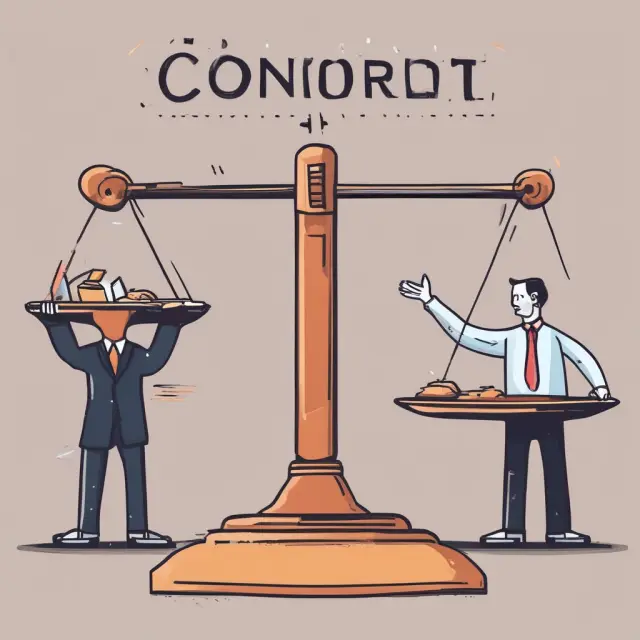
Learn the essentials of being a General Partner: roles, responsibilities, liabilities, benefits & real-world examples.
What is a General Partner?
A general partner plays a pivotal role as both an owner and manager in a partnership, which refers to an agreement between two or more individuals or entities to join forces and collaborate on business ventures. General partners are integral to the daily operations of the business, sharing in its decision-making powers and liabilities. This unique arrangement offers numerous benefits, such as tax advantages, access to shared resources, and opportunities for specialized expertise.
A general partner’s involvement extends beyond mere investment, as they often bring valuable skills and knowledge to the table, which is crucial to the success of the partnership. By pooling their resources and working together, general partners can build a stronger business, expand their client base, and provide better services than they would be able to do on their own.
However, this role comes with significant responsibilities and risks. A general partner’s personal assets are potentially liable for the partnership’s debts, making it essential that they exercise care and diligence in managing the business and minimizing potential risks. In comparison to a limited or silent partner, who has limited involvement in the business and limited liability, a general partner takes on both management duties and personal financial risk.
Understanding General Partner: Key Responsibilities and Liabilities
A general partner’s responsibilities include managing day-to-day operations, making strategic decisions, sharing expenses, and ensuring that the partnership is profitable. As part of this role, a general partner may have significant control over the business’s assets, making them accountable for managing those resources effectively and ethically.
Despite their vital role in the partnership, a general partner’s personal assets are not shielded from the business’s liabilities. This aspect can be a double-edged sword; while it allows for more flexibility and control, it also means that the general partner may be held personally responsible for debts or other financial obligations of the partnership.
When considering becoming a general partner, one should weigh the potential risks against the rewards, understanding that their personal finances could be at risk if the business incurs significant debt or faces a lawsuit. However, this risk can also serve as motivation to ensure that the partnership is successful and financially sound, as the rewards of shared profits and operational control are considerable.
The Balance Between Control and Risk: Choosing the Right Partnership Structure
A general partner’s role offers significant benefits, but it also involves substantial personal risk. To minimize this risk, professionals may consider forming a limited partnership, where one or more partners (general partners) manage the day-to-day business activities while other partners (limited partners) invest in the venture and enjoy limited liability. This structure allows the general partner to retain control and management responsibilities while limiting their personal liability for the partnership’s debts.
In summary, a general partner is an integral part of a partnership, assuming both management duties and potential financial responsibility for the business. The role comes with significant risks but also offers control, shared resources, and the potential for increased profits. It is important to weigh these factors carefully before deciding on a partnership structure and understanding the implications of being a general partner.

Key Takeaways on General Partners
A general partner plays a pivotal role in partnership businesses. They are a part-owner of the enterprise, actively involved in managing it, and share profits, while also bearing personal responsibility for business debts. Below is a summary of essential information about general partners:
- Acts on Behalf of the Business: General partners have the authority to represent the partnership without consulting other partners, making them integral to its day-to-day operations.
- Unlimited Liability: Unlike limited or silent partners, general partners are personally liable for all business debts and obligations. This means that their personal assets may be at risk if the business incurs substantial losses.
- Specialized Expertise: General partners often bring unique knowledge and skills to the partnership, contributing to its overall growth and success.
- Sharing of Responsibilities: By pooling resources and sharing management responsibilities, each general partner can focus more on their professional duties while contributing to the business’s operations.
- Tax Benefits: A significant advantage of a partnership is that it is not taxed as an entity, allowing partners to report their share of profits and losses as personal income and pay taxes accordingly.
- Malpractice Risks: Since general partners can be held liable for the actions of other partners, they face potential legal risks if any partner is sued for malpractice or negligence.
- Business Growth: Partnerships offer a larger pool of resources for business expansion and growth, making it an attractive option for professionals seeking to build and maintain their practices on a broader scale.
- Flexible Structure: A partnership agreement can be customized to suit the specific needs of each business, allowing partners to outline the terms of their relationship, profit distribution, and responsibilities.
- Personal Risk vs. Limited Partnerships: General partners assume more personal risk than limited partners in a limited partnership as they have unlimited liability. In contrast, limited partners’ liability is restricted to their investment in the business.

General Partner’s Role and Responsibilities
A general partner plays a significant role within a partnership, managing the day-to-day operations of the business and sharing the financial risks and rewards. With this position comes immense responsibilities that extend beyond just running the business; these duties include making strategic decisions, incurring debt, and ultimately being personally liable for the partnership’s debts.
Being a general partner grants an individual substantial control over the partnership’s activities. They hold the authority to act on behalf of the business without seeking approval or consent from other partners. While the role comes with great power, it also carries significant personal risk. The general partner’s personal assets can be at stake if the partnership incurs debts that it cannot pay off.
General partners often bring valuable skills and expertise to the partnership through their professional backgrounds. This knowledge not only contributes to the collective success of the business but also enables them to handle various aspects of its management effectively. As a result, they can devote more time and attention to their specialized work, thereby increasing productivity and revenue for the entire entity.
In exchange for their contributions and assuming the role of the general partner, these individuals share in the profits generated by the business. They also participate in the partnership’s expenses, which include salaries, rent, utilities, and other operational costs.
Distinguishing Partnerships from Limited Partnerships
When comparing a general partnership to a limited partnership, it’s essential to understand that the primary difference lies in the liability structure of these entities. In a general partnership, all partners are personally liable for the partnership’s debts and obligations, whereas in a limited partnership, only the general partner holds this responsibility.
The general partner in a partnership is expected to manage and operate the business on behalf of the partnership, while other partners may contribute financially or through expertise without taking an active role in the daily management of the business. This structure allows for more flexibility and control over business decisions for the general partner, making it an attractive option for professionals who wish to maintain their autonomy while still benefiting from a collective business venture.
In conclusion, understanding the role and responsibilities of a general partner is crucial for anyone considering entering into a partnership agreement. By being aware of the authority, control, risk, and benefits associated with this position, individuals can make informed decisions about whether becoming a general partner aligns with their professional goals and personal risk tolerance.
Confidence: 95%

Liabilities and Personal Risk for General Partners
The concept of a general partnership carries significant personal risk for the individuals who assume this role. Unlike a limited partner, who only puts forth capital without managing daily affairs or having decision-making power, a general partner is personally liable for the business’s obligations. This means that if the partnership incurs debts, the general partner may be held accountable.
For instance, in a medical practice partnership, each general partner could potentially face personal financial consequences from malpractice lawsuits. Should a patient decide to sue one partner, the entire partnership could be at risk. Although the specifics of a case would determine how liabilities are allocated, there is no guarantee that the partner whose actions led to the lawsuit would be the only one affected.
Furthermore, in some instances, courts may force each general partner to cover their share of the judgment, even if they did not directly cause the issue. This possibility can be quite daunting for professionals, particularly those who have built a significant portion of their wealth in their business. In such situations, the personal assets of the general partners could be at risk, and their financial wellbeing might depend on the outcome of the lawsuit.
It’s essential to weigh the potential benefits and risks before becoming a general partner. While you may share the profits with your partners, the downside is that the partnership’s losses can also affect each individual’s personal assets. In contrast, a limited partnership offers some degree of protection from personal liability, as only the general partner assumes the full responsibilities and risks.
Nonetheless, being a general partner does come with advantages such as shared management tasks, business growth opportunities, and tax benefits. You can collaborate with your partners to grow your professional network and expand your client base in a larger business environment. Additionally, you’ll be able to claim a portion of the partnership’s profits on your personal income tax returns, which could result in substantial savings.
Partnership vs. Limited Partnership: Key Differences
To further illustrate the distinction between these two partnership structures, it is vital to understand their primary differences. A general partnership consists of partners who share the management responsibilities and assume equal liability for debts. This means that each partner is responsible not only for their investment but also for the day-to-day operations, making decisions and taking risks as needed.
On the other hand, a limited partnership features one or more general partners who manage the business and bear unlimited personal liability for its debts. Simultaneously, there are passive investors called limited partners who provide capital to the business but do not participate in management decisions or take part in running the day-to-day operations. Limited partners are only responsible for their share of the losses up to the amount they invested, offering them a degree of personal protection from unlimited liability.
While both partnership types have their pros and cons, understanding the roles and responsibilities can help you make an informed decision when deciding on a business structure that suits your needs.

Benefits of Being a General Partner
A general partnership offers several benefits that make it a popular choice for professionals seeking to collaborate and expand their businesses. Among these advantages, we find tax benefits, shared responsibilities, and business expansion opportunities.
Firstly, partnerships are not subject to corporate taxes as they are considered pass-through entities. The IRS does not require partnerships to pay taxes on profits; instead, the partners pay individual income taxes based on their share of the profits. This arrangement allows for a more straightforward taxation process, and each partner has greater control over their own financial situation.
Additionally, being a general partner offers the opportunity to pool resources with other professionals in the field, allowing for the expansion of a business beyond the capabilities of a single individual. The shared responsibility for managing the partnership means that each partner can focus on their specific area of expertise while trusting their colleagues to handle other aspects of the business. This division of labor creates an efficient and effective structure that benefits all parties involved.
Furthermore, as a general partner, professionals have the potential to grow their personal wealth through the success of the partnership. Since they share in the profits, each partner’s financial stake in the business is directly linked to its overall performance. This arrangement allows partners to build lasting and mutually beneficial relationships with one another while growing their professional practices.
However, it’s important to note that this arrangement comes with certain risks as well. The most significant risk is personal liability for partnership debts. Since general partners share unlimited liability, they are personally responsible for the business’s financial obligations. This exposure can be mitigated through various means, including obtaining professional liability insurance and drafting a comprehensive partnership agreement that outlines each partner’s responsibilities and limits potential risks.
In summary, being a general partner offers significant benefits for professionals looking to expand their practices while maintaining control over their careers. With tax advantages, shared responsibilities, and business growth opportunities, a partnership can be an excellent choice for those seeking collaboration and financial success.

Partnership vs. Limited Partnership: Key Differences
Two common structures for businesses that involve multiple owners are partnerships and limited partnerships. Both types of organizations have their advantages, but they differ significantly when it comes to the role of a general partner. A partnership is any business entity formed by two or more individuals who share in its profits and losses. In contrast, a limited partnership consists of one or more general partners who manage the business and are personally liable for its debts, and one or more limited partners who invest but have limited liability.
General Partners vs. Limited Partners
In a partnership, all partners have the right to make decisions on behalf of the business, and each has unlimited personal liability for the organization’s obligations. In contrast, in a limited partnership, general partners run the business while having unlimited liability for its debts, and limited partners only invest with their agreed-upon capital contribution and limited liability for any losses.
Professional Advantages of Partnerships
Partnerships are popular among professionals such as doctors, lawyers, and artists due to the shared responsibilities, which enable each partner to focus on their area of expertise. The partnership structure also offers potential tax benefits since all partners share profits and losses proportionally. Moreover, a business partnership can potentially attract new clients by increasing its market reach through combined resources and networks.
Taxation and Partnerships
When it comes to taxes, partnerships are not taxed as individual entities but instead report their income and expenses on their personal tax returns. Each partner is responsible for paying taxes on their allocated share of the partnership’s profits, while losses may be offset against other income or carried forward for future use. This tax structure can lead to potential savings compared to a corporation with corporate tax rates.
Advantages of Limited Partnerships
For those who want to invest in a business but not assume operational responsibilities or face personal liability, limited partnerships offer an attractive alternative. In this arrangement, general partners manage the day-to-day operations and personally cover any debts while limited partners contribute capital without being involved in management decisions or assuming personal risk for the company’s financial obligations.
In conclusion, understanding the role of a general partner is crucial when considering partnerships as an entrepreneurial or investment strategy. Partnerships and limited partnerships each have their merits, with partnerships offering shared responsibilities and potential tax benefits and limited partnerships providing passive investment opportunities and limiting personal liability. Ultimately, the choice between these business structures depends on your specific goals, resources, and risk tolerance.

Professionals and General Partnerships: Examples
The partnership model is a popular choice among various professionals, including doctors, lawyers, artists, and entrepreneurs. A general partner plays a pivotal role within this structure, acting both as a business owner and an active manager. Let’s explore some real-life examples of professionals who have successfully utilized the general partnership model.
Doctors: In the medical field, it’s common for doctors to join forces by forming a general partnership. This collaborative approach allows them to maintain their independence while sharing resources, knowledge, and expertise. For instance, two surgeons might open a practice together in a location that caters to a large patient population. They would both be considered general partners, contributing equally to the business’s management and profits. In case of any debts or liabilities, both partners would assume personal responsibility.
Lawyers: Similar to doctors, lawyers frequently form partnerships to expand their practice and share expertise with one another. The partnership structure can result in increased revenue due to the combined client base and diverse skill sets of each attorney. Each lawyer assumes the title of general partner and plays an active role in managing the business and sharing its profits, as well as liabilities if any arise.
Artists: Artists, particularly those in the performing arts industry, often collaborate to create projects that might be too large or complex for one artist to handle alone. A theater group, dance company, or music band can form a general partnership where each member plays an active role in managing the business and shares both profits and losses. This model fosters creativity, promotes collaboration, and provides opportunities for financial growth.
The examples provided above illustrate how professionals across various industries utilize the general partnership structure to expand their businesses, share expertise, and manage risk. By combining resources and expertise, these partners can build a strong foundation for success while assuming personal responsibility for any potential debts or liabilities.

General Partner Agreements and Fiduciary Duties
In a general partnership, there isn’t a legally binding document outlining each partner’s specific rights, responsibilities, and expectations. However, it is essential to have a clear understanding of the terms that govern the partnership. This understanding can be achieved by creating a Partnership Agreement. A well-drafted agreement sets the tone for how the business will operate, establishes ground rules, and lays down the framework for handling conflicts and disputes.
A Partnership Agreement is a legally binding document that outlines each partner’s rights, responsibilities, and expectations within the partnership. It also specifies the conditions under which the partnership may be dissolved or how profits are to be distributed. The agreement may include provisions regarding:
- Management structure and decision-making processes;
- Capital contributions and financial management;
- Profit sharing;
- Duties, obligations, and responsibilities;
- Conflict resolution mechanisms;
- Admission or expulsion of new partners;
- Buy-sell provisions;
- Retirement or retirement buyouts;
- Death or incapacity of a partner;
- Noncompete clauses.
Having a clear, well-drafted partnership agreement can help prevent misunderstandings and disputes between partners. It also serves as an essential tool for attracting outside investors by providing them with greater certainty regarding their role in the partnership.
Beyond the legal framework provided by the partnership agreement, general partners have fiduciary duties that include acting in the best interests of the partnership and its partners, avoiding conflicts of interest, maintaining accurate financial records, and disclosing all relevant information to other partners. By adhering to these duties, the general partner can help build trust and promote a healthy business relationship between all parties involved.
In conclusion, while a general partnership does not require a formal agreement, having one is essential for ensuring the long-term success of the business and maintaining good relationships between partners. A well-drafted partnership agreement provides clarity on roles, responsibilities, decision-making processes, profit distribution, and potential disputes. Additionally, it serves as a reminder that general partners have fiduciary duties to act in the best interests of the partnership and its partners.

Managing Conflicts within a Partnership
Partnerships, like any other business entity, can face disagreements between partners from time to time. In such cases, it’s crucial for the partners to have effective strategies to manage conflicts and preserve their business relationship. Here are some best practices for handling disputes:
1. Open communication: Communication is vital for resolving conflicts within a partnership. Partners should maintain open lines of communication and discuss any disagreements as soon as they arise. Regular meetings, whether in person or through video conferencing tools, can help ensure that partners stay informed about the business’s progress and their individual roles.
2. Mediation: In some cases, disagreements may be more complex and require a neutral third party to facilitate discussions. Mediation is an effective method for resolving conflicts in partnerships without going to court. A mediator helps the partners identify potential solutions that meet everyone’s needs while maintaining the partnership’s stability and preserving relationships.
3. Negotiation: Partners can engage in negotiation to resolve their differences through direct dialogue. This approach involves each partner sharing their concerns, goals, and proposing possible compromises. A skilled negotiator may be able to find common ground between partners and arrive at a mutually beneficial resolution.
4. Formal dispute resolution: In extreme cases where negotiations or mediation fail, a formal dispute resolution process can be initiated through the partnership agreement. This may involve bringing in an arbitrator or going to court, depending on the terms of the partnership agreement. However, this should always be considered a last resort as it can be expensive and time-consuming, potentially damaging the business relationship.
5. Legal advice: Seeking legal advice is often recommended when conflicts involve significant financial stakes or complex issues that could potentially harm the partnership or individual partners’ personal assets. An experienced attorney can help guide partners through the dispute resolution process and protect their interests.
Partners should be aware of these best practices for managing conflicts within a partnership. Effective communication, mediation, negotiation, formal dispute resolution, and legal advice are all valuable tools that can preserve business relationships and minimize the risks associated with disagreements.

FAQs on General Partners: Common Questions Answered
What is a general partner?
A general partner is one of two or more individuals, professionals, or entities that jointly own and manage a business partnership. They are personally involved in the day-to-day operations and share in the profits and losses of the business.
What is the difference between a general partner and a limited partner?
The primary distinction lies in their role and liability in the partnership. A general partner actively manages the business, assumes unlimited personal liability for its debts, and shares in the profits, while a limited partner’s responsibilities are restricted to investing in the business with limited personal liability.
How does being a general partner benefit me?
Being a general partner allows you to maintain independence in your professional practice while expanding your reach through partnerships. You can pool resources, share risks, and potentially lower tax liabilities as the partnership itself is not separately taxed. However, personal assets may be at risk if the business accrues debt or faces legal action.
What are my responsibilities as a general partner?
As a general partner, you will have extensive decision-making power and share in the management of the business’s operations. This includes handling finances, setting business strategies, and managing employees.
Can I be held personally responsible for the debts of the partnership?
Yes. Unlike limited partners who only contribute financially to the partnership but do not participate in its daily operations, general partners have unlimited personal liability. They are personally responsible for paying off partnership debts if the business fails to meet its financial obligations.
What are some common professions where general partners exist?
General partnerships are frequently established by professionals like lawyers, doctors, and artists who want to share resources and expand their practice while maintaining independence. The shared expenses and risks can help create a more robust, successful business.
What happens if the partnership faces legal action?
If a client files a lawsuit against the partnership, each general partner could be held personally responsible for paying damages if they are found liable for malpractice or other allegations.
How does a partnership agreement protect me as a general partner?
A partnership agreement outlines the rights and responsibilities of all partners, including the division of profits and losses, management structure, and dispute resolution procedures. It is essential to ensure that all partners understand their obligations before entering the partnership.
 Next entry · No. 1,774General Partnership: Understanding Unlimited Liability, Management, and Taxes
See also
-
 No. 5,457
10 Sep 2025
16 min
Understanding Voluntary Employees’ Beneficiary Associations (VEBAs): Tax-Exempt Organizations for Providing Welfare Benefits
Business Finance
No. 5,457
10 Sep 2025
16 min
Understanding Voluntary Employees’ Beneficiary Associations (VEBAs): Tax-Exempt Organizations for Providing Welfare Benefits
Business Finance -
 No. 5,287
27 Aug 2025
21 min
Understanding Unlevered Beta: Measuring Market Risk Exclusively from Company Assets
Business Finance
No. 5,287
27 Aug 2025
21 min
Understanding Unlevered Beta: Measuring Market Risk Exclusively from Company Assets
Business Finance -
 No. 5,246
23 Aug 2025
22 min
Understanding the Uniform Partnership Act: An In-Depth Guide for Institutional Investors
Business Finance
No. 5,246
23 Aug 2025
22 min
Understanding the Uniform Partnership Act: An In-Depth Guide for Institutional Investors
Business Finance -
 No. 5,098
11 Aug 2025
21 min
Understanding Trustees: Roles, Responsibilities, and Choices for Effective Asset Management
Business Finance
No. 5,098
11 Aug 2025
21 min
Understanding Trustees: Roles, Responsibilities, and Choices for Effective Asset Management
Business Finance -
 No. 5,096
11 Aug 2025
17 min
Understanding Trust Companies: Role, Services, and Benefits
Business Finance
No. 5,096
11 Aug 2025
17 min
Understanding Trust Companies: Role, Services, and Benefits
Business Finance -
 No. 4,567
29 Jun 2025
18 min
Understanding Scenario Analysis: Preparing for Multiple Financial Outcomes
Business Finance
No. 4,567
29 Jun 2025
18 min
Understanding Scenario Analysis: Preparing for Multiple Financial Outcomes
Business Finance