Interactive Media: A New Way to Connect and Learn

Exploring the world of Interactive Media: its purpose, elements, and impact on communication, education, and more.
What Is Interactive Media?
Interactive media is a new form of communication where the user’s inputs dictate the program’s outputs, creating a unique, personalized experience. This type of media sets itself apart from non-interactive media by engaging users and fostering interaction (Bartle, 2017). In a world dominated by digital technology, interactive media has emerged as a powerful tool for communication, education, networking, and personal/professional development.
The origins of interactive media can be traced back to the late 1990s, following the Internet revolution and advancements in technology like smartphones (Bartle, 2017). While non-interactive media, such as television or radio, once reigned supreme, interactive media’s allure lies in its ability to capture our attention through moving images, animation, digital text, video, audio, and the user’s active participation.
Interactive Media: A New Way to Connect and Learn
Understanding Interactive Media: Defining an Engaging Form of Communication
———————————————————————-
What constitutes interactive media? How does it differ from its non-interactive counterparts like television or radio, and how did this innovative communication medium arise? In this section, we will delve into the world of interactive media, exploring its definition, unique characteristics, and origins.
### Definition of Interactive Media: A Two-Way Street
At its core, interactive media refers to digital platforms where users actively engage in the content through various means such as text inputs or physical actions using a controller, ultimately shaping their experience (Bartle, 2017). The term “interactive” derives from the ability of these mediums to interact with and respond to the user’s input.
Interactive media breaks away from the one-way communication model of traditional media like television or radio by allowing users to shape their experience through their actions. This active participation sets interactive media apart from non-interactive media, which generally follows a passive consumption model.
### Elements of Interactive Media: Captivating Components
To create engaging experiences, interactive media incorporates several essential components: moving images and graphics, animation, digital text, video, audio, and the user’s active input (Bartle, 2017). By providing users with these diverse elements, interactive media caters to various preferences and enhances overall enjoyment.
### Origins of Interactive Media: A Revolution in Communication
Tracing the roots of interactive media reveals its inception in the late 1990s, during the Internet revolution (Bartle, 2017). This era saw significant advancements in technology, such as widespread internet access, smartphones, and computers. These developments paved the way for innovative digital platforms that could respond to user inputs and create immersive experiences.
As technology continues to evolve, interactive media will continue to expand its reach and capabilities, offering users increasingly engaging and personalized content.
In the following sections, we will explore the purpose, elements, and influence of interactive media in various aspects of life, including communication, education, networking, and entertainment. We’ll also discuss examples of this innovative medium and its impact on our society.

The Purpose of Interactive Media
Interactive media refers to the various ways people process and share information or connect with others through technology. This form of communication sets itself apart from non-interactive media like television and radio by engaging users, allowing them to interact with the media in a meaningful way. As technology continues to evolve, interactive media has become increasingly immersive, giving users control over their experiences and offering endless possibilities for communication, education, networking, and personal enjoyment.
Traditional forms of media relied heavily on passive consumption, with limited opportunities for audience interaction. Interactive media, however, breaks down those barriers, empowering users to engage with media in a more active and dynamic way (1). At its core, interactive media offers several key advantages over traditional media:
- Active participation: Users can manipulate various elements of the media, such as moving images and graphics, animation, digital text, video, audio, or even virtual reality.
- Collaborative learning: Interactive media fosters collaboration through features like social sharing, commenting, and messaging, helping users engage in meaningful conversations and learn from each other.
- Personalization: With customized settings and preferences, users can tailor their interactive media experiences to suit their interests and needs.
- Instant gratification: Interactive media provides immediate feedback and rewards, keeping users engaged and motivated.
The rise of interactive media can be traced back to the internet revolution in the 1990s and advancements in technology like smartphones (2). Since then, it has become an integral part of our daily lives, transforming how we communicate, learn, and connect with one another (3).
To illustrate the impact of interactive media, let us explore its role in various aspects of life:
- Education: Interactive media facilitates immersive learning environments by offering students an active role in their education. Collaborative tools like Google Docs or discussion boards enable group work and knowledge sharing, while virtual reality simulations provide hands-on experiences that traditional textbooks cannot offer (4).
- Networking: Interactive media enables users to expand their networks and connect with others from around the world. Social media platforms such as LinkedIn help professionals build professional relationships through messaging, networking events, and group discussions. Virtual reality spaces like Second Life offer opportunities for individuals to explore new communities, meet new people, and engage in shared experiences (5).
- Entertainment: Interactive media revolutionized the way we consume entertainment. Video games, virtual worlds, and interactive movies provide users with a sense of immersion and control that traditional media cannot offer. With user-generated content and personalized recommendations, streaming services like Netflix and Hulu cater to individual preferences, ensuring a more enjoyable viewing experience (6).
- Personal/professional development: Interactive media offers numerous opportunities for self-improvement. From e-learning platforms like Coursera to online courses on Udemy, users can gain new skills and knowledge at their own pace and convenience (7). Additionally, interactive media allows individuals to engage with like-minded communities, fostering a supportive network that encourages growth and development.
- Advertising: Interactive media offers marketers new ways to reach and engage consumers. With features like targeted ads, user tracking, and interactive content, advertisers can create personalized campaigns that resonate with their audience and generate leads (8).
As technology continues to advance, the possibilities for interactive media will only grow. From virtual reality to artificial intelligence, the future of interactive media holds endless opportunities for innovation and progress.
FAQs about Interactive Media
What is the difference between interactive and non-interactive media?
Interactive media allows users to engage with media in a dynamic way by manipulating various elements such as moving images, animation, digital text, video, audio, or virtual reality environments. Non-interactive media, on the other hand, relies on passive consumption, such as radio, television, and print materials.
What are some common examples of interactive media?
Common examples include social networking sites, video games, apps, and virtual reality spaces.
How has interactive media impacted education?
Interactive media enables immersive learning environments, fostering collaboration and knowledge sharing through tools like Google Docs, discussion boards, and virtual simulations. It also offers personalized learning experiences tailored to individual needs and preferences.
What are some advantages of interactive media over traditional media?
Advantages include active participation, collaborative learning, personalization, instant gratification, and immersive experiences that offer a more engaging and satisfying user experience.
How has the rise of interactive media changed networking and communication?
Interactive media offers new opportunities for users to connect with others, expand their networks, and engage in meaningful conversations through features like messaging, social sharing, and virtual communities. It also allows for real-time collaboration and knowledge exchange, making communication more efficient and effective.
References:
- Shapiro, C., & Varian, H. (2013). Information Rules: A Strategic Guide to the Network Economy. Harvard Business Press.
- Castells, M. (2009). The Rise of the Network Society. Wiley-Blackwell.
- Jenkins, H. (2006). Convergence Culture: Where Old and New Media Collide. NYU Press.
- Dede, C. (1995). Multimedia Education: Tools for Learning in the Digital Age. Teachers College Press.
- Boellstorff, T. (2008). Coming of Age in Second Life: An Anthropology of Virtual Worlds. Princeton University Press.
- Jenkins, H., Ford, M., & Green, J. S. (2013). Spreadable Media: Creating Value and Meaning in a Networked Culture. NYU Press.
- Merchant, L. A. (2011). The Future of Learning Institutions in a Digital Age. John Wiley & Sons.
- Lotz, J. P. (2007). The Television Will Be Revolutionized: Essays on Cable and Broadcast Television. NYU Press.

Elements of Interactive Media
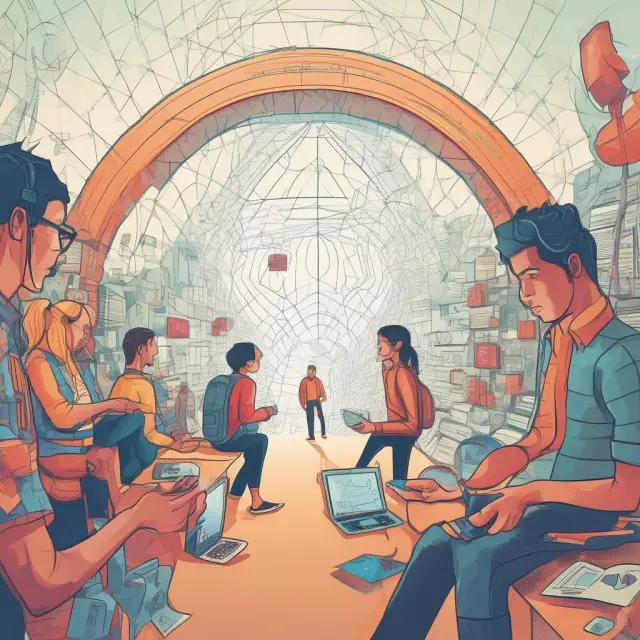
Interactive media’s allure lies in its engaging nature and the active participation it demands from users. To create such captivating experiences, interactive media consists of various multimedia components: moving images, animation, digital text, video, and audio. Each element plays a significant role in providing dynamic and adaptive user interfaces.
1. Moving Images and Animation: Interactive media often employs still images and animations to create visually appealing content that captures the user’s attention. This can include everything from simple GIFs to complex 3D graphics, which are common in video games and virtual reality applications.
2. Digital Text: Text is an integral part of interactive media as it conveys information and allows users to read, write, or interact with various text-based interfaces. This can range from a simple comment box to a more complex chat application, where users engage in real-time communication.
3. Video: Videos are a powerful tool used in interactive media to deliver immersive experiences. They allow users to see and hear content in real time, making them an excellent choice for storytelling, tutorials, educational material, or even entertainment. Interactive videos often include interactive elements such as clickable links, quizzes, or pop-ups that provide additional information.
4. Audio: Interactive media uses audio to enhance user engagement and create more engaging experiences. This can be in the form of background music, voiceovers, sound effects, or even text-to-speech technology. These elements provide a more immersive experience and help convey emotions, creating a more personal connection with the content.
Interactive media would not be possible without these fundamental components. They allow for richer user experiences that are dynamic, engaging, and adaptable to different user preferences and interactions. As technology continues to evolve and interactive media becomes even more advanced, we can expect these elements to become even more sophisticated, providing users with truly unique and captivating experiences.
Influence of Interactive Media
Interactive media’s impact on communication, education, networking, and personal/professional aspects of life has been transformative. With the user at the helm, interactive media enables active participation, collaboration, and control in ways non-interactive media cannot. This shift from passive to active engagement is evident in various sectors including:
Communication:
Interactive media facilitates more meaningful connections by bridging geographical gaps and fostering real-time interaction. Social media platforms, for instance, allow users to engage with one another instantly and share content seamlessly. Moreover, interactive media has brought about the democratization of communication, enabling individuals to voice their opinions freely and engage in debates on a global scale.
Education:
Interactive media is revolutionizing the way students learn by providing more engaging and immersive learning environments. Digital platforms facilitate self-paced learning, real-time feedback, and collaboration among peers, enabling learners to take control of their educational journey. Educational apps and virtual reality simulations, for example, create an interactive experience that traditional classrooms cannot offer.
Networking:
Interactive media has significantly improved networking opportunities, allowing users to expand their professional and personal networks beyond geographical boundaries. Social media platforms and professional networking sites have made it easier for individuals to connect with like-minded people, potential employers, and industry experts. This enhanced connectivity can lead to new opportunities and collaborations.
Personal/Professional Aspects of Life
Interactive media has impacted various aspects of our daily lives, including shopping, entertainment, and job hunting. For instance, online shopping allows users to browse, compare products, and make purchases from anywhere at any time. Virtual reality technology is transforming industries like real estate and tourism by providing immersive experiences that allow potential buyers or travelers to “visit” a property or destination before making a decision. Interactive media also plays a critical role in job hunting, enabling candidates to apply for positions, network with recruiters, and prepare for interviews using digital tools.
Examples of Interactive Media
Social media platforms like Facebook, Twitter, and LinkedIn are prime examples of interactive media that connect people around the world. Virtual reality technology is another form of interactive media that has gained significant attention in recent years, offering immersive experiences that blur the line between reality and digital worlds. Applications such as Instagram, TikTok, and WhatsApp also fall into the category of interactive media by allowing users to engage with content, communicate, and collaborate in real-time.
In conclusion, the influence of interactive media on communication, education, networking, and personal/professional aspects of life is undeniable. Its impact can be seen in the way people connect, learn, and interact, leading to more engaging experiences and new opportunities for growth. As technology continues to advance, we can expect even more innovative applications and uses of interactive media that will further transform our daily lives.

Examples of Interactive Media
Interactive media has revolutionized the way we consume and engage with various forms of content. In today’s fast-paced, digitally driven world, interactive media platforms have become an integral part of our daily lives. From social networking sites to virtual reality experiences, there are numerous examples of interactive media that cater to a multitude of needs and preferences. Let’s explore some common types of interactive media and how they impact our communication, learning, and overall user experience.
Social Media
With the rise of social media platforms like Facebook, Twitter, LinkedIn, and Instagram, people can now connect with others from all corners of the globe in real time. Social media is a perfect example of interactive media as it allows users to actively engage with content through sharing, commenting, messaging, and creating their own posts. Users are no longer passive consumers but active participants shaping the narrative and influencing online conversations.
Video Games
Gaming industry’s transformation into a multi-billion dollar industry is a testament to the popularity of interactive media in entertainment. Video games provide an immersive experience by allowing users to interact with a virtual environment using controllers, joysticks, or even their bodies through motion sensors. Players can choose how they want to engage and what actions to take, creating a highly personalized gaming experience.
Apps:
Smartphones have ushered in an era of interactive mobile applications, making it easier for users to access information and interact with various services on the go. Applications like Google Maps, Netflix, Spotify, or Instagram enable users to search, create, share, and customize their experience based on their interests and preferences.
Virtual Reality
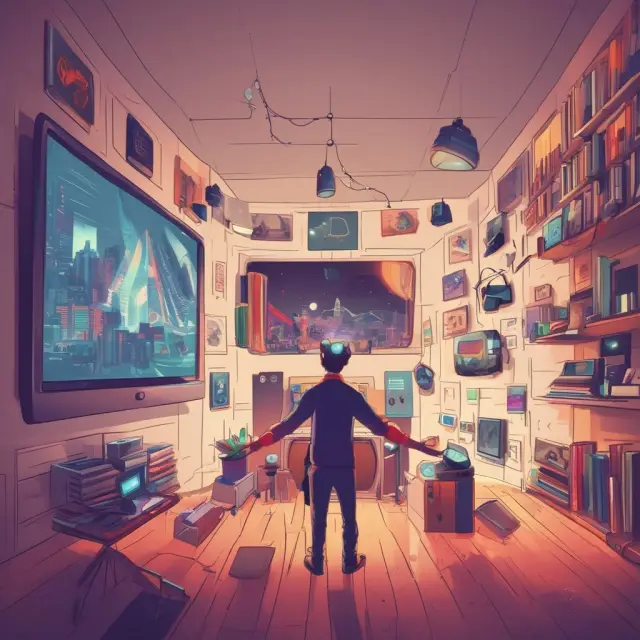
The most cutting-edge form of interactive media is virtual reality (VR), which provides a fully immersive digital environment that responds to the user’s actions. VR technology has found applications in gaming, education, training simulations, and even tourism, offering users an unprecedented level of interaction and engagement with digital content.
In conclusion, interactive media has transformed the way we communicate, learn, and interact with information. From social networking sites to virtual reality experiences, there are numerous examples of interactive media that cater to a multitude of needs and preferences. By actively engaging users, these platforms have made communication more personal and efficient, education more accessible and interactive, and entertainment more immersive.
History of Interactive Media
Interactive media represents the bridge between traditional media and the modern world of technology. Its origins can be traced back to the 1990s, an era characterized by significant advancements in computer technology and internet access. This section will delve into key milestones that marked the rise of interactive media and the platforms that shaped its evolution: Six Degrees, social networking sites, video games, and virtual reality.
Six Degrees: The World’s First Social Media Platform
Launched in 1997, Six Degrees can be considered one of the earliest examples of social networking sites. Founded by Nick Swartzlander and James Parrilli, it allowed users to create profiles, search for others, and add them as friends based on shared interests. While limited compared to today’s social media platforms, Six Degrees paved the way for more interactive communication channels.
Social Networking Sites: Evolving Connections
The mid-2000s saw a surge in the popularity of social networking sites like Facebook, Twitter, and LinkedIn. These platforms took interaction to new heights by introducing features like instant messaging, real-time updates, and multimedia sharing. By giving users the ability to connect with others, build communities, and exchange information, they transformed how people communicated and formed relationships online.
Video Games: Bridging the Gap Between Media and Participation
With the advent of video games, media evolved from a one-way broadcast medium to a more dynamic and engaging form. Players engage in interactive experiences by manipulating various elements of the game environment, making decisions that affect the outcome, and collaborating with others. With advancements in graphics, sound design, and storytelling, video games have become a powerful tool for immersion, entertainment, and even education.
Virtual Reality: A Completely Immersive Experience
Virtual reality (VR) represents the pinnacle of interactive media, allowing users to enter entirely digital worlds that can mimic or surpass real-life experiences. As technology advances and VR headsets like Oculus Rift and HTC Vive become more accessible, new possibilities for entertainment, education, training, and therapy are emerging. Users can now explore virtual environments, interact with objects and characters, and engage in simulations that were previously impossible or unrealistic.
In conclusion, interactive media has come a long way since its humble beginnings in the 1990s. From social networking sites to video games and VR, these platforms have transformed communication, learning, and entertainment by providing new ways for people to connect and engage with one another and their digital environments. As technology continues to advance, interactive media will continue to evolve and redefine the way we communicate, learn, and experience the world around us.
Interactive Media and Education
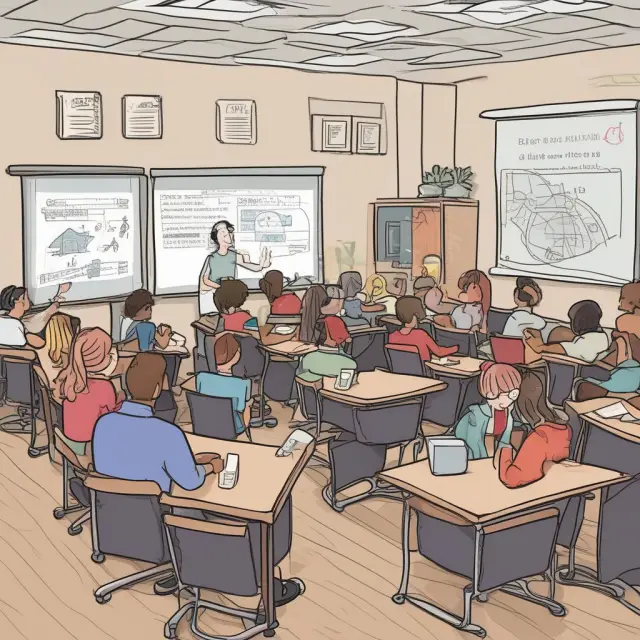
Interactive media plays a significant role in modern education systems as it engages learners more effectively than traditional methods. With its ability to offer immersive experiences and real-time interaction, interactive media has transformed how students learn and collaborate.
Firstly, interactive media grants learners autonomy and control over their learning experience by allowing them to select the pace and pathway of their education. Instead of being confined to a linear curriculum, they can engage with various multimedia content, such as videos, simulations, games, and quizzes, in a non-linear fashion.
Moreover, interactive media facilitates collaborative learning through real-time communication and group activities. Students can work together on projects, share ideas, and provide feedback to one another, thus fostering teamwork and social skills.
Additionally, interactive media provides an engaging and personalized learning experience for each student. It caters to different learning styles by offering various modes of representation – visual, auditory, and kinesthetic. This enhances the overall educational experience, making it more effective and enjoyable for learners.
Furthermore, interactive media can create immersive learning environments that simulate real-world scenarios. These simulations allow students to apply their knowledge in a safe space, providing them with valuable hands-on experience and practical skills. This not only improves their understanding of concepts but also prepares them for the future.
Interactive media’s impact on education extends beyond the classroom as well. With e-learning platforms like Coursera, Khan Academy, and edX, students worldwide can access high-quality education at their convenience. These platforms offer interactive courses in a wide range of subjects, allowing learners to acquire new skills or further their knowledge at their own pace.
In conclusion, interactive media is an essential component of modern education systems, offering numerous benefits like autonomy, collaboration, personalization, and immersion. As technology continues to advance, the role of interactive media in teaching and learning will only continue to expand, making it a crucial investment for the future of education.

Interactive Media and Advertising
The role of interactive media in advertising has evolved significantly over the years as technology advances. With increased personalization and consumer engagement, businesses can connect with their audience like never before. Interactive advertisements create an experience that goes beyond just displaying an image or text. They provide a unique opportunity to engage consumers through various elements such as games, quizzes, videos, and social media integration.
Personalized marketing is becoming increasingly essential for businesses seeking to stand out in today’s competitive marketplace. By understanding consumer preferences and tailoring their ads accordingly, brands can deliver more relevant content that resonates with their audience. Interactive advertising platforms such as Google AdWords, Facebook, and Instagram provide various targeting options based on location, demographics, interests, behaviors, and more.
One of the primary advantages of interactive media in advertising is consumer engagement. Consumers are no longer passive recipients of advertisements; instead, they actively participate in them. Interactive ads encourage consumers to explore, discover, and engage with a brand – resulting in increased brand awareness, recall, and ultimately, sales.
For example, a fashion brand may create an interactive ad campaign that allows users to virtually try on different clothing items or customize their own outfits using a virtual fitting room. Or a food company could create a game that challenges consumers to build the perfect sandwich, using various ingredients and condiments as they go. These engaging experiences not only create a memorable impression but also foster a deeper connection between the consumer and the brand.
Another aspect of interactive media in advertising is social media integration. Brands can leverage social networks to amplify their message and reach a wider audience. Social media platforms, like Facebook or Twitter, enable businesses to engage with customers through comments, likes, shares, and messaging. This real-time interaction fosters a sense of community, allowing brands to build relationships and trust with their consumers.
Moreover, interactive advertising campaigns can be optimized for various devices and screen sizes, ensuring a consistent user experience across multiple channels. As technology advances, so do the possibilities for creating immersive and engaging advertising experiences. This not only keeps consumers interested but also attracts new customers to your brand.
In conclusion, interactive media is revolutionizing the way businesses connect with their audience through personalized marketing and consumer engagement. By understanding consumer preferences and delivering tailored content, brands can build deeper connections that result in increased brand loyalty and sales. Interactive ads offer a unique opportunity for businesses to create memorable experiences that resonate with consumers, setting them apart from the competition.

The Future of Interactive Media
Interactive media has revolutionized the way we communicate and learn, and it’s constantly evolving with advancements in technology. As we move forward, interactive media will continue to shape our personal and professional lives in unprecedented ways. Here are some predictions, trends, and advancements that define the future of interactive media.
Virtual Reality (VR)
Virtual reality, a type of immersive multimedia, is expected to dominate the digital landscape. According to Statista, the global VR market size was valued at $17.8 billion in 2020 and is projected to reach $62.1 billion by 2027. With VR headsets becoming increasingly affordable and accessible, this technology will transform industries such as education, healthcare, real estate, and entertainment.
Augmented Reality (AR)
Augmented reality is an interactive experience of a real-world environment whose elements are supplemented by computer-generated sensory input such as sound, video, graphics, or GPS data. Pokemon GO, the popular mobile game launched in 2016, provided users with an immersive AR experience, demonstrating its potential for entertainment and engagement. Brands have also started to experiment with AR advertising, offering consumers unique experiences that go beyond traditional banner ads.
Artificial Intelligence (AI)
The integration of AI in interactive media will allow more personalized content and recommendations. AI can analyze user data to understand preferences, tailor advertisements, and even create customized learning materials. This technology has the potential to revolutionize education by providing students with a more engaging, individualized experience, thereby improving their overall performance.
Blockchain Technology
Blockchain technology is being used to create decentralized interactive media platforms that enable secure transactions and data sharing without intermediaries or third parties. This technology could fundamentally change the way we interact with digital content, offering greater control, privacy, and transparency for creators and consumers alike.
5G Technology
The rollout of 5G technology will significantly impact interactive media by providing faster internet speeds, lower latency, and more reliable connections. This innovation will allow users to enjoy high-definition video streaming, real-time gaming, and responsive social media interactions without interruptions or buffering.
As the world becomes more connected through advanced digital technologies, interactive media will continue to play a crucial role in shaping our daily lives. We are witnessing a new era of communication, learning, entertainment, and personal growth where users can engage with content like never before.

FAQs about Interactive Media
**What exactly is interactive media?**
Interactive media refers to the different ways in which people process and share information or communicate through text, graphics, video, and sound. It engages users by allowing them to interact with the medium and each other. Social media, virtual reality, apps, and games are all examples of interactive media.
**How does interactive media differ from non-interactive media?**
Non-interactive media, such as television and radio, requires no active participation from the user, while interactive media relies on user inputs to affect its outputs. Interactive media also offers a more immersive experience through elements like moving images, animation, digital text, video, audio, and user interaction.
**Where did interactive media originate?**
Interactive media can be traced back to the internet revolution in the 1990s when technology advanced, making it easier for people to access and manipulate information through tools like computers, laptops, and smartphones.
**What are some common uses of interactive media?**
Interactive media has numerous applications across various industries, including education, networking, entertainment, and more. Social media is a popular example, enabling users to share information, connect with others, and engage in conversations. Video games allow players to interact with virtual environments, while apps cater to diverse needs such as entertainment, productivity, and communication.
**What makes interactive media different from traditional forms of media?**
Traditional media, like television and radio, are passive experiences where the user has limited control over the content. Interactive media, on the other hand, offers users an active role in shaping their experience by providing opportunities for manipulation and collaboration, creating a more engaging and personalized user journey.
**What impact does interactive media have on education?**
Interactive media plays a crucial role in modern education by providing immersive learning environments where students can collaborate with their peers and instructors, control the pace of their learning, and access a wealth of information at their fingertips. It also encourages active engagement and personalized learning experiences.
**What is the future of interactive media?**
The future of interactive media is vast and exciting, with ongoing advancements in technology opening up new possibilities for interactive experiences. Expect to see continued improvements in areas like virtual reality, artificial intelligence, augmented reality, and natural language processing that will make interactive media even more engaging and personalized for users.
 Next entry · No. 2,430Interbank Deposits: Understanding the Role and Importance of Inter-Institutional Fund Transfers
See also
-
 No. 2,612
21 Jan 2025
17 min
The Cornell Johnson Graduate School of Management: An Elite Ivy League MBA Program
Education
No. 2,612
21 Jan 2025
17 min
The Cornell Johnson Graduate School of Management: An Elite Ivy League MBA Program
Education -
 No. 2,425
05 Jan 2025
21 min
The Innovative World of Insurtech: Transforming the Insurance Industry with Technology
Insurance
No. 2,425
05 Jan 2025
21 min
The Innovative World of Insurtech: Transforming the Insurance Industry with Technology
Insurance -
 No. 5,685
29 Sep 2025
19 min
A Comprehensive Guide to The Wharton School of Business: Finance, Reputation, and Opportunities
Education
No. 5,685
29 Sep 2025
19 min
A Comprehensive Guide to The Wharton School of Business: Finance, Reputation, and Opportunities
Education -
 No. 5,561
19 Sep 2025
17 min
Exploring the W.P. Carey School of Business: A Leading Institution for Professional Development
Education
No. 5,561
19 Sep 2025
17 min
Exploring the W.P. Carey School of Business: A Leading Institution for Professional Development
Education -
 No. 5,512
15 Sep 2025
18 min
Vocational Degrees: A Comprehensive Guide for Professional and Institutional Investors
Education
No. 5,512
15 Sep 2025
18 min
Vocational Degrees: A Comprehensive Guide for Professional and Institutional Investors
Education -
 No. 4,690
09 Jul 2025
25 min
Exploring the World of Social Science: Understanding Its Origins, Branches, and Career Opportunities
Education
No. 4,690
09 Jul 2025
25 min
Exploring the World of Social Science: Understanding Its Origins, Branches, and Career Opportunities
Education