Macroeconomics 101: Understanding the Broad Economy

Discover the basics of macroeconomics, understanding economic interactions through real-world examples. From history to modern schools of thought.
Introduction to Macroeconomics: A Wide-angle Lens on the Economy
Macroeconomics is a critical branch of economics that offers an overview of the broader economy. It explores vital economic concepts, such as unemployment, inflation, and GDP growth, and their interrelationships. This section sheds light on what macroeconomics entails, its significance to businesses, investors, and governments, and how it has evolved over time.
Understanding Macroeconomics: An Overview
The term “macroeconomics” was introduced in the 1940s. However, its roots trace back to classical economists like Adam Smith, who examined topics such as unemployment, prices, growth, and trade in the late 1700s. Modern macroeconomics is typically attributed to John Maynard Keynes and his theories on economic behavior and government policies during the Great Depression in the 1930s.
Macroeconomists develop models that explain relationships between key economic variables, such as unemployment, GDP, inflation, and price levels. These models help governments, businesses, and investors understand the economy and inform their decision-making processes. For instance, macroeconomic forecasts aid governments in formulating fiscal, monetary, or economic policies. Businesses use these forecasts to adjust strategies in domestic and global markets, while investors rely on them for asset class predictions.
Macroeconomics is essential as it provides insights into the overall economic climate affecting industries and individual businesses. Understanding macroeconomic trends can lead to better decisions for both businesses and investors.
History of Macroeconomics: From the Classics to Modern Day
Early economists like Adam Smith and John Stuart Mill contributed significantly to macroeconomic concepts. However, it wasn’t until the 1930s that macroeconomics began to emerge as a distinct discipline from microeconomics. Keynes’ book “The General Theory of Employment, Interest, and Money” marked a turning point in economic theory. Since then, various schools of thought have evolved, with differing views on market behavior and government policies.
Macroeconomics vs. Microeconomics: Focus and Distinctions
While macroeconomics deals with the economy as a whole, microeconomics focuses on individual factors affecting choices made by individuals, businesses, and industries. Macro- and microeconomics often influence one another, but they have distinct differences. For example, Keynes introduced the concept of “paradox of thrift,” which highlights how individual saving can lead to a decrease in overall economic activity.
Understanding the differences between macro- and microeconomics is crucial for businesses and investors as both fields affect each other and influence decision-making processes.
The Limitations of Macroeconomics: Real-world Complexities
Although macroeconomic theories are valuable, it’s essential to acknowledge their limitations. Economic models are developed in a simplified context, often neglecting real-world complexities like taxation, regulation, and transaction costs. The real world is inherently complicated, with matters of social preference and conscience that don’t lend themselves to mathematical analysis.
Despite the limitations, following key macroeconomic indicators, such as GDP, unemployment, and inflation, provides valuable insights into economic conditions affecting companies and industries. Understanding macroeconomic principles helps businesses and investors make informed decisions in an ever-changing economic landscape.
Macroeconomic Schools of Thought: Classical vs. Keynesian
Macroeconomics encompasses various schools of thought with differing views on market behavior, government policies, and how markets operate. Understanding these schools is essential for businesses and investors as they inform decision-making processes and influence the economic landscape. The two most prominent schools are classical and Keynesian economics.
Classical economists believed in laissez-faire economics, with prices, wages, and rates adjusting freely based on supply and demand. Keynesians, on the other hand, focused on aggregate demand as a primary factor influencing economic issues such as unemployment and business cycles. They advocated for active government intervention through fiscal or monetary policies to manage the economy.
Macroeconomic Indicators: Key Measures of Economic Performance
Key macroeconomic indicators like GDP, inflation, and unemployment provide valuable insights into the overall economic performance. Understanding these indicators allows businesses, investors, and governments to make informed decisions and adjust strategies accordingly. Gross Domestic Product (GDP) measures a country’s total production and consumption over a given period, while inflation is a measure of price changes. Unemployment rates indicate the percentage of unemployed individuals within the labor force.
Macroeconomic indicators are essential for businesses and investors as they influence asset class performance and company operations. Keeping abreast of these indicators helps businesses and investors navigate the economic landscape and make informed decisions.
In conclusion, macroeconomics is a vital branch of economics that provides an overview of the broader economy by examining key economic concepts like unemployment, inflation, and GDP growth, and their interrelationships. Understanding macroeconomics offers valuable insights into the overall economic climate affecting industries, businesses, and investments. By staying informed about macroeconomic principles, indicators, and schools of thought, businesses and investors can make more informed decisions in an ever-changing economic landscape.

Understanding Macroeconomics: An Overview
Macroeconomics offers insights into how an overall economy functions by examining economy-wide phenomena such as inflation, price levels, economic growth, national income, gross domestic product (GDP), and unemployment. It develops models to explain the relationships between these factors, providing governments, businesses, and investors with tools for understanding the economy.
In its modern form, macroeconomics is often traced back to John Maynard Keynes and his book “The General Theory of Employment, Interest, and Money,” published in 1936. In contrast to microeconomics, which focuses on the influences on and choices made by individual actors in an economy (people, companies, industries), macroeconomics looks at aggregated economic data and trends.
Macroeconomic theories can shed light on how economies operate and the consequences of particular policies and decisions. For instance, they help governments create and evaluate economic, monetary, and fiscal policy. Businesses use these models to set strategies in domestic and global markets, while investors employ them to predict and plan for movements in various asset classes.
Despite its benefits, it’s important to acknowledge the limitations of macroeconomic theories. They can lack specific real-world details like taxation, regulation, and transaction costs. Additionally, the real world is complex, with matters of social preference and conscience that do not lend themselves to mathematical analysis. However, following significant macroeconomic indicators like GDP, inflation, and unemployment remains crucial for investors because economic performance significantly influences companies’ growth prospects and stock prices.
Macroeconomics has evolved into various schools of thought, each with different views on how markets and their participants operate. Some of the most influential include:
- Classical economists: They believed that markets tend to clear unless prevented from doing so by government policy, emphasizing flexible prices and wages.
- Keynesian economics: Founded on John Maynard Keynes’ work, this school focuses on aggregate demand as the primary factor in issues like unemployment and the business cycle, advocating active government intervention through fiscal and monetary policy to manage economic fluctuations.
- Monetarist economics: This branch of Keynesian economics, credited mainly to Milton Friedman, argues that monetary policy is a more effective tool for controlling inflation and stabilizing the economy.
Understanding macroeconomics can provide valuable insights into how economies function, allowing businesses and investors to make informed decisions based on economic trends and policies.

History of Macroeconomics: From the Classics to Modern Day
Macroeconomics, as we know it today, can trace its roots back to early economists like Adam Smith, John Stuart Mill, and later John Maynard Keynes. While some concepts were not explicitly referred to as macroeconomics during these early times, the seeds of the discipline were sown through their groundbreaking works.
The earliest contributions came from thinkers like Adam Smith in 1776 with his seminal work, “An Inquiry into the Nature and Causes of the Wealth of Nations.” Smith’s insights on how individual markets functioned laid the foundation for understanding larger economic systems. He observed that a self-regulating market system could coordinate the actions of millions of individuals through the ‘invisible hand,’ leading to overall societal benefits, as long as certain conditions were met.
Later, economists like John Stuart Mill extended these ideas and began exploring the broader implications for entire economies. However, the term “macroeconomics” itself did not appear until much later in the 20th century.
John Maynard Keynes is often considered the father of modern macroeconomics, with his influential book, “The General Theory of Employment, Interest, and Money,” published in 1936. Keynes’ theories helped explain why economies sometimes fail to achieve full employment and provided a framework for understanding economic fluctuations. Keynesian economics diverged into several schools of thought throughout the 20th century, with debates over various issues, including fiscal versus monetary policy, supply-side economics, and more.
In contrast to macroeconomics, microeconomics focuses on the individual behavior of consumers, businesses, and markets. While related, each field offers a unique perspective that can help us better understand economic phenomena at different levels.
As we delve deeper into the history of macroeconomics, it is important to acknowledge its limitations. Macroeconomic theories often simplify complex real-world situations by making assumptions, like ceteris paribus (all else being equal). While these assumptions can be useful for understanding underlying relationships and trends, they may not capture the full nuances of real economies.
Despite its limitations, macroeconomics is a vital tool in understanding overall economic performance and trends. By studying aggregate economic indicators like Gross Domestic Product (GDP), inflation, unemployment rates, and other key measures, we gain valuable insights into the health of an economy and how it affects businesses, industries, and investors.
In the next section, we will discuss the differences between macroeconomics and microeconomics, as well as the limitations of economic theories and their implications for policy makers, businesses, and individuals. Stay tuned!

Macroeconomics vs. Microeconomics: Focus and Distinctions
Understanding Economics through Two Lenses: Macroeconomics and Microeconomics are two different ways to observe and analyze the economy. While they share some similarities, their focus and objectives differ significantly.
Macroeconomics is a branch of economics that deals with the economy as a whole or in an aggregated sense. It examines broad economic indicators, trends, and relationships among them. Key macroeconomic variables include Gross Domestic Product (GDP), inflation, unemployment rate, interest rates, exchange rates, government spending, taxes, and international trade. Macroeconomics provides a wide-angle lens for understanding the economy’s overall performance and its major trends.
Microeconomics, in contrast, is a more detailed analysis of individual markets, firms, households, and their decision making processes. It focuses on supply, demand, production costs, market structures, and prices to understand how individual economic agents make choices that impact the economy’s macro variables. Microeconomic insights help us better understand how changes in government policy, taxes, or technological innovations affect specific industries and businesses, and ultimately contribute to broader economic trends.
While both macroeconomics and microeconomics influence each other, they differ significantly in their focus and objectives. Macroeconomics looks at the economy as an integrated system where individual agents’ actions impact overall performance, while microeconomics focuses on how individual choices affect markets and prices. Understanding the differences between these two perspectives can help us better comprehend the complexity of the economic landscape.
A simple yet powerful analogy to grasp this concept is to consider a city as an economy. Macroeconomics looks at the city’s overall economic health, such as its GDP and population growth rate. It also examines how various sectors within the city, like manufacturing or services, contribute to this growth. Microeconomics, on the other hand, focuses on individual businesses and households within the city to understand their production, consumption, and decision-making processes. This perspective helps us examine how these microlevel actions influence the overall macroeconomic trends in the city.
In conclusion, both macroeconomics and microeconomics are essential tools for understanding the economic landscape. Macroeconomics offers a bird’s eye view of the economy as a whole, while microeconomics provides insight into individual markets and decision-making processes. A well-rounded understanding of economics requires a balance between these two perspectives to gain a comprehensive and nuanced view of economic phenomena.

The Limitations of Macroeconomics: Real-world Complexities
While macroeconomics provides valuable insights into economy-wide phenomena, it also has its limitations. The real world is complex and often defies the neat categorization and mathematical analysis that macroeconomic theories employ.
First, economic theories are typically constructed in a vacuum, lacking specific real-world details like taxes, regulations, and transaction costs. Real-life economies operate under unique circumstances that cannot be fully captured in macroeconomic models. For instance, economies can face unexpected disruptions from political instability or natural disasters.
Second, the economy is subject to social preferences and moral conscience, which are difficult to quantify. Human behavior and decision-making often involve factors like altruism, ethics, and morality that do not easily lend themselves to mathematical analysis. Economists use the term ceteris paribus (all else being equal) when discussing economic theories as a simplifying assumption.
Despite these limitations, understanding macroeconomic indicators such as GDP, unemployment, and inflation remains crucial for businesses and investors. The performance of companies is significantly influenced by the economic conditions in which they operate. Moreover, governments’ underlying economic principles shape their taxation, regulation, and spending policies. By understanding economics and the implications of economic decisions, investors can gain insights into the likely future and act accordingly with confidence.
Macroeconomics encompasses a wide range of schools of thought, each with diverging views on how markets and participants operate. Classical economists believed that prices, wages, and interest rates were flexible and markets tended to clear unless obstructed by government policy. Keynesian economists, in contrast, emphasized the importance of aggregate demand in managing unemployment and the business cycle. The monetarist school focused on monetary policy as a more effective tool for controlling inflation.
In conclusion, macroeconomics offers valuable insights into economy-wide phenomena but also has its limitations. Understanding these limitations allows us to appreciate macroeconomic theories while recognizing their limitations and the complexities of real-world economies.
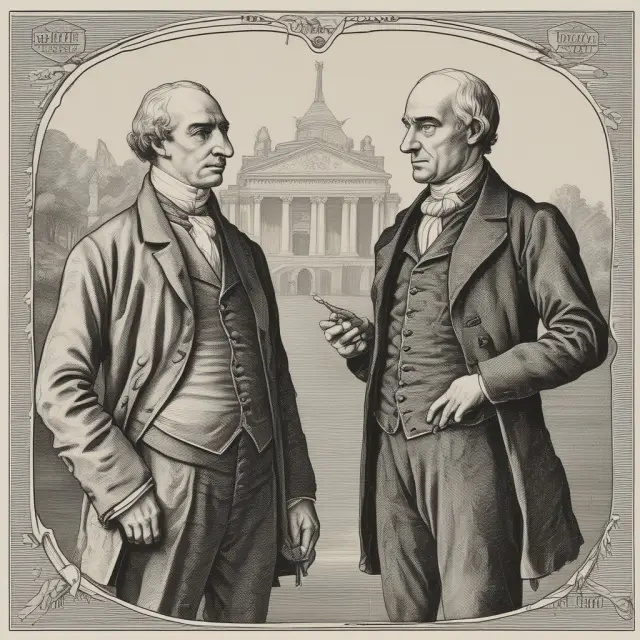
Macroeconomic Schools of Thought: Classical vs. Keynesian
Macroeconomics is a field of economics with various schools of thought that help explain how economies function, and the role of governments in managing economic policies. Two dominant schools of macroeconomics are classical and Keynesian. While both schools address issues related to employment, inflation, and economic growth, their approaches differ substantially.
Classical Macroeconomics: Market-driven Approach
Classical economists believed that the economy naturally tends towards equilibrium through the interaction of supply and demand without any need for government intervention. They held that prices, wages, and interest rates were flexible and markets would eventually clear. The primary focus was on analyzing long-term economic trends in the absence of policy interventions or external disturbances.
Keynesian Macroeconomics: Active Government Role
Keynesians, on the other hand, believed that aggregate demand played a significant role in managing unemployment and business cycles through fiscal and monetary policies. They argued that rigidities in the economy, particularly sticky prices, prevented markets from clearing. In response, governments could step in to influence economic conditions through policies like increasing spending during recessions or decreasing it during expansions.
Understanding the Differences: Market vs. Government Intervention
The primary difference between classical and Keynesian schools lies in their approach to economic management – market-driven versus government-led. Classical economists believed that markets would self-correct, while Keynesians advocated for active government intervention when necessary.
Key Figures: Adam Smith vs. John Maynard Keynes
Classical economics can be traced back to the works of Adam Smith with his concept of an “invisible hand” driving market forces towards equilibrium. In contrast, Keynesian economics emerged in response to the economic conditions following World War I and the Great Depression. With unemployment persisting even when resources were available, Keynes proposed that governments should intervene to boost aggregate demand and prevent prolonged downturns.
Modern Applications: Monetarist Economics
Another branch of macroeconomic thought is monetarism, which combines elements from both classical and Keynesian schools while focusing on the role of monetary policy in controlling inflation and managing economic growth. Milton Friedman’s theories influenced modern monetarism and contributed to its widespread adoption by central banks worldwide as a tool for maintaining price stability.
Implications: Balancing Market Forces and Government Intervention
Both classical and Keynesian schools have shaped the way governments, businesses, and investors approach macroeconomic trends. Understanding these schools and their differences can help us better analyze economic data and make informed decisions regarding our investments and financial strategies. By appreciating the nuances between these theories, we can anticipate the potential impact of various policy decisions on different sectors and industries.
In conclusion, macroeconomics is a crucial branch of economics that allows us to understand the broader economic landscape through analyzing issues like employment, growth, inflation, and their relationships. While classical and Keynesian schools are two prominent macroeconomic theories, they offer distinct perspectives on how markets function and should be managed. By examining these differences, we can develop a more comprehensive understanding of economic trends and make informed decisions based on the underlying principles.

Monetarist Macroeconomics: Focus on Monetary Policy
The monetarist school of macroeconomics primarily focuses on controlling inflation through interest rates and monetary policy. Monetarists propose that the availability of money in an economy is a major factor influencing price levels, employment, and economic growth. This belief contrasts with Keynesian economics which emphasizes government intervention to manage demand and output.
Monetarist economists believe that inflation arises from excessive growth in the money supply. They propose that the Federal Reserve System or similar central banks must control the growth rate of the money supply to ensure price stability. By doing so, they aim to provide a stable economic environment conducive to long-term economic growth and investment.
Interest rates are one crucial tool monetarists use to manage inflation. Monetary policy involves setting short-term interest rates, often through the federal funds rate or another benchmark rate, which influences longer-term borrowing costs. Raising interest rates makes it more expensive for businesses and consumers to borrow money, reducing demand for loans, and eventually curbing spending. This can lead to a slowdown in inflation if it stems from excess demand.
Another tool monetarists use is the discount rate. The discount rate is the interest rate that central banks charge commercial banks for overnight loans. By raising the discount rate, the central bank makes borrowing more expensive, discouraging commercial banks from expanding their balance sheets, and ultimately reducing the money supply.
Monetarists also believe in controlling the velocity of money to maintain price stability. Velocity is the number of times one dollar changes hands during a period (typically a year). By targeting the growth rate of the monetary base and monitoring velocity, central banks can indirectly control inflation by managing the supply of money.
Monetarist theory became popular in the 1960s and gained prominence following the oil price shocks and stagflation experienced during the 1970s. This economic condition, characterized by both high inflation and high unemployment, was difficult for Keynesians to explain through their demand-side analysis. Monetarist economists argued that these conditions were a result of excessive growth in the money supply. Milton Friedman, a prominent monetarist, famously proposed that if governments had acted earlier to restrict the money supply, the inflation and stagflation could have been avoided.
Monetarism has its limitations as well. Critics argue that it overlooks the importance of other macroeconomic factors like fiscal policy and exchange rates. Additionally, monetary policy is not always effective in controlling short-term economic fluctuations or addressing structural issues within an economy. Despite these limitations, monetarist theory has provided important insights into managing inflation and the role central banks play in maintaining economic stability.
In summary, monetarism offers a unique perspective within macroeconomics as it emphasizes controlling inflation through interest rates and the money supply rather than focusing on government intervention to manage demand. Understanding monetarist principles can provide valuable insights for businesses and investors seeking a stable economic environment for long-term investment strategies.

Macroeconomic Indicators: Key Measures of Economic Performance
Understanding economic indicators is crucial in assessing the health and direction of an economy. Macroeconomic indicators represent broad measurements of overall economic performance. These statistics provide valuable insights into key aspects of an economy, helping governments, businesses, and investors make informed decisions.
Three primary macroeconomic indicators include Gross Domestic Product (GDP), unemployment rate, and inflation:
1. Gross Domestic Product (GDP): The most widely followed measure of economic growth or decline is a country’s Gross Domestic Product (GDP). GDP is the total value of all goods and services produced within a specific time frame, typically measured quarterly or annually. This figure represents the overall size of an economy and serves as a benchmark for growth or contraction. A growing GDP implies a larger economy and increased output, while a declining GDP signifies economic contraction.
2. Unemployment Rate: The unemployment rate is a critical macroeconomic indicator that measures the percentage of the labor force actively seeking employment but currently unable to find work. It reflects the level of economic slack in an economy and can provide insight into overall demand conditions. A low unemployment rate indicates a strong labor market, while a high unemployment rate suggests weaknesses and may indicate a need for policy action.
3. Inflation: Inflation is the rate at which the general price level for goods and services is rising. It represents the purchasing power of money in an economy. The inflation rate can impact economic growth, interest rates, and investor sentiment. A low inflation rate indicates stability, while a high inflation rate may create uncertainty and affect consumers’ and businesses’ decision-making processes.
Beyond these three core indicators, there are other macroeconomic indicators that help gauge the overall performance of an economy, such as consumer price index (CPI), producer price index (PPI), industrial production, retail sales, manufacturing orders, housing starts, and capacity utilization rate. These statistics provide a comprehensive view of an economy’s health and can offer insight into various economic sectors and trends.
Understanding macroeconomic indicators is essential for investors and businesses alike to make informed decisions regarding their investment strategies and market positioning. Awareness of these indicators allows stakeholders to anticipate changes in the economic climate, adapt accordingly, and ultimately thrive in a dynamic economic environment.

Implications for Businesses and Investors
Macroeconomic trends and policies significantly impact businesses and investors alike. Understanding these broader economic factors can help businesses make informed decisions regarding strategies, pricing, and growth opportunities in domestic and global markets. For investors, macroeconomic analysis can provide insights into how various industries and asset classes may be affected by economic conditions and governmental actions.
Businesses need to understand the relationship between their operations and broader macroeconomic trends. For instance, changes in interest rates can have a substantial effect on a company’s borrowing costs and ultimately its profitability. Inflation, another significant macroeconomic factor, can impact companies differently depending on their industry and production costs.
Government policies, such as tax laws or trade agreements, can also have far-reaching implications for businesses and investors. Macroeconomic indicators like Gross Domestic Product (GDP) growth rates, unemployment levels, and inflation rates provide valuable information for companies, helping them gauge their performance relative to the overall economy and forecast future trends.
Macroeconomics offers a more holistic view of the economy, enabling investors to consider how broad economic trends might impact their investment strategies. For example, they may want to adjust asset allocation in response to changes in monetary policy or shifts in global economic power. Understanding macroeconomic principles and indicators can help investors make informed decisions on which industries or sectors are poised for growth, as well as anticipate potential risks.
In the realm of international trade and finance, businesses must consider macroeconomic factors like exchange rates, inflation, and interest rate differentials to assess the competitiveness of their products in foreign markets. Moreover, multinational corporations need to monitor macroeconomic trends in various countries where they operate to minimize potential risks and capitalize on opportunities.
In summary, macroeconomics plays a crucial role for businesses and investors by offering insights into the broader economic environment, enabling them to make better-informed decisions, set strategies, and forecast future market trends. By understanding how macroeconomic factors interact with their industries or investment portfolios, businesses and investors can mitigate risks, identify growth opportunities, and optimize performance in an ever-changing global economy.

FAQs: Macroeconomics in Everyday Life
Question 1: How does macroeconomics affect me?
Answer: Macroeconomics has various implications for individuals, businesses, and investors. It can influence interest rates, taxes, employment levels, inflation rates, and economic growth. For instance, a strong economy may lead to job opportunities and wage growth, whereas weak economic conditions could result in layoffs or reduced wages. Understanding macroeconomic trends and policies can help you make informed decisions regarding your personal finances, career, and investments.
Question 2: What is the role of monetary policy in macroeconomics?
Answer: Monetary policy refers to actions taken by central banks, such as adjusting interest rates, to control inflation or stimulate economic growth. For example, increasing interest rates can help curb inflation but may also make borrowing more expensive for businesses and consumers. Conversely, lowering interest rates can boost borrowing and investment, leading to economic expansion.
Question 3: What is the difference between macroeconomics and microeconomics?
Answer: Macroeconomics focuses on economy-wide phenomena such as unemployment, inflation, and GDP, while microeconomics deals with individual market interactions involving consumers, firms, and industries. Macroeconomic indicators help us understand the overall economic performance, whereas microeconomics helps identify the specific factors that cause changes in these aggregated measures.
Question 4: What is Keynesian economics?
Answer: Keynesian economics is a macroeconomic theory founded mainly on the works of John Maynard Keynes. It posits that aggregate demand plays a crucial role in unemployment and business cycle fluctuations. Keynesian economists argue that governments can manage these issues through active intervention via fiscal policy (spending or taxing) and monetary policy (interest rates).
Question 5: What are the limitations of macroeconomic theories?
Answer: Macroeconomic theories have their limitations. They often assume a perfect economy where factors like taxes, regulations, and transaction costs do not exist. The real world is more complicated with various real-world complexities that cannot be captured by mathematical models. Additionally, macroeconomics focuses on aggregates, which may behave differently than the individual variables that compose them.
Understanding these questions and their answers will help you navigate everyday economic topics and make informed decisions.
 Next entry · No. 3,040Understanding Modified Accelerated Cost Recovery System (MACRS): Depreciation Methods and Property Classifications for Tax Purposes
See also
-
 No. 4,303
07 Jun 2025
20 min
Understanding Real vs Nominal Gross Domestic Product (GDP): Measuring Economic Output with Accuracy
Economics
-
 No. 3,036
23 Feb 2025
25 min
Understanding the Macro Environment: An Essential Factor for Institutional Investors
Business Finance
-
 No. 2,667
25 Jan 2025
19 min
Understanding Milton Friedman’s K-Percent Rule: Stability Through Monetary Growth
Finance Policy
-
 No. 4,749
14 Jul 2025
21 min
Understanding Sticky Wage Theory: Implications for Employment and Macroeconomics
Economics
-
 No. 4,424
17 Jun 2025
20 min
Understanding Retail Sales: A Key Economic Indicator for Investors
Economics
-
 No. 3,038
24 Feb 2025
18 min
Understanding Macroeconomic Factors: Inflation, Fiscal Policy, Employment & More
Economics