The Art of Writing Effective Cover Letters: A Comprehensive Guide for Institutional Investors

Learn the art of writing effective cover letters for institutional investors with this comprehensive guide, including tips on customization, design, and…
Understanding the Role of a Cover Letter in Job Applications
A cover letter is an integral component of a successful job application. It serves as an introduction to the applicant, providing potential employers with insights into their qualifications, motivations, and personal characteristics beyond what’s presented in the resume. A well-written cover letter can help distinguish candidates from the competition and pique the employer’s interest, ultimately securing a coveted interview opportunity.
The Role of a Cover Letter vs. Resume
While a resume showcases an individual’s professional accomplishments, education, and work experience in a concise and organized manner, a cover letter offers applicants a platform to tailor their introduction to the job at hand. It allows them to highlight specific achievements relevant to the position, demonstrate a clear understanding of the company, and articulate enthusiasm for the opportunity to contribute to its growth.
In essence, a cover letter acts as a personalized sales pitch that complements the resume and addresses why the applicant is the most suitable candidate for the job. Customizing each letter ensures that it resonates with the employer’s unique requirements and culture, increasing the likelihood of being noticed among the sea of applications received daily.
The Importance of Personalization in a Cover Letter
To maximize the impact of a cover letter, it is essential to personalize it for each job application. Customizing your letter to address specific details mentioned in the job posting or company mission statement demonstrates a strong understanding of the position and the organization. It also shows employers that you have taken the time and effort to research their business and genuinely want to join their team.
Additionally, personalization can help you stand out by addressing any concerns or questions the employer may have based on their requirements and expectations. By speaking directly to their needs, you increase your chances of capturing their attention and moving forward in the hiring process.

The Importance of Customizing Each Cover Letter for Individual Job Applications
In today’s competitive job market, submitting a generic cover letter with each application can often result in being overlooked by potential employers. A well-crafted cover letter allows applicants to differentiate themselves from the competition and demonstrate their genuine interest in the position they are applying for. Customizing each cover letter for specific job applications is essential because it shows that the applicant has taken the time to understand the employer’s needs and qualifications.
Customization is crucial for several reasons. First, it demonstrates a clear understanding of the role and its requirements. Applicants who tailor their cover letters to each job application show that they have thoroughly read the job posting and can articulate how their skills and experience align with the position. This level of attention to detail can make a significant difference in the hiring process, as it shows that the applicant is serious about the opportunity and has put effort into their application.
Secondly, customizing cover letters for individual applications allows applicants to highlight their unique selling points and qualifications. By focusing on relevant skills and experiences, they can effectively communicate why they are a strong candidate for the role. This approach also enables applicants to address any specific concerns or requirements outlined in the job posting, addressing potential objections and showcasing their ability to meet the employer’s needs.
Moreover, personalization is essential because it sets the tone for the entire application process. A well-written cover letter serves as an introduction to the applicant and allows them to make a positive first impression on the hiring manager. This can lead to increased engagement and interest from potential employers, potentially leading to interviews or further discussions.
To effectively customize each cover letter, applicants should take several steps:
1. Read the job posting carefully: Understanding the employer’s requirements and qualifications is essential to tailoring a cover letter for individual applications. Applicants must read the entire job posting carefully and highlight key responsibilities, skills, and qualifications required for the position. They should then address these points in their cover letter.
2. Research the company: Learning about the company’s culture, mission statement, and values can help applicants tailor their letters to reflect their interest in the organization. This research also allows them to demonstrate their knowledge of the company and showcase their enthusiasm for the opportunity.
3. Use specific examples: Providing concrete examples of how past experiences have prepared applicants for the role is a powerful way to customize cover letters. Applicants should focus on achievements, skills, or projects that are most relevant to the job application, allowing them to demonstrate their value to potential employers.
4. Address the hiring manager: Personalizing cover letters by addressing the hiring manager directly shows respect and professionalism. This approach also allows applicants to tailor their communication to the individual and showcase their enthusiasm for working with that specific person.
By following these steps, applicants can craft effective, personalized cover letters for each job application, increasing their chances of standing out in a competitive market and securing interviews.
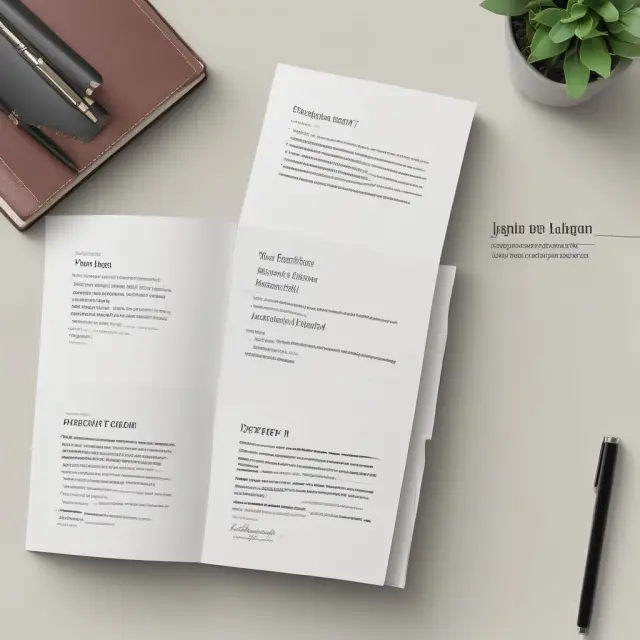
Types of Cover Letters: Application, Referral, and Prospecting
A cover letter is a crucial document accompanying job applications, introducing applicants to potential employers. While the resume acts as a professional record of achievements, a cover letter provides an opportunity to explain why the candidate is the ideal fit for the position and company. In this section, we’ll discuss three main types of cover letters: application, referral, and prospecting.
1. Application Cover Letter
The most common type of cover letter, an application cover letter, is written in response to a specific job posting. Its primary goal is to address the employer’s requirements as stated in the ad while showcasing the candidate’s suitability for the position. A well-written application cover letter complements the resume by highlighting relevant skills and experiences not fully addressed in the resume, providing additional context, and demonstrating enthusiasm for the opportunity.
2. Referral Cover Letter
Referral cover letters are similar to application ones but carry an added advantage. They come recommended by a current employee or colleague, giving the candidate a stronger chance of being considered. In these letters, it’s essential to express gratitude towards the referrer and emphasize their connection while reinforcing qualifications and suitability for the role.
3. Prospecting Cover Letter
Prospecting cover letters are sent unsolicited, often referred to as “letters of interest,” to companies that may not have any current openings but fit the candidate’s career goals or expertise. By expressing genuine admiration and a clear understanding of the company’s mission, these letters showcase proactive initiative and enthusiasm. In the absence of a specific job opening, the focus shifts towards demonstrating value to the organization as a whole and positioning oneself for potential opportunities.
Understanding the distinctions between each type of cover letter is essential for effectively targeting employers and tailoring applications. By strategically addressing their unique requirements, applicants increase their chances of standing out from the competition and securing interviews.

How to Write an Effective Cover Letter: Tips and Best Practices
A well-crafted cover letter plays a crucial role in job applications as it serves as a personal introduction to potential employers. It’s your chance to highlight your suitability for the position, demonstrating why you stand out from other applicants. In today’s digital age where most job postings are online, submitting an application often involves sending a cover letter and resume either through email or by mail. A cover letter acts as an extension of your resume, providing valuable insights into your professional background and personal qualifications that may not be evident from your resume alone.
To create a successful cover letter, it’s essential to understand its purpose and the elements that make for an effective one. In this section, we will discuss the tips and best practices for writing a compelling cover letter.
1. Tailor Your Cover Letter to Each Job Application: One size does not fit all when it comes to cover letters. Instead of crafting a generic message, customize each cover letter to address the specific job requirements and company culture. This demonstrates your genuine interest in the position and shows that you’ve put thought into your application.
2. Address the Hiring Manager: Personalize your letter by addressing it to the hiring manager or recruiter, if possible. Doing so indicates a professional approach and shows respect for their time. Use the correct title and last name to ensure accuracy.
3. Highlight Your Unique Qualifications: Instead of merely summarizing your resume, use the cover letter as an opportunity to expand on your experiences, achievements, and skills that make you a strong candidate for the role. Provide specific examples of how you’ve applied these qualifications in your previous roles or projects.
4. Use a Clear and Concise Writing Style: Ensure your cover letter is easy to read and understand by using a clear and concise writing style. Break up long paragraphs into smaller sections, use bullet points when appropriate, and keep the length under one page.
5. Proofread Thoroughly: Typos and grammatical errors can negatively impact your credibility as a potential employee. Carefully proofread your cover letter to ensure it is free of any mistakes, and consider having someone else review it for additional feedback.
6. Use an Appropriate Tone: Adopt a professional yet engaging tone in your cover letter, striking the right balance between being enthusiastic about the opportunity and remaining respectful towards the employer.
7. Incorporate Keywords: Including industry-specific keywords in your cover letter can increase its chances of passing applicant tracking systems (ATS) used by employers to screen applications. However, avoid forcing them in unnaturally; instead, integrate them seamlessly into your writing.
8. Showcase Your Personality: While maintaining a professional tone is important, don’t be afraid to infuse some personality into your cover letter. This can help set you apart from other applicants and create a memorable impression on the hiring manager.
9. Focus on Benefits: Instead of merely discussing what you can do for the company, emphasize the benefits that you will bring to the organization. Highlight how your skills and experiences align with their mission and goals, and explain why you are a valuable addition to their team.
10. Follow Up: After submitting your application, consider following up with the employer after a reasonable period to inquire about the status of your application. A polite and professional follow-up message can demonstrate your dedication and interest in the role.
By implementing these tips and best practices, you’ll be able to write an effective cover letter that showcases your qualifications and sets you apart from other applicants. Remember, a well-crafted cover letter is just one piece of the puzzle; pairing it with a strong resume and tailored application materials can significantly increase your chances of securing an interview and ultimately landing your dream job.
Common Mistakes and Blunders to Avoid in Writing a Cover Letter
The cover letter is your chance to introduce yourself to potential employers and showcase why you are an ideal candidate for their open position. However, despite its importance, many job seekers make mistakes that can negatively impact their chances of getting called for an interview. Below are the seven most common mistakes and blunders to avoid in writing a cover letter:
- Generic Cover Letters: Avoid using generic or overly-similar cover letters for multiple applications. Customize each one to address the specific position and employer, demonstrating your genuine interest and understanding of their needs.
- Lack of Clarity: Ensure that your cover letter is clear, concise, and well-structured. Focus on highlighting your key qualifications, skills, and achievements, while explaining how they make you a strong fit for the role.
- Length: Keep your cover letter to one page or less. Employers typically receive numerous applications, so make yours stand out by providing a concise overview of why you are the best candidate for the position.
- Failing to Address Key Requirements: If a job posting specifies particular requirements, make sure your cover letter addresses them directly. Tailor your letter to showcase how your skills and experience align with those outlined in the job description.
- Forgetting to Personalize: Incorporating personal details or anecdotes can help your letter stand out from other applicants. Demonstrate a genuine understanding of the company culture, mission statement, or recent news by mentioning them in your cover letter.
- Formatting and Design Errors: Ensure your cover letter is visually appealing with a clean, professional design. Pay close attention to formatting, such as proper spacing, bullet points, and headings, which can enhance readability and make your letter more engaging.
- Incorrect Contact Information: Provide accurate contact details in both your cover letter and resume. Make sure your phone number, email address, and LinkedIn profile are all up-to-date and easy for employers to find.
By avoiding these common mistakes, you can create a well-written, customized cover letter that showcases your expertise and demonstrates your fit for the position and organization.

The Role of Personalization: Customizing Your Cover Letter for Each Employer
A well-written cover letter plays an essential role in introducing a job applicant to potential employers. It’s more than just a companion document that complements a resume; instead, it’s an opportunity to make a powerful first impression. The content of this introduction should be tailored specifically to the recipient employer and its unique requirements.
Customization is crucial because each organization has distinctive goals, company culture, and mission. Addressing these elements in your cover letter can help you stand out from other applicants by demonstrating genuine interest and a clear understanding of how your skills and experiences align with their needs.
Personalizing your cover letter means more than just inserting the hiring manager’s name at the beginning; instead, it requires an in-depth analysis of the employer’s job listing, company culture, and industry trends. This level of customization shows potential employers that you have invested time and effort into understanding their organization and are committed to being a strong fit.
One effective way to personalize your cover letter is by addressing specific requirements stated in the job advertisement. By highlighting how your skills and experiences align with these needs, you demonstrate your suitability for the position. Additionally, researching the company’s mission statement, values, and recent news can give you insight into their unique culture and goals. Incorporating this information into your cover letter shows that you are genuinely interested in working at that particular organization and have a clear understanding of how you can contribute to its success.
Personalized cover letters also allow job applicants to showcase their adaptability and willingness to learn, making them an attractive prospect for employers. By addressing the specific needs and goals of each company, you demonstrate your ability to tailor your skills and experiences to different environments and evolving industries. This adaptability is essential in today’s fast-paced business world, where companies are constantly seeking employees who can grow with them.
In conclusion, a personalized cover letter plays an essential role in making a strong first impression on potential employers by demonstrating your genuine interest in their organization and clear understanding of how your skills and experiences align with their needs. By investing time and effort into customizing each cover letter for individual job applications, you can set yourself apart from other candidates and increase the likelihood of being invited for an interview.

Design and Formatting: Creating an Attractive and Professional Cover Letter
While your cover letter’s content is crucial for making a strong impression on potential employers, its design and formatting play an essential role as well. A visually appealing cover letter can help you stand out from other applicants in today’s competitive job market. Here’s how to ensure your cover letter strikes the perfect balance between attractiveness and professionalism.
1. Keep it simple: While a beautifully designed cover letter can be impressive, avoid cluttered or overly complicated designs. Instead, opt for clean lines, clear fonts, and plenty of white space. This not only makes your cover letter easy to read but also conveys a sense of professionalism.
2. Choose the right font: Selecting an appropriate font can significantly impact how your cover letter is perceived. Opt for a standard, easy-to-read font like Times New Roman, Calibri, or Arial. Avoid overly decorative or difficult-to-read fonts that might distract from the content of your letter.
3. Use color strategically: Incorporating a pop of color can make your cover letter more visually appealing while still maintaining a professional appearance. Use colors that complement your brand, such as your company’s logo or industry-specific colors. However, avoid using too many colors, as this can be overwhelming and detract from the content.
4. Use headings: Breaking up your cover letter into sections with clear headings helps make it easier for employers to quickly scan and understand your qualifications. Use headings that clearly identify the different aspects of your application, such as “Professional Summary,” “Education,” or “Skills.”
5. Incorporate graphics: Including relevant images or icons in your cover letter can make it more engaging and visually interesting. However, be sure to use them sparingly and only if they add value to the content of your letter.
6. Properly align text: Aligning text correctly is essential for maintaining a professional appearance. Ensure all text is left-aligned or justified, depending on the specific design elements of your cover letter.
7. Use bullet points: Bullet points are an effective way to present information in a clear and concise manner. Use them to highlight your achievements, skills, or qualifications, making it easier for employers to quickly grasp your value as a candidate.
8. Include branding elements: Adding branding elements like a logo or company colors can help make your cover letter more recognizable and memorable to potential employers. Ensure these elements are consistent with your resume and other professional materials.
By focusing on both the design and formatting of your cover letter, you can create an attractive and engaging document that effectively showcases your qualifications while maintaining a professional appearance. Remember, first impressions matter, and taking the time to craft a visually appealing cover letter could be the key to landing your dream job.

Addressing Diversity and Inclusion in Your Cover Letter: Best Practices
In today’s business landscape, diversity and inclusion have become increasingly important aspects of corporate culture. Employers are seeking candidates who understand the significance of a diverse workforce and can contribute to fostering an inclusive environment. A well-crafted cover letter is an excellent opportunity for job applicants to demonstrate their commitment to these values and set themselves apart from competitors.
First, it’s essential to acknowledge the employer’s dedication to diversity and inclusion in your introduction. For instance, you may begin your letter by expressing admiration for their efforts or highlighting how their mission resonates with your personal values. This approach shows that you have done your research on the company and are genuinely interested in aligning yourself with their vision.
Furthermore, it’s crucial to tailor your cover letter to address the specific diversity initiatives the employer has in place. For example, if the organization is committed to promoting gender equality, discuss how your experiences and achievements have contributed to that goal. By demonstrating a deep understanding of the employer’s priorities and how you can contribute to their objectives, you position yourself as an asset rather than just another applicant.
Additionally, it’s essential to avoid making assumptions or stereotypes about underrepresented groups. Instead, focus on your own experiences, skills, and qualifications when explaining why you are the ideal candidate for the role. Avoid using language that could be perceived as biased or insensitive, as this can negatively impact your application.
Lastly, it’s essential to remember that diversity goes beyond race, gender, and ethnicity. Employers value candidates who bring a range of perspectives and experiences to their teams. In your cover letter, discuss how your background, upbringing, or education has shaped your unique perspective and enabled you to approach challenges in innovative ways. By showcasing your individuality while also highlighting your commitment to diversity and inclusion, you create a compelling narrative that sets you apart from other applicants and increases your chances of securing an interview.
In conclusion, addressing diversity and inclusion in your cover letter is an opportunity to demonstrate your understanding of the importance of a diverse workforce, showcase your commitment to these values, and set yourself apart from competitors. By tailoring your letter to address the specific initiatives of the employer and focusing on your experiences and qualifications, you position yourself as an asset and increase your chances of securing an interview.

Templates, Tools, and Software for Writing Effective Cover Letters
When it comes to creating an impressive cover letter, having the right tools can make all the difference. In today’s digital age, there are numerous templates, resources, and software available to help you write a professional and engaging cover letter. In this section, we will explore some of the best options to help you stand out from the competition.
1. Templates: Using pre-written templates can save time and effort while ensuring consistency in your application materials. Websites like Canva (canva.com), Microsoft Office (microsoft.com), and Google Docs (google.com) offer free and paid cover letter templates for various industries and styles. These platforms provide customizable options, making it easy to add your personal information, company details, and tailor the content as needed.
2. Writing Assistance Software: Grammarly (grammarly.com) and Ginger (gingersoftware.com) are popular writing assistance software that can help you catch errors, improve tone, and provide suggestions to enhance your cover letter’s overall quality. These tools offer real-time feedback and suggestions for grammar, spelling, style, and tone improvements. Additionally, they allow users to check their documents against a vast database of professional and industry-specific writing samples, which can help ensure that your cover letter is on par with competitors.
3. Cover Letter Builders: Websites like Resume.io (resume.io), Zety (zety.com), and LinkedIn’s Resume Builder provide cover letter builders designed specifically for job seekers. These platforms guide you through the process of creating a customized cover letter by asking questions about your background, achievements, and career goals. The resulting document is then automatically tailored to match your resume, ensuring consistency between your application materials. Additionally, these tools offer design templates and suggestions for formatting and structure, making it easier to create an impressive cover letter without extensive writing experience or design skills.
4. Industry-Specific Resources: Some industries require specific formats or content in their cover letters, such as academia, creative fields, or technical roles. Websites like MIT’s Career Advice Library (career.mit.edu), Chron (chron.com), and The Muse (themuse.com) offer industry-specific cover letter resources and templates that cater to these unique demands. These platforms provide guidelines, examples, and best practices for creating a compelling cover letter tailored to your field of expertise.
5. Personal Branding: Building a strong personal brand is essential in today’s job market. Social media platforms like LinkedIn (linkedin.com) offer valuable tools to help you create a professional online presence and connect with potential employers. By optimizing your LinkedIn profile, creating engaging posts, and interacting with industry influencers, you can increase your visibility and showcase your expertise, making it easier for recruiters to find and consider you as a candidate when new opportunities arise.
6. Professional Writing Services: For those who lack the time, skills, or resources to write an effective cover letter on their own, professional writing services like WriteMyPaper123 (writemypaper123.com), PaperHelp (paperhelp.org), and EssayPro (essaypro.com) offer customizable solutions tailored to job seekers’ needs. These platforms employ experienced writers who can create a professional cover letter that accurately represents your background, achievements, and career goals. Prices vary depending on the length, complexity, and turnaround time required, making it an option for those who are willing to invest in their application materials.
In conclusion, having access to the right tools and resources can significantly improve your chances of writing an effective cover letter that sets you apart from other job applicants. From templates to software, industry-specific resources, personal branding, and professional writing services, there are numerous options available to help you create a compelling document that showcases your unique qualifications and captures the attention of potential employers. By using these resources wisely, you can increase your chances of securing interviews and advancing in the job application process.

Frequently Asked Questions about Cover Letters: Answers to Common Concerns
Institutional investors often have numerous concerns when it comes to writing cover letters for their job applications. To help clarify any confusion, here are answers to some of the most common questions.
What is the main purpose of a cover letter?
The primary objective of a cover letter is to introduce yourself to potential employers and express your interest in the position you’re applying for. It complements your resume by providing additional context and detailing why you are an excellent fit for the role. A well-written cover letter can help distinguish you from other applicants and leave a lasting impression on hiring managers.
Should I tailor my cover letter to every job application?
Yes, customizing each cover letter is crucial because it shows your commitment to the position and demonstrates that you have taken the time to learn about the company and its requirements. Tailoring your letters will help make a stronger case for why you are an ideal candidate.
What length should my cover letter be?
Keep your cover letter concise and focused, ideally one page or less. This allows hiring managers to quickly understand your qualifications and effectively communicate the value you can bring to their team. A well-edited and succinct cover letter is more likely to capture their attention than a lengthy and unfocused one.
What should I include in my cover letter?
Your cover letter should begin with a professional greeting, followed by an introduction of yourself, your qualifications, and your reasons for applying to the position. You may also want to mention any specific achievements or skills that make you stand out as a candidate. It is essential to tailor your content to reflect the company and the job description.
How can I make my cover letter more engaging?
To create an engaging cover letter, focus on highlighting your unique strengths and achievements while showcasing your enthusiasm for the position and the company. Personalize your message by addressing the employer’s needs and goals, and avoid cliches or generic statements that do not provide value to the reader.
Should I use a template or write my cover letter from scratch?
While using a cover letter template can be convenient, it is essential to personalize it for each job application by tailoring the content to match your qualifications and the specific position you are applying for. This will help ensure that your letter effectively communicates your value as a candidate.
Is it necessary to use a formal tone in my cover letter?
Yes, using a professional and respectful tone is crucial to making a positive impression on potential employers. However, this doesn’t mean you have to be overly formal – instead, aim for clear, concise language that demonstrates your enthusiasm and qualifications while being accessible and engaging to the reader.
How soon should I send my cover letter after submitting my resume?
It is best to send your cover letter shortly after submitting your resume or within 24 hours if possible. This ensures that your application remains fresh in the hiring manager’s mind, demonstrating your strong interest in the position and your commitment to being proactive.
What should I do if I am unsure about a company’s preferred cover letter format?
If you are uncertain about a company’s specific requirements for their cover letter format, follow their application instructions closely or contact them directly to clarify any questions you may have. By adhering to their guidelines and tailoring your content accordingly, you will increase the likelihood of having a successful application.
 Next entry · No. 806Understanding Coverage Ratios: A Comprehensive Guide for Institutional Investors
See also
-
 No. 636
12 May 2024
19 min
Understanding Cash Budgets: Short-Term and Long-Term Planning for Institutional Investors
Business Strategy
No. 636
12 May 2024
19 min
Understanding Cash Budgets: Short-Term and Long-Term Planning for Institutional Investors
Business Strategy -
 No. 827
15 Jun 2024
23 min
Understanding Credit Spreads: A Comprehensive Guide to Bond and Options Strategies for Institutional Investors
Financial Tools
No. 827
15 Jun 2024
23 min
Understanding Credit Spreads: A Comprehensive Guide to Bond and Options Strategies for Institutional Investors
Financial Tools -
 No. 5,402
05 Sep 2025
20 min
Understanding Value Networks: A Comprehensive Guide for Institutional Investors
Business Strategy
No. 5,402
05 Sep 2025
20 min
Understanding Value Networks: A Comprehensive Guide for Institutional Investors
Business Strategy -
 No. 4,035
16 May 2025
24 min
Understanding Predatory Pricing: Definition, Effects, and Implications for Institutional Investors
Business Strategy
No. 4,035
16 May 2025
24 min
Understanding Predatory Pricing: Definition, Effects, and Implications for Institutional Investors
Business Strategy -
 No. 3,050
25 Feb 2025
20 min
Understanding Make to Order (MTO): Advantages, Disadvantages, and Differences with Make to Stock (MTS)
Business Strategy
No. 3,050
25 Feb 2025
20 min
Understanding Make to Order (MTO): Advantages, Disadvantages, and Differences with Make to Stock (MTS)
Business Strategy -
 No. 2,471
09 Jan 2025
20 min
Mastering Interpersonal Skills in the World of Finance and Investment: A Comprehensive Guide for Institutional Investors
Business Strategy
No. 2,471
09 Jan 2025
20 min
Mastering Interpersonal Skills in the World of Finance and Investment: A Comprehensive Guide for Institutional Investors
Business Strategy