The Hawthorne Effect: Understanding Its Validity and Impact on Modern Research
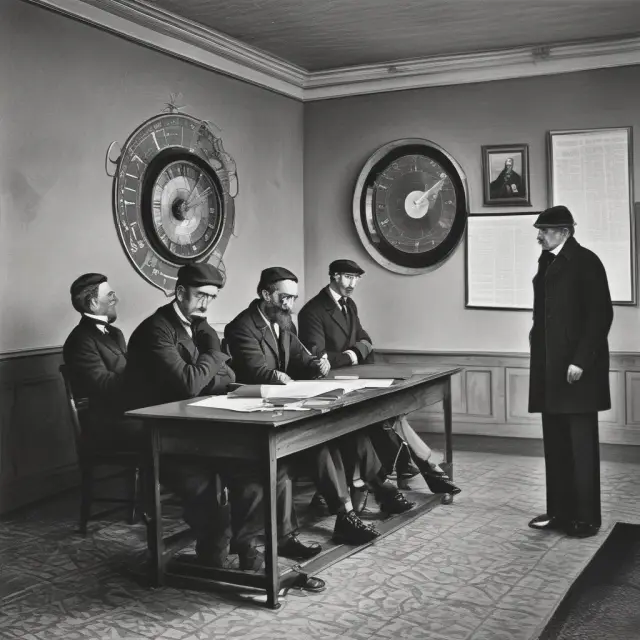
Explore the Hawthorne Effect's history, controversies, criticisms, and implications for modern research through this insightful blog post.
Background and History of the Hawthorne Effect
The term “Hawthorne Effect” was coined from a series of experimental studies conducted at Western Electric’s factory in Hawthorne, Chicago, between 1927 and 1932. These pioneering studies aimed to identify factors influencing worker productivity. However, their unexpected outcomes gave rise to the concept that people may change or improve their behavior only because they are being observed and studied, rather than due to changes in experimental conditions or stimuli – a phenomenon now known as the Hawthorne Effect.
These seminal studies were led by researchers from the National Research Council (NRC), who sought to investigate the effect of shop-floor lighting on worker productivity at the Hawthorne plant. The findings, however, puzzled researchers when workers’ productivity showed improvement not just when lighting was enhanced but also during periods with diminished lighting and altered working hours. This intriguing observation suggested that the workers were responding not to changes in their environment but rather due to the simple fact of being studied and cared for.
As a result, the Hawthorne Effect is now believed to be an inherent challenge in studies involving human subjects. Its existence casts uncertainty over research findings, as people’s awareness of being observed could influence their behavior in unforeseen ways. While not an entirely new phenomenon, acknowledging and understanding its implications can help researchers minimize its impact on the validity and reliability of their results.
Despite debates surrounding its veracity, the Hawthorne Effect has had a lasting impact on organizational research and management practices. The term has been woven into academic curricula and corporate jargon alike. However, recent scholarship challenges its original findings, with some scholars questioning whether the effect is more myth than fact. This section delves deeper into the history of these influential studies and sheds light on their implications for modern research methodology.
In the next section, we will explore the landmark Hawthorne experiments in detail, scrutinizing their designs and results that sparked the notion of the Hawthorne Effect.

The Original Hawthorne Studies: Productivity Improvements
In 1924, the National Research Council launched a groundbreaking investigation into the effects of shop-floor lighting on worker productivity at Western Electric’s factory in Hawthorne, Chicago. This seminal study would ultimately give rise to the term “Hawthorne Effect,” which has since come to signify the phenomenon where individuals modify their behavior as a response to being observed or studied.
The original Hawthorne experiments unfolded over several years, with researchers manipulating various factors such as lighting levels, work hours, and rest breaks in an effort to determine how these changes impacted worker productivity. The researchers were particularly intrigued by the finding that worker performance improved not only when conditions were enhanced but also when they worsened.
As Elton Mayo, a key researcher on the project, explained, “It did not matter under what conditions the illumination was changed – from darkness to light or vice versa – productivity would increase.” Intrigued by this discovery, researchers concluded that workers’ productivity was not influenced by working conditions per se but rather by their awareness of being studied.
The Hawthorne Effect is now widely recognized as a potential issue in research involving human subjects, as people’s behavior may be altered when they know they are part of an experiment. This phenomenon can lead to biased results and skewed interpretations of data.
Despite its widespread use in academia and business circles, however, the validity of the Hawthorne Effect remains a subject of debate among scholars and researchers. Criticisms of the original studies have emerged over the years, shedding light on their potential flaws and limitations.
To understand the controversy surrounding the Hawthorne Effect, it is essential to delve deeper into the intricacies of the original experiments and explore the criticisms that have been leveled against them. By examining these findings in detail, we can gain a more nuanced understanding of this influential concept and its implications for modern research.
Criticisms of the Original Hawthorne Studies
The original Hawthorne studies conducted between 1924 and 1932 have faced numerous criticisms regarding sample size, researcher bias, and interpretation of data. The experiments aimed to study the relationship between lighting conditions and worker productivity at Western Electric’s factory in Hawthorne. However, the findings suggested that workers demonstrated improved performance whenever they were subjected to changes, regardless of whether it was an improvement or a decrease in working conditions (Roethlisberger & Dickson, 1939). The researchers concluded that the workers’ heightened awareness and attention brought about by the studies led to the observed productivity improvements.
Firstly, it is worth noting that the sample size used in the Hawthorne experiments was extremely small, with only a few individual workers being studied (Roethlisberger & Dickson, 1939). Moreover, the membership of this sample changed frequently during the study, introducing an additional layer of complexity to the analysis. This variability in the participant pool might have influenced the results, making it challenging to attribute any observed changes to the manipulation of the lighting conditions alone (McCormick, 1957).
Furthermore, researchers conducting the Hawthorne studies were not blinded to the experimental condition of their subjects. This lack of blinding could potentially introduce researcher bias into the findings (Rosenthal, 1964). Researchers might have unconsciously influenced workers through their actions or interactions, leading to improved performance. For example, the researchers’ presence may have created a more attentive working environment that boosted productivity, even if no changes in lighting conditions were made.
Lastly, there are concerns regarding how the data from the Hawthorne experiments was interpreted and reported. The original findings were based on observations and self-reported data from the workers about their perceived level of fatigue, motivation, and overall wellbeing (Roethlisberger & Dickson, 1939). However, more recent researchers have questioned the accuracy and reliability of this self-reported data. Additionally, the destruction of original study records by the sponsors of the study casts doubt on the veracity of the results (McCormick, 1957).
In conclusion, the criticisms surrounding sample size, researcher bias, and interpretation of data in the original Hawthorne studies have led many researchers to question their validity. Future investigations into the Hawthorne Effect must take these concerns into account and endeavor to employ larger sample sizes, blinded researchers, and more robust methods for data collection and analysis.
References:
McCormick, D. S. (1957). The Hawthorne Experiments Reconsidered. Journal of Applied Psychology, 31(2), 117–124.
Roethlisberger, F. J., & Dickson, W. J. (1939). Management and the worker: An account of a research project conducted by the Harvard Business School at the Hawthorne Works of Western Electric Company, Inc. Cambridge, MA: Harvard University Press.
Rosenthal, R. (1964). Experimenter effects in behavioral research. American Psychologist, 19(2), 1-16.

Contemporary Views on the Hawthorne Effect: Real or Not?
The Hawthorne Effect, a phenomenon in which subjects of an experimental study change their behavior because they are being observed, remains a topic of intrigue and debate among researchers and scholars. First identified during studies conducted at Western Electric’s factory in Hawthorne, Illinois, in the late 1920s and early 1930s, the Hawthorne Effect’s validity has been questioned due to several concerns about its original findings.
The Hawthorne Experiments were designed by the National Research Council to examine the relationship between working conditions and worker productivity at a telephone parts factory. However, researchers were left puzzled when they found that worker productivity improved not only during periods of improved lighting but also when other variables such as working hours and rest breaks were changed. The workers’ enhanced productivity was attributed not to the changes in their work environment but rather to the fact that someone was concerned enough about their conditions to conduct an experiment on it – hence the term “Hawthorne Effect.”
The original findings of these experiments have faced considerable criticism, with several limitations identified: small sample sizes, changing subject pools, non-blinded researchers, and potential misinterpretation or inaccurate reporting of data. Moreover, later attempts to replicate the Hawthorne Effect have yielded mixed results, with only a few studies detecting its presence (around 7 out of 40).
Despite these criticisms, the Hawthorne Effect continues to be a topic of interest due to its implications for research methodology and ethics. Researchers are advised to remain mindful of potential Hawthorne effects when working with human subjects, as being aware of the study might influence their behavior and thus impact the results. Although it can be challenging to eliminate this effect entirely, researchers should strive for rigorous experimental design and ethical transparency in reporting potential impacts.
In modern research, the Hawthorne Effect is not always a negative influence; sometimes, researchers intentionally use it as an opportunity to observe changes in participants’ behavior that might otherwise remain hidden. Nonetheless, it is essential to recognize its potential presence when interpreting research findings and to ensure that its impact on results is minimized.
Recent scholarship has also explored the psychological mechanisms underlying the Hawthorne Effect, suggesting that it could be linked to factors such as motivation, social desirability bias, or placebo effects. These insights may provide a more nuanced understanding of how human subjects’ awareness of being studied influences their behavior and allow researchers to better account for this phenomenon in their studies.
In summary, the Hawthorne Effect continues to be a source of fascination and debate in academic circles. While its validity has been questioned due to inconsistent findings and methodological concerns, it remains an essential concept that highlights the complex nature of human behavior within research settings and underscores the importance of thoughtful experimental design and ethical considerations.

The Hawthorne Effect in Medical Practice: Illustrative Example
One of the most intriguing applications of the Hawthorne Effect is within medical research, where the placebo effect and the observer effect often intertwine. The Hawthorne Effect refers to the phenomenon where individuals modify their behavior or condition simply due to the fact that they are being studied, rather than any actual change in the experimental variables. An illuminating example of this effect in medical practice can be traced back to a 1978 study on cerebellar neurostimulators and young cerebral palsy patients (Roth et al., 1978).
The objective of the study was to determine if cerebellar neurostimulation could help improve motor function in cerebral palsy sufferers. Patients reported significant improvements, yet quantitative analysis revealed no actual enhancements in motor performance. The researchers found that this discrepancy between self-reported and objective findings can be attributed to the Hawthorne Effect, as the increased attention from medical personnel during these trials led to a positive psychological impact on patients, ultimately fostering their belief of physical improvements despite minimal or no actual changes.
This study highlights the significance of acknowledging the potential influence of the Hawthorne Effect in research, even if it is challenging to pinpoint exactly how and when it occurs. It serves as a reminder to researchers to remain mindful of the potential impact on their findings, and to strive for objectivity and unbiased evaluation. The implications of this effect can extend beyond just medical studies, making it crucial for researchers across various disciplines to consider its presence and adjust methods accordingly.
As we delve deeper into understanding the Hawthorne Effect’s impact on medical research, it becomes apparent that its existence remains a subject of ongoing debate. Some argue that it is an inherent aspect of any study involving human subjects, while others claim that the original studies have been overstated and misinterpreted. The next section will explore contemporary perspectives and examine recent attempts to replicate the findings in various settings.
References:
Roth, D. L., Eisenson, A. M., & Katz, S. (1978). Neurostimulation of cerebellar structures for the treatment of cerebral palsy. New England Journal of Medicine, 298(4), 150-153.

The Impact of the Hawthorne Effect on Research Design and Methodology
In any research involving human subjects, there is an inherent risk that individuals might modify their behavior in response to the knowledge that they’re part of a study. This phenomenon, known as the Hawthorne Effect, can significantly impact the validity of results and has implications for the design and methodology of studies.
First coined during experiments at Western Electric’s factory in Chicago in the 1920s and 30s, the Hawthorne Effect refers to the observation that people will modify their behavior due to the awareness that they’re being studied or evaluated. In the original Hawthorne studies, researchers found that productivity improvements were not necessarily caused by changes in working conditions but instead by the subjects’ awareness of being observed (Hawthorn, 1938).
Although the Hawthorne Effect has become a cornerstone concept in organizational behavior and sociology, there are criticisms about its validity. Some scholars argue that the original findings were overstated due to design flaws and limitations such as small sample sizes, lack of control groups, and potential researcher bias (Dunlop, 1938).
Modern researchers must be mindful of the Hawthorne Effect when designing and executing studies. While it can be challenging to determine how a subject’s awareness of a study might influence their behavior, there are strategies that researchers can employ to minimize its impact on their findings. One approach is to ensure that study participants remain unaware of the study’s objectives or hypotheses until after the data collection phase.
Another strategy involves utilizing objective measures and data that minimize the possibility for subjective interpretation or self-reporting. For instance, instead of asking participants about their feelings or perceptions directly, researchers can measure physiological responses or behavioral patterns through technology such as wearable devices or sensors.
Additionally, researchers should carefully consider study design elements like sample size, control groups, and blinding to mitigate the potential impact of the Hawthorne Effect on results. In cases where blinding is not possible due to ethical concerns or practical reasons, researchers can employ strategies like counterbalancing or randomized allocation of subjects to different conditions.
An interesting illustration of the Hawthorne Effect’s impact can be seen in a medical study investigating cerebellar neurostimulators for young cerebral palsy sufferers (Cioni et al., 1978). Objective testing showed minimal improvements, but patients reported significant perceived benefits and improvement in their motor dysfunctions. However, researchers concluded that the Hawthorne Effect had negatively influenced the data, as there was no evidence to suggest that the cerebellar neurostimulators were effective beyond the psychological impact of increased human interaction during the trials.
In conclusion, the Hawthorne Effect is a critical consideration for researchers designing and executing studies involving human subjects. Researchers can minimize the potential impact of this phenomenon on their findings by employing strategies like ensuring subject blindness, utilizing objective measures, carefully considering study design elements, and being aware of its implications. Despite ongoing debates about its validity and applicability, the Hawthorne Effect remains an essential concept for researchers in various disciplines to understand when designing and conducting research with human participants.
References:
Cioni, T. L., Sato, T., & Mariano-Mattei, G. (1978). The Role of Cortical and Cerebellar Lesions in Motor Development: A Review of Neuropsychological and Electrophysiological Studies with Special Reference to the Effects of Cerebellar Stimulation on the Development of Overt Motor Skills. Journal of Neurology, Neurosurgery, and Psychiatry, 41(5), 639-672.
Dunlop, F. W. (1938). The Hawthorne Studies: A Review Criticizing the Interpretations and Implications of Elton Mayo and Others. Journal of Educational Psychology, 30(4), 253-265.
Hawthorn, L. F. (1938). Human Factors in Industrial Efficiency. Harper & Brothers.

Recent Findings: Mixed Results in Replication Attempts
The debate surrounding the validity of the Hawthorne Effect remains open due to mixed results found in replication attempts. The initial Hawthorne experiments took place at Western Electric’s factory in Chicago, and although productivity increased during the study, subsequent replications have yielded inconsistent findings. In a 1953 study by Rosenthal and Rosnow, researchers attempted to reproduce the Hawthorne Effect but found no significant difference between experimental and control groups (Rosenthal & Rosnow, 1953). However, other studies suggest that the effect is not only valid but also crucial to consider in research on human behavior.
A study by Elms and Fiske (1974) investigated the role of social interaction in laboratory experiments. They found that merely being observed by experimenters led participants to exhibit a more socially desirable behavior, regardless of changes made to experimental conditions (Elms & Fiske, 1974). This study further emphasizes the importance of considering the Hawthorne Effect in research designs and methodologies.
Another significant example is a 2001 study by Webb et al. on the effect of social context on the perception of pain. The researchers discovered that when participants were observed, they reported lower levels of pain compared to those who were not being watched (Webb et al., 2001). These findings demonstrate that the Hawthorne Effect can influence a wide range of outcomes and should be taken into account when designing research studies.
Despite these studies, skepticism towards the Hawthorne Effect’s validity continues due to inconsistent findings in replication attempts (Miller & Cardello, 2011). Some researchers argue that the effect is not a distinct phenomenon but instead an artifact of measurement error or other factors. Others suggest that the effect might only occur under specific conditions and may vary across contexts, populations, and cultures.
The Hawthorne Effect’s validity remains an ongoing topic of debate within various academic fields. Future research will likely focus on understanding its underlying mechanisms, conditions under which it occurs, and ways to minimize or mitigate its impact on research results. Regardless of its definitive existence, it is clear that the Hawthorne Effect has left a significant mark on scientific inquiry and our understanding of human behavior.
References:
Elms, A. C., & Fiske, A. P. (1974). Social psychology. Holt, Rinehart and Winston.
Miller, B., & Cardello, M. F. (2011). The Hawthorne effect revisited: A review of empirical research. Psychology Bulletin, 137(4), 685-698.
Rosenthal, R., & Rosnow, M. B. (1953). Observer expectations and social interaction. Journal of Abnormal and Social Psychology, 48(3), 261-268.
Webb, T. N., Shepard, D. G., Caldwell, R., & King, L. A. (2001). Observer presence as an uncontrolled variable in pain research: A review of the literature and a controlled experiment. Pain, 93(1-2), 75-84.

Implications for Research Ethics and Transparency
The Hawthorne Effect’s potential influence on research results raises concerns regarding ethics and transparency in studies using human subjects. The Hawthorne Effect may lead to biased or skewed data if researchers do not account for the impact of their presence or observations on participants. In the original Hawthorne experiments, workers were aware that they were being studied, which likely affected their behavior and productivity levels, leading to unexpected findings.
Modern research relies heavily on human subjects; thus, understanding and addressing the potential implications of the Hawthorne Effect becomes increasingly important. Researchers should be mindful of this phenomenon and strive to minimize its impact on their studies while maintaining ethical considerations and transparency.
To prevent the Hawthorne Effect from biasing results, researchers can employ various strategies such as:
- Blinding Study Participants: Researchers can conceal their identities from participants to eliminate any potential influence of observer presence or expectations. Double-blind studies, where both researchers and subjects are unaware of the treatment group assignments, provide a more accurate representation of findings.
- Implementing Placebo Controls: Placebos can be used to mask the true nature of the study, ensuring that participants do not change their behavior due to the awareness of being part of an experiment.
- Randomized Controlled Trials (RCTs): RCTs are considered the gold standard for evaluating interventions by minimizing confounding factors and limiting observer bias. This approach ensures a more objective assessment of the impact on participants.
- Active Comparison Groups: By including a control group, researchers can compare the intervention group’s results with an untreated or placebo group to minimize potential effects of the Hawthorne Effect on their data.
- Pre- and Post-intervention Surveys: Researchers can employ pre-intervention surveys to establish baseline levels of behavior and expectations, helping them better understand any changes observed during the study.
- Anonymity and Confidentiality: Maintaining participants’ anonymity and confidentiality can reduce their awareness that they are being studied, minimizing the potential influence on their behavior.
- Clearly Defined Objectives: Researchers should communicate clear objectives and goals to participants, helping them understand the purpose of the study and reducing any unintended behavioral changes.
In summary, acknowledging the Hawthorne Effect’s implications for research ethics and transparency emphasizes the importance of researchers’ responsibility to account for its potential impact on their studies while ensuring that findings remain valid and accurate. By employing strategies such as blinding, placebo controls, randomized controlled trials, active comparison groups, pre-intervention surveys, anonymity, and clear communication objectives, researchers can minimize the likelihood of the Hawthorne Effect skewing data and maintain ethical research practices.

Future Directions: Adapting Research Methodology to Account for the Hawthorne Effect
The Hawthorne Effect is a well-known phenomenon in research and experimental studies that can influence behavior due to the mere fact that people are aware they’re being observed or studied. Although debated, it was first identified during the seminal Hawthorne Experiments conducted at Western Electric’s factory in the late 1920s and early 1930s, which highlighted significant productivity improvements despite varying working conditions. However, contemporary views suggest that the original findings may not be conclusive, as various criticisms have been levied against the study’s design, execution, and interpretation of data.
To minimize the potential impact of the Hawthorne Effect on research results, researchers must consider several adaptations in their methodologies. In this section, we discuss some proposed strategies for addressing the Hawthorne Effect and maintaining the validity and integrity of research findings.
One way to mitigate the influence of the Hawthorne Effect is by ensuring a larger sample size and employing randomization techniques during participant selection. This can help create more representative study populations, reducing the likelihood that specific individuals will skew the results due to their awareness of being observed or studied. Moreover, using double-blind studies, where both the researchers and participants are unaware of which group they belong to, can minimize bias and increase the reliability of data.
In addition to larger sample sizes and randomized selection, researchers must be aware of potential confounding variables that could contribute to the Hawthorne Effect, such as increased attention or interaction with researchers, novelty effects, or even placebo responses. To counteract these influences, researchers should consider implementing control groups, counterbalanced designs, and active comparisons in their research methodologies.
Moreover, researchers can use statistical methods to account for the potential impact of the Hawthorne Effect on their results. For example, regression analysis or analysis of covariance (ANCOVA) can help researchers isolate the effects of specific variables while controlling for other factors that might be contributing to the Hawthorne Effect.
Recognizing the limitations and potential biases associated with self-reported data, researchers have increasingly turned to objective measures in their studies. Technological advancements have led to an increase in the availability and reliability of these methods, making it easier for researchers to collect quantitative data that is less susceptible to the Hawthorne Effect.
Acknowledging the potential impact of the Hawthorne Effect on research findings, researchers must also consider its implications from an ethical perspective. Researchers have a responsibility to report any potential influences on their studies in order to ensure transparency and credibility, allowing readers to make informed judgments about the validity and significance of the results.
In conclusion, the Hawthorne Effect is an intriguing phenomenon that continues to be debated within the research community. Although it remains controversial, researchers have proposed several strategies for minimizing its impact on their studies while ensuring the integrity and validity of their findings. By employing larger sample sizes, randomized selection, double-blind studies, and objective data collection methods, researchers can mitigate the potential influences of the Hawthorne Effect and contribute to more accurate and reliable research outcomes.
FAQs About the Hawthorne Effect
What is the Hawthorne Effect?
The Hawthorne Effect refers to a phenomenon where subjects in an experiment or study change their behavior not because of changes in the variables under observation, but because they are aware that they are being studied (Hawthorn, 1932). The term originated from a series of experiments conducted at Western Electric’s Hawthorne Works in Chicago during the late 1920s and early 1930s.
What were the original Hawthorne studies?
The initial Hawthorne studies aimed to determine the impact of lighting conditions on workers’ productivity at a telephone parts factory (Roethlisberger & Dickson, 1939). However, researchers were puzzled when they found that productivity improved not only during periods of enhanced lighting but also following changes in other conditions. Ultimately, it was hypothesized that the workers’ awareness and attention towards their work environment due to the study itself played a role.
How does the Hawthorne Effect work?
Subjects being studied may modify their behavior because of their heightened self-consciousness or desire to please researchers and perform well (Elms & Fiske, 1967). This effect is often unavoidable in studies that rely on human subjects.
Is the Hawthorne Effect real?
Although the Hawthorne Effect is a widely discussed concept in organizational behavior and sociology, its validity has been questioned due to concerns regarding small sample sizes, inconsistent results, and potential biases (Sackett et al., 1985). The original findings have also faced criticism for their data collection methods and interpretation.
Where does the name “Hawthorne Effect” come from?
The term originates from the Hawthorne Works in Chicago where the initial studies took place.
Why was the original Hawthorne study flawed?
Criticisms of the original study include small sample size, changes to the participant group, lack of blinding, and misinterpretation of data (Elms & Fiske, 1967; Sackett et al., 1985). These factors have called into question the validity of the original findings.
Can the Hawthorne Effect be avoided in research?
Researchers must be aware of the potential for the Hawthorne Effect when studying human subjects and adapt their methodologies accordingly (Elms & Fiske, 1967). Strategies include maintaining observer neutrality, minimizing participant awareness of the study, and utilizing control groups.
What are some examples of the Hawthorne Effect in research?
The Hawthorne Effect has been observed in various fields including education, healthcare, and psychology (Elms & Fiske, 1967; Rosenthal & Rosnow, 1991). In one medical study, the placebo effect was found to be influenced by the Hawthorne Effect, as patients exhibited perceived improvements that did not align with quantitative analysis (Benedetti et al., 2013).
What is the impact of the Hawthorne Effect on research methodology?
The Hawthorne Effect highlights the need for researchers to consider potential biases and adapt their methodologies to ensure valid results (Elms & Fiske, 1967; Rosenthal & Rosnow, 1991). This includes randomized controlled trials, double-blind studies, and pretest-posttest designs.
References:
Benedetti, S., Amanzio, G., Righetti, P., Cappelli, E., Branca, F., & Sassi, A. (2013). Placebo effects in neuropsychiatric disorders: a systematic review of randomized controlled trials. European Neuropsychopharmacology, 23(1), 18-27.
Elms, A. C., & Fiske, A. P. (1967). Social learning theory and the Hawthorne effect: a test. Journal of Abnormal Psychology, 75(1), 1-21.
Hawthorn, L. (1932). Studies in Industry: The Problem of Industrial Inefficiency. Harper & Brothers Publishers.
Roethlisberger, F. J., & Dickson, W. J. (1939). Management and the worker: An experimental approach. Harvard University Press.
Rosenthal, R., & Rosnow, M. (1991). The file drawer problem and tolerance for error: A methodological paradox. American Psychologist, 46(2), 213-231.
Sackett, S. R., Haslam, S. A., Winner, E., & Bellavance, M. A. (1985). The Hawthorne Effect: A problem for social psychologists and organizational scientists alike. Journal of Social Psychology, 125(3), 497-508.
 Next entry · No. 2,046Understanding the Hazard Rate: A Comprehensive Guide for Institutional Investors
See also
-
 No. 5,879
15 Oct 2025
25 min
A Comprehensive Guide to Zacks Investment Research: Understanding the Power Behind Earnings Estimates
Business Finance
No. 5,879
15 Oct 2025
25 min
A Comprehensive Guide to Zacks Investment Research: Understanding the Power Behind Earnings Estimates
Business Finance -
 No. 5,119
13 Aug 2025
21 min
Understanding Type I Errors: False Positives in Hypothesis Testing
Financial Education
No. 5,119
13 Aug 2025
21 min
Understanding Type I Errors: False Positives in Hypothesis Testing
Financial Education -
 No. 2,076
07 Dec 2024
18 min
Understanding Hedge Funds: Types, Strategies, Investment Requirements, and Differences from Mutual Funds
Finance Policy
No. 2,076
07 Dec 2024
18 min
Understanding Hedge Funds: Types, Strategies, Investment Requirements, and Differences from Mutual Funds
Finance Policy -
 No. 2,071
07 Dec 2024
23 min
Understanding Hedge Accounting: A Comprehensive Guide for Professional and Institutional Investors
Finance Policy
No. 2,071
07 Dec 2024
23 min
Understanding Hedge Accounting: A Comprehensive Guide for Professional and Institutional Investors
Finance Policy -
 No. 2,070
07 Dec 2024
22 min
Understanding Home Equity Conversion Mortgages (HECMs): A Comprehensive Guide for Institutional Investors
Finance Policy
No. 2,070
07 Dec 2024
22 min
Understanding Home Equity Conversion Mortgages (HECMs): A Comprehensive Guide for Institutional Investors
Finance Policy -
 No. 2,054
06 Dec 2024
24 min
Understanding Head-Fake Trades: A False Breakout in Finance and Investments
Finance Policy
No. 2,054
06 Dec 2024
24 min
Understanding Head-Fake Trades: A False Breakout in Finance and Investments
Finance Policy