Third Party Transactions: Understanding the Role of Intermediaries in Finance and Investment

Learn the essentials of third-party transactions, their benefits and risks, as well as best practices for managing them in finance and investment.
Introduction to Third Party Transactions
Third-Party Transactions: An In-Depth Look at Facilitating Business Deals
A third-party transaction refers to a business deal that goes beyond the immediate relationship between the buyer and the seller, involving an intermediary party. In this context, the third party is an unrelated entity or person who performs services, manages transactions, or facilitates connections between buyers and sellers. The role of third parties can range from one-time assistance to long-term partnerships, offering significant benefits in terms of expertise, risk management, and efficiency.
Understanding Third-Party Transactions: Key Functions and Importance
Third-party transactions play a crucial role in the world of finance and investment, enabling businesses and individuals to engage in various types of transactions with greater ease and confidence. The presence of a third party can add value by providing services outside the expertise of the main participants or by handling logistical tasks, thus ensuring a smoother transaction process.
For example, consider a buyer wishing to purchase a property but lacking sufficient knowledge in the real estate market or negotiation skills. A real estate broker acts as a third party, helping the buyer navigate the complexities of finding a suitable property and negotiating terms with the seller. In another instance, an insurance company might offer more competitive rates by working through a broker, allowing clients to save on premiums while accessing a wider range of coverage options.
Increasingly, technology has played a pivotal role in expanding third-party transactions, making it easier for businesses and individuals to engage in these types of deals through various digital platforms. In the following sections, we delve deeper into the types of third parties that are commonly involved in financial transactions, their roles and functions, as well as the benefits they bring to the table.
Stay tuned for further exploration of this topic, focusing on specific types of third-party transactions and their implications in various industries!

Types of Third-Party Transactions
In the realm of finance and investment, third-party transactions are ubiquitous and play a crucial role in facilitating various business deals. They occur when buyers and sellers involve intermediaries or third parties that manage the transactions between them. The involvement of third parties can take different forms depending on the specific type of transaction. In this section, we delve into three primary types: insurance brokers, mortgage brokers, and online payment portals.
Insurance Brokers
When it comes to insurance transactions, insurance brokers act as intermediaries between insurers and clients. They market and sell insurance policies on behalf of insurers, offering clients a choice of various insurance products. In return, they receive a commission from the insurers for bringing in new customers. Insurance brokers provide their clients with valuable knowledge about insurance products and help them make informed decisions. By acting as intermediaries, they save clients time and effort while allowing insurers to reach a wider pool of potential customers.
Mortgage Brokers
In real estate transactions, mortgage brokers act as intermediaries between borrowers and lenders. They match the needs of potential homebuyers with loan programs offered by various lenders. Mortgage brokers can help negotiate loan terms on behalf of their clients and can often provide access to better deals than if a borrower were to apply directly to a lender. By acting as intermediaries, mortgage brokers simplify the process of securing financing for homebuyers and help lenders expand their customer base.
Online Payment Portals
In today’s digital era, online payment portals act as third parties in retail transactions. They facilitate the transfer of funds from buyers to sellers, offering convenience and security. By using an online platform like PayPal or Stripe, a seller can offer their goods or services, while a buyer can make a secure payment with just a few clicks. Online payment portals process transactions, verify the availability of funds, and forward the payment to the seller’s account. The seller can then receive their funds immediately or wait to withdraw them into their bank account.
As technology continues to advance, more people and businesses will likely engage in third-party transactions through online platforms. Understanding the different types of third parties involved in financial and investment deals is crucial for both individuals and organizations to navigate these transactions effectively and make informed decisions.
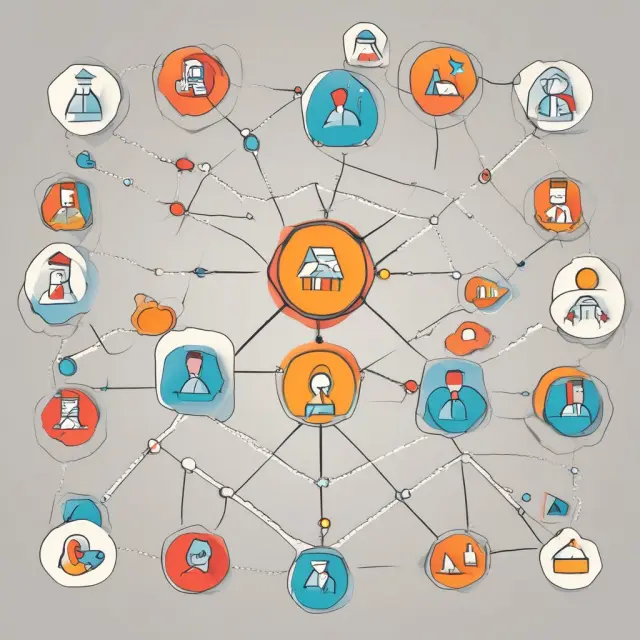
Role and Functions of Third Parties in Transactions
Third parties play an essential role in facilitating business deals between buyers and sellers in various industries, enabling seamless transactions while providing additional services. In many cases, the third party acts as a crucial link connecting buyers and sellers, ensuring that each transaction runs smoothly.
The role of the third party can differ depending on the nature of the business deal. For instance, they might facilitate negotiations between buyers and sellers, manage payments, offer specialized expertise or services, and provide essential risk management solutions. Let’s explore some common examples of third parties in transactions:
1) Insurance Brokers: In the insurance industry, brokers act as intermediaries between insurers and clients. They help clients find the most suitable insurance coverage while receiving commissions for their efforts from the insurers. By providing expert advice, negotiating premiums, and managing claims, they create value for both buyers and sellers involved.
2) Mortgage Brokers: In mortgage transactions, mortgage brokers serve as the bridge between potential homebuyers and lenders. They analyze a borrower’s financial situation, match them with suitable loan programs from various lenders, and negotiate favorable terms for both parties. This streamlined process saves time and effort for all involved while providing additional services such as pre-approval letters or credit counseling.
3) Online Payment Portals: In today’s digital age, online payment platforms like PayPal serve as third parties in retail transactions. These portals enable buyers to securely pay for goods and services from sellers, process payments, and offer risk management features such as fraud protection and buyer protection policies. By providing convenience, efficiency, and added security, they enhance the overall transaction experience.
In summary, third parties significantly contribute to the success of business deals by serving as intermediaries or facilitators between buyers and sellers. Their expertise and services help manage risks, negotiate favorable terms, and simplify processes, making transactions more accessible and efficient for all involved.

Benefits of Using Third Parties in Transactions
In today’s complex business landscape, third-party transactions have become increasingly common due to their numerous benefits for both buyers and sellers. A third party acts as an intermediary that facilitates transactions between two main parties, often offering unique advantages such as expertise, risk management, and efficiency.
Expertise: Third parties bring specialized knowledge and experience to the table, allowing for more informed decision-making on behalf of the clients. For instance, in insurance transactions, insurance brokers provide a wealth of knowledge about various insurance policies and companies. Mortgage brokers act as experts in real estate financing, guiding borrowers through the mortgage loan process while ensuring they secure the best terms possible. By leveraging the expertise of third parties, buyers and sellers can make more informed decisions and potentially save time and resources.
Risk Management: Third-party transactions offer significant risk management benefits by providing an added layer of security between transacting parties. For instance, using a payment processor like PayPal to complete online transactions offers protection against potential fraud, as the payment processor verifies the buyer’s funds before releasing them to the seller. This additional layer of security can be especially valuable in industries where financial losses due to fraudulent activities can be substantial, such as real estate or financial services.
Efficiency: Third parties streamline transactions, allowing for a faster and smoother exchange process between buyers and sellers. Online payment platforms like PayPal, Stripe, or Square facilitate instant transfer of funds from one party to another, eliminating the need for physical checks or lengthy bank transfers. The result is a more efficient transaction process that saves both time and money.
Additionally, third parties can offer greater convenience by handling administrative tasks associated with transactions. For example, insurance companies handle claims processing, while mortgage brokers manage document submission and follow-up with underwriters. By outsourcing these tasks, buyers and sellers can focus on their core business functions without being bogged down by transactional complexities.
In conclusion, third-party transactions offer significant benefits to businesses and individuals alike, providing expertise, risk management, and efficiency. As the digital landscape continues to evolve and expand, third parties will play an increasingly important role in facilitating seamless transactions between buyers and sellers.

Special Considerations for Third-Party Transactions
Technology has revolutionized the way third-party transactions are conducted, particularly with the widespread use of online payment portals. In this section, we explore how technology impacts these transactions and its significance.
Online Payment Platforms
One of the most evident manifestations of technology’s impact on third-party transactions is through digital platforms that facilitate payments between buyers and sellers. These intermediaries serve as third parties by managing funds transfer securely and efficiently, allowing both parties to save time and resources. PayPal is an excellent example; it enables buyers to use credit cards for purchasing goods or services from a seller who accepts PayPal as a payment method. The transaction occurs through the platform, acting as a third party in the process.
Benefits of Online Payment Platforms
The rise of online payment portals has brought several advantages for businesses and consumers alike. Some benefits include:
- Convenience: Buyers can pay for goods or services easily from their homes or offices without leaving, making transactions more accessible.
- Security: Digital platforms implement multiple layers of security to protect buyers’ financial information against fraud and data breaches.
- Efficiency: Instant payment processing and real-time transaction updates streamline the entire process, allowing businesses to focus on other aspects of their operations.
- Accessibility: Online payment platforms cater to a global audience, enabling businesses to expand their reach beyond local borders.
Addressing Risks
Despite these benefits, third-party transactions through online payment platforms come with potential risks as well. These include data breaches, fraud, and compliance issues. To mitigate these risks, it’s crucial for both buyers and sellers to prioritize security measures such as strong passwords, two-factor authentication, and encryption methods. Additionally, understanding the relevant laws and regulations regarding online transactions is essential.
The Future of Third-Party Transactions in Finance and Investment
As technology continues to evolve, third-party transactions will remain a vital component of the financial landscape. Online payment platforms offer several benefits for businesses and consumers alike but also come with risks. Staying informed about best practices and the latest developments is essential for maximizing the advantages while minimizing potential drawbacks.

Accounting and Tax Implications
Third-party transactions can significantly impact the financial reporting of businesses. This section explores accounting policies and tax considerations related to third-party transactions.
From an accounting standpoint, when a business engages in a third-party transaction, the company may need to recognize revenue differently based on the role of the third party involved. For instance, if a third-party vendor provides services directly to a client, the revenue recognition will depend on the nature of that service and the contract between the vendor and the client. The revenue could be recognized over time or at completion, depending on the circumstances.
In contrast, if a business acts as an agent for a principal in a third-party transaction, the agent might not recognize any revenue until the principal receives payment from the customer. In such cases, the agent will typically charge a commission on the sale.
When it comes to tax implications, third-party transactions can add complexity due to different tax jurisdictions and regulations. For example, international transactions may involve withholding taxes or other reporting requirements for both parties involved in the transaction. Additionally, the use of third-party providers like payment processors or intermediaries could influence the tax treatment of certain transactions.
To effectively manage the accounting and tax implications of third-party transactions, companies should maintain proper documentation and establish clear communication channels with all parties involved. This can help ensure compliance with relevant tax laws and regulations while also providing a clear understanding of revenue recognition policies. Consulting with tax professionals is highly recommended to navigate the intricacies of third-party transactions’ accounting and tax implications.
FAQs on Third-Party Transactions
What are third-party transactions?
A: Third-party transactions involve a buyer, a seller, and an additional party that acts as a facilitator or intermediary between the two.
Why do businesses engage in third-party transactions?
A: Businesses may use third parties for various reasons such as expertise, risk management, and efficiency. For instance, insurance brokers provide access to better rates and terms for clients while acting as intermediaries.
How does technology impact third-party transactions?
A: Technology has made it easier for more people and businesses to participate in third-party transactions through online payment platforms. Online payment portals like PayPal act as third parties, processing payments between buyers and sellers.

Example of a Third-Party Transaction
When delving into the world of finance and investment, it’s essential to understand the concept of third-party transactions. These transactions refer to deals that involve more than just the primary parties – buyers and sellers. A third party enters the scene as an intermediary, facilitator, or service provider, playing a crucial role in managing business interactions between both parties.
Insurance brokers serve as an excellent example of third-party transactions in action. In this scenario, a client requires insurance coverage, and the broker acts as an intermediary by marketing various insurance products on their behalf. The client evaluates offers from multiple insurers with the help of the broker to secure a favorable contract. If successful, the insurer compensates the broker for bringing in new business through commissions or fees.
Mortgage brokers also play an integral role as third parties by matching homebuyers’ needs with loan programs offered by lenders. Their expertise in various mortgage options and lender relationships allows homebuyers to secure financing with favorable terms. Upon a successful transaction, the broker typically earns a fee or commission from the lender for their services.
With the digital age transforming the way transactions are conducted, third-party transactions have grown exponentially through online payment platforms. For instance, consider an e-commerce store that sells goods and uses PayPal as a third party to process customer payments. The buyer completes their purchase on the seller’s website using a credit card and PayPal as a payment gateway. PayPal then verifies the funds’ availability and forwards them to the seller, effectively acting as the third-party intermediary in this transaction.
Understanding these transactions is vital, as they are ubiquitous across industries and everyday life. In the ever-evolving financial landscape, being well-versed in third-party transactions will undoubtedly provide you with a competitive edge.
By exploring various types of third-party transactions like those involving insurance brokers and online payment processors like PayPal, we can gain valuable insights into their importance and benefits. As technology continues to shape the business world, third parties are increasingly becoming essential in managing complex financial dealings and offering specialized services.

Risks and Challenges in Third-Party Transactions
Third-party transactions offer significant benefits to businesses, from managing risk to improving operational efficiency. However, these deals also come with inherent risks. Understanding potential challenges can help businesses mitigate issues before they occur.
One major risk associated with third-party transactions is fraud. Fraudulent activities may involve intermediaries, sellers, or buyers. For instance, a seller could falsify documentation to claim higher reimbursements for goods or services rendered, while a buyer might attempt to use counterfeit payment methods, like fake checks or credit cards. Third parties may also be susceptible to identity theft, with cybercriminals impersonating legitimate intermediaries and manipulating transactions.
Compliance is another challenge in third-party transactions. Businesses must adhere to regulations that govern their industry, as well as any specific rules associated with the third party involved. For example, international trade transactions may require extensive documentation to comply with customs regulations and tax laws. Failure to follow these guidelines could lead to legal issues or reputational damage.
Data security is a significant concern for third-party transactions as well. Third parties may have access to sensitive business data, posing a potential risk for data breaches. Companies must implement robust security protocols to protect confidential information from theft or unauthorized access.
Regulatory changes can also impact third-party transactions. For instance, new regulations on money laundering and anti-corruption measures may require third parties to meet additional reporting requirements. Failure to adapt could lead to non-compliance issues that result in significant fines or sanctions.
Fraudsters are continuously adapting their tactics, making it crucial for businesses to stay informed about emerging threats and vulnerabilities. To minimize risks, companies can implement measures such as due diligence checks on third parties, secure payment methods, and stringent data security practices. Additionally, ongoing communication with third parties and a strong contractual relationship can help mitigate potential issues that may arise in third-party transactions.

Best Practices for Managing Third-Party Transactions
Managing third-party transactions can be complex due to the involvement of multiple parties, but proper risk assessment, due diligence, and contract negotiation are essential to mitigate risks and ensure a successful outcome. In this section, we discuss best practices for managing third-party transactions.
Risk Assessment: The first step in managing third-party transactions is identifying potential risks. Thoroughly assess the reputation, financial stability, and compliance records of any prospective third parties. Be sure to evaluate their track record and ability to deliver on their promises to minimize risk.
Due Diligence: Conduct extensive research before engaging a third party. Perform background checks, reference verifications, and verify their certifications and licenses if required. Obtain legal advice when necessary and ensure that you are fully aware of the terms and conditions of any agreements.
Contract Negotiation: A well-drafted contract can protect both parties from potential disputes. Include clauses addressing confidentiality, indemnification, termination, dispute resolution, and data security to minimize risks. Be sure to establish clear lines of communication, including regular reporting and escalation procedures, to facilitate effective collaboration between the parties.
Monitoring and Oversight: Regularly monitor the third-party’s performance and maintain open communication channels with them. Establish key performance indicators (KPIs) or service level agreements (SLAs) that outline expectations and help ensure high-quality services. Address any issues promptly to minimize disruptions and maintain a strong working relationship.
Security: Protect sensitive data and intellectual property by implementing robust security measures when dealing with third parties, both online and offline. Establish clear guidelines for handling confidential information and ensure that all parties are aware of and adhere to these protocols.
Compliance: Ensure that the third party complies with all applicable laws, regulations, and industry standards relevant to your business. Stay informed about regulatory changes and adjust your approach accordingly. Regularly review their compliance status and share any concerns or issues in a transparent manner.
Conclusion: In conclusion, managing third-party transactions requires careful planning, due diligence, and effective communication. By following best practices, you can build strong relationships with reputable third parties that not only add value to your business but also help mitigate risks and ensure a successful outcome for all involved parties.

FAQs on Third-Party Transactions
Third-party transactions are becoming increasingly common in the finance and investment world, often facilitated by intermediaries or external agents who manage deals between buyers and sellers. The following FAQs answer some of the most frequent questions regarding third-party transactions:
What is a third-party transaction?
A third-party transaction refers to any business deal in which an intermediary, not directly involved in the agreement, plays a role in facilitating the exchange between buyers and sellers. Examples range from insurance brokers, mortgage brokers, online payment platforms, to legal and tax advisors.
Why are third-party transactions important?
Third parties offer numerous advantages for both buyers and sellers. They bring expertise, manage risks, provide additional services, streamline processes, and add convenience by connecting different parties in a transaction.
How do third parties earn money from these transactions?
Third parties can make money through various means, such as commissions, fees, or interest on funds held. For instance, an insurance broker may receive a commission for selling a policy to a client. Similarly, online payment platforms like PayPal generate revenue by charging a small fee per transaction.
What are the risks in third-party transactions?
Despite their benefits, third-party transactions come with certain risks. Fraud, non-disclosure of conflicts of interest, and errors can all impact the accuracy of the information provided and put both parties at risk. Due diligence, proper research, and clear communication are essential to mitigate these risks.
What is an example of a third-party transaction in finance?
A popular example of a third-party transaction within the financial sector is an insurance brokerage firm that acts as an intermediary between a client seeking coverage and insurance companies offering policies. The broker assesses the client’s needs, compares available options, and helps negotiate the best possible terms on behalf of the client while earning a commission from the insurer upon successful placement of a new policy.
In summary, third-party transactions are an integral part of modern finance and investment. By understanding the roles, benefits, risks, and common scenarios associated with these deals, you can make more informed decisions in your business dealings and protect yourself against potential pitfalls.
 Next entry · No. 4,957Understanding the Role and Functioning of Third Parties in Finance and Investment
See also
-
 No. 5,909
17 Oct 2025
20 min
Understanding a Zero Capital Gains Rate: How Tax Exemptions in Enterprise Zones Encourage Economic Development
Business Finance
No. 5,909
17 Oct 2025
20 min
Understanding a Zero Capital Gains Rate: How Tax Exemptions in Enterprise Zones Encourage Economic Development
Business Finance -
 No. 5,895
16 Oct 2025
21 min
Zero-Dividend Preferred Stock: Understanding This Unique Investment Vehicle
Business Finance
No. 5,895
16 Oct 2025
21 min
Zero-Dividend Preferred Stock: Understanding This Unique Investment Vehicle
Business Finance -
 No. 5,892
16 Oct 2025
23 min
Understanding Zero-Coupon Bonds: An In-Depth Guide for Institutional Investors
Business Finance
No. 5,892
16 Oct 2025
23 min
Understanding Zero-Coupon Bonds: An In-Depth Guide for Institutional Investors
Business Finance -
 No. 5,819
10 Oct 2025
19 min
Understanding Write-Downs: Impairments and Their Impact on Financial Statements and Ratios
Business Finance
No. 5,819
10 Oct 2025
19 min
Understanding Write-Downs: Impairments and Their Impact on Financial Statements and Ratios
Business Finance -
 No. 5,811
09 Oct 2025
22 min
Understanding Wrap Fees: A Comprehensive Guide for Institutional Investors
Business Finance
No. 5,811
09 Oct 2025
22 min
Understanding Wrap Fees: A Comprehensive Guide for Institutional Investors
Business Finance -
 No. 5,786
07 Oct 2025
20 min
Understanding Working Interest: Investment and Taxation
Business Finance
No. 5,786
07 Oct 2025
20 min
Understanding Working Interest: Investment and Taxation
Business Finance