Understanding Adverse Possession: Requirements, Examples, and Prevention Strategies

Explore the ins and outs of adverse possession, including requirements, examples, prevention strategies, and implications for modern landowners.
Introduction to Adverse Possession
Adverse possession is a legal principle that grants ownership of land to an individual who has occupied and used someone else’s property without the owner’s consent for a specified period. This concept, also referred to as squatter’s rights, is based on the belief that if an individual can demonstrate continuous, open, notorious, hostile, and exclusive use of the property for a stipulated time frame, they should be granted ownership of it. The historical roots of adverse possession date back to feudal Europe when land was considered a valuable asset with well-defined boundaries. In this section, we will discuss the essentials of adverse possession, its history, and key takeaways.
Key Takeaways
- Adverse possession is a legal process whereby an individual gains ownership of another person’s property through continuous, open, notorious, hostile, and exclusive use for a specified period.
- The claimant must prove that they have possessed the land adversely and continuously against the true owner’s interests, making it essential to be aware of potential threats and take action if necessary.
- Adverse possession applies to both physical property and intellectual or digital/virtual property, with implications in areas such as cybersquatting and excessive copyright infringement.
- Understanding adverse possession can help landowners prevent unintended losses and protect their interests by being aware of the conditions that must be met for a successful claim.
Section Title: The Legal Basis for Adverse Possession
The legal principle underlying adverse possession is based on the belief that if someone acts as the owner of a property without the actual owner’s consent, and can prove that they have occupied and used it continuously for the required period, they should be granted ownership. The application of this principle to intellectual or digital/virtual property represents an extension of the traditional concept in response to modern challenges involving intangible assets.
In essence, adverse possession serves to discourage abuses of property rights by forcing individuals to put resources into actively using their portfolio of trademarks, patents, and copyrights rather than merely holding them without productive use. This legal principle offers a potential solution for cases where the true owner is unknown or unable to defend their interests.
In the next sections, we will explore the requirements for successfully proving adverse possession and provide real-life examples of how this concept has been applied in practice.

The Legal Basis for Adverse Possession
Adverse possession is an intriguing legal principle that permits someone who isn’t the rightful owner to gain title and ownership of land if specific conditions are met. This concept, often referred to as squatter’s rights or homesteading, can be traced back to common law traditions and serves as a safeguard against abandoned or unclaimed properties.
In essence, adverse possession grants the possessor title to a piece of land when they demonstrate continuous, open, hostile, and exclusive use for an extended period – typically defined by statute in each jurisdiction. This legal concept applies not only to physical property but also to intellectual property and digital assets.
By understanding the fundamental principles behind adverse possession, we can appreciate its significance as a remedy for abandoned or unclaimed properties while taking measures to protect our own rights as landowners.
Section Breakdown
- Definition and Historical Background
- Legal Requirements for Adverse Possession
- Requirements to Prove Adverse Possession
- Examples of Adverse Possession in Practice
- Preventing Adverse Possession
- Comparing Adverse Possession with Homesteading
- FAQs on Adverse Possession
- State-by-State Analysis
- Future Implications for Adverse Possession
- Conclusion and Takeaways
Section Title: Legal Basis for Adverse Possession
The legal basis for adverse possession lies in the principle of “finders keepers,” which allows someone who has taken possession of a piece of land, even without the rightful owner’s consent, to eventually acquire ownership if they can prove their long-term commitment and intent through continuous occupation. This principle dates back to feudal Europe when land was often passed down from one generation to another, leading to ambiguous boundaries and unclear titles.
Adverse possession is not only a remedy for abandoned properties but also an incentive for productive use of land that might otherwise remain idle or underutilized. By recognizing adverse possession as a viable avenue to acquire property, we encourage more efficient land management and ensure that neglected or unclaimed parcels are put to good use.
While the specifics of adverse possession may vary from one jurisdiction to another, its core concept remains constant: a non-owner can claim title to land if they demonstrate sufficient intent and continuous possession for an extended period as defined by statute.

Requirements for Proving Adverse Possession
The legal principle of adverse possession is fascinating because it grants ownership rights to someone who has occupied another person’s property for a specified period. However, not just anyone can claim adverse possession; the would-be owner must fulfill specific requirements. Understanding these conditions ensures that landowners are aware of the actions they can take to prevent such claims and those seeking to establish adverse possession know what steps they need to take to be successful in their efforts.
To prove adverse possession, a claimant must demonstrate the following elements:
1. Continuous and uninterrupted use: The possessor has been using the property without interruption for a specified period, as determined by each state’s statute of limitations. This continuous use shows the intention to possess the land exclusively and adversely, creating a presumption that the true owner has abandoned their rights to the property.
2. Hostile and adverse intent: The claimant’s occupation must be hostile to the interest of the original owner. In other words, they cannot have had any agreement or license to use the land from the owner. This requirement separates bona fide tenants who pay rent or comply with lease agreements from those who can legitimately claim adverse possession.
3. Open and notorious occupation: The claimant must possess the property in an open, notorious, and obvious manner. This means that others in the community are aware of their presence on the land to ensure the original owner is aware or would have reasonable knowledge of the intrusion.
4. Actual possession: The claimant actively occupies the property for a specific period as outlined by state law. In most cases, this involves physically residing on the land or maintaining it in some way, such as paying taxes or making improvements to show their intention to treat it as their own.
5. Exclusive use: The possessor must be the only one using the property during their period of occupancy. No one else should have a right to interfere with or share that space without permission from the claimant.
It is essential for landowners and prospective adverse possessors alike to familiarize themselves with these requirements, as they can vary from state to state. For example, some jurisdictions may require additional steps like paying taxes on the property or obtaining a deed to establish ownership. Understanding the specifics of each location’s rules can help prevent misunderstandings and potential disputes over adverse possession claims.

Examples of Adverse Possession in Practice
Adverse possession, also known as squatter’s rights, is the legal principle by which someone can gain ownership of land that isn’t theirs through continuous and open occupation. This concept might sound unusual, but it has historical roots dating back to medieval Europe when land tenures were complex and unclear. In this section, we will discuss real-life examples of adverse possession cases that highlight various aspects such as lengthy occupation, hostile intent, and exclusive use.
A Noteworthy US Case
In the 19th century in the United States, a man named Ambrose Clarke occupied his neighbor’s land for more than 20 years before being evicted by the rightful owner. When Clarke returned to claim the property after his eviction, he discovered that local officials considered him to be the legitimate owner based on the extended period of possession. This incident demonstrates how long-term occupation can lead to successful adverse possession claims.
A Controversial UK Case
In a controversial case in the UK, a man named Henry Hyde Parker claimed ownership of a 500 square foot strip of land at Kensington Gardens through adverse possession. Although he had been using the area for over 40 years without authorization, the dispute reached the House of Lords, which ultimately ruled against him in 1986. This case highlights the importance of hostile and exclusive occupation, as Parker’s actions did not fully meet the legal requirements.
A Successful Modern-Day Story
In a recent adverse possession case in Canada, a man named Peter Dykstra successfully claimed ownership of an abandoned island due to his continuous occupation for over 30 years. He lived on the island with his family and even registered it as his address. His claim was supported by his documentation showing that he paid property taxes and utility bills, which were instrumental in establishing his exclusive possession and intent to possess the land.
A Cautionary Tale
Another example from the UK illustrates the importance of proper record-keeping. A man named Derek Bramham occupied a plot of land for more than 20 years without paying rent or taxes but failed to claim adverse possession due to his lack of proof. When the owner claimed back the property, Bramham had no evidence to support his occupation, and the court ruled in favor of the owner. This unfortunate outcome emphasizes the necessity of clear documentation during the adverse possession process.
To Prevent Adverse Possession
Landowners should take precautions to protect their properties from potential adverse possession claims. Regularly inspecting their land for any signs of unauthorized occupation and taking legal action promptly can help maintain ownership rights. Additionally, having proper documentation such as property deeds and leases can strengthen a landowner’s position in disputes related to adverse possession.
In conclusion, the examples presented above demonstrate how adverse possession works in practice, highlighting the importance of continuous, hostile, exclusive occupation, and the significance of maintaining clear records. Understanding these aspects is crucial for both potential claimants and property owners alike when navigating the complex world of land ownership and real estate disputes.
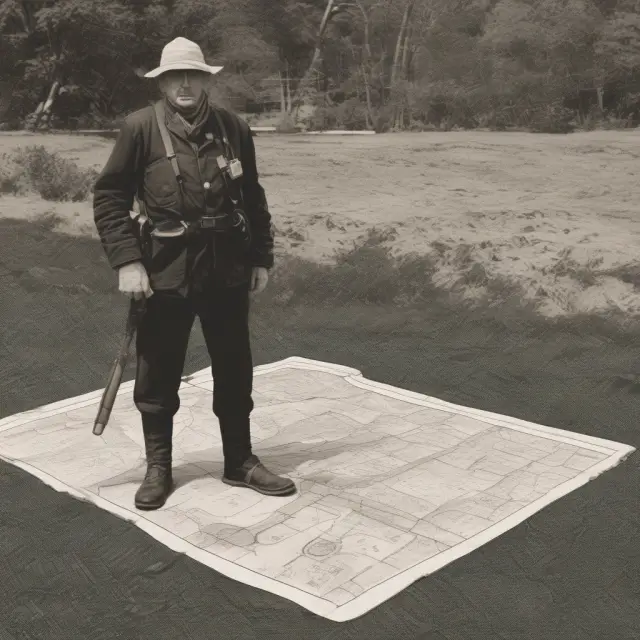
How to Prevent Adverse Possession
Landowners can take several steps to protect their property from falling victim to adverse possession. Understanding the principles and conditions that enable someone to make a successful claim can help prevent potential losses.
First, regular inspections are essential for identifying any signs of unauthorized occupation. By maintaining a watchful eye on your land, you can ensure that no one is encroaching on your property without permission. Inspecting your land also offers the opportunity to address and remove any structures or improvements made by trespassers.
Secondly, establishing clear boundaries and posting visible “no trespassing” signs can deter individuals from inadvertently straying onto your property or intentionally occupying it with the expectation of making a claim. While no trespassing signs alone may not prevent an adverse possession claim, they are an effective initial deterrent for uninvited guests.
A third strategy for preventing adverse possession is to grant written permission to individuals seeking use of your land. Documented agreements provide legal evidence of your consent and protect you from potential future disputes. By requiring a written acknowledgment from the permittee, you can also maintain better control over their activities on the property.
Swift action is crucial when dealing with trespassing. The longer you wait to take remedial measures, the more difficult it becomes to reclaim your land. In such situations, engaging a lawyer and filing a lawsuit or seeking a court order to remove unauthorized structures can help resolve disputes efficiently and effectively.
In some cases, entering into a rental agreement may be a prudent option for preventing adverse possession claims. With a formal lease in place, you retain legal ownership while allowing the tenant to occupy your property with your explicit consent. This approach not only secures your property rights but also provides a clear documentation trail that can support any future disputes.
Understanding the requirements and potential risks of adverse possession is essential for all landowners. By taking proactive measures, such as regular inspections, written agreements, and swift action against trespassers, you can minimize your chances of losing your property to an unintended claimant.

Comparing Adverse Possession with Homesteading
Adverse possession and homesteading share some similarities when it comes to acquiring land. Both involve the transfer of property rights from one party to another, but they differ significantly in their application and requirements. In this section, we will compare and contrast these two concepts as they relate to the acquisition of real property.
Adverse Possession: The Legal Principle
Adverse possession is a legal doctrine that grants ownership or title to someone who has been in continuous, open, notorious, and hostile occupation of another’s land for a specified period. The trespasser, or adverse possessor, essentially acquires the property through their unauthorized use under certain conditions.
Homesteading: The Land Acquisition Process
On the other hand, homesteading is a method of acquiring land, primarily used in relation to public lands. Homesteaders, who are typically settlers or pioneers, claim and improve undeveloped land in exchange for establishing residency and cultivating it for a specified period. In this context, the government grants ownership through the legal process of patenting the land after meeting certain requirements.
Similarities: Requirements and Conditions
Although adverse possession and homesteading have distinct applications, they share some commonalities in terms of their requirements and conditions for acquiring property rights:
- Continuous and Exclusive Use: Both require the claimant to maintain continuous and exclusive use of the land. In the case of adverse possession, this means being in possession without the owner’s consent and under circumstances that would be considered hostile or adversely to their interests. For homesteading, it refers to settling and cultivating the land for a specified period.
- Statutory Requirements: Both methods involve statutorily defined timeframes, with adverse possession requiring the trespasser to meet specific durational requirements before they can acquire title through their unauthorized occupation. Similarly, homesteaders must meet certain residency and improvement conditions within a set timeframe to secure land ownership.
Differences: Application and Implications
Despite these similarities, adverse possession and homesteading differ significantly in their application and implications:
- Legal Basis: Adverse possession involves the acquisition of someone else’s land through the legal principles of trespass and estoppel. In contrast, homesteading is a process granted by the government to settle public lands.
- Ownership Transfer: Adverse possession results in title acquisition from another party, whereas homesteading results in the creation of a new title as the government grants ownership of previously unclaimed land.
- Intended Use: Adverse possession can be used as a strategy for acquiring property through trespassing or squatting, whereas homesteading is an authorized method for settling and developing public lands.
- Legal Recognition: The recognition and application of adverse possession and homesteading vary from one jurisdiction to another, with different states having unique requirements and conditions that must be met to claim land through either process.
- Public vs. Private Land: Adverse possession primarily applies to the acquisition of privately-owned land, while homesteading is typically used for public or government lands.
In conclusion, adverse possession and homesteading are two distinct concepts in land acquisition with some similarities but significant differences in their legal basis, application, and implications. Understanding these principles can help landowners and claimants navigate the complex world of property rights and acquisitions.

Adverse Possession: Frequently Asked Questions
What is adverse possession?
Adverse possession is a legal principle that allows someone who occupies another person’s land without their consent for a certain period to gain ownership. The claimant must demonstrate continuous, open, notorious, exclusive, and hostile use of the property to prove adverse possession.
What are the requirements for adverse possession?
Adverse possession usually involves five main conditions: 1) continuous use, 2) open and notorious possession, 3) exclusive possession, 4) hostile intent, and 5) a statutory period of occupancy based on the jurisdiction’s laws.
What is the difference between adverse possession and homesteading?
Adverse possession and homesteading are similar but distinct concepts. Adverse possession involves taking another person’s property through continuous, open, notorious, and exclusive use. Homesteading is a legal doctrine for acquiring title to unclaimed or abandoned government land through occupancy and improvement.
What is the time limit on adverse possession?
The length of time required for adverse possession varies significantly between jurisdictions, ranging from three to 30 years depending on the state’s laws.
Can intellectual property be subjected to adverse possession?
Although not widely established, there have been cases suggesting that intellectual property might fall under the principles of adverse possession, as it involves a possessor demonstrating exclusive and continuous use of an intangible asset for a required period.
What are the potential advantages and disadvantages of adverse possession?
Advantages: Adverse possession can encourage the effective use of abandoned or unclaimed land, provide opportunities for landless individuals, and potentially discourage abuses of intellectual property rights. Disadvantages: It may lead to disputes, create uncertainty, and result in potential misallocation of resources if an adverse possessor fails to prove their claim or is found to have malicious intentions.
What should landowners do to prevent adverse possession?
Landowners can take steps to protect their property, such as marking and inspecting their borders regularly, granting permission for use when necessary, and acting quickly to remove trespassers if they detect any signs of encroachment on their land.

Adverse Possession: State-by-State Analysis
Understanding Adverse Possession and Its Importance
Adverse possession is a legal principle that allows a person to gain ownership of another’s property through long-term, continuous, and open occupation. It is often referred to as “squatter’s rights,” but this term can be misleading since the process may involve more than just occupying someone else’s land without their consent. This section will focus on the requirements for adverse possession and explore how this unique legal concept varies across different states in America.
Requisites for Adverse Possession
To claim adverse possession, an individual must demonstrate they have met specific conditions for a specified duration, including:
- Continuous use: The occupant must have used the property for a continuous period without interruption. This requirement varies from state to state, with some jurisdictions setting time thresholds ranging from five to thirty years.
- Hostile and adverse intent: The trespasser’s possession of the land must be hostile to the original owner’s interests and cannot be based on a consenting agreement or legal license. This condition is essential to distinguish between bona fide purchasers and those seeking to gain property through deception.
- Open, notorious, and visible occupation: The adverse possessor’s presence on the land must be openly acknowledged by others in the community, giving notice to the rightful owner of the claim. This requirement ensures that the original owner has an opportunity to challenge the unlawful possession if they become aware of it.
- Exclusive use: The occupant must have possessed the property exclusively and without sharing it with others during their tenure.
- Compliance with applicable state laws: Adverse possession claims are subject to state-specific statutes, which can differ significantly regarding the length of the required occupation, payment of taxes, and other conditions.
Variations in Adverse Possession Laws Across States
The application of adverse possession varies from one state to another in several aspects:
- Statutory period: The minimum timeframe for gaining title through adverse possession can range from three to thirty years, depending on the jurisdiction. For instance, Alabama requires a ten-year occupancy, while Louisiana’s statute of limitations is thirty years.
- Taxes and deeds: In some states like New York, the trespasser must pay real estate taxes for the duration of their occupation, while others do not have such requirements. Additionally, possessors may be required to obtain a deed or other documentation establishing ownership before being granted clear title.
- Notice requirements: Some jurisdictions mandate that the adverse possessor must give notice to the original owner, either through public records or personal communication, while others do not require any explicit notification.
- Occupation and intent: The standards for demonstrating continuous use and hostile intent can differ from one state to another, affecting how difficult it is to make a successful claim.
As technology continues to evolve, it’s essential to explore the potential implications of adverse possession in the digital age. In the realm of intellectual property, disputes over domain names or software copyrights might be resolved using similar principles. This fascinating legal concept offers valuable insights into the balance between property rights and access to resources.
In conclusion, adverse possession is a unique legal principle that grants ownership to someone who has occupied another’s property for an extended period under specific conditions. Each state applies this rule differently in terms of statutory periods, tax requirements, and notice obligations, making it essential for landowners and prospective buyers to be aware of the variations within their jurisdiction.

The Future of Adverse Possession in the Digital Age
Adverse possession has been an established legal principle for centuries. Originally derived from feudal law and applied to physical real estate, its implications have extended beyond the realm of tangible property into the digital landscape. As intellectual and virtual properties become increasingly valuable, discussions around adverse possession’s application and relevance in today’s digital age are gaining traction.
To better understand how adverse possession impacts digital assets such as domain names, patents, trademarks, or copyrighted works, it is essential to examine its underlying principles and requirements. The term “adverse possession” refers to a legal principle that grants title to someone who resides on or takes control of another person’s property for an extended period under specific conditions.
In the digital world, adverse possession can manifest in various forms, such as cyber squatting, unauthorized use of intellectual properties, or even virtual land grabs. For instance, a person may register a domain name that is identical to an existing brand without the rightful owner’s consent and attempt to sell it for profit, thus engaging in adverse possession.
The requirements for proving adverse possession include continuous, open, notorious, exclusive use of the property for the statutorily prescribed period. In this context, the digital world poses challenges such as determining clear ownership, establishing a sufficient period of use, and enforcing the principle’s application.
One of the most significant issues is establishing clear ownership, especially when dealing with intangible assets like domain names. The absence of physical evidence makes it more challenging to determine who rightfully owns digital property. However, many countries have established legal frameworks for intellectual property protection, which can help mitigate some of these challenges.
The other critical requirement is the continuous and open use of the property for the statutorily prescribed period. In the context of the digital age, maintaining open and continuous use can be a complex issue, particularly when dealing with intangible assets that exist in a virtual environment.
To illustrate, let us consider the example of a person who has been using an abandoned domain name for several years without the owner’s knowledge or consent. If the registration period is not renewed, and the person applies for adverse possession, they may face challenges proving continuous use due to the lack of tangible evidence and the absence of clear ownership.
Additionally, preventing digital adverse possession can be a challenge. Landowners can secure their physical properties with fences or surveillance systems; however, securing intangible assets requires different strategies such as trademark monitoring services, domain name registration, or patent protection.
As more and more intellectual properties enter the digital world, it is essential to consider the implications of adverse possession and its application in this context. The potential for abuse is significant, particularly regarding cybersquatting, excessive copyright enforcement, and patent trolling. Implementing adverse possession as a solution to discourage such abuses requires active engagement, including education, awareness, and legal frameworks that encourage productive use rather than passive ownership.
In conclusion, the application of adverse possession in the digital age opens up a Pandora’s box of challenges and opportunities. It calls for a nuanced understanding of its underlying principles, requirements, and implications, as well as innovative solutions to address the unique challenges presented by intangible assets. As we continue to explore this new frontier, it is crucial that we remain vigilant, informed, and adaptive in our approach to adverse possession and other legal principles governing digital property rights.
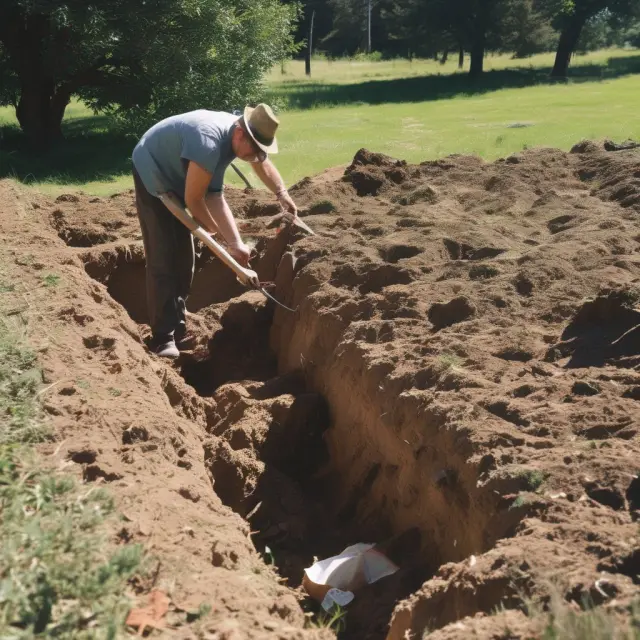
Conclusion: Adverse Possession and Its Relevance for Modern Landowners
In essence, the concept of adverse possession is an intriguing legal principle that can grant ownership of property to someone who has been occupying another person’s land for a specified period. Although it may seem counterintuitive or even unfair, this law offers several benefits and implications for both modern landowners and claimants.
First, understanding the nuances of adverse possession is crucial for those who own land. Landowners can take preventative measures to minimize the risk of losing their property to an adverse possessor. These steps include marking property boundaries, regular inspections, maintaining clear agreements with tenants and neighbors, and acting swiftly when detecting signs of trespassing.
Secondly, adverse possession offers valuable insights into the dynamics of property rights and land disputes. The principle can act as a deterrent for potential abuses in intellectual property, such as cybersquatting or patent trolling, by requiring abusers to actively use their assets instead of hoarding them. In turn, this could stimulate innovation and create more equitable outcomes.
When it comes to the requirements for adverse possession, several elements must be met, including continuous and exclusive use, hostile intent towards the true owner, open and notorious occupation, and compliance with the state’s statutory period. The specific conditions can differ depending on the jurisdiction, making a thorough understanding of your local laws essential.
To illustrate, let us examine a real-world example: imagine John has been living on Jane’s property for 20 years without her knowledge or consent, and he has paid taxes on it during that time. Given this scenario, if the statute of limitations in their state is 15 years, John might have a strong case for adverse possession.
In conclusion, adverse possession plays an intriguing role within the realm of property rights and land ownership. By being aware of its implications and requirements, modern landowners can safeguard their assets and navigate potential disputes effectively. Additionally, this legal principle offers valuable lessons in the context of intellectual property, providing a potential solution to prevent abuses and encourage productive use.
 Next entry · No. 98Adverse Selection: Understanding Asymmetric Information and Its Impact on Insurance and Investments
See also
-
 No. 5,363
02 Sep 2025
19 min
Understanding Use and Occupancy Agreements in Real Estate: Advantages, Disadvantages and Regulations
Real Estate
No. 5,363
02 Sep 2025
19 min
Understanding Use and Occupancy Agreements in Real Estate: Advantages, Disadvantages and Regulations
Real Estate -
 No. 4,382
14 Jun 2025
22 min
Real Estate Operating Companies (REOCs) vs Real Estate Investment Trusts (REITs): A Comparative Analysis
Real Estate
No. 4,382
14 Jun 2025
22 min
Real Estate Operating Companies (REOCs) vs Real Estate Investment Trusts (REITs): A Comparative Analysis
Real Estate -
 No. 4,128
24 May 2025
21 min
A Comprehensive Guide to Property Management: Responsibilities, Types, Regulations, and Benefits
Real Estate
No. 4,128
24 May 2025
21 min
A Comprehensive Guide to Property Management: Responsibilities, Types, Regulations, and Benefits
Real Estate -
 No. 2,887
11 Feb 2025
18 min
Understanding Limited Common Elements in Condominium Investments
Real Estate
No. 2,887
11 Feb 2025
18 min
Understanding Limited Common Elements in Condominium Investments
Real Estate -
 No. 2,235
21 Dec 2024
19 min
Understanding Housing Bubbles: Causes, Impacts, and Lessons Learned from the U.S. Real Estate Crisis
Real Estate
No. 2,235
21 Dec 2024
19 min
Understanding Housing Bubbles: Causes, Impacts, and Lessons Learned from the U.S. Real Estate Crisis
Real Estate -
 No. 1,182
08 Aug 2024
20 min
Understanding Easements in Gross: Definition, Examples, Differences, Termination and Implications for Property Owners and Investors
Real Estate
No. 1,182
08 Aug 2024
20 min
Understanding Easements in Gross: Definition, Examples, Differences, Termination and Implications for Property Owners and Investors
Real Estate