Understanding Ethereum Classic: A Decentralized Blockchain Platform for Smart Contracts

Understand Ethereum Classic (ETC) - a decentralized blockchain platform for smart contracts. Explore features, history, security concerns & more.
Introduction to Ethereum Classic (ETC)
Ethereum Classic (ETC) is an open-source, decentralized blockchain platform that powers smart contracts. Originally known as Ethereum, Ethereum Classic was created in 2016 following a significant split within the Ethereum community after The DAO hack. Based on the “Code is Law” principle, Ethereum Classic preserves the original Ethereum blockchain and maintains its decentralized governance.
Description: Ethereum Classic is an open-source, decentralized platform designed to run smart contracts through a distributed ledger system. In essence, it enables the execution of self-executing codes with no third-party involvement or external monitoring. Smart contracts on Ethereum Classic function as if-then statements; their implementation depends on whether their conditions have been met. If they are fulfilled, contract parameters are completed accordingly. Otherwise, a penalty, fee, or contract voiding might occur based on predefined terms. The smart contracts are contained within a distributed ledger, which is maintained decentrally across multiple locations, providing a tamper-evident system for transactions and agreements.
History: Ethereum Classic was initially established as the single Ethereum network in 2015 with the aim of recording transactions and enabling smart contracts. It soon gained popularity due to its potential in hosting Initial Coin Offerings (ICOs) – a trend that saw numerous teams launch their own tokens on the platform. One of the most successful ICOs, The DAO, amassed over 11 million ETH (Ethereum’s native cryptocurrency) from approximately 18,000 investors before falling victim to hackers who discovered a smart contract vulnerability and drained almost one-third of its funds. In response, the Ethereum community proposed a hard fork – effectively a system update – to restore the stolen ETH and protect other investors. This split the community into two factions: those advocating for reversing the hack (eventually forming Ethereum) and those who believed that “Code is Law” and that affected investors should bear the consequences of their investment decisions. The DAO’s hard fork resulted in the creation of two distinct networks – Ethereum and Ethereum Classic, with the latter adhering to the original codebase.
Understanding Ethereum Classic (ETC)
Ethereum Classic is a blockchain platform that follows the same principles as Ethereum but keeps the original, untouched codebase. Its primary function is to enable decentralized smart contracts without external monitoring or third-party control. It has been used for various purposes such as creating decentralized applications (dApps) and digital marketplaces, offering a new way of conducting business and interacting in the digital world.
The Ethereum Classic community remains committed to maintaining its autonomy despite the challenges it faces. While it may not possess the same level of adoption or attention as Ethereum, Ethereum Classic is a valuable addition to the cryptocurrency landscape for those who prioritize decentralization and self-executing smart contracts.

Features and Benefits of Ethereum Classic
Ethereum Classic (ETC) is an open-source, decentralized blockchain platform that runs smart contracts. It was created from the original Ethereum blockchain after the DAO hack in 2016. The primary features of Ethereum Classic include:
- Decentralized Governance: Ethereum Classic operates on a distributed consensus mechanism, which means there is no need for a central authority to enforce smart contracts. Transactions and code modifications are validated by the network participants.
- Self-Executing Codes: Ethereum Classic smart contracts are self-executing pieces of code that automatically run when predefined conditions are met. This enables automated transactions, eliminating intermediaries and reducing costs and transaction times.
- Distributed Ledger: The decentralized nature of Ethereum Classic’s blockchain ensures data security and transparency. Once transactions and smart contracts are recorded on the ledger, they cannot be altered or deleted, providing immutability and trust.
The benefits of using Ethereum Classic include:
- Immutable and Transparent: The distributed ledger of Ethereum Classic offers a transparent and immutable record, making it suitable for industries requiring high levels of security, such as finance and healthcare.
- Cost-Effective: Ethereum Classic’s decentralized architecture eliminates the need for intermediaries, resulting in lower transaction costs compared to traditional financial systems.
- Customizable: The flexibility of smart contracts on Ethereum Classic enables creating custom solutions tailored to specific business needs without requiring extensive coding knowledge.
- Decentralized Finance (DeFi): Ethereum Classic provides an environment for decentralized finance, enabling users to create lending platforms, insurance solutions, and various financial tools that can operate autonomously.
- Cross-Industry Applications: Ethereum Classic has applications in various industries like gaming, supply chain management, voting systems, and more, making it a versatile platform for innovation.
The combination of decentralized governance, self-executing codes, and distributed ledger technology creates a robust foundation for Ethereum Classic, enabling it to facilitate secure transactions, automate complex business processes, and drive innovation in various industries.

History of Ethereum Classic
Ethereum Classic (ETC) emerged from the Ethereum network in 2016 following a controversial hard fork that aimed to reverse the consequences of an infamous hack, known as “The DAO.” Ethereum Classic represents the original Ethereum blockchain and adheres to its initial philosophy: Code is Law.
Initially, Ethereum was launched in 2015 as a decentralized blockchain platform that enabled smart contracts through its innovative distributed ledger technology. Smart contracts are self-executing agreements that function without the need for intermediaries, such as lawyers or banks, allowing for more efficient and secure transactions in various industries.
Ethereum’s popularity grew rapidly due to its potential applications, particularly in the realm of initial coin offerings (ICOs). The DAO, launched in 2016, became one of Ethereum’s most successful ICO projects, with over 18,000 investors contributing more than 11 million Ether. However, unknown hackers discovered a vulnerability in the smart contract code, resulting in the theft of approximately $50 million worth of Ether.
The community was divided on how to respond to this situation. Some advocated for maintaining Ethereum’s immutable nature and allowing the hackers to keep the stolen funds, upholding the principle that “Code is Law.” The majority, however, believed that a hard fork should be implemented to reverse the hack and restore the affected investors’ lost Ether.
In July 2016, the Ethereum community voted to create a hard fork to revert the unauthorized transactions. This led to the creation of two distinct blockchains: Ethereum (ETH) and Ethereum Classic (ETC). Ethereum Classic became the name for the original Ethereum blockchain that rejected the hard fork, preserving its immutable history.
The split created a philosophical divide within the Ethereum community, with some developers and miners valuing the importance of maintaining an unalterable past, while others prioritized the protection of investors. Since then, Ethereum Classic has continued to operate independently as a decentralized platform for smart contracts.
While Ethereum Classic shares many similarities with Ethereum in terms of technology and functionality, there are differences that set them apart. Understanding these distinctions is crucial for investors, developers, and users in the crypto space.
In this section, we will delve deeper into the history and implications of Ethereum Classic. We will discuss its origin as Ethereum’s original blockchain, its adoption by the community following The DAO hack, and the ongoing challenges it faces as a decentralized platform for smart contracts.
Origins of Ethereum Classic
Ethereum was first conceived in late 2013 by Vitalik Buterin, a young programmer from Russia, at the age of just 19 years old. His vision was to create an open-source blockchain platform that could enable developers to build decentralized applications (dApps) and smart contracts.
Buterin’s whitepaper, titled “Ethereum: A Decentralized Platform for Applications,” outlined the core principles of Ethereum, such as a Turing-complete virtual machine called the Ethereum Virtual Machine (EVM), decentralized storage, and a native cryptocurrency, ether or ETH.
In July 2014, the Ethereum Foundation was established in Switzerland to promote research, development, and adoption of the Ethereum blockchain platform. By January 2015, the Ethereum network came online, with its first block mined on July 30th, marking the birth of a new era for decentralized applications.
In the early days of Ethereum, developers and entrepreneurs began to see the potential for creating decentralized autonomous organizations (DAOs) that could operate through smart contracts. These DAOs could be programmed to govern themselves without the need for intermediaries or human intervention.
One of the first significant projects on the Ethereum network was The DAO, an innovative venture fund that aimed to raise funds from investors using smart contracts. Launched in April 2016, The DAO quickly amassed over $150 million worth of Ether, making it one of the largest ICOs at the time.
The DAO’s code was designed to allow investors to contribute ether to the fund and vote on proposals for allocating those funds to various projects. The DAO functioned autonomously and relied on smart contracts to manage contributions, investments, and payouts.
However, a vulnerability in the DAO’s code, known as a reentrancy attack, was discovered by unknown hackers. They were able to exploit this weakness, leading to the theft of approximately 3.6 million ether (worth around $50 million at the time).
Community Reaction and Split
The discovery of the DAO hack caused significant controversy within the Ethereum community. Some advocated for maintaining the immutability of the blockchain, citing the importance of preserving the principle of “Code is Law.” Others believed that investors should not be held responsible for their investment decisions and argued that the Ethereum network should create a hard fork to restore the lost funds.
The debate came to a head in June 2016 when the Ethereum Improvement Proposal (EIP) 1488 was suggested as a potential solution. EIP 1488 proposed a hard fork to create a new token, “ether classic,” for holders of ether before the DAO attack. This would allow investors to claim their original ether tokens along with the newly created ether classic tokens.
The Ethereum community held a vote in July 2016 to decide whether to implement the hard fork or not. With a majority of 73% voting in favor, Ethereum underwent the hard fork and reclaimed the stolen funds for affected investors. This split the community and led to the creation of two separate blockchains: Ethereum (ETH) and Ethereum Classic (ETC).
Ethereum Classic as a Decentralized Platform for Smart Contracts
Despite the philosophical divide within the Ethereum community, both networks continued to operate independently. Ethereum Classic retained its original immutable history and adhered to the belief that “Code is Law.” This meant that all transactions on the network would remain unaltered and unreversible, making it an attractive alternative for users seeking a more principled blockchain platform.
As of 2022, Ethereum Classic remains a decentralized blockchain platform focused on enabling smart contracts through its distributed ledger technology. The platform’s unique features include:
- Decentralized governance: Ethereum Classic provides the ability to create and enforce rules within smart contracts without relying on a central authority or intermediaries, such as lawyers or banks.
- Self-executing code: Smart contracts are written in lines of code and automatically execute when their conditions are met, ensuring fairness, transparency, and efficiency.
- Distributed ledger: A distributed ledger records all transactions across various nodes on the network, creating a secure and tamper-proof record that is shared among users.
- Immutable history: Ethereum Classic maintains an unalterable historical record of all transactions, allowing for complete transparency and trust between parties.
Despite its advantages, Ethereum Classic has faced challenges related to scalability, security concerns, regulatory hurdles, and competition from other platforms like Ethereum and Cardano. In the following sections, we will explore each of these challenges and discuss their implications for Ethereum Classic’s future.
Upcoming Sections
- Scalability Challenges in Ethereum Classic
- Security Concerns and Hacks in Ethereum Classic
- Regulations and Compliance Issues for Ethereum Classic
- The Future of Ethereum Classic: Partnerships, Collaborations, and Technological Advancements
- Popular Use Cases of Ethereum Classic: Success Stories from Gaming, Finance, Healthcare, and More
- Mining Ethereum Classic: Processes, Requirements, Rewards, and Challenges.

Security Concerns in Ethereum Classic
One of the primary challenges that Ethereum Classic (ETC) faces is ensuring its security, particularly following hacks into the system and theft of millions of dollars. While the platform’s decentralized nature provides numerous benefits, such as self-executing smart contracts and a distributed ledger, it also makes Ethereum Classic susceptible to potential vulnerabilities that could compromise its reputation and investor confidence.
The most significant security incident occurred in 2016 when an unknown hacker exploited a bug in The DAO’s smart contract, which resulted in the theft of approximately $50 million worth of Ether. In response, Ethereum implemented a hard fork to recover the lost funds, leaving the original blockchain—now known as Ethereum Classic—with the stolen money intact. Since then, Ethereum Classic has suffered from other attacks, including the Parity Multi-Sig Wallet Hack and the Double Spend Glitch. These incidents have raised concerns about the scalability and security of the network.
One of the key issues with Ethereum Classic’s security is its limited capacity for handling transactions, which makes it a less attractive alternative to other blockchain networks in terms of processing power and transaction speed. As a result, the network can only process around 15 transactions per second, significantly less than payment networks like Visa (1,700 transactions per second). Though Ethereum Classic has undergone several upgrades since its inception, it still faces challenges when it comes to handling high transaction volumes and maintaining a secure network.
Moreover, as regulatory bodies continue to scrutinize cryptocurrencies, the lack of security in Ethereum Classic could potentially prevent its widespread adoption in various industries, particularly finance and real estate transactions that require a higher level of security and transparency. To address these concerns, developers are exploring potential solutions such as sharding and sidechains to enhance Ethereum Classic’s scalability and transaction throughput without sacrificing decentralization.
In conclusion, while Ethereum Classic offers numerous advantages with its decentralized governance, self-executing codes, and distributed ledger system, the network faces significant challenges regarding security and scalability. Addressing these concerns is crucial for Ethereum Classic to compete effectively in the rapidly evolving cryptocurrency market and attract investors seeking reliable and secure investment opportunities.

Regulations on Ethereum Classic
Ethereum Classic (ETC) faces a significant regulatory challenge as a decentralized blockchain platform for smart contracts due to its potential implications in various industries, particularly finance and financial transactions. As the network continues to grow, understanding the regulatory landscape surrounding Ethereum Classic is crucial.
First, it’s essential to note that Ethereum Classic operates on the same principles as Bitcoin: decentralization, open-source code, and peer-to-peer consensus. However, its unique feature of enabling smart contracts brings new challenges in terms of regulatory compliance and potential implications for financial transactions.
Regulatory bodies worldwide are grappling with defining and regulating cryptocurrencies and their associated blockchain technologies. In the United States, the Securities and Exchange Commission (SEC) has taken a stance on Ethereum (ETH), the more popular version of the platform, by determining that it does not constitute a security under current laws. However, the regulatory status of Ethereum Classic remains unclear.
The decentralized nature of Ethereum Classic may complicate its regulation as there is no central entity to target or control. Smart contracts executed on the blockchain are self-executing and operate without human intervention. This raises questions about who would be held responsible for regulatory noncompliance, if it were to occur.
The uncertainty surrounding Ethereum Classic’s regulatory landscape could limit its potential use in financial transactions involving securities or assets that require regulatory approval. For example, smart contracts used for initial coin offerings (ICOs), decentralized finance (DeFi) applications, or other types of digital asset exchanges may face challenges gaining regulatory approvals if Ethereum Classic is considered an unregulated platform.
In Europe, the European Securities and Markets Authority (ESMA) has issued a warning regarding the risks associated with ICOs, stating that they may fall under securities regulations, making them subject to licensing and registration requirements. As of now, there have been no formal statements from ESMA regarding Ethereum Classic specifically, but its stance on ICOs raises questions about potential regulatory hurdles for the platform.
Furthermore, smart contracts may face challenges in industries that require strict compliance with regulations, such as healthcare or finance, due to their decentralized nature and lack of a central authority overseeing their execution. In such cases, traditional methods of regulation and oversight might be more suitable.
On the other hand, Ethereum Classic’s immutable ledger could offer potential benefits in terms of transparency and accountability, making it an attractive option for industries that require a high level of trust and security, like the supply chain or real estate sectors. In these cases, regulatory bodies might consider the benefits of using smart contracts on Ethereum Classic to outweigh the challenges associated with their decentralized nature.
In conclusion, understanding the regulatory landscape surrounding Ethereum Classic is essential for investors, developers, and users looking to leverage the platform for various applications. While its decentralized nature could complicate regulation, it also offers potential benefits like transparency and security, making it an intriguing option for industries seeking innovative solutions. As the regulatory environment evolves, Ethereum Classic might need to adapt to ensure compliance while maintaining its decentralized philosophy.
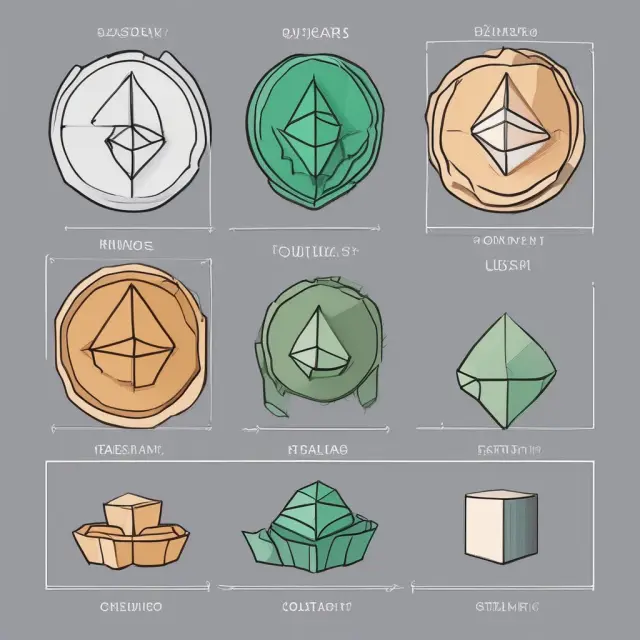
Comparison Between Ethereum and Ethereum Classic
When comparing Ethereum (ETH) and Ethereum Classic (ETC), it’s essential to understand that both are open-source, decentralized blockchain platforms. However, they diverged in 2016 following a significant event known as The DAO hack, which led to the creation of two distinct networks. In this section, we will examine the differences between Ethereum and Ethereum Classic, focusing on market capitalization, trading value, and regulatory approvals.
Market Capitalization
Ethereum currently ranks second in terms of total market capitalization after Bitcoin. With a market cap of over $400 billion as of March 2023, Ethereum’s popularity is evident in the vast amount of investment pouring into it. In comparison, Ethereum Classic holds a considerably smaller market capitalization, with approximately $6 billion.
Trading Value
Ethereum trades at around $3,700 per ETH token (as of March 2023), while Ethereum Classic is priced at roughly $45 per ETC token. The stark difference in trading value underscores the disparity between these two networks in terms of investor interest and overall market acceptance.
Regulatory Approvals
One significant difference between Ethereum and Ethereum Classic lies in their regulatory status. In early 2021, the Chicago Mercantile Exchange (CME) approved the trading of Ether futures, making it the first major derivatives exchange to do so. This approval bolsters Ethereum’s reputation as a legitimate investment asset and sets it apart from its Classic counterpart.
As of now, no such regulatory approval exists for Ethereum Classic. However, the Securities and Exchange Commission (SEC) has yet to classify Ethereum or Bitcoin as securities due to their decentralized networks. This classification could potentially impact how financial products that contain a basket of securities, stocks, and bonds (such as exchange-traded funds and mutual funds) interact with these cryptocurrencies.
In summary, understanding the differences between Ethereum and Ethereum Classic—particularly in market capitalization, trading value, and regulatory approvals—can help investors make informed decisions when considering investment opportunities in these two popular blockchain platforms. While both networks have their unique features, it’s essential to recognize the current landscape and how these differences might impact their long-term growth potential.

The Future of Ethereum Classic
Ethereum Classic (ETC) has shown potential for growth in the future despite facing challenges regarding scalability and security concerns. Let’s discuss some ways that Ethereum Classic can leverage partnerships, collaborations, and technological advancements to overcome these obstacles and expand its reach.
Partnerships: One approach for Ethereum Classic could be building strategic alliances with prominent organizations in various industries. For instance, it has already secured collaborations with companies like Decentralized Autonomous Organizations (DAOs) and ConsenSys. These partnerships can result in increased usage of smart contracts within the respective industries, boosting the adoption rate for Ethereum Classic. Additionally, these alliances can provide valuable insights into the specific needs of various sectors, allowing Ethereum Classic to tailor its features and services accordingly.
Collaborations: Another strategy would be fostering collaborative efforts with other blockchain platforms. For example, Ethereum Classic could work together with Cardano or Solana to improve scalability and security through shared resources and expertise. Such cooperative projects can lead to more robust and interoperable blockchains that cater to diverse user needs. Moreover, these partnerships can enhance the overall ecosystem and attract a wider range of developers, investors, and users.
Technological Advancements: Ethereum Classic can also focus on advancing its technology to address scalability and security concerns. For instance, implementing sharding, a technique that splits up transactions into smaller batches, could increase its transaction processing capacity significantly. This would make the network more attractive for applications with high transaction volumes, such as decentralized exchanges or payment systems. In terms of security, Ethereum Classic can invest in continuous improvements and updates to the network’s consensus algorithm (e.g., Proof-of-Work) and adopt new security measures like multi-sig wallets, which require multiple signatures for transactions to be validated.
Regarding potential regulatory approvals, Ethereum Classic might face challenges as a decentralized platform, making it difficult for governments and financial institutions to regulate the network directly. Instead, they may choose to focus on specific use cases of smart contracts or dApps developed on Ethereum Classic. This could result in selective approvals for certain applications and services within the crypto ecosystem, allowing Ethereum Classic to cater to regulatory-compliant industries while preserving its decentralized nature.
In conclusion, Ethereum Classic holds a promising future with various opportunities for growth through strategic partnerships, collaborations, and technological advancements. By addressing scalability and security concerns and expanding its reach into regulated industries, Ethereum Classic can distinguish itself from competitors and carve out a niche within the decentralized finance (DeFi) landscape.

Popular Use Cases of Ethereum Classic
As the decentralized blockchain platform for smart contracts, Ethereum Classic is increasingly being adopted by various industries as it provides a unique solution for creating self-executing agreements and automating transactions. Let’s explore some popular use cases of Ethereum Classic in gaming, finance, and healthcare industries.
Gaming Industry: Decentralized Gaming Platforms
One of the most exciting applications of Ethereum Classic is the creation of decentralized gaming platforms. Decentralized gaming allows players to interact with games on a fair and transparent network that doesn’t rely on central authorities or intermediaries. These platforms can also offer unique features such as non-fungible tokens (NFTs), which are digital assets with unique properties that cannot be exchanged for equivalent items, thus enabling true ownership of in-game items and collectibles.
Finance Industry: Decentralized Finance Applications
Decentralized finance (DeFi) applications are another popular use case for Ethereum Classic. These applications aim to disrupt traditional financial institutions by providing services such as lending, borrowing, insurance, and trading through smart contracts on the blockchain. Ethereum Classic’s immutability and transparency offer significant advantages over centralized finance systems. Users can interact directly with these applications without intermediaries or middlemen, thereby reducing costs and increasing efficiency.
Healthcare Industry: Electronic Health Records and Clinical Trials
Ethereum Classic also offers promising solutions for the healthcare industry by providing a secure platform for managing electronic health records and facilitating clinical trials. Decentralized platforms can enable patients to have greater control over their personal data while maintaining privacy and security. Additionally, they offer the potential for streamlined data sharing between various stakeholders, improving communication, and promoting more efficient and effective clinical trials.
Future Prospects: Expanding Use Cases in Logistics, Supply Chain Management, and Real Estate
The potential use cases of Ethereum Classic extend beyond gaming, finance, and healthcare industries. Its versatility is evident as it continues to be adopted in various sectors such as logistics, supply chain management, and real estate. By enabling smart contracts on the decentralized blockchain, these industries can benefit from enhanced security, transparency, and efficiency. The future of Ethereum Classic looks promising as it strives to provide a robust foundation for various applications that require secure, transparent, and trustless interactions.
Success Stories: Real-World Implementations
Some notable examples of successful real-world implementations of Ethereum Classic include Decentralized Autonomous Organizations (DAOs) like the Decentralized Autonomous Foundation (DAF), Decentralized Autonomous Institutions Fund (DAIF), and the Bankside DAO. These organizations operate based on predefined rules encoded in smart contracts, providing transparency and efficiency in their operations. Additionally, Ethereum Classic has been used to create decentralized marketplaces like OpenSea, a popular platform for buying, selling, and trading NFTs.
In conclusion, Ethereum Classic is more than just an alternative cryptocurrency; it’s a powerful blockchain platform offering innovative solutions for various industries through its smart contract capabilities. As the adoption of decentralized systems continues to grow, Ethereum Classic’s versatility and robustness make it a compelling choice for developers and businesses seeking secure, transparent, and trustless interactions.

Minning Ethereum Classic
Ethereum Classic (ETC) mining refers to the process of validating transactions on the Ethereum Classic blockchain network and adding new blocks to the blockchain. Miners play a crucial role in maintaining the security, transparency, and decentralization of the blockchain by ensuring that all transactions are verified and recorded in an immutable and tamper-proof manner. In return for their services, they are rewarded with Ethereum Classic tokens (ETC).
To begin mining Ethereum Classic, you will need a few essential components: a powerful computer, suitable hardware, the right software, and a reliable internet connection. Let’s explore these requirements in detail:
Hardware Requirements
Mining ETC requires a computer with a robust central processing unit (CPU) or graphics processing unit (GPU). GPUs tend to be more efficient for mining Ethereum Classic due to their ability to handle parallel computing tasks, enabling them to process multiple transactions at once. However, CPUs can still be used for mining if you don’t have access to a powerful GPU.
Software Requirements
To mine ETC, you will need specialized software designed for Ethereum Classic mining. A popular choice among miners is the open-source Ethash miner called PhoenixMiner. This software can run on various operating systems like Windows, Linux, and macOS. It allows users to configure their mining settings and manage their mining rigs efficiently.
Joining a Mining Pool
To maximize your chances of earning ETC rewards, it’s highly recommended to join a mining pool. A mining pool is a group of miners who combine their computing power and resources to increase their collective hash rate. By pooling resources, members can earn smaller but more consistent rewards as they share the profits from the block rewards based on their individual contribution.
Mining Rewards
The Ethereum Classic network issues new blocks approximately every 15 seconds, with each block reward containing 3,200 ETC. As a miner, your share of these rewards is determined by your mining contribution, known as hash rate. Your hash rate is measured in hashes per second (H/s), kilohashes per second (KH/s), megahashes per second (MH/s), or gigahashes per second (GH/s), depending on the scale of your mining operation.
Challenges and Considerations
When considering Ethereum Classic mining, it’s important to understand that it involves significant challenges. The competition among miners for block rewards is fierce, which necessitates a substantial investment in high-performance hardware, electricity costs, and cooling requirements. Moreover, the ETC network’s volatility could lead to unpredictable returns, making it a riskier investment compared to other mining options or traditional financial markets.
In conclusion, Ethereum Classic mining involves validating transactions on the blockchain network, adding new blocks, and earning rewards in exchange. To begin, you’ll need a powerful computer with suitable hardware, specialized software, and a reliable internet connection. Joining a mining pool is an effective strategy to increase your chances of earning consistent rewards. Remember that Ethereum Classic mining requires a significant investment and comes with challenges such as competition for block rewards and network volatility.

FAQs About Ethereum Classic
What are some frequently asked questions regarding Ethereum Classic (ETC)?
1) What is Ethereum Classic (ETC), and how does it differ from Ethereum?
Ethereum Classic (ETC) is an open-source, decentralized blockchain platform that facilitates smart contracts without the need for a third party. It was created as a result of a split within the Ethereum community following The DAO hack in 2016. Ethereum and Ethereum Classic share similarities but differ in their philosophical approaches to handling the hack. While Ethereum reversed the blockchain through a hard fork, Ethereum Classic maintained the original chain.
2) Why does Ethereum Classic face scalability concerns?
Ethereum Classic processes about 15 transactions per second, which is significantly lower than payment networks like Visa. This presents a challenge for the network as it aims to facilitate more complex transactions and achieve widespread adoption in various industries.
3) What are some security concerns related to Ethereum Classic?
Ethereum Classic has already experienced hacks resulting in significant losses, which has eroded investor confidence and raised questions about its long-term viability for handling smart contracts in major financial transactions.
4) How does regulation impact Ethereum Classic?
The regulatory landscape surrounding cryptocurrencies continues to evolve, with potential implications for the future of Ethereum Classic as a decentralized platform that offers smart contracts. The classification of Ethereum Classic as a security could impact its ability to be included in various financial products and investment vehicles, such as exchange-traded funds and mutual funds.
5) What sets Ethereum Classic apart from other blockchain networks?
Ethereum Classic offers decentralized governance for smart contracts through the distributed ledger network, enabling self-executing codes without the need for a third party or central authority. It also has a strong community of developers and miners committed to its continued growth and development.
6) How can Ethereum Classic be obtained?
Ethereum Classic can be acquired through various cryptocurrency exchanges that support the trading of ETC. Mining is also an option for those interested in contributing computing power and resources to validate transactions on the network.
 Next entry · No. 1,346Understanding Ethereum: A Comprehensive Guide for Institutional Investors
See also
-
 No. 916
30 Jun 2024
19 min
Decentralized Applications (dApps): The Future of Decentralized Finance, Gaming, and More
Crypto
No. 916
30 Jun 2024
19 min
Decentralized Applications (dApps): The Future of Decentralized Finance, Gaming, and More
Crypto -
 No. 2,528
13 Jan 2025
20 min
Understanding IOTA: The Next-Generation Distributed Ledger for IoT Transactions
Crypto
No. 2,528
13 Jan 2025
20 min
Understanding IOTA: The Next-Generation Distributed Ledger for IoT Transactions
Crypto -
 No. 1,344
02 Sep 2024
20 min
Understanding Ether (ETH): The Fuel Powering the Ethereum Blockchain
Crypto
No. 1,344
02 Sep 2024
20 min
Understanding Ether (ETH): The Fuel Powering the Ethereum Blockchain
Crypto -
 No. 258
07 Apr 2024
27 min
Understanding Atomic Swaps: The Decentralized and Secure Cryptocurrency Exchange
Crypto
No. 258
07 Apr 2024
27 min
Understanding Atomic Swaps: The Decentralized and Secure Cryptocurrency Exchange
Crypto -
 No. 2,402
03 Jan 2025
23 min
Initial Coin Offerings (ICOs): Understanding the Unregulated Cryptocurrency Fundraising Phenomenon
Fintech
No. 2,402
03 Jan 2025
23 min
Initial Coin Offerings (ICOs): Understanding the Unregulated Cryptocurrency Fundraising Phenomenon
Fintech -
 No. 4,948
30 Jul 2025
22 min
Understanding Tezos: A Comprehensive Overview of the Energy-Efficient Blockchain Network
Crypto
No. 4,948
30 Jul 2025
22 min
Understanding Tezos: A Comprehensive Overview of the Energy-Efficient Blockchain Network
Crypto