Understanding Offering Prices: The Role of Underwriters in Setting the Price for a Company’s IPO

Understand the role of underwriters in determining offering prices for IPOs and its implications for issuers and investors.
Introduction: What Is an Offering Price?
An offering price is a crucial concept in finance and investments, especially when it comes to initial public offerings (IPOs). The term refers to the per-share value at which publicly traded securities, such as stocks or bonds, are offered for sale during this process. Setting the right offering price is vital to both issuers and investors: for the issuer, it determines the amount of capital raised; for investors, it represents the entry point into a potentially profitable investment.
Understanding the Role of Underwriters in Setting Offering Prices
Investment banks, known as underwriters, play a pivotal role in determining an attractive offering price. They analyze various factors to find a balance between what the issuer considers a fair price and what investors believe offers good value. These elements include financial statements, profitability, investor confidence, public trends, and growth rates. Underwriters aim for a price that will generate sufficient interest among potential buyers while being fair to both parties.
The Importance of Fairness in Setting Offering Prices
A fair offering price is essential for both issuers and investors because it helps maintain trust within the financial market. If the price is set too high, issuers risk raising insufficient capital or experiencing a weak market reception upon IPO. Conversely, a low offering price may result in undersold shares, leaving potential revenue on the table for the issuer. A fair price also fosters confidence among investors and helps ensure that the securities will be valued appropriately after the offering.
Offering Price vs. Public Offering Price: What’s the Difference?
Although related, it is important to distinguish between the offering price and public offering price (POP). The former is the price at which shares are offered to investors during an IPO, while the latter refers to the price at which they become available for trading on public markets. Institutions and accredited investors typically buy shares at the offering price before they hit the market, while individual investors must wait until the POP.
The Impact of Offering Price on Market Sentiment
An offering price can significantly influence market sentiment and investor confidence. If it is perceived as too high or low, it may impact the stock’s performance post-IPO, leading to either a pop or a decline in value. For instance, if an offering price is set below the company’s intrinsic worth, investors may perceive this as an undervalued opportunity and drive up demand, resulting in a desirable IPO pop. Conversely, if the offering price is set excessively high, it could deter potential buyers or lead to disappointment once the stock begins trading on public markets.
Individual Investors and Offering Prices: What’s in It for Me?
While individual investors may not have the opportunity to purchase shares at the offering price, they can still benefit from IPOs by buying below that price if market conditions warrant it. By closely following financial news and keeping an eye on market trends, savvy investors can capitalize on potential mispricings and secure attractive returns for their portfolios.
Underwriting Syndicate: The Power Players Behind Offering Prices
The underwriting syndicate plays a crucial role in setting offering prices, as they bring expertise, connections, and market knowledge to the process. They balance the interests of issuers and investors by conducting thorough research and analysis and providing fair pricing based on market conditions. A successful IPO can mean significant gains for both the issuer and the underwriting syndicate, making it a win-win situation for all parties involved.
Real-World Examples: Successes and Failures in Offering Prices
Understanding the importance of offering prices becomes even clearer when examining real-world examples of successful IPOs and their pricing strategies. For instance, Google’s 2004 IPO saw a meteoric rise in share value, demonstrating how accurately setting an offering price can create immense value for all parties involved. Conversely, the ill-fated Facebook IPO in 2012 serves as a reminder of the risks and consequences when pricing fails to meet market expectations.
Conclusion: The Offering Price and Its Importance in Finance
The offering price plays a critical role in shaping the financial landscape by determining how much capital is raised during an IPO and setting the initial value for publicly traded securities. A successful offering price attracts investors, generates buzz, and fosters confidence in the market. By understanding this key concept, investors can better navigate the IPO process, make informed decisions, and ultimately grow their portfolios.

Understanding the Role of Underwriters in Setting the Offering Price
The offering price is a pivotal component of the IPO process, serving as the initial value assigned by investment banks for publicly issued securities. This price sets the stage for trading and is determined based on various factors that balance the interests of both the issuer and potential investors. Underwriters play a vital role in setting an attractive offering price, which requires an in-depth analysis of financial statements, profitability, market trends, and investor sentiment.
Determining the Ideal Offering Price: Balancing Company and Investor Interests
Underwriters’ primary objective is to determine an offering price that appeals to both issuers and investors. The underwriting team must assess the underlying company’s financial health and growth potential before setting a fair price for the market. In order to attract investor interest, they aim for a price that reflects the perceived value of the company but also considers its legitimate long-term prospects.
Factors Underlying the Offering Price: Profitability, Growth Rates, Investor Confidence, and Trends
Underwriters employ various factors when setting offering prices. These include the strength of a company’s financial statements, profitability, investor sentiment, public trends, and growth rates. A strong balance sheet and consistent profits can make an attractive case for potential investors, while a downward trend in investor confidence may call for a lower offering price to entice buyers.
Setting the Bar: The Impact of Offering Prices on Market Sentiment
An offering price can significantly influence market sentiment and investor confidence, particularly in highly-anticipated IPOs. An overvalued offering price can generate buzz around the company, attracting a higher volume of buying interest. Conversely, an underpriced offering may lead to post-IPO blues as shares struggle to meet initial expectations, impacting overall investor sentiment negatively.
The Role of Underwriting Syndicates: Balancing Interests and Achieving Success
Understanding the importance of fairness in setting offering prices, underwriting syndicates play a crucial role in managing these expectations. By balancing the interests of issuers and investors, they help ensure successful IPOs that generate sustainable long-term growth.

The Importance of Fairness in Setting Offering Prices
Fairness plays a crucial role when it comes to setting an offering price for publicly-issued securities during an IPO, benefiting both the issuing company and investors. A fair offering price attracts sufficient interest from potential buyers while providing a reasonable value for selling shares. If the price is too high or too low, there may be significant consequences.
A Price Too High: Overvaluation and the Burden on Companies
When the offering price is set unreasonably high, companies may face challenges in attracting investors willing to pay such a premium. The result can lead to an underperforming IPO with weak investor sentiment, which might adversely impact future financing opportunities or market perception of the issuer. Additionally, overvaluation could pressure the stock price to decline significantly, causing a financial loss for early investors.
A Price Too Low: Underpricing and Windfall Opportunities for Investors
Conversely, setting an offering price too low can create windfall opportunities for certain investors, particularly institutional investors and insiders. They are often given the opportunity to purchase shares at a lower price than what the market eventually settles upon after the IPO. This disparity between the offering and public prices can lead to substantial profits when the stock is later listed on the exchange. While underpricing benefits some investors, it might also dilute the value of existing shareholders’ holdings as more shares enter the market at a lower price.
Maintaining Fairness and Balance
To ensure fairness in setting offering prices, investment banks conduct extensive research and analysis to evaluate both the issuer’s legitimate prospects and the current market conditions. By balancing these factors, underwriters aim to provide a reasonable price that appeals to investors and raises sufficient capital for the issuing company. Ensuring an offering price is fair also enhances investor confidence in the financial markets and fosters long-term relationships between underwriting firms and their clients.
In conclusion, setting a fair offering price plays a vital role in establishing successful IPOs and maintaining investor trust. By understanding the factors influencing pricing decisions and the potential consequences of setting an offering price too high or low, investors can make informed decisions when participating in public securities offerings.

Offering Price vs. Public Offering Price: What’s the Difference?
In finance and investments, understanding the terms “offering price” and “public offering price” is crucial when it comes to buying stocks during an initial public offering (IPO). While they may seem similar at first glance, these two concepts hold distinct differences.
The offering price refers to the per-share value at which publicly-issued securities are made available for purchase by investment banks during an IPO. It’s set based on the company’s legitimate prospects and is meant to attract interest from investors. The underwriter, who acts as a liaison between the issuer and the general public, plays a vital role in determining the fair offering price.
Once the underwriters have finalized the offering price, they sell these securities to institutions and accredited investors at that price. However, individual investors cannot purchase shares at this price directly. Instead, they must wait until the shares are publicly listed on an exchange and traded among investors. At this point, the prices of the shares are influenced by market forces and can vary from the offering price.
The public offering price (POP) is the price that new issues of stock are offered to the public through the underwriter for subscription during the IPO process. Although individual investors may not buy stocks at the POP, it serves as a benchmark for setting investor expectations and provides an initial reference point for determining market demand.
Underwriters use various factors like a company’s financial statements, profitability, public trends, growth rates, and investor confidence when setting both the offering price and the public offering price. The offering price is crucial for attracting investment interest in the IPO while ensuring fairness to both the issuer and potential investors.
In summary, the offering price refers to the price at which shares are offered during an IPO that is accessible only to institutional and accredited investors, whereas the public offering price sets a benchmark for market expectations of the stock’s value. Understanding these concepts is crucial when investing in IPOs and can help individual investors navigate the complexities of this unique aspect of capital markets.

The Impact of Offering Price on Market Sentiment
Understanding the significance of a company’s offering price is crucial for both issuers and investors alike. The price set by the underwriters can heavily influence market sentiment, determining whether investors are confident or apprehensive about the stock after the IPO. This section explores how offering prices can impact investor confidence and the potential consequences when they are set too high or low.
The Role of Offering Price in Setting Market Expectations
An attractive offering price is essential for a successful IPO because it sets the stage for investor expectations. The offering price reflects the underwriters’ analysis of the issuer’s financial statements, profitability, growth rates, and overall appeal to investors. When these factors align with an enticing offering price, investors may have positive expectations about the stock’s performance post-IPO. Conversely, if the offering price is perceived as unrealistic or overvalued, investors might be cautious, leading to a lackluster response to the IPO.
Consequences of Setting Offering Prices Too High
When offerings are priced too high, there can be several negative repercussions for both issuers and investors:
- Diluted Earnings: A higher offering price might result in diluted earnings per share (EPS), making it challenging for the company to meet or exceed investor expectations down the line.
- Reduced Investor Confidence: Setting an unrealistic offering price can diminish investor confidence and negatively impact trading volumes, potentially leading to a longer period of adjusting to the public market environment.
- Disappointment for Issuers: If the stock fails to perform as expected following the IPO, the issuer may face disappointment, causing them to question their decision to go public.
Consequences of Setting Offering Prices Too Low
On the other hand, a low offering price might not accurately reflect the company’s value and could lead to several issues:
- Underestimated Growth Potential: A too-low offering price may underestimate a company’s growth potential, leaving significant upside for investors and the issuer.
- Overlooked Value: Investors might overlook potentially attractive offerings due to low expectations set by the offering price.
- Missing Out on Institutional Support: A low offering price can prevent institutional support, making it challenging for a company to build a strong investor base.
Balancing Act of Setting Offering Prices
The underwriting syndicate plays a critical role in determining an appropriate offering price. They must balance the interests of both issuers and investors by setting a fair price based on market conditions, the company’s financials, and overall investor sentiment. A well-priced IPO can lead to strong investor support, increased trading volumes, and successful capital raising for the issuer.
In conclusion, the offering price plays an essential role in shaping market sentiment, setting expectations, and determining whether an IPO is a success or a disappointment for both issuers and investors. It’s a delicate balance that requires a deep understanding of the company’s financial situation, market conditions, and investor appetite. By considering various factors and aiming for a fair offering price, underwriters can help ensure a successful IPO with positive long-term implications.

Individual Investors and Offering Prices: What’s in It for Me?
Though individual investors may not be able to secure their shares at the actual offering price during an Initial Public Offering (IPO), they can still benefit from the overall process. The offering price, set by investment banks, represents a fair valuation based on the company’s financial health and growth prospects. However, as mentioned earlier, this initial price is typically only accessible to institutional investors and accredited individuals.
For individual investors looking to purchase shares below the offering price, strategies like buying in during secondary offerings or waiting for the stock price to drop after the IPO can be effective tactics. Secondary offerings are a way for existing shareholders to sell their stake in the company to other investors. These sales often occur at prices lower than the initial public offering due to the forces of supply and demand.
Another option is to monitor the stock price post-IPO and buy when the market causes a temporary dip below the offering price. This strategy, known as waiting for a pullback or pullback buying, can yield significant returns if executed correctly. Keep in mind that investing in individual stocks always carries inherent risks, and past performance does not guarantee future results.
Additionally, it’s essential to differentiate between a company’s offering price and its intrinsic value. The offering price represents the initial valuation set by underwriters. However, the intrinsic value of a company lies in its underlying financial health, growth prospects, and competitive advantages. If the offering price is perceived as being overvalued relative to its intrinsic value, investors may choose to wait for the stock price to drop closer to its intrinsic worth before purchasing.
In summary, while individual investors might not have a direct impact on setting the offering price, they can still benefit from the overall process by monitoring the secondary market or waiting for a temporary dip below the offering price in order to purchase shares at potentially lower prices.

Underwriting Syndicate: The Power Players Behind Offering Prices
Underwriting syndicates are financial institutions, typically investment banks, that act as intermediaries between issuers of securities and potential buyers or investors in those securities. When it comes to Initial Public Offerings (IPOs), underwriters play a crucial role in setting the offering price. They assess various factors to determine an attractive price for both the issuer and investors.
Underwriting syndicates consist of a lead manager and co-managers who work together to sell securities on behalf of the issuer. The lead manager usually sets the terms and conditions, including the offering price, while co-managers help sell shares in their respective markets or client bases. When pricing an IPO, underwriters consider several factors:
- Financial Statements: They analyze the company’s financial statements to assess profitability, growth potential, and risks. A solid financial history increases confidence among investors and justifies a higher offering price.
- Profitability: Underwriters examine a company’s ability to generate consistent profits, as it’s an essential factor in determining the fair value of shares.
- Public Trends: The underwriting syndicate keeps track of current market trends and investor sentiment within the industry. A hot sector or high demand for a specific type of security can influence offering prices.
- Growth Rates: Underwriters also evaluate the company’s growth rates to determine its future earning potential. Rapid growth often leads to higher offerings prices because investors are willing to pay a premium for companies that exhibit significant growth.
- Investor Confidence: The overall confidence of the investing public can significantly impact offering prices. A confident market is more likely to buy shares at a higher price, while a skeptical one may demand lower pricing.
Balancing Interests
Underwriters face a delicate challenge in setting an offering price that appeases both issuers and investors. While the issuer wants a high price to secure maximum capital, investors seek a fair value for their investment. Underwriters must strike this balance by setting a reasonable and attractive offering price. The underwriting syndicate has substantial influence over the pricing process due to their extensive industry knowledge and access to research and data.
Conclusion:
The role of underwriters in setting offering prices is crucial in the world of finance and investments. Understanding how they analyze various factors and balance the interests of issuers and investors sheds light on the complexities behind IPO pricing. Stay tuned for our next section, where we will discuss the importance of fairness when it comes to offering prices.

Real-World Examples: Successes and Failures in Offering Prices
The concept of offering prices in IPOs holds significant importance as it sets the stage for the stock’s future trading performance. Let us delve deeper into understanding success stories and instances where offering prices did not meet expectations using real-world examples.
Success Stories
1) Alibaba Group
Alibaba, a Chinese e-commerce giant, launched its IPO in 2014 with an offering price of $68 per share. The stock opened at $92.70 on the first day of trading, marking a whopping 38% increase from the offering price. The successful launch was a result of Alibaba’s solid financial performance and strong investor demand, which contributed to its impressive growth post-IPO.
2) Google (now Alphabet Inc.)
Google, a pioneer in internet search engines, went public on August 19, 2004, with an offering price of $85 per share. The stock opened at $105.75 on the first day of trading, marking a 23% increase from the offering price. Google’s IPO was successful because it met investor demand and expectations due to its strong financial performance and potential for future growth in the search engine market.
Failures:
1) Pets.com
Pets.com, an e-commerce platform for pet supplies, went public on February 6, 2000, with an offering price of $14 per share. The stock opened at $11 on the first day of trading and continued to plummet, eventually filing for bankruptcy in November 2000. Pets.com’s failure can be attributed to an unrealistic business model, mismanagement, and excessive competition.
2) Webvan
Webvan, a pioneering online grocery retailer, went public on May 18, 1999, with an offering price of $29 per share. The stock opened at $41.50 on the first day of trading but soon collapsed due to high operational costs and fierce competition from established players such as Amazon. Webvan filed for bankruptcy in June 2001.
Understanding the implications of offering prices is crucial for investors as it sets the foundation for a company’s post-IPO performance. By evaluating both successes and failures, we can learn valuable insights into the factors that drive stock prices and identify potential opportunities for investment.

The Role of Regulators in Ensuring Fair Offering Prices
Maintaining fairness is a crucial aspect of finance and investment, especially when it comes to setting offering prices for initial public offerings (IPOs). The Securities and Exchange Commission (SEC) plays a significant role in overseeing this process. As the primary regulator for securities markets in the United States, the SEC ensures that issuers’ interests align with those of the investing public.
When setting offering prices for IPOs, underwriters rely on financial statements, profitability, investor confidence, growth rates, and other essential factors to determine an attractive price for investors and issuers alike. However, the responsibility does not solely lie with the underwriting syndicate; regulations from regulatory bodies like the SEC are critical in maintaining fairness throughout this process.
The SEC requires that offering prices be set at a level that reflects the company’s legitimate value while considering investor demand. This balance is crucial as both issuers and investors rely on accurate pricing. Setting an unrealistic or unfair offering price could result in adverse consequences, including dissatisfied issuers, frustrated investors, and negative market sentiment.
Underpricing the offering can lead to a surge in interest and demand for shares from the public, causing the stock price to rise significantly on the first day of trading. Conversely, overpricing an IPO could deter potential investors and result in an underperforming stock that does not meet market expectations. In either scenario, the long-term impact on both the issuer and the broader financial market may be detrimental.
Regulatory bodies like the SEC enforce rules that help ensure fairness when setting offering prices. The Securities Act of 1933 and the Securities Exchange Act of 1934 were enacted to protect investors and regulate trading activities in securities markets. These acts require companies going public to submit registration statements detailing their business operations, financial conditions, and other essential information. Underwriters use this information to assess a company’s value when setting offering prices.
The SEC also requires that IPOs comply with Regulation S-1, which governs the registration of securities through a streamlined process designed for emerging growth companies. The regulation offers reduced reporting requirements and allows smaller businesses to raise capital efficiently while maintaining transparency to investors.
In conclusion, the role of regulatory bodies like the SEC is crucial in ensuring fairness when setting offering prices during an IPO. By enforcing rules that protect investor interests and promote accurate valuations for issuers, the financial market remains stable and maintains trust with both institutions and individual investors alike.
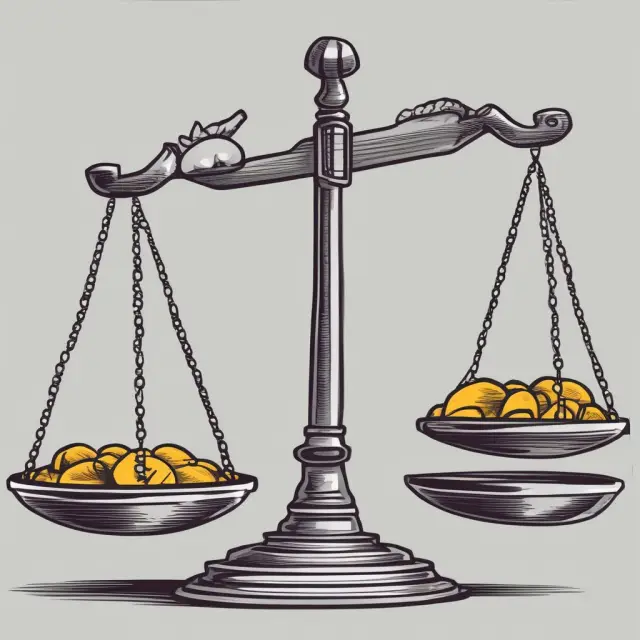
Conclusion: The Offering Price and Its Importance in Finance
An offering price, being the price at which securities are offered for sale during an IPO, plays a crucial role in finance and investment. It represents the balance between what issuers aim to raise capital while ensuring investor appeal. Underwriters consider numerous factors such as financial statements, profitability, growth rates, investor confidence, and public trends to set the offering price. This section sheds light on the significance of an offering price, its impact on the market sentiment, and its role in attracting investors.
An offering price is a critical determinant for both issuers and investors. For companies, it sets the stage for capital raising and can influence investor perception about the value of their securities. If an offering price is set too high or too low, it may impact investor confidence negatively, leading to potential underperformance in the market.
For instance, if a company’s offering price is set higher than its intrinsic value, there could be a period of post-IPO blues, where the stock price falls below the offering price due to reality setting in and investors reassessing their expectations. Conversely, if an IPO is priced too low, it may lead to an overperformance of the stock, creating hype around the company.
Underwriters’ primary objective is to strike a balance between the issuer’s aspirations for capital raising and investors’ demand for fair value. In this way, they serve as vital intermediaries between the company and investors, ensuring a successful offering that benefits all parties involved. The underwriting syndicate plays a significant role in setting the offering price based on market conditions and investor interest while considering factors such as financials, growth rates, profitability, and public trends.
Moreover, it’s important to note the distinction between an offering price and opening price. An offering price is the price at which securities are offered for sale during the IPO process, while the opening price is the first opportunity for the public to purchase shares on the open market. Generally, individual investors are not able to buy IPOs at the offering price; it is usually purchased by institutional and accredited investors.
The offering price sets a benchmark for the stock’s initial trading, influencing investor sentiment and determining its subsequent performance in the secondary market. As such, it holds immense importance for both issuers seeking capital and investors eager to participate in new opportunities.
 Next entry · No. 3,641The Role, Power, and Functioning of the Office of the Comptroller of the Currency (OCC)
See also
-
 No. 5,469
11 Sep 2025
21 min
Venture Capital-Backed IPOs: A Strategic Exit Strategy for Venture Capitalists and Entrepreneurs
Business Finance
No. 5,469
11 Sep 2025
21 min
Venture Capital-Backed IPOs: A Strategic Exit Strategy for Venture Capitalists and Entrepreneurs
Business Finance -
 No. 5,314
29 Aug 2025
20 min
Unsponsored ADRs: Understanding the Uncooperative Foreign Companies
Business Finance
No. 5,314
29 Aug 2025
20 min
Unsponsored ADRs: Understanding the Uncooperative Foreign Companies
Business Finance -
 No. 4,639
05 Jul 2025
20 min
Understanding Shares and Their Role in Corporate Finance: Common vs. Preferred
Business Finance
No. 4,639
05 Jul 2025
20 min
Understanding Shares and Their Role in Corporate Finance: Common vs. Preferred
Business Finance -
 No. 3,631
14 Apr 2025
21 min
Understanding Off-Balance Sheet Financing: An In-Depth Analysis
Business Finance
No. 3,631
14 Apr 2025
21 min
Understanding Off-Balance Sheet Financing: An In-Depth Analysis
Business Finance -
 No. 1,172
07 Aug 2024
18 min
Understanding Earnings Announcements: Analyzing a Company’s Financial Performance
Business Finance
No. 1,172
07 Aug 2024
18 min
Understanding Earnings Announcements: Analyzing a Company’s Financial Performance
Business Finance -
 No. 5,088
11 Aug 2025
21 min
Understanding Triple Witching: The Quarterly Event That Shakes Up Financial Markets
Finance Policy
No. 5,088
11 Aug 2025
21 min
Understanding Triple Witching: The Quarterly Event That Shakes Up Financial Markets
Finance Policy