Understanding Open Cover Marine Insurance: Comprehensive Protection for High-Volume Shippers
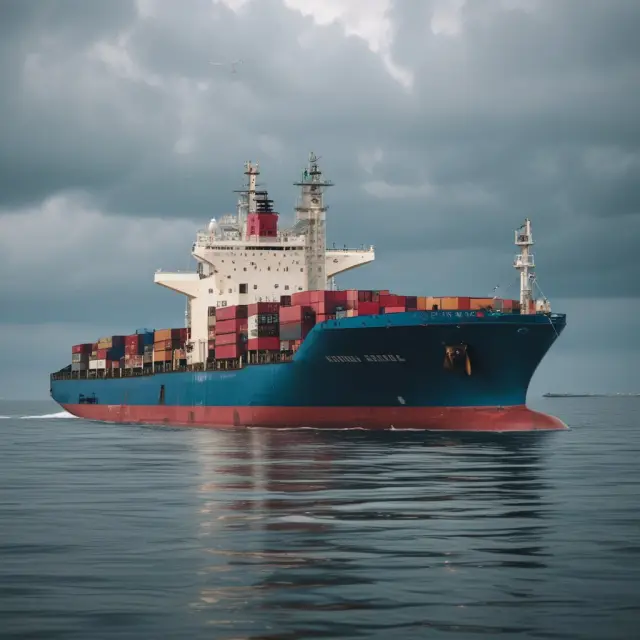
Understand Open Cover Marine Insurance in depth - its benefits, types, risks covered, requirements, premiums and more. Essential for high-volume shippers.
Introduction to Open Cover Marine Insurance
Open cover marine insurance is a unique type of coverage designed specifically for companies that frequently engage in maritime transport activities. This comprehensive policy grants the insurer’s commitment to provide coverage for all cargo shipped during a defined period, making it an indispensable asset for high-volume shippers. Understanding open cover and its benefits can help businesses navigate the complex world of marine insurance.
Risks in Marine Shipping: Causes for Insurance Coverage
Marine shipping faces various risks, such as sinking due to storms or collisions, piracy, infestation, damage during loading/unloading, and many others. Open cover policies help mitigate the financial impact of these potential losses by offering a blanket insurance solution, ensuring that shippers are protected from unexpected damages and liabilities.
Types of Marine Insurance: Hull & Machinery vs. Cargo
Marine insurance typically consists of two types: hull and machinery (H&M) insurance and cargo insurance. H&M covers the physical damage to a vessel, including its machinery, while cargo insurance protects goods being transported on that vessel. Open cover policies can include either or both, depending on the needs of the shipper.
How Does Open Cover Marine Insurance Work?
Open cover policies differ from facultative coverage in their structure and operation. With facultative coverage, an insurer decides whether to accept each individual risk presented by a client. In contrast, open cover policies guarantee insurance coverage for all cargos shipped during the policy term, provided that the cargo falls within the agreed terms and conditions.
Advantages of Open Cover Marine Insurance
The primary advantages of open cover marine insurance include cost savings from reduced administrative expenses and convenience for shippers. Companies can avoid negotiating individual contracts for each shipment, allowing them to streamline their operations and focus on their core business activities. Moreover, insurers may offer lower premiums due to the long-term nature of open cover policies and the associated reduced administrative costs.
Requirements for Open Cover Marine Insurance
To maintain an open cover marine insurance policy, shippers must fulfill several requirements. These include disclosing all relevant information about the cargo, obtaining necessary certificates, and adhering to maximum value limitations set by the insurer. These conditions ensure that both parties are in agreement regarding the terms of coverage.
Marine Insurance Regulations: Country-Specific Considerations
As marine shipping occurs across various jurisdictions, it is essential for shippers to be aware of relevant regulations governing marine insurance. Each country establishes its own rules and guidelines, making it crucial for companies to familiarize themselves with these specific regulations to avoid potential disputes or complications.
Open Cover Marine Insurance Premiums: Understanding Payments
Open cover marine insurance premiums are typically paid on a per-voyage basis. This could be weekly, monthly, or any other agreed interval during the policy term. The flexibility in payment structure further adds to the attractiveness of open cover policies for high-volume shippers.
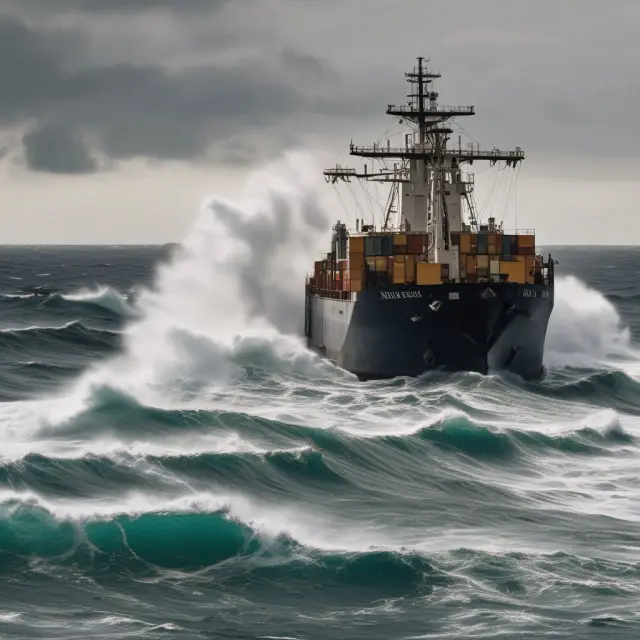
Risks in Marine Shipping Requiring Insurance Coverage
Marine shipping carries numerous risks that necessitate comprehensive insurance coverage to protect cargo and vessels from unforeseen damages and losses. Understanding these risks is essential for shippers, exporters, and importers who depend on the sea for moving their goods internationally or domestically. Open cover marine insurance offers protection against a wide range of potential hazards, enabling businesses with frequent shipping activities to enjoy peace of mind knowing that their investments are safeguarded throughout the year.
Some risks associated with marine shipping include:
- Sinking: This is the most apparent risk, as a ship could sink due to various reasons like heavy weather conditions, collision with another vessel or an underwater obstacle, or structural failure. The consequences of a sinking can be devastating for companies, leading to significant financial losses and disrupted supply chains.
- Piracy: Although piracy has declined over the years, it still poses a threat to commercial vessels in some regions, such as the Gulf of Guinea and Southeast Asia. Pirates often target ships carrying valuable cargo, sometimes attacking them at sea or hijacking them to demand ransoms. In extreme cases, they may intentionally damage or destroy the cargo, leading to substantial financial losses for companies.
- Infestation: Pests and rodents can infest cargo during transportation, damaging goods and reducing their value. Common pests include moths, beetles, and rats, which can easily enter a container and cause extensive damage before being detected.
- Damage from loading or unloading: Cargo can get damaged during the loading and unloading process due to improper handling or other accidents. Loading or unloading areas might not always have adequate facilities or proper safety measures in place, putting cargo at risk of getting crushed, dropped, or wet.
- Weather conditions: Marine shipping is heavily influenced by weather conditions, which can cause significant damage and delays if a vessel encounters heavy winds, storms, or waves during transit. In some cases, extreme weather events like hurricanes or typhoons can force vessels to divert their courses, resulting in extended travel times and increased costs.
Open cover marine insurance offers comprehensive protection against these risks and more, ensuring that businesses have the necessary financial resources to recover from potential losses and maintain a steady supply chain. By understanding the various risks involved in marine shipping, companies can make informed decisions about their insurance coverage and take steps to mitigate potential damages.
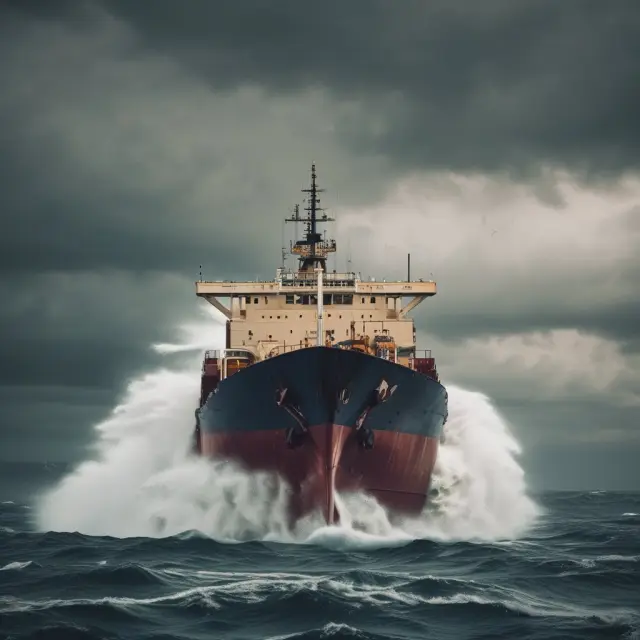
Types of Marine Insurance: Hull & Machinery vs. Cargo
Marine shipping involves significant risks that require comprehensive insurance coverage to protect against potential losses. Two primary types of marine insurance policies cover these risks: hull and machinery (H&M) and cargo insurance. Understanding the differences between H&M and cargo insurance can help shippers make informed decisions when selecting the best coverage for their specific needs.
Hull & Machinery Insurance
Hull and machinery insurance covers the physical damage or loss of a vessel, including its engines, boilers, and other machinery. This type of marine insurance policy protects the owner from financial losses due to repairing or replacing damaged equipment or vessels. H&M insurance policies may also extend coverage to cargo on board during the voyage in case it is damaged or lost due to the insured vessel’s sinking, fire, or collision.
Cargo Insurance
Cargo insurance covers the goods being transported, ensuring financial protection against loss or damage during transit by water, land, or air. This type of marine insurance policy offers coverage for a wide range of perils, including fire, theft, jettisoning, collision, stranding, and piracy. Shippers may purchase cargo insurance for individual voyages or opt for open cover policies, which provide continuous coverage for multiple shipments over an extended period.
Understanding the Differences: Hull & Machinery vs. Cargo Insurance
The main differences between hull and machinery (H&M) and cargo insurance are summarized below:
1. Coverage Objective:
– H&M insurance focuses on protecting the vessel, including its machinery, from physical damage or loss during transit.
– Cargo insurance covers the goods being transported against damage or loss due to various perils during transit.
2. Scope of Coverage:
– H&M insurance policies extend coverage to vessels and their machinery only.
– Cargo insurance policies cover the value of the goods being transported, up to the declared insured amount.
3. Types of Risks Covered:
– H&M insurance primarily covers risks related to the insured vessel’s physical damage or loss.
– Cargo insurance protects against various perils that can cause damage or loss to the goods being transported, such as fire, theft, collision, and jettisoning.
4. Policy Options:
– H&M insurance policies are typically offered as permanent or renewable contracts.
– Cargo insurance can be purchased as a single voyage policy or an open cover policy for multiple shipments.
Choosing the Right Insurance Coverage
Selecting the appropriate marine insurance coverage depends on the specific risks and needs of each shipping operation. While hull and machinery insurance focuses on protecting the vessel, cargo insurance ensures financial protection against damage or loss to the goods being transported. High-volume shippers may find that open cover policies offer the most convenient and cost-effective solution for continuous cargo protection over extended periods.
In summary, understanding the differences between hull and machinery (H&M) and cargo insurance is essential for selecting the best coverage for your marine shipping operation’s unique risks and requirements. H&M insurance protects the vessel and its machinery, while cargo insurance covers the goods being transported against various perils. By evaluating your specific needs and consulting with a reputable marine insurance provider, you can make informed decisions and secure comprehensive insurance protection for your business.

How Open Cover Insurance Works for Marine Shipping
Open cover marine insurance is a unique and highly beneficial policy designed specifically for companies involved in frequent marine shipping activities. It offers coverage for all cargo shipped under the policy during a defined period, either renewable or permanent. Let’s delve deeper into how this type of insurance works and what sets it apart from other marine insurance options.
Two primary types of marine insurance are Hull & Machinery (H&M) and Cargo. While H&M covers the ship itself, open cover policies focus on insuring the cargo being transported. This insurance is particularly advantageous for high-volume shipping companies that desire continuous coverage for their frequent shipments without having to negotiate individual contracts each time.
The insurance policy for open cover can be either renewable or permanent. A renewable policy means that it can be renewed after its expiration for any subsequent voyages, while a permanent policy covers all voyages within a predefined period. Permanent policies are ideal for companies expecting numerous voyages during the coverage term and often result in lower premiums due to reduced administrative overhead for insurers.
Open cover insurance operates under the principle of “utmost good faith,” meaning that the insured is obligated to disclose all relevant information regarding each shipment. Insurers use certificates to help facilitate this process, which must be completed and submitted with detailed information about the cargo’s value, travel period, and location. Maximum coverage values are typically established for open cover policies; once these limits are reached, a new agreement between the insurer and insured is necessary.
It’s important to note that marine insurance regulations vary by country due to government control over waters where losses may occur. Scandinavian countries and the United Kingdom have long been known as significant marine insurance providers, while China is increasingly gaining recognition in this sector. By understanding open cover marine insurance and its unique benefits, companies can make informed decisions about their marine shipping risks and ensure comprehensive protection for their valuable cargo.

Advantages of Open Cover Marine Insurance
Open cover marine insurance offers numerous benefits to high-volume shippers. First and foremost, it saves time by providing blanket coverage for all cargo shipped during a defined period. This is especially valuable for companies that engage in frequent shipping activities. By avoiding the need to obtain separate policies for each shipment, open cover insurance streamlines the administrative process and helps maintain a consistent level of protection for your business.
Moreover, open cover marine insurance offers flexibility through either renewable or permanent policy options. A company with occasional shipping needs may opt for a renewable policy, allowing them to extend coverage as needed. However, most frequent shippers prefer a permanent policy, which covers all shipments within the specified time frame, offering consistent and reliable protection without requiring constant contract negotiation.
Open cover insurance also provides comprehensive protection against various risks associated with marine shipping, such as piracy, sinking, infestation, loading and unloading damage, and weather-related issues. This broad coverage reduces the risk of gaps in insurance protection. Additionally, open cover policies are customizable to fit specific business needs, allowing companies to tailor their policies based on their unique circumstances.
Finally, open cover marine insurance often results in lower premiums compared to individual policy arrangements due to economies of scale and insurer efficiency gains. The insurer benefits from having a guaranteed premium over an extended period, while the insured realizes savings by avoiding administrative costs associated with managing multiple policies.
To ensure a successful open cover marine insurance arrangement, it’s important for companies to disclose all relevant information regarding cargo, travel periods, and locations to the insurer. Insurers often provide certificates for record-keeping purposes to facilitate this process. Open cover marine insurance premiums are typically paid upon declaration of a voyage on a weekly or monthly basis, ensuring seamless payment processing and continued coverage.
Countries regulate marine insurance policies within their jurisdictions, so it’s crucial for businesses operating in international waters to be aware of the varying regulations regarding open cover marine insurance in different parts of the world. Scandinavian countries and the U.K. are well-known providers of open cover marine insurance, while China is an emerging underwriter country. Familiarizing yourself with these regulations can help you make informed decisions when choosing the best coverage for your business needs.
Requirements for Obtaining Open Cover Marine Insurance
Open cover marine insurance is a valuable investment for companies involved in high-volume shipping activities. However, to secure such coverage, shippers must comply with certain requirements from the insurer. This section provides an overview of these essential prerequisites.
First and foremost, shippers must practice “utmost good faith” when disclosing information relevant to the accepted risks. To facilitate this requirement, insurers often provide certificates for the policyholder to fill out with each shipment’s details. These certificates typically include the cargo value, travel duration, and location.
Insurers also set a maximum value for the covered cargo within a defined time period. Once the limit is reached, a new agreement must be established between both parties. It’s essential to note that failure to disclose all pertinent information can result in policy cancellation.
The regulations governing marine insurance are primarily controlled by countries where losses may occur, as opposed to international organizations or insured companies’ governments. Therefore, understanding the specific requirements of each jurisdiction is crucial for securing open cover marine insurance. By adhering to these conditions and maintaining open communication with their insurers, shippers can enjoy comprehensive protection for their marine shipping activities.
As part of the underwriting process, some insurers may demand additional certificates or documentation from policyholders. These documents include but are not limited to:
- Bill of Lading (B/L): It outlines the terms and conditions of a contract for the transportation of goods between shipper and carrier.
- Packing List: A detailed list of all goods being shipped, including descriptions, quantities, weights, and dimensions.
- Insurance Declaration: This document describes the nature and value of the cargo, as well as the policy terms. It is often completed alongside the certificate.
- Vessel Particulars: Information about the vessel, such as its name, registration, and type, is required for marine insurance purposes.
- Proof of Insurance (POI): This document confirms that the cargo has been insured by a recognized marine insurer, typically for at least the minimum amount required by international conventions or relevant contracts.
Shippers must ensure their open cover marine insurance policy remains up-to-date and valid. By following these guidelines and maintaining clear communication with their insurers, they can effectively manage risks while safeguarding their marine shipping assets against unforeseen damages or losses.
Marine Insurance Regulations by Country
Marine insurance is a crucial aspect for companies involved in international shipping. However, the regulations governing marine insurance can vary significantly from country to country. Understanding these regulations is essential for businesses to navigate the complexities of the global maritime industry.
Government Control
Countries have jurisdiction over their waters, and as such, they hold the power to regulate marine insurance within their borders. This control extends to the specific terms and conditions that insurers must adhere to when providing coverage for marine risks.
Regulations and Their Implications
One major implication of these regulations is that international companies shipping goods may need multiple policies to ensure adequate coverage when moving cargo across various jurisdictions. Furthermore, each country’s regulatory framework can impact the cost and availability of marine insurance. Understanding these differences in regulations is crucial for businesses as they navigate complex logistical chains and optimize their supply chain costs.
Scandinavian countries such as Sweden, Norway, and Denmark are well-known for their expertise in marine insurance. The U.K. also has a significant maritime industry presence and offers comprehensive coverage options. China is also emerging as a major player in the marine insurance market. As the country continues to expand its infrastructure and shipping capacity, its regulatory framework will play an increasingly important role in shaping the global marine insurance landscape.
Insurers operating in various countries must comply with local regulations regarding the types of risks that can be insured, coverage limits, claims handling procedures, and more. For businesses engaged in international trade, it’s essential to work closely with their insurance providers to ensure they have a clear understanding of each country’s regulations and how they may impact their marine insurance policies.
In conclusion, open cover marine insurance provides comprehensive protection for high-volume shippers. Understanding the marine insurance regulatory landscape is crucial for businesses involved in international shipping. By staying informed about these regulations, companies can optimize their coverage, manage costs, and mitigate risks effectively.

Understanding Open Cover Marine Insurance Premiums
When it comes to open cover marine insurance, understanding how premiums are calculated and paid is a crucial aspect for policyholders. Premiums refer to the payment made by the insured party to the insurer as compensation for the coverage provided against potential losses or damages to their cargo during transportation via sea. With an open cover marine insurance policy, the insurer agrees to provide continuous coverage for all shipments made within a defined period. This blanket coverage is particularly beneficial for high-volume shippers.
Open Cover Premiums: How they are paid?
Premiums for open cover marine insurance policies can be paid in various ways. Typically, premiums are paid upon declaration of each voyage, such as weekly or monthly. The frequency and amount depend on the policy’s terms and conditions agreed between both parties. This practice is different from traditional cargo insurance where individual coverage must be purchased for every shipment.
Open Cover Premiums: How they are calculated?
The calculation of open cover marine insurance premiums depends on several factors, including the following:
- Value of the insured cargo: The total value of the cargo being shipped within the policy period is a critical determinant in calculating the premium.
- Policy period: The duration of the open cover policy is another crucial factor, as a longer coverage term may result in higher premiums due to increased risk exposure for the insurer.
- Risk profile: The inherent risks involved with shipping the cargo, such as the nature of the goods being transported and their sensitivity to various conditions like extreme temperatures or humidity levels, can significantly affect the premium calculation.
- Location and Regulations: Since marine insurance regulations are under the control of the governments where potential losses may occur, the specific country’s regulations can influence the premium, particularly if it is a high-risk area for cargo loss or damage.
- Historical claims data: The insurer’s previous experience with similar shipments, including any past claims, also plays a role in determining the premium amount.
By taking these factors into account, insurers calculate the potential risk exposure and determine an appropriate premium to cover that risk while maintaining profitability. This calculation allows for a fair compensation structure for both parties involved.

Open Cover Marine Insurance vs. Facultative
When it comes to marine insurance, open cover and facultative are two widely used types of policies that cater to different needs based on a shipper’s frequency of cargo transports. Let us explore the differences between these two policy types and understand their implications for high-volume shippers.
Facultative Marine Insurance
Facultative marine insurance is a type of policy where an insurer provides coverage only upon request, as the name suggests (facultative meaning ‘at the option’). In this case, the insured and the insurer need to negotiate the terms for every single shipment. The scope of coverage includes the type of cargo, shipment details, and other specific conditions for each voyage. As such, it is considered a more traditional approach that offers customized insurance solutions to cater to varying shipping scenarios.
Open Cover Marine Insurance
In contrast, open cover marine insurance is a form of blanket coverage under which an insurer agrees to provide coverage for all cargo shipped during the policy period without requiring prior negotiations for each shipment. This makes it a more convenient and cost-effective option for high-volume shippers as they do not need to go through lengthy and frequent underwriting processes.
Key Differences
- Negotiation: With facultative marine insurance, the insured and the insurer engage in negotiations to determine coverage terms for each shipment. In contrast, open cover marine insurance does not necessitate this as the insurer has already agreed to provide coverage for all shipments within the policy period.
- Flexibility: Facultative marine insurance allows for more flexibility regarding the types of cargo and ships that can be covered. Open cover marine insurance, however, may have certain restrictions on what types of cargos are eligible for coverage.
- Administration: In the case of facultative marine insurance, there is a greater administrative burden due to the need for individual negotiations for each shipment. Open cover marine insurance streamlines the process by providing blanket coverage without the need for such negotiations.
- Cost-effectiveness: High-volume shippers can save on administrative costs and premiums with open cover marine insurance due to its blanket coverage nature, which eliminates the need for underwriting processes for individual voyages. However, it is essential to consider that insurers may charge higher premiums for open cover policies due to their comprehensive coverage.
- Contractual Terms: In facultative marine insurance, the contractual terms are negotiated between the insurer and the insured for each shipment, while open cover marine insurance relies on the policy document’s terms, which may include maximum value limits. It is essential for shippers to understand these terms to avoid any potential misunderstandings or issues in claim situations.
In conclusion, understanding the differences between facultative and open cover marine insurance policies can be crucial when it comes to choosing the right type of coverage for a high-volume shipping business. While facultative offers more flexibility, open cover simplifies the underwriting process and reduces administrative burden, providing cost savings and blanket coverage for numerous shipments during the policy period. It is important to carefully weigh the advantages and disadvantages of both options and consult with an insurance professional to determine which solution best fits a given business’s specific needs.

FAQ on Open Cover Marine Insurance
Open cover marine insurance is a popular choice for companies engaged in high-volume shipping. It provides comprehensive coverage for all cargo shipped during a specified period. Below are answers to some frequently asked questions about open cover marine insurance.
What Is Open Cover Marine Insurance?
Open cover marine insurance offers extensive protection for shippers making multiple voyages within a defined period. The insurer agrees to provide coverage for all cargo shipped under the policy, eliminating the need for individual policies for each voyage.
What Risks Does Open Cover Marine Insurance Protect Against?
Marine shipping involves several risks, including sinking, piracy, infestation, damage during loading or unloading, and weather issues. Open cover marine insurance covers losses due to these perils, ensuring peace of mind for shippers.
How Does Open Cover Marine Insurance Differ from Hull & Machinery and Cargo Insurance?
While hull and machinery insurance focuses on the ship itself, open cover marine insurance specifically targets the cargo being transported. Both types of coverage are essential components of comprehensive marine insurance packages.
What Types of Open Cover Policies Exist?
Open cover policies can be either renewable or permanent. Renewable policies must be renegotiated for each voyage, while permanent policies provide coverage for multiple voyages within a set timeframe. Permanent policies often result in lower premiums due to the insurer’s reduced administrative costs and guaranteed revenue over an extended period.
What Information Must Be Disclosed with Open Cover Marine Insurance?
Open cover marine insurance requires the disclosure of pertinent information for each shipment, such as cargo value, travel duration, and destination country. This information is recorded in certificates provided by the insurer to ensure the utmost good faith between the parties.
How Are Premiums Paid for Open Cover Marine Insurance?
Premiums are typically paid upon declaration of a voyage, such as weekly or monthly. The cost of premiums may be influenced by factors like the policy period, cargo value, and potential risks associated with each shipment.
What Regulations Influence Open Cover Marine Insurance?
Marine insurance regulations are determined by individual countries where any losses may occur. Scandinavian countries and the U.K. are known for their expertise in marine insurance, while China is also emerging as a significant underwriter country. Understanding these regulations is crucial when obtaining open cover marine insurance.
 Next entry · No. 3,704Understanding Open-End Mortgages: Flexible Home Financing Options
See also
-
 No. 5,410
06 Sep 2025
23 min
Valued Marine Policies: Understanding the Importance of Pre-Determined Valuations in Marine Insurance
Insurance
No. 5,410
06 Sep 2025
23 min
Valued Marine Policies: Understanding the Importance of Pre-Determined Valuations in Marine Insurance
Insurance -
 No. 5,847
12 Oct 2025
19 min
The Yearly Probability of Living: A Crucial Statistical Measure for Insurance Underwriting and Planning
Insurance
No. 5,847
12 Oct 2025
19 min
The Yearly Probability of Living: A Crucial Statistical Measure for Insurance Underwriting and Planning
Insurance -
 No. 5,576
20 Sep 2025
21 min
Understanding Waivers of Coinsurance Clauses: A Comprehensive Guide for Institutional Investors
Insurance
No. 5,576
20 Sep 2025
21 min
Understanding Waivers of Coinsurance Clauses: A Comprehensive Guide for Institutional Investors
Insurance -
 No. 1,417
12 Sep 2024
18 min
Understanding Experience Ratings: How Insurers Determine Your Policy Premiums
Insurance
No. 1,417
12 Sep 2024
18 min
Understanding Experience Ratings: How Insurers Determine Your Policy Premiums
Insurance -
 No. 5,056
08 Aug 2025
20 min
Understanding the Transportation Sector: An Essential Investment Guide
Business Finance
No. 5,056
08 Aug 2025
20 min
Understanding the Transportation Sector: An Essential Investment Guide
Business Finance -
 No. 4,094
21 May 2025
20 min
Pro Rata: Understanding Proportional Allocation and Its Use Cases
Business Finance
No. 4,094
21 May 2025
20 min
Pro Rata: Understanding Proportional Allocation and Its Use Cases
Business Finance