Understanding Open Houses in Real Estate: What It Is and How It Works
Discover the purpose, benefits, and challenges of real estate open houses. Learn how to prepare your home for maximum impact.
Introduction to Open Houses
Open houses are events in the realm of real estate where homeowners or renters give potential buyers an opportunity to view a property at their leisure. An open house is scheduled for a specific period during which interested individuals can visit and inspect the house, sometimes with the guidance of a real estate agent. This practice has been prevalent in the housing market for quite some time and serves several purposes for both sellers and buyers. In this section, we delve into understanding what an open house is and its significance in real estate transactions.
What exactly is an Open House?
An open house refers to a scheduled event during which a property, typically for sale, is made available for interested individuals to visit without requiring an appointment. It is an opportunity for potential buyers to see the property up close and assess if it meets their requirements before making a decision to make an offer or seek further information. The term “open house” can also apply to the property itself when discussed in relation to such events.
Significance of Open Houses in Real Estate Market
Open houses hold considerable importance in the real estate industry as they serve multiple purposes for various stakeholders involved in a transaction. They help sellers showcase their property to a large group of potential buyers, thus increasing exposure and potentially attracting more offers. Additionally, open houses offer valuable feedback from attendees regarding the house’s condition, which can provide sellers with insights into improvements or adjustments that might enhance its selling potential.
In conclusion, open houses play a crucial role in real estate transactions by offering a platform for sellers to attract interested buyers and generate interest in their property while providing potential buyers with an opportunity to inspect the house at their convenience. By understanding what an open house is and how it works, both homeowners and real estate professionals can maximize their chances of successful transactions.
Stay tuned for the next section on the purpose and goals of open houses!

The Purpose and Goals of Open Houses
An open house is a pivotal event in the real estate industry that serves various objectives for both sellers and buyers. Its primary purpose lies in attracting potential interested parties to view a property, which can lead to an offer or valuable feedback from visitors. By providing a low-pressure environment where homebuyers are free to explore the property at their own pace, open houses enable sellers to gauge interest levels effectively.
Attracting Prospective Buyers
Open houses generate buzz around a property by exposing it to a large pool of potential buyers. In an illiquid market with varying products, each home is distinct from others, making it essential for buyers to see multiple options before making informed decisions. Open houses enable buyers to compare listings side-by-side and explore various features that may suit their preferences.
Valuable Feedback
Additionally, open houses provide valuable insights from visitors about the property. Constructive feedback gathered from these events can help sellers address any issues that might be deterring potential buyers or impeding sales. For instance, something as simple as unattractive paint colors could impact the home’s selling potential but be easily remedied with minimal effort.
Efficient and Cost-Effective
Hosting an open house can also prove to be a cost-effective marketing strategy compared to more traditional methods like print or television advertisements. By attracting numerous visitors in one go, sellers save time and resources that would otherwise be spent on individual appointments. Additionally, open houses create networking opportunities for both buyers and sellers, expanding their connections within the real estate community.
In summary, understanding the purpose and goals of open houses is crucial for anyone involved in buying or selling a property. By providing an opportunity to attract potential buyers, collect valuable feedback, and generate leads, open houses play a significant role in making the home buying and selling process more efficient and successful for all parties involved.
Organizing an Effective Open House
An open house is a vital tool in the process of selling a property, providing opportunities to attract potential buyers and gather valuable feedback on the home. However, organizing and executing an effective open house can be a daunting task for sellers. In this section, we will discuss preparation and planning before hosting an open house, including cleaning, decorating, scheduling, and advertising.
Cleaning:
One of the most critical aspects of preparing for an open house is ensuring that the property is clean and well-maintained. A cluttered or messy home might deter potential buyers and make it difficult for them to visualize themselves living there. Clean every room from top to bottom, focusing on areas such as kitchens, bathrooms, bedrooms, and living spaces. Ensure carpets are vacuumed, windows are spotless, and any repairs have been completed.
Decorating:
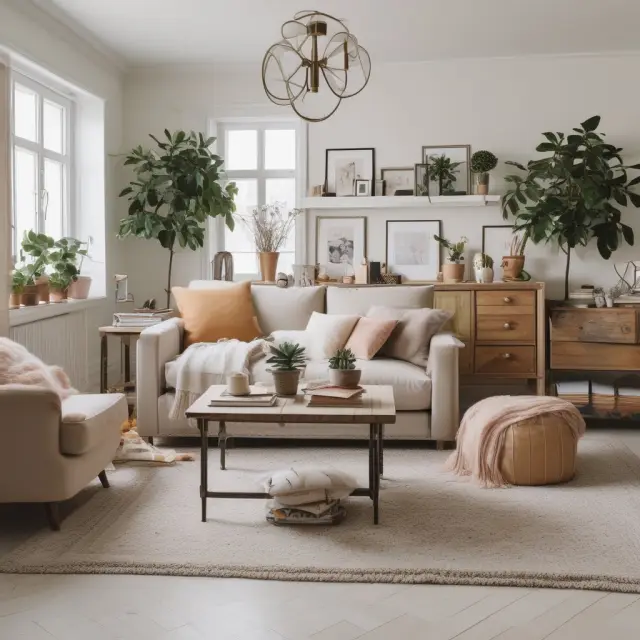
Beyond a clean environment, consider enhancing the property’s visual appeal by adding decorative touches that make the home more attractive to potential buyers. Simple yet effective additions like fresh flowers or plants, tastefully arranged furniture, and well-placed art pieces can significantly impact a visitor’s perception of the space.
Scheduling:
Choosing the right time for an open house is crucial in attracting the maximum number of visitors. Weekends are typically the busiest days for open houses, but midweek events may appeal to specific audiences like working professionals. Consult with your real estate agent or broker to determine the best scheduling options based on your target market.
Advertising:
Maximize exposure for your open house by effectively advertising it through various channels. Leverage social media, online classifieds, and local listing sites to reach a broad audience. Create attractive flyers and distribute them throughout the neighborhood, and consider partnering with local businesses or real estate agents in the area to cross-promote the event.
In the next section, we will explore the advantages and disadvantages of participating in open houses for both buyers and sellers, as well as alternative methods like virtual tours and broker’s open houses.

Benefits of Participating in Open Houses for Buyers and Sellers
Open houses provide numerous advantages to both buyers and sellers. Let’s dive deeper into understanding these benefits.
For potential buyers, open houses offer a unique opportunity to view various properties under consideration without pressure or commitment. This setting allows them to compare homes side-by-side, make informed decisions, and ask questions directly to the realtor or seller (if present). By visiting multiple open houses, buyers can gain valuable insights about their preferred neighborhoods, property types, and budgets.
Open houses also act as networking events, enabling home seekers to meet fellow buyers and real estate professionals who might provide them with essential tips and resources for a successful home buying journey. These connections could lead to future collaborations or recommendations from trusted sources.
Lastly, open houses can serve as the catalyst for an immediate offer or negotiation if a buyer is particularly interested in a property. This advantage can save time for both parties and set the foundation for a smoother transaction process.
On the other hand, sellers can leverage open houses to their advantage by attracting a larger audience of potential buyers through this marketing strategy. Hosting an open house creates buzz around the listing, generating excitement about the property while offering valuable feedback from visitors. This information can be used to address any concerns or improvements that might enhance the property’s appeal and overall value before closing the sale.
Additionally, sellers can use open houses as a selling tool for their real estate agents, providing an opportunity for them to showcase their marketing efforts and expertise in attracting buyers. By inviting real estate professionals to these events, sellers expand their reach within the industry and potentially secure multiple offers on their property.
In conclusion, open houses offer both short-term and long-term benefits for both buyers and sellers, making it an essential part of the home buying and selling process.
Drawbacks and Challenges of Open Houses
Open houses can be an effective marketing tool for selling a home, but they also come with their own set of drawbacks and challenges. Here are some potential issues that sellers might face:
Exposure to a large number of strangers: One of the biggest concerns for homeowners during open houses is the exposure to a large group of unfamiliar people entering their property. While most visitors have genuine intentions, there’s always a risk of encountering intrusive individuals or potential thieves.
The time and resources required: Organizing an open house can be time-consuming for sellers, requiring significant preparation and effort. From cleaning the house, removing personal belongings, to scheduling appointments with the realtor – it can take a considerable amount of work.
Concerns over privacy and security: Homeowners may feel uneasy about opening their home to strangers, especially when valuables or sensitive information is present. Preparations such as asking visitors to sign in and removing valuable items can help mitigate these concerns but cannot completely eliminate them.
Despite the challenges, understanding the potential benefits of open houses – attracting interested buyers, gathering feedback on the property, and potentially securing a sale – makes it worth considering this marketing strategy for many sellers. In the next sections, we’ll discuss ways to make an open house successful for both buyers and sellers.
In the era of digital listings and online viewings, the role of open houses might seem to be dwindling, but they still offer a valuable opportunity for in-person interactions and connections between buyers and sellers. The key is to strike a balance between embracing technology and preserving the essence of this traditional real estate practice.
Stay tuned as we delve deeper into the various aspects of open houses – their purpose, preparation, and alternatives – and provide you with actionable tips on making them successful.
The Importance of Preparing Your Home for Open Houses
Preparing your home for an open house is a crucial step in ensuring its best presentation and appeal to potential buyers. The following are key aspects of preparing your property for an open house:
1. Remove Personal Items
Remove any personal items, including family photos or memorabilia that may make it difficult for prospective buyers to envision themselves living there. This not only helps them imagine the space as their own but also prevents any emotional attachment from hindering their decision-making process.
2. Make Repairs and Improvements
Addressing any needed repairs or improvements, such as fixing a leaking faucet or updating flooring, can boost your home’s curb appeal and perceived value to potential buyers. Addressing these issues before the open house not only makes your property more attractive but also saves you from having to answer questions about them during the event.
3. Set the Mood
Creating a welcoming atmosphere is essential for an effective open house. This can include setting up some furniture to make each room look its best, adding fresh flowers or plants to brighten up the space, and playing soft music in the background to create a pleasant ambiance.
4. Declutter and Depersonalize
Decluttering your home by removing excess items and organizing what remains can help buyers focus on the property’s unique features instead of being distracted by your personal belongings. Aim for an uncluttered, minimalist appearance that allows potential buyers to envision their own belongings in the space.
5. Clean Thoroughly
Cleaning your home from top to bottom is a must before hosting an open house. A sparkling clean environment not only appeals to buyers but also demonstrates that you’ve taken care of the property, increasing trust and confidence in its overall condition. This attention to detail extends to both the interior and exterior of the house, including windows, baseboards, and even the garage.
6. Maximize Natural Light
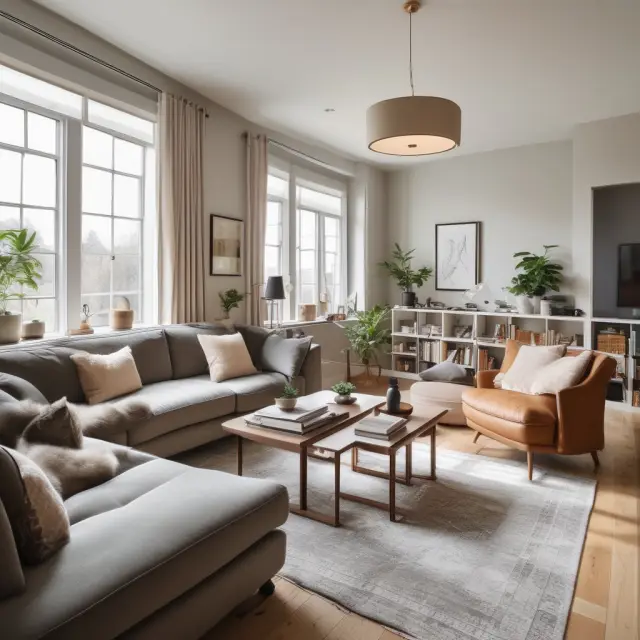
Utilizing natural light throughout your home is an excellent way to make each room appear brighter, more spacious, and inviting. Open curtains or blinds to allow sunlight in during open houses, especially in rooms with limited artificial lighting sources like basements or bedrooms.
7. Provide Amenities
Offering amenities such as water, coffee, or snacks can make your open house more welcoming and memorable for potential buyers. This small investment not only makes guests feel appreciated but also sets your property apart from others they may visit during their home search.
By focusing on these essential preparations before an open house, you’ll be well on your way to creating a positive first impression that appeals to prospective buyers and increases the likelihood of generating interest and potential offers for your property.

Alternatives to Traditional Open Houses: Broker’s Open Houses
When it comes to marketing and selling real estate properties, traditional open houses are not the only option available. An alternative approach gaining popularity is a broker’s open house, where only real estate professionals are invited to view the property. In contrast to public open houses, this event aims to provide real estate agents with an opportunity to assess the property and determine its worth within their network.
A broker’s open house typically occurs midweek when agents have more availability than on weekends, when they usually dedicate their time to showing properties to clients. During these events, brokers can effectively introduce a new listing to industry professionals in the community, potentially attracting interested buyers through their networks.
While not all sellers opt for broker’s open houses, they offer several advantages over traditional open houses. For one, these events tend to be more targeted and focused on connecting with professionals who can influence sales, as opposed to members of the general public who may not be actively seeking a new home. Additionally, sellers might prefer the controlled environment of a broker’s open house for security reasons, as fewer strangers are present compared to traditional open houses.
Despite these advantages, sellers must prepare their homes for a broker’s open house just as they would for a public event. This includes making necessary repairs, removing personal items, and setting the mood to make an excellent first impression on potential buyers. Additionally, it is essential to take precautions against theft by securing valuable belongings or asking visitors to sign in with their full names, email, and phone number.
In conclusion, broker’s open houses represent a valuable alternative to traditional open houses for sellers looking to target real estate professionals and create a more controlled environment during property viewings. By understanding the benefits and requirements of broker’s open houses, sellers can make informed decisions about which marketing strategy best suits their needs and goals.
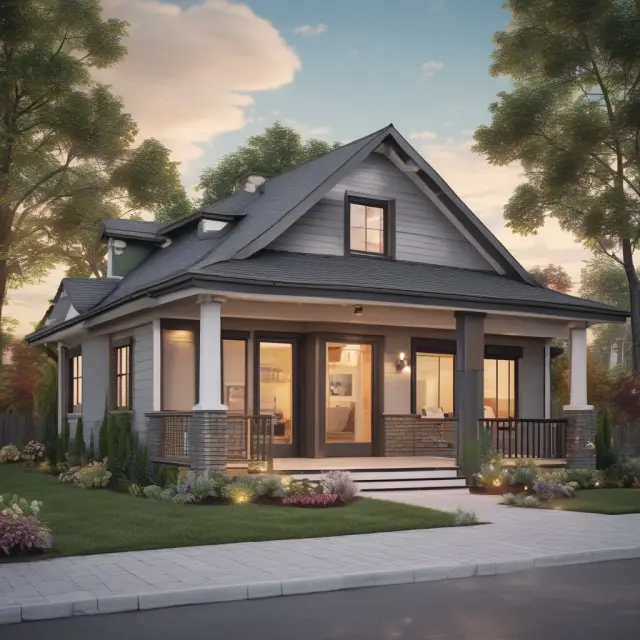
Digital Open Houses: Virtual Tours and Online Listings
The digital age has significantly transformed the real estate industry, with virtual tours and online listings playing a pivotal role in attracting potential buyers to properties for sale. Digital open houses refer to these innovative marketing strategies that enable home sellers and agents to extend their reach beyond physical boundaries. In this section, we’ll discuss the importance of virtual tours and online listings in today’s real estate landscape.
Virtual Tours: A New Era of Property Exploration
In a world where people increasingly crave convenience and efficiency, virtual tours have emerged as an attractive alternative to traditional open houses. With this technology, potential buyers can explore properties from the comfort of their own homes at any time. Virtual tours enable real estate agents to showcase their listings in a more engaging and interactive manner, providing a better understanding of the property’s layout, features, and condition.
Virtual tours can be live or pre-recorded, allowing sellers to reach a broader audience. Live virtual tours offer an opportunity for buyers to ask questions in real-time and interact with the agent, while pre-recorded tours provide greater flexibility and convenience. Virtual staging has also become increasingly popular as a cost-effective solution that can enhance the visual appeal of properties without the need for physical furniture and decorations.
Online Listings: Casting a Wider Net
Another crucial aspect of digital open houses is online listings, which provide potential buyers with instant access to detailed property information. With most home seekers beginning their search online, having an accurate, complete, and visually appealing listing is essential. High-quality photos, virtual tours, and clear descriptions can help attract more visitors and generate interest in a property.
Additionally, online listings allow buyers to filter their searches based on various criteria such as location, price range, number of bedrooms, and bathrooms. This functionality makes it easier for buyers to find properties that suit their needs and preferences.
Advantages of Digital Open Houses
Digital open houses offer several advantages over traditional open houses, including:
- Wider reach: By using virtual tours and online listings, real estate agents can attract potential buyers from anywhere in the world. This is particularly beneficial for sellers looking to target a specific demographic or relocating to another city or country.
- Cost-effective: Digital open houses eliminate the need for physical advertising materials, food, and decorations, making them more budget-friendly compared to traditional open houses.
- Increased convenience: Virtual tours allow buyers to explore properties at their own pace and schedule, while online listings provide easy access to detailed property information anytime.
- Enhanced safety and security: Digital open houses eliminate the need for large gatherings of strangers in your home, reducing concerns over privacy and security.
- Improved targeting: By using digital marketing strategies and targeted online advertising, real estate agents can reach potential buyers who are most likely to be interested in their listings based on demographic information, search history, or online behaviors.
- Better data collection and analysis: Digital open houses offer valuable insights into buyer behavior and preferences through website analytics, search trends, and feedback from virtual tours. This data can help agents tailor their marketing strategies and improve their services to meet the evolving needs of buyers.
- Adaptability: Virtual tours and online listings can be easily updated as needed, allowing sellers and agents to keep potential buyers informed about any changes or updates related to the property.
In conclusion, digital open houses have revolutionized the real estate industry by offering a more convenient, cost-effective, and accessible way for potential buyers to explore properties. Virtual tours and online listings provide valuable opportunities for sellers and agents to extend their reach and target specific demographics while ensuring safety and convenience for everyone involved. As technology continues to advance, it’s crucial for real estate professionals to adapt and embrace these innovations to stay competitive in the market.

Frequently Asked Questions About Open Houses
**How do I find an open house?**
Discovering an open house can be as simple as browsing online real estate marketplaces, social media, or contacting local real estate agents. They will be more than happy to provide you with a list of upcoming events in your area.
**Who is allowed to attend an open house?**
Open houses are designed for potential buyers to view properties. Anyone is welcome to attend and explore the dwelling at their own pace.
**What should I serve during an open house?**
While it isn’t a requirement, offering refreshments such as coffee, tea, water, or cookies can create a welcoming atmosphere. If you prefer, you could also consider serving hors d’oeuvres for evening or specialized events.
**Should my home be staged before an open house?**
According to the National Association of REALTORS, almost half of buyers’ agents agree that staging is beneficial when selling a home. This involves making a property visually appealing and can involve simple methods like painting walls or decluttering. However, the decision ultimately depends on the seller’s preference and budget.
**How long does an open house last?**
The duration of an open house can vary depending on factors like the property’s size, location, and the broker’s preference. They usually span anywhere from one hour to a few hours. Multiple open houses may be held to showcase the dwelling fully.
An open house offers potential buyers a unique opportunity to view properties in person before making an offer. Traditional open houses are available for the public, while broker’s open houses cater only to real estate professionals. Each has its advantages and disadvantages, so sellers should carefully consider their options when deciding which one is best for them.
Traditional open houses provide access to a large audience interested in viewing properties. By hosting an open house, sellers can generate excitement around the home, potentially leading to multiple offers or immediate sales. This low-pressure environment also allows buyers to explore the property at their own pace, offering a more relaxed experience than one-on-one showings.
Broker’s open houses cater specifically to real estate professionals and are an excellent way for sellers to introduce their listing to the industry community. By inviting agents and their clients to view the property, sellers can expand their reach beyond the general public and attract serious buyers interested in the neighborhood or property type. This targeted approach often results in a more focused pool of potential buyers.
Both traditional and broker’s open houses require effort from sellers to prepare their home for viewing. Sellers should ensure their homes are clean, organized, and free of personal items. While these events can be time-consuming and require some investment, they provide an essential opportunity for sellers to showcase their property and potentially secure a sale.
In conclusion, open houses serve as valuable tools for real estate agents and sellers alike in attracting potential buyers, generating interest, and ultimately, selling homes. By understanding the purpose, benefits, and challenges of these events, sellers can make informed decisions on which type of open house is best suited to their property and budget.

Conclusion: Adapting to the Changing Landscape of Real Estate Open Houses
The landscape of real estate open houses is constantly evolving, with new trends and technologies shaping the way these events are conducted. While traditional open houses remain a popular method for attracting potential buyers to a property, they face stiff competition from digital alternatives like virtual tours and online listings. In this section, we delve deeper into the ways real estate professionals and homeowners can adapt to these changes while preserving the essence of open houses.
First, it’s essential to understand the role of technology in the real estate market. With the proliferation of digital platforms and online listings, potential buyers now have a vast array of information at their fingertips. This shift has led to a decline in foot traffic for traditional open houses, as many homeowners find that they can reach a larger audience by focusing on their online presence.
However, this doesn’t mean the end of open houses altogether. Instead, real estate professionals and sellers must adapt to the changing landscape by embracing technology and incorporating it into their open house strategy. For example, virtual tours offer a more convenient way for buyers to explore properties without having to physically visit multiple listings. By integrating these technologies, sellers can create a comprehensive marketing campaign that appeals to both traditional and digital consumers.
Another trend shaping the open house landscape is the rise of broker’s open houses. These events cater specifically to real estate professionals, allowing them to gain valuable insights into a property before showing it to their clients. By targeting this audience directly, sellers can generate more leads and interest in their listings while minimizing the time and resources required for traditional open houses.
Moreover, the popularity of digital platforms has not diminished the importance of face-to-face interactions. Open houses still provide a unique opportunity for potential buyers to connect with sellers and real estate professionals in a low-pressure environment. By offering refreshments, creating a welcoming atmosphere, and providing ample opportunities for discussion, sellers can create a memorable experience that leaves a lasting impression on visitors.
In conclusion, open houses continue to be an integral part of the real estate market, despite the challenges posed by changing consumer preferences and digital technologies. By adapting to these trends and embracing new tools and strategies, sellers and real estate professionals can ensure their open houses remain effective marketing channels that attract potential buyers and generate valuable leads.
The next section will discuss the benefits of participating in open houses for both buyers and sellers, highlighting how this unique event format offers a winning combination of exposure, networking opportunities, and potential sales.
 Next entry · No. 3,708Understanding Open Loop Cards: A Comprehensive Guide for Institutional Investors
See also
-
 No. 3,305
17 Mar 2025
18 min
Understanding Multiple Listing Services (MLS) in Real Estate: A Comprehensive Guide for Investors and Professionals
Real Estate
No. 3,305
17 Mar 2025
18 min
Understanding Multiple Listing Services (MLS) in Real Estate: A Comprehensive Guide for Investors and Professionals
Real Estate -
 No. 4,156
27 May 2025
22 min
Understanding Purchase-Money Mortgages: Benefits for Buyers and Sellers
Mortgage
No. 4,156
27 May 2025
22 min
Understanding Purchase-Money Mortgages: Benefits for Buyers and Sellers
Mortgage -
 No. 2,504
11 Jan 2025
19 min
Investment Properties: Understanding the World of Real Estate Investments
Real Estate
No. 2,504
11 Jan 2025
19 min
Investment Properties: Understanding the World of Real Estate Investments
Real Estate -
 No. 727
28 May 2024
20 min
Understanding Comparative Market Analysis: How It Helps Determine a Home’s Fair Price
Real Estate
No. 727
28 May 2024
20 min
Understanding Comparative Market Analysis: How It Helps Determine a Home’s Fair Price
Real Estate -
 No. 5,685
29 Sep 2025
19 min
A Comprehensive Guide to The Wharton School of Business: Finance, Reputation, and Opportunities
Education
No. 5,685
29 Sep 2025
19 min
A Comprehensive Guide to The Wharton School of Business: Finance, Reputation, and Opportunities
Education -
 No. 5,467
11 Sep 2025
23 min
Understanding Vendor Take-Back Mortgages: A Unique Financing Solution for Buyers and Sellers
Mortgage
No. 5,467
11 Sep 2025
23 min
Understanding Vendor Take-Back Mortgages: A Unique Financing Solution for Buyers and Sellers
Mortgage