Understanding Payday Loans: What Are They, How Do They Work, and Are They Legal?

Unravel the mystery of payday loans, from definitions to regulations, pros & cons, legal status, repayment terms, and more.
Definition of a Payday Loan
Payday loans refer to small, short-term unsecured loans designed for individuals facing temporary financial hardships. These loans can bridge the gap until the next paycheck arrives. By definition, payday loans are typically due on your next payday and come with steep interest rates that range from 391% to 521% APR.
Payday loans serve as an alternative for people who have limited options for traditional loans or lack access to emergency funds. They offer quick cash without requiring extensive documentation, but their high-interest rates can potentially create a cycle of debt if not repaid promptly.
Understanding the Characteristics and Need for Payday Loans:
- Quick Cash Access: Payday loans provide immediate financial relief, allowing borrowers to access cash within minutes or hours instead of waiting days for approval from traditional lenders.
- No Collateral: Unlike other loans that require collateral, such as a car title or property, payday loans are unsecured. This makes them an appealing option for individuals with limited assets.
- Flexible Repayment Plans: Payday loans typically offer flexible repayment options, allowing borrowers to extend the loan term by rolling over the debt into another loan when the initial term expires. However, this practice can lead to increased interest and fees, further increasing the loan amount.
- High-Interest Rates: The primary downside of payday loans is their high-interest rates which can make it difficult for borrowers to repay the loan on time. These loans are usually structured as a percentage of your next paycheck, with interest and fees added to the principal amount.
- Quick Application Process: Payday loans have an easy application process, allowing borrowers to apply online or in-person without extensive documentation. This makes them accessible for individuals who may not have access to traditional banking services or credit.
- Short Repayment Terms: The repayment term for payday loans is usually short, ranging from two weeks to a month, making it easier for borrowers to pay back the loan in full when they receive their next paycheck.
- No Credit Checks: Unlike traditional lenders, payday lenders do not always perform credit checks before approving or denying a loan application. This makes them an attractive option for individuals with poor credit scores who may struggle to secure funding through other means.
- Risks and Consequences: Payday loans come with significant risks, including the potential for debt cycles due to high interest rates and fees, potential damage to long-term creditworthiness, and negative impacts on overall financial health if not repaid promptly.
Despite their convenience and flexibility, payday loans should be approached cautiously due to their high-interest rates and potential risks. Prospective borrowers should consider alternative financing options, such as installment loans or personal loans from credit unions or banks, before turning to payday lenders. If you are considering a payday loan, it’s essential to understand the terms and conditions carefully and consider your ability to repay the loan on time to avoid falling into a debt cycle.
How Do Payday Loans Work?
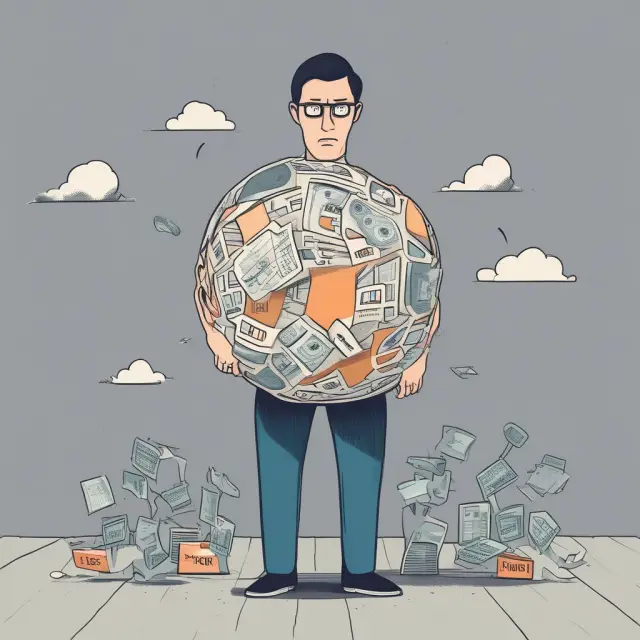
Payday loans are a type of short-term borrowing solution for individuals who need quick access to cash before their next paycheck. These loans provide immediate relief for unexpected expenses, but they come with significant financial risks and costs. To understand how payday loans work, it’s essential to explore the application process, loan amounts, repayment methods, and potential consequences.
Application Process
To apply for a payday loan, you typically need to visit a physical store or apply online through a lender. Regardless of the application method, you will be required to provide proof of income, such as your most recent pay stubs. Lenders use this information to determine your eligibility and the amount they can lend you based on a percentage of your predicted short-term income.
Determining Loan Amount
Payday loan providers base their loan principal on the borrower’s predicted short-term income, often taking wages as collateral. They do not conduct full credit checks or consider a borrower’s ability to repay the loan. This lack of financial scrutiny contributes to the high-interest rates and potential debt traps for consumers.
Repayment Methods
Payday loans are typically due within 30 days or less, so borrowers must repay the principal amount in full upon receiving their paycheck. If a borrower cannot repay the loan on time, they may face additional fees and interest charges, leading to a cycle of debt. Lenders will attempt to collect payment through automated debits from the borrower’s bank account, potentially causing overdraft fees if funds are not available.
Consequences of Missed Payments
Missed payments can lead to a series of negative consequences, including increased fees and interest charges. Many payday loan borrowers find themselves in a cycle of debt, rolling over loans and taking on more debt to cover the previous balance. This can lead to further financial hardship, affecting your long-term financial health.
In conclusion, understanding how payday loans work is crucial for consumers considering this type of borrowing option. While these loans offer quick access to cash for unexpected expenses, they come with high interest rates and fees that can trap borrowers in a cycle of debt if not repaid promptly. It’s essential to explore safer personal loan alternatives or create a budget to avoid relying on payday loans in the future.
In the next section, we will delve into the legal framework surrounding payday loans, including interest rates and regulations that impact borrowers. Stay tuned for more valuable insights on payday lending!

Interest Rates for Payday Loans
Payday loans are infamous for their high-interest rates, which can reach up to 780% Annual Percentage Rate (APR). However, it’s important to note that state usury laws limit interest charges between 5% and 30%. Payday lenders circumvent these regulations by utilizing loopholes that allow for their exorbitant fees. In the absence of federal regulations, payday loans remain a controversial topic in finance.
High Interest Rates: A Payday Loan’s Dark Side
The high-interest rates on payday loans can trap borrowers in a debt cycle. For instance, let’s consider a $300 loan with an APR of 400%. If you pay back the full amount within the stipulated time (typically two weeks), you will owe approximately $375. However, if you cannot pay off the entire amount within this period and decide to roll over the loan, you’ll end up paying even more due to additional fees and interest charges.
Regulations on Payday Loan Interest Rates
The Consumer Financial Protection Bureau (CFPB) has attempted to regulate payday lenders by implementing rules that require lenders to assess a borrower’s ability to repay a loan and consider their everyday living expenses before issuing the loan. Additionally, lenders are required to provide written notice before attempting collection via bank accounts and cannot make more than two unsuccessful attempts to debit an account without consent from the borrower. However, these regulations have been revoked under the Trump Administration.
Payday Loan Alternatives: Consider Your Options
To avoid falling into a debt trap with payday loans, consider safer alternatives like credit unions, community development financial institutions (CDFIs), or traditional installment loans from banks and other lending institutions. These options offer lower interest rates and flexible repayment terms that can help you avoid the predatory nature of payday loans.
In conclusion, understanding the high-interest rates associated with payday loans is crucial for potential borrowers to make informed decisions about their personal finances. By exploring regulations surrounding these loans and evaluating alternatives, you can minimize the risks of falling into a debt cycle.
Payday Lending Regulations
As payday loans gained popularity, regulatory bodies and consumer advocates started expressing concerns regarding their high fees and exorbitant interest rates. In response to these worries, various regulations have been implemented at both the federal and state levels to protect consumers.
The Consumer Financial Protection Bureau (CFPB) is a significant regulatory force in payday lending. It was established under the Dodd-Frank Wall Street Reform and Consumer Protection Act of 2010. Since then, the CFPB has played an active role in advocating for consumer protection from predatory lending practices.
Under Richard Cordray’s leadership in 2016, the CFPB proposed regulations to protect consumers from what Cordray referred to as “debt traps.” These rules included mandatory underwriting provisions requiring lenders to assess a borrower’s ability to repay before issuing a loan. Additionally, lenders were required to provide written notice before attempting collection via a borrower’s bank account and were limited in repeated attempts to debit funds from an account without consent.
However, the CFPB has undergone leadership changes. In 2019, under Kathleen L. Kraninger, the agency revoked the mandatory underwriting provision but maintained the limitation on repeated collection attempts. The rules became effective on June 13, 2022.
State regulations also play a crucial role in regulating payday loans. Sixteen states and the District of Columbia have banned payday loans entirely. These include Arizona, Arkansas, Colorado, Connecticut, Georgia, Maryland, Massachusetts, Montana, New Hampshire, New Jersey, New York, North Carolina, Pennsylvania, South Dakota, Vermont, West Virginia, and the District of Columbia.
Moreover, other states, such as California, have specific regulations in place limiting the fees and interest rates charged for payday loans. In California, for example, payday lenders can charge a 14-day APR of 460% for a $100 loan. Despite these regulations, consumers must be aware of potential predatory practices and exercise caution when seeking out payday loans.
When considering whether to take out a payday loan, it is essential to evaluate the lender’s reputation and regulatory compliance. The Federal Trade Commission (FTC) offers resources for consumers who believe they have been victims of illegal or deceptive loan practices. Consumers can file a complaint with the FTC or their state Attorney General’s office if they suspect any wrongdoing.
In summary, payday lending regulations exist to safeguard consumers from the potential harms associated with these high-interest loans. By understanding these regulations and staying informed about your rights as a borrower, you can make well-informed decisions regarding payday loans and protect yourself from predatory practices.

Pros and Cons of Payday Loans
When considering payday loans as a financial solution, it’s essential to weigh their advantages and disadvantages carefully before making a decision. While this type of loan may provide immediate access to cash when needed, it comes with high interest rates and potential long-term consequences.
Advantages:
- Quick access to funds: Payday loans offer a fast solution for people facing unexpected expenses, such as emergency medical bills or car repairs. These loans can be approved within hours, making them an attractive option for those who need cash urgently.
- No collateral required: Unlike traditional bank loans, payday loans do not require any collateral to secure the loan. Instead, lenders rely on a borrower’s income and ability to repay the loan with their upcoming paycheck.
- Flexible repayment terms: Payday loans typically have flexible repayment terms that allow borrowers to pay back the loan when they receive their next paycheck. This makes it easier for individuals to manage their finances and budget for repayments.
Disadvantages:
- High interest rates: The primary downside of payday loans is the extremely high interest rates, which can range from 300% to over 500% APR. These rates can lead borrowers into a debt cycle, making it difficult for them to repay their loans and accrue even more debt.
- Potential long-term consequences: Over-reliance on payday loans can have serious implications for a person’s financial health. Frequent use of these loans can lead to a lower credit score, decreased savings, and an overall lack of financial stability.
- Limited loan amounts: Payday loans typically offer small loan amounts, ranging from $100 to $500 or less. This may not be enough for individuals facing large unexpected expenses, such as significant medical bills or extensive home repairs.
- Predatory lending practices: Some payday lenders engage in predatory lending practices, charging hidden fees and imposing strict repayment terms. These practices can trap borrowers into a cycle of debt, making it essential to research reputable lenders and read the fine print before applying for a loan.
Alternatives to Payday Loans
Instead of relying on payday loans, consider exploring alternative financial solutions that offer more favorable terms and long-term benefits. These options include:
- Personal loans from banks or credit unions: Applying for a personal loan from a reputable financial institution can provide access to larger loan amounts at lower interest rates compared to payday loans. This makes it easier for borrowers to manage their repayments and avoid falling into debt.
- Peer-to-peer lending platforms: Peer-to-peer (P2P) lending platforms connect borrowers with potential investors, offering personalized loan terms and often lower interest rates compared to payday loans. This alternative financial solution can provide a more flexible repayment schedule and fewer fees.
- Credit counseling services: Working with a reputable credit counseling agency can help individuals address their underlying financial issues and explore viable alternatives to payday loans. These organizations offer free or low-cost advice, educational resources, and debt management plans that can help borrowers improve their overall financial situation.

Legal Status of Payday Loans
Payday loans are a controversial topic in finance, with some arguing they provide much-needed relief for individuals facing unexpected expenses while others assert they contribute to financial hardship and debt cycles. The legality of payday loans varies significantly across states in the United States.
Are Payday Loans Legal?
The legal status of payday loans differs between states, with some allowing them and others outlawing these short-term loans entirely. As of 2022, 16 states and the District of Columbia have banned payday loans: Arizona, Arkansas, Colorado, Connecticut, Georgia, Maryland, Massachusetts, Montana, New Hampshire, New Jersey, New York, North Carolina, Pennsylvania, South Dakota, Vermont, West Virginia, and Wisconsin.
However, in other states, payday loans remain a viable option for many borrowers. It’s essential to understand the legal framework surrounding these loans and their implications.
Regulations on Payday Lenders
Regulatory efforts have been put in place to protect consumers from predatory practices associated with payday loans. In 2017, under the Obama administration, the Consumer Financial Protection Bureau (CFPB) passed rules to protect consumers from debt traps created by payday lending. These regulations included a mandatory underwriting provision requiring lenders to assess a borrower’s ability to repay before extending a loan. Unfortunately, these rules were revoked in 2019 under the Trump Administration.
The CFPB has reinstated stricter rules for payday lending as of June 13, 2022. These new regulations aim to prevent borrowers from falling into a debt trap and limit the number of times a lender can attempt collection from a borrower’s bank account without their consent.
Evolving Regulations
The legal landscape for payday loans is constantly evolving, with ongoing debates and court cases shaping the industry’s future. In California, for example, payday lenders can charge a 14-day annual percentage rate (APR) of 460% for a $100 loan. Although this seems excessive compared to other states, California caps finance charges at 30% of the loan amount, resulting in lower overall costs than some other payday loans.
Despite efforts to regulate and restrict payday loans, these lenders continue to operate in various forms across the United States. Understanding both the benefits and potential pitfalls is essential for making informed financial decisions.
Pros and Cons of Payday Loans
Payday loans can be a useful tool for covering unexpected expenses when traditional loan options are unavailable or not feasible. However, these loans come with significant risks in the form of high interest rates, hidden fees, and potential debt cycles. Carefully considering the pros and cons can help borrowers make informed decisions regarding their financial situation.
In conclusion, the legal status of payday loans varies significantly between states and is subject to ongoing regulatory changes. While some view these loans as a valuable resource for those in need, others argue they contribute to long-term debt cycles and financial hardship. As always, it’s essential to thoroughly research and consider all options before making a decision that could impact your financial future.

Payday Loans vs. Secured vs. Unsecured Loans
When it comes to borrowing money, there are various loan types available, each with its own unique features and implications for consumers. Among them, payday loans, secured loans, and unsecured loans stand out as popular options for people seeking immediate financial relief. In this section, we delve into the defining characteristics of these loans, their interest rates, and what they mean for borrowers.
Payday Loans: A Short-Term, High-Interest Borrowing Option
A payday loan is a type of short-term borrowing that extends high-interest credit based on your income. Its principal is typically a portion of your next paycheck. Payday loans are often referred to as cash advance loans or check advance loans due to their quick approval and instant access to funds.
Payday loans charge extremely high interest rates, with some lenders charging an annual percentage rate (APR) of up to 780% for a $100 loan. Compared to other types of loans, payday loans are considered high-risk due to their lack of collateral and stringent repayment terms.
Secured Loans: Borrowing Against an Asset
In contrast, secured loans require collateral as a form of security against the borrowed amount. This means that if you fail to repay the loan, the lender can seize your asset to recover the funds. Common types of secured loans include mortgages, auto loans, and home equity loans.
The interest rates on secured loans are generally lower than those for unsecured or payday loans due to the reduced risk involved for the lender. However, the borrower assumes the risk of losing their asset if they cannot repay the loan.
Unsecured Loans: Borrowing Without Collateral
An unsecured loan is a personal loan that does not require collateral as security. Instead, the lender relies on the creditworthiness and ability of the borrower to repay the loan. Unsecured loans include traditional bank loans, signature loans, and personal lines of credit.
Unsecured loans have lower interest rates than payday loans due to their reduced risk for the lender. However, they come with stricter qualification requirements and can take longer to process compared to payday loans.
Comparing Payday Loans to Secured vs. Unsecured Loans: Which Is Right for You?
When deciding between a payday loan, secured loan, or unsecured loan, it’s crucial to evaluate your financial situation, creditworthiness, and long-term financial goals. Payday loans can provide instant access to funds but come with high interest rates and short repayment terms. Secured loans offer lower interest rates but require collateral and have stricter application processes. Unsecured loans offer flexible repayment options but have stricter qualification requirements and may take longer to process.
It’s essential to weigh the pros and cons of each loan type before making a decision, as well as considering alternative financing solutions such as credit counseling or speaking with your financial advisor for guidance.

Payday Loan Repayment Terms and Effects on Credit Scores
Once you’ve obtained a payday loan, it’s crucial to understand how repayment terms work and their potential impact on your credit score. The majority of payday loans are designed for short-term borrowing—usually 14-30 days. If you’re unable to repay the loan within this timeframe, you can either roll it over or renew the loan, which comes with additional fees and interest charges.
When you apply for a payday loan, your lender will require proof of income, typically through a recent pay stub. Based on this information, they’ll determine the loan amount and establish a repayment schedule. The due date is usually set around your next paycheck. Payday loans don’t have a fixed installment payment structure like traditional loans; instead, they are generally paid back in one lump sum.
It’s essential to understand that payday loans can significantly impact your credit score if not repaid on time. As mentioned earlier, payday loans are considered high-risk loans due to their short terms and the absence of a comprehensive credit check during the application process. If you fail to meet the repayment deadline, lenders may report this missed payment to the major credit bureaus: Equifax, Experian, or TransUnion. These reports will lower your credit score, making it more challenging to secure loans with favorable terms in the future.
However, if you manage to repay the loan on time, the impact on your credit score is minimal. In some cases, payday lenders may not even report your payments to the credit bureaus at all.
Let’s discuss the long-term implications of payday loans and how they can affect your financial health. If you find yourself repeatedly renewing or rolling over your payday loans due to their high costs and short repayment terms, it could lead to a debt cycle that is difficult to break. This continuous borrowing behavior can significantly harm your credit score and overall financial situation.
To avoid this, consider exploring alternative financing options like personal installment loans from reputable lenders or credit unions. These loans offer longer repayment periods (often up to 60 months) and lower interest rates compared to payday loans. Additionally, they may help improve your credit score if you make consistent on-time payments.
In conclusion, understanding the repayment terms of payday loans and their impact on your credit score is essential for anyone considering this borrowing option. By being aware of the potential consequences, you can make informed decisions about whether a payday loan is right for your financial situation.

Debt Forgiveness and Consumer Protection
Payday loans have been criticized for their potential negative consequences, leading some borrowers into a debt cycle. However, there are efforts to provide relief and protect consumers from payday loan pitfalls. Two key areas to explore include debt forgiveness programs and consumer protection regulations.
Debt Forgiveness:
In rare instances, debt forgiveness programs may be available for individuals struggling with payday loans. Generally, these initiatives are offered by non-profit organizations or government agencies in collaboration with lenders or creditors. However, qualifications, availability, and application processes can vary significantly. Some common eligibility requirements include financial hardship, proof of income, and completion of financial counseling courses. Debt forgiveness programs may offer various solutions, such as loan consolidation, interest rate reductions, or even full debt discharge. While these programs can be an effective way to alleviate payday loan burdens, they are not universally available. If you believe that a debt forgiveness program might suit your situation, start by contacting financial counselors or researching organizations in your area that provide such services.
Consumer Protection:
Government agencies and regulatory bodies have taken steps to protect consumers from predatory lending practices. One significant player is the Consumer Financial Protection Bureau (CFPB), established under the Dodd-Frank Wall Street Reform and Consumer Protection Act of 2010. The CFPB has implemented regulations aimed at ensuring transparency, fairness, and affordability in various consumer financial markets, including payday loans. Some of these measures include:
- Ability to Repay: Under this rule, lenders must assess a borrower’s ability to repay before extending the loan. This means that they cannot approve loans if it appears that the borrower will not be able to repay without facing undue financial hardships.
- Payment Collection Practices: The CFPB has established guidelines for ethical collection practices, such as reasonable notice and contact attempts, respecting debtors’ privacy rights, and limiting harassment or misrepresentation.
- Debt Collection Disclosures: Lenders must provide clear and conspicuous disclosures to consumers regarding their debts, including the original amount owed, the total amount due after fees and charges, and payment due dates.
- Electronic Fund Transfers: The CFPB has prohibited payday lenders from using preauthorized electronic fund transfers unless a borrower explicitly grants permission in writing.
- Military Lending Protection Act: This law restricts payday loans to active-duty military personnel and their families, limiting the maximum loan amount, fees, and rollovers.
Additionally, some states have enacted specific legislation or regulations aimed at protecting consumers from predatory lending practices. These laws vary in scope and stringency but typically include caps on interest rates, mandatory disclosures, and restrictions on loan renewals. As a result, it is essential to familiarize yourself with the payday lending landscape in your state and stay informed about any changes or developments.
Responsible Borrowing:
To mitigate potential risks associated with payday loans, it’s crucial for consumers to exercise caution when considering these loans. Here are some responsible borrowing practices you can adopt:
- Explore Alternatives: Research alternative financing options such as personal loans from banks or credit unions, credit counseling services, or emergency assistance programs provided by your employer or local community organizations. These solutions may offer more favorable terms and interest rates than payday loans.
- Read the Fine Print: Carefully review the loan agreement and any associated fees before committing to a payday loan. Be aware of hidden charges, repayment schedules, and potential rollover consequences.
- Create a Budget: Developing a realistic budget can help you avoid relying on payday loans for unexpected expenses. By understanding your income and expenses, you can better plan for emergencies and manage your debts.
- Consider Counseling Services: If you’re struggling with debt, reach out to a reputable credit counseling agency. They can provide valuable guidance on managing your finances, negotiating with lenders, and creating a debt repayment plan.
- Build an Emergency Fund: Having a financial cushion can help you avoid relying on payday loans during unexpected emergencies or financial setbacks. Save as much money as possible to build up a robust emergency fund that covers your living expenses for at least three to six months.
- Stay Informed: Educate yourself about lending laws, regulations, and the specific payday loan offerings in your state. This knowledge can help you make informed decisions and protect yourself from unfair practices.
- Practice Discipline: Adopt disciplined spending habits and avoid unnecessary expenses to reduce your reliance on short-term loans. By focusing on your long-term financial goals, you’ll be better prepared for future emergencies and unforeseen costs.

FAQs and Misconceptions about Payday Loans
Payday loans, also known as cash advance loans or check advance loans, have been a topic of controversy for years due to their high-interest rates and lack of regulation. In this section, we will address common misconceptions and answer frequently asked questions about payday loans to help you make informed decisions.
What exactly is a payday loan? A payday loan is a type of short-term borrowing where a lender extends credit based on your income, typically a portion of your next paycheck. Payday loans come with high interest rates due to their nature as unsecured, no-collateral personal loans.
How does the application process work? To get a payday loan, you usually need to provide proof of income in the form of pay stubs. Lenders will then lend a portion of your expected earnings, which you are required to repay within a short time frame—often 30 days or less.
Why do payday loans have such high interest rates? Payday loan providers assume a significant risk when offering these loans without checking a borrower’s ability to repay. To mitigate this risk, they charge high-interest rates and fees for late payments or missed installments.
Are payday loans legal in all states? No, payday loans are not available in all 50 states. Currently, 16 states—Arizona, Arkansas, Colorado, Connecticut, Georgia, Maryland, Massachusetts, Montana, New Hampshire, New Jersey, New York, North Carolina, Pennsylvania, South Dakota, Vermont, West Virginia, and the District of Columbia—have banned payday loans in some form.
What are the alternatives to payday loans? If you’re considering a payday loan but looking for safer options, consider personal installment loans or lines of credit from banks or credit unions, which often come with lower interest rates and more flexible repayment terms.
In conclusion, understanding the ins and outs of payday loans can help you make informed decisions about your personal finances. Remember that these loans may come with high risks and should be considered as a last resort when all other options have been exhausted. Always explore alternative borrowing methods like personal loans or lines of credit before turning to payday loans.
 Next entry · No. 3,921Understanding the Role of a Payee in Finance and Investment Transactions
See also
-
 No. 5,373
03 Sep 2025
21 min
Understanding Usury Rates: History, Applications, and Legal Implications
Business Finance
-
 No. 5,372
03 Sep 2025
20 min
Usury Laws: Understanding Interest Rate Regulations and Their Implications for Investors
Business Finance
-
 No. 4,933
29 Jul 2025
23 min
Understanding Term Deposits: A Comprehensive Guide for Institutional Investors
Business Finance
-
 No. 4,844
21 Jul 2025
21 min
Understanding Take-Out Loans: A Comprehensive Guide for Professional Investors
Business Finance
-
 No. 4,823
19 Jul 2025
21 min
Understanding Swingline Loans: A Type of Short-Term Business Financing
Business Finance
-
 No. 4,792
17 Jul 2025
25 min
Understanding Subprime Loans: Rates, Risks and Market Trends
Business Finance