Understanding Sukuk: An Introduction to Shariah-Compliant Bonds

Explore the world of Shariah-compliant bonds in our comprehensive guide on Understanding Sukuk. Learn about its history, benefits, risks, and more!
What is a Sukuk?
A sukuk is a Shariah-compliant financial certificate that functions similarly to a bond in conventional finance. However, unlike traditional bonds that pay interest, sukuk are structured based on the principle of owning an asset or having a direct stake in an underlying business project. This structure ensures compliance with Islamic religious law (Sharia) and makes it a suitable investment vehicle for those following the principles outlined by Sharia. Sukuk have gained significant popularity since their introduction in the early 21st century, with numerous countries adopting this innovative financing tool to raise funds.
The fundamental difference between sukuk and bonds lies in their structures and the manner in which they generate returns for investors. While conventional bonds offer interest payments as income, sukuk distribute earnings linked to a tangible asset or an underlying business project. This structure enables adherents of Islamic finance to circumvent the prohibition on “riba,” or interest, outlined in Sharia law while still accessing debt financing benefits.
Sukuk and bonds do share similarities in terms of providing investors with payment streams and serving as capital-raising instruments for issuers. However, they have distinct differences:
- Structure: Sukuk involve the ownership or a direct stake in an underlying asset, whereas conventional bonds are debt obligations issued by borrowers.
- Income: The income derived from sukuk is not speculative and comes from the earnings of the associated asset or project, while bondholders receive periodic interest payments based on the bond’s face value.
- Asset-backing: Sukuk must be backed by a tangible asset or business project to ensure compliance with Sharia law, whereas conventional bonds may not have any underlying collateral.
- Compliance: Sukuk adhere to Islamic religious laws while traditional bonds do not.
- Valuation: The value of sukuk is determined by the underlying assets or projects, whereas bond prices are influenced primarily by credit ratings.
Several types of sukuk exist, with trust certificates being the most common form. In this structure, a special purpose vehicle (SPV) is created and issues trust certificates to investors who contribute funds towards the financing agreement between the SPV and the issuer. Investors then receive a portion of the profits generated by the associated asset or project. This structure is only applicable when an offshore jurisdiction allows for the creation of such trusts. If not, an alternative civil-law structure can be employed through an asset leasing company that purchases the underlying asset and leases it back to the issuer in need of financing.
By understanding the unique characteristics of sukuk and their role in Islamic finance, investors can make informed decisions regarding this increasingly popular investment vehicle.
The History of Sukuk: Origins and Global Popularity
Sukuk, often referred to as Shariah-compliant bonds, have been a vital component in the expanding realm of Islamic finance since their emergence in 2000. Originating from the principle that prohibits interest, or “riba,” in Islamic religious law, these financial certificates serve as alternative investment vehicles that provide investors with the benefits of debt financing without breaching Shariah principles.
Islamic law’s proscription on interest has necessitated the creation of innovative financial instruments. Sukuk are one such development, designed to link returns and cash flows to an underlying asset being purchased. As a result, these certificates enable investors to adhere to Islamic religious law while still enjoying the advantages of debt financing.
The first sukuk issuance took place in Malaysia in 2000, with Bahrain following suit the subsequent year. Since then, their popularity has soared and global usage has increased substantially, taking up an increasingly significant portion of the global fixed-income market. Today, sukuk are utilized by corporations and state-run organizations alike around the world.
Understanding Sukuk vs. Traditional Bonds
Sukuk and traditional bonds share similarities in that they both provide investors with payment streams and can be used as capital-raising tools for firms. However, there are crucial differences between the two:
- Structure: While sukuk involve direct asset ownership, traditional bonds represent debt obligations.
- Returns: The returns on sukuk are based on the earnings generated by the underlying asset, whereas bond yields are determined solely by their interest rates.
- Asset compliance: The assets that back sukuk are required to be halal, while bonds may finance non-compliant businesses or fuel speculation.
- Valuation: Sukuk valuation is tied to the underlying asset’s value, whereas bond pricing is predominantly determined by their credit rating.
Investing in Sukuk: Pros and Cons
Sukuk offer several benefits for investors, such as income that conforms with Islamic law, potential tax advantages, and reduced volatility compared to equities. However, investing in sukuk also comes with risks, such as market risk and credit risk. To fully understand the pros and cons, it is essential to delve deeper into the world of Shariah-compliant bonds.
In conclusion, sukuk are sharia-compliant debt financing tools that enable investors to receive the benefits of borrowing while adhering to Islamic religious law. Their origins trace back to 2000 and their popularity has only grown since then, with them being used by corporations and government entities around the world. By understanding the unique aspects of sukuk compared to traditional bonds, investors can make informed decisions about this investment vehicle that is gaining increasing traction in global finance.

Key Characteristics and Differences Between Sukuk and Traditional Bonds
A sukuk and a traditional bond are two distinct financial instruments that cater to different investment markets – the Islamic finance sector versus the conventional finance sector, respectively. Although both securities have commonalities, they possess significant differences in terms of structure, compliance with Islamic law, and investment benefits.
Structure:
The primary structural distinction between sukuk and bonds lies in their relationship to an underlying asset. A traditional bond is a debt obligation issued by an entity in exchange for capital from investors. Bondholders receive periodic interest payments based on the agreed rate of return. In contrast, a sukuk represents an undivided ownership interest in a tangible asset, such as real estate or infrastructure projects. The issuer sells the sukuk to investors and then utilizes the proceeds to purchase the specified asset on behalf of the investors. This allows sukuk investors to hold partial ownership in the asset and receive periodic profit distributions based on its earnings.
Compliance with Islamic Law
Islamic law, or Sharia, prohibits interest (riba) from being charged or received as a return on investment. Sukuk’s adherence to Sharia principles enables them to bypass this prohibition through their asset-backed structure. Instead of generating income based on an agreed rate of interest, the profit distribution stems directly from the underlying asset’s cash flows. This alignment with religious laws makes sukuk a more suitable investment option for those who follow Islamic finance principles.
Investment Benefits and Risks
Sukuk offer various benefits compared to traditional bonds. Firstly, they provide investors with direct ownership of assets, diversification opportunities, and potential higher yields due to the risk-sharing nature of the instrument. On the other hand, they also introduce certain risks such as asset-specific risks (project risk, country risk) and market risks that may affect the underlying asset’s value or profitability.
In conclusion, a sukuk is a sharia-compliant bond alternative with distinct characteristics compared to its conventional counterpart. By understanding these differences, investors can make informed decisions regarding their investment preferences and capital raising strategies in both Islamic and traditional finance markets.

Sukuk Structure: The Role of Assets in Shariah-Compliant Financing
Understanding Sukuk’s Unique Structure
In contrast to traditional interest-bearing bonds, sukuk represent a unique financial instrument that adheres to the principles of Islamic finance. To comply with Islamic law (Sharia), sukuk cannot involve “riba,” or any form of usury. This necessitates an asset-based structure that links the returns and cash flows from debt financing to a specific tangible asset.
Asset Ownership: A Central Component of Sukuk
When investing in a sukuk, investors do not acquire debt obligations owed by the issuer but instead gain direct partial ownership of the underlying asset. This unique structure provides several benefits: 1) Investors receive income from the earnings generated by the associated asset and 2) It enables them to comply with Islamic law’s prohibition on interest-based investments.
The Role of Identifiable Assets
Sukuk financing can only be raised for identified assets, ensuring that investors acquire a tangible piece of the underlying investment. The asset could be anything from real estate and infrastructure projects to commodities and equity participations. This approach not only upholds Sharia principles but also allows investors to connect with the asset’s underlying value and potential income stream.
Sukuk vs. Traditional Bonds: A Comparative Analysis
Though sukuk and traditional bonds share similarities, such as providing investors with payment streams and capital raising capabilities, they exhibit distinct differences in their structures and investor benefits (see Table 1).
Table 1: Comparing Sukuk to Traditional Bonds
| Features | Sukuk | Traditional Bonds |
|———————–|——————————|—————————|
| Structure | Asset-based, involving ownership| Debt obligation |
| Valuation | Based on asset value | Determined by credit rating |
| Income | Earnings from underlying asset | Periodic interest payments |
| Asset Class | Shariah-compliant | Interest-bearing |
| Investor Benefits | Shared ownership, income | Predetermined yield |
| Risks | Market and credit risks | Credit risk |
Trust Certificates: A Common Method for Issuing Sukuk
The most common method of issuing sukuk is through trust certificates. In this structure, an offshore special purpose vehicle (SPV) is created to issue certificates to investors. The SPV then acquires the asset and leases it back to the issuer, with investors receiving a portion of the earnings generated by that asset.
However, not all jurisdictions allow for the creation of these trusts, necessitating alternative civil-law structures. In such cases, an asset-leasing company is formed in the country of origin, purchasing and leasing back the underlying asset to the issuer seeking financing. This structure allows for sukuk issuance while adhering to local legal requirements.
By understanding the intricacies of a sukuk’s asset-based structure, investors can appreciate the unique opportunities it presents in comparison to traditional bonds. These include potential tax benefits, access to new markets, and alignment with ethical investment principles. Stay tuned for our next article where we will further explore the advantages and risks associated with investing in sukuk.
Types of Sukuk: Trust Certificates vs. Asset Leasing Companies
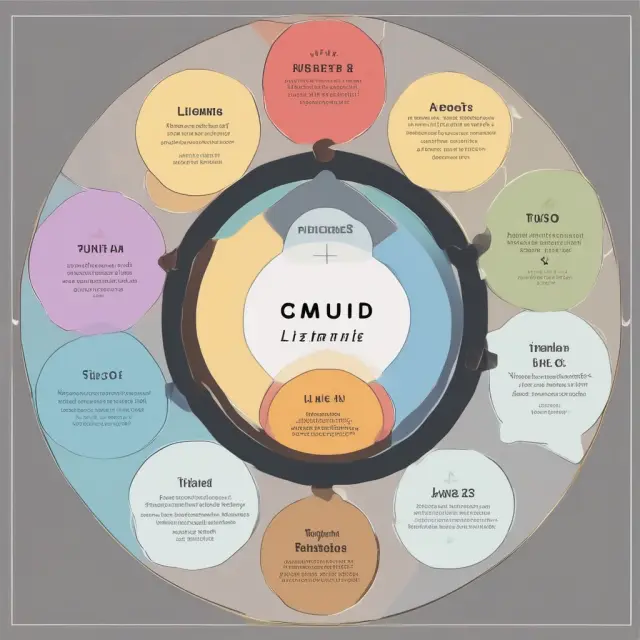
Sukuk comes in two main forms depending on how they are structured: trust certificates and asset leasing companies. Both options have their unique advantages and disadvantages, and understanding these structures is crucial for potential investors.
1. Trust Certificates:
The most common type of sukuk takes the form of a trust certificate. This structure involves the creation of an offshore special purpose vehicle (SPV) by the issuer. The SPV then issues trust certificates to eligible investors, with the proceeds from these sales being used in a funding agreement between the issuer and the SPV. In return for their investment, investors receive a portion of the profits linked to the underlying asset.
Trust certificate sukuk are advantageous because they enable a wider range of investors to participate due to them being governed by Western law. However, this structure may not always be feasible depending on the jurisdiction. If an offshore SPV and trust certificates cannot be created, another option is available in the form of asset leasing companies.
2. Asset Leasing Companies:
In cases where an offshore SPV and trust certificates are not viable options, sukuk can be structured as asset leasing companies. In this scenario, the issuer creates a local asset-leasing company that purchases the desired asset(s) and enters into a lease agreement with the issuing organization. The investors then invest in the asset-leasing company, gaining ownership of the underlying asset through their investment.
Asset leasing companies offer advantages such as being more suitable for countries where offshore SPVs and trust certificates are not an option. However, the downside is that the process can be more complex due to the local nature of the structure. This complexity could potentially deter some investors and make it more difficult to attract a diverse pool of participants.
Ultimately, both trust certificate sukuk and asset leasing companies have their merits, making it essential for investors to carefully evaluate their investment objectives and risk tolerance before deciding which structure aligns best with their financial goals.

Benefits of Investing in Sukuk
A sukuk investment presents numerous advantages for investors seeking a sharia-compliant alternative to traditional bonds or other interest-bearing securities. Sukuk shares some commonalities with conventional bonds, but the primary difference lies in their structure and the asset ownership they provide. By investing in a sukuk, an investor receives direct exposure to tangible assets that underpin the security, making it a more attractive proposition for those following Islamic finance principles.
First, the profit-sharing aspect of sukuk aligns with the investment philosophy of many faith-conscious investors. By participating in a sukuk issuance, investors become part-owners in the underlying asset and receive a share of the earnings generated by it. This means that their returns are not derived from interest payments but rather from the profit stream produced by the asset itself.
Second, investments in sukuk can provide diversification benefits to an investor’s portfolio. Since these securities represent ownership stakes in various types of assets like real estate, infrastructure projects, or commodities, they offer exposure to different sectors and risks compared to traditional bonds. This diversification helps investors manage risk more effectively and potentially increases returns over time.
Third, sukuk issuances provide investors with a stable stream of income as the returns are generated by the underlying asset rather than market fluctuations or interest rates. Since Islamic finance prohibits speculation, sukuk issuance is focused on real projects, making them inherently less risky compared to some other investment classes.
Additionally, the growing popularity and acceptance of Sukuk as a global financial instrument make them an attractive option for investors seeking to invest in emerging markets or in companies following Islamic principles. The international demand for sukuk has led to their increasing issuance volume and diversity across various industries and asset classes, further broadening their appeal to a wider range of investors.
Another key benefit of investing in Sukuk is the potential for higher yields compared to conventional bonds due to the additional level of risk associated with investing in assets as opposed to debt obligations. As more issuers turn to sukuk as a funding alternative, competition among them intensifies, leading to lower costs and potentially higher returns for investors.
Lastly, the unique characteristics of sukuk offer tax advantages that may further incentivize investors. For instance, some jurisdictions provide tax exemptions or reduced rates for Sukuk issuances, making them an even more compelling investment choice. These fiscal benefits vary by country and are subject to change, so investors should always consult with a financial advisor to determine the potential tax implications of investing in a specific Sukuk offering.
In summary, the benefits of investing in sukuk include their profit-sharing aspect that aligns with Islamic finance principles, potential diversification opportunities, stable income generation, growing popularity and acceptance worldwide, and potential for higher yields compared to conventional bonds. By providing investors with direct ownership of tangible assets and a stake in their earnings, Sukuk offers a compelling investment alternative for those seeking sharia-compliant investment options.

Risks Associated with Sukuk
Sukuk, as an investment vehicle, offers several unique benefits for investors who are looking to adhere to Sharia law while also generating returns from debt-like instruments. However, it’s essential to be aware of the potential risks that come with investing in sukuk. In this section, we will discuss two primary risk categories: market risk and credit risk.
Market Risk
Market risk refers to the chance that an investment’s value could decline due to fluctuations in broader economic conditions or financial markets. While most investors acknowledge that market risk is inherent in all investments, it can be more pronounced for sukuk due to their unique characteristics. One significant factor contributing to this risk is the relatively small and illiquid nature of the global sukuk market. This means that there may not be a large pool of potential buyers when an investor wants to sell their sukuk, which could lead to wider bid-ask spreads and lower liquidity than traditional bonds. Additionally, as mentioned earlier, sukuk are tied to specific assets. As a result, the value of these investments can be sensitive to changes in market conditions or asset prices, potentially leading to significant losses if the underlying asset’s value decreases substantially.
Credit Risk
Credit risk is the danger that an issuer may default on its debt obligations. In the context of sukuk, credit risk arises from the possibility that the issuer may fail to make scheduled profit distributions or repayments of principal when due. This can occur for various reasons, such as financial mismanagement, operational difficulties, or changes in market conditions that negatively impact the underlying asset’s cash flows. It is crucial for potential sukuk investors to carefully assess the creditworthiness of the issuer before investing. A thorough analysis should be performed on the issuer’s financial statements and its ability to meet its debt obligations.
In conclusion, while sukuk provide investors with unique investment opportunities that adhere to Sharia law, it is essential to recognize and understand the associated risks, particularly market risk and credit risk. By taking a thoughtful and informed approach to investing in sukuk, investors can mitigate potential losses and enjoy the benefits of these innovative financial instruments.

Regulation and Supervision of Sukuk: Challenges and Opportunities
Sukuk have gained significant traction since their introduction in 2000, with various Islamic corporations and state-run organizations worldwide issuing them to comply with Sharia law. However, as the popularity of sukuk continues to grow, so too do the challenges surrounding their regulation and supervision. This section aims to delve deeper into these issues, shedding light on the regulatory landscape for sukuk and exploring both the challenges and opportunities that come with it.
Regulatory Landscape
Sukuk have been subject to various regulations at both the regional and international levels since their inception. Regional bodies such as the Accounting and Auditing Organization for Islamic Financial Institutions (AAOIFI) and the Islamic Development Bank have provided guidance on sukuk issuance, structure, and disclosure standards. International institutions like the International Organization of Securities Commissions (IOSCO), Financial Stability Board, and Basel Committee on Banking Supervision have also provided recommendations for supervising these instruments.
Challenges
- Complexity and Variety: Due to the diverse range of sukuk structures, it can be challenging for regulatory bodies to ensure consistent application of guidelines and maintain a uniform standard. This complexity makes it difficult to assess risk appropriately and ensure that all parties involved are adequately protected.
- Lack of Transparency: A lack of transparency in some sukuk transactions has led to concerns regarding potential misrepresentation of risk and the true nature of underlying assets. This lack of clarity can make it challenging for investors to make informed decisions and regulators to effectively supervise these instruments.
- Diverse Jurisdictions: Given that sukuk are issued across various jurisdictions, coordinated regulation among international bodies is essential but complex. Ensuring harmonious regulations across different countries and legal systems can be a significant challenge.
Opportunities
- Innovation: The constant evolution of sukuk structures presents opportunities for regulators to encourage innovation while maintaining a balance between preserving the integrity of these instruments and facilitating growth in the Islamic finance industry.
- Collaboration: There is an opportunity for international regulatory bodies to collaborate and share best practices, ensuring consistent guidelines and transparency across jurisdictions.
- Standardization: The development and implementation of standardized regulations can help streamline the sukuk issuance process, making it more accessible and efficient for all parties involved.
Conclusion
The regulation and supervision of sukuk present both challenges and opportunities for the Islamic finance industry. While the complexity and diversity of these instruments pose difficulties, they also provide an opportunity for innovation, collaboration, and standardization that can help maintain the integrity of this growing sector while promoting sustainable growth. By addressing the regulatory challenges head-on and embracing collaboration among international bodies, regulators can ensure that sukuk continue to meet the evolving needs of investors, issuers, and the broader Islamic finance market.

Case Study: The Role of Sukuk in Financing Projects in Developing Countries
The use of sukuk as a financing tool has gained significant momentum across developing countries, especially since these instruments offer unique advantages compared to traditional debt markets. By providing direct ownership and profit participation for investors, sukuk have proven to be particularly appealing for financing infrastructure projects in developing economies.
One of the earliest examples of a successful sukuk issuance was the 1997 issue by Malaysia’s government for the construction of the North-South Expressway. With its total cost reaching over $3 billion, this project marked a significant milestone as it demonstrated the viability of sukuk in financing large-scale infrastructure projects.
Since then, several other countries, including Indonesia, Pakistan, and Turkey, have adopted the use of sukuk for funding their development projects. In 2014, Indonesia raised $1 billion through a sovereign sukuk issuance to finance its transportation infrastructure. Similarly, in 2015, Pakistan issued a $500 million sukuk to fund energy and infrastructure development initiatives.
Moreover, the Middle Eastern region, which is home to many Islamic countries, has been at the forefront of sukuk usage for financing projects. In 2013, Abu Dhabi National Oil Company raised a record-breaking $5 billion from a single issuance to fund its expansion plans. This transaction became one of the largest and most significant sukuk issues worldwide.
However, challenges still exist in implementing sukuk as a financing tool for projects in developing countries. Regulatory frameworks are crucial to ensure that sukuk instruments are structured appropriately, making it essential to create clear and comprehensive regulatory guidelines that cater to both the issuer and the investor. Additionally, there may be challenges related to the availability of suitable assets for collateral backing a sukuk issue, as well as ensuring liquidity in these markets.
Despite these challenges, sukuk’s unique characteristics make them an attractive alternative for infrastructure financing projects in developing countries. By directly linking investors with the underlying asset and offering profit participation, these instruments provide a more equitable solution compared to traditional debt markets. Furthermore, as economies continue their journey towards implementing more Islamic finance products, it is expected that sukuk will play a vital role in shaping the future of infrastructure financing in these markets.

FAQ: Frequently Asked Questions About Sukuk
What is a sukuk?
A sukuk is an investment instrument that adheres to Islamic law principles, also known as Shariah law. It functions similar to a bond but does not involve the payment of interest. Instead, it involves a direct ownership of assets or returns linked to the asset, allowing investors to bypass the prohibition on riba (interest).
How does a sukuk differ from a traditional bond?
The primary difference between sukuk and bonds lies in their structure: sukuk provide investors with a partial ownership of an underlying tangible asset, whereas bonds represent debt obligations. As a result, income derived from sukuk cannot be speculative and must be connected to the asset itself. Additionally, assets backing sukuk must comply with Islamic law.
Where did sukuk originate?
Sukuk originated in Malaysia and Bahrain in 2000 when the first such products were issued. Since then, their popularity has continued to grow, with an increasing share of the global fixed-income market.
What assets can be used to create a sukuk?
Assets can include real estate, infrastructure projects, or other tangible investments. The specific asset is identified beforehand and the proceeds are utilized to purchase or finance that asset.
What role does the investor have in a sukuk investment?
The investor buys a certificate representing a share of ownership in the underlying asset and receives a portion of the cash flows generated by the asset.
What is an example of a sukuk structure?
A common structure for sukuk involves creating a special purpose vehicle (SPV) that issues trust certificates to investors, with the proceeds used to purchase or finance an asset. The SPV leases the asset back to the issuer, and the investors earn a portion of the profits linked to the underlying asset.
What are the benefits of investing in sukuk?
Sukuk offer potential benefits like diversification, a steady income stream, and compliance with Islamic law principles. Additionally, they can be used for socially responsible investing as they fund projects that adhere to ethical guidelines.
What risks are associated with investing in sukuk?
Investing in sukuk comes with various risks such as market risk (risk of price fluctuation), credit risk (risk of default), liquidity risk (risk of not being able to sell the investment quickly enough), and legal and regulatory risk. It is essential for investors to carefully assess these risks before investing.
In conclusion, sukuk provide an alternative investment vehicle that caters to individuals seeking compliant options in accordance with Islamic law principles. By understanding their structure, benefits, and risks, investors can make informed decisions about incorporating these instruments into their portfolios.
 Next entry · No. 4,800Understanding the Sum of Squares: A Statistical Technique Used in Regression Analysis and Finance
See also
-
 No. 5,687
29 Sep 2025
22 min
Understanding Widely Held Fixed Investment Trusts (WHFITS): An In-Depth Guide
Business Finance
No. 5,687
29 Sep 2025
22 min
Understanding Widely Held Fixed Investment Trusts (WHFITS): An In-Depth Guide
Business Finance -
 No. 5,472
11 Sep 2025
22 min
Understanding Venture Capital Trusts (VCT) and Their Investment Opportunities
Business Finance
No. 5,472
11 Sep 2025
22 min
Understanding Venture Capital Trusts (VCT) and Their Investment Opportunities
Business Finance -
 No. 5,466
11 Sep 2025
17 min
Understanding Vendor Financing: A Comprehensive Guide for Institutional Investors
Business Finance
No. 5,466
11 Sep 2025
17 min
Understanding Vendor Financing: A Comprehensive Guide for Institutional Investors
Business Finance -
 No. 5,448
09 Sep 2025
19 min
Variable Rate Demand Note (VRDN): Understanding This Complex Debt Instrument
Business Finance
No. 5,448
09 Sep 2025
19 min
Variable Rate Demand Note (VRDN): Understanding This Complex Debt Instrument
Business Finance -
 No. 5,278
26 Aug 2025
18 min
Understanding Unit Trusts: An Overview of Units, Operations, and Returns for Institutional Investors
Business Finance
No. 5,278
26 Aug 2025
18 min
Understanding Unit Trusts: An Overview of Units, Operations, and Returns for Institutional Investors
Business Finance -
 No. 4,987
02 Aug 2025
19 min
Understanding TINA: The ‘There is No Alternative’ Effect in Finance and Investing
Business Finance
No. 4,987
02 Aug 2025
19 min
Understanding TINA: The ‘There is No Alternative’ Effect in Finance and Investing
Business Finance