Understanding the Concept of Second World Countries and Its Implications for Investors
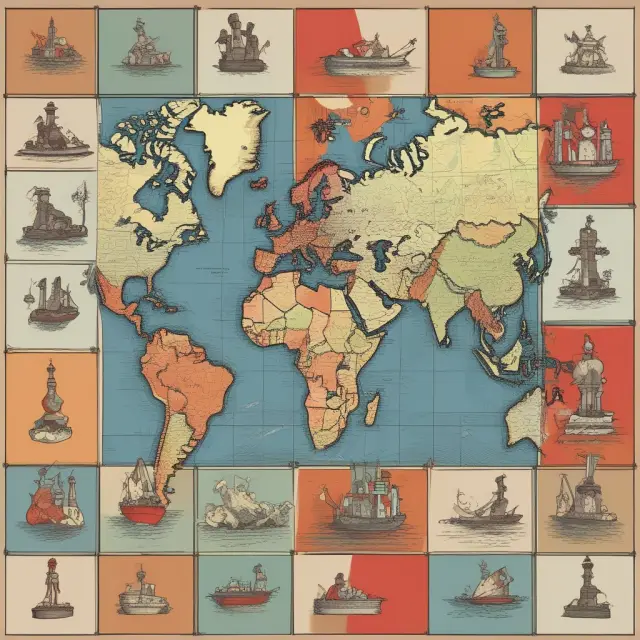
Explore the concept of 'second world' countries: their history, defining features, investment opportunities, risks, and current implications for investors.
Introduction to the Term ‘Second World’
The term ‘second world’ has had different interpretations throughout history. Initially, it referred to the Soviet Union and the countries under its sphere of influence, forming the communist bloc during the Cold War era. However, with the end of the Cold War in 1989-1991, the term evolved into a more ambiguous definition to describe countries that are more developed than third world countries but less stable and less wealthy than first world nations.
The second world concept is often debated due to its subjective nature, making it essential for investors to understand the background of this term to navigate the complex investment landscape. In contemporary usage, examples of second world countries include Bulgaria, Czech Republic, Hungary, Poland, Romania, Russia, China, and many others. However, as geo-strategist Parag Khanna points out, approximately 100 countries can be classified neither as first world (Organisation for Economic Cooperation and Development or OECD) nor third world countries (least developed countries or LDCs).
Section to be written:
Historical Context of Second World Countries
Description: Explanation of the origins of the term ‘second world’, its association with Soviet countries, and how the term has evolved post-Cold War.
Rewritten Section:
Historical Context of Second World Countries
The origins of the term ‘second world’ can be traced back to the Cold War era, when it referred to the grouping of centrally planned economies and one-party states under Soviet influence. The term came into prominence following the Yalta Conference in 1945, where the Allied powers agreed to allow the Soviet Union a sphere of influence in Eastern Europe. By the late 1980s and early 1990s, the fall of the Berlin Wall and the dissolution of the Soviet Union marked the end of the Cold War, resulting in the decline of the term’s usage.
Post-Cold War, some scholars expanded the definition to include countries that displayed a mix of first and third world characteristics, falling between developed and developing nations. The rationale behind this new classification was to better understand the nuances of various economies and provide investors with more precise investment opportunities.

Historical Context of Second World Countries
The term “second world” originated in the aftermath of World War II to describe countries allied with the Soviet Union that adhered to central planning and a one-party political system, including Albania, Bulgaria, Czechoslovakia, East Germany, Hungary, Poland, Romania, and the Soviet Union itself. These countries were considered distinct from both capitalist “first world” nations like the United States, Canada, and Western European countries, as well as impoverished “third world” countries in Africa, Asia, and Latin America. However, with time and the changing global political landscape, the term’s definition evolved.
The end of the Cold War significantly altered the concept of the second world. By the early 1990s, the dismantling of the Soviet Union left many countries in Central and Eastern Europe transitioning from socialist economies to market-oriented systems. The term “second world” ceased being synonymous with Soviet control. Yet, the term still found usage as a description for nations that were neither capitalist first world nor impoverished third world but lay somewhere in between. This new interpretation of second world countries included various emerging markets and developing economies.
In recent years, geo-strategist Parag Khanna has broadened the definition even further by identifying approximately 100 countries that do not fit neatly into the categories of first or third world nations. These “in-between” countries present opportunities for investors in their rapidly growing economies but come with unique risks and challenges.
By this expanded interpretation, examples of second world countries include Bulgaria, Czech Republic, Hungary, Poland, Romania, Russia, China, and many others. It is vital to understand that the economic development, political stability, and social conditions in these countries can vary greatly within their borders, making careful consideration essential for investors.
As a side note, it’s important to remember that some economists, such as MIT Economist Peter Temin, argue that even developed countries like the United States can exhibit characteristics of second world nations. In Temin’s view, close to 80% of the U.S. population exists in a low-wage sector with high levels of debt and limited opportunities for growth. This argument challenges conventional perceptions of first world status, emphasizing the importance of thoroughly assessing economic and political conditions before making investment decisions.

Second World Definition: Between First and Third World
The term ‘second world’ has seen a shift in its definition over time. Initially coined to denote the Soviet Union and countries under communist rule, it is now used interchangeably with terms such as ’emerging markets.’ Second world refers to nations that bridge the gap between first-world (advanced economies) and third-world (developing or least developed countries).
This broader definition encompasses a significant number of countries across various regions, including Latin America, South America, Turkey, Thailand, South Africa, among others. Economists and investors use this definition to label countries that are making strides towards first-world status but have not fully reached it yet. In fact, some experts argue that even within the first world, there can be a coexistence of both first and second world characteristics.
Countries falling under the second world umbrella may exhibit varying degrees of economic development and political stability. To understand this concept further, let us examine two different definitions of second world countries.
First Definition: Second World as Soviet Bloc Countries
Historically, the term ‘second world’ was used to categorize countries under Soviet influence with centrally planned economies and one-party systems. Bulgaria, Czech Republic, Hungary, Poland, Romania, Russia, China, and several others are examples of such nations. This definition became less relevant in the early 1990s when the Cold War came to an end and the Soviet Union disintegrated.
Second Definition: Second World as Countries Between First and Third
Geo-strategist Parag Khanna defines second world countries as those that are neither part of the Organization for Economic Cooperation and Development (OECD) nor least developed countries (LDC). Approximately 100 countries fall under this category. While some regions may display first-world characteristics in their urban areas, they still have significant challenges in their rural regions or other areas that classify them as developing nations.
The definition of a second world country is not set in stone and continues to evolve with the changing geopolitical landscape. Understanding this fluid concept can help investors make informed decisions when investing in such countries, allowing them to capitalize on emerging opportunities while mitigating risks.

Key Criteria for Defining Development Segregations
The term “second world” has undergone several shifts in meaning since its initial usage during the Cold War era to refer to countries under Soviet influence. Today, it is generally understood as a label for countries with development levels between that of advanced first-world nations and the less developed third world. However, determining the criteria for defining such a category can be complex.
One approach to categorizing countries involves evaluating various indicators such as unemployment rates, living standards, income distribution, and other economic factors. According to this definition, many countries from Latin America, South America, Turkey, Thailand, South Africa, and others could be considered second world. It’s important to note that there are debates over whether the term “emerging market” is a more accurate description for some of these nations, particularly those displaying strong economic growth and increasing global competitiveness.
Geo-strategist Parag Khanna has taken an alternative approach, recognizing approximately 100 countries that exist neither in the First World (OECD) nor the Third World (LDC). This perspective highlights the coexistence of varying development levels within a single nation: for example, first world characteristics may exist in urban centers while rural areas still exhibit third-world traits. In some cases, entire regions or demographics can be left behind in their growth trajectory.
One controversial claim comes from MIT Economist Peter Temin, who suggests that the United States itself could be classified as a second world country based on its significant economic inequality and stagnant wage growth. Despite being the world’s largest economy, large swaths of its population may exhibit characteristics more in line with developing nations, such as high debt levels and limited opportunities for upward mobility.
In conclusion, the criteria for defining development segregations remain a subject of ongoing debate and complexity. While it is essential to acknowledge that the concept of second world countries can encompass different interpretations, understanding these nuances can provide valuable insights for investors seeking opportunities in emerging markets.
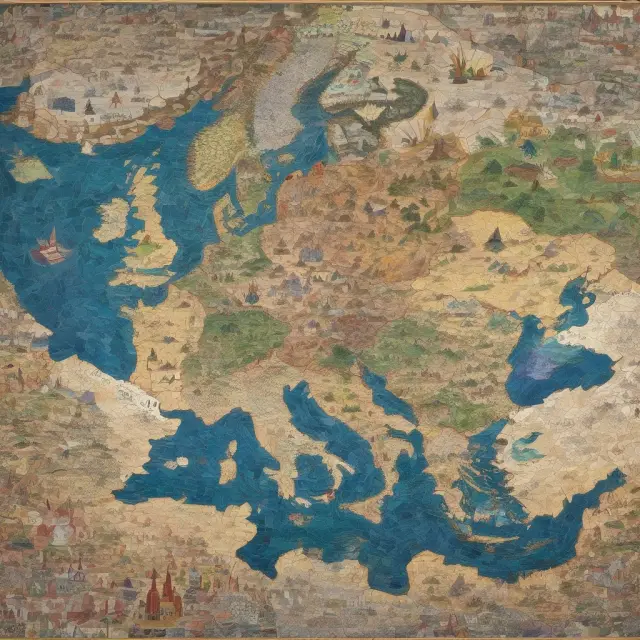
Geographical Examples of Second World Countries
The term “second world” has undergone various interpretations since its inception, one of which was the association of the term with Soviet countries and central planning economies. However, as geopolitical landscapes transformed post-Cold War era, the meaning of second world became more ambiguous, expanding to encompass countries that are neither first nor third world. According to this broader definition, numerous examples of second world nations can be found in various regions around the globe.
Bulgaria: Bulgaria, located in Eastern Europe, is one such country that exhibits characteristics of a second world country under the historical definition. In 1989, after decades of Soviet influence, Bulgaria transitioned from socialist rule to a democratic government, which initiated a period of significant economic and political reforms. The transformation brought about improvements in the economy, though it still faces challenges such as high unemployment rates and an uneven distribution of wealth.
Czech Republic: Another Eastern European country that can be considered second world is the Czech Republic. Similar to Bulgaria, the Czech Republic underwent democratic changes in 1989, ending its communist era. Since then, it has experienced impressive economic growth, joining the European Union in 2004 and the Schengen Area in 2007. Although the country is considered an emerging market by some investors due to its growing economy, it still faces challenges such as income inequality and a large gap between urban and rural living conditions.
Hungary: Another Eastern European country that falls under the second world umbrella is Hungary. Like Bulgaria and the Czech Republic, Hungary transitioned from Soviet rule in 1989, leading to democratic reforms and economic liberalization. While its economy has made significant progress since then, it still faces challenges such as high unemployment rates and income inequality.
Poland: Poland, another Eastern European country, shares a similar history with Bulgaria, the Czech Republic, and Hungary. Transitioning from Soviet rule in 1989, Poland embarked on democratic reforms and economic liberalization. The country has since experienced impressive growth, joining the European Union in 2004, but still faces challenges like a large income gap between urban and rural areas.
Romania: Romania, also an Eastern European nation, is another example of a second world country. It transitioned from Soviet rule in 1989, leading to democratic reforms and economic liberalization. The country’s economy has made progress since then, but it still faces significant challenges such as high unemployment rates and income inequality.
Russia: A prominent example of a second world country that falls under the broader definition is Russia. Once part of the Soviet Union, Russia embarked on democratic reforms after its dissolution in 1991. Despite impressive economic growth, especially in urban areas like Moscow and St. Petersburg, the country still faces significant challenges such as income inequality and a large gap between urban and rural living conditions.
China: China, an Asian giant, is another prime example of a second world country. It has shown extraordinary economic growth over the past few decades, which has led some to label it an emerging market. However, it still faces significant challenges like uneven income distribution between urban and rural areas, as well as income inequality within its major cities.
By examining these examples, it becomes clear that second world countries possess a unique blend of developmental traits and economic indicators. Understanding the nuances of these countries’ socio-economic landscapes can help investors navigate complex investment opportunities in this dynamic market segment.

Second World Countries by Contemporary Definition
The term ‘second world’ has evolved significantly since its initial usage during the Cold War era. Today, it is no longer synonymous with countries under Soviet control or centrally planned economies but refers to a group of developing nations that exhibit unique characteristics distinct from both first and third world countries. Geo-strategist Parag Khanna argues that around 100 countries worldwide fall into this category.
Khanna emphasizes the complexities of classifying countries using traditional definitions such as Organization for Economic Cooperation and Development (OECD) or Least Developed Country (LDC). In today’s globalized world, there are instances where urban areas within a country may exhibit first-world characteristics while rural regions retain third-world traits.
Second world countries often have strong economies with growing industries, yet they continue to face challenges in various sectors such as infrastructure, education, and healthcare. Some examples of second world countries include China, Turkey, Thailand, South Africa, Argentina, Brazil, and Ukraine. In Latin America and South America, several nations have experienced substantial economic growth while continuing to grapple with social inequality, political instability, and corruption.
These countries offer potential investment opportunities in emerging markets, especially for companies looking to expand their reach beyond traditional first world markets. However, investors must consider the risks that come with investing in second world countries, including political instability, economic volatility, and regulatory uncertainty. Proper due diligence and risk management strategies are essential when navigating the complexities of investing in these markets.
Understanding the contemporary definition of second world countries is crucial for investors seeking to diversify their portfolios and expand globally. By keeping up with economic trends and developments within these countries, investors can identify opportunities while managing risks effectively. In conclusion, the evolving nature of the global economy requires a more nuanced understanding of different country classifications, making second world countries an increasingly significant focus for both businesses and investors alike.

Investment Opportunities in Second World Countries
The term “second world” has been used to describe economies that lie between the stable and developed first world (Organisation for Economic Cooperation and Development or OECD members) and the less-developed third world. By some definitions, second world countries display characteristics of both stability and development but lack the consistent growth and economic indicators associated with first world status. Second world countries present intriguing investment opportunities due to their unique blend of economic development and instability. In this section, we will explore the potential advantages and risks of investing in second world countries, focusing on emerging markets and localized economies.
According to Parag Khanna, a geo-strategist and London School of Economics doctorate, approximately 100 countries are neither first nor third world. Among these, many can be considered second world countries due to their combination of development and instability. For instance, some countries in Latin America and South America fit this definition. Bulgaria, the Czech Republic, Hungary, Poland, Romania, Russia, Turkey, Thailand, and South Africa are additional examples.
Emerging markets constitute a significant portion of second world investment opportunities. Emerging markets are economies that are transitioning from lower to higher income status. These countries often have high growth potential and can offer substantial returns for investors willing to assume the added risks inherent in their markets. China is the most prominent example, with its extraordinary wealth concentrated in urban areas like Beijing and Shanghai, while rural regions continue to develop.
When considering investment opportunities in second world countries, it’s essential to weigh the potential rewards against the risks involved. A well-planned strategy can help mitigate these risks, but investors should be aware of the following challenges:
1. Economic and Political Instability: Second world economies often face unpredictable economic and political environments. Government instability, corruption, and currency fluctuations are common challenges faced by investors in these countries. In certain cases, international conflicts might further impact investments and make them less attractive to potential investors.
2. Lack of Transparency: The absence of reliable information on the financial situation and regulatory environment can be a significant challenge for investors in second world economies. Incomplete or outdated data on economic indicators like inflation rates, unemployment figures, and GDP growth might lead to misjudged investment decisions.
3. Regulatory Environment: Regulations in second world countries may differ substantially from those in first world economies. Investors must understand the local legal frameworks, as they could impact their investment decisions significantly. This includes knowledge of local tax laws, import/export regulations, and labor market rules.
4. Infrastructure Challenges: Developing infrastructure is a critical need for many second world countries. A lack of sufficient infrastructure can negatively affect businesses’ operations and make it challenging for investors to conduct due diligence on potential investment opportunities. Roads, energy supply, water resources, and telecommunications networks are some common areas where improvements are required.
5. Cultural Differences: Understanding cultural nuances is crucial when investing in second world countries. Misinterpretations can lead to misunderstandings and hinder business deals. Building strong relationships with local partners and being sensitive to cultural sensitivities can help investors navigate these challenges successfully.
In conclusion, second world countries offer both opportunities and risks for investors. By understanding the unique characteristics of these economies, investors can design a strategy tailored to their risk tolerance and investment goals. In-depth research into economic indicators, regulations, and cultural contexts is essential when considering investments in emerging markets or localized economies within second world countries.

Case Study: United States as a Second World Country?
Despite its status as one of the most powerful economies in the world, MIT Economist Peter Temin poses an intriguing argument that the United States could be considered a second world country according to some definitions. The term “second world” has been used interchangeably over the years to refer to different things. Initially, it referred to countries under Soviet control and centrally planned economies. After the end of the Cold War, it was revised to represent nations falling between first-world (OECD) and third-world (LDC) countries in terms of their development status and economic indicators.
Traditionally, second world countries have included those with characteristics similar to emerging markets. The United States might not fit neatly into this category due to its stable political environment and advanced economy. However, Temin’s argument suggests otherwise based on certain economic factors.
Temin asserts that approximately 80% of the US population falls under a low-wage sector, laden with debts and fewer growth opportunities. In his view, the United States could be considered second world due to its widespread income inequality and stagnating wages, particularly in rural areas and certain urban pockets.
Although the United States remains one of the wealthiest nations globally, the gap between the rich and poor is increasing at an alarming rate. According to a 2018 report by Oxfam, it would take an American worker over 150 years to earn what the top 1% earns in just one year. Moreover, the lack of access to affordable healthcare, education, and basic necessities for a significant portion of its population can be considered second world characteristics.
However, it is important to note that the United States still possesses several first-world attributes, including advanced technological infrastructure and a strong service sector. Despite these nuances, Temin’s argument sheds light on the complex realities of development statuses in today’s globalized world.
In summary, the concept of second world countries has evolved over time to encompass more than just Soviet-controlled economies. The United States, as a developed economy with significant income inequality and stagnating wages for many citizens, is an example of how this definition may apply in certain contexts. Understanding these complexities can help investors navigate the global investment landscape and make informed decisions when considering opportunities in emerging markets or second world countries.

Economic and Political Risks in Second World Countries
Second world countries may offer attractive investment opportunities due to their unique characteristics and rapid economic growth. However, investors should be aware of the economic and political risks inherent in these nations. Understanding these risks is crucial for navigating the complexities of investing in second world economies and mitigating potential losses. Let’s explore some critical risk factors that may impact your investments in this context:
1. Economic Instability: Second world countries are often characterized by their volatile economies, which can pose significant risks to investors. Factors like inflation, exchange rate volatility, and uncertainty regarding economic reforms can influence the success or failure of an investment. For instance, high inflation rates might lead to eroded purchasing power for investors over time, while currency devaluations could negatively impact returns if investments were made in foreign currencies.
2. Political Instability: Political instability is another major concern when investing in second world countries. Factors like corruption, weak institutions, and conflicts can create an unfavorable environment for businesses and investors alike. For example, political instability may lead to regulatory changes that negatively impact investments or even force companies to leave the country altogether.
3. Regulatory Risk: The regulatory landscape in second world countries is often complex, making it challenging for investors to navigate and comply with regulations. Rapidly changing laws, inconsistent enforcement of regulations, and opaque bureaucracies can all pose significant risks. For instance, a company may face unexpected fines or penalties due to unclear regulations or sudden shifts in government policy.
4. Social Instability: Second world countries are not immune to social instability and potential conflicts. Protests, labor strikes, riots, and other forms of civil unrest can disrupt businesses and investments. For example, a company may face production delays due to strikes, or even be forced to suspend operations temporarily if the situation escalates.
5. Currency Risk: Second world countries typically have relatively volatile currencies, which could expose investors to currency risk. The value of their investments can decrease significantly when the local currency experiences depreciation against stronger currencies. Conversely, a strong local currency could make exports less competitive in international markets.
6. Lack of Transparency: Second world countries often lack transparency and accountability in their governments and business dealings, making it difficult for investors to assess the risks they are taking on. This may lead to unexpected regulatory changes or unforeseen financial obligations, ultimately impacting the long-term viability of an investment.
7. Reputation Risk: Lastly, reputation risk is a significant factor to consider when investing in second world countries. Negative publicity, legal issues, or association with controversial industries can damage a company’s reputation and influence its ability to attract new business or investors. For instance, a company that operates in a country with widespread human rights violations may face reputational damage, boycotts, or other forms of retaliation from concerned consumers or governments.
In conclusion, while investing in second world countries can offer attractive opportunities, it is essential to be aware of the potential economic and political risks involved. By understanding these factors and implementing appropriate risk management strategies, investors can mitigate potential losses and maximize returns in this exciting and dynamic investment landscape.

Conclusion: Navigating the Complexities of Second World Investing
The term “second world” has been used to categorize various countries throughout history, primarily referring to those once controlled by the Soviet Union under a centrally planned economy and one-party state system. However, as geopolitics changed during the 1990s following the end of the Cold War, the term evolved to encompass nations that exhibit development characteristics distinct from both first and third world countries. This section will summarize the main points regarding second world countries and discuss implications for investors considering potential opportunities in these economies.
According to one definition, second world countries include Bulgaria, Czech Republic, Hungary, Poland, Romania, Russia, China, and others. These nations are more stable and developed compared to third-world countries but lack the advanced economic indicators of first-world or Organisation for Economic Cooperation and Development (OECD) countries. By another definition, geo-strategist Parag Khanna identified approximately 100 countries as neither first nor third world, exhibiting a mix of first, second, and third world characteristics.
To determine a country’s development status, various criteria can be considered, such as unemployment rates, living standards, income distribution, and economic indicators. The United States, for instance, is often regarded as a fully developed country; however, MIT economist Peter Temin argues that close to 80% of the U.S. population resides within a low-wage sector, with high levels of debt and limited growth opportunities – potentially categorizing certain areas of the nation as second world.
Investors seeking exposure to second world countries may face various economic and political risks. Economic risks include inflation, currency volatility, and interest rate changes; political risks involve geopolitical instability, government policies, and regulations. To navigate these complexities, investors should conduct thorough research on the target market, evaluate potential investment vehicles, and consider diversification strategies to minimize risk exposure.
Furthermore, collaboration with local partners or advisors can provide valuable insights into the cultural nuances, economic environment, and business landscape of second world countries. Long-term commitments and a commitment to sustainable growth can lead to attractive returns in these emerging markets. However, it is essential for investors to exercise caution while navigating the complexities of investing in second world economies.
In conclusion, understanding the concept and implications of second world countries plays a crucial role in assessing investment opportunities beyond traditional first and third world classifications. By recognizing the nuances within these countries’ economic and political environments, investors can effectively navigate risks, identify profitable opportunities, and achieve long-term growth.
FAQs about Second World Countries
What was the original meaning of ‘second world’ in politics?
The term ‘second world’ originally referred to the Soviet Union and its aligned countries, collectively known as the Eastern Bloc or communist bloc. These were centrally planned economies and one-party states that contrasted with Western capitalist democracies, thus being categorized as second world. This usage of the term fell out of favor after the end of the Cold War in the early 1990s.
Which countries belong to the second world according to a more modern definition?
A modern definition of second world countries includes those that fall between first and third world countries, displaying characteristics of both development levels. Many Latin American and South American nations, Turkey, Thailand, South Africa, among others, can be classified as second world.
What is the difference in economic development between first, second, and third world countries?
First world countries generally possess advanced economies with high living standards and well-established institutions. Second world countries are typically less developed compared to first-world nations but more stable and economically viable than third world countries (Least Developed Countries). Third world countries often face significant challenges in areas like poverty, infrastructure development, and access to education and healthcare services.
Who is Parag Khanna, and what does he mean by second world countries?
Parag Khanna is a geo-strategist and London School of Economics doctorate who has identified around 100 countries as neither first nor third world but rather second world, existing in various stages of economic development within each country.
How can one invest in second world countries?
Investing in second world countries requires careful consideration of potential risks and opportunities. Emerging markets are one way to access the growth potential of these countries, while localized investments can provide direct exposure to individual economies. Research on political stability, economic conditions, and local regulations is crucial for successful investment strategies.
Is there any risk in investing in second world countries?
Yes, investing in second world countries does involve risks. Political instability, market volatility, and regulatory changes can negatively impact returns. However, the potential rewards of capitalizing on emerging markets can far outweigh these risks for investors who are well-informed and prepared to manage those risks.
Why is it essential to understand second world countries?
Understanding second world countries is crucial for investors seeking opportunities beyond traditional first world markets. These economies display unique potential for growth and diversification, making them attractive targets for investment capital. Staying informed about the specific circumstances of each country enables investors to make strategic decisions and capitalize on the risks and rewards associated with second world markets.
What are some examples of countries that can be classified as second world?
Bulgaria, Czech Republic, Hungary, Poland, Romania, Russia, and China are examples of second world countries based on the first definition of the term. Countries such as Turkey, Thailand, South Africa, and many others fit under the modern definition of second world countries.
What is Peter Temin’s view on the United States being a second world country?
MIT Economist Peter Temin argues that nearly 80% of the US population falls into a low-wage sector, burdened by debt and fewer growth opportunities. Some argue that certain parts of the US display characteristics similar to those found in developing nations, thus making it a second world economy within its own context.
 Next entry · No. 4,583Understanding the Secondary Market: A Comprehensive Guide for Institutional Investors
See also
-
 No. 2,322
27 Dec 2024
23 min
Import Substitution Industrialization (ISI): Understanding the Theory, History, and Real-World Application
International Trade
No. 2,322
27 Dec 2024
23 min
Import Substitution Industrialization (ISI): Understanding the Theory, History, and Real-World Application
International Trade -
 No. 5,362
02 Sep 2025
18 min
Understanding the US Dollar Index (USDX): A Comprehensive Guide
Business Finance
No. 5,362
02 Sep 2025
18 min
Understanding the US Dollar Index (USDX): A Comprehensive Guide
Business Finance -
 No. 5,200
19 Aug 2025
16 min
Understanding Underweight: When Portfolios and Stocks Fall Short of Expectations
Business Finance
No. 5,200
19 Aug 2025
16 min
Understanding Underweight: When Portfolios and Stocks Fall Short of Expectations
Business Finance -
 No. 4,696
09 Jul 2025
19 min
Understanding State-Owned Enterprises: A Global Phenomenon in Finance and Investment
Business Finance
No. 4,696
09 Jul 2025
19 min
Understanding State-Owned Enterprises: A Global Phenomenon in Finance and Investment
Business Finance -
 No. 4,654
06 Jul 2025
20 min
Understanding Short Run Costs in Finance and Investment: An In-Depth Analysis
Business Finance
No. 4,654
06 Jul 2025
20 min
Understanding Short Run Costs in Finance and Investment: An In-Depth Analysis
Business Finance -
 No. 4,327
09 Jun 2025
20 min
Understanding Recovery Rates: Calculation and Importance in Finance and Investment
Business Finance
No. 4,327
09 Jun 2025
20 min
Understanding Recovery Rates: Calculation and Importance in Finance and Investment
Business Finance