Understanding the Impact and Implications of Zoning Laws: A Comprehensive Guide for Institutional Investors

Explore the intricacies of zoning laws, from their origins and importance to modern critiques and best practices. Learn how they impact investors, property…
What Is Zoning?
Zoning is a local regulation that governs how real property can be used in specific areas. This legislation outlines the permitted use of land for residential, commercial, agricultural, industrial, or hotel/hospitality purposes, among others. The concept of zoning emerged to ensure orderly growth and development within municipalities while maintaining a balance between various land uses and community needs (Burchell & Shoup, 2015).
The origins of zoning date back to the early 20th century, when cities began experiencing rapid industrialization and urban expansion. In response to the challenges presented by these changes, city planners employed zoning as a tool to regulate land use and promote more efficient development (Burchell & Shoup, 2015).
Zoning plays a crucial role in shaping the physical landscape and character of cities, towns, and suburbs. By partitioning districts and neighborhoods based on a master plan, local governments can regulate traffic flow, control noise levels, manage environmental concerns, and promote economic development while ensuring adequate living space for residents (Burchell & Shoup, 2015).
Understanding Zoning Classifications
Zoning laws are categorized into various classifications to further regulate the intended use of land. Some common examples include:
– Residential: This category permits only residential uses. Single-family homes, apartments, and townhouses fall under this classification.
– Commercial: This classification encompasses various types of businesses and services such as shopping centers, office buildings, restaurants, and entertainment venues.
– Agricultural: Zoning regulations for agricultural lands restrict development to protect farmland and promote food production.
– Industrial: This category includes factories, warehouses, and other facilities designed for manufacturing or production activities.
– Hotel/Hospitality: Hotels, motels, and other temporary lodging establishments are classified under this zoning classification.
Additionally, there may be more specific zoning categories like mixed-use, special use, conservation, historic preservation, or transit-oriented development zones (Burchell & Shoup, 2015).
Zoning Laws and Real Estate: Impact on Property Prices
The presence of zoning restrictions can significantly influence property sales prices. Properties subjected to strict zoning regulations may sell at a premium as the location offers more amenities and exclusive residential or commercial use (Burchell & Shoup, 2015). Conversely, properties in areas with less restrictive zoning might face lower demand and ultimately sell for lower prices due to the potential for conflicting land uses.
Influential Zoning Cases
The constitutionality of zoning was established by a landmark Supreme Court case: Village of Euclid v. Ambler Realty (1926). The court ruled that properly drawn zoning ordinances were a valid exercise of states’ governing power, providing a framework for local governments to control land use within their jurisdiction (Burchell & Shoup, 2015).
Economic Theories and Critiques on Zoning
The economic theory behind zoning suggests that in the absence of transaction costs, land use issues could be resolved through negotiations between interested parties. However, in practice, government-imposed zoning regulations are necessary due to high transaction costs and the difficulty in achieving a mutually beneficial agreement among stakeholders (Coase, 1960).
Despite its benefits, there are concerns regarding the negative socioeconomic implications of traditional zoning. Critics argue that zoning laws can contribute to income disparities by segregating commercial and residential areas and creating unequal access to resources based on location (Jackson, 1985). Furthermore, rigid zoning may make residents dependent on cars, contributing to environmental concerns and financial burdens related to car ownership.
Modern Considerations for Zoning Laws
As society evolves, so do the implications of zoning laws. To mitigate the unintended consequences, modern adaptations focus on more integrated, walkable neighborhoods that allow residents to live, work, and recreate within close proximity. Adopting these strategies can help alleviate income inequality and reduce dependence on cars while providing more sustainable living environments (Newman & Kenworthy, 1999).
In conclusion, zoning plays a vital role in shaping the physical landscape of urban areas by regulating land use and development. By understanding the history, classifications, and economic implications of zoning, investors can gain valuable insights into the potential impact of these regulations on their investments. Ultimately, flexibility, adaptability, and responsiveness to changing demographics, societal needs, and environmental concerns will be crucial in ensuring that zoning policies continue to benefit communities while fostering economic growth.

How Does Zoning Work?
Zoning is a local or municipal law that dictates the use of real property within certain geographic areas. These regulations can prevent oil drilling, manufacturing facilities, or other businesses from being established in residential neighborhoods. Instead, zoning ensures that commercial activities are confined to designated zones. Zoning laws aim to promote economic development and community growth while ensuring a harmonious balance between land use and residents’ needs.
Zoning outlines
Municipalities tend to partition districts and neighborhoods according to their master plan, which specifies how land can be developed or used in various ways. The following are the most common zoning classifications: residential, commercial, agricultural, industrial, and hotel/hospitality zones. Each classification comes with its unique set of regulations.
Residential zoning restricts property usage to accommodate single-family homes, apartment buildings, or other multiunit dwellings. Commercial zoning permits businesses, offices, and retail establishments in specific areas. Agricultural zoning preserves land for farming purposes while maintaining rural character. Industrial zones are designated for heavy manufacturing industries and warehouses. Hotel/hospitality zones accommodate hotels, motels, and other lodging facilities.
Zoning regulations may also include detailed construction guidelines. For example, maximum building heights, setbacks, and other restrictions can be imposed on specific neighborhoods to maintain uniformity in property aesthetics and prevent over-development.
Impact on Property Prices
Zoning laws influence property prices significantly by limiting the types of developments that can take place within a given area. A prime example is the case of Euclid, Ohio, where a zoning ordinance was upheld in a 1926 Supreme Court decision, solidifying the legitimacy of zoning as a regulatory tool.
In 1926, Village of Euclid v. Ambler Realty established that properly drawn zoning ordinances are constitutional and an acceptable exercise of states’ governing power. This landmark decision paved the way for modern zoning practices and influenced property prices in various ways. For example, areas with more stringent zoning regulations might see a premium on real estate as buyers pay a premium to secure properties within those districts.
Modern Critiques and Considerations
Zoning laws have faced critiques over the years for perpetuating socioeconomic disparities and contributing to income inequality. One example is when low-income areas are zoned for low-density residential neighborhoods, while affluent areas maintain zoning regulations that restrict industrial or commercial development. This can exacerbate wealth inequality by keeping high-density affordable housing out of certain areas and perpetuating car dependency.
Adapting to modern needs and populations requires updating zoning regulations to ensure they support walkable communities, mixed-use developments, and integrated neighborhoods. A more balanced approach to zoning can lead to a reduction in transportation costs, increased access to essential services, and a decrease in reliance on cars for daily life.
In conclusion, understanding the impact and implications of zoning laws is crucial for institutional investors seeking to navigate the complex world of real estate investments. By familiarizing yourself with the basics of zoning and its potential effects, you can make informed decisions when evaluating potential investment opportunities.

Classifications and Examples of Zoning
Zoning regulations help local governments determine how land can be used within their jurisdiction. One of the most common classifications for zoning includes residential areas, commercial zones, agricultural lands, industrial sites, and hotel/hospitality districts. These distinctions exist to promote specific uses or restrict certain activities in designated areas. For instance, residential neighborhoods typically prohibit heavy industries from being established, while industrial zones encourage the presence of manufacturing facilities.
Building heights can also be a factor in zoning regulations. In some areas, restrictions on building heights may limit the construction of high-rise residences or offices within a given space. This can impact property values, as parcels with fewer limitations can sell for higher prices due to their increased versatility.
A pivotal moment in the history of zoning came when the U.S. Supreme Court ruled that properly drawn zoning ordinances were constitutional under state governments’ governing power in the landmark case Village of Euclid v. Ambler Realty in 1926. The ruling cemented the legitimacy of zoning as a tool for local governments to regulate and manage their communities.
Critics argue that zoning can exacerbate income inequality, particularly when it results in restrictive policies in economically disadvantaged neighborhoods. For example, excluding commercial development or heavy industries from low-income areas can lead to an uneven distribution of resources and economic opportunities. Conversely, walkable communities where residents have easy access to essential services could help reduce dependency on cars and provide more affordable housing options, ultimately fostering greater socioeconomic equality.
Zoning laws can be changed if they are deemed necessary or beneficial for a community’s growth. Developers or property owners may apply for variances that grant exceptions to the zoning regulations. The process for obtaining a variance varies depending on location but usually involves providing reasons why the variance is needed and demonstrating its compatibility with the surrounding community.
Understanding the nuances of zoning laws can have significant implications for investors, developers, and property owners alike. As local governments continue to adapt to modern needs and populations, staying informed about zoning regulations and their potential impact on investments remains crucial.

Economic Theories and Critiques on Zoning
Zoning’s primary role is in ensuring that land use is regulated efficiently while preventing incompatible uses of land from occurring. However, the economic theories and critiques surrounding zoning have sparked intriguing debates regarding its effectiveness and unintended consequences.
One of the most influential economic theories on land use regulation comes from Nobel Prize-winning economist Ronald Coase, who posited that in the absence of transaction costs, the market would naturally resolve questions over how land should be used without government intervention (Coase, 1960). According to his theory, if parties could negotiate effectively and efficiently, they would reach optimal solutions that maximized economic efficiency.
However, transaction costs are a reality in the real world, and frictionless bargaining among stakeholders is not always achievable. As a result, land use regulations like zoning emerge to bridge this gap. Zoning can be seen as an attempt to minimize potential negative externalities that would arise from unregulated land use, such as noise, pollution, and traffic congestion (Oates, 1969).
Despite its intent, there have been criticisms of zoning’s impact on socioeconomic disparities. Critics argue that traditional zoning implementation perpetuates and widens the divide between socio-economic groups by concentrating heavy industrial and commercial development near lower-income neighborhoods (Jackson, 1985). This can result in affluent areas remaining unaffected by noise and pollution. Moreover, zoning regulations that restrict residential housing densities contribute to a housing shortage, exacerbating homelessness in some areas (Sanders, 2004).
Another critique of zoning is its potential to make residents overly reliant on automobiles. The separation of commercial and residential areas can limit walkability, increasing the need for cars and adding to environmental concerns and financial costs (Newman & Kenworthy, 1999). To address these issues, modern planning practices are exploring integrated, walkable neighborhoods that reduce reliance on cars and foster sustainable development.
In conclusion, zoning plays a significant role in managing land use and ensuring compatibility between different uses. However, its economic implications and critiques warrant further examination to understand its impact on socioeconomic disparities and potential solutions for future planning practices. By adapting to modern needs and addressing the unintended consequences of traditional zoning, local governments can create more equitable and sustainable communities for their residents.
References:
– Coase, R. H. (1960). The problem of social cost. Journal of Law & Economics, 3(1), 1-44.
– Jackson, J. D. (1985). Dispelling the myth of urban decay: London, Boston, and Philadelphia in the twentieth century. Oxford University Press.
– Oates, W. E. (1969). Zoning and land use control codes. Journal of Law & Economics, 2(4), 371-403.
– Newman, P., & Kenworthy, J. R. (1999). Sustainability and urban form: Urban morphology and environmental performance in twenty-one world cities. Cambridge University Press.
– Sanders, M. N. (2004). The housing shortage problem: An econometric analysis of the relationship between zoning regulations and residential property values. Land Use Policy, 21(3), 329-341.

Zoning Laws and Real Estate: Influence on Property Prices
One significant impact of zoning laws on the real estate market is their influence on property prices. The restrictions imposed by zoning regulations can increase or decrease the value of a piece of land, depending on the nature of the limitations placed upon it. Zoning can dictate what types of structures can be built in a given area and at what density. For instance, if a municipality imposes strict height restrictions on buildings, the result could lead to lower-density development and potentially higher property prices. Alternatively, a lack of restrictions could result in more intensive development and potentially lower property values due to overcrowding or decreased amenities for residents.
In 1926, the U.S. Supreme Court upheld zoning as a valid exercise of states’ governing power in the landmark case of Village of Euclid v. Ambler Realty Co. This ruling paved the way for zoning to become an integral part of urban planning and development. Since then, zoning laws have played an essential role in determining how cities and towns are built and grow.
The historical significance of zoning was rooted in its ability to create uniform neighborhoods with clear distinctions between residential, commercial, agricultural, industrial, and other zones. This separation aimed to minimize conflicts between different uses and promote harmonious communities. However, as society has evolved, so too have the criticisms and critiques surrounding zoning and its impact on property prices.
One critique of zoning is that it can lead to increased income inequality. For example, if a community maintains strict zoning regulations that prohibit heavy industrial or commercial development in lower-income areas, those communities are often left to suffer from higher unemployment rates and a lack of essential services. In contrast, more affluent neighborhoods with lenient zoning laws can attract businesses and thrive economically.
Modern considerations call for the adaption of zoning regulations to meet the needs of growing populations and changing demographics. One potential solution is to incorporate mixed-use development in neighborhoods, allowing residents to live, work, and access essential services within a walkable community. This approach can reduce dependency on cars and promote more sustainable urban planning.
When applying for variances to zoning regulations, applicants might be required to provide compelling reasons as to why the variance is needed and how it will not negatively impact the surrounding community. Applicants seeking zoning changes should consult with local real estate attorneys for guidance on navigating this process and ensuring compliance with state and federal statutes.
In summary, zoning laws have an immense influence on property prices, and their impact on urban planning and development has been both celebrated and criticized throughout history. As cities and towns continue to grow and evolve, it is crucial to adapt zoning regulations to meet the needs of modern society while minimizing unintended consequences such as increased income inequality.

Modern Critiques and Considerations
Since the introduction of zoning laws in the early 20th century, critics have raised concerns about their implications on income inequality and urban development. Zoning can perpetuate economic disparities by segregating commercial and residential areas or limiting the construction of affordable housing units. Moreover, these outdated regulations may not effectively respond to modern needs and populations.
First, zoning is often blamed for increasing income inequality by allowing wealthier neighborhoods to restrict industrial and commercial development, pushing these activities into lower-income communities. A study by the Brookings Institution found that exclusionary zoning practices contribute to segregation and income disparities in metropolitan areas (1). By preventing mixed-use neighborhoods and limiting housing availability, zoning can also exacerbate homelessness and housing shortages.
Second, as demographics shift and populations become more diverse, traditional zoning laws may not effectively adapt to modern needs. In the past, cities were often planned around single-family homes, but now there is a growing need for denser living arrangements such as multifamily dwellings or mixed-use developments. Adapting to these changes requires updating zoning regulations and rethinking longstanding zoning practices.
Additionally, applying for variances to existing zoning laws can be time-consuming and costly. Property owners looking to alter the use of their land may need legal assistance and extensive documentation to justify why a variance is necessary. This process can deter individuals and small developers from pursuing projects that could contribute to vibrant, walkable neighborhoods.
In summary, modern critiques of zoning laws point to their perpetuation of income inequality, outdated regulations, and prohibitive variance application processes. To mitigate these issues, local governments must consider updating zoning laws to accommodate changing demographics and needs, as well as streamline the variance application process for small developers and property owners.
(1) Glaeser, E. L., & Gyourko, J. (2008). The Impact of Building Restrictions on Housing Affordability. FEDS Working Paper Series, 2008-24.
FAQs:
Q: What is exclusionary zoning?
A: Exclusionary zoning refers to local regulations that restrict the construction of affordable housing units and prevent low-income households from accessing certain neighborhoods, perpetuating economic inequality.
Q: How do zoning laws influence urban planning?
A: Zoning laws help shape city planning by dictating land use for residential, commercial, industrial, and other purposes. They can also determine building heights, setback requirements, parking minimums/maximums, and noise regulations to manage traffic patterns, maintain uniform neighborhoods, and ensure public safety.
Q: Who enforces zoning laws?
A: Zoning is primarily enforced by local governments, either at the city or county level. The specific office responsible for enforcement may vary depending on where you live, such as a zoning board, land use department, or planning commission.
Who Controls Zoning? How Can It Be Changed?
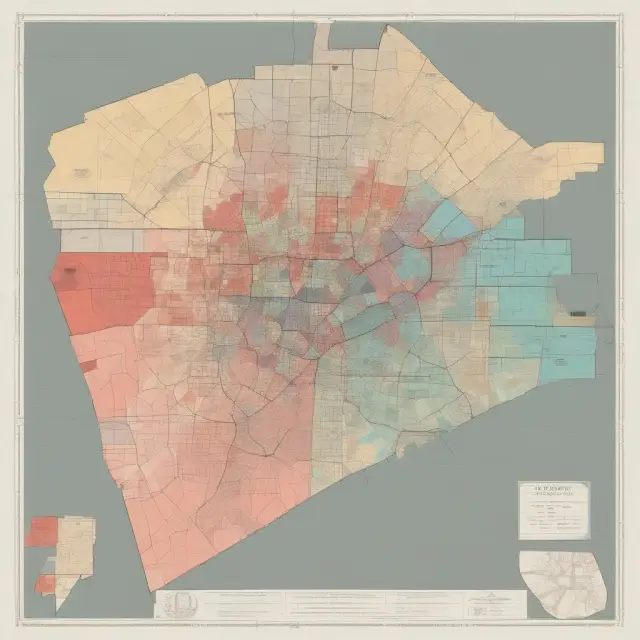
Zoning laws are governed by local authorities at either the county or city level. In the United States, there isn’t a singular entity responsible for overseeing zoning across the country; instead, it’s left to individual municipalities and counties to enforce their regulations. Depending on where you live, the control of zoning might lie with various offices, including zoning or land use departments.
Now that we’ve established who has the power to implement and enforce zoning laws, let’s discuss how these rules can be changed. While some argue that zoning is a permanent fixture in a community, change is possible as long as it falls within state and federal statutes. The process for requesting changes varies from one locale to another but typically entails several steps:
- Identify the appropriate entity responsible for enforcing zoning laws in your area and familiarize yourself with their procedures for seeking variances or rezoning.
- Gather necessary documentation, such as architectural plans, environmental impact assessments, and data supporting your proposed changes.
- Submit your application to the relevant office, following any specified requirements for filing fees and permits.
- Participate in public hearings and community meetings where neighbors and local officials discuss your proposal.
- Be prepared to provide compelling arguments and address potential concerns from stakeholders.
- If approved, work with the relevant authorities on implementing your zoning changes while adhering to any conditions imposed during the approval process.
In conclusion, understanding who controls zoning laws and how they can be changed is crucial for real estate investors and property owners alike. By staying informed of the regulations in place and following the proper procedures for requesting modifications, you’ll be better equipped to navigate the complex world of land use restrictions.
FAQs:
What entities are responsible for enforcing zoning laws?
Zoning laws are typically overseen by local authorities at the county or city level in the United States. Depending on where you live, zoning may be controlled by various offices, including a zoning or land use department.
How can I find out who is responsible for enforcing zoning laws in my area?
Contact your local planning and zoning office to learn about the specific entity responsible for overseeing zoning regulations where you live.
What are the steps to change a zoning regulation?
The process for changing a zoning regulation varies depending on the location. Generally, it involves identifying the appropriate entity, submitting an application with supporting documentation, participating in public hearings and community meetings, and working with authorities to implement the changes if approved.
Can I build on my property despite existing zoning restrictions?
Yes, but you may need to apply for a variance or rezoning depending on the specific regulations in place. Be prepared to provide compelling arguments and address any concerns from stakeholders during this process.

Legal Aspects of Zoning Laws: Impact on Property Ownership
Zoning laws play a significant role in property ownership by regulating the types of development and usage permitted within designated geographic areas. A common concern among property owners is how these regulations may prevent them from utilizing their land as intended, despite full ownership. Understanding zoning restrictions and seeking legal advice when necessary can help navigate potential issues.
Zoning Prevents Building on Property Despite Ownership
Property owners who intend to develop or build structures on their land may face restrictions imposed by zoning laws. These regulations prevent specific uses of the property, such as industrial development in residential areas or construction that exceeds height limitations. The result is that an owner may be unable to build on their property despite full ownership. This can lead to frustration and potential financial loss if the owner had plans for a different use or development.
Importance of Seeking Legal Advice
Property owners encountering zoning issues should seek professional legal advice from a real estate attorney or law firm specializing in land use and zoning regulations. An experienced legal expert can help navigate the complexities of zoning laws and provide guidance on available options for property development, potential variance applications, or challenging zoning decisions.
In conclusion, understanding the legal aspects of zoning laws is crucial for property owners to ensure they are aware of restrictions that could impact their plans and take appropriate measures to overcome any challenges. By seeking professional advice from a real estate lawyer, property owners can make informed decisions about their land usage and protect their investment in their property.
Key Takeaways
– Zoning laws prevent building on property despite ownership due to regulations on developmental and operational use of land within designated geographic areas.
– Property owners encountering zoning issues should seek professional legal advice from a real estate attorney or law firm specializing in land use and zoning regulations for guidance on available options and potential variance applications.

Case Studies and Best Practices in Zoning Laws
Zoning laws are integral to community planning and development. However, their implementation has been subject to criticisms regarding their impact on income inequality and social disparities. Here, we look at some case studies of successful zoning practices and discuss best practices for minimizing negative impacts.
Success Stories: Balanced Urban Planning
1. Seattle’s “Middle Housing” Zoning
Seattle’s ‘Middle Housing’ zoning initiative is a prime example of effective adaptation to modern urban challenges. The city has made changes to its zoning codes to allow for the construction of missing-middle housing types – townhouses, courtyard apartments, and other mid-density dwellings. These measures have been successful in increasing the supply of affordable housing while preserving the character of Seattle’s neighborhoods (Citylab, 2018).
2. Portland’s Inclusionary Zoning
Portland, Oregon has had a longstanding inclusionary zoning policy that requires new residential development projects containing more than twenty units to dedicate at least 10% of the new units as affordable housing for low-income families or set aside land for affordable housing development. This approach has been instrumental in preserving affordability and diversity within the city, making it a model for other urban areas (City of Portland, n.d.).
Best Practices: Incorporating Affordable Housing into Zoning Policies
1. Encouraging Mixed-Income Neighborhoods
Promote the creation of mixed-income neighborhoods by zoning for a balanced mix of residential and commercial properties, providing for different housing types at varying price points, and allowing access to amenities that serve all residents. This approach ensures that communities are not solely comprised of high- or low-income households but rather have a diverse population with a range of socioeconomic backgrounds (The Urban Institute, 2019).
2. Inclusionary Zoning Policies
Implementing inclusionary zoning policies can help ensure that new development projects contribute to affordable housing stock. This can be achieved by requiring developers to include a minimum percentage of affordable housing units within their developments or providing incentives for developers to do so (The Urban Institute, 2019).
3. Engaging Community Participation in Zoning Decisions
Encourage community involvement in the zoning process. Provide opportunities for residents and stakeholders to provide input on proposed changes, attend public hearings and workshops, and engage with city officials. This can help build trust between local governments and their constituents and foster a sense of ownership and investment in the community (The Urban Institute, 2019).
In conclusion, zoning laws have an immense impact on urban planning and development. Understanding best practices and case studies can help guide policymakers and community members toward balanced zoning policies that promote affordable housing, economic growth, and social equity. By prioritizing inclusive and collaborative approaches to zoning regulations, communities can effectively address socioeconomic disparities and build thriving, livable neighborhoods for all residents.

FAQs on Zoning Laws
What is zoning?
Zoning refers to local or municipal laws that determine how real property can be used within designated areas. These regulations aim to control the types of developmental and operational uses for land, protect residents’ quality of life, and maintain a community’s character.
How does zoning work?
Municipalities utilize zoning laws by partitioning districts or neighborhoods according to their master plan. These ordinances establish regulations on construction details, building heights, and the types of land use that are permissible within specific areas.
What are common zoning classifications?
Examples include residential (single-family and multiunit), commercial, light industrial, agricultural, industrial, or hotel/hospitality zones.
How can I find out who controls zoning in my area?
Zoning is usually governed at the county or city level. You may contact your local planning office or consult with a real estate attorney for specific information.
How do I apply for a variance to change zoning regulations?
The process for applying for a variance depends on your location; however, applicants are typically required to provide a clear explanation of why the variance is needed and how it will not significantly disrupt or negatively impact the surrounding community.
What is Coase’s Theorem, and how does it relate to zoning?
Coase’s Theorem, proposed by Nobel Prize-winning economist Ronald Coase, suggests that property disputes could be resolved through negotiations among parties without government intervention. However, in reality, zoning laws are often necessary due to the existence of transaction costs and the difficulty of reaching mutually beneficial agreements between stakeholders.
What critiques have been leveled against traditional zoning implementation?
Some critics argue that zoning contributes to socioeconomic disparities by creating segregated neighborhoods, perpetuating income inequality, and making residents overly dependent on cars. In response, modern zoning practices aim to adapt to growing populations and changing needs while minimizing these negative impacts.
Can I challenge a zoning regulation?
Yes, you can challenge zoning regulations through various means, such as appealing to your local government or seeking legal advice. The specific steps will depend on the nature of the issue and your location.
 Next entry · No. 5,927Understanding Z-Score in Finance and Investing: Calculation, Applications, and Significance
See also
-
 No. 5,925
19 Oct 2025
22 min
Understanding Zoning Ordinances: A Comprehensive Guide for Institutional Investors
Real Estate
-
 No. 1,572
06 Oct 2024
18 min
Understanding the Floor Area Ratio: A Key Metric for Urban Development and Real Estate Investment
Business Finance
-
 No. 5,675
28 Sep 2025
18 min
Understanding the Welfare and Pension Plans Disclosure Act (WPPDA) and its Impact on ERISA
Business Finance
-
 No. 5,245
23 Aug 2025
21 min
Understanding Uniform Individual Accident and Sickness Policy Provisions Act: Mandatory and Optional Clauses for Professional Investors
Insurance
-
 No. 3,917
07 May 2025
21 min
Understanding the USA PATRIOT Act: Implications for Finance and Investment Professionals
Business Finance
-
 No. 2,328
28 Dec 2024
19 min
Understanding Escrow: A Comprehensive Guide for Institutional Investors
Real Estate