Understanding the Multifaceted World of Digital Marketing for Institutional Investors

Explore the dynamic world of digital marketing for institutional investors in this comprehensive guide covering history, concepts, channels, strategies…
Introduction: What is Digital Marketing?
Digital marketing represents the new frontier in business promotion, leveraging digital channels to reach and engage with consumers. Encompassing various tactics such as websites, mobile devices, social media platforms, search engines, email, content, and more, this form of marketing is increasingly vital for companies looking to attract, retain, and grow their customer base. In essence, digital marketing refers to the application of technology-enabled marketing efforts, focusing on consumer engagement, data collection, analysis, and targeting.
As businesses continue to adapt to an ever-changing landscape, understanding digital marketing becomes crucial for success. This comprehensive section will delve deeper into various aspects of this dynamic field: its evolution, key concepts, channels, challenges, strategies, best practices, and future trends. Stay tuned as we explore the multifaceted world of digital marketing and shed light on how it shapes the way businesses connect with their audience.
Digital Marketing vs. Traditional Marketing: Digital marketing differs significantly from traditional marketing in its approach, reach, and measurability. Traditional marketing, including print ads, billboards, and television commercials, is limited to specific geographic locations and audiences. In contrast, digital marketing allows businesses to target consumers based on their interests, preferences, demographics, browsing history, and online behavior, maximizing the efficiency of ad spend and increasing the chances of converting prospects into customers.
Digital Marketing Channels: This section will explore various channels that form the foundation of digital marketing strategies. These include website marketing, pay-per-click advertising, content marketing, email marketing, social media marketing, affiliate marketing, video marketing, and SMS messaging. Each channel offers unique benefits and challenges; understanding their intricacies is key to crafting a successful marketing campaign.
Digital Marketing Challenges: While digital marketing presents numerous opportunities for businesses, it also comes with its share of challenges. Issues such as ad fraud, data privacy concerns, competition, consumer trust, and rapidly changing technologies necessitate continuous adaptation and innovation. This section will examine these challenges in depth and propose strategies to overcome them.
Digital Marketing Strategies: To thrive in the digital marketing landscape, businesses must implement effective strategies that resonate with their target audience. Key areas include content creation, social media engagement, search engine optimization, email marketing automation, personalization, and multichannel approaches. This section will discuss these strategies in detail, along with real-world examples of successful implementation.
Key Performance Indicators (KPIs) in Digital Marketing: Measuring the success of a digital marketing campaign is essential for optimizing performance and achieving desired outcomes. Key Performance Indicators (KPIs) provide valuable insights into various aspects of marketing efforts, such as reach, engagement, leads, sales, and customer satisfaction. This section will explore popular KPIs and their role in evaluating the effectiveness of digital marketing initiatives.
Digital Marketing Best Practices: To stay ahead of the curve, businesses must adhere to best practices in digital marketing. These include creating engaging content, optimizing for mobile devices, leveraging social media, ensuring data security, maintaining a strong online reputation, and utilizing automation tools. This section will discuss these best practices, along with practical tips on implementing them effectively.
Future Trends in Digital Marketing: The world of digital marketing is constantly evolving, with emerging technologies and trends reshaping the landscape. This section will examine future trends, including voice search, artificial intelligence, augmented reality, chatbots, influencer marketing, and blockchain technology, and discuss their potential impact on businesses and consumers alike.
By understanding these various aspects of digital marketing, you’ll gain a competitive edge in today’s digital economy and be well-equipped to develop successful marketing strategies that capture the attention of your target audience. Stay tuned as we dive deeper into each topic and explore the exciting world of digital marketing!

The Evolution of Digital Marketing
Digital marketing represents a significant shift in the way businesses connect with their customers and reach audiences. As an umbrella term for marketing activities that use digital technologies, channels, and devices, it has grown exponentially since the dawn of the internet age. Understanding the evolution of this dynamic field provides insights into its current state and future potential.
Origins: The Early Days of Digital Marketing
The roots of digital marketing can be traced back to the late 1990s when companies started exploring new ways to engage customers online. Initially, websites served as static billboards where businesses would showcase their products, services, and contact information. This era also marked the birth of search engines like Netscape, which enabled organizations to optimize their web presence by incorporating keywords to attract visitors.
First Wave: Email Marketing and Search Engine Optimization
As digital marketing evolved, companies began experimenting with new tactics. Email marketing emerged as an effective channel for reaching consumers directly through personalized messages. This was followed by search engine optimization (SEO), which focused on optimizing websites to rank higher in search engine results. By the mid-2000s, these two digital marketing approaches had become essential components of any comprehensive online strategy.
Second Wave: Social Media Marketing and Content Marketing
The advent of social media platforms like Facebook, Twitter, LinkedIn, and others marked the beginning of the second wave of digital marketing innovation. Social media allowed businesses to engage with customers in real-time, fostering two-way communication and building relationships. Content marketing, which involves creating and sharing valuable content to attract and retain a clearly defined audience, also gained popularity during this period.
Third Wave: Mobile Marketing and the Rise of Real-Time Interactions
With the growing use of smartphones and mobile devices, the third wave of digital marketing emerged. Companies began optimizing their websites and digital campaigns for mobile users, enabling seamless engagement across various devices. Real-time interactions became increasingly important, with businesses leveraging social media and messaging platforms to provide immediate assistance and personalized experiences.
Present Day: Continuous Innovation and Adaptation
Today’s digital marketing landscape is characterized by continuous innovation and adaptation to emerging technologies and user behavior trends. Companies are embracing new channels like voice search, augmented reality (AR), and artificial intelligence (AI) to engage consumers in unique ways. As consumer expectations evolve, digital marketers must stay agile and responsive to maintain a competitive edge.
In conclusion, the evolution of digital marketing has transformed the way businesses connect with customers and navigate the dynamic world of technology. From its origins as a novel online advertising channel to its current state as a critical component of overall marketing strategy, this ever-changing field promises exciting opportunities for growth and innovation.
Key Concepts in Digital Marketing
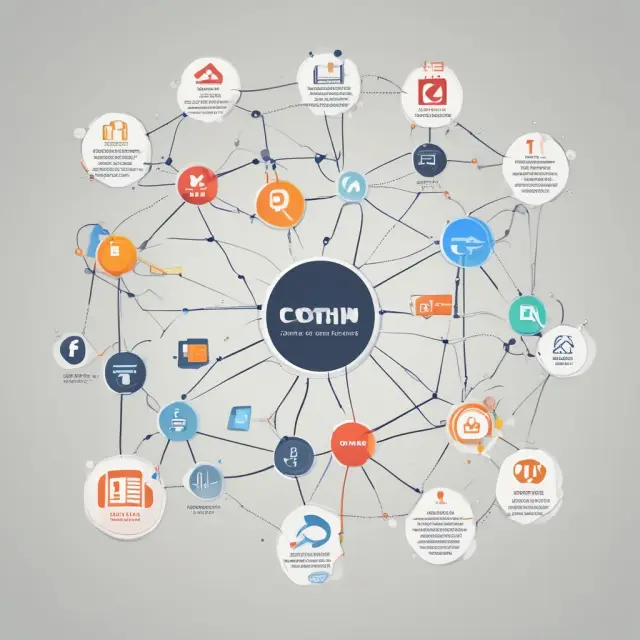
In the ever-evolving world of business and marketing, it’s essential to keep up with the latest trends and concepts. In this section, we will discuss the fundamentals of digital marketing, focusing on sources, receivers, and channels.
Sources
Sources are the entities that generate marketing messages or campaigns, often referred to as marketers or advertisers. The primary goal is to reach specific target audiences effectively by employing various digital channels.
Receivers
The term “receivers” refers to consumers who interact with these marketing efforts. Understanding your audience and their behaviors is crucial in developing successful marketing strategies tailored for each segment.
Channels
Digital marketing encompasses a variety of communication channels, including websites, social media, email, pay-per-click (PPC) advertising, content marketing, search engine optimization (SEO), and mobile applications. In the following sections, we will dive deeper into these essential digital marketing channels.
Website Marketing
A website is often the foundation of a comprehensive digital marketing strategy. Effective website design, fast load times, mobile-friendliness, and easy navigation are all critical elements in attracting and retaining visitors.
Pay-Per-Click Advertising (PPC)
Paid digital advertising provides businesses with an opportunity to reach their target demographics through platforms like Google, Bing, LinkedIn, Twitter, Pinterest, or Facebook. Campaigns can be fine-tuned based on audience demographics and interests for maximum impact.
Content Marketing
Content marketing is a powerful tool that focuses on creating and distributing valuable content to engage and attract potential customers. Blogs, ebooks, online courses, infographics, podcasts, webinars, and other mediums can all contribute to effective content marketing strategies.
Email Marketing
Email marketing remains an essential part of digital marketing efforts, allowing businesses to establish relationships with their subscribers through personalized and targeted messages. Email campaigns can effectively generate leads and convert them into loyal customers.
Social Media Marketing
With billions of active users, social media platforms offer unparalleled reach for brands looking to engage with consumers on a more personal level. Platforms like Facebook, Twitter, Instagram, LinkedIn, and TikTok provide numerous opportunities for businesses to build brand awareness, connect with their audience, and drive sales.
Affiliate Marketing
Affiliate marketing is an age-old strategy that has found new life in the digital age. In this arrangement, influencers promote other companies’ products or services and receive a commission on each sale generated through their efforts. This symbiotic relationship can lead to significant revenue growth for both parties involved.
Video Marketing
With the rise of YouTube as one of the most popular search engines, video marketing has become an essential component of any comprehensive digital marketing strategy. Platforms like Facebook Videos, Instagram, and TikTok provide ample opportunities to showcase products or services through engaging visual content that resonates with consumers.
SMS Messaging
Short Message Service (SMS) messaging offers businesses a direct line of communication with their customers, enabling them to send important information, promotions, or updates via text messages. This interactive channel provides an opportunity for real-time engagement and personalized customer service.

Types of Digital Marketing Channels
In the dynamic world of marketing, digital channels have emerged as game changers for businesses aiming to reach consumers effectively. While traditional marketing methods such as print and broadcast ads still hold relevance, digital marketing has evolved to become a distinct entity. In this section, we will explore eight primary types of digital marketing channels: website marketing, pay-per-click (PPC) advertising, content marketing, email marketing, social media marketing, affiliate marketing, video marketing, and SMS messaging.
1. Website Marketing
Your website is the foundation of your digital marketing efforts. It’s essential that your site effectively represents your brand, services, or products. A successful website is user-friendly, fast, and mobile-friendly. By focusing on these aspects, you can create a positive first impression for potential customers and make it easier to engage with your business.
2. Pay-Per-Click (PPC) Advertising
Pay-per-click advertising allows businesses to display ads on various digital platforms based on targeted keywords or demographics. Platforms like Google, Bing, LinkedIn, Twitter, Pinterest, and Facebook offer PPC campaigns that can help you reach your desired audience and generate leads or sales.
3. Content Marketing
Content marketing focuses on providing valuable information to potential customers through blogs, ebooks, online courses, infographics, podcasts, webinars, and more. By delivering high-quality content, you can attract and engage an audience, build trust, and ultimately convert leads into loyal customers.
4. Email Marketing
Email marketing is a powerful channel for reaching potential and existing customers. Rather than being perceived as spam, email marketing can effectively nurture relationships by delivering targeted messages and offers to subscribers. By growing your email list and implementing effective strategies, you can create customer acquisition funnels that convert leads into sales.
5. Social Media Marketing
Social media marketing aims to increase brand awareness and establish trust through platforms like Facebook, Instagram, LinkedIn, and Twitter. Promoted posts and tweets are just a few examples of social media marketing techniques that can help you reach your audience effectively and build a community around your brand.
6. Affiliate Marketing
Affiliate marketing is an old yet effective strategy that involves partnering with influencers to promote your products or services. By offering commissions for every sale generated through their efforts, you can incentivize affiliates to create content that showcases the value of your offerings and attract customers.
7. Video Marketing
With platforms like YouTube and social media channels offering video capabilities, video marketing has become a powerful tool for reaching potential customers. By integrating video content with SEO, content marketing, and broader social media marketing campaigns, you can effectively engage audiences and generate leads or sales.
8. SMS Messaging
SMS messaging provides a direct line of communication between businesses and their audience. Companies can use this channel to send promotional messages, special offers, or updates to subscribers via text message, providing an efficient and personalized way to keep customers engaged and informed.

Challenges and Opportunities in Digital Marketing
Digital marketing has evolved significantly since its early days, offering both challenges and opportunities for businesses. One of the most pressing challenges marketers face is standing out in a crowded digital landscape. With an increasing number of brands vying for consumers’ attention, it can be difficult to capture and retain their interest. Digital ad spend is projected to reach $400 billion by 2023, indicating that competition will only intensify (Statista, 2019).
However, digital marketing offers several benefits that set it apart from traditional marketing methods. One key advantage is the ability to target specific audience segments with personalized messages through various channels. According to research, 80% of consumers are more likely to make a purchase from a brand that provides personalized experiences (Marketo, 2019).
Another challenge for digital marketers is implicit bias, which can lead to ineffective campaigns or even harm a company’s reputation. Implicit biases can manifest in various forms, such as targeting specific demographics based on stereotypes, using insensitive language, or creating visual content that perpetuates harmful stereotypes. Brands must be aware of these issues and strive to create inclusive messaging and marketing strategies.
Despite these challenges, digital marketing provides numerous opportunities for businesses looking to expand their reach and engage with consumers on a deeper level. One opportunity is the use of data-driven decision making. Companies can collect and analyze vast amounts of customer data to understand consumer behavior, preferences, and trends, enabling them to create more effective campaigns and personalized experiences.
Another opportunity lies in multichannel marketing strategies. Consumers interact with brands through multiple touchpoints, and digital marketing allows businesses to connect with them across channels such as email, social media, mobile apps, websites, and search engines. By offering consistent messaging and a seamless customer experience across channels, businesses can build strong relationships with their audience and increase engagement and loyalty.
Effective digital marketing strategies involve leveraging the power of data, creating engaging content, and providing personalized experiences. Marketers must stay up-to-date on emerging trends and technologies to remain competitive in this rapidly evolving landscape. By addressing the challenges and capitalizing on the opportunities, businesses can maximize their impact and drive growth through digital marketing channels.
In conclusion, digital marketing presents both challenges and opportunities for businesses. While it can be difficult to stand out in a crowded digital space, businesses that embrace data-driven decision making, multichannel strategies, and inclusive messaging can thrive and engage with consumers on a deeper level. By staying informed about emerging trends and technologies, companies can remain competitive and maximize their impact in the ever-evolving digital marketing landscape.

Strategies for Success in Digital Marketing
Digital marketing has emerged as a crucial aspect of business success in the modern world. Companies now rely on digital channels to reach consumers and grow their market share. In this section, we explore effective strategies for succeeding in digital marketing. These strategies include data-driven decisions, personalization, and multichannel approaches.
Data-Driven Decisions
A data-driven approach is essential in the ever-evolving digital marketing landscape. Marketers can gather valuable insights from user behavior and demographic information by analyzing digital data. This data can be used to optimize campaigns, target specific audiences, and measure success. Key Performance Indicators (KPIs) such as click-through rate (CTR), conversion rate, and bounce rate help marketers track progress towards their goals.
Personalization:
Personalized marketing is another effective strategy for digital marketers. Tailoring content and messaging to individual user preferences can significantly increase engagement and conversions. Personalization can be achieved through segmented email campaigns, dynamic website content, and targeted social media ads. Understanding the customer journey and their needs at each stage is vital to creating personalized experiences.
Multichannel Approaches
Reaching consumers across multiple digital channels allows marketers to create a cohesive brand experience. A multichannel approach includes website marketing, pay-per-click advertising, content marketing, email marketing, social media marketing, affiliate marketing, video marketing, and SMS messaging. By utilizing various channels, companies can capture the attention of their target audience at multiple touchpoints and increase overall engagement.
Data-Driven Decisions: The use of data is essential for digital marketers to succeed in a world where consumers are increasingly in control. Data provides insights into user behavior and preferences, allowing businesses to optimize campaigns and reach their intended audiences more effectively. By analyzing data from sources like website analytics, social media, email marketing, and search engines, marketers can make informed decisions that lead to increased conversions and higher ROI.
Personalization: Personalization is a powerful strategy for digital marketers looking to stand out in an oversaturated marketplace. By tailoring messaging, content, and offers to individual users, businesses can create more engaging experiences that resonate with consumers and increase conversions. This personalized approach can be achieved through segmented email campaigns, dynamic website content, and targeted social media ads. Understanding the customer journey and their needs at each stage is crucial for delivering relevant and valuable experiences.
Multichannel Approaches: In today’s digital world, consumers interact with brands across multiple channels. By employing a multichannel approach, businesses can reach consumers at various touchpoints and create a cohesive brand experience. This approach includes website marketing, pay-per-click advertising, content marketing, email marketing, social media marketing, affiliate marketing, video marketing, and SMS messaging. By utilizing various channels, companies can capture the attention of their target audience and increase overall engagement, ultimately driving conversions and revenue growth.

Key Performance Indicators (KPIs) in Digital Marketing
Understanding the Role of KPIs and Measuring Digital Marketing Success
As digital marketing has grown to become a crucial aspect of business growth, it is essential for companies to measure their success in this arena. Key Performance Indicators (KPIs), metrics that quantify critical aspects of marketing efforts, are integral to evaluating the performance and effectiveness of digital marketing strategies. In this section, we will delve deeper into how KPIs help determine digital marketing success and discuss some commonly used indicators.
The Importance of Setting Digital Marketing Goals
Before diving into specific KPIs, it is crucial to understand that setting clear digital marketing goals is an essential precursor to implementing effective measurement strategies. Companies must identify their unique business objectives and align their KPIs with those goals. A few common digital marketing objectives include:
- Building brand awareness
- Generating leads
- Increasing sales
- Improving customer engagement
- Enhancing customer loyalty
Once marketing goals have been established, it is time to focus on the metrics that can provide valuable insights into progress towards those objectives.
Commonly Used KPIs in Digital Marketing
1. Click-Through Rate (CTR)
CTR measures the percentage of users who click on an advertisement or call-to-action (CTA) after being exposed to it. A higher CTR indicates that an ad or marketing message is resonating with its target audience, as more individuals are engaging and taking action.
2. Conversion Rate (CVR)
CVR represents the percentage of users who complete a desired action, such as making a purchase, filling out a form, or subscribing to a newsletter, after clicking on a link or interacting with content. A higher CVR suggests that marketing efforts are driving significant user engagement and conversion.
3. Bounce Rate
Bounce rate refers to the percentage of users who leave a website or landing page immediately after arriving without taking any further action. A high bounce rate can be indicative of poor user experience, unengaging content, or other factors that deter users from exploring further.
4. Cost Per Click (CPC)
CPC measures the amount of money spent on each click an advertisement receives. This metric is critical for evaluating the cost-effectiveness of various digital marketing campaigns and can help determine which channels or campaigns deliver the best return on investment (ROI).
5. Return on Investment (ROI)
ROI represents the net profit gained from a particular marketing campaign compared to the initial investment made in it. A positive ROI indicates that the campaign was successful in generating revenue above its cost, while a negative ROI suggests that further optimization or adjustments are necessary.
In conclusion, KPIs play an integral role in measuring digital marketing success and informing strategic decision-making. By understanding the objectives, implementing appropriate metrics, and regularly reviewing and analyzing data, businesses can optimize their digital marketing efforts to drive growth and achieve their goals.
Best Practices for Digital Marketing
In today’s digital landscape, creating effective marketing campaigns requires a solid understanding of best practices. Below we outline some of the most critical aspects of successful digital marketing.
1. Engaging Content
Creating content that resonates with your audience is vital to standing out in a crowded digital space. Crafting compelling narratives and visually appealing designs can help capture the attention of potential investors. Moreover, incorporating storytelling techniques can engage users on an emotional level, making it more likely they’ll remember your brand.
2. Social Media Leverage
Maximizing your presence on social media is essential for effective digital marketing strategies. Engaging with your audience in real-time and building a strong community around your brand can foster organic growth and increase brand loyalty. Regularly posting timely, relevant content tailored to each platform’s unique features will help keep your audience engaged.
3. Mobile Friendliness
With mobile usage continuing to grow exponentially, ensuring that your marketing materials are optimized for mobile devices is crucial. This includes designing user-friendly websites and creating mobile ads that load quickly, as slow-loading content can significantly deter potential investors.
4. Personalization
Personalizing marketing efforts to address the specific needs and interests of your audience can help build stronger connections with your investor base. Utilizing data analytics tools to understand user behavior and preferences can inform targeted messaging and campaign strategies.
5. Data-Driven Decisions
Data is essential for making informed decisions in digital marketing. Analyzing key performance indicators (KPIs) such as click-through rates, conversion rates, and bounce rates can help gauge the success of your campaigns and identify areas for improvement. Continuously monitoring and adjusting strategies based on data insights ensures that you remain competitive in the ever-evolving digital landscape.
6. Multichannel Approach
Employing a multichannel approach is vital to reaching a diverse audience across various platforms. This includes developing integrated campaigns that span social media, email marketing, content marketing, and paid advertising. A cohesive brand message can help increase recognition and retention among potential investors.
By focusing on these best practices, institutional investors can optimize their digital marketing strategies and effectively connect with their audience in today’s fast-paced digital world.

Future Trends in Digital Marketing
As digital marketing continues to evolve and reshape the world of business, several emerging trends are transforming the way marketers reach and engage consumers. In this section, we’ll explore some of these future trends that are shaping digital marketing.
1. Voice Search: With the growing popularity of voice assistants like Amazon’s Alexa, Apple’s Siri, Google Assistant, and Microsoft Cortana, optimizing websites for voice search is becoming increasingly essential. Voice queries differ from text-based searches due to their conversational nature, making it crucial for businesses to adapt their content and SEO strategies accordingly.
2. Augmented Reality (AR) and Virtual Reality (VR): AR and VR technologies allow marketers to create immersive experiences that go beyond traditional digital marketing channels. Brands can use these tools to offer product demonstrations, virtual tours, or interactive advertising campaigns to captivate consumers and differentiate themselves from competitors.
3. Artificial Intelligence (AI) and Machine Learning: AI and machine learning are revolutionizing various aspects of marketing, from predictive analytics to personalized customer experiences. These technologies enable marketers to understand consumer behavior, anticipate trends, and tailor their strategies for maximum impact.
4. Omnichannel Marketing: With consumers engaging with brands across multiple channels—social media, websites, email, mobile devices, and more—marketers must develop integrated marketing strategies that offer a seamless experience across all touchpoints. This approach ensures that customers receive consistent brand messaging, personalized experiences, and timely engagement at every interaction.
5. Influencer Marketing 2.0: Traditional influencer marketing is evolving into more authentic and ethical partnerships between brands and influencers. Brands are now focusing on building long-term relationships with creators who align with their values and target audience, resulting in more meaningful collaborations that resonate with consumers.
6. Conversational Marketing: As consumers increasingly turn to chatbots for quick and personalized interactions, conversational marketing is becoming a crucial component of digital marketing strategies. Brands can use chatbots or messaging apps to engage with customers, offer personalized recommendations, and improve overall customer experience.
7. Dark Social: While it may seem counterintuitive, dark social—or the sharing of content through private channels like email, messaging apps, and social media direct messages—is an essential trend to consider. Marketers should understand that not all traffic is created equal and develop strategies for measuring and capturing data from these sources.
8. Privacy and Security: As consumers become more conscious about their online privacy and security, businesses must adapt their digital marketing strategies to address these concerns. Transparent data collection practices, clear communication around user data, and strong security measures will be crucial elements in building consumer trust.
In conclusion, staying informed about emerging trends in digital marketing is essential for companies looking to succeed in today’s competitive landscape. By embracing voice search, AR/VR technologies, AI, omnichannel marketing, influencer partnerships, conversational marketing, dark social, and privacy concerns, businesses can create innovative, effective, and engaging strategies that resonate with consumers and set them apart from competitors.

Frequently Asked Questions (FAQ)
In the ever-evolving world of digital marketing, it is natural for investors and businesses alike to have questions regarding its significance, potential challenges, and best practices. In this section, we address some common concerns and queries about this vital aspect of modern business strategy.
Question 1: What is the difference between digital marketing and traditional marketing?
Answer: Digital marketing refers to utilizing various digital channels—such as websites, social media platforms, search engines, email, and mobile applications—to engage with customers and promote products or services. Traditional marketing, on the other hand, includes older methods like print advertisements, TV commercials, and radio broadcasts.
Question 2: How does digital marketing benefit institutional investors?
Answer: Digital marketing offers numerous advantages for institutional investors. By effectively leveraging digital channels, investors can reach larger audiences, collect valuable data, personalize communication, and target specific demographics more precisely than with traditional methods. Additionally, digital marketing campaigns provide the ability to track performance in real-time, allowing for ongoing optimization and improved return on investment (ROI).
Question 3: What are some of the challenges faced in digital marketing?
Answer: Digital marketing faces several challenges, such as adapting to rapid technological changes, staying updated with algorithm updates from search engines and social media platforms, handling data privacy concerns, and overcoming consumer skepticism towards online advertising. To overcome these hurdles, marketers must stay informed about industry trends, adopt innovative strategies, and prioritize user experience.
Question 4: How do I measure the success of my digital marketing campaigns?
Answer: Digital marketing success can be measured through various key performance indicators (KPIs), such as click-through rates, conversion rates, bounce rates, social media engagement metrics, and email open/click-through rates. These KPIs offer valuable insights into campaign performance and allow for ongoing optimization and improvement.
Question 5: What are best practices for digital marketing?
Answer: Best practices in digital marketing include creating high-quality and engaging content, optimizing websites for search engines (search engine optimization or SEO), utilizing multichannel marketing strategies, focusing on user experience, and ensuring that all marketing efforts adhere to ethical guidelines. Additionally, marketers should prioritize data analysis and leveraging customer insights to personalize their messaging for maximum impact.
Question 6: How does digital marketing impact privacy?
Answer: Digital marketing relies heavily on collecting and processing user data to provide targeted content and improve overall advertising effectiveness. It is essential that businesses adhere to applicable privacy laws, regulations, and ethical guidelines when handling this sensitive information. This includes obtaining necessary consent, providing transparency about data usage, and implementing robust security measures to protect against potential breaches.
Question 7: Is digital marketing ethical?
Answer: Ethics in digital marketing is an essential concern for businesses. Transparent business practices, adherence to privacy regulations, clear labeling of sponsored content, avoiding manipulative tactics, and providing value to consumers are all crucial components of ethical digital marketing. By focusing on these aspects, businesses can build trust with their audience and establish a strong brand reputation.
 Next entry · No. 1,024Understanding Digital Money: Central Bank Digital Currencies, Cryptocurrencies, and Stablecoins
See also
-
 No. 3,111
01 Mar 2025
23 min
Marketing Plan: Understanding How to Create an Effective Marketing Strategy for Your Business
Business Strategy
No. 3,111
01 Mar 2025
23 min
Marketing Plan: Understanding How to Create an Effective Marketing Strategy for Your Business
Business Strategy -
 No. 812
13 Jun 2024
20 min
Understanding Cost Per Thousand (CPM): The Essential Guide for Institutional Investors
Markets
No. 812
13 Jun 2024
20 min
Understanding Cost Per Thousand (CPM): The Essential Guide for Institutional Investors
Markets -
 No. 641
12 May 2024
24 min
Maximizing Shareholder Value through Effective Cash Flow Management
Corporate Finance
No. 641
12 May 2024
24 min
Maximizing Shareholder Value through Effective Cash Flow Management
Corporate Finance -
 No. 288
09 Apr 2024
16 min
Understanding Average Inventory: A Comprehensive Guide for Institutional Investors and Business Professionals
Business Strategy
No. 288
09 Apr 2024
16 min
Understanding Average Inventory: A Comprehensive Guide for Institutional Investors and Business Professionals
Business Strategy -
 No. 350
11 Apr 2024
21 min
Banner Advertising 101: Understanding the Basics of Online Display Advertising
Marketing & Digital Marketing
No. 350
11 Apr 2024
21 min
Banner Advertising 101: Understanding the Basics of Online Display Advertising
Marketing & Digital Marketing -
 No. 5,659
27 Sep 2025
20 min
Web Syndication: A Powerful Marketing Strategy for Content in Finance and Investment
Business Strategy
No. 5,659
27 Sep 2025
20 min
Web Syndication: A Powerful Marketing Strategy for Content in Finance and Investment
Business Strategy