Understanding Trading Halts: A Comprehensive Guide

Understanding the ins and outs of trading halts: regulatory vs non-regulatory, market-wide circuit breakers, international markets, compliance, tax…
Introduction to Trading Halts
A trading halt, also known as a trading pause, refers to the temporary suspension of trading for a specific security or securities on one exchange or multiple exchanges. The purpose of a trading halt is to preserve market orderliness and protect investors from rapid price movements that could potentially create significant financial consequences. Trading halts can be triggered by regulatory bodies or occur as a result of non-regulatory factors. In this article, we will explore the concepts behind trading halts, their causes, implications, and best practices for handling them.
Trading halts are distinct from regulatory suspensions ordered by the Securities and Exchange Commission (SEC), which may halt public trading in a stock for up to 10 days due to concerns about a company’s listing standards or the protection of investors and the public interest. Trading halts can be categorized as either regulatory or non-regulatory:
Regulatory Halts
A regulatory trading halt is implemented when there is uncertainty regarding a security’s continued compliance with exchange listing requirements. This temporary halt allows market participants to assess significant news, such as regulatory decisions, mergers and acquisitions, restructuring announcements, or changes in management. The halt ensures that all investors have equal access to information before trading resumes. In the United States, a regulatory halt in a security by its primary exchange is automatically adopted by other U.S. exchanges, effectively preventing insider trading and maintaining market fairness.
Non-Regulatory Halts
Non-regulatory trading halts are implemented to address order imbalances between buy orders and sell orders for a particular stock, typically on the New York Stock Exchange (NYSE) but not Nasdaq. These halts may last only a few minutes until balance is restored, and they occur when there is an excessive number of buy or sell orders relative to the current market depth. Companies often issue significant news after the market closes to prevent the imbalance and potential trading halt at the market opening.
In this section, we will further delve into the workings of regulatory and non-regulatory halts, their differences, triggers, and implications for investors. Stay tuned for more insights on understanding trading halts and best practices to navigate them effectively in your investment strategies.
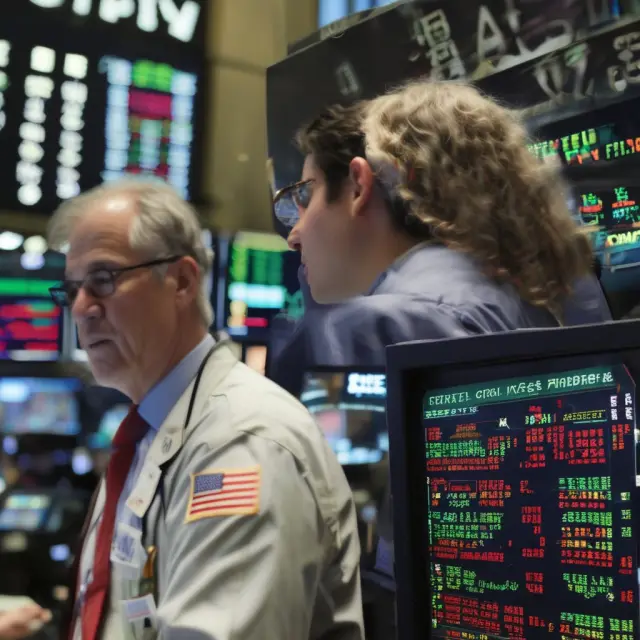
Regulatory Trading Halts
A regulatory trading halt refers to the temporary suspension of trading for a security following significant news events, corporate actions, regulatory decisions, or legal developments that may impact its price and affect market participants’ investment decisions. The primary objective of a regulatory trading halt is to provide investors with equal access to relevant information and prevent potential insider trading and manipulation by enabling all market participants to evaluate the news before the stock resumes trading.
Regulatory trading halts are typically implemented by exchanges or securities regulators such as the Securities and Exchange Commission (SEC) in response to various events that warrant a halt. Some common reasons for regulatory trading halts include:
– Anticipation of news announcements, such as new drug approvals, mergers and acquisitions, or regulatory decisions.
– Corporate actions like restructuring, spinoffs, or share buybacks.
– Regulatory or legal proceedings that may significantly affect a company’s operations or financial condition.
– Changes in management or control.
When a trading halt is imposed on a security by its primary exchange, it is automatically honored by other major U.S. exchanges to ensure consistency and avoid confusion for market participants. The length of the halt can vary depending on the nature and significance of the event. In some cases, trading may resume within minutes after the announcement or development, while in others, a more extended halt may be required to allow adequate time for investors to absorb the news and assess its potential impact on the security’s price.
The SEC has the power to impose a suspension of trading in any publicly traded stock for up to ten days under U.S. securities law if it believes that continued trading poses a risk to investors. Such suspensions are typically applied when companies fail to file periodic reports, like quarterly or annual financial statements, which can jeopardize the integrity of the market and provide inaccurate information to the public.
Understanding the purpose and implications of regulatory trading halts is crucial for individual investors, portfolio managers, and traders alike. By being aware of the reasons behind these halts, investors can adjust their strategies accordingly and minimize potential losses or missed opportunities. In the following sections, we will discuss non-regulatory trading halts, market-wide trading halts (circuit breakers), preparing for trading halts, and their international counterparts to provide a comprehensive understanding of this important aspect of securities markets.

Non-Regulatory Trading Halts
A non-regulatory trading halt serves a unique purpose in the financial markets, aiming to correct an order imbalance that may lead to instability and inconsistencies within the market. Unlike regulatory halts, which are typically implemented due to significant news events or compliance issues, non-regulatory halts are used by exchanges to restore balance between buy and sell orders.
The Role of Exchanges in Non-Regulatory Halts:
When a large imbalance between buy and sell orders develops prior to the market opening, an exchange may choose to institute a trading halt or an opening delay. These measures help ensure that all investors have equal access to information and prevent any one investor from gaining an unfair advantage. The New York Stock Exchange (NYSE), for example, has the ability to impose non-regulatory halts, while Nasdaq does not.
Understanding Order Imbalances:
Order imbalances arise when there is a significant discrepancy between the number of buy orders and sell orders for a particular security. This situation can potentially result in large price swings once trading resumes due to market participants attempting to fill their orders at the prevailing prices, potentially creating an unfair advantage for some investors. A non-regulatory trading halt temporarily halts trading activity to allow time for the order imbalance to be addressed and restored, ensuring fairness and stability in the market.
Examples of Instances When Non-Regulatory Halts Might Occur:
Non-regulatory trading halts can occur when a company releases sensitive information leading up to the market opening, creating an imbalance between buy and sell orders. In such instances, an exchange may decide to halt trading to allow all investors equal access to the information before resuming normal trading activity. Additionally, technical glitches or errors in market data reporting can cause order imbalances that necessitate a trading halt until the issue is resolved.
The Difference Between Non-Regulatory and Regulatory Halts:
Non-regulatory halts differ from regulatory halts, which are typically imposed by securities regulators to address compliance issues or major news events affecting individual securities or entire markets. Non-regulatory halts are more commonly used to correct order imbalances that could potentially result in price swings and market instability. Regulatory trading halts, on the other hand, may be imposed due to concerns over the financial stability of a company or broader market developments.
The Bottom Line:
Trading halts serve an essential role in ensuring fairness and stability within the financial markets. By understanding both regulatory and non-regulatory trading halts, investors can better navigate the complex world of stock exchanges and make more informed decisions regarding their investments. Whether you’re a seasoned investor or just starting out, familiarizing yourself with these concepts is crucial for maximizing your potential returns while minimizing risks.

Market Wide Trading Halts (Circuit Breakers)
A market-wide trading halt, also known as circuit breakers, is a mechanism designed to prevent significant stock exchange instability by suspending trading temporarily when specific threshold levels are reached. Circuit breakers serve to protect both investors and exchanges from excessive volatility and potential market panic. These halts are primarily triggered by sudden price movements in the S&P 500 index, ensuring a more orderly market environment.
Three different levels of circuit breakers apply depending on the magnitude of the decline: Level 1, Level 2, and Level 3. Each level triggers a halt of varying length to allow time for market participants to react and absorb new information.
Level 1 Halts: A 7% decline from the prior day’s closing price within the first 30 minutes of trading generates a Level 1 halt. This results in a trading pause lasting 15 minutes. Once the halt concludes, trading resumes at the market-open price.
Level 2 Halts: A more substantial 13% decline from the previous day’s closing price within the first hour of trading triggers a Level 2 halt. This results in a longer trading suspension of 15 minutes, followed by a five-minute trading phase where prices may trade between a minimum and maximum price range. Once this phase is complete, trading resumes at the market-open price or an adjusted price if required.
Level 3 Halts: The most extreme event, a 20% decline from the prior day’s closing price, results in a Level 3 halt. This halt suspends trading for the remainder of the trading day to prevent further volatility and potential panic selling. Market-wide halts can significantly impact options traders as well. During a halt, all open option orders are considered unfilled, while existing options contracts remain unaffected and continue to be tradable.
These circuit breaker rules were established by the Securities and Exchange Commission (SEC) and U.S. exchanges to protect investors from potential losses due to sudden price swings and maintain market stability.

Preparing for a Trading Halt
A trading halt can significantly impact portfolio managers and traders, with potential consequences ranging from missed opportunities to increased risk and losses. Being prepared is essential for mitigating these risks and minimizing the adverse effects of a trading halt. In this section, we discuss strategies and best practices for adjusting investment strategies during a trading halt.
Understanding the Implications
Trading halts can be triggered by various reasons such as regulatory concerns, order imbalances or market-wide events like circuit breakers. It is crucial to assess the potential implications of each situation on your portfolio:
1. Regulatory halts may result from material news that could impact the price of a security, giving investors ample time to evaluate its significance and adjust their positions accordingly. However, being caught off-guard can lead to missed opportunities or increased risk.
2. Trading halts due to order imbalances, like a surge in buy or sell orders, may prevent market participants from executing their desired trades. This situation highlights the importance of monitoring market activity closely and adjusting strategies accordingly to minimize potential losses.
Strategies for Mitigating Risks and Losses
To cope with trading halts effectively, consider implementing these strategies:
1. Stay informed: Keep a close eye on news and updates related to your investments and the broader market, especially when critical events are anticipated or ongoing. Staying alert allows you to react promptly to changes and make informed decisions.
2. Adjust trading frequency: Reduce the frequency of placing orders during periods of heightened volatility or uncertainty. This strategy can help minimize the risk of entering a trade just before a halt is announced, potentially saving you from losses or missed opportunities.
3. Leverage alternative investment vehicles: Consider investing in exchange-traded funds (ETFs) or other alternative investment vehicles that offer more liquidity and flexibility during trading halts. These instruments may allow portfolio managers to maintain exposure to the desired assets while minimizing the impact of trading halts on their overall strategy.
Best Practices for Adjusting Investment Strategies
During a trading halt, adhere to the following best practices:
1. Review your portfolio regularly and consider adjusting positions accordingly based on market conditions and news developments. This practice can help ensure you remain well-positioned when trading resumes.
2. Consider utilizing limit orders to manage risk during volatile markets or anticipate potential price movements. Limit orders enable investors to set a specific price at which they want to enter or exit a position, providing greater control over their investments.
3. Maintain open communication with your broker or investment firm to stay informed about market conditions and any updates related to trading halts or other potential disruptions. This proactive approach can help you make informed decisions and react promptly when the markets reopen.

Trading Halts in International Markets
Trading halts serve an essential purpose in maintaining orderly markets and ensuring fairness for all investors, not just those within the United States. While regulatory trading halts are primarily associated with U.S. securities exchanges, international markets also employ similar mechanisms to address various situations that can disrupt normal market activity.
International Trading Halts – An Overview
When examining international trading halts, it is crucial to understand that different countries and exchanges have their own regulations, structures, and practices. However, there are some commonalities between how these markets deal with trading suspensions or halts.
First, let us define the term “trading halt” in the context of international markets: A trading halt refers to a temporary interruption in buying and selling activities for one or more securities across multiple exchanges, typically due to significant news events or market conditions. Similar to U.S. trading halts, these suspensions can be regulatory or non-regulatory in nature.
Regulatory Halts – Similarities and Differences
Much like the U.S., international regulators employ regulatory trading halts when there is a need for further investigation or assessment of critical information that may impact the markets. For example, if a European company announces an unexpected takeover bid, its shares will likely be halted on all major exchanges to ensure fairness and allow time for due diligence. In this case, trading halts serve to level the playing field between all investors, ensuring that everyone has equal access to relevant information before making any investment decisions.
While the principles behind regulatory trading halts remain similar across different markets, there are some notable differences in their implementation. For instance, European markets have a more centralized approach, with national regulators working together through organizations like the European Securities and Markets Authority (ESMA). This collaboration streamlines the process of implementing market-wide trading suspensions when needed.
Impact on Institutional Investors
The impact of international trading halts on institutional investors can be significant. As these investors typically deal with large volumes, they may find it challenging to execute trades during a halt, potentially disrupting their portfolio management strategies. To mitigate the risks and losses associated with trading halts, institutional investors often employ various strategies such as hedging, diversification, and careful monitoring of news flow.
In conclusion, trading halts are a crucial tool for maintaining fairness and orderly markets in both domestic and international contexts. By understanding how they operate in different markets and the impact on investors, we can better navigate the complexities of global capital markets.

Trading Halts and Regulatory Compliance
When it comes to trading halts, investors need to understand their regulatory implications to ensure they remain compliant with both exchange rules and SEC regulations. Trading halts are a crucial component of maintaining the integrity of financial markets by providing market participants with equal access to important information and preventing insider trading. In this section, we delve into the intricacies of regulatory compliance during trading halts, focusing on the role of the Securities and Exchange Commission (SEC) and its regulations.
Under U.S. securities law, there are two primary types of trading halts: regulatory and non-regulatory. Let’s explore each type in detail:
Regulatory Trading Halts: Regulatory trading halts are imposed when there is doubt as to a security’s continued listing standards or the dissemination of significant news affecting the stock. The Securities Exchange Act of 1934 grants the SEC the power to suspend trading in any publicly traded company if it believes the investing public is put at risk by continued trading. Such suspensions can last up to ten days, giving market participants ample time to assess the implications of the news or regulatory decision. Examples include FDA decisions on new drug applications, corporate acquisitions and restructurings, regulatory or legal decisions, and changes in management.
Non-Regulatory Trading Halts: Non-regulatory trading halts are used by exchanges to correct a large imbalance between buy and sell orders. For instance, the New York Stock Exchange (NYSE) may implement such halts to restore order balance following significant news events or sudden market developments. These halts typically last no more than a few minutes until the imbalance is rectified. Companies often wait until the market closes to release sensitive information to prevent a large imbalance between buy orders and sell orders at the market opening.
When it comes to regulatory compliance during trading halts, it’s essential for investors to understand the following aspects:
1. Understanding Exchange Rules: Investors must comply with exchange rules regarding trading halts. They should monitor the exchanges they trade on closely for announcements and updates related to trading halts.
2. SEC Regulations: The SEC’s role during trading halts revolves around ensuring fairness, transparency, and orderly markets. The Commission has the power to intervene if it believes the public interest requires a suspension. However, this is typically an extraordinary measure used in extreme circumstances.
3. Preparing for Trading Halts: Investors should be prepared for trading halts by having contingency plans in place, such as understanding alternative trading systems and having access to real-time market data during a halt.
4. Communication with Brokers: Keeping open lines of communication with your broker is essential during trading halts. They can provide valuable insights into the situation and help investors navigate any potential challenges that may arise.
5. Staying Informed: Stay informed about news events, regulatory decisions, and company announcements that could lead to a trading halt. This will enable investors to make informed decisions and adjust their strategies accordingly.
In conclusion, understanding trading halts and their regulatory implications is crucial for any investor or market participant. By being aware of the rules, staying informed, and preparing for potential trading halts, you can minimize risks and maximize opportunities in your investment strategy.

Trading Halts and Tax Implications
When a trading halt occurs, investors may wonder what happens to their open orders and how they will be affected from a tax perspective. Let’s explore the implications of trading halts on taxes for institutional investors.
A Trading Halt and Open Orders
When a trading halt is initiated, all new orders are rejected while existing open orders remain in effect unless canceled by their owners or modified. If an order is not filled during the halt, it remains active, allowing traders to resume placing bids and offers once trading resumes. However, depending on exchange rules, some open orders may be automatically cancelled when a trading halt ends.
For example, the New York Stock Exchange (NYSE) cancels all open limit orders during a halt but preserves market orders and stop-market orders. Market orders execute at the best available price in the market, whereas limit orders specify a desired price, making them more complex to handle during a halt. By canceling some open orders, exchanges ensure a smoother transition back to regular trading conditions when the halt is lifted.
Tax Implications of Trading Halts
The tax consequences of trading halts depend on the investor’s position – whether they are holding a long or short position in their securities. Generally, capital gains and losses occur when an asset is sold for more (a capital gain) or less (a capital loss) than its cost basis. A capital gain or loss is recognized for tax purposes when the transaction is completed.
If trading resumes before an investor sells their holdings during a halt, they will pay taxes on any realized gains or losses from sales made after the halt. However, if trading remains halted and the investor decides to close out their position by selling at the next available price after the halt, that transaction will determine their tax liability.
Strategies for Managing Tax Consequences
To minimize tax implications during a trading halt, investors can employ various strategies depending on their objectives and risk tolerance:
- Monitor market conditions and price movements before and after the halt to ensure they make informed decisions about their positions.
- Consider averaging down or up by purchasing additional securities at lower prices (or higher prices, in the case of a short sale) during the halt if it aligns with their investment strategy.
- Implementing an offsetting trade where an investor sells a security and simultaneously buys another to maintain a similar risk profile can be helpful when managing tax consequences. This approach minimizes capital gains taxes while potentially preserving overall portfolio value.
- For those who believe the halt indicates significant market volatility, they may choose to temporarily adjust their investment strategy, such as reducing exposure to the affected security until stability returns.
- Investors can also consider using stop-loss orders to limit potential losses or take profits automatically when specific price targets are reached. This approach may help investors capitalize on favorable tax implications while minimizing risks during trading halts.

Conclusion: Best Practices and Future Considerations
As we’ve explored in this comprehensive guide, trading halts serve an essential function in ensuring the integrity and fairness of financial markets while mitigating potential risks for investors. Understanding the various types of trading halts – regulatory and non-regulatory, as well as market-wide circuit breakers – is crucial to navigating the complex world of finance.
To effectively manage risks associated with trading halts, investors can employ best practices such as:
- Staying informed about news events affecting securities or indices that may trigger a halt.
- Being aware of potential regulatory and regulatory developments that could impact your investments.
- Implementing strategies to minimize the financial impact of a trading halt, such as hedging positions or adjusting investment strategies.
- Ensuring compliance with exchange rules and SEC regulations during a trading halt.
- Understanding tax implications for both open orders and options during a halt.
- Staying updated on market news and trends to anticipate potential imbalances that could result in a non-regulatory trading halt.
Looking ahead, it is important to consider the potential future developments in trading halts, such as increased automation, advancements in technology, and the evolving role of regulatory agencies in managing these events. By staying informed and prepared, investors can effectively navigate the ever-changing landscape of financial markets and make well-informed decisions even during uncertain times.
FAQs:
What is the difference between a trading halt and a suspension?
A trading halt refers to a temporary stoppage in trading for a particular security or securities at one exchange, while a suspension involves a regulatory action that halts trading for 10 days or longer for a stock across all exchanges under SEC regulations.
How long does a typical trading halt last?
Trading halts can vary from just a few minutes to several hours, depending on the nature of the event causing the halt and whether it is regulatory or non-regulatory in nature.
What happens to open orders during a trading halt?
Open orders are typically canceled when a trading halt occurs unless specified otherwise by the exchange or broker.
Can I still trade options during a trading halt?
Yes, options can still be exercised during a trading halt, but no new trades can be initiated.
What is the purpose of circuit breaker rules for market-wide trading halts?
Circuit breakers aim to protect market liquidity and prevent significant price movements that could negatively impact investor confidence and the broader financial system.

FAQs about Trading Halts
What Is the Purpose of a Trading Halt?
A trading halt is implemented to prevent further buying or selling of a particular security or securities, either at one exchange or across multiple exchanges, in anticipation of important news or to correct an order imbalance. The purpose of a trading halt is to ensure wide access to the news likely to move the price and prevent insiders from profiting from others’ lack of knowledge about the information.
What Triggers a Trading Halt?
Trading halts can be regulatory or non-regulatory. Regulatory halts are instigated when there is doubt about a security continuing to meet listing standards following significant news, such as a U.S. Food and Drug Administration decision on a new drug application or a corporate acquisition. Non-regulatory trading halts may be required to correct large imbalances between buy and sell orders in the lead-up to market openings.
How Long Does a Trading Halt Last?
The duration of a regulatory trading halt depends on the specific circumstances surrounding the news event. For non-regulatory halts, they typically last no more than a few minutes until order balance is restored and trading resumes. Market-wide trading halts (circuit breakers) can last from a few minutes to the remainder of the trading day depending on the severity of the price movement in the S&P 500 index or other securities.
What Happens When a Trading Halt Is Imposed?
During a trading halt, open orders may be canceled and options can still be exercised. When the halt is lifted, trades can resume at the last traded price before the halt. In certain cases, trading may resume at a different price depending on market conditions.
What Role Do Exchanges and the SEC Play in Trading Halts?
Exchanges can impose regulatory and non-regulatory trading halts based on their rules and the circumstances surrounding the news event or order imbalance. The Securities and Exchange Commission (SEC) has the power to suspend trading for up to 10 days if it believes that the investing public is at risk due to the continued trading of a stock.
How Can I Prepare for a Trading Halt?
Understanding the potential implications of a trading halt for your portfolio and following exchange rules can help you prepare for this event. Being aware of the news events, company developments, and regulatory decisions that may trigger a halt is essential. Having a well-diversified portfolio and a clear understanding of your risk tolerance can help minimize the impact on your investments during a halt.
What Are Circuit Breaker Trading Halts?
Circuit breaker trading halts are market-wide trading suspensions triggered by dramatic price declines in the S&P 500 index. These halts are designed to protect market liquidity and prevent further selling pressure during periods of significant volatility. The length and frequency of circuit breakers depend on the extent of the price movement in the S&P 500 index or other securities.
 Next entry · No. 5,037Understanding Trading Sessions: A Comprehensive Guide for Institutional Investors
See also
-
 No. 5,299
28 Aug 2025
19 min
Understanding Unrealized Gains: Definition, Impact on Taxes, and Recording in Financial Statements
Business Finance
No. 5,299
28 Aug 2025
19 min
Understanding Unrealized Gains: Definition, Impact on Taxes, and Recording in Financial Statements
Business Finance -
 No. 5,257
24 Aug 2025
20 min
Understanding Uninsured Certificates of Deposit: Risks, Benefits, and Types
Business Finance
No. 5,257
24 Aug 2025
20 min
Understanding Uninsured Certificates of Deposit: Risks, Benefits, and Types
Business Finance -
 No. 5,130
14 Aug 2025
19 min
Unit Investment Trusts (UITs): Understanding This Popular Investment Vehicle
Investments
No. 5,130
14 Aug 2025
19 min
Unit Investment Trusts (UITs): Understanding This Popular Investment Vehicle
Investments -
 No. 4,725
12 Jul 2025
18 min
Understanding Spread Betting: A Tax-Efficient Alternative for Institutional Investors
Investments
No. 4,725
12 Jul 2025
18 min
Understanding Spread Betting: A Tax-Efficient Alternative for Institutional Investors
Investments -
 No. 4,570
29 Jun 2025
17 min
Understanding Schedule 13G: Reporting Requirements for Institutional Investors and Other Interested Parties
Business Finance
No. 4,570
29 Jun 2025
17 min
Understanding Schedule 13G: Reporting Requirements for Institutional Investors and Other Interested Parties
Business Finance -
 No. 4,016
15 May 2025
19 min
Portfolio Management: Understanding Passive vs Active Strategies, Discretionary vs Non-Discretionary Approaches, and Key Elements
Business Finance
No. 4,016
15 May 2025
19 min
Portfolio Management: Understanding Passive vs Active Strategies, Discretionary vs Non-Discretionary Approaches, and Key Elements
Business Finance