Understanding Wills: A Comprehensive Guide for Professional Investors

Understanding Wills: A Comprehensive Guide for Professional Investors. Learn components, importance, executor selection, and more.
Introduction to Wills
A will, also known as a last will and testament, plays a crucial role in managing one’s assets posthumously. This section will discuss the fundamentals of a will: its purpose, structure, and essential components.
Definition of a Will
A will serves as a legally enforceable document outlining a person’s wishes regarding the distribution of their assets, property, and minor children upon death. It is an integral aspect of effective estate planning that helps ensure one’s last desires are carried out while minimizing potential complications for loved ones.
Components of a Will
A will generally begins with the writer identifying themselves, stating their age, mental soundness, and intent to revoke any prior wills. Following this, the person names an executor – someone they trust to oversee the distribution of their assets according to the instructions provided in the will. The executor plays a critical role in settling debts, paying taxes, and administering the estate as per the deceased’s wishes.
Additionally, the writer may designate a guardian for their minor children, appointing someone they believe will best serve the interests of their offspring. It is also common to specify beneficiaries for non-probate assets such as life insurance policies, retirement accounts, and transfer-on-death investment accounts.
Lastly, instructions regarding funeral arrangements may be included in a will. However, if the person has already made these arrangements prior to their death, they should be mentioned separately.
The Importance of Having a Will
Creating a will is an essential aspect of estate planning. It grants peace of mind, allows for personal choices to be honored, and can save heirs from prolonged legal battles or financial turmoil. In the absence of a will, state laws govern the distribution of assets, which may not align with the deceased person’s intentions. By having a well-crafted will in place, individuals maintain control over how their wealth is allocated, minimize potential conflicts and delays, and safeguard their loved ones from unnecessary hardships.
Upcoming Sections
In the next sections, we will dive deeper into topics like choosing an executor, guardianship for minors, bequests and estate distribution, preparing a will, state requirements, and frequently asked questions about wills. Stay tuned!

Importance of Having a Will
Having a will is an essential element of effective financial planning. A will, also known as a last will and testament, is a legally binding document that outlines how an individual wishes for their property, assets, and even minor children to be managed after their passing. By creating a well-drafted will, you can ensure that your wishes are carried out and minimize potential complications for your heirs during an already challenging time.
A will can provide numerous benefits, such as:
- **Estate Distribution:** A will allows the writer to designate who they wish to receive their property or assets upon death, providing peace of mind that their wishes are being followed. This includes naming beneficiaries for specific items and distributing larger assets according to the writer’s preferences.
- **Minor Children:** If you have minor children, a will is crucial in establishing guardianship arrangements. By designating a trusted individual as your child’s guardian, you can provide them with stability and continuity during the transition following your death.
- **Tax Efficiency:** A will enables writers to minimize tax liabilities by setting up trusts, using tax-exempt funds for charitable donations, or implementing other strategies that can help preserve the value of their estate.
- **Avoiding Probate:** By having a well-drafted will, you can potentially avoid the lengthy and expensive probate process, ensuring that your heirs receive their inheritance more efficiently.
- **Peace of Mind:** Knowing that your affairs are in order can give you peace of mind and allow you to focus on living your life without the added stress or uncertainty that comes with not having a will.
In summary, having a will is an essential step in ensuring that your wishes for asset distribution and the care of your dependents are carried out upon your passing. With proper planning and legal assistance, it can be an efficient process that ultimately benefits both you and your loved ones.
In the following sections, we’ll discuss the components of a valid will, choosing an executor, guardianship arrangements for minor children, estate distribution, and key considerations when preparing a will. Stay tuned!
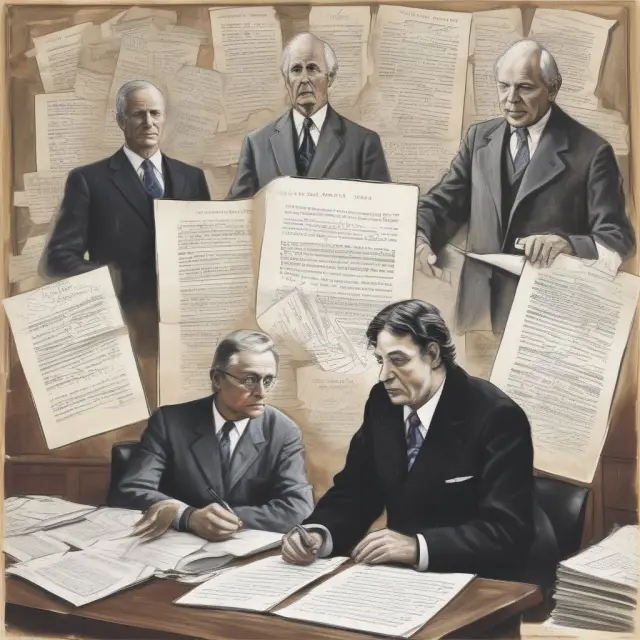
Components of a Valid Will
A will is an essential document that outlines how an individual wants their assets distributed after death. It serves as a legally binding agreement that enables the writer to designate beneficiaries, appoint guardians for minor children, and specify funeral arrangements. To ensure the validity of a will, it is vital to meet specific requirements established by law.
Identity
A clear statement of identity forms the foundation of a valid will. The document begins with an explicit declaration that the writer intends this document to be their last will and testament. This section should include the writer’s full name, address, date of birth, and marital status at the time the will was created.
Intent
The intent of the will must be unequivocal. A valid will must clearly express the deceased person’s wishes for distributing their property and assets. The document should include a statement that revokes all previous wills and codicils.
Mental Capacity
An individual making a will, referred to as the testator or testatrix, must have mental capacity at the time of creating the document. This requirement ensures that the person understands their financial situation and makes informed decisions regarding how to distribute their assets. Mental capacity is assessed using a legal standard that may vary from state to state. Generally speaking, an individual must be able to comprehend the nature and value of the property they are disposing of, as well as the implications of their choices.
Executing the Will
Once all essential elements have been addressed, the will requires specific formalities for execution. The document should be signed by the testator in the presence of two witnesses who must also sign it. In some states, holographic (handwritten) wills may be recognized under certain circumstances. After the will is executed, it should be kept in a safe place to ensure it remains accessible when needed.
In conclusion, understanding the components that contribute to the validity of a will provides professional investors with valuable insights into estate planning and the administration of their assets after death. By being aware of these requirements, investors can create a comprehensive estate plan that reflects their wishes and ensures the welfare of their heirs.

Choosing an Executor
An executor is an essential component of a valid will, responsible for overseeing the distribution of the deceased person’s assets according to their wishes as outlined in the document. Selecting the right executor can help ensure that the probate process goes smoothly and efficiently. This section aims to shed light on what it means to be an executor, the responsibilities associated with the role, and how to choose one.
An Executor’s Role
Executors serve as personal representatives for the deceased, acting on their behalf during the probate process. They are responsible for managing the decedent’s assets, paying off debts, and distributing remaining assets to named beneficiaries according to the instructions in the will. An executor must provide a final accounting of all assets and financial transactions, as well as file necessary tax returns.
Executors may be family members, close friends, attorneys, or other trusted individuals. They can choose to accept the role voluntarily or be appointed by the court if no one is named in the will. Executors are entitled to compensation for their time and efforts, usually a percentage of the estate’s value.
Executors have legal and ethical obligations to carry out their duties diligently and impartially. They must act in the best interest of the beneficiaries and the decedent’s estate. As such, they should be trustworthy, reliable, organized, and able to handle financial matters efficiently.
Selecting an Executor
When choosing an executor, consider the following factors:
- Trustworthiness: The executor must be someone the deceased person trusted implicitly, as they will be responsible for handling sensitive financial information and assets.
- Organizational skills: Managing the probate process can be time-consuming and complex. A well-organized executor can help ensure a smoother experience for all involved.
- Availability: An executor should have the capacity to dedicate enough time and attention to the role, as it may take several months or even years to fully complete the probate process.
- Conflict resolution skills: The potential for disputes arising from a will can be minimized by choosing an executor who is skilled at managing difficult situations and maintaining peace among beneficiaries.
- Understanding of financial matters: An executor with a solid understanding of financial matters, such as taxes, investments, and accounting, can help ensure that the decedent’s assets are managed effectively and efficiently during the probate process.
If the deceased person had complex assets or a larger estate, it may be in their best interest to engage the services of a professional executor or an attorney specializing in estate planning to manage the process. This can save time, reduce stress for family members, and minimize potential errors during probate.
By carefully considering these factors when selecting an executor, individuals can help ensure that their wishes are carried out efficiently and effectively after their passing.

Guardianship for Minors in Wills
When creating a will, parents with minor children must consider not only how their assets will be distributed but also who will take care of their offspring after they pass away. By designating a guardian for their children in a will, parents can ensure that their young ones are raised according to their values and beliefs by trusted individuals.
The guardianship section of a will should include the names and contact information of the primary guardian(s) and backup options, as well as an alternative residence address if necessary. In choosing a guardian, consider factors such as shared values, proximity, age, financial resources, and compatibility with your children’s needs.
It is recommended that you discuss your intentions with your chosen guardian before making the designation in your will to avoid any misunderstandings or surprises. This conversation can help ensure the individual accepts the responsibility and understands their role in raising the child. Additionally, keep your guardian informed about any changes in circumstances or updates regarding your children as they grow up.
The backup guardians should also be aware of their potential future responsibilities and share similar values with you to provide a consistent environment for your children if necessary. If multiple guardians are appointed, it is essential to establish a clear hierarchy and define the roles and responsibilities of each guardian in case of joint custody or shared decision-making.
When making these arrangements, consult an attorney or other trusted financial expert to ensure that your will complies with all state laws regarding guardianship and estate planning for minors. It is also advisable to discuss this matter with the chosen individuals to avoid any potential legal challenges or miscommunications.
In conclusion, by designating a guardian for their children in a well-drafted will, parents can provide them with a secure future and peace of mind, knowing that their loved ones will be cared for by individuals who share their values and beliefs.

Bequests and Estate Distribution
A bequest is a gift, usually monetary, left by an individual through their last will and testament to a beneficiary upon their death. By specifying how assets should be distributed in a will, individuals can ensure that their wishes are carried out regarding the disposition of their property. In this section, we will delve deeper into the components of bequests and discuss the tax implications that may arise from estate distribution.
First, it’s important to distinguish between probate assets and non-probate assets when discussing bequests. Probate assets are those that pass through a will, while non-probate assets typically include life insurance policies, retirement accounts, joint bank accounts, and assets held in trust. These assets bypass the probate process and transfer directly to their designated beneficiaries.
Let’s discuss property distribution in more detail. The bequest section of the will specifies how an individual wants their remaining assets divided among their heirs or named beneficiaries. This can include specific items, such as jewelry or real estate, or a general percentage share of the entire estate. A clear and comprehensive list of all bequests is essential to prevent potential confusion or legal challenges.
Tax implications are an important consideration when making bequests. Estate taxes may apply if the decedent’s estate exceeds a certain threshold, depending on state laws and federal regulations. To minimize tax liabilities, individuals can consider gifting assets during their lifetime, establishing trusts, or utilizing other tax-efficient strategies.
In conclusion, understanding the intricacies of bequests and estate distribution is a critical component of creating an effective last will and testament. By specifying how remaining assets are to be distributed in a clear and concise manner, individuals can ensure that their wishes are carried out while minimizing potential tax liabilities. It’s crucial to consult with professional advisors for guidance on the most efficient ways to structure bequests within your estate plan.

Preparing a Will: Key Considerations
Creating a will is an essential component of comprehensive financial planning, as it outlines one’s wishes for asset distribution upon death. While the process can seem daunting, careful preparation and consideration can ensure a successful outcome. Here, we address some crucial factors to consider before drafting your will.
1. Potential Challenges
Though most wills are executed without issues, there are potential challenges that could arise during the probate process. Common challenges include: contested beneficiaries, disputed executor selection, ambiguous language, and omitted assets. Consider discussing these potential pitfalls with a professional to ensure your will addresses any foreseeable complications.
2. Utilizing Trusts
Trusts are valuable tools when it comes to estate planning. They offer privacy, tax savings, and the ability to control distribution of assets beyond death. A trust can be used in conjunction with a will to manage specific aspects of an estate, such as property or minor children. Consulting with a financial advisor or attorney can help you determine whether a trust is right for your situation.
3. Estate Taxes
Estate taxes are an important consideration when drafting a will. Depending on the size of one’s estate, significant tax liability could result. Familiarizing yourself with estate tax laws and potential strategies to minimize this burden can help safeguard the financial well-being of your beneficiaries.
4. Estate Planning Documents
A will is just one piece of a comprehensive estate plan. Ensure that all necessary documents are in order, including a durable power of attorney, living will, and advanced medical directive. These documents complement a will by addressing matters related to incapacitation and healthcare decisions during the course of one’s life.
5. Consulting Professionals
Drafting a will can be a complex process, so seeking guidance from financial professionals such as attorneys or tax advisors is highly recommended. Their expertise can provide valuable insight into potential challenges, legal requirements, and tax implications.
By carefully considering these factors when drafting your will, you’ll be well on your way to creating a solid estate plan that aligns with your long-term financial objectives.

State Requirements for Wills
A well-drafted and legally binding will is a crucial aspect of an individual’s estate planning process. It outlines their wishes regarding the distribution of property, appointment of guardianship for minor children, and designation of an executor to manage the estate following their demise. However, it’s essential to be aware of each state’s unique requirements for preparing a valid will. In this section, we’ll discuss key considerations related to state laws and procedures regarding will preparation, witness signatures, probate processes, and potential legal challenges.
Formal Requirements for Wills
To create a legally enforceable will, the writer must adhere to specific formalities that vary from one state to another. Generally, most states require the following elements:
1. Identity of the Writer: The will should clearly and unambiguously state the full name, address, and other identifying information about the person making the will (also known as the “testator” or “testatrix”). This establishes the writer’s identity and intent.
2. Intent to Create a Will: The writer must express their intention to create a will in the document. The language may be as simple as, “I, John Doe, hereby make, publish, and declare this to be my last will and testament.”
3. Mental Capacity: To ensure that the will reflects the testator’s genuine wishes, most states require that the individual be of sound mind at the time they draft their will. A person with a severe mental illness or incapacitation may not be considered competent to create a valid will.
4. Signature and Witnesses: The testator must sign their name on the last page of the document in the presence of two credible witnesses, who can attest that they observed the testator’s signature and verified their identity at the time. Some states may also require the witnesses to sign an affidavit acknowledging the signing process.
Probate Processes
Upon a person’s death, their will is admitted for probate in the court system. Probate refers to the legal procedure by which the deceased individual’s estate is transferred to the heirs or beneficiaries named in the will. The process can vary depending on the state and complexity of the estate. A will may be subject to a contested probate, particularly if there are potential challenges from dissatisfied family members or creditors.
State Laws and Procedures
Each state has unique laws and procedures governing the creation and execution of valid wills. For example:
– Holographic Wills: Some states allow for holographic or handwritten wills, which are considered valid if they meet specific requirements (such as being entirely written and signed in the testator’s own handwriting).
– Self-Proved Wills: A self-proved or “self-authenticating” will contains an affidavit of the witnesses that allows for a more straightforward probate process. This document may be admissible without further testimony from the witnesses, saving time and resources during the probate proceedings.
– Contested Wills: When there is a legal challenge to a will, it may result in a contested probate, which can delay the distribution of assets and lead to higher costs for the estate. Common reasons for contesting a will include concerns about undue influence, mental incapacity, or fraudulent signatures.
By understanding the nuances of state requirements for wills, individuals can ensure that their estate planning wishes are fulfilled in accordance with local laws and procedures. Consulting a legal professional can help navigate these complexities and provide valuable insight into potential pitfalls to avoid.
Benefits of Having a Professional Will Drafted
While creating a will is an essential aspect of financial planning, the drafting process may not be straightforward for many individuals. Consulting a professional, such as an attorney or financial advisor, can offer numerous advantages when drafting a will.
First and foremost, a professional’s expertise can ensure that your will complies with all state regulations and is legally enforceable. They can also help identify potential complications that you may not have considered, ensuring the clarity and accuracy of your wishes. For example, a professional can advise on complex situations like second marriages, blended families, or significant assets, to help minimize potential disputes among heirs.
Professionals are knowledgeable about estate taxes and tax planning strategies, which can be crucial in reducing your overall tax burden. They can also help navigate the complex probate process and provide valuable insights on managing the distribution of your property and assets in a tax-efficient manner.
Moreover, professionals can offer advice on setting up trusts to protect assets for future generations, manage finances on behalf of minors or disabled family members, or create customized plans for charitable donations. These specialized strategies can help minimize estate taxes while ensuring that your wishes are carried out according to your preferences.
In the absence of a professional’s guidance, you may overlook essential considerations when drafting a will. This oversight could result in potential errors or inconsistencies that complicate matters for your heirs during the probate process and beyond. Furthermore, a poorly drafted will may not provide sufficient protection against potential legal challenges from disgruntled family members or creditors, potentially causing financial instability or prolonged litigation.
Working with an attorney or financial professional can also offer peace of mind by ensuring that your loved ones are provided for in the most efficient and effective manner possible. By taking the time to discuss your unique situation and concerns, a professional can offer customized guidance tailored to your specific needs and preferences. They can help ensure that you’re well-prepared for the future, providing reassurance and security during the estate planning process.

Frequently Asked Questions about Wills
A will is an essential component of a comprehensive estate plan. But what exactly is it, and how does it work? Here are answers to some common questions regarding wills.
1. What is a will? A will, also referred to as a last will and testament, is a legal document that outlines the deceased person’s wishes for the distribution of their assets after death. It can also designate a guardian for any minor children and make provisions for surviving pets.
2. Why is having a will important? A will ensures that a person’s final wishes are carried out, making things easier for their heirs during an often difficult time. Without a will, the distribution of property is left up to state law, which may not align with an individual’s intentions.
3. What are the essential elements of a valid will? A will must include the writer’s clear identity and intent, mental capacity, and a designated executor who oversees the implementation of the decedent’s wishes.
4. Who should I name as my executor? The executor is responsible for managing your estate after death and carrying out your wishes as outlined in the will. You can choose anyone you trust, such as an attorney or financial professional, a trusted family member, or a close friend.
5. What is the difference between a guardian and an executor? A guardian manages the care and well-being of minor children, while an executor is responsible for managing the deceased person’s estate and distributing assets according to their wishes.
6. How should I go about preparing a will? It is recommended that you work with an attorney or financial professional when drafting your will to ensure its validity and completeness. You may also consider setting up trusts for specific assets to minimize taxes and legal complications.
7. What happens if someone contests my will? If someone contests a will, the probate court will decide whether the contest is valid based on various factors such as mental capacity, fraud, duress, or undue influence. The length of the process may vary depending on the complexity of the estate and the legal challenges involved.
8. What are some common types of wills? Traditional wills require that the document be signed in the presence of two witnesses, while holographic wills are handwritten entirely by the deceased person. Self-proved or “self-authenticating” wills include affidavits from witnesses and are accepted as valid without further proof upon submission to the probate court.
9. Can I change my will after it has been made? Yes, a will can be changed, amended, or revoked at any time during your lifetime through the process of codicils. Simply creating a new will that supersedes all previous documents is also an option.
10. Do I need a separate will for different assets or property locations? If you own assets in multiple states or jurisdictions, it’s generally recommended that you have separate wills for each location to minimize probate fees and legal complications. However, this can depend on the specific circumstances of your estate plan and local laws.
Understanding these frequently asked questions about wills can help professional investors make informed decisions when creating their own estate plans. By taking a proactive approach to planning for the future, investors can ensure their wishes are carried out and minimize potential legal complications for their heirs.
 Next entry · No. 5,733William Cavanaugh III: A Legendary Figure in the Energy Industry
See also
-
 No. 5,759
05 Oct 2025
22 min
Understanding ‘With Benefit of Survivorship’: Joint Tenancy, Probate Process & Estate Planning Alternatives
Business Finance
No. 5,759
05 Oct 2025
22 min
Understanding ‘With Benefit of Survivorship’: Joint Tenancy, Probate Process & Estate Planning Alternatives
Business Finance -
 No. 4,944
30 Jul 2025
20 min
Understanding Testamentary Trusts: An Effective Tool in Estate Planning
Financial Education
No. 4,944
30 Jul 2025
20 min
Understanding Testamentary Trusts: An Effective Tool in Estate Planning
Financial Education -
 No. 5,249
23 Aug 2025
19 min
Understanding the Uniform Simultaneous Death Act: Clarifying Inheritance in Cases of Simultaneous or Near-Simultaneous Death
Legal & Contracts
No. 5,249
23 Aug 2025
19 min
Understanding the Uniform Simultaneous Death Act: Clarifying Inheritance in Cases of Simultaneous or Near-Simultaneous Death
Legal & Contracts -
 No. 2,165
15 Dec 2024
19 min
Understanding Holographic Wills: A Legal Alternative to Traditional Wills
Legal & Contracts
No. 2,165
15 Dec 2024
19 min
Understanding Holographic Wills: A Legal Alternative to Traditional Wills
Legal & Contracts -
 No. 5,485
12 Sep 2025
21 min
Understanding Vesting: A Comprehensive Guide for Institutional Investors
Business Finance
No. 5,485
12 Sep 2025
21 min
Understanding Vesting: A Comprehensive Guide for Institutional Investors
Business Finance -
 No. 4,465
21 Jun 2025
24 min
Understanding Revocable Trusts: Advantages, Disadvantages, and How They Work for Professional and Institutional Investors
Finance Policy
No. 4,465
21 Jun 2025
24 min
Understanding Revocable Trusts: Advantages, Disadvantages, and How They Work for Professional and Institutional Investors
Finance Policy