Whistleblowers: Exposing Illegal and Fraudulent Activities – Understanding the Role, Protection, and Rewards

Exploring the role, protection, rewards, and significance of Whistleblowers in exposing illegal & fraudulent activities. Learn about reporting processes and…
Understanding Whistleblowing
Whistleblowers play a pivotal role in exposing illegal and fraudulent activities taking place within organizations, ultimately safeguarding public interests by providing essential information to regulatory bodies. A whistleblower is an individual who discloses unethical practices within their private or public organization. This section aims to clarify the concept of whistleblowing, its origins, and how it has evolved through time.
Definition
A whistleblower refers to a person who exposes wrongdoings in their workplace by reporting illicit activities internally, to regulatory agencies, or to the media. The information reported can include environmental breaches, safety violations, fraudulent practices, illegal activities, and other forms of misconduct. Whistleblowing often involves exposing corporate malfeasance and corruption that could potentially harm individuals or society as a whole.
Origin
The term “whistleblower” is believed to have originated during the 19th century when sports referees were called whistleblowers due to their use of a whistle to alert others of rule infringements. However, it was not until the 1970s that Ralph Nader, a political activist and consumer advocate, popularized the term as we know it today.
Evolution
Since then, the term “whistleblower” has taken on new meanings and connotations within various industries and contexts. Whistleblowers can be employees, suppliers, contractors, clients, or anyone who comes across unethical practices within an organization. Some organizations specialize in specific aspects of whistleblowing, such as the Occupational Safety and Health Administration (OSHA), which focuses on environmental and safety breaches, and the Securities and Exchange Commission (SEC), which deals with securities law violations.
In recent years, whistleblower programs have gained widespread popularity due to their role in exposing high-profile cases of fraud, corruption, and malfeasance within large corporations. Many organizations offer rewards for impactful information and provide various methods for reporting, including anonymous tips. Whistleblowers play a critical role in maintaining transparency, upholding ethics, and ensuring accountability within industries.
As we delve deeper into the world of whistleblowing, subsequent sections will explore its role, protection, and rewards in more detail. Stay tuned for a discussion on how whistleblowers contribute to various organizations, notable examples, and the legal protections available to them.

Whistleblowing in Various Organizations
The role of whistleblowers extends beyond individual organizations and impacts multiple entities across industries and sectors. Both the Occupational Safety and Health Administration (OSHA) and Securities and Exchange Commission (SEC) play significant roles in protecting and rewarding whistleblowers for exposing various types of illegal or unethical activities within their respective jurisdictions.
In terms of environmental and safety breaches, OSHA provides strong protections to whistleblowers. The Clean Air Act, the Clean Water Act, and other major environmental regulations offer safeguards to individuals who report violations, providing them with confidentiality and anti-retaliation measures.
Similarly, the SEC offers protection for those reporting securities law violations. The Dodd-Frank Wall Street Reform and Consumer Protection Act (Dodd-Frank Act) provides a reward program that incentivizes whistleblowers to report securities fraud, market manipulation, and other financial misconducts. Since the inception of this program, the SEC has awarded over $500 million to nearly 130 whistleblowers, making it a powerful tool in combatting financial wrongdoings.
The rewards for reporting impactful information can vary depending on the jurisdiction and organization. In the case of OSHA, there is no specific provision for monetary compensation for whistleblowers, although they are protected from retaliation. On the other hand, under the SEC’s Whistleblower Program, eligible individuals can receive a percentage of the sanctions collected as a result of their information, with rewards reaching up to 30% of the total amount recovered.
In conclusion, whistleblowers play an essential role in exposing illegal and unethical activities within various organizations. Their contributions not only protect consumers, investors, and employees but also promote transparency and accountability. By understanding the protections offered by different regulatory bodies and the potential rewards for reporting, individuals can make informed decisions when deciding to come forward with sensitive information.
When considering whistleblowing, it is vital to remember that every situation is unique and may involve complex legal issues, personal risks, and psychological challenges. Seeking professional guidance from attorneys or other trusted advisors is always recommended before taking any action. By working together, we can create a more ethical business environment that encourages transparency and rewards those who do the right thing.
The Role of Whistleblowers in Society
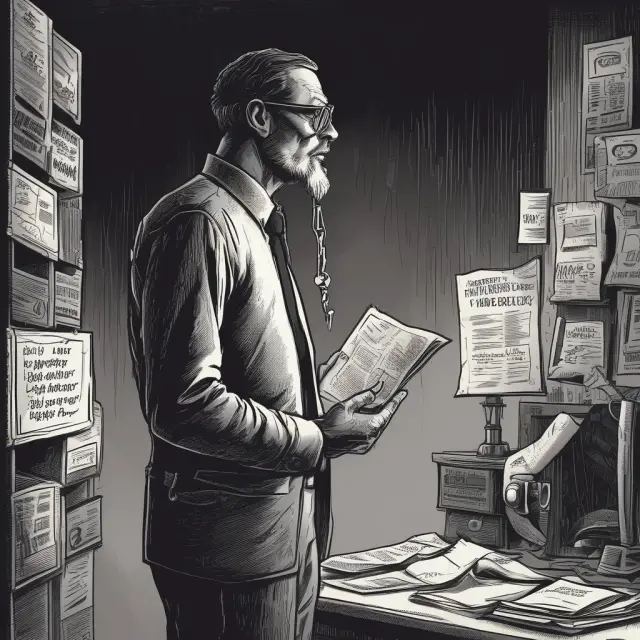
A whistleblower is an individual who courageously comes forward with insider knowledge about illegal, illicit, or fraudulent activities within an organization, regardless of its nature or size. Whistleblowers are often unsung heroes, playing a crucial role in uncovering and exposing wrongdoings that may go unnoticed without their involvement.
Whistleblowing is not a new concept; it has existed since the 19th century when sports referees were called “whistleblowers.” However, its significance and modern usage were popularized during the 1960s by journalists and political activists. Since then, whistleblowers have become an integral part of society, especially in industries where fraud, corruption, or noncompliance with regulations can cause significant harm.
OSHA, Sarbanes-Oxley Act, and the Securities and Exchange Commission (SEC) are just a few regulatory bodies that protect whistleblowers from retaliation. These laws provide various protective measures to ensure individuals are not penalized for reporting misconduct within their organizations. Whistleblowers may report illicit activities through multiple channels, including internal reporting mechanisms or external regulatory agencies.
The importance of whistleblowing is evidenced by notable cases throughout history, such as W. Mark Felt, who exposed the Watergate Scandal under the pseudonym “Deep Throat,” and Sherron Watkins, a former Enron employee who uncovered the company’s fraudulent accounting practices leading to its downfall. Their courageous actions brought about significant changes, including the passage of the Sarbanes-Oxley Act.
Whistleblowers are protected from retaliation under various laws and regulations. Protection includes prohibiting companies from taking adverse actions against the whistleblower or their associates and family. In some cases, whistleblowers may also be entitled to monetary rewards for providing information that leads to the recovery of substantial fines or penalties imposed on the offending organization.
In conclusion, whistleblowers serve as essential advocates for truth, accountability, and transparency in society. Their role is vital, especially when it comes to industries where noncompliance can lead to significant financial losses or harm individuals’ wellbeing. By coming forward with their knowledge of wrongdoings, whistleblowers help protect consumers, investors, and the overall public interest.

Protection for Whistleblowers
Whistleblowing often comes with risks. To encourage individuals to come forward and report any wrongdoings or illegal activities within their organizations without fearing retaliation, numerous laws have been established to protect whistleblowers. Two major regulatory bodies in the United States – OSHA (Occupational Safety and Health Administration) and SEC (Securities and Exchange Commission) – offer various forms of protection for whistleblowers under their respective programs.
Understanding Protection Measures
Anti-retaliation measures are a crucial aspect of these protective laws. No organization, be it public or private, can take any adverse action against the reporter if they reveal genuine instances of illegal activities within that organization. Retaliatory actions include demotion, termination, reprimands, and other forms of disciplinary action. Whistleblowers are also protected from being sued by their employers for reporting any wrongdoing, and their compensation is not affected in any way.
Physical Threats and Rewards
In some instances, whistleblowers may face physical threats or even violence due to the nature of their revelations. The protection offered extends beyond just the workplace, ensuring that the whistleblower remains safe from harm. Furthermore, many programs offer rewards for whistleblowers who report significant violations, encouraging them to come forward with potentially life-changing information.
Awarding Compensation
Whistleblowers may receive a percentage of the recovered funds based on the value of their information. The Sarbanes-Oxley Act stipulates that whistleblowers are entitled to at least 10% and up to 30% of the total monetary recovery made by the government or regulatory bodies following the individual’s report. In certain instances, a lower threshold for award eligibility may apply, depending on the significance of the reported violation and the amount recovered.
In conclusion, protection for whistleblowers is vital to encourage individuals to expose illegal activities within their organizations without fearing retaliation. This protection includes anti-retaliation measures, physical threats, and rewards for reporting significant violations. These regulations empower people to make a difference in their workplaces, ultimately promoting transparency and integrity within various industries.

The Process of Reporting
When an individual becomes aware of suspicious activities within their organization, they may consider several methods to report this information. Whistleblowers have various channels to submit reports, which include reporting internally to the company or external reporting to regulatory bodies or law enforcement agencies.
Internal Reporting
Submitting a report internally to a company offers the whistleblower an opportunity to alert management about any potential wrongdoings while remaining anonymous. Companies often have internal compliance departments that allow employees, contractors, and suppliers to report concerns related to accounting irregularities, financial fraud, safety issues, or unethical behavior. Many organizations create safe reporting channels like hotlines, email addresses, and web portals for whistleblowers to use securely.
External Reporting
In some cases, a whistleblower may choose to report their concerns externally due to the fear of retaliation from their employer or the belief that management is involved in the wrongdoings. Regulatory bodies like the Securities and Exchange Commission (SEC) and Occupational Safety and Health Administration (OSHA), among others, provide mechanisms for whistleblowers to report violations anonymously. These agencies offer various methods such as secure online platforms or mail submissions. Additionally, whistleblowers may choose to contact law enforcement agencies, lawyers, or the media depending on their preferences and circumstances.
Submitting Tips Anonymously
Anonymous reporting can provide additional protection for the whistleblower by ensuring that they remain hidden from potential retaliation. Many organizations allow anonymous tip submissions through online portals and hotlines. However, some regulatory bodies require the provision of contact information to validate the report’s authenticity before sharing it with concerned parties. In such cases, alternative measures like using an alias or encrypted communication can be used to maintain confidentiality.
Protection for Whistleblowers
As mentioned earlier, whistleblowers are protected under various laws from retaliation by their employers. These protections include prohibiting demotions, terminations, reprimands, and other punitive actions against the whistleblower. Additionally, regulatory bodies often offer rewards to whistleblowers whose information leads to recoveries of significant amounts. In cases where the whistleblower faces threats or physical violence, additional protection measures are available.
In conclusion, reporting suspicious activities within organizations is a crucial process that can lead to improvements in operations and uncovering illegal or fraudulent activities. Whistleblowers have various options for reporting both internally and externally while maintaining their confidentiality. Regulatory bodies offer protection from retaliation and potential rewards to those who come forward with valuable information. By understanding the reporting process, potential whistleblowers can make informed decisions about how to proceed when faced with dilemmas involving illicit activities.

Whistleblower Protection Laws
The protection and welfare of whistleblowers are essential for maintaining transparency, accountability, and ethical conduct in organizations and society at large. The following legislations, regulatory bodies, and international standards have been established to ensure the safety and rewards for individuals who come forward with vital information on illegal or fraudulent activities:
1. Occupational Safety and Health Administration (OSHA): OSHA is a U.S. federal agency dedicated to enforcing safety regulations in workplaces. While its primary focus is ensuring workers’ safety, it also protects whistleblowers from retaliation for reporting environmental, safety, or health issues.
2. Sarbanes-Oxley Act: This U.S. federal law primarily focuses on improving transparency and accountability in corporate financial reporting by enhancing the regulatory environment for securities trading. It provides protection to whistleblowers who report securities fraud, insider trading, or other illegal activities.
3. Securities and Exchange Commission (SEC): As part of the SEC’s mandate to protect investors, it offers rewards and protection for individuals reporting securities law violations. The Dodd-Frank Act strengthened these provisions in 2010.
4. Whistleblower Protection Act of 1989: This act provides federal employees with protection against retaliation for disclosing information related to wrongdoings within their agencies.
5. International Labor Organization (ILO): ILO is a specialized agency of the United Nations that sets international labor standards and offers guidance on various aspects of labor rights, including whistleblowing.
6. European Union Whistleblower Protection Directive: The EU established this directive to promote transparency and combat fraud and other forms of malfeasance within its member states. It covers a broad scope of activities, including environmental protection, public procurement, and financial services.
In addition to these specific regulations, various organizations offer whistleblower protections across industries and sectors, such as the Internal Revenue Service, the Environmental Protection Agency, and several state-level laws. These protections may include confidentiality, non-discrimination, and provisions for reinstatement or back wages if a person is terminated due to reporting activities.

Rewards for Whistleblowers
Whistleblowing can be a risky business, and in some cases, it may not only involve exposing deceitful practices within organizations but also putting one’s livelihood and personal safety at risk. To incentivize individuals to come forward with valuable information, various programs offer rewards for successful whistleblowers. The potential financial gain from reporting fraudulent or illegal activities can be substantial, encouraging more people to step up and speak out against unethical behavior.
The Sarbanes-Oxley Act (SOX), enacted in 2002, is one of the most significant legislations that offers rewards for whistleblowers. The Securities and Exchange Commission (SEC) administers the program and provides monetary compensation to individuals who report securities law violations. The reward ranges from 10% to 30% of the sanctions collected by the SEC in the related case, depending on the information’s significance and value provided to the investigation.
Another notable regulatory body offering rewards is the Internal Revenue Service (IRS). Their Whistleblower Office awards up to 30% of the tax underpayment amount for original information that leads to successful enforcement actions against noncompliant taxpayers. Additionally, the IRS offers a reward of up to $15,000 for information related to tax fraud cases involving less than $2 million in underpaid taxes.
The Occupational Safety and Health Administration (OSHA) does not offer monetary rewards directly but instead protects whistleblowers from retaliation when they report safety or environmental concerns. OSHA covers employees under several industries, including transportation, construction, energy, maritime, and nursing homes, among others.
The Department of Justice’s Criminal Division provides a reward for individuals reporting violations of federal criminal laws in various sectors. Eligible whistleblowers may receive up to $50,000 upon the submission of valuable information leading to the conviction or settlement against the offender.
To be eligible for a financial reward under these programs, potential whistleblowers must file their reports through specific channels. Submitting tips anonymously is also possible. The SEC, for instance, encourages anonymous submissions and allows for individuals to report through third-party organizations to maintain their confidentiality.
The compensation structures of whistleblower reward programs are not only financially incentivizing but also vital in promoting transparency and accountability within various industries. These programs not only benefit the government by uncovering illegal activities, but they also foster a positive corporate culture where ethical behavior is prioritized. Whistleblowers play an essential role in maintaining fair competition, ensuring regulatory compliance, and upholding public trust.

The Impact of Whistleblowing on Corporate Culture
Whistleblowing has become a crucial aspect in corporate governance and organizational culture. It plays a significant role in promoting transparency, accountability, and ethical business practices. The impact of whistleblowing extends to the detection of fraudulent activities, uncovering unsafe conditions, and addressing conflicts of interest within organizations.
One major effect of whistleblowing is the improvement of corporate culture by deterring and exposing unethical behaviors. Whistleblowers not only help protect consumers, investors, and employees but also contribute to maintaining the reputation of their organizations. When companies have a strong ethical stance and whistleblower protection policies in place, they foster trust with stakeholders, attract top talent, and maintain a competitive edge.
Some organizations have experienced substantial benefits from whistleblowing. For instance, the Sarbanes-Oxley Act (SOX) was enacted as a response to the Enron scandal, which exposed significant accounting fraud. The SOX legislation aimed to enhance transparency within publicly traded companies, ensuring more accountability and greater protection for whistleblowers who report unethical practices. As a result, organizations have improved their financial reporting processes and internal controls to mitigate potential risks.
However, challenges remain for both whistleblowers and organizations. One of the primary concerns is the psychological toll on whistleblowers due to the potential backlash from colleagues, management, and even personal risk to themselves and their families. Retaliation against whistleblowers can manifest in various forms, such as demotions, terminations, or even threats of physical violence. Additionally, whistleblowers may face legal issues, including defamation lawsuits and the loss of confidentiality when reporting information to a regulatory agency.
Another challenge for organizations is addressing retaliation against whistleblowers. Companies must provide adequate training, support, and resources to employees who report unethical practices without fear of reprisal. Creating a culture that fosters ethical behavior and protects those who speak up is essential in preventing the recurrence of unethical practices within an organization.
In conclusion, whistleblowing plays a vital role in exposing fraudulent activities, promoting transparency, and fostering accountability within organizations. Despite the challenges faced by both whistleblowers and companies, effective whistleblower protection policies are crucial for maintaining trust, attracting top talent, and ensuring ethical business practices.
By focusing on creating a supportive corporate culture that values transparency and encourages ethical behavior, organizations can benefit from the positive effects of whistleblowing while minimizing potential risks to their employees.

Common Challenges for Whistleblowers
Being a whistleblower is not an easy task. It requires immense courage and resilience to expose wrongdoings within organizations. Whistleblowing presents numerous challenges, both personal and professional. These challenges can take various forms, such as psychological tolls, legal issues, retaliation, and personal risks.
Psychological Tolls
Whistleblowers may face considerable emotional strain due to the risk of facing intimidation, harassment, or threats from colleagues, superiors, and even the general public. Some may experience anxiety, stress, depression, sleep disorders, and other mental health issues as a result. Additionally, they might be forced to leave their workplace, disrupting their career trajectory and professional network.
Legal Issues
Whistleblowers may face legal consequences for reporting illegal activities. They could potentially be sued for defamation or breach of confidentiality agreements. In some cases, whistleblowers themselves might have been involved in the wrongdoing but were later coerced to report it due to fear or threats. These situations can further complicate matters and require proper legal representation.
Retaliation:
One of the most common challenges for whistleblowers is retaliation, which includes various forms of harassment such as demotions, terminations, salary reductions, unfavorable work assignments, and negative performance evaluations. Some employers may even attempt to silence their employees through threats or intimidation tactics. The Whistleblower Protection Act of 1989 and other related legislation prohibit such retaliatory acts and provide recourse for whistleblowers.
Personal Risks
The decision to become a whistleblower can place the individual’s safety, as well as their family’s safety, at risk. Whistleblowers may face threats of physical violence or other forms of retaliation from individuals involved in the illicit activity. To mitigate these risks, they might need to change their living arrangements, enlist personal security services, and maintain a low profile to ensure their safety and that of their loved ones.
In conclusion, the challenges faced by whistleblowers can be significant. However, their efforts are crucial for maintaining ethical business practices, ensuring regulatory compliance, and fostering transparency within organizations. By understanding these challenges, we can better support and appreciate those who come forward with vital information.

FAQ
What is the definition of a Whistleblower?
A whistleblower is an individual who reports insider knowledge of illegal, illicit, and fraudulent activities occurring in an organization. They can be employees, suppliers, contractors, clients, or anyone with such knowledge.
What organizations focus on whistleblowing?
Some organizations specialize in specific aspects of whistleblowing. For instance, the Occupational Safety and Health Administration (OSHA) deals mainly with environmental and safety breaches, while the Securities and Exchange Commission (SEC) is more concerned with securities law violations.
What protection is provided to Whistleblowers?
Whistleblowers are protected from retaliation under various programs created by the Occupational Safety and Health Administration (OSHA), Sarbanes-Oxley Act, and the Securities and Exchange Commission (SEC). Federal employees are protected under the Whistleblower Protection Act of 1989.
What is the origin of the term “Whistleblower”?
The term ‘whistleblower’ can be traced back to the 19th century, although Ralph Nader is credited with bringing it into modern usage in the 1970s. The term comes from the idea of using a whistle to alert others to potential dangers or issues.
Who are some famous Whistleblowers?
Famous whistleblowers include W. Mark Felt, also known as ‘Deep Throat,’ who exposed President Richard Nixon’s involvement in illegal dealings during the Watergate Scandal. Another well-known whistleblower is Sherron Watkins, a former Enron employee who shed light on the company’s fraudulent accounting practices, leading to the Sarbanes-Oxley Act.
What happens when a Whistleblower reports illegal activities?
Once reported, the information provided by the whistleblower is investigated for confirmation of its truthfulness. If confirmed, the reporting individual is protected from retaliation and may be entitled to compensation as a reward.
What laws protect Whistleblowers?
Various programs created by the Occupational Safety and Health Administration (OSHA), Sarbanes-Oxley Act, and the Securities and Exchange Commission (SEC) provide protection for whistleblowers. Federal employees are protected under the Whistleblower Protection Act of 1989.
What can a Whistleblower expect as compensation?
A whistleblower may be entitled to a reward as compensation for reporting illicit activities. This reward is usually a percentage of the dollar amount recuperated by the government or regulating agency as a result of the information provided.
Can someone report wasteful practices and qualify as a Whistleblower?
Reporting of wasteful practices may not always result in whistleblower protection, but some organizations encourage suggestions to improve operations and practices and offer rewards for such improvements. In cases where the reported waste involves significant dollar amounts or is gross in nature, especially within government agencies, it could potentially qualify the reporter as a whistleblower.
 Next entry · No. 5,692Understanding White-Collar Crime: Types, Penalties, and Prevention
See also
-
 No. 5,058
08 Aug 2025
25 min
Understanding Traanches: Risks and Rewards for Entrepreneurs and Investors in Venture Capital
Business Finance
No. 5,058
08 Aug 2025
25 min
Understanding Traanches: Risks and Rewards for Entrepreneurs and Investors in Venture Capital
Business Finance -
 No. 4,655
06 Jul 2025
23 min
Short Selling: Understanding the Risks and Rewards of this Controversial Trading Strategy
Business Finance
No. 4,655
06 Jul 2025
23 min
Short Selling: Understanding the Risks and Rewards of this Controversial Trading Strategy
Business Finance -
 No. 4,365
12 Jun 2025
20 min
Understanding Related-Party Transactions: Disclosures, Risks, and Regulations
Business Finance
No. 4,365
12 Jun 2025
20 min
Understanding Related-Party Transactions: Disclosures, Risks, and Regulations
Business Finance -
 No. 3,324
19 Mar 2025
21 min
Understanding Naked Options: Risks and Strategies for Uncovered Options Trading
Business Finance
No. 3,324
19 Mar 2025
21 min
Understanding Naked Options: Risks and Strategies for Uncovered Options Trading
Business Finance -
 No. 2,921
14 Feb 2025
23 min
Understanding the Liquidity Premium: Compensating Investors for Illiquid Assets
Business Finance
No. 2,921
14 Feb 2025
23 min
Understanding the Liquidity Premium: Compensating Investors for Illiquid Assets
Business Finance -
 No. 2,655
24 Jan 2025
18 min
Journey into Junior Companies: Understanding the Risks and Rewards of Investing in New Resource Deposits and Fields
Business Finance
No. 2,655
24 Jan 2025
18 min
Journey into Junior Companies: Understanding the Risks and Rewards of Investing in New Resource Deposits and Fields
Business Finance