Zero Percent Financing: What It Is and Why It Might Be More Expensive Than You Think

Explore the ins and outs of zero-percent financing, understand its advantages and disadvantages, and learn how it works in the automotive industry.
Introduction: Understanding Zero-Percent Financing
Zero Percent Financing: An Overview and Its Popularity
Zero percent financing is a term used in the world of finance to describe promotional interest rates offered by businesses to entice consumers into buying big-ticket items. Such offers are most commonly associated with industries like automotive sales, home appliances, or electronics. Zero percent financing seems attractive since it promises that consumers will not have to pay any interest on their loans for an initial period. However, it is essential for consumers to understand the underlying mechanics of these offers and carefully consider the potential long-term costs before making a purchase.
The Appeal of Zero Percent Financing: Making the Unaffordable Affordable
Zero percent financing offers are appealing because they make expensive items more accessible to consumers who might otherwise be unable to afford them due to their upfront cost. For instance, a consumer considering purchasing a new car might find themselves unable to pay for it outright. Zero percent financing, however, provides an opportunity for that individual to buy the car by spreading the payments over an extended period without worrying about accruing interest during that time.
The Deceptive Nature of Zero Percent Financing: Hidden Costs and Interest Rate Shocks
While zero percent financing can make high-value purchases more manageable in the short term, it often comes with hidden fees and increased costs for consumers. These offers are typically limited to a promotional period of six months to one year. Once the promotional period expires, any unpaid balance will usually be subjected to significantly higher interest rates. If consumers fail to pay off their debt by that time, they could find themselves shocked by the sudden increase in monthly payments and even risk defaulting on their loans.
Understanding How Zero Percent Financing Works: The Role of Fine Print and Store Pricing
To make the most informed decision regarding a zero percent financing offer, it is crucial to understand the details behind it. Many retailers offer such incentives by increasing the upfront cost of an item before applying the financing terms. For example, a car dealership might price a car at $32,000 instead of its original $30,000 and then offer zero percent financing for twelve months on that inflated price. If the consumer fails to repay the loan in full during the promotional period, they will be subjected to much higher interest rates and will pay significantly more than they anticipated.
Real-World Example of Zero Percent Financing: The Shocking Reality of Deferred Interest
Consider Kyle, a shopper looking for a new TV at a local electronics store. He is excited when he discovers that high-end models are being offered with very attractive financing terms, including zero percent financing for twelve months on a $2,500 4K TV. Although Kyle only has $1,500 saved for the purchase, he decides to go ahead and buy it based on the belief that he can afford the payments during the promotional period without incurring any interest costs. However, he had not fully read the fine print of the offer. Once the twelve months have passed, Kyle receives a bill from the electronics store indicating that his balance now includes deferred interest. As a result, his monthly payments are much higher than anticipated due to the sudden increase in interest rates. This example illustrates why it is essential for consumers to carefully assess the terms and conditions of any zero percent financing offer before making a decision.
Stay tuned for further sections in this article where we will dive deeper into the advantages, disadvantages, and various applications of zero percent financing, as well as alternatives that might be more cost-effective for consumers.

How Zero Percent Financing Works
Zero percent financing refers to promotional interest rates offered by retailers as a means to attract customers to buy big-ticket items. These offers, which can last from six months to a year, might make it seem like consumers are getting a free ride. However, the long-term cost of such purchases can be significantly greater than anticipated due to hidden fees and increased costs that come into play once the promotional period ends.
Understanding Zero Percent Financing Offers
Zero percent financing offers function by retailers making up for any lost revenue during the initial financing term through increased interest rates post-promotional periods. Dealerships may even add a premium to the upfront price of an item, which can be deceptive to consumers who overlook the fine print. For example, in the automotive industry, zero percent financing offers are commonly utilized for high-value vehicles like luxury cars or trucks. These incentives can make otherwise unaffordable purchases possible for many consumers.
However, it’s important to recognize that such offers only last for a limited time and will eventually revert back to standard interest rates. Consumers might find themselves surprised by substantial increases in monthly payments once the promotional period has expired, which could lead to default if they are unable to pay off the entire balance during this period.
Zero Percent Financing vs. Traditional Credit
Although zero percent financing offers seem appealing at first glance, consumers should weigh their benefits against traditional forms of credit before making a decision. For instance, applying for a personal loan or using a home equity line of credit may offer more flexibility and potentially lower interest rates compared to zero percent financing deals. Careful consideration and research are crucial when evaluating the total cost and feasibility of taking advantage of these promotional offers.
Real-World Example: The Hidden Costs of Zero Percent Financing
Imagine that Kyle, a consumer seeking to purchase a new TV for his living room, encounters zero percent financing deals at his local electronics store. Upon seeing the attractive offer on a $2,500 4K TV with no interest charged for twelve months, he is tempted to buy it despite only having saved $1,500 toward this purchase. In his excitement to save money during the promotional period, Kyle fails to read the fine print and overlooks the potential consequences that come after the term has ended. Unbeknownst to him, the TV’s price includes a 5% markup to cover the costs of offering zero percent financing. Once the twelve months have elapsed, he is now faced with a post-promotional interest rate of 20%. To avoid this unexpected financial burden, Kyle would have been better off exploring alternative financing methods that may offer more flexibility and potentially lower interest rates in the long run.
In conclusion, zero percent financing can be an alluring incentive for consumers to make large purchases they might otherwise not consider. However, the fine print of these offers often reveals hidden fees and increased costs that can lead to financial surprises once the promotional period has expired. As a consumer, it’s essential to understand the long-term implications of zero percent financing deals and weigh their benefits against alternative forms of credit before making a purchase decision. By taking a proactive approach to financial planning and making informed decisions, consumers can ensure that they are maximizing their purchasing power while avoiding unintended consequences.

Advantages of Zero Percent Financing
Zero percent financing can seem like a financial windfall, especially when making significant purchases is necessary or desirable. Businesses employ this strategy to make high-value items more accessible, as zero percent financing offers enable consumers to pay for those items over an extended period with no added interest costs during the promotional period. However, it’s crucial to delve deeper into these seemingly attractive offers and be aware of their true implications.
One of the most evident advantages of zero percent financing is its ability to make large purchases more affordable. This is especially beneficial for consumers who might not have the immediate financial means to buy an expensive product outright. For instance, a zero percent financing offer on a high-end car or luxury kitchen appliances can help bridge the gap between desire and affordability.
Moreover, these offers can be an effective marketing tool for retailers looking to increase sales. By promoting zero percent financing, businesses attract more customers who may have otherwise postponed their purchase due to financial considerations. This is particularly true for big-ticket items like cars and appliances that can carry a significant price tag.
However, it’s essential to remember that these promotional offers are typically time-limited. The consumer needs to pay off the entire balance of their purchase before the promotional period ends to avoid interest charges on any remaining balance. Unfortunately, many consumers underestimate the long-term cost of these purchases and fail to plan accordingly.
Let’s consider a real-life example of zero percent financing in action. Imagine that Kyle has set his sights on a high-end 4K TV worth $2,500. He only has $1,500 saved up for the purchase but is enticed by a local electronics store’s offer of twelve months with no interest charges. Excited about the prospect of owning this desirable item, he overlooks the fine print and assumes that his monthly payments will be low enough to enable him to pay off the entire balance before the promotional period ends.
Unfortunately, Kyle’s assumption may prove to be false. When the twelve-month period ends, the retailer may charge a much higher interest rate on any unpaid balance. For instance, if the post-promotional interest rate is 20%, the true cost of the TV could far exceed the initial price tag. Furthermore, some zero percent financing deals include a provision where any deferred interest is added back into the total balance due if the consumer fails to pay off the entire amount before the promotional period expires. This can lead to a substantial increase in the final cost of the product, making it essential for consumers to thoroughly read the terms and conditions of their financing agreement.
To make the most out of zero percent financing offers, consumers need to understand their financial situation and ensure that they have a solid plan for repaying the balance before the promotional period ends. It’s also recommended that they compare different financing options, including personal loans or home equity lines of credit, to determine which one best suits their financial needs. By being well-informed, consumers can take full advantage of zero percent financing offers while mitigating any potential risks associated with them.
In conclusion, zero percent financing can be a valuable tool for both consumers and businesses. However, it’s essential for consumers to carefully consider the terms and conditions of these offers before making a purchase. By understanding the true costs and implications, they can maximize their savings and avoid any unexpected financial surprises down the line.

Disadvantages of Zero Percent Financing: The Fine Print
Zero-percent financing may sound too good to be true, but it comes with its own set of pitfalls. While the initial cost of a purchase may appear attractive due to the absence of interest charges during the promotional period, consumers should be aware that the true cost of these deals can significantly increase once that period ends.
Understanding Zero Percent’s Fine Print
Stores that offer zero-percent financing hope to attract customers by offering low upfront costs for expensive purchases. However, it is crucial for consumers to understand that they will likely face substantial interest charges once the promotional period has expired. After all, stores rely on the fact that many customers do not pay off their debts in full during this time.
Hidden Costs of Zero Percent Financing
In some cases, retailers might even increase the upfront price of a product to make it eligible for zero-percent financing. For instance, they may add 5% to the price tag before offering it under promotional terms. This is why it’s essential to read the fine print carefully and understand the total cost of a purchase over its entire lifecycle.
Consequences of Ignoring Fine Print
Consider Kyle, who went shopping for a new TV at his local electronics store. Drawn in by the allure of a zero-percent financing offer, he purchased a high-end model that typically cost $2,500 but was being offered at a price of $2,625 under this financing arrangement. Although Kyle had only saved enough money for a $1,500 down payment, he convinced himself that the promotion made it an affordable choice.
Unfortunately, Kyle’s decision came back to haunt him once the promotional period ended. Now charged a post-promotional interest rate of 20%, his monthly payments increased significantly. Worse still, many zero-percent financing deals include provisions that add any deferred interest back into the balance due if the entire amount is not paid off before the end of the promotional period.
In Kyle’s case, his true cost for the TV would far exceed his original budget and initial payment plan, leaving him with a substantial financial burden. This situation highlights the importance of carefully reading the fine print before signing up for zero-percent financing deals. By understanding all associated costs, consumers can make informed decisions about their purchases and avoid unexpected expenses down the line.

Zero Percent Financing in the Automotive Industry
Zero percent financing is a popular sales strategy employed by car dealerships and other retailers looking to attract buyers for high-value items, including cars. Zero-percent financing allows customers to purchase expensive vehicles without having to pay any interest during the promotional period. While this may sound like an attractive option, it’s essential that consumers understand how zero percent financing works and the potential hidden costs.
Zero Percent Financing in Action: Automobile Market
The automotive industry is a common user of zero-percent financing offers. Dealerships offer 0% interest rates on vehicles to attract buyers who might not have sufficient funds for an upfront payment, making their desired car more accessible. However, it’s crucial that consumers are fully aware of the implications of these deals.
How Car Dealers Utilize Zero Percent Financing
Car dealerships may employ various strategies to offer zero-percent financing on cars. One tactic involves absorbing the interest cost themselves or negotiating lower margins on the vehicle’s price to offset this expense. The alternative strategy is increasing the vehicle’s upfront price, then offering it with a 0% financing deal. In both cases, dealerships rely on the assumption that some customers won’t be able to pay off their debt in full before the promotional period ends and will ultimately bear the burden of higher interest rates once this period is over.
The Appeal of Zero Percent Financing for Consumers
Zero percent financing offers can be tempting, as they make large purchases seem more affordable. However, it’s essential to remember that these deals come with their risks and potential pitfalls. When a consumer accepts 0% financing, they are essentially borrowing the full amount of the vehicle’s cost over an extended period. If the promotional period ends before the debt is repaid, the interest rate will increase significantly, leading to much higher monthly payments that could potentially put consumers into financial hardship if not prepared.
Example: The Allure and Consequences of Zero Percent Financing on a New Car
Consider John, who is in the market for a new car but lacks sufficient funds to make an upfront purchase. He comes across a dealership offering 0% financing on a $35,000 car for a period of 60 months. John decides to take advantage of this offer, as he believes that the monthly payments will be more manageable than trying to save enough money for a down payment. However, unbeknownst to him, the interest rate on his loan will increase substantially once the promotional period ends. With a post-promotional interest rate of 15%, John’s monthly payments would increase dramatically, making it difficult to keep up with them and potentially leading to financial difficulties.
Conclusion: Caution and Awareness in Zero Percent Financing
While zero percent financing offers can make high-value purchases more accessible, consumers need to be aware of the hidden fees, potential interest rate increases, and fine print associated with these deals. Understanding the implications of zero percent financing is crucial for making informed financial decisions and avoiding unexpected costs in the future. By being cautious and well-informed, consumers can maximize their benefits from such offers while minimizing any risks that may come with them.

Alternatives to Zero Percent Financing
Zero percent financing can be enticing for consumers looking to buy high-value items, but it’s essential to consider alternative financing methods before making a decision. While zero percent offers might seem like an attractive solution, they come with risks that could lead to unexpected costs in the long run. In this section, we will discuss some alternatives to zero percent financing and explore their advantages and disadvantages.
Personal Loans vs. Zero Percent Financing
A personal loan is a form of debt that is not secured by any collateral. The interest rates on these loans vary based on the lender’s assessment of the borrower’s creditworthiness. Unlike zero percent financing, which comes with hidden fees and increased costs once the promotional period ends, personal loans come with fixed monthly payments and a clear interest rate from the beginning. This predictability can be beneficial for consumers looking to budget their expenses effectively. However, it is essential to remember that personal loans can have higher interest rates than zero percent financing offers, particularly if the borrower has a poor credit score.
Home Equity Lines of Credit (HELOC) vs. Zero Percent Financing
A home equity line of credit (HELOC) is a revolving line of credit secured by the borrower’s home. HELOCs typically have lower interest rates compared to personal loans and credit cards, making them an attractive alternative to zero percent financing for high-value purchases. One significant advantage of a HELOC is that it can be used as a long-term financing option. Homeowners can use their equity to finance large home improvements or other substantial expenses, and then repay the loan over an extended period. However, it’s crucial to remember that the borrower’s home serves as collateral for this type of loan. If they are unable to make payments, they could potentially lose their house.
Maximizing the Benefits of Zero Percent Financing: Best Practices
Although it’s essential to consider alternatives to zero percent financing, many consumers will still find themselves attracted by these offers. To maximize the benefits and minimize potential risks, there are some best practices to follow when dealing with zero percent financing:
- Read the fine print carefully – Familiarize yourself with all the terms and conditions of the offer, including fees and repayment schedules.
- Use it wisely – Use zero percent financing to purchase items that you can afford to pay off before the promotional period expires. This approach will help you avoid unexpected costs once the interest rate increases.
- Prioritize repayment – Make paying off your debt a priority, even if the promotional period is still ongoing. Doing so will help minimize the amount of interest that accrues over time and make the purchase more affordable in the long run.
- Shop around – Compare offers from different retailers to find the most competitive pricing and financing terms. This approach can help ensure that you’re getting the best deal possible.
- Consider your budget – Ensure that the monthly payment amount fits within your budget, as unexpected expenses or changes in income can make it difficult to keep up with payments in the future.
In conclusion, while zero percent financing can be a valuable tool for consumers looking to purchase high-value items, it’s essential to remember that these offers come with risks and hidden costs. By exploring alternative financing options like personal loans or HELOCs, being informed about best practices, and reading the fine print carefully, you can make an educated decision and maximize your chances of enjoying the benefits of zero percent financing while minimizing potential downsides.

Maximizing the Benefits of Zero Percent Financing
Zero percent financing can be an enticing offer when shopping for high-value items, such as cars or home appliances. However, it’s crucial to understand that these offers come with hidden costs and conditions. Here are some tips on how to make the most of zero percent financing deals while avoiding unexpected expenses:
- Read the Fine Print Before Signing: It’s vital to read every word of the financing agreement carefully. Take note of any potential fees, such as origination or processing fees, which may be tacked onto your total cost. Also, be aware that some 0% APR deals may charge deferred interest. This means that if you don’t pay off the entire balance before the promotional period ends, the unpaid amount will accrue interest at a significantly higher rate.
- Evaluate Your Financial Capabilities: Before accepting a zero percent financing offer, evaluate whether you can realistically afford to repay the loan within the promotional period. Consider all your sources of income, monthly expenses, and any other debts you might have. If you’re uncertain about your ability to repay the balance before the promotional period ends, it may be wise to consider alternative financing options.
- Be Mindful of the Total Cost: It’s essential not to focus solely on the monthly payments but also on the total cost of the product or service you’re purchasing. Zero percent financing might save you money upfront, but it can lead to higher costs in the long run if you don’t pay off the balance before the promotional period ends.
- Prioritize Paying Off High-Interest Debts: If you do decide to take advantage of a zero percent financing offer, consider using the extra cash flow to pay off any high-interest debts that you might have. This can help save you more money in the long term by reducing your overall debt burden and improving your credit score.
- Negotiate Terms: If possible, try negotiating the terms of the zero percent financing offer. You might be able to secure a longer promotional period or lower monthly payments by speaking with the sales representative or financial advisor.
In conclusion, while zero percent financing can make big-ticket purchases more accessible, it’s crucial to understand that these offers come with their own set of hidden costs and conditions. By following these tips and being mindful of the terms of your financing agreement, you can ensure that you’re making the most of the offer while avoiding any potential financial pitfalls.
Zero Percent Financing vs. Traditional Credit
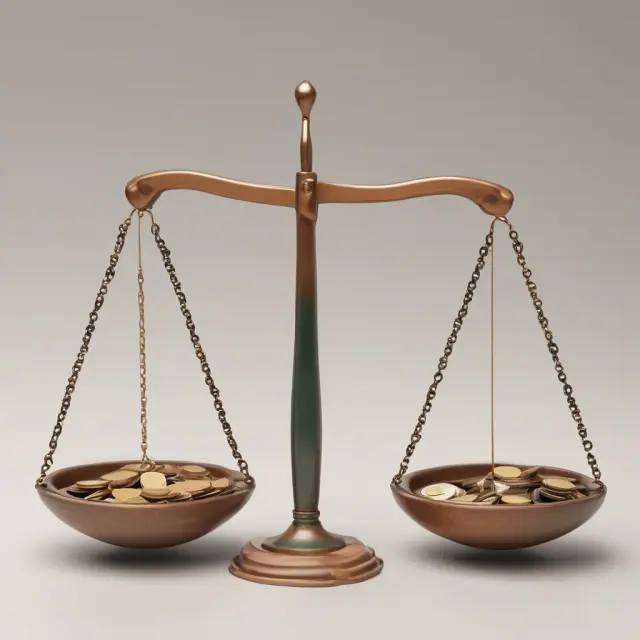
Zero percent financing offers may initially seem like a dream come true for consumers, providing them with temporary access to credit at an interest rate of zero percent. However, it is important to remember that these types of deals can be more expensive than traditional forms of credit over the long term, such as personal loans or credit cards.
Zero-percent financing works by enticing consumers with the prospect of making a large purchase without having to pay any interest during an initial period. This period can last anywhere from six months to a year but ultimately serves as a window for stores and lenders to charge higher interest rates once the promotion ends.
A real-life example of this can be seen in car financing. When purchasing a new vehicle, a consumer might be offered zero percent financing on the loan for a set period, say 12 months. However, after that promotional term elapses, the interest rate can skyrocket to as much as 20%, or even higher. At this point, the true cost of the car becomes apparent.
Traditional credit alternatives such as personal loans and credit cards offer fixed interest rates throughout their entire term. With a personal loan, consumers would know exactly what they will pay monthly for the duration of the loan and can budget accordingly. Additionally, credit card users are aware that any unpaid balance at the end of the billing cycle will incur interest charges, which can be managed by making payments before the due date.
However, some advantages to zero-percent financing include making large purchases more accessible to those who might not otherwise have the cash on hand and potentially lower monthly payments during the promotional period. Consumers should carefully consider their financial situation and ability to pay off the balance in full within the given timeframe before opting for zero percent financing offers.
Additionally, it is crucial to be aware of hidden fees and terms that may negate any potential savings from these deals. For instance, some zero-percent financing agreements include a provision known as “deferred interest.” This means that if the consumer fails to pay off the balance in full before the promotional period ends, they will be responsible for paying not only the unpaid portion but also all accrued interest retroactively from the original purchase date.
In conclusion, while zero percent financing can provide an alluring short-term solution for making large purchases more affordable, it is essential to remember that these deals might carry significant long-term costs and potential risks. Consumers should always carefully consider their financial situation, weigh the benefits against the potential downsides, and explore alternative credit options before deciding on zero percent financing as the best choice.

Understanding the Psychology of Zero Percent Financing Offers
Zero percent financing offers are undoubtedly enticing for consumers, particularly those with limited cash reserves or large expenses to cover. However, it’s essential to be aware that these promotional rates can come with hidden costs and potentially high-interest rates once the promotional period ends. In this section, we delve into the psychological reasoning behind why zero percent financing deals might seem attractive and explore how they impact consumers’ decision-making processes.
The Allure of Zero Percent Financing
Zero percent financing offers are designed to entice customers to purchase high-value items that would otherwise be challenging to afford. By providing a time window during which no interest is charged, retailers can make seemingly unaffordable purchases accessible to consumers. The illusion of “free money” and the belief that one is getting something for nothing are powerful psychological forces. When presented with a zero percent financing option, consumers might feel as if they’re receiving a special deal or advantage over their peers.
However, it’s crucial to understand that these promotional rates typically have limitations. Zero percent financing deals are usually offered for only a limited period, ranging from six months to one year. This means that once the promotional period ends, consumers may face significantly higher interest rates if they haven’t fully paid off their balance by then.
The Role of Confirmation Bias
Confirmation bias is a psychological phenomenon where individuals selectively search for or interpret information in ways that reinforce their preexisting beliefs or expectations. In the context of zero percent financing offers, consumers may focus on the initial savings and overlook the potential long-term consequences. They might feel justified in making larger purchases since they’re not paying interest during the promotional period, leading to an overestimation of their ability to repay the debt in full once it comes due.
The Role of Availability Heuristic
The availability heuristic is a mental shortcut used by individuals to estimate the likelihood or frequency of certain events based on the ease with which examples come to mind. When it comes to zero percent financing, consumers might focus on the immediate benefits without considering the long-term implications. They may base their decisions on the ease with which they can envision the lower monthly payments during the promotional period rather than the potential financial consequences of carrying a balance beyond that timeframe.
The Impact of Zero Percent Financing Offers
Zero percent financing offers can encourage consumers to make impulsive or larger purchases, particularly in industries where high-value items are commonplace. In sectors such as automotive and home appliances, retailers often rely on these incentives to attract customers. However, consumers must be cautious when considering zero percent financing deals and weigh the long-term costs against their potential benefits.
To make an informed decision, it’s essential to read the fine print of any zero percent financing offer carefully. Be aware of hidden fees, balloon payments, and deferred interest that can significantly increase the overall cost of your purchase if not paid in full before the promotional period expires. By taking a thoughtful and well-informed approach to such offers, consumers can avoid financial pitfalls and make purchases they can truly afford.
In the next section, we will discuss the advantages and disadvantages of zero percent financing, offering you a more comprehensive understanding of this popular financing option.

The Future of Zero Percent Financing
Zero percent financing has been a popular marketing tool in various industries for several decades. This practice, which offers consumers interest-free financing for a set period, can seem like an attractive option for those looking to make large purchases they might not otherwise be able to afford. However, the true cost of zero percent financing is often overlooked by consumers. In this section, we’ll discuss recent trends in the world of zero percent financing and how these offers may change in the future.
Zero Percent Financing Trends
In the last few years, there has been a noticeable shift in how zero percent financing offers are presented to consumers. While once limited to specific products or industries, such as automobiles or appliances, zero percent financing now extends to various sectors like home renovations and education loans. Moreover, some stores have started to offer longer promotional periods, increasing the perceived value of these deals.
Another trend in zero percent financing is the inclusion of deferred interest. This means that consumers do not pay any interest on their purchases during the promotional period but must pay the full amount once it ends. Deferred interest can lead to significant unexpected costs if consumers fail to repay their balances before the promotional term ends.
Implications for Consumers
With more industries embracing zero percent financing and longer promotional periods, it’s important for consumers to be aware of the potential pitfalls that come with these offers. Many shoppers might not fully understand the terms and conditions of the deal or may underestimate their ability to repay the balance in full before the promotional period expires.
As a result, consumers could find themselves facing substantial financial consequences, such as unexpectedly high monthly payments or even debt default. To mitigate these risks, it is essential for shoppers to carefully read and understand the terms of any zero percent financing offer they are considering. This includes paying close attention to the length of the promotional period, interest rates once the deal ends, and any potential deferred interest charges.
In Conclusion
Zero percent financing can be an attractive option for consumers seeking large purchases but may not have the cash on hand at the moment. However, it’s crucial that shoppers understand the long-term implications of these deals, particularly when it comes to potential hidden fees and increased costs. By staying informed and diligent in their financial decision-making, consumers can make the most of zero percent financing offers while minimizing their risks.
As trends continue to evolve in the world of finance and consumer credit, we’ll likely see more variations in how zero percent financing is presented and utilized. Staying up to date on these developments will help shoppers navigate the market with confidence and make informed choices about their financial futures.

FAQ: Zero Percent Financing Frequently Asked Questions
Question: What is zero percent financing?
Answer: Zero percent financing refers to offers from retailers that allow consumers to buy high-value items with no interest for a specified period, typically six months to one year. However, once the promotional period ends, consumers may face hefty interest rates and additional fees.
Question: How do stores offer zero percent financing?
Answer: Stores may charge a higher upfront price on the item or increase the monthly payment to cover the cost of the interest during the promotional period. Alternatively, they might earn profits from other sales, such as extended warranties, or insurance add-ons.
Question: What hidden costs should I be aware of when considering zero percent financing?
Answer: After the promotional period expires, consumers may face unexpectedly high interest rates and additional fees. Additionally, deferred interest might be added back into the balance if the purchase isn’t paid off in full before the promotional period ends.
Question: Why do stores offer zero percent financing?
Answer: Stores aim to increase sales by making seemingly affordable purchases possible for consumers during the promotional period while counting on many customers to fail to pay off their balances and pay high interest rates post-promotion.
Question: Is it a good idea to use zero percent financing for large purchases?
Answer: While zero percent financing can help make large purchases more manageable in the short term, consumers should carefully consider the long-term costs of carrying a debt with deferred interest and high interest rates after the promotion ends.
Question: How can I make the most out of zero percent financing offers?
Answer: To fully benefit from 0% financing deals, consumers should aim to pay off the balance before the promotional period ends, negotiate for lower prices or extended payment terms when possible, and avoid adding unnecessary expenses like insurance or warranties.
 Next entry · No. 5,904Zero-Proof Bookkeeping: A Manual Approach to Balancing the Books
See also
-
 No. 5,309
29 Aug 2025
18 min
Understanding Unsecured Credit and Its Implications for Investors
Business Finance
No. 5,309
29 Aug 2025
18 min
Understanding Unsecured Credit and Its Implications for Investors
Business Finance -
 No. 4,792
17 Jul 2025
25 min
Understanding Subprime Loans: Rates, Risks and Market Trends
Business Finance
No. 4,792
17 Jul 2025
25 min
Understanding Subprime Loans: Rates, Risks and Market Trends
Business Finance -
 No. 4,661
06 Jul 2025
20 min
Signature Loans: Understanding This Unsecured Debt Option For Professional Investors
Business Finance
No. 4,661
06 Jul 2025
20 min
Signature Loans: Understanding This Unsecured Debt Option For Professional Investors
Business Finance -
 No. 4,469
21 Jun 2025
22 min
Revolving Credit: Understanding the Flexible Financial Tool for Institutional and Professional Investors
Business Finance
No. 4,469
21 Jun 2025
22 min
Revolving Credit: Understanding the Flexible Financial Tool for Institutional and Professional Investors
Business Finance -
 No. 4,323
09 Jun 2025
19 min
Understanding Reconciliation: A Crucial Accounting Process for Businesses and Individuals
Business Finance
No. 4,323
09 Jun 2025
19 min
Understanding Reconciliation: A Crucial Accounting Process for Businesses and Individuals
Business Finance -
 No. 3,862
02 May 2025
19 min
Understanding Overleveraging: Risks, Causes and Consequences
Business Finance
No. 3,862
02 May 2025
19 min
Understanding Overleveraging: Risks, Causes and Consequences
Business Finance