Ben Bernanke’s Role in U.S. Economy: Controversial Strategies and Legacy

Ben Bernanke's life, education, controversial strategies as Federal Reserve Chair, impact on U.S. economy, and legacy.
Early Life, Education, and Career Before the Federal Reserve
Ben Shalom Bernanke, born on December 13, 1953, grew up in Dillon, South Carolina, where his parents, a pharmacist and a schoolteacher, raised him. Bernanke demonstrated exceptional academic prowess throughout his formative years, eventually earning his undergraduate degree summa cum laude from Harvard University in 1975 and completing his Ph.D. in economics from MIT in 1979. Before ascending to public office as the chair of the Federal Reserve, Bernanke taught economics at esteemed universities like Stanford and Princeton. He chaired the department at Princeton until 2002 when he left academia to engage in public service.
Bernanke’s impressive background prepared him well for his future role as the chair of the Federal Reserve. His dedication to economics, combined with his experience as an educator and academic, made him a strong candidate for this prestigious position. The foundations he laid during his time at Harvard, MIT, Stanford, and Princeton would significantly influence his career trajectory and his impact on the U.S. economy.
After leaving academia, Bernanke began working in public service. He joined the Federal Reserve in 2002 as a member of the Board of Governors, serving until 2005 when he was nominated by President George W. Bush for the position of chair. This nomination came after his tenure on the President’s Council of Economic Advisers, which was considered a trial run for succeeding Alan Greenspan as chairman of the Federal Reserve. Bernanke officially assumed the role on February 1, 2006.
Bernanke’s academic background and experience in public service prepared him well to tackle the challenges that awaited him during his tenure at the Fed. His unwavering commitment to economics and dedication to his work laid the groundwork for his significant contributions to the U.S. economy, particularly during the 2008 financial crisis. In the following sections, we will delve deeper into Bernanke’s actions as chair of the Federal Reserve and the impact they had on the American economy.
Nomination as Chair of the Federal Reserve
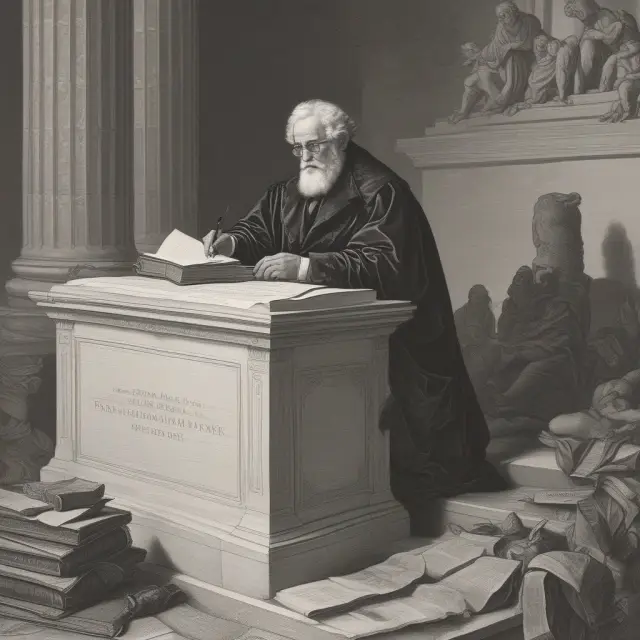
Ben Bernanke’s nomination for the position of chair of the Federal Reserve came as a surprise to many when it was announced in late 2005. At the time, Bernanke was serving on President Bush’s Council of Economic Advisors and had previously held positions at both Stanford and Princeton Universities. However, his background and impressive academic credentials had not gone unnoticed by the White House, making him an ideal candidate for the role as Greenspan’s successor.
Bernanke was born in South Carolina in 1953 to a pharmacist father and schoolteacher mother. After completing his undergraduate degree summa cum laude at Harvard University, he went on to earn his Ph.D. in economics from the Massachusetts Institute of Technology (MIT) in 1979. Bernanke’s impressive academic record eventually led him to teach economics at prestigious institutions like Stanford and Princeton University, where he chaired the department until 2002 when he left for public service.
Bernanke’s journey to the Federal Reserve began in earnest when he was appointed to President Bush’s Council of Economic Advisors in early 2005. During his time on the council, Bernanke quickly gained the attention of the White House due to his expertise and insightful analysis of economic issues. In November 2005, Bernanke was officially nominated by President George W. Bush as the successor to Alan Greenspan as chair of the Federal Reserve. The nomination came following a rigorous selection process involving extensive interviews, background checks, and deliberations with top administration officials.
Bernanke’s appointment as chair of the Federal Reserve was met with both praise and criticism. Supporters pointed to his impressive academic credentials, deep understanding of the economy, and experience in academia and public service. Critics, however, questioned whether Bernanke had enough practical experience to effectively navigate the complex challenges facing the central bank during a period of significant economic uncertainty.
Despite these concerns, Bernanke’s tenure as Fed chair proved to be marked by bold and innovative policy responses to the financial crisis that erupted in 2008. His implementation of unconventional monetary measures like quantitative easing and near-zero interest rates helped stabilize the economy during a time of great turmoil. Bernanke’s leadership at the Fed is still a subject of debate among economists, with some praising his actions as critical in averting an even more catastrophic outcome while others argue that his policies may have created unintended consequences like increased debt and inflation. Regardless, Bernanke’s role as chair of the Federal Reserve during this period will continue to be studied by scholars and policymakers for years to come.
In conclusion, Ben Bernanke’s nomination as chair of the Federal Reserve was a pivotal moment in his career that set him on a path to lead the central bank during one of its most challenging periods in history. His background in academia, strong understanding of economic theory, and experience in public service made him an ideal candidate for the role, despite some initial skepticism from critics. Bernanke’s innovative policies and leadership during the financial crisis have left a lasting impact on the global economy, shaping discussions around monetary policy and central banking for years to come.

Fed’s Response to the Financial Crisis: Low-rate Policy
Ben Bernanke’s tenure at the Federal Reserve was defined by his response to the 2008 financial crisis, which saw the U.S. economy plunge into a recession. Among the strategies he employed to stabilize the situation, the most notable was the implementation of a low-interest rate policy. This strategy aimed to reduce borrowing costs for banks and encourage lending to consumers and businesses.
The Federal Reserve lowered its benchmark federal funds rate to near zero, enabling banks to borrow money cheaply from each other. Consequently, banks could then offer loans with lower interest rates, making it more affordable for businesses and consumers to finance investments or take on debt. This policy was crucial in providing an economic lifeline during a time when confidence in financial institutions had reached an all-time low.
However, the potential consequences of such a strategy were not without controversy. Critics argued that lower interest rates led to increased borrowing and spending, potentially contributing to inflation and increasing overall debt levels. Despite this debate, Bernanke believed that this measure was essential for maintaining economic stability during an unprecedented crisis.
Additionally, Bernanke employed another unconventional monetary policy technique called quantitative easing. This program saw the Federal Reserve purchase large quantities of securities from banks to increase the money supply in the economy. As bond prices and interest rates are inversely related, lower interest rates resulted from these purchases. This reduction in financing costs encouraged businesses to invest more and create jobs, ultimately reducing the unemployment rate.
While Bernanke’s actions proved crucial in stabilizing the U.S. economy, they were met with criticism regarding their long-term implications. The potential for inflation and increased debt levels fueled heated debates among economists and policymakers alike. Nevertheless, Bernanke’s legacy as a leader during one of the most challenging times in U.S. economic history remains undeniable.
In summary, Ben Bernanke employed a low-interest rate policy and quantitative easing to stabilize the U.S. economy during the financial crisis. While these strategies had their share of controversy, they proved vital in preventing an even more devastating economic downturn.
Quantitative Easing: Increasing the Money Supply
In response to the 2008 financial crisis, Ben Bernanke, then-chairman of the Federal Reserve, implemented a monetary policy known as quantitative easing (QE) to stabilize the U.S. economy. This unconventional approach aimed at increasing the money supply in the economy by purchasing securities from banks and other financial institutions, ultimately lowering interest rates and stimulating economic activity.
The process of QE begins when the Federal Reserve purchases securities, such as Treasury bonds or mortgage-backed securities (MBS), on a massive scale through open market operations. By increasing demand for these securities, bond prices rise, leading to lower interest rates. Lower interest rates then improve business financing conditions and encourage investment, contributing to job creation and economic growth.
The primary goal of QE is to address the short-term liquidity crisis in financial markets by providing a temporary boost to lending and stimulating demand for securities, allowing banks to earn revenue from selling their assets to the Fed. In essence, the Fed acts as a buyer of last resort during times of financial instability.
While QE proved effective at stabilizing the economy and preventing a potential collapse, it also raised concerns regarding inflation and increased debt. Critics argued that an oversupply of money in the economy could lead to higher prices for goods and services, causing economic instability and potentially fueling inflation. Moreover, the long-term implications of QE’s impact on debt levels remained uncertain.
The initial implementation of quantitative easing involved a series of three programs: QE1, QE2, and QE3. Each successive program was designed to address worsening economic conditions as the recovery from the 2008 financial crisis proved slower than anticipated. In total, the Federal Reserve injected approximately $4 trillion into the economy through these three rounds of quantitative easing.
Despite the controversy surrounding QE and its potential long-term consequences, Bernanke’s unconventional approach was credited with preventing another Great Depression and helping to pave the way for a more stable economic recovery. However, the debate over the effectiveness and implications of quantitative easing continues among economists and policymakers today.
Bernanke’s use of quantitative easing marked a significant departure from traditional monetary policy methods. This bold move set a precedent for future central bank responses to economic crises and underscored Bernanke’s innovative approach to addressing the complex challenges facing the U.S. economy during this tumultuous period.
Bailing Out Financial Institutions
During the 2008 financial crisis, Ben Bernanke implemented controversial measures to stabilize large financial institutions by bailing them out. In contrast to allowing Lehman Brothers to fail, Bernanke intervened to save companies like AIG Insurance and incentivized Bank of America and JPMorgan to purchase Merrill Lynch and Bear Stearns, respectively.
AIG Insurance faced significant risk due to its involvement in hundreds of billions of dollars in derivatives speculation. If the company had lost out on these positions, it would have struggled to pay off or cover its losses. To prevent a potential collapse, Bernanke believed that the Fed should intervene and provide support.
For companies like Merrill Lynch and Bear Stearns, Bernanke and the Federal Reserve took a different approach. They incentivized Bank of America and JPMorgan to take over these struggling firms by guaranteeing their bad loans. While Bernanke’s decision to let Lehman Brothers fail was criticized, his actions regarding AIG and other institutions proved crucial in preventing a wider financial meltdown.
Bernanke’s controversial interventions raised questions about the potential consequences of excessive intervention in the economy. Critics argued that these measures increased individual and corporate debt levels while potentially contributing to inflation. Despite these concerns, Bernanke believed that his actions were necessary to save the global economy from collapsing entirely.
In 2010, President Barack Obama reappointed Bernanke for a second term as Federal Reserve Chair, despite opposition from legislators and economists who questioned the long-term implications of Bernanke’s policies during the financial crisis. As of August 2022, Bernanke currently serves as an economist at the Brookings Institution and advisor for Citadel.
Bernanke’s decisions during the financial crisis demonstrated the delicate balance between intervention and risk in managing the economy. While his actions prevented a more catastrophic collapse, they also sparked debate about the role of government intervention and its potential consequences on debt levels and inflation.
Ben Bernanke’s Economic School of Thought
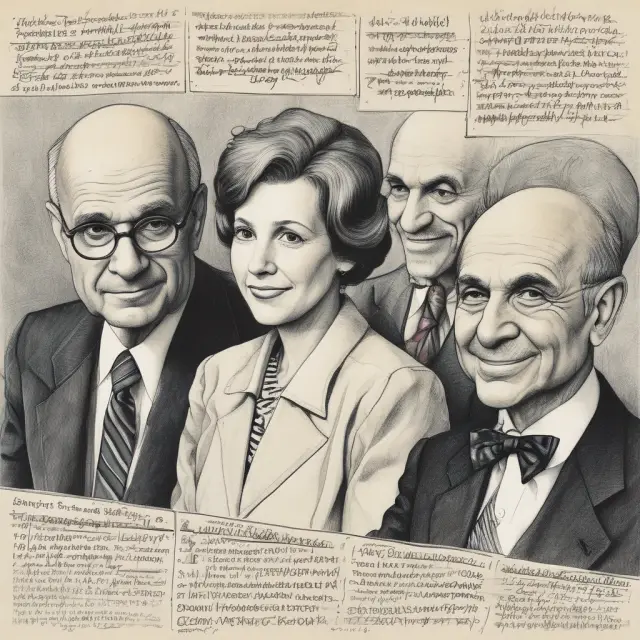
Throughout his illustrious career, Ben Bernanke has been known for his association with renowned economists Milton Friedman and Anna Schwartz. Their influences on Bernanke shaped his economic beliefs, particularly in the context of monetary policy and the role of central banks like the Federal Reserve (Fed).
Milton Friedman, an influential Nobel laureate, championed a strong belief in the power of monetary policy to stabilize the economy. He emphasized that by controlling the money supply, central banks could control inflation and keep the economy running smoothly. This idea was in stark contrast to those who believed that fiscal policy—changes in government spending or taxation—was the primary tool for economic management.
Bernanke’s studies under Friedman instilled a deep understanding of how monetary policy operates within an economy. However, his association with Anna Schwartz, an economist and historian, provided him with unique insights into the historical context of business cycles and their impact on the economy.
The pair’s collaborative work on “A Monetary History of the United States,” published in 1963, helped solidify the idea that monetary policy played a crucial role during economic downturns. This notion would become a cornerstone of Bernanke’s approach to managing the economy as chair of the Federal Reserve.
Bernanke’s adherence to Friedman and Schwartz’s ideas is evident in his decision to implement monetary policies designed to boost the U.S. economy during the 2008 financial crisis. The low-interest rate policy, along with quantitative easing, were aimed at increasing the money supply to spur economic activity and reduce inflation.
While Bernanke’s commitment to these principles proved effective in reviving the economy, critics argue that his actions contributed significantly to increased debt and potential long-term inflationary pressures. Nevertheless, the former chair’s approach is an enduring testament to the lasting impact of Milton Friedman and Anna Schwartz on monetary economics.
Understanding Bernanke’s connection with these influential economists adds depth and context to his tenure as Federal Reserve chair and provides valuable insight into his decision-making during critical moments in U.S. financial history.
Criticisms and Controversies
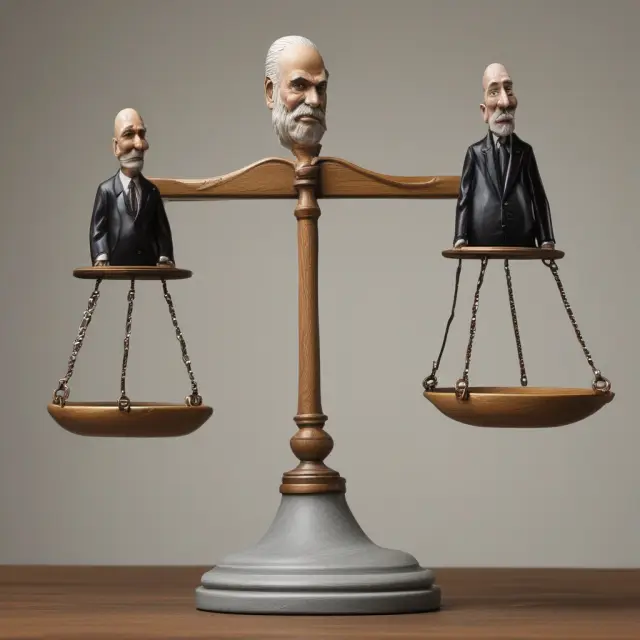
While Ben Bernanke’s actions during his tenure as the Federal Reserve chair were instrumental in stabilizing the U.S. economy after the 2008 financial crisis, they also attracted significant criticism from economists and legislators. Critics argued that his aggressive strategies, particularly quantitative easing, increased debt levels and contributed to inflation.
Quantitative Easing: Debate Over Increased Money Supply
The quantitative easing program, which involved the Fed purchasing large quantities of securities to increase the money supply, was a contentious issue among critics. They argued that this strategy not only fueled inflation but also increased individual and corporate debt. However, Bernanke defended his actions, stating that they were necessary to prevent a much worse economic downturn.
Bailing Out Financial Institutions: Criticisms of Saving the Big Guys
Bernanke’s decision to bail out troubled financial institutions was met with mixed reactions. While some saw it as an essential measure to stabilize the financial sector, others criticized the Fed for rewarding reckless behavior and using taxpayer dollars to save failing institutions.
Political Criticism: Opposition to Bernanke’s Reappointment
Despite President Barack Obama’s decision to reappoint Bernanke as Federal Reserve chair in 2010, several legislators opposed his appointment due to the controversial measures he employed during the financial crisis. The criticisms against Bernanke led to a heated debate among economists and policymakers regarding the role of monetary policy in stabilizing the economy and dealing with the aftermath of the financial crisis.
Ben Bernanke’s Legacy: Controversial yet Significant
Bernanke’s actions during his time at the Federal Reserve left a lasting impact on the U.S. economy, creating a complex debate about their merits and consequences. While some laud him as a hero who saved the American economy from collapse, others criticize him for overstepping boundaries and potentially sowing the seeds for future economic challenges.
Bernanke’s post-Federal Reserve career has kept him in high demand as an economist and advisor, demonstrating his continued influence on monetary policy and economic thought. The controversy surrounding Bernanke’s tenure at the Federal Reserve serves as a reminder of the complexities and debates that arise when tackling significant financial crises and implementing large-scale economic policies.
Post-Federal Reserve Career
Since leaving the Federal Reserve in 2014, Ben Bernanke has continued to make significant contributions to the world of economics. Currently, he serves as a senior fellow at the Brookings Institution, a nonprofit public policy organization based in Washington, D.C. Here, Bernanke provides insightful commentary on fiscal and monetary policies that continue to shape the global economy. In addition to his role at the Brookings Institution, Bernanke has also taken up the position of senior advisor for Citadel, a financial services firm with over $30 billion in assets under management.
Bernanke’s extensive knowledge and expertise have been highly sought after since his tenure at the Federal Reserve ended. His experience navigating the U.S. economy through a major recession has provided him with unique insights that are valuable to both policymakers and financial institutions. As a senior fellow at Brookings, Bernanke shares his perspective on various economic issues, offering thoughtful commentary and analysis that helps guide informed decision-making in Washington and beyond.
Bernanke’s role as an advisor for Citadel further highlights the importance of his expertise in the financial sector. With a deep understanding of monetary policy, Bernanke is well-positioned to provide strategic advice on investments and risk management. His insights can help Citadel navigate complex economic conditions and make informed decisions that maximize returns for its clients while minimizing risks.
In addition to his professional pursuits, Bernanke has continued to engage in academic work. He has published several articles exploring various aspects of monetary policy and its role in shaping the global economy. Bernanke’s work offers a unique perspective that draws on both his extensive experience as a central banker and his deep understanding of economic theory. His contributions continue to influence the broader conversation about monetary policy, ensuring that his impact on the world of economics is far from over.
As Ben Bernanke enters the next chapter of his career, he remains an influential figure in the realm of fiscal and monetary policies. His work at the Brookings Institution and Citadel underscores the value of his expertise and experience in the field. By continuing to provide insightful commentary on economic issues, Bernanke is helping to shape the direction of policymaking and investment strategies that will have lasting consequences for individuals, businesses, and governments around the world.
Legacy of Ben Bernanke
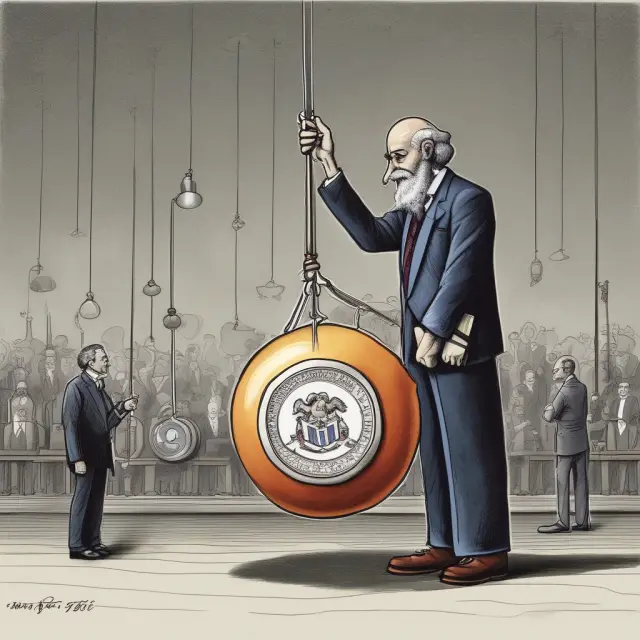
The legacy of Ben Bernanke, the former chair of the Federal Reserve from 2006 to 2014, has been a subject of intense debate among economists and policymakers alike. Bernanke, who succeeded Alan Greenspan, oversaw the central bank’s response during one of the most significant economic crises in U.S. history: the 2008 financial crisis and the subsequent Great Recession.
Bernanke’s tenure at the Fed was marked by several unconventional monetary policies aimed at boosting the economy, including quantitative easing and near-zero interest rates. The legacy of these actions, however, remains debated among economists.
Early Successes: Aggressive Response to the Financial Crisis
Upon taking office in 2006, Bernanke faced a relatively stable economic environment. However, his response to the financial crisis that unfolded three years into his tenure would define his legacy. By reducing interest rates close to zero and implementing quantitative easing, Bernanke aimed to stabilize the economy by increasing the money supply.
The aggressive actions of the Federal Reserve proved effective in restoring confidence in the financial system during a time when markets were on the brink of collapsing. In addition, the Fed also played a significant role in bailing out large financial institutions, such as AIG and Bear Stearns, to prevent their failure from triggering further economic damage.
Controversial Legacy: Criticism and Debate
Despite the successes of Bernanke’s response to the crisis, his actions were not without controversy. Critics argue that the unprecedented expansion of the Fed’s balance sheet resulted in increased debt and inflation. Furthermore, some argue that Bernanke’s policies contributed to a culture of moral hazard, encouraging excessive risk-taking by financial institutions.
Current Impact: Reflection on Bernanke’s Legacy Today
Bernanke’s influence as chair of the Federal Reserve continues to be felt in modern monetary policy. His ideas and actions have shaped economic theory and continue to inform discussions among central bankers and economists around the world.
In his post-Federal Reserve career, Bernanke has remained an active participant in economic discourse, serving as a senior advisor for financial services firm Citadel and contributing to research at the Brookings Institution. His work continues to add insight into the complex relationship between monetary policy, inflation, and economic recovery.
Conclusion: Ben Bernanke’s Legacy and Future Impact
Ben Bernanke’s legacy as a former chair of the Federal Reserve is multifaceted. While his response to the 2008 financial crisis was instrumental in saving the U.S. economy from a potential collapse, the long-term consequences and criticisms surrounding his actions continue to shape debates about monetary policy, inflation, and economic stability. Bernanke’s impact on the global economy will undoubtedly be studied for generations to come as economists and policymakers search for new solutions to navigate financial crises in an increasingly interconnected world.
FAQs about Ben Bernanke
Who is Ben Bernanke?
Ben Bernanke served as the chair of the Federal Reserve from 2006 to 2014, overseeing the central bank’s response to the 2008 financial crisis and the Great Recession. He was born on Dec. 13, 1953, in South Carolina, completed his undergraduate degree summa cum laude at Harvard University, and obtained his Ph.D. from MIT in 1979.
What economic theories does Ben Bernanke believe in?
Ben Bernanke’s economic beliefs are largely influenced by Milton Friedman and Anna Schwartz. He advocates that the Federal Reserve Board could control inflation and revitalize the economy by increasing the money supply at a rate equal to the gross national product (GNP).
How did Ben Bernanke respond to the financial crisis?
In response to the 2008 financial crisis, Bernanke introduced a low-interest rate policy to stabilize the economy and implemented quantitative easing to increase the money supply. He also bailed out several troubled financial institutions.
What is quantitative easing?
Quantitative easing is an unconventional monetary policy used by central banks, like the Federal Reserve, to increase the money supply in the economy by purchasing assets from banks in large quantities. It is a method of open market operations, which aims to promote economic growth and financial stability.
What was the purpose of Ben Bernanke’s low-interest rate policy?
The primary goal of Bernanke’s low-interest rate policy was to reduce borrowing costs for businesses and consumers, allowing them to invest, create jobs, and contribute to economic growth.
Was Ben Bernanke successful in reviving the economy?
Ben Bernanke’s actions saved the U.S. economy from a possible collapse but were not exempt from criticism. Economists criticized his approach for potentially increasing individual and corporate debt, leading to inflation, and bailing out large financial institutions. Despite these concerns, Bernake is still regarded as one of the most influential Fed chairs in history.
What is Ben Bernanke’s current role?
Ben Bernanke currently serves as an economist at the Brookings Institution and a senior advisor for Citadel. He continues to provide insights on fiscal and monetary policies.
 Next entry · No. 396Understanding Benchmarks: A Standard for Measuring Investment Performance
See also
-
 No. 1,476
21 Sep 2024
19 min
Understanding the Federal Funds Rate: Impact, Determination and Difference
Business Finance
No. 1,476
21 Sep 2024
19 min
Understanding the Federal Funds Rate: Impact, Determination and Difference
Business Finance -
 No. 1,470
20 Sep 2024
25 min
Understanding the Federal Reserve’s Balance Sheet: A Key Indicator of Monetary Policy and Economic Health
Finance Policy
No. 1,470
20 Sep 2024
25 min
Understanding the Federal Reserve’s Balance Sheet: A Key Indicator of Monetary Policy and Economic Health
Finance Policy -
 No. 1,216
13 Aug 2024
25 min
Understanding Economic Stimulus: Monetary and Fiscal Policy Tools for Jumpstarting Private Sector Growth
Economics
No. 1,216
13 Aug 2024
25 min
Understanding Economic Stimulus: Monetary and Fiscal Policy Tools for Jumpstarting Private Sector Growth
Economics -
 No. 763
04 Jun 2024
22 min
Contractionary Policy: Understanding the Tools, Effects, and Goals of Central Bank Monetary Measures
Economics
No. 763
04 Jun 2024
22 min
Contractionary Policy: Understanding the Tools, Effects, and Goals of Central Bank Monetary Measures
Economics -
 No. 486
26 Apr 2024
22 min
Understanding the Boom and Bust Cycle: Causes, Effects, and Mitigation
Economics
No. 486
26 Apr 2024
22 min
Understanding the Boom and Bust Cycle: Causes, Effects, and Mitigation
Economics -
 No. 373
16 Apr 2024
22 min
Basket of Goods and Services: Understanding the Consumer Price Index (CPI) and Its Role in Measuring Inflation
Economics
No. 373
16 Apr 2024
22 min
Basket of Goods and Services: Understanding the Consumer Price Index (CPI) and Its Role in Measuring Inflation
Economics