Economic Depreciation vs Accounting Depreciation: Understanding the Difference in Finance and Real Estate

Understand the difference between economic and accounting depreciation in finance and real estate, with expert insights into their impact on investments and…
Introduction
Economic depreciation plays a crucial role in understanding how the value of assets changes due to market forces and external factors. While accounting depreciation represents an asset’s decrease in value based on a predetermined schedule, economic depreciation refers to the decline in market value resulting from various economic conditions or influences. This concept is especially relevant to real estate investors, developers, and homeowners. In this article, we will explore what economic depreciation is, how it differs from accounting depreciation, and its significance in real estate finance.
Understanding Economic Depreciation
Economic depreciation represents the decrease in an asset’s market value due to external factors that impact its desirability or utility. The process occurs when changes in economic conditions or market forces alter the demand for a specific asset, ultimately reducing its worth. For instance, a real estate property might experience economic depreciation if a new development project nearby diminishes its appeal or if environmental factors negatively affect the neighborhood. Economic depreciation is essential to consider when evaluating an asset’s overall value and potential for appreciation or depreciation in various market conditions.
Economic Depreciation vs Accounting Depreciation
While accounting depreciation refers to the systematic allocation of a tangible asset’s cost over its useful life, economic depreciation is the decrease in an asset’s value due to external factors that affect its market worth. In accounting terms, assets are depreciated to zero value once their useful life has been exhausted. However, a significant discrepancy between an asset’s book value (accounting) and its market value (economic) can arise. For example, a real estate property might have a high book value due to past investment costs but a lower market value due to economic depreciation factors such as neighborhood conditions or macroeconomic trends.
The significance of economic depreciation lies in its ability to influence the selling price and appraisal value of an asset in various industries, particularly real estate. This concept is essential for investors, developers, and homeowners to grasp when managing their assets and making informed investment decisions. In the next sections, we will delve deeper into how economic depreciation affects the real estate market, its calculation methods, and notable factors contributing to it.
Stay tuned for subsequent sections covering the impact of economic depreciation on real estate, calculating economic depreciation in real estate, and notable case studies.

Understanding Economic Depreciation
Economic depreciation is a crucial concept in finance and real estate, representing the reduction in an asset’s market value due to external economic factors. It differs significantly from accounting depreciation, which follows a fixed schedule for allocating an asset’s cost over its useful life.
Definition and Explanation
Economic depreciation is the measurement of the decrease in an asset’s value as influenced by various external economic factors. This concept primarily applies to real estate assets but can also impact other investments, such as stocks or bonds, depending on market conditions. Understanding economic depreciation is essential for investors and property owners seeking to make informed decisions about buying, selling, or managing their assets in different economic environments.
Impact on Real Estate
Real estate assets are most commonly associated with economic depreciation due to the many factors that can affect their market value over time. These elements include unfavorable neighborhood conditions, road closures, changes in demand, and macroeconomic trends. Economic depreciation can significantly impact real estate valuations during periods of economic downturn or a general decline in the housing market.
Importance to Financial Analysis
Economic depreciation plays an essential role in financial analysis, especially when assessing the selling value of assets in various markets. It is an important factor for investors and property owners looking to buy, sell, or manage their assets effectively based on current and forecasted market conditions. Understanding economic deprepiation can also help inform investment strategies, such as buying distressed properties at a discount during periods of significant economic depreciation.
Key Differences from Accounting Depreciation
Accounting depreciation is the systematic allocation of an asset’s cost over its useful life to match expenses with revenue. This process is based on predetermined schedules and does not reflect actual changes in market value. Economic depreciation, however, considers real-time market conditions that can impact an asset’s value in the open market.
Calculating Economic Depreciation
Determining economic depreciation involves analyzing changes in market conditions affecting an asset’s value between appraisals or assessments. Real estate appraisals are a primary tool for calculating economic depreciation, as they provide insights into the impact of external economic factors on property values. Understanding economic depreciation can help investors and property owners make more informed decisions when buying, selling, or managing their assets based on current market conditions.
Factors Affecting Economic Depreciation
Several factors can contribute to economic depreciation in real estate assets, including unfavorable neighborhood conditions, macroeconomic trends, changes in property demand, and supply-side factors like road closures or infrastructure issues. Identifying these factors is crucial for understanding the potential impact on an asset’s value and making informed decisions based on market conditions.
Case Study: The Housing Market Crisis of 2008
A notable example of economic depreciation occurred during the U.S. housing market crisis in 2008, which saw home values decline dramatically due to the bursting of a housing bubble. Many homeowners found themselves owing more money on their mortgages than their properties were worth, leading to widespread financial instability and a significant impact on the broader economy. Understanding economic depreciation played a crucial role in assessing the extent of damage caused by the crisis and informing investment strategies in its aftermath.
Investment Implications
Economic depreciation has important implications for both individual investors and institutional asset managers. Investors need to stay informed about market conditions that could impact their assets’ values, while property owners must make strategic decisions based on these factors to maximize returns or minimize losses. By understanding the principles of economic depreciation, investors can make more informed decisions when considering buying, selling, or holding onto assets in different economic environments.
In conclusion, economic depreciation is a vital concept in finance and real estate that measures the reduction in an asset’s market value due to external economic factors. Understanding economic depreciation is crucial for making informed decisions about buying, selling, or managing investments, particularly in the context of real estate assets. By staying informed about the underlying factors influencing economic depreciation, investors and property owners can adapt their investment strategies to maximize returns and minimize risk.

Economic Depreciation vs Accounting Depreciation: Key Differences
Understanding Depreciation Types
Depreciation is a process that measures the decrease in the value of an asset over time. In finance and real estate, two primary types of depreciation exist: economic depreciation and accounting depreciation. While both concepts are related, it is essential to recognize their differences for proper financial analysis.
What Is Economic Depreciation?
Economic depreciation refers to the decrease in a property’s market value due to various influential factors. These factors may include economic conditions, neighborhood quality, or even nearby construction projects. Unlike accounting depreciation, which is a scheduled expense, economic depreciation is not uniform but rather driven by specific circumstances.
Calculating Economic Depreciation
Determining economic depreciation is often more complex than calculating accounting depreciation. While the latter follows a set depreciation schedule based on an asset’s useful life, economic depreciation depends on external factors affecting an asset’s value over time. Real estate, in particular, can be significantly impacted by economic depreciation, especially during periods of economic downturn or a housing market decline.
Comparison with Accounting Depreciation
The primary difference between economic and accounting depreciation lies in their calculation methods. Accounting depreciation schedules an asset’s value decrease over time based on its useful life. In contrast, economic depreciation calculates the change in market value caused by external factors. An important distinction is that economic depreciation can lead to a decrease or increase in an asset’s value depending on the specific economic conditions.
Economic Depreciation and Real Estate Appraisals
Understanding economic depreciation is crucial for real estate appraisal purposes. Appraisals provide insight into an asset’s market value, which can be significantly affected by external factors such as neighborhood deterioration or infrastructure development. As a result, tracking economic depreciation enables investors and asset owners to make informed decisions based on the current market conditions.
Factors Influencing Economic Depreciation in Real Estate
Numerous factors contribute to economic depreciation in real estate:
- Economic conditions (recessions or booms)
- Neighborhood conditions (quality, crime rates, etc.)
- Infrastructure development
- Natural disasters
- Changes in zoning laws
- Demographic trends
- Competition from new construction
- Market saturation
- Technological advancements
- Interest rates and inflation
Understanding the Role of Economic Depreciation
Investors and asset owners must consider economic depreciation when making financial decisions related to their assets. The knowledge of how economic conditions impact a property’s value can help:
- Anticipate future market trends
- Identify potential risks
- Inform investment strategies
- Adjust pricing for sales or rentals
- Evaluate the performance of real estate investments
- Stay competitive in their respective markets
Conclusion
In summary, economic depreciation and accounting depreciation serve different purposes in finance and real estate analysis. Economic depreciation reflects the change in an asset’s market value due to external factors, while accounting depreciation schedules an asset’s decrease in value over its useful life. Understanding both types of depreciation enables investors, analysts, and asset owners to make informed decisions based on current market conditions and anticipate future trends.

Impact of Economic Depreciation on Real Estate
Economic depreciation plays a crucial role in determining the market value of real estate properties, particularly during periods of economic downturns or housing market declines. This concept is distinct from accounting depreciation, which is a scheduled decrease in an asset’s value over time for financial reporting purposes. Economic depreciation refers to the loss in market value due to external factors and is often considered by property owners who intend to sell their assets.
Real estate values can be influenced by various economic conditions and neighborhood factors. A decline in a neighborhood or nearby areas can lead to negative economic depreciation, causing a decrease in market value. For instance, the addition of unfavorable construction, road closures, or a reduction in neighborhood quality might contribute to economic depreciation.
Economic depreciation is significant because it impacts real estate appraisals, which can significantly affect property valuations. Appraisals provide valuable insights into the extent of economic depreciation and its implications on the market value of a property. In some cases, multiple appraisals may reveal varying values due to differing assessments of economic depreciation.
During the housing market crisis in 2008, the combination of subprime loans with low or no down payments and plummeting housing prices led to an unprecedented level of economic depreciation for many homeowners. In areas most affected by the crisis, such as Las Vegas, home values depreciated by up to 60%. This significant decrease in market value had far-reaching consequences, including numerous instances where homeowners owed more on their mortgages than their properties were worth due to economic depreciation.
In contrast, positive economic appreciation can also occur, causing an increase in the market value of real estate assets from one appraisal to another. This improvement might stem from favorable neighborhood conditions or macroeconomic factors that boost demand for housing, leading to rising property values.
It is essential for both investors and property owners to consider the impact of economic depreciation when managing their real estate investments. Understanding the underlying causes and implications can help them make informed decisions regarding buying, selling, and maintaining their assets. By staying attuned to the broader economic landscape and neighborhood conditions, they can better navigate market fluctuations and position themselves for success in a dynamic real estate environment.
In summary, economic depreciation plays a vital role in determining the market value of real estate properties by reflecting the loss in value due to external factors. Real estate appraisals provide valuable insights into the extent of economic depreciation, which can significantly impact property valuations and have far-reaching consequences for homeowners and investors alike.

Calculating Economic Depreciation in Real Estate
Economic depreciation is a significant factor when evaluating the worth of real estate, as it represents the decrease in an asset’s value due to various economic factors. In contrast to accounting depreciation, which follows a fixed schedule for deducting an asset’s cost over time, economic depreciation is the decrease in an asset’s market value brought about by external economic influences.
To calculate economic depreciation for real estate properties, various methods can be employed, and understanding these techniques provides crucial insights into a property’s worth and potential risks. One common method is analyzing changes in appraisals over time. Real estate appraisals provide an estimate of a property’s market value, serving as an essential indicator of economic depreciation or appreciation. Comparing successive appraisal reports reveals the net change in value for the asset. A decline in the appraised value represents economic depreciation, while an increase signifies economic appreciation.
Another approach involves examining trends and factors impacting a given market. Neighborhood conditions, demographic shifts, infrastructure improvements or deteriorations, and broader economic indicators (like unemployment rates and inflation) can all influence real estate values. By staying abreast of these changes, investors and property owners can estimate the potential economic depreciation or appreciation of their assets and make informed decisions based on current market conditions.
Considering historical data is also essential in calculating economic depreciation for real estate. Studying trends over extended periods helps uncover patterns and predict future developments, allowing more accurate assessments of an asset’s worth. For instance, analyzing long-term changes in property values across various neighborhoods or markets can reveal underlying economic trends and help investors anticipate potential risks and opportunities.
Case studies provide valuable insights into the impact of economic depreciation on real estate assets. One such example is the significant housing market decline during the 2008 crisis. The combination of subprime mortgages and a general drop in housing values led to substantial economic depreciation for homeowners, with some experiencing decreases as high as 60% in the hardest-hit areas (Las Vegas). This dramatic decrease highlights the importance of understanding economic depreciation and its potential consequences.
In conclusion, calculating economic depreciation in real estate is a critical aspect of financial analysis, enabling investors and property owners to make informed decisions based on current market conditions, historical trends, and external factors. By staying aware of economic influences and utilizing methods such as appraisal comparisons and trend analysis, one can effectively assess the potential risks and rewards associated with real estate investments.

Factors that Influence Economic Depreciation in Real Estate
Economic depreciation is a vital concept for real estate investors, appraisers, and property owners since it represents the change in market value of real property due to economic influences. While economic depreciation might be less straightforward than accounting depreciation, understanding its causes is essential for making informed investment decisions, pricing properties effectively, or accurately forecasting cash flows.
Factors contributing to economic depreciation can range from local to macroeconomic conditions. Some common factors influencing economic depreciation include:
1. Neighborhood Conditions: The quality of a neighborhood is essential for determining the market value of real estate properties since it has a significant impact on property values. A decline in property values might occur if an area becomes less desirable due to crime, dilapidated infrastructure, or negative demographic trends.
2. Macroeconomic Factors: External economic factors like changes in interest rates, inflation, and Gross Domestic Product (GDP) growth can significantly affect the market value of real estate assets. For instance, rising interest rates may increase borrowing costs for potential homebuyers, causing a decrease in demand and subsequent depreciation.
3. Construction and Zoning: The proximity of new construction or unfavorable zoning regulations can lead to economic depreciation as well. New projects in the vicinity might negatively impact the market value of existing properties due to oversupply, increased competition, or changes in neighborhood dynamics.
4. Infrastructure and Public Services: The condition and availability of public services such as utilities, roads, schools, and transportation systems can influence the economic depreciation of real estate assets. A deteriorating infrastructure or a reduction in service quality may lead to lower property values.
5. Demographic Changes: The demographic composition of a neighborhood, including age, income levels, education levels, and family size, can significantly impact market values over time. Shifts in demographics, like an aging population or an influx of low-income families, may lead to economic depreciation as property values decrease.
6. Economic Cycles: Real estate markets are subject to the broader economic cycle. During periods of economic growth and expansion, demand for housing increases, causing property prices to rise. Conversely, during a downturn or recession, property values may depreciate significantly.
Understanding the various factors that influence economic depreciation in real estate is essential for both investors and professionals involved in real estate transactions. By acknowledging these factors, it becomes possible to make informed decisions about buying, selling, or holding properties. Additionally, this knowledge can help in determining asset values more accurately and forecasting future cash flows.

Case Study: The Housing Market Crisis of 2008
The housing market crisis of 2008 is an infamous example of the significant impact that economic depreciation can have on real estate assets and their owners. Economic depreciation, also known as the decline in a property’s value due to influential macroeconomic factors, was a major contributor to the housing bubble burst and subsequent financial crisis.
The rapid increase in housing prices during the early 2000s was fueled by speculative lending practices like subprime mortgages that made homeownership more accessible to individuals with less-than-ideal credit scores. However, these loans often required no or minimal down payments and came with adjustable interest rates that skyrocketed after the introductory period. Consequently, when housing values began to decline in 2006, many homeowners found themselves owing more on their mortgages than their homes were worth, a situation known as being “underwater.”
As housing prices continued to plummet due to both external economic factors and the mounting number of distressed properties, economic depreciation became widespread. This negative trend led to a decrease in demand for housing, which further exacerbated the issue. In some of the hardest-hit areas such as Las Vegas, economic depreciation reached staggering levels, with home values declining by up to 60%.
The cascading effects of this crisis extended beyond the housing market and led to widespread financial instability. The housing bubble burst caused a significant amount of uncertainty in the global economy, ultimately leading to the collapse of several large financial institutions and triggering a worldwide recession.
In conclusion, understanding economic depreciation is crucial for investors, companies, and individuals involved in real estate or any asset that can be influenced by macroeconomic factors. This concept not only impacts property values but also has far-reaching consequences on the overall economy. The housing market crisis of 2008 serves as a powerful reminder of the significance of monitoring economic depreciation to make informed decisions and avoid potential financial pitfalls.

Economic Depreciation in Other Asset Classes
Economic depreciation is a crucial concept, particularly for real estate but also applicable to other asset classes like stocks, bonds, and money market accounts. The term describes the decrease in an asset’s value over time due to economic factors, as opposed to accounting depreciation, which schedules depreciation based on a fixed period.
Investors and businesses alike must understand the implications of economic depreciation for all their assets, not just real estate. Let’s explore how economic depreciation affects stocks, bonds, and money market accounts.
Stocks:
Stock prices are influenced by myriad economic factors. Changes in interest rates, geopolitical tensions, earnings reports, and shifts in the overall economy can all trigger fluctuations in stock values. Economic depreciation refers to a decline in stocks’ value due to unfavorable macroeconomic conditions or company-specific issues. For instance, if a company faces increased competition, experiences declining sales, or undergoes regulatory challenges, its stock price may experience economic depreciation.
Bonds:
Similar to stocks, bonds can also face economic depreciation. When interest rates rise, bondholders may see the value of their existing bonds decrease since newly issued bonds offer higher yields. Additionally, if an issuer experiences financial distress or defaults on its debt obligations, the market value of the bonds held by investors is subjected to economic depreciation.
Money Market Accounts
Money market accounts are essentially a type of savings account designed for high net worth individuals and institutions. Economic depreciation in this context refers to a decrease in the purchasing power of the funds deposited due to inflation or changes in interest rates. For example, if a money market account earns an annual percentage yield (APY) of 1%, but inflation is at 2%, investors would experience economic depreciation because their buying power has decreased by 1%.
Investors and businesses must closely monitor economic depreciation across all asset classes to make informed decisions on managing risk, reallocating assets, or even liquidating positions if needed. By understanding the different types of depreciation, investors can effectively navigate various market environments and safeguard their portfolios against potential losses.
Impact of Economic Depreciation on Investors and Companies
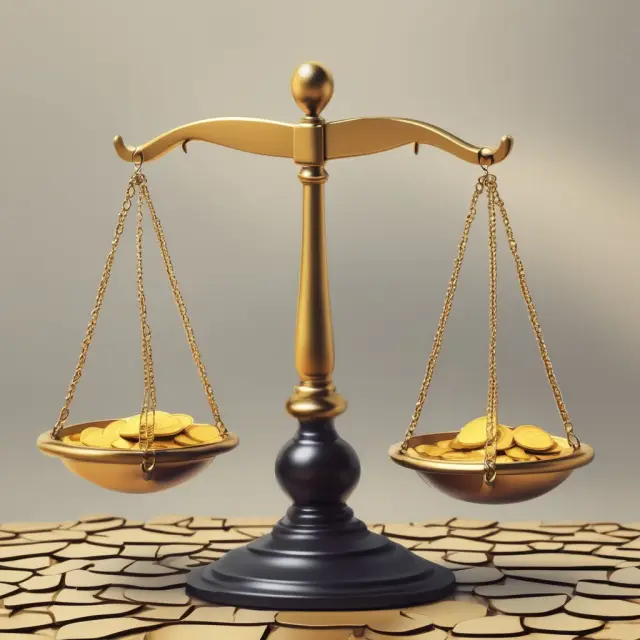
Economic depreciation is a critical concept for both real estate investors and companies looking to understand the value of their investments or assets over time. While accounting depreciation is an essential aspect of managing business expenses and revenue generation, economic depreciation provides insights into the asset’s market value and its susceptibility to external factors that influence demand and supply dynamics.
Understanding the significance of economic depreciation for investors and companies goes beyond real estate; it can also impact various other types of assets like stocks, bonds, and money market accounts. Let us explore how economic depreciation influences real estate and other investments.
Real Estate: The Role of Economic Depreciation in Real Estate Valuation
In the context of real estate, economic depreciation plays a vital role in determining asset value and its impact on appraisals. Economic factors affecting neighborhoods or the broader housing market can lead to changes in demand for certain properties, resulting in fluctuations in their value from one appraisal to the next. When analyzing the effect of economic depreciation on real estate, it is essential to consider various factors such as:
- Neighborhood conditions: Changes in the quality of a neighborhood can lead to an increase or decrease in property values. For example, the addition of new luxury housing projects may boost nearby property values, while the construction of a waste disposal facility might lower property values in the vicinity.
- Infrastructure development: The proximity and impact of infrastructure projects like roads, bridges, and schools on real estate can influence its value. For instance, the completion of a new highway or a top-notch school nearby may increase demand for properties, leading to an appreciation in their values. Conversely, road closures, power outages, and other unfavorable infrastructure conditions might result in economic depreciation and a decline in property values.
- Macroeconomic trends: Broad economic conditions, such as inflation, interest rates, employment levels, and Gross Domestic Product (GDP), can significantly impact real estate values. For example, rising interest rates may decrease the affordability of homes for prospective buyers, resulting in a drop in demand and prices. In contrast, a robust economy with low unemployment rates and increasing wages may boost demand for properties, leading to appreciation.
- Market cycles: Real estate markets follow cyclical trends characterized by expansion phases and recessions. During expansionary periods, property values tend to rise due to increased demand from buyers seeking to capitalize on perceived market advantages. Conversely, during a recession or bear market, property values may decrease due to weak demand and oversupply of housing units.
Investing in Real Estate: Leveraging Economic Depreciation for Successful Investments
For real estate investors, understanding economic depreciation is crucial for making informed investment decisions based on the market’s trends and dynamics. By tracking economic depreciation and its underlying factors, investors can make more accurate assessments of property values and capitalize on opportunities to buy low or sell high. Furthermore, investors can employ various strategies to mitigate the negative impact of economic depreciation, such as:
- Diversification: Spreading investments across different types of properties and locations reduces risk exposure and enhances chances for steady returns over time.
- Monitoring market trends: Keeping an eye on macroeconomic indicators like interest rates, inflation, employment levels, and GDP helps investors anticipate potential changes in real estate values and adjust their investment strategies accordingly.
- Adopting a long-term perspective: Real estate investments typically require a long time horizon for value appreciation. By taking a long-term view and remaining patient through economic downturns, investors can potentially reap significant returns when the market recovers.
- Focusing on location: Selecting properties in desirable locations with strong fundamentals reduces the risk of economic depreciation due to unfavorable external factors.
Other Investments: Economic Depreciation and Its Role in Diversified Portfolios
Economic depreciation is not limited to real estate; it can also impact other investments like stocks, bonds, and money market accounts. Understanding the implications of economic depreciation on these investment classes can help investors make informed decisions regarding asset allocation, diversification, and risk management. For instance:
- Stocks: Economic depreciation may lead to declines in stock prices due to reduced corporate earnings or decreased demand for products and services. Companies exposed to negative economic influences may experience significant stock price volatility. Investors can employ strategies like diversification, sector allocation, and monitoring macroeconomic indicators to minimize the impact of economic depreciation on their equity portfolios.
- Bonds: Economic depreciation might also affect bonds due to changes in interest rates or inflation levels. For example, rising interest rates may decrease the value of fixed-income securities, while high inflation can erode the purchasing power of bondholders. Investors can employ strategies like laddering, duration management, and regular portfolio rebalancing to minimize the impact of economic depreciation on their bond holdings.
- Money Market Accounts: Economic depreciation may also affect the value of money market accounts due to changes in interest rates or inflation levels. For example, a decline in interest rates might lower returns for money market investors, while high inflation may erode purchasing power over time. Investors can employ strategies like diversification, yield enhancement, and regular portfolio rebalancing to minimize the impact of economic depreciation on their money market accounts.
Conclusion: Embracing Economic Depreciation for Successful Long-Term Investments
Economic depreciation is an essential concept that plays a significant role in determining the value of assets and investments over time. Understanding the impact of economic depreciation on various asset classes, such as real estate, stocks, bonds, and money market accounts, is crucial for making informed investment decisions and managing risk exposure in a diversified portfolio. By staying informed about macroeconomic trends, monitoring market conditions, and employing strategies like diversification and long-term planning, investors can effectively mitigate the negative impact of economic depreciation and capitalize on opportunities to build wealth over time.

FAQs on Economic Depreciation
1. **What is the difference between economic and accounting depreciation?**
Economic depreciation measures the decrease in a property’s market value due to external, macroeconomic factors such as inflation or neighborhood conditions. Accounting deprection, on the other hand, is an allocation of the cost of an asset over its useful life for accounting purposes.
2. **How does economic depreciation impact real estate?**
Economic depreciation can significantly influence real estate appraisals and sales prices as it represents a decline in market value due to external factors, such as neighborhood conditions or macroeconomic trends.
3. **What are some common causes of economic depreciation in real estate?**
Factors that contribute to economic depreciation in real estate include neighborhood conditions (e.g., crime rates), road closures, declining property values due to macroeconomic trends, or unfavorable construction nearby.
4. **What is the significance of economic depreciation for investors and companies?**
Understanding economic depreciation is crucial for both investors and companies as it can impact their financial analysis, investment decisions, and asset management strategies.
5. **Can economic depreciation result in a decrease or increase in an asset’s value?**
Yes, economic depreciation can result in either a decrease (negative economic depreciation) or increase (positive economic appreciation) in an asset’s value depending on the specific external factors impacting it.
6. **What is an example of economic depreciation in real estate?**
During the housing market crisis of 2008, properties in certain areas experienced significant economic depreciation, with values dropping by as much as 60% due to a combination of subprime loans and negative macroeconomic conditions.
7. **What is the difference between accounting and economic depreciation when it comes to reporting?**
Accounting depreciation is reported on financial statements using a set schedule, while economic depreciation is not typically reported as it reflects changes in market value and is often considered during appraisals or financial analysis.
8. **Why does economic depreciation matter for investors and asset owners?**
Understanding economic depreciation is vital for investors and asset owners as it can impact their investment decisions, portfolio management strategies, and overall net worth. Additionally, being aware of economic depreciation can help mitigate potential risks and optimize returns on investments over the long term.
 Next entry · No. 1,219Economic Growth: Understanding Its Phases, Measurement, and Drivers
See also
-
 No. 1,332
31 Aug 2024
20 min
Understanding Escrow: A Comprehensive Guide for Institutional Investors
Business Finance
No. 1,332
31 Aug 2024
20 min
Understanding Escrow: A Comprehensive Guide for Institutional Investors
Business Finance -
 No. 936
04 Jul 2024
27 min
Understanding Deferment Periods: A Comprehensive Guide for Professional Investors
Investments
No. 936
04 Jul 2024
27 min
Understanding Deferment Periods: A Comprehensive Guide for Professional Investors
Investments -
 No. 753
02 Jun 2024
24 min
Understanding John Maynard Keynes’ Consumption Function: A Macroeconomic Tool for Investors
Economics
No. 753
02 Jun 2024
24 min
Understanding John Maynard Keynes’ Consumption Function: A Macroeconomic Tool for Investors
Economics -
 No. 715
26 May 2024
20 min
Understanding Commercial Real Estate: A Comprehensive Guide for Institutional Investors
Real Estate
No. 715
26 May 2024
20 min
Understanding Commercial Real Estate: A Comprehensive Guide for Institutional Investors
Real Estate -
 No. 4,850
22 Jul 2025
23 min
Understanding Tangible Assets: Characteristics, Types, Valuation and Advantages
Business Finance
No. 4,850
22 Jul 2025
23 min
Understanding Tangible Assets: Characteristics, Types, Valuation and Advantages
Business Finance -
 No. 3,152
05 Mar 2025
19 min
Mortgage-Backed Securities (MBS): Understanding Their Role in Finance and Investment
Business Finance
No. 3,152
05 Mar 2025
19 min
Mortgage-Backed Securities (MBS): Understanding Their Role in Finance and Investment
Business Finance