Understanding John Maynard Keynes’ Consumption Function: A Macroeconomic Tool for Investors

Explore the significance of John Maynard Keynes' Consumption Function for economics and investing. Discover its components, applications, and limitations.
Introduction to John Maynard Keynes and the Consumption Function
John Maynard Keynes, a British economist (1883-1946), is renowned as the father of modern macroeconomics and the founder of the influential Keynesian economic theory. A key contribution to his groundbreaking ideas was the concept of the consumption function – a fundamental macroeconomic tool that measures the relationship between income and consumer spending. In essence, it represents the aggregate demand for goods and services in an economy, which is crucial for understanding business cycles and making informed investment decisions.
What Is the Consumption Function?
The consumption function refers to a mathematical equation that expresses the relationship between real disposable income (D) and total consumption expenditure (C) within an economy. Keynes’ seminal contribution introduced the idea that consumption spending was not solely based on current income but also influenced by autonomous or ‘habitual’ consumption levels, denoted as A in the equation C = A + MD.
The consumption function plays a critical role in macroeconomic theory because it demonstrates the aggregate demand for goods and services, which is essential for understanding how consumer spending influences economic growth and business cycles. It highlights that consumer spending can vary depending on disposable income levels, providing valuable insights for economists and policymakers alike.
Components of the Consumption Function
The consumption function consists of two primary components: autonomous consumption (A) and marginal propensity to consume (MPC or M). Autonomous consumption refers to spending that is not directly influenced by current income levels, such as necessities like food and housing. In contrast, marginal propensity to consume represents the change in consumption spending for every unit increase in disposable income.
The complete equation for the consumption function can be represented as: C = A + MD. Here, MPC is represented by ‘M’, which determines how much additional consumption spending will result from an extra dollar of disposable income. The ‘D’ term signifies real disposable income. By combining these components, we gain a better understanding of the dynamics behind consumer spending and its relationship to macroeconomic factors.
Assumptions and Implications of the Consumption Function
Keynes’ consumption function assumes that consumers spend a proportionally constant amount (MPC) of their additional income, making it an important tool for analyzing aggregate demand and economic fluctuations. This assumption underpins Keynesian theories on government spending to manage economic downturns by stimulating consumer demand through public investment projects or transfer payments.
However, critics argue that the consumption function’s stability is questionable over long periods due to changes in preferences, demographics, and income distribution. In response, economists have developed alternative versions of the consumption function, like those introduced by Franco Modigliani and Milton Friedman, which attempt to address some of these limitations.
In conclusion, John Maynard Keynes’ introduction of the consumption function marked a significant milestone in macroeconomic theory. By shedding light on the relationship between income and consumer spending, this vital concept remains an indispensable tool for understanding economic cycles and informing investment strategies.

What is the Consumption Function?
The term consumption function refers to an essential macroeconomic concept introduced by renowned British economist John Maynard Keynes (1883-1946). The consumption function represents a mathematical relationship between total consumption of goods and services, as well as income levels within an economy. In simpler terms, it forecasts how much consumers are expected to spend based on their current disposable income. Keynesian theory posits that consumer spending is primarily dependent on income and changes in income, making the consumption function a valuable tool for economists, policymakers, and investors.
Background of John Maynard Keynes and the Consumption Function:
John Maynard Keynes was an influential figure in macroeconomics. He is best known as the founder of Keynesian economics—a branch of economic theory that focuses on aggregate demand and government intervention in the economy. One of his most significant contributions to macroeconomics came in the form of the consumption function, which he proposed to help understand the relationship between total consumer spending and disposable income within an economy.
The History and Importance of the Consumption Function:
The consumption function was introduced as a key concept in John Maynard Keynes’ seminal work, The General Theory of Employment, Interest, and Money (1936). In this book, Keynes argued that consumer spending drives economic growth. By understanding the relationship between income and spending through the consumption function, economists could make predictions about future spending levels and use that information to inform policy decisions and investment strategies.
Components of the Consumption Function:
The consumption function is typically represented as C = A + MD, where:
C = consumer spending
A = autonomous consumption (spending that does not depend on disposable income)
M = marginal propensity to consume (the proportion of each additional unit of disposable income spent instead of saved)
D = real disposable income
This equation indicates that consumer spending is made up of both autonomous consumption and induced consumption, which comes from the disposable income. The marginal propensity to consume measures how much an additional unit of disposable income will result in increased spending, with the remainder being saved.
Assumptions and Implications:
Keynes’ consumption function assumes that consumer spending is primarily determined by disposable income levels, which is an essential component of his macroeconomic theories. The consumption function is a cornerstone of Keynesian economics, as it implies that changes in disposable income will lead to corresponding shifts in consumer spending. Additionally, the consumption function can be used to measure the impact of fiscal policy and tax changes on consumer spending, providing crucial insights for policymakers.
In conclusion, understanding John Maynard Keynes’ contribution to economics, particularly his introduction of the consumption function, is essential for anyone interested in macroeconomics and investment strategies. The consumption function remains a valuable tool for economists and policymakers alike, as it provides a framework for understanding consumer spending behavior and making predictions about future economic trends.
In the following sections, we will discuss alternative versions of the consumption function, such as those introduced by Franco Modigliani and Milton Friedman, and explore their implications for macroeconomics.

Components of the Consumption Function
The consumption function, introduced by British economist John Maynard Keynes, is a fundamental macroeconomic concept that measures the relationship between income (Gross National Income or GNI) and total consumption expenditures on goods and services in an economy. This equation can be represented as: C = A + MD, where C stands for consumer spending, A for autonomous consumption (spending not influenced by income), M represents the marginal propensity to consume (the proportion of income spent on consumption), and D signifies real disposable income (income available for spending after accounting for taxes and transfers).
The consumption function is vital as it helps economists, investors, and policymakers understand aggregate consumer behavior and its impact on economic growth. It assumes a stable relationship between disposable income and consumption, indicating that an increase in income results in proportionally greater spending. This notion forms the foundation of Keynesian macroeconomics, emphasizing the significance of aggregate demand as a determinant of overall economic performance.
Let us delve deeper into the components of the consumption function:
1. Autonomous Consumption (A):
Autonomous consumption represents spending that does not depend on disposable income but is influenced by factors like tastes, preferences, and demographic changes (population growth or aging). This portion of spending remains constant and stable regardless of income changes, providing a base level for overall consumption.
2. Marginal Propensity to Consume (MPC):
The marginal propensity to consume is the measure of how much additional spending occurs with every unit increase in disposable income. It reflects the proportion of disposable income allocated towards current consumption instead of being saved or invested, which provides insights into the overall economic condition and the sensitivity of consumer behavior to income changes.
3. Real Disposable Income (D):
Real disposable income is the amount of money individuals have available for spending after accounting for taxes, transfers, and inflation. This figure represents the actual purchasing power available for consumption and forms the basis for calculating total consumption expenditures according to the consumption function.
Together, these components create a framework for understanding consumer behavior in an economy and enable policymakers to make informed decisions regarding fiscal and monetary policy measures aimed at ensuring economic stability and growth.

Assumptions and Implications of the Consumption Function
John Maynard Keynes, an influential economist of the 20th century, revolutionized macroeconomic theory with his introduction of the consumption function. This innovative approach aimed to understand how changes in income impact consumer spending and aggregate demand. In this section, we’ll delve deeper into Keynes’ focus on spending, aggregate demand, multiplier, and marginal propensity to consume.
The Consumption Function as a Tool for Spending and Aggregate Demand
Keynes believed that a stable consumption function was essential for maintaining economic stability. He focused on consumer spending as the primary driver of aggregate demand in an economy. According to him, consumption is determined by disposable income, which is calculated by subtracting taxes from total income.
Implications: A Static Consumption Function and Multiplier Effects
Under Keynesian theory, consumption remains relatively constant when gross national income changes. This assumption implies that marginal propensity to consume (MPC), the ratio of spending to income, is also stable. The consumption function’s stability supports the multiplier effect, which amplifies any change in total spending in an economy.
Marginal Propensity to Consume and Income Distribution: A Limitations
A limitation of Keynes’ consumption function is its assumption that marginal propensity to consume remains constant regardless of income distribution changes. However, this simplification may not always hold true in real life. For example, the poorer population segment tends to spend a larger portion of their disposable income compared to wealthy individuals. This behavior can lead to shifts in the consumption function due to changing income distributions.
The Multiplier and Government Spending: Keynes vs. Friedman
Keynes proposed an active role for government spending as a tool to counteract economic downturns by increasing aggregate demand. Milton Friedman, another prominent economist of that era, challenged this view by proposing that government spending could lead to inflation. The debate between these two perspectives continues to shape modern macroeconomics and fiscal policy discussions.
In the next section, we will explore other versions of the consumption function developed by Franco Modigliani and Milton Friedman and discuss their implications for understanding consumer behavior and aggregate demand.

Other Versions of the Consumption Function
Keynes’ consumption function, introduced in his seminal book “The General Theory of Employment, Interest, and Money,” is not the only version of the consumption function that exists in macroeconomics. Other economists have developed alternative interpretations and expansions of the original theory to further investigate consumer behavior and its relationship with income. Two prominent versions are Franco Modigliani’s life cycle hypothesis and Milton Friedman’s permanent income hypothesis.
Franco Modigliani: Life Cycle Hypothesis
The life cycle hypothesis, proposed by Nobel Prize-winning economist Franco Modigliani in the late 1940s, is an extension of Keynes’ consumption function. It focuses on how income and liquid cash balances affect consumers’ marginal propensity to consume (MPC) throughout their lifetime.
Modigliani argued that poorer individuals are more likely to spend newfound income compared to wealthier individuals. Furthermore, the life cycle hypothesis assumes that people save more during their high-earning years to support spending in their retirement years when their earnings decrease. These ideas contradicted Keynes’ view of a stable consumption function since they emphasized changes in consumer behavior based on age and income levels.
Milton Friedman: Permanent Income Hypothesis
Another influential economist, Milton Friedman, presented his permanent income hypothesis as an alternative to both the Keynesian and life cycle versions of the consumption function. According to this theory, consumers aim to maintain a constant standard of living by saving a portion of their “permanent income” and only spending on current goods and services with temporary income.
Friedman’s hypothesis proposed that consumers’ behavior is not solely determined by their current or disposable income but instead by their long-term, permanent income. This view implies that the marginal propensity to consume (MPC) is relatively stable when considering changes in permanent income. While this perspective challenges the Keynesian idea of an inherently unstable consumption function, it is essential to note that empirical evidence has shown inconsistencies with both versions of the consumption function.
Comparing the Consumption Functions
Understanding these different interpretations of the consumption function highlights their similarities and differences regarding how consumer spending is related to income. Keynes’ original theory emphasizes a stable, deterministic relationship between consumption and income. However, Modigliani’s life cycle hypothesis and Friedman’s permanent income hypothesis both illustrate that consumption behavior can be affected by various factors such as age, income distribution, and wealth accumulation.
Empirical evidence has shown that the consumption function is not perfectly stable, making it essential for economists to consider these alternative perspectives when analyzing consumer spending in the economy.
In conclusion, John Maynard Keynes’ consumption function introduced a valuable framework for understanding the relationship between consumption and income at an aggregate level. However, other economists like Franco Modigliani and Milton Friedman have expanded upon this concept to offer further insights into consumer behavior by examining its connection with age, income distribution, wealth accumulation, and permanent income. These alternative versions of the consumption function provide a more nuanced understanding of how economic fluctuations impact spending patterns and inform the role of fiscal and monetary policy in managing the economy.
What Does the Consumption Function Measure?
The consumption function, introduced by economist John Maynard Keynes in the late 1930s, is a critical concept in macroeconomics that measures the relationship between real disposable income and consumer spending (C) for an economy as a whole. It represents how changes in disposable income influence consumer demand for goods and services. Understanding this function plays a vital role in predicting future economic conditions and analyzing investment strategies.
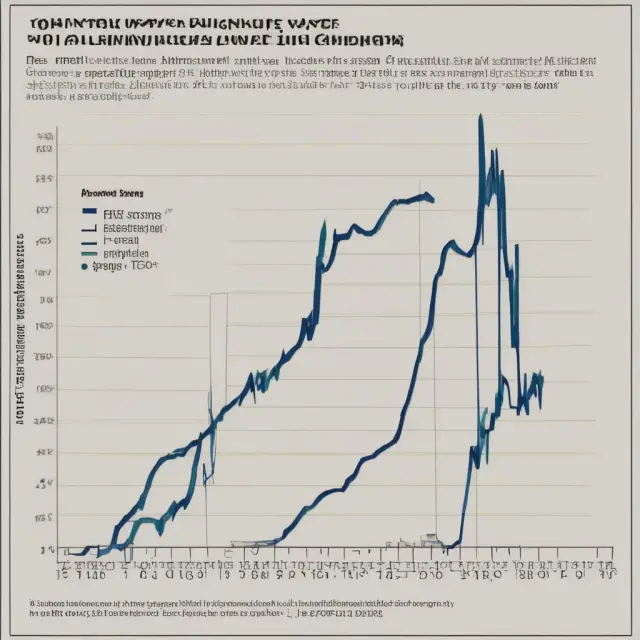
The consumption function is depicted graphically by a line that plots the total consumption spending against real disposable income. The relationship between these two variables is shown as upward sloping, indicating an increase in consumer spending as disposable income rises. This implies the marginal propensity to consume (MPC), which determines how much of each additional unit of income is spent on goods and services, is always less than one.
This economic concept offers essential insights for economists, investors, and policymakers by allowing them to forecast changes in consumer spending based on various income levels, making it a valuable tool for understanding the economic cycle and its impact on investments and overall economic conditions.
To illustrate this further, let us examine the classic consumption function introduced by Keynes: C = A + MD, where:
- C represents total consumption spending in an economy
- A refers to autonomous or permanent consumption – the amount of consumption that occurs regardless of income levels (e.g., housing, food, and other essentials)
- M stands for marginal propensity to consume, which is the proportion of each additional unit of income spent on goods and services instead of saved. This value ranges between 0 and 1, with an average MPC value often estimated around 0.75 or 0.8 in many economies.
- D represents real disposable income, defined as total personal income less taxes and other compulsory deductions.
The consumption function’s significance stems from the fact that it allows researchers to estimate consumer spending at any given level of income based on historical trends or data. In turn, this knowledge can be used to understand how changes in economic conditions (e.g., tax policy or employment levels) might influence consumer demand and aggregate economic output.
Moreover, the consumption function is an essential building block for other macroeconomic concepts such as the multiplier effect and the fiscal policy’s impact on the economy. By understanding the consumption function, analysts can make more informed decisions when it comes to investment strategies or setting monetary and fiscal policies aimed at addressing economic fluctuations, inflation, or other challenges faced by a country’s economy.
The consumption function’s predictions have been subject to debate among economists, with various versions proposed over the years (e.g., Modigliani’s life-cycle hypothesis and Friedman’s permanent income hypothesis). However, its fundamental role in macroeconomic theory remains undisputed, offering a valuable framework for understanding consumer behavior and its implications for economic performance and investor strategies.

Calculating the Consumption Function
The consumption function, introduced by John Maynard Keynes, is a significant concept within macroeconomics that helps predict and understand consumer spending in an economy. To calculate this function, economists utilize real disposable income (D) and the marginal propensity to consume (M). Let’s take a closer look at these variables.
Real Disposable Income
Real disposable income represents the amount of money available for people to spend on goods and services after taxes have been deducted. This figure is crucial because it shows the actual purchasing power of consumers in an economy. By taking out taxes, we can better understand how much people truly have left over to consume.
Marginal Propensity to Consume
The marginal propensity to consume (MPC) signifies the portion of any additional income that a household spends on consumption rather than saving it. This percentage is calculated by dividing the change in consumption by the change in disposable income. For instance, if an individual spends $150 more when their disposable income rises by $200, their marginal propensity to consume would be 0.75 ($150/$200).
The Consumption Function Formula
The consumption function can be represented by the equation C = A + MD, where C is total consumption, A is autonomous consumption (spending that doesn’t depend on income), and MD stands for marginal propensity to consume times real disposable income. Autonomous consumption includes spending on things like housing, food, and clothing, which people generally need regardless of their current income levels.
This formula implies that consumer spending is dependent on two factors: autonomous consumption and the level of real disposable income. The marginal propensity to consume determines how much additional spending occurs with each unit increase in income. By calculating the consumption function, economists can analyze the relationship between income and consumption and make predictions about future trends based on changes in income levels and consumer behavior patterns.
For example, if we know that people usually spend 90% of their disposable income on consumption and have an autonomous consumption level of $10,000 annually, the formula would look like C = 10,000 + 0.9x, where x represents real disposable income.
Using the consumption function can provide valuable insights into aggregate consumer spending and its impact on economic growth, helping investors and policymakers make informed decisions about financial markets and fiscal policies.

The Role of Consumption Function in Economics and Investing
Understanding the role and relevance of John Maynard Keynes’ consumption function in modern economics and investing is crucial to comprehending the dynamics of aggregate demand, economic cycles, and macroeconomic policies. The consumption function was a revolutionary concept introduced by this influential economist that enabled economists and policymakers to examine the link between income and spending. This section delves deeper into how Keynes’ consumption function plays a significant role in various sectors, including economics, investments, and policy-making.
Economic Cycles and Aggregate Demand: The Consumption Function as a Macroeeconomic Tool
The consumption function is an essential macroeconomic concept used to study economic cycles and aggregate demand. In simple terms, the consumption function helps economists estimate total consumer spending in an economy, which plays a critical role in determining overall demand for goods and services. By understanding how consumer behavior responds to changes in disposable income, policymakers can make informed decisions about fiscal and monetary policies to stimulate or dampen economic growth.
Investment Strategies: A Guide for Investors and Financial Planners
The consumption function’s implications extend beyond macroeconomic analysis. In the realm of investments, understanding how consumer spending evolves with changes in income can help investors and financial planners create more effective investment strategies. For instance, by monitoring the consumption function, investors might be able to anticipate shifts in aggregate demand that could impact various industries and asset classes. Additionally, understanding the relationship between income and consumption is crucial when modeling future cash flows for long-term investment plans.
Monetary and Fiscal Policies: A Tool for Economists and Policy-Makers
The consumption function plays a pivotal role in shaping monetary and fiscal policies aimed at stabilizing economic fluctuations. In particular, understanding the relationship between income and spending helps policymakers assess the potential impact of changes to interest rates, government expenditures, or taxes on overall consumer spending and aggregate demand. By fine-tuning their policy responses based on this information, governments can minimize economic downturns and ensure more sustainable growth over time.
Economic Insights: The Implications of Consumption Function for Modern Economics
The consumption function remains a vital concept in modern macroeconomics due to its ability to shed light on various aspects of the economy, such as income distribution, savings rates, and consumer behavior. By studying how consumers respond to changes in disposable income, economists can gain insights into the underlying factors that influence economic trends and business cycles. Moreover, understanding the consumption function’s assumptions and limitations enables researchers to develop more sophisticated models that better capture the complexities of economic reality.
In conclusion, John Maynard Keynes’ consumption function is a vital macroeconomic concept with far-reaching implications for economists, investors, and policymakers alike. By understanding the relationship between income and spending, we can gain valuable insights into economic cycles, investment strategies, and policy responses that help shape our understanding of the global economy.

Advantages and Limitations of the Consumption Function
The consumption function, introduced by John Maynard Keynes, has been a vital tool in understanding consumer behavior in macroeconomics. Its advantages lie primarily in its ability to help predict consumer spending in an economy and guide economic decisions. However, it also comes with some limitations that must be acknowledged to gain a comprehensive perspective on the topic.
Advantages of Consumption Function
- Predicting Consumer Spending: One of the primary uses of the consumption function is to predict consumer spending trends in an economy based on disposable income levels. This can help governments, businesses, and investors prepare for potential shifts in consumer demand and adjust their strategies accordingly.
- Aggregate Demand Analysis: The consumption function plays a crucial role in analyzing aggregate demand in an economy. It highlights the relationship between income and spending, allowing us to understand how changes in income levels impact overall consumer spending and economic activity.
- Fiscal and Monetary Policy: The consumption function is a valuable tool for policymakers looking to implement fiscal or monetary policies designed to stimulate growth, address recessionary periods, or manage inflation. By understanding the relationship between income and consumer spending, policymakers can make more informed decisions about taxes, interest rates, and public expenditures.
- Economic Stability: The consumption function is based on the assumption that consumers spend a predictable percentage of their disposable income, making it an essential component in maintaining economic stability. This stability can help minimize market volatility, ensuring a smoother economic climate for businesses and individuals alike.
Limitations of Consumption Function
- Changing Consumer Behavior: While the consumption function offers valuable insights into consumer spending, it assumes that consumers have a constant marginal propensity to consume throughout their income levels. However, this is not always the case as consumer behavior can change significantly with shifts in income or economic conditions.
- Inflation and Interest Rates: The consumption function does not directly take into account inflation or interest rates, which can significantly impact consumer spending decisions. For instance, during periods of high inflation, consumers may delay purchases until prices decrease or save more to protect their purchasing power. Similarly, changes in interest rates can affect the amount of disposable income available for consumption, altering spending patterns.
- Shocks and Externalities: The consumption function does not account for external factors that could significantly impact consumer spending, such as wars, natural disasters, or technological innovations. These shocks can cause shifts in consumer behavior that the consumption function may not be able to capture accurately.
- Inequality and Wealth Distribution: The consumption function assumes a uniform distribution of income among individuals in an economy. However, income and wealth are often unequally distributed, which can lead to varying spending patterns across different socio-economic groups.
Despite its limitations, the consumption function remains a crucial concept in macroeconomics and serves as a foundation for understanding consumer behavior and shaping economic policy decisions. Understanding the advantages and limitations of this tool can help investors and policymakers make informed choices that promote long-term economic growth and stability.

Conclusion: The Impact and Significance of the Consumption Function
John Maynard Keynes, a British economist often recognized as the father of modern macroeconomics, introduced an influential concept that has shaped our understanding of consumer spending and economic cycles – the consumption function. In essence, the consumption function represents the relationship between income (gross national income) and total consumer spending on goods and services in an economy. This crucial tool can be used by economists and policymakers to analyze economic trends and make informed decisions regarding investments, monetary and fiscal policies, and more.
The consumption function has its roots in Keynes’ belief that aggregate demand is the driving force of any economy (Keynes, 1936). He argued that spending is sensitive to income levels, meaning consumer spending will increase when income increases. The consumption function can be mathematically represented as C = A + MD, where C signifies total consumer spending, A represents autonomous consumption or spending that does not depend on current income levels, M symbolizes the marginal propensity to consume (MPC), and D denotes real disposable income.
Understanding Keynes’ Consumption Function and its Components
Keynes believed that a significant proportion of consumer spending is influenced by disposable income and the changes in it. The consumption function’s primary objective is to estimate total consumer spending in an economy, which can be calculated as a linear relationship between real disposable income (D) and consumer spending (C), with the slope representing marginal propensity to consume (MPC).
Autonomous consumption (A) is an essential concept within the consumption function. It represents a constant level of spending that occurs regardless of current income levels, such as housing costs and education expenses. The remaining spending (C-A) is determined by disposable income and MPC.
Implications and Assumptions
The consumption function’s primary importance lies in its implications for aggregate demand and economic growth. Keynes assumed that consumer spending is more stable than investment, since changes in disposable income would result in a corresponding change in consumer spending (Keynes, 1936). This view of the world was a significant departure from classical economics, which held that all savings must eventually be invested to maintain full employment and price stability.
Moreover, Keynes believed that governments could employ fiscal policies, such as increasing spending or lowering taxes, to counteract recessions and boost economic growth when private demand fails to keep the economy at full employment (Keynes, 1936). This idea is critical in understanding Keynesian economics and its impact on modern macroeconomic policy.
Variations of Consumption Function
Throughout history, various economists have extended or modified Keynes’ original consumption function to address its limitations. For example, Franco Modigliani developed the life cycle hypothesis, which suggested individuals consume based on their lifetime income and savings, rather than just current disposable income levels (Modigliani, 1944). Another economist, Milton Friedman, proposed his permanent income hypothesis, where consumer spending was influenced by their perceived long-term or permanent income instead of temporary fluctuations in income (Friedman, 1957).
In Conclusion
John Maynard Keynes’ contribution to economics, specifically the consumption function, has had a profound impact on our understanding of consumer behavior and economic cycles. His focus on spending, aggregate demand, multiplier effects, and marginal propensity to consume laid the foundation for modern macroeconomic theory and policy. The consumption function remains an essential tool for economists and policymakers alike when studying economic trends and making informed decisions about investments, monetary and fiscal policies, and more.
References:
Friedman, M. (1957). A Theory of the Consumption Function. Princeton University Press.
Keynes, J.M. (1936). The General Theory of Employment, Interest, and Money. Macmillan.
Modigliani, F. (1944). Utility analysis and business cycles. Econometrica, 12(Supplement), 1-17.

FAQs on John Maynard Keynes and the Consumption Function
John Maynard Keynes, a British economist, is renowned as the father of modern macroeconomics due to his significant contributions, including the introduction of the consumption function. This economic formula measures the relationship between income and total consumption of goods and services in an economy. In this FAQ section, we’ll answer common queries about Keynes’ theories and the consumption function.
What is John Maynard Keynes and his significance to economics?
John Maynard Keynes was a British economist who made groundbreaking contributions to macroeconomics. He is best known for his introduction of the consumption function, which describes the relationship between income and consumer spending. His theories are influential in shaping modern economic principles like fiscal policy and government intervention to manage economic downturns.
What exactly is the consumption function?
The consumption function refers to an economic formula introduced by Keynes that measures the relationship between total consumption and gross national income (GNI). It represents how consumer spending changes based on income levels, which economists use to predict future consumption trends and make informed investment decisions.
What is autonomous consumption (A)?
Autonomous consumption, also known as automatic or fixed consumption, refers to spending that occurs regardless of changes in income levels. It includes essentials like food, housing, and healthcare. In the consumption function formula, A represents autonomous consumption.
What does marginal propensity to consume (MPC) mean?
Marginal propensity to consume (MPC) is a measure of how much additional spending occurs when an individual or economy receives an incremental unit of income. The MPC represents the slope of the consumption function, which shows how responsive consumers are to changes in income.
Can the consumption function be calculated?
Yes, the consumption function can be calculated by using the formula: C = A + MD where C is consumer spending, A is autonomous consumption, M is marginal propensity to consume, and D represents real disposable income.
Who developed other versions of the consumption function?
Economists like Franco Modigliani and Milton Friedman have introduced variations to the Keynesian consumption function. Their modifications include the life-cycle theory and permanent income hypothesis, respectively. These versions incorporate additional factors like borrowing limits or employment uncertainty to provide more accurate representations of consumer spending behavior.
Why is the consumption function important for investors?
The consumption function is critical for investors as it can help predict future economic trends and consumer spending patterns. Understanding how consumer spending changes based on income levels gives investors a better idea of market conditions, helping them make informed investment decisions that can lead to improved returns. Additionally, policy changes impacting consumer disposable income or government spending may influence stock prices, bond yields, and other financial assets.
What is the role of the consumption function in macroeconomics?
The consumption function plays a significant role in macroeconomics by providing insight into the relationship between total consumption and national income. It forms a critical part of Keynesian economics and helps economists understand economic cycles, fiscal policies, and the impact of monetary policy on consumer spending patterns.
How has the consumption function evolved over time?
The consumption function has undergone several modifications since its introduction by John Maynard Keynes. Economists like Franco Modigliani and Milton Friedman have introduced variations that incorporate additional factors, such as borrowing limits or employment uncertainty. These refined versions provide more accurate representations of consumer spending behavior and adapt to changing economic realities.
What is the impact of the consumption function on economic policy?
The consumption function has significant implications for economic policymakers, as it provides insights into how consumer spending changes in response to income and policy interventions. This knowledge can help inform decisions about fiscal policies like tax cuts or government spending programs designed to stimulate growth during economic downturns or address long-term economic challenges like aging populations. Additionally, understanding the consumption function helps policymakers assess the potential impact of monetary policies on consumer spending patterns.
By answering these frequently asked questions, we hope to provide a clear and comprehensive understanding of John Maynard Keynes and the consumption function. If you have any more inquiries, feel free to ask!
 Next entry · No. 754Understanding Contango: A Guide for Institutional Investors and Professionals
See also
-
 No. 3,074
26 Feb 2025
16 min
Marginal Propensity to Consume (MPC): Understanding the Connection Between Income, Consumption, and Saving
Economics
No. 3,074
26 Feb 2025
16 min
Marginal Propensity to Consume (MPC): Understanding the Connection Between Income, Consumption, and Saving
Economics -
 No. 1,218
13 Aug 2024
21 min
Economic Depreciation vs Accounting Depreciation: Understanding the Difference in Finance and Real Estate
Business Finance
No. 1,218
13 Aug 2024
21 min
Economic Depreciation vs Accounting Depreciation: Understanding the Difference in Finance and Real Estate
Business Finance -
 No. 1,059
22 Jul 2024
24 min
Understanding Disequilibrium in Finance and Investment: Causes, Effects, and Resolutions
Business Finance
No. 1,059
22 Jul 2024
24 min
Understanding Disequilibrium in Finance and Investment: Causes, Effects, and Resolutions
Business Finance -
 No. 1,013
15 Jul 2024
21 min
Understanding Derived Demand: The Powerful Economic Concept Every Investor Should Know
Business Finance
No. 1,013
15 Jul 2024
21 min
Understanding Derived Demand: The Powerful Economic Concept Every Investor Should Know
Business Finance -
 No. 892
26 Jun 2024
17 min
Decoding the Death Cross: Understanding This Market Indicator’s Significance and Limitations
Markets
No. 892
26 Jun 2024
17 min
Decoding the Death Cross: Understanding This Market Indicator’s Significance and Limitations
Markets -
 No. 656
15 May 2024
21 min
Understanding the Certainty Equivalent in Finance and Investment
Investments
No. 656
15 May 2024
21 min
Understanding the Certainty Equivalent in Finance and Investment
Investments