Maximizing Productivity through Strategic Human Resource Management: Understanding the Role and Functions of an HR Department

Exploring the role and functions of an HR department in maximizing productivity through strategic human resource management.
Introduction to Human Resources (HR)
The role of human resources (HR) within an organization has evolved significantly since its inception over a century ago. From managing wages and employee concerns at the turn of the 20th century, HR departments now play a crucial part in the recruitment, training, and retention of employees. The term “human resources” was first introduced by John R. Commons in his book, ‘The Distribution of Wealth’ published in 1893. However, it wasn’t until decades later that HR became a formal department responsible for managing employee relations and mitigating issues between employers and employees.
Key Functions of an HR Department
An HR department is essential to any business, large or small. Its primary role includes managing compensation and benefits, recruitment, retention, terminations, and ensuring regulatory compliance. HR’s main objectives are to optimize employee productivity, protect the company from potential workforce issues, and ensure a harmonious working environment.
The Evolution of Human Resources
HR has come a long way since its early days. In the 1980s, there was a growing emphasis on strategic initiatives within HR departments, which became known as human resource management (HRM). HRM focuses on enhancing organizational performance by fostering strong employee relationships and implementing policies that align with business objectives.
Google is an excellent example of a company that has adopted this approach. They offer numerous perks to their employees, believing that happy workers equal productive ones. The first personnel department, which served as the HR predecessor, was established by The National Cash Register Company in 1901. Since then, HR practices have continued to adapt and evolve, with many companies outsourcing traditional administrative tasks like payroll administration and benefits management to focus more on strategic initiatives.
Modern HR departments are increasingly relying on technology, such as recruitment software, to streamline processes and free up resources for more value-added activities. The ability to efficiently manage HR functions enables these departments to be more proactive in recommending and implementing strategies that positively impact the business.
In conclusion, the role of HR within an organization is multifaceted. From finding and hiring talent to managing employee relationships, compensation, benefits, and maintaining regulatory compliance, HR plays a vital role in ensuring organizational success. By understanding HR’s history, functions, and evolution, businesses can leverage its expertise to build a strong workforce and create a positive workplace culture.

Key Responsibilities of an HR Department
Human Resource (HR) departments assume various crucial roles within organizations to ensure a productive and cohesive workforce. These functions include compensation and benefits, recruitment, retention, firing, and legal compliance.
Compensation and Benefits: One primary responsibility of the HR department lies in managing employee compensation and benefits programs. This encompasses designing competitive salary structures, negotiating employee contracts, and administering various benefits such as health insurance, paid time off, and retirement plans. A well-designed compensation package can significantly impact employee morale and retention.
Recruitment: HR departments play a vital role in the hiring process by managing job postings, screening resumes, conducting interviews, and making hiring recommendations to senior management. By attracting top talent through competitive recruitment strategies, organizations are better equipped to meet their business objectives.
Retention: Retaining valued employees is a crucial aspect of HR’s responsibilities. Strategies such as career development opportunities, performance evaluations, employee recognition programs, and competitive compensation packages help maintain a stable workforce. Effective retention efforts reduce turnover costs and minimize the disruption associated with hiring new talent.
Firing: Although termination is often viewed negatively, it can be necessary to address underperforming or noncompliant employees. HR departments ensure that terminations are conducted in accordance with company policy and applicable labor laws. This includes providing proper documentation, conducting investigations when required, and offering support to affected parties during the transition process.
Legal Compliance: HR departments must be well-versed in labor laws and regulations related to hiring, firing, and employment practices. Ensuring organizational compliance with these rules helps protect the company from potential legal issues while maintaining a fair and ethical work environment for employees.
As the business landscape evolves, HR’s role continues to expand, embracing technology and outsourcing trends to streamline operations and focus on adding value to the organization. By understanding the key responsibilities of an HR department, organizations can effectively manage their human capital and position themselves for success in today’s competitive marketplace.

Understanding Human Resource Management (HRM)
Human Resources (HR) is a critical department in any organization, playing an integral role in managing the human capital that drives businesses forward. While HR’s origins can be traced back to the early 20th century, it was not until the advent of strategic management practices in the late 20th century that HR truly evolved into its current form: Human Resource Management (HRM). In this section, we will delve deeper into HRM as a strategic approach to managing employees and organizational culture effectively.
Definition and Explanation of HRM
Human Resource Management (HRM) is a comprehensive approach to managing human resources within an organization. It focuses on attracting, developing, and retaining talent while aligning HR initiatives with the company’s strategic goals. HRM strategies aim to maximize employee productivity, engagement, and job satisfaction, fostering a positive work environment that contributes to business growth.
One of the primary objectives of HRM is to ensure that an organization’s workforce is composed of the right people in the right positions with the necessary skills and competencies for success. This is accomplished through various tactics, such as competency-based performance management, workforce development, and technology application.
By adopting a strategic approach to HR, organizations can create a more engaged, motivated workforce that aligns with their mission, vision, and values. Google, renowned for its unconventional workplace perks, is an excellent example of a company that has successfully implemented HRM strategies. By offering unique benefits like onsite wellness centers, meals, and fitness programs, Google fosters a positive work environment where employees feel valued and engaged, resulting in increased productivity.
HRM’s Impact on Organizational Culture
Effective HRM also plays a significant role in shaping the organizational culture of a business. This is achieved by ensuring that HR policies, practices, and initiatives align with the company’s mission, vision, and values. By fostering a positive work environment and promoting employee engagement, HRM can contribute to a strong corporate culture that drives growth, innovation, and competitiveness.
Additionally, strategic HRM practices help businesses respond effectively to a rapidly changing business landscape. As the workforce becomes more diverse, globalized, and technologically advanced, HRM must adapt to ensure that organizations remain agile, responsive, and innovative in their approach to managing human capital.
In conclusion, Human Resource Management (HRM) is an essential component of any modern organization’s success story. By focusing on strategic initiatives such as attracting, developing, and retaining top talent and fostering a positive work environment, HRM plays a critical role in driving business growth while ensuring that employees feel engaged, motivated, and valued.

Value Addition through HR
In today’s business world, Human Resources (HR) has evolved from being an administrative function to a strategic partner in driving organizational success. By focusing on key initiatives like competency-based performance management, workforce development, and technology application, HR departments significantly contribute value to their organizations.
Competency-based Performance Management
Competency-based performance management is a systematic approach to managing employee performance by aligning job expectations with individual capabilities. This method helps to ensure that employees possess the necessary skills and knowledge required for their roles and are motivated to perform at their best. By identifying and addressing competency gaps, HR can contribute significantly to improved productivity and overall organizational success.
Workforce Development
HR plays a critical role in implementing workforce development strategies. This includes providing training programs, promoting employee learning and growth opportunities, and encouraging continuous improvement. By investing in its workforce, an organization not only retains valuable talent but also positions itself to stay competitive and adapt to changing industry trends.
Technology Application
In the digital age, HR departments are increasingly leveraging technology to streamline processes and enhance efficiency. From recruitment software to advanced performance management systems, HR can utilize technology to improve communication, simplify administrative tasks, and create a more engaging work environment for employees. By staying informed of the latest technological developments, HR is well-positioned to provide strategic guidance and implement solutions that benefit both the organization and its employees.
Historical Perspective
The role of HR has undergone numerous transformations since its inception. Originating as a means to address misconceptions between employers and their workforce, today’s HR departments have become strategic partners, driving organizational success through initiatives that focus on employee engagement, productivity, and growth. To illustrate this evolution, let us look at the development of HR over time:
– Early 20th century: The establishment of personnel departments to manage wages, workplace safety, and employee concerns (e.g., National Cash Register Company).
– Mid-1900s: Outsourcing of administrative functions like payroll administration and benefits management.
– Late 1900s: Adoption of strategic human resource management (HRM) strategies to focus on employee recruitment, retention, and overall workforce development.
– Present day: Embracing technology to streamline processes, improve communication, and enhance the employee experience.
By embracing the changing role of HR and focusing on value-added initiatives, organizations can effectively attract, retain, and engage top talent, ensuring long-term growth and success.
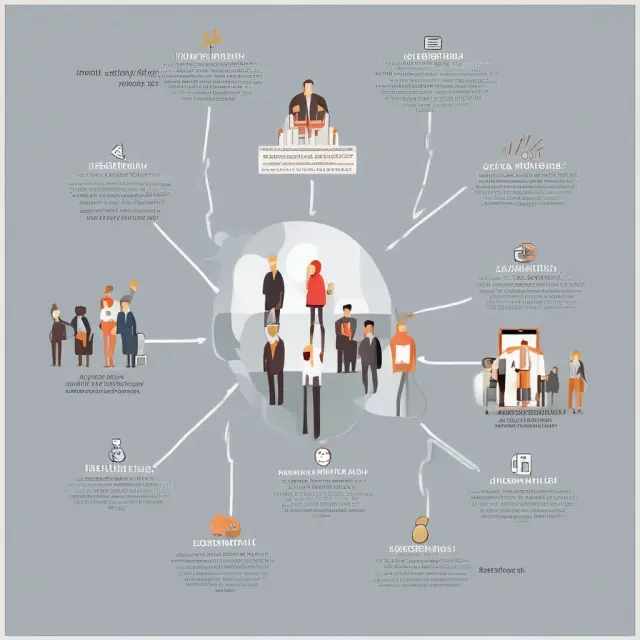
The History of Human Resources: A Timeline
From its origins as a personnel department in the early 20th century to its current role as a strategic partner to businesses, human resources (HR) has undergone significant transformations and evolution over the past century.
The earliest known HR predecessor was established by The National Cash Register Company, then known as NCR Corporation, in 1901, tasked with managing wages, workplace safety, and employee concerns. However, it wasn’t until the late 19th and early 20th centuries that formal HR departments began to appear in large corporations in response to industrialization and increasing labor disputes.
In the 1920s and 1930s, personnel functions expanded to include employment records, timekeeping, payroll, and employee benefits. During this period, various professional organizations arose, such as the International Personnel Management Association (IPMA) in 1916, which laid the groundwork for modern HR practices.
As labor issues grew increasingly complex during World War II, personnel functions became more specialized, leading to separate departments for recruitment, training, and benefits administration. The period following the war saw the emergence of professional HR certifications, such as the Professional in Human Resources (PHR) and Senior Professional in Human Resources (SPHR), further solidifying the role of HR in organizations.
Throughout the late 20th century, HR’s responsibilities continued to expand, with an increased focus on employee development and performance management in response to changing workforce demographics and a growing emphasis on productivity. In the 1980s and 1990s, HR began to adopt a more strategic role, emphasizing the importance of aligning HR initiatives with organizational goals and fostering a positive workplace culture.
The advent of technology in the late 20th century also had a significant impact on HR practices. Automation of administrative tasks like payroll and benefits administration led many organizations to outsource these functions or adopt specialized software, freeing up HR departments to focus more on strategic initiatives.
Today, HR continues to evolve, focusing on data-driven decision making, continuous performance improvement, and employee engagement strategies in an increasingly globalized and diverse workforce. As we look forward, the role of HR is poised to become even more critical, as companies navigate complex labor laws, changing demographics, and technological advancements.

HR’s Role in Outsourcing and Technology Adoption
In today’s fast-paced business world, human resources (HR) departments are constantly evolving to keep up with the latest trends and technologies. Two such areas where HR departments have seen significant changes are outsourcing and technology adoption. Let us delve deeper into these aspects of modern HR practices.
Outsourcing: A Strategic Decision
The traditional functions of an HR department, such as payroll administration and benefits management, can be time-consuming and resource-intensive. Recognizing this challenge, many companies have begun to outsource these tasks to third-party vendors. The primary reasons for outsourcing are cost savings, improved efficiency, and a focus on core competencies.
When it comes to HR functions, payroll processing is often the first area considered for outsourcing. By partnering with a specialized payroll provider, companies can streamline their payroll processes, reducing errors, and ensuring compliance with labor laws and tax regulations. Likewise, benefits administration can also be outsourced to firms that specialize in managing employee benefit plans. This approach allows HR departments to focus on strategic initiatives like recruitment, retention, and employee engagement.
Another popular area for HR outsourcing is recruitment. In a competitive job market, attracting and retaining top talent is crucial. By partnering with external recruiters or a recruitment process outsourcing (RPO) provider, companies can access specialized expertise, technology platforms, and best practices to efficiently source, assess, and hire the right candidates for their roles.
Technology Integration: Leveraging Tools to Enhance HR Processes
As businesses continue to embrace technology, HR departments are increasingly relying on innovative tools and software to streamline their operations. From applicant tracking systems (ATS) and learning management systems (LMS) to talent management platforms and performance analytics tools, technology is transforming the way HR functions are being performed.
Recruitment technology has emerged as a key enabler for HR teams in attracting and engaging high-quality candidates more efficiently. Applicant tracking systems, for instance, allow companies to manage job postings, resumes, interview scheduling, and communication with applicants all in one centralized platform. This not only streamlines the recruitment process but also improves candidate experience by enabling faster response times and personalized communication.
Performance analytics tools are another area where technology is making a significant impact on HR practices. These tools provide valuable insights into employee performance, helping HR teams identify areas for improvement, recognize top performers, and make data-driven decisions regarding talent development and succession planning. This ultimately leads to increased productivity, better engagement, and reduced turnover.
In conclusion, HR departments have had to adapt to the evolving business landscape by embracing outsourcing and technology integration in their operations. By outsourcing non-core functions, companies can save time and resources while focusing on core competencies. Leveraging technology tools and platforms enables HR teams to streamline processes, improve efficiency, and gain valuable insights into workforce performance and engagement. As HR departments continue to navigate these changes, they will play a pivotal role in helping their organizations stay competitive in an increasingly complex business environment.

Strategic HR: Balancing Employee Needs with Business Objectives
Human Resource (HR) departments have evolved significantly over the past century. From a simple focus on finding, recruiting, screening, and training job applicants to managing employee compensation, benefits, terminations, and keeping up with various laws, HR plays an essential role in helping companies navigate the ever-changing business landscape. But what sets successful HR teams apart is their ability to balance employee needs with the organization’s strategic goals.
Also known as human resource management (HRM), this strategic approach focuses on managing employees and organizational culture effectively. By aligning HR initiatives with a company’s long-term business objectives, HR departments can contribute significantly to growth and success. Let us explore the importance of strategic HR in today’s competitive business environment.
In the early 1980s, organizations began recognizing the importance of employee-related issues on their long-term success, leading to a push for strategic initiatives within HR. The goal was to move beyond transactional activities like payroll administration and focus on more meaningful value-adding programs. HRM strategies include managing and using people effectively, tying performance appraisals and compensation to competencies, developing competencies that enhance individual and organizational performance, increasing innovation, creativity, and flexibility, applying new approaches to work process design, succession planning, career development, inter-organizational mobility, and managing the implementation and integration of technology.
Google is an excellent example of a company that has embraced this approach by offering various employee perks designed to boost happiness and productivity. In turn, Google’s HR department plays a more active role in improving the organization’s workforce through innovative programs and initiatives. This proactive stance not only attracts top talent but also ensures that employees are engaged, productive, and committed to the company’s mission.
One of the earliest examples of formal HR departments can be traced back to The National Cash Register Company in 1901. Established as a personnel department, this early iteration of HR managed wages, workplace safety, and employee concerns. Over the decades, HR responsibilities grew to include compensation and benefits administration, recruitment, retention, and ensuring compliance with evolving employment laws and regulations.
As technology integration and outsourcing continued to reshape the business landscape, HR departments were forced to adapt. Many companies have opted to outsource traditional administrative functions like payroll and benefits management to external vendors. This shift allows HR departments to focus on strategic initiatives that add value and contribute to the company’s success.
However, it is essential for HR professionals to understand the importance of balancing employee needs with business objectives. Effective HR strategies foster a positive work environment, attract top talent, retain valuable employees, and ensure compliance with evolving employment laws and regulations. By aligning HR initiatives with a company’s strategic goals, HR can play a crucial role in driving growth and long-term success.
In conclusion, HR departments are no longer just administrative functions responsible for hiring, firing, and administering benefits; they have evolved into strategic partners that contribute significantly to organizational success. By embracing HRM strategies and focusing on employee engagement, productivity, and the overall work environment, HR plays a pivotal role in helping companies stay competitive in today’s rapidly changing business landscape.
Keywords: Human Resources (HR), Strategic Human Resource Management (HRM), Employee Engagement, Productivity, Work Environment, Competitive Business Landscape, Workforce Success, Balancing Employee Needs with Business Objectives, Google, Early HR History, Outsourcing, Technology Integration.

Best Practices in Human Resource Management
Effective human resource management (HRM) is crucial for companies that wish to maximize their workforce productivity, improve employee engagement, and maintain a positive organizational culture. The human resources department acts as a strategic partner to businesses by implementing various practices aimed at enhancing overall performance. In this section, we discuss some best practices in HRM.
Data-Driven Decision Making
Data is becoming increasingly essential for making informed decisions across various industries. Human resources is no exception. Data analysis can provide valuable insights into employee performance and help identify areas for improvement. HR departments that leverage data effectively can make more accurate predictions, improve recruitment processes, optimize training programs, and increase overall business efficiency.
Continuous Performance Improvement
Continuous performance improvement (CPI) is a process aimed at consistently enhancing an organization’s operations through ongoing evaluation and adjustments. In the context of human resources, CPI can lead to better employee performance and engagement. HR departments can implement regular feedback sessions between employees and their managers, set clear goals and expectations, and provide continuous learning opportunities.
Diversity & Inclusion Initiatives
A diverse workforce is a strong asset for any organization. Creating an inclusive environment where everyone feels valued is essential for attracting and retaining top talent. HR departments can facilitate diversity initiatives by implementing policies that promote equality and addressing unconscious biases in recruitment processes, among other measures.
Technology Application
Embracing technology to streamline HR functions can lead to significant time savings and increased efficiency. Examples of HR technology include applicant tracking systems for recruitment and onboarding, performance management software, and payroll administration tools. Adopting these technologies not only enhances the employee experience but also enables HR departments to focus on more strategic activities.
Employee Engagement Strategies
Engaged employees are more productive and contribute positively to an organization’s culture. HR departments can foster engagement by implementing programs such as regular feedback, professional development opportunities, and open communication channels. Additionally, recognizing employee achievements and offering competitive compensation packages can help improve overall morale.
In conclusion, the best practices outlined above can help human resource departments effectively manage their workforce, enhance organizational culture, and ultimately contribute to business growth. By embracing data-driven decision making, continuous performance improvement, diversity & inclusion initiatives, and technology application, HR professionals can make a significant impact on their organization’s bottom line while fostering a positive employee experience.
Historically, HR departments have primarily focused on administrative tasks like payroll processing, benefits administration, and recruitment. However, the role of HR has evolved significantly over time to become more strategic in nature. The adoption of HRM strategies has enabled HR professionals to add value by recommending processes, approaches, and solutions to management that positively impact the business. By understanding and applying these best practices, organizations can leverage their human resources to drive success in a competitive marketplace.

HR Metrics: Measuring Success
In today’s data-driven business world, human resources (HR) departments are increasingly relying on metrics to measure workforce success and align HR initiatives with overall business objectives. By using metrics effectively, organizations can make informed decisions about recruitment strategies, employee engagement, performance management, and training programs, among other areas. In this section, we will discuss various HR metrics that companies use to monitor their workforce’s impact on organizational success.
**Recruitment Metrics:** Recruitment metrics help businesses evaluate the effectiveness of their hiring process. Key metrics include:
– Time to fill: The duration between when a job opening is posted and when a new hire starts.
– Cost per hire: The total cost involved in recruiting, interviewing, and hiring a new employee.
– Quality of hire: The value a new employee brings to the organization in terms of productivity, engagement, and tenure.
**Retention Metrics:** Retention metrics assess employee satisfaction levels and determine how well the organization keeps its workforce engaged. Some essential retention metrics are:
– Employee turnover rate: The number of employees who leave an organization during a specific period, typically expressed as a percentage of the total workforce.
– Absenteeism rate: The number of days that employees don’t come to work due to personal reasons or illness, calculated as a percentage of the total working hours in a year.
– Engagement rate: A measure of how motivated and committed employees are to their work and the organization.
**Performance Metrics:** Performance metrics track employee productivity and effectiveness to identify areas for improvement and ensure alignment with organizational objectives. Some commonly used performance metrics include:
– Employee engagement score: A measure of how engaged employees are based on surveys, interviews, or other feedback mechanisms.
– Key performance indicators (KPIs): Quantifiable measurements that demonstrate how effectively an organization is achieving its strategic goals.
– Return on investment (ROI) for training programs: The financial gain derived from implementing employee development initiatives versus the cost of the program itself.
**Diversity and Inclusion Metrics:** Diversity and inclusion metrics help businesses understand their workforce demographics, identify disparities, and track progress toward equity and inclusion goals. Some essential diversity and inclusion metrics are:
– Demographic composition: A breakdown of the workforce by gender, race/ethnicity, age, disability status, and sexual orientation.
– Gender pay gap: The difference between average earnings for men and women in similar roles.
– Diversity hiring rate: The percentage of new hires that belong to underrepresented groups.
**Legal Compliance Metrics:** Legal compliance metrics help organizations ensure they are adhering to employment laws and regulations, protecting themselves from potential legal issues and reputational damage. Some essential legal compliance metrics include:
– Equal Employment Opportunity (EEO) data tracking: Regularly monitoring the demographic makeup of job applicants and employees to ensure fair hiring practices.
– Discrimination complaints: The number and nature of complaints filed by current or former employees alleging discrimination based on protected characteristics such as race, gender, age, or disability.
– Wage and hour compliance: Ensuring that all employees are paid correctly and according to applicable labor laws and regulations.
By leveraging these HR metrics effectively, organizations can make informed decisions about their workforce, optimize recruitment strategies, enhance employee engagement, improve performance, and promote diversity and inclusion. Additionally, understanding HR metrics helps businesses stay compliant with employment-related laws and regulations, ensuring a more effective and productive work environment.

FAQs: Answering Your Most Pressing Human Resource Questions
What exactly is the role of a human resources (HR) department?
A human resources department plays a critical role in any organization by handling various HR functions that enable employers to effectively manage their workforce. Its primary responsibilities include recruiting, hiring and onboarding new employees, ensuring compliance with labor laws and regulations, managing compensation and benefits programs, addressing employee concerns, and fostering a positive and productive work environment.
What is the origin of human resources as a concept?
The term “human resources” was first coined by American institutional economist John R. Commons in his book, The Distribution of Wealth, published in 1893. However, it wasn’t until the early 20th century that HR departments were formally established within organizations. Their main role back then was to manage wage rates and employee welfare.
What are the primary responsibilities of an HR department?
An HR department is typically tasked with several key functions:
- Recruitment, hiring, and onboarding: Identifying, interviewing, and selecting potential candidates for open positions.
- Compensation and benefits: Managing compensation packages and employee benefit programs to ensure competitive offerings.
- Compliance: Ensuring that the organization remains in accordance with various labor laws and regulations.
- Employee relations: Addressing employee concerns, maintaining good working relationships, and providing support when needed.
- Work environment: Creating a positive work culture and implementing policies to ensure a productive and engaged workforce.
How has HR evolved over the years?
HR departments have seen numerous changes throughout history. Early HR functions focused on managing wages and employee welfare. In the 1980s, there was a push for more strategic initiatives within HR departments, which came to be known as Human Resource Management (HRM). HRM is a comprehensive approach that focuses on maximizing employee potential through training, performance management, and other value-added programs. With advancements in technology and outsourcing, many companies have shifted administrative HR tasks to third parties, allowing HR teams to focus more on strategic initiatives.
What are the benefits of having an HR department?
An effective HR department can bring numerous advantages to an organization:
- Improved employee relations: HR departments act as a bridge between management and employees, ensuring that both sides are aligned and working together for the betterment of the company.
- Legal compliance: HR teams help organizations stay compliant with relevant labor laws and regulations, reducing the risk of legal issues.
- Productivity and engagement: By creating a positive work environment, HR departments can contribute to increased employee productivity and engagement, leading to improved business outcomes.
- Strategic planning: HR departments can provide valuable insights into organizational trends, helping management make informed decisions about workforce planning, development, and succession.
- Talent acquisition and retention: HR teams are responsible for identifying, recruiting, and onboarding new talent. They also help create programs to retain top performers and reduce turnover.
- Continuous improvement: By implementing data-driven performance metrics and continuous improvement strategies, HR departments can optimize workforce processes and contribute to overall business growth.
 Next entry · No. 2,256Understanding the Anomaly of a Humped Yield Curve in Finance
See also
-
 No. 5,499
14 Sep 2025
17 min
Virtual Assistants: Outsourcing Administrative Services Remotely
Business Strategy
No. 5,499
14 Sep 2025
17 min
Virtual Assistants: Outsourcing Administrative Services Remotely
Business Strategy -
 No. 3,951
10 May 2025
19 min
Performance Management: A Key Tool for Optimizing Business Performance
Business Strategy
No. 3,951
10 May 2025
19 min
Performance Management: A Key Tool for Optimizing Business Performance
Business Strategy -
 No. 3,827
30 Apr 2025
19 min
Maximizing Transition: The Role and Benefits of Outplacement Services in Finance and Investment
Business Strategy
No. 3,827
30 Apr 2025
19 min
Maximizing Transition: The Role and Benefits of Outplacement Services in Finance and Investment
Business Strategy -
 No. 3,793
27 Apr 2025
24 min
Understanding the Evolution and Importance of Organizational Behavior in Human Resources
Business Strategy
No. 3,793
27 Apr 2025
24 min
Understanding the Evolution and Importance of Organizational Behavior in Human Resources
Business Strategy -
 No. 3,297
17 Mar 2025
21 min
Understanding Multilevel Marketing (MLM): A Legitimate Business Strategy or Pyramid Scheme?
Business Strategy
No. 3,297
17 Mar 2025
21 min
Understanding Multilevel Marketing (MLM): A Legitimate Business Strategy or Pyramid Scheme?
Business Strategy -
 No. 3,049
25 Feb 2025
17 min
Make-or-Buy Decision: Analyzing the Costs and Benefits of In-house Production vs External Supply
Business Strategy
No. 3,049
25 Feb 2025
17 min
Make-or-Buy Decision: Analyzing the Costs and Benefits of In-house Production vs External Supply
Business Strategy