Understanding the Evolution and Importance of Organizational Behavior in Human Resources

Learn about the history, principles, and impact of organizational behavior on human resources management. Discover key applications and future trends.
Introduction to Organizational Behavior
Organizational behavior (OB) is a branch of social science that investigates the impact that individuals, groups, and structure have on behavior within an organization. It examines how people behave in organizations, the causes of their behavior, and the effects of this behavior on an organization’s performance (Breaugh & Cooper, 2016). By understanding organizational behavior, human resources professionals can design policies and practices that improve productivity, increase job satisfaction, and foster a positive work environment.
Origins
The study of organizational behavior dates back to the late 1920s when researchers at the Hawthorne Works plant in Cicero, Illinois, conducted a series of experiments to determine how environmental conditions influenced worker productivity (Mayo, 1933). These studies, collectively known as the Hawthorne Effect, revealed that workers’ productivity improved not due to any physical changes in their working conditions but rather due to increased attention and interaction from their supervisors. This finding marked a significant shift in organizational thinking, as it highlighted the importance of social factors and interpersonal relationships in the workplace.
Importance
The principles of organizational behavior are relevant to numerous areas within human resources (HR), including employee recruitment, training, performance management, engagement, retention, and leadership development. Understanding how individuals interact with each other and their work environment can help organizations create a more effective and harmonious workforce. Furthermore, it provides valuable insights into the motivational factors that influence employee behavior and job performance.
History of Organizational Behavior Research
Organizational behavior research has evolved significantly over the decades, reflecting changing organizational needs, new theories, and advancements in technology and methodologies. The Hawthorne Effect laid the groundwork for further investigations into group dynamics, motivation, leadership, and work design. Subsequent studies expanded the scope of organizational behavior to include an examination of the relationship between organizations and their external environment (Fried, 1954). In recent years, research in organizational behavior has focused on addressing emerging challenges such as remote work, diversity and inclusion, and emotional intelligence (Goleman, 2006).
In conclusion, understanding organizational behavior is crucial for anyone involved in the management and development of people in an organization. By examining how individuals behave within organizations and the factors that influence this behavior, HR professionals can create effective strategies to improve employee engagement, productivity, and job satisfaction. In the following sections, we will explore the history, principles, methodologies, and modern applications of organizational behavior in human resources.
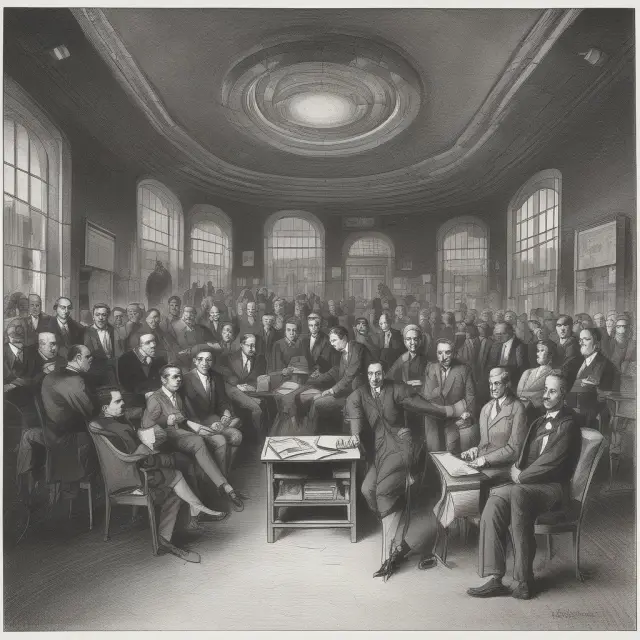
History of Organizational Behavior Research
Organizational behavior (OB) is a multidisciplinary field that explores the impact of social psychological factors on organizational performance. Its roots date back to the late 1920s with the Hawthorne Studies, which demonstrated the significance of human interaction and motivation in the workplace.
The Hawthorne Studies: A Turning Point
The Hawthorne Studies, conducted by Harvard University researchers at Western Electric Company’s Hawthorne Works plant in Cicero, Illinois, are widely regarded as the pioneering studies in organizational behavior. Initially aimed at analyzing the effects of physical conditions on worker productivity, these studies instead revealed that human relationships and emotions significantly influenced workers’ performance (Mayo, 1933).
Despite their groundbreaking findings, the Hawthorne Studies did not receive immediate acceptance within academia due to methodological concerns. However, their impact on organizational theory is undeniable. The Hawthorne Effect they uncovered—the phenomenon where individuals modify their behavior in response to being observed—is a cornerstone concept in organizational behavior research (Morris & Gross, 1952).
Evolution of Organizational Behavior Research
Following the Hawthorne Studies, organizational behavior research expanded in scope beyond productivity improvement. It evolved into a comprehensive framework encompassing topics like motivation, leadership, group dynamics, and organizational culture (Schein, 1960).
Throughout the 20th century, various approaches to studying organizational behavior emerged, each with its unique perspective. The rational-technical approach emphasized efficiency and formal organization structures (Herzberg, Mausner & Snyderman, 1958). This perspective paved the way for management science, systems theory, and other quantitative methods.
In contrast, the human relations approach prioritized interpersonal relationships, communication, and individual motivation (Roethlisberger & Dickson, 1939). It laid the foundation for the study of leadership, group dynamics, and organizational culture in contemporary organizational behavior.
Modern Organizational Behavior Research
Today, organizational behavior research continues to evolve, incorporating new ideas from various fields such as psychology, sociology, economics, anthropology, and management. Some current trends include:
- Emotional intelligence (Goleman, Boyatzis, & McKee, 2015): Understanding the role of emotions in organizational settings and how they influence leadership, communication, teamwork, and individual performance.
- Diversity and inclusion: Exploring how differences in race, gender, age, culture, sexual orientation, and other factors impact organizational behavior.
- Organizational change and innovation (Kotter & Schlesinger, 1979): Studying the processes and challenges involved in implementing change initiatives and promoting continuous improvement within organizations.
- Virtual teams and remote work: Investigating the unique dynamics of virtual teams and remote workers and how to effectively manage them.
- Positive organizational behavior: Focusing on the positive aspects of human behavior, such as creativity, engagement, resilience, and well-being, to enhance organizational performance.
By embracing these trends, organizational behavior continues to provide valuable insights for organizations seeking to improve their effectiveness, increase employee engagement, and foster a positive work environment.
References:
Goleman, D., Boyatzis, R. E., & McKee, A. (2015). Primal leadership: Unleashing the power of emotional intelligence. Harvard Business Press.
Herzberg, F. H., Mausner, B., & Snyderman, B. (Eds.). (1958). The motivation to work. Wiley.
Kotter, J. P., & Schlesinger, L. A. (1979). Leading change: How to thrive in a time of organizational revolution. Free Press.
Mayo, E. H. (1933). The human problems of an industrial civilization. Harper and Brothers.
Morris, M. W., & Gross, F. J. (Eds.). (1952). Observer studies: Methodology for research on social interaction. Van Nostrand.
Roethlisberger, F. J., & Dickson, W. J. (1939). Management and the worker: An account of a research project carried on by the Harvard Business School. Harvard University Press.
Schein, E. H. (1960). Organization culture and personnel behavior. Wiley.

Foundations of Organizational Behavior in Human Resources
Organizational behavior (OB) is a multidisciplinary field of study that investigates how individuals interact within organizations, with particular emphasis on improving organizational effectiveness. This section delves into the historical background and fundamental principles of organizational behavior as they relate to human resources management.
The origins of organizational behavior can be traced back to the Hawthorne Studies conducted between 1924 and 1932 by researchers from Western Electric Company in Cicero, Illinois (Mayo, 1933). These groundbreaking investigations focused on examining the relationship between worker productivity and environmental conditions. The studies revealed that factors such as social relationships, job satisfaction, and appreciation played a significant role in work performance, leading to the recognition of human aspects in organizational behavior research (Roethlisberger & Dickson, 1939).
Organizational behavior has since evolved to encompass several foundational concepts. One key area is productivity improvement through understanding employee motivation and leadership within the workplace. Motivation refers to the forces that influence individuals’ behaviors and actions towards achieving their goals, while leadership plays a crucial role in guiding and directing employees (Maslow, 1954). In human resources management, motivation theory is applied to optimize recruitment, training, performance management, engagement, and retention strategies (Locke & Latham, 2006).
Leadership development focuses on creating effective leaders through the application of organizational behavior principles. This approach involves understanding an individual’s personality traits, emotional intelligence, and communication skills to build a strong foundation for successful leadership (Bass, 1985; Goleman, Boyatzis, & McKee, 2004).
Another essential component of organizational behavior in human resources is work environment design. This refers to the physical, social, and psychological aspects of the workplace that contribute to employees’ well-being and overall job satisfaction (Mann, 1986). By creating a positive work environment, organizations can foster better employee morale, increased productivity, and improved organizational commitment (Ryan & Deci, 2001).
In conclusion, the foundations of organizational behavior are deeply rooted in enhancing human resources management through an understanding of motivation, leadership, and creating a positive work environment. This knowledge provides organizations with valuable insights into developing effective hiring practices, training programs, performance measurement systems, employee engagement strategies, and retaining top talent to achieve their objectives.
References:
Bass, B. M. (1985). Leadership and Performance Beyond Expectations. Free Press.
Goleman, D., Boyatzis, R. E., & McKee, A. (2004). Primal Leadership: Realizing the Power of Emotional Intelligence. Harvard Business School Press.
Locke, E. A., & Latham, G. P. (2006). Building a Theoretically Based, Broadly Applicable, Practically Useful Theory of Goal Setting and Task Motivation: A 35-Year Odyssey. American Psychologist, 61(9), 684-700.
Mann, S. (1986). Managing Human Resources: A Behavioral Approach. John Wiley & Sons.
Mayo, E. (1933). The Human Problems of an Industrial Civilization. Macmillan.
Maslow, A. H. (1954). Motivation and Personality. Harper & Row.
Ryan, R. M., & Deci, E. L. (2001). Self-determination theory and the facilitation of intrinsic motivation, social development, and well-being. American Psychologist, 56(1), 68-78.
Roethlisberger, F. J., & Dickson, W. J. (1939). Management and the worker: An account of a research project carried on by the Harvard Business School. Harvard University Press.
Principles of Organizational Behavior in HR
Organizational behavior plays a pivotal role in the human resources (HR) field. It’s a crucial component that drives various aspects such as recruitment, training, performance management, engagement, and retention. In this section, we will discuss the application of organizational behavior principles in these areas.
Recruitment: Organizational behavior research is instrumental in identifying essential skills, abilities, and traits required for a specific job. This knowledge helps HR develop accurate job descriptions, selection criteria, and assessment tools to ensure the best possible candidate match. Incorporating behavioral interviewing questions tailored to the position can reveal essential soft skills that are critical for success in various roles.
Training: Organizational behavior research is an essential tool when designing and delivering training programs. By understanding individual learning styles, organizations can deliver customized training content effectively. This approach caters to the diverse needs of employees, enhancing their skills and improving overall performance. Additionally, organizational behavior principles help in creating a conducive learning environment that fosters engagement and motivation.
Performance Management: Organizational behavior principles are applied in performance management systems to align employee goals with organizational objectives. Effective performance management involves continuous feedback, goal-setting, and assessment. Organizational behavior insights can shed light on the most suitable feedback methods, ensuring effective communication between managers and employees. This approach fosters a positive work environment that encourages growth and development.
Engagement: Employee engagement is crucial for organizational success. Organizational behavior studies can provide valuable insights into factors that influence employee motivation and commitment. For instance, research suggests that recognition programs, autonomy, and opportunities for growth are essential to enhancing engagement levels. By incorporating these principles, HR can create a culture where employees feel valued and motivated, leading to higher retention rates and improved performance.
Retention: Organizational behavior plays an integral role in understanding why employees leave organizations. For instance, research indicates that job satisfaction, recognition, and career growth are significant factors influencing employee turnover. By addressing these factors proactively, HR can create a more engaged workforce that is less likely to leave. Organizational behavior insights also help in crafting effective retention strategies tailored to each organization’s unique needs.
Methodology: Organizational behavior research employs several methods, including surveys, interviews, observations, case studies, and experiments, to collect data on attitudes, behaviors, and perceptions related to a particular topic. Companies can use these methods to gain a better understanding of their workforce and implement effective strategies based on the findings.
By harnessing the power of organizational behavior principles in HR practices, organizations can foster a productive, engaged, and committed workforce that drives business success.

Methodology of Organizational Behavior Research
Understanding how organizational behavior research is conducted is crucial for businesses looking to apply the principles in their operations. In this section, we delve into the methodologies utilized by researchers to collect data on organizational behavior.
The Hawthorne Effect and its Influence
Before exploring modern methods, it’s worth discussing the origins of organizational behavior research – specifically, the Hawthorne Studies of the 1920s and ’30s. These studies aimed to identify factors affecting worker productivity by improving their work environment. Researchers noticed a significant increase in output even when they made trivial improvements like better lighting conditions, leading to the now-famous “Hawthorne Effect.” This phenomenon suggested that workers’ behavior is influenced not only by external factors but also by social context and attention.
Modern Study Methods
Despite the Hawthorne Studies’ groundbreaking insights, their methodology has limitations. Today, organizational behavior researchers employ a diverse set of methods to gather data and analyze results:
1. Surveys: This quantitative method asks individuals to answer questions on a Likert scale or open-ended format. The goal is to obtain large-scale, standardized data on attitudes, behaviors, and perceptions related to the topic at hand (Elms & Marsh, 2015).
2. Interviews: Semi-structured interviews offer rich, in-depth information about individuals’ experiences, attitudes, and perceptions. This qualitative method can reveal nuanced insights that may not be captured through surveys alone (Leech & Onwuegbuzie, 2009).
3. Observations: In situ observations involve observing individuals in real-life settings to understand their behaviors, interactions, and decision-making processes. This approach is particularly valuable when studying group dynamics, leadership styles, or conflict resolution (Mead & Morris, 2010).
4. Case studies: A case study focuses on an extensive examination of a particular organization, group, or individual to gain a deeper understanding of complex phenomena (Bryman & Bell, 2007). This method is ideal for exploring organizational culture, leadership, and strategic decision-making (Eisenhardt, 1989).
5. Experiments: In situations where there’s little precedent or when testing causality, experimental methods are employed to manipulate one or more variables at a time and observe their impact on an outcome (Cook & Campbell, 1979). For instance, organizations may study how different leadership styles influence team performance by randomly assigning teams to leaders with varying approaches.
Organizational behavior research can yield valuable insights when using both quantitative and qualitative data. For instance, a combined approach might involve survey data for identifying trends and interview or observation methods for exploring the underlying reasons behind those trends.
In the realm of human resources, organizational behavior data is instrumental in improving recruitment, training, performance management, employee engagement, and retention strategies. By understanding the methodologies used to uncover these insights, organizations can make informed decisions that foster a more productive and harmonious work environment.

Impact of Organizational Behavior on Human Resources
Organizational Behavior, as the study of how individuals act in a business setting, has profound implications for human resources (HR) practices. By better understanding organizational behavior principles, HR professionals can improve recruitment, employee engagement, communication, and work culture.
Employee Engagement
One significant impact is on employee engagement. Organizational Behavior research indicates that employees are more engaged when they feel their role aligns with their personal values and goals (Maslow, A.H., 1943). Consequently, HR can leverage this knowledge to craft job descriptions that resonate with candidates, ensuring a strong match between the employee’s motivations and the company’s objectives.
Motivation
Organizational Behavior studies also shed light on motivation. Maslow’s Hierarchy of Needs theory states that individuals have different levels of needs (Maslow, A.H., 1943). Understanding these needs can help HR develop reward structures and performance appraisals tailored to each employee level, improving overall job satisfaction and morale.
Communication
Effective communication is crucial to organizational success. Organizational Behavior research reveals the importance of understanding individual preferences and communication styles for creating a cohesive work environment. HR can use this knowledge to develop training programs that help employees navigate interpersonal dynamics, ultimately improving collaboration and productivity (Bolino, C., 2015).
Culture
A company’s culture plays a critical role in shaping its organizational behavior. Research on group dynamics and team building can inform HR practices for creating a positive work environment where individuals feel supported and valued (Tuckman, B.W., Jensen, M., & Murrell, M., 2015). For instance, understanding the stages of team development can help managers foster an inclusive, open culture where employees are encouraged to share their perspectives and collaborate effectively.
Retention
Organizational Behavior principles can also aid in employee retention by ensuring a strong fit between new hires’ abilities and the company’s needs. HR professionals can leverage research on individual differences, such as personality traits and work styles, to tailor recruitment strategies and onboarding programs for each candidate (Harris, S.E., & Dessler, G.N., 2018).
Recruitment and Selection
Organizational Behavior principles can be used to make smarter hiring decisions by understanding the behavioral characteristics of successful employees in a role. For example, HR professionals can analyze the behavioral interviewing techniques developed from Organizational Behavior research to better assess candidate fit and predict potential job performance (McQuaid, S., & McMahon, R.A., 2015).
Training and Development
Organizational Behavior research on learning and development can inform HR practices in designing effective training programs that cater to individual differences, preferences, and styles. By incorporating elements like gamification, social learning, and microlearning into their offerings, companies can create a more engaging learning environment that caters to the diverse needs of their workforce (Gibbons, B., & McGonagle, K., 2018).
Conclusion
Organizational Behavior is an integral component of HR practices, providing insights into employee motivation, communication, and development. By understanding organizational behavior principles, HR professionals can design strategies to improve recruitment, engagement, training, and overall work culture, leading to a more productive and satisfied workforce.
References:
Bolino, C. (2015). Organizational Behavior and Human Performance. Cengage Learning.
Gibbons, B., & McGonagle, K. (2018). A Complete Guide to Employee Training Techniques, Methods & Programs: Learn the Best Ways to Train Your Employees and Boost Productivity, Engagement and Retention. Independently published.
Harris, S.E., & Dessler, G.N. (2018). Human Resource Management: Global Perspectives. Routledge.
Maslow, A.H. (1943). A Theory of Human Motivation. Psychological Review, 50(3), 370-396.
McQuaid, S., & McMahon, R.A. (2015). The Essential Guide for Mastering Behavioral Interviewing: Proven Techniques to Succeed in Hiring the Best People for Any Position. John Wiley & Sons.
Tuckman, B.W., Jensen, M., & Murrell, M. (2015). Building Teams: Using Small-Group Research and Practice. Routledge.
Organizational Behavior and HR Metrics
Incorporating organizational behavior principles in human resources (HR) has proven crucial for improving workforce efficiency, productivity, and overall business success. In the following sections, we will discuss how specific HR metrics are influenced by organizational behavior research and applications.
Performance Metrics
Measuring employee performance is an essential aspect of human resource management. Organizational behavior studies play a significant role in understanding various factors influencing job performance, which can be used to assess individual and team productivity. This knowledge helps HR professionals design and implement more effective performance evaluation systems tailored to their organizations’ unique needs.
Retention Metrics
Employee retention is a critical factor for companies as it impacts workforce stability, morale, and overall costs. Organizational behavior research can shed light on the factors that influence employee engagement and job satisfaction, which are vital components of employee retention. HR teams can utilize this information to create more effective retention strategies and policies.
Employee Satisfaction Metrics
A contented workforce is a productive one, as employees who feel appreciated and satisfied contribute significantly to their organizations’ success. Organizational behavior studies provide valuable insights into the factors that impact employee satisfaction. HR professionals can utilize this knowledge to design and implement initiatives aimed at fostering a positive work environment, enhancing communication, and promoting a sense of belonging among employees.
Productivity Metrics
Improving employee productivity is a primary goal for many organizations. Organizational behavior research offers valuable insights into the factors that influence productivity, such as motivation, leadership, and team dynamics. HR teams can apply these findings to create strategies aimed at enhancing productivity while ensuring a positive work environment.
Organizational behavior research plays an integral role in providing HR professionals with knowledge and tools to optimize their metrics for performance, retention, employee satisfaction, and productivity. By understanding the underlying principles that influence human behavior within organizational settings, HR teams can create effective policies, initiatives, and strategies aimed at enhancing overall business success.
The Future of Organizational Behavior in HR Metrics
As organizations continue to evolve, so too will the role of organizational behavior in HR metrics. Staying informed about emerging trends and best practices in this area can help HR professionals stay ahead of the curve, enabling them to develop more effective strategies for managing their workforce and improving their business’ bottom line. Some notable areas of focus for the future of organizational behavior in HR metrics include:
1. Emotional Intelligence: Recognizing and understanding employees’ emotional intelligence (EI) can significantly impact their job performance, relationships with colleagues, and overall career growth within an organization. Incorporating EI assessments and training programs into HR strategies may become increasingly important to drive employee engagement, productivity, and retention.
2. Diversity, Equity, and Inclusion (DEI): As the global business landscape becomes more diverse, understanding DEI dynamics is crucial for organizations to thrive. Organizational behavior research can contribute valuable insights into building inclusive workplaces that respect and value all employees’ differences while fostering a sense of belonging and collaboration.
3. Remote Work: With the rise of remote working arrangements, organizational behavior research can help HR professionals understand how best to manage virtual teams, promote communication and collaboration, and maintain employee engagement and productivity in this new work environment.
By staying informed about these and other emerging trends, HR professionals can effectively incorporate organizational behavior principles into their metrics, ensuring their organizations remain competitive and responsive to the evolving needs of their workforce.

Modern Applications of Organizational Behavior in HR
Organizational Behavior has evolved significantly since its inception, with modern applications providing a substantial impact on Human Resource Management (HRM). In recent years, the focus on diversity and inclusion, emotional intelligence, and remote work has emerged as essential areas where organizational behavior principles are put into practice.
Diversity & Inclusion
Organizational Behavior plays a crucial role in fostering a culture of inclusivity within organizations. By understanding the psychological factors that influence people’s attitudes and behaviors towards diversity, HR professionals can design effective strategies to address biases and create an inclusive work environment. For instance, research on stereotyping, group dynamics, and social identity theory can provide valuable insights into how individuals perceive and interact with colleagues from different backgrounds.
Emotional Intelligence
Another modern application of Organizational Behavior in HR is the concept of emotional intelligence (EI). EI refers to the ability to recognize, understand, and manage one’s emotions and those of others. This skill is increasingly important for effective communication, conflict resolution, leadership, and team building. HR professionals can leverage research on EI to design training programs, select candidates with strong emotional competencies, and create a culture that supports open expression of emotions in the workplace.
Remote Work
Lastly, Organizational Behavior has become essential as more companies shift towards remote work arrangements. Research on motivation, communication, and time management is particularly relevant when managing distributed teams. HR professionals can use findings from this research to create policies and practices that support employee engagement, productivity, and work-life balance in a virtual environment. For example, providing regular check-ins, utilizing collaborative tools, and setting clear goals and expectations are effective ways to leverage Organizational Behavior principles when managing remote teams.
In conclusion, Organizational Behavior has proven itself as an essential field for Human Resources professionals. Its applications in areas such as diversity & inclusion, emotional intelligence, and remote work have become increasingly critical as organizations strive to create a workplace that fosters productivity, engagement, and inclusivity. By staying informed about the latest research and best practices, HR professionals can continue to harness the power of Organizational Behavior to drive business success.

The Role of Organizational Behavior in Employee Development
Organizational behavior has a significant impact on human resources (HR) in various ways, including employee development. The primary objective of HR is to attract, retain, engage, and develop employees who can contribute to the organization’s success. Organizational behavior plays a crucial role in enabling HR to implement effective training programs, leadership development, and succession planning strategies.
Training Programs: Understanding organizational behavior principles helps HR design and deliver training programs that cater to individual needs and improve overall employee performance. Organizational behavior research provides insights into how people learn, process information, and respond to different training methods. By utilizing this knowledge, HR can develop customized training programs tailored to different learning styles and preferences. For instance, some employees may prefer visual or hands-on learning methods, while others might thrive in group settings or through one-on-one coaching. Organizational behavior concepts like motivation, emotion intelligence, and social influence can also be harnessed to create more effective training programs that engage learners and promote long-term knowledge retention.
Leadership Development: Organizational behavior research plays a crucial role in the development of effective leaders within an organization. The understanding of various factors such as motivation, communication, group dynamics, power and influence, and emotional intelligence can help organizations foster strong leadership skills among their employees. Effective training programs focusing on these areas can lead to increased employee engagement, retention, and overall performance improvement. Moreover, organizational behavior research provides insights into the challenges leaders may face when working with diverse teams or managing complex projects, helping them develop strategies to overcome potential obstacles.
Succession Planning: Organizational behavior knowledge is essential for designing and implementing effective succession planning strategies. Understanding factors like motivation, career development, and job satisfaction can help organizations identify and prepare employees for future leadership roles. Organizational behavior research also provides insights into the impact of organizational culture on talent management and retention. By incorporating these findings into their succession planning efforts, HR teams can minimize disruptions, maintain a strong organizational culture, and create a pipeline of talented individuals ready to take on new challenges.
In conclusion, organizational behavior is a critical component of human resources development strategies. It provides valuable insights into employee motivation, learning, communication, leadership, and team dynamics that can be leveraged to design effective training programs, develop strong leaders, and implement successful succession planning initiatives. By staying up-to-date with the latest research in organizational behavior, HR professionals can help their organizations create a culture of continuous learning, engagement, and performance improvement.

Future of Organizational Behavior in Human Resources
Organizational behavior plays a pivotal role in the realm of human resources (HR), as it offers valuable insights into the dynamics of employee behavior within an organization. This section delves deeper into the trends, challenges, and opportunities that lie ahead for organizational behavior in HR.
Trends:
The future of organizational behavior in HR is marked by a few key trends shaping the way organizations approach their workforce. Some of these trends include:
- Employee well-being: As mental health awareness gains prominence, organizational behavior plays an increasingly important role in fostering employee well-being and ensuring a healthy work environment. This can manifest in various forms such as promoting work-life balance, implementing mindfulness practices, or adopting flexible working hours.
- Diversity, equity, and inclusion (DEI): As organizations embrace the importance of DEI initiatives, understanding human behavior becomes essential to create an inclusive and equitable workplace. Organizational behavior research can provide insights on unconscious biases, effective communication strategies, and inclusive leadership practices that contribute to a diverse workforce.
- Technology integration: With the rapid advancement of technology in the workplace, organizational behavior research is crucial to understanding how employees adapt and interact with new technologies. This knowledge helps organizations implement technology solutions effectively and mitigate potential negative impacts on employee morale or productivity.
Challenges:
Organizational behavior in HR faces several challenges that require ongoing attention and adaptation:
- Remote work: As more organizations adopt remote work policies, understanding the unique challenges and behaviors associated with a virtual work environment becomes vital. Organizational behavior research can inform strategies to maintain employee engagement, encourage collaboration, and ensure effective communication in this context.
- Globalization: With increasing globalization, organizational behavior research plays an important role in managing diverse teams across multiple geographies and cultures. Understanding the nuances of cross-cultural communication and the impact on group dynamics is crucial for successful organizational collaboration.
- Ethical issues: The ever-evolving ethical landscape in organizations requires a strong understanding of human behavior to navigate complex situations involving employee conduct, privacy, and confidentiality. Organizational behavior research can inform policies, training programs, and best practices that promote ethical conduct and protect the rights of all stakeholders involved.
Opportunities:
The future holds numerous opportunities for organizational behavior in HR, some of which include:
- Employee development: Organizational behavior insights can help organizations design targeted employee development programs that cater to individual learning styles and needs. This can lead to increased engagement, improved productivity, and reduced turnover.
- Performance management: By harnessing the power of organizational behavior research, HR professionals can create more effective performance management systems that align with employees’ goals and motivations while promoting a culture of continuous improvement.
- Organizational change: As organizations undergo transformations, understanding human behavior becomes essential to ensure successful implementation of new initiatives. Organizational behavior research can inform strategies for managing resistance to change and facilitating adoption within the workforce.
- Crisis management: In times of crisis, organizational behavior insights can provide valuable guidance on effective communication strategies, decision-making processes, and employee support systems that help organizations navigate challenging situations and emerge stronger than before.
In conclusion, organizational behavior plays a vital role in human resources as it provides essential insights into the dynamics of employee behavior within an organization. Understanding trends, challenges, and opportunities can help HR professionals create effective strategies that promote engagement, productivity, and overall success for both employees and the organization. By staying attuned to the latest research and best practices, HR teams can harness the power of organizational behavior to navigate the complexities of the modern work environment and build a thriving, inclusive, and adaptive workplace culture.

FAQ about Organizational Behavior and Human Resources
Organizational behavior is a significant field of study that investigates how people behave within groups, organizations, and businesses. It applies primarily to enhancing organizational performance by improving job performance, increasing job satisfaction, promoting innovation, and encouraging leadership. In human resources (HR), the principles of organizational behavior form an essential foundation for various HR functions, including recruitment, training, performance management, engagement, and retention.
What is Organizational Behavior?
Organizational behavior is a multidisciplinary field of study that examines how people interact within groups, organizations, and businesses (Bauer & Erhardt, 2018). Its primary objective is to understand the underlying motivations, behaviors, and dynamics that influence organizational performance. Organizational behavior research focuses on various aspects such as productivity improvement, motivation, leadership, work environment, culture, communication, and employee development.
Where does Organizational Behavior come from?
The roots of organizational behavior can be traced back to the Hawthorne Studies in the late 1920s, which aimed to identify the factors influencing worker productivity (Roethlisberger & Dickson, 1939). These groundbreaking studies demonstrated that workers’ perception of being valued and appreciated had a significant impact on their performance. Since then, organizational behavior research has expanded in scope to encompass various aspects of human interaction within organizations, leading to its recognition as a legitimate academic field by the American Psychological Association in the 1970s.
What are some applications of Organizational Behavior in Human Resources?
Organizational behavior plays an integral role in HR functions such as:
– Recruitment: Using organizational behavior principles, companies can create effective job descriptions, selection criteria, and assessment tools to identify the best candidates for a position, focusing on essential skills, abilities, and traits.
– Training: Organizational behavior research informs the design and delivery of training and development programs that help enhance employees’ skills by addressing various aspects of communication, leadership, teamwork, and diversity and inclusion.
– Performance Management: Organizational behavior principles can be used to develop performance management systems that align employee goals with organizational objectives and provide effective feedback mechanisms for continuous improvement.
– Employee Engagement: Understanding the factors influencing employee engagement is crucial for creating a positive work environment, fostering motivation, and retaining talent through recognition and rewards programs, employee involvement opportunities, and promoting work-life balance.
What methods are used to collect data on Organizational Behavior?
Researchers employ various methods to gather data on organizational behavior, including:
– Surveys: Surveys involve asking individuals to answer a set of questions using a Likert scale to measure attitudes, behaviors, and perceptions related to specific topics.
– Interviews: Companies conduct interviews with individuals to gather in-depth information about their experiences, attitudes, and perceptions on various aspects of organizational behavior.
– Observations: Observing individuals in real-life settings can provide valuable insights into their behaviors, interactions, and decision-making processes, allowing researchers to better understand the complex dynamics within organizations.
– Case Studies: In-depth examinations of specific organizations, groups, or individuals help researchers gain a deeper understanding of organizational behavior and its underlying causes and effects.
– Experiments: Manipulating variables in controlled experiments can reveal how changes in organizational behavior impact employee disposition, productivity, and overall performance.
By employing these methods, researchers can collect both quantitative and qualitative data to test theories, inform best practices, and provide valuable insights into the intricacies of organizational behavior.
 Next entry · No. 3,794Understanding Organizational Charts: Depicting a Company’s Hierarchical Structure
See also
-
 No. 3,185
08 Mar 2025
19 min
Micromanagement: Understanding the Negative Impact on Employees and Companies
Business Strategy
No. 3,185
08 Mar 2025
19 min
Micromanagement: Understanding the Negative Impact on Employees and Companies
Business Strategy -
 No. 5,734
03 Oct 2025
20 min
William T. Dillard II: The Legacy and Leadership of a Family-Oriented Retail Pioneer
Business Strategy
No. 5,734
03 Oct 2025
20 min
William T. Dillard II: The Legacy and Leadership of a Family-Oriented Retail Pioneer
Business Strategy -
 No. 5,733
03 Oct 2025
23 min
William Cavanaugh III: A Legendary Figure in the Energy Industry
Business Strategy
No. 5,733
03 Oct 2025
23 min
William Cavanaugh III: A Legendary Figure in the Energy Industry
Business Strategy -
 No. 5,334
31 Aug 2025
23 min
Understanding the Role and Importance of Upper Management in Corporate Strategy
Business Strategy
No. 5,334
31 Aug 2025
23 min
Understanding the Role and Importance of Upper Management in Corporate Strategy
Business Strategy -
 No. 5,105
12 Aug 2025
23 min
Understanding Turnarounds: The Financial Recovery of Companies, Economies, and Individuals
Business Strategy
No. 5,105
12 Aug 2025
23 min
Understanding Turnarounds: The Financial Recovery of Companies, Economies, and Individuals
Business Strategy -
 No. 4,564
29 Jun 2025
24 min
Scalability: Understanding the Ability of Organizations and Companies to Grow Without Being Hampered by Structure or Resources
Business Strategy
No. 4,564
29 Jun 2025
24 min
Scalability: Understanding the Ability of Organizations and Companies to Grow Without Being Hampered by Structure or Resources
Business Strategy