Understanding The Organisation of Eastern Caribbean States (OECS): A Unified Economic Union
Explore the Organisation of Eastern Caribbean States (OECS): a unified economic union. Discover its history, membership, and benefits.
What is The Organisation of Eastern Caribbean States (OECS)?
The Organisation of Eastern Caribbean States (OECS) represents an intergovernmental organization, founded on June 18, 1981, with a mission to foster economic integration and cooperation among its eleven members in the Eastern Caribbean. Established through the Treaty of Basseterre signed in St. Kitts and Nevis, this agreement’s primary goal was to create a unified market where goods, people, and capital could move freely. In 2010, this vision expanded with the signing of a new treaty, which removed or reduced trade and customs barriers, ultimately establishing an economic union within the OECS.
The Organisation of Eastern Caribbean States comprises two main categories of members: protocol members and associate members. The seven protocol member states – Antigua and Barbuda, Commonwealth of Dominica, Grenada, Montserrat, St. Kitts and Nevis, Saint Lucia, and St. Vincent and The Grenadines – enjoy the benefits of unrestricted movement of people, capital, and goods. The four associate members – The British Virgin Islands, Anguilla, Martinique, and Guadeloupe – do not share these freedoms but maintain close ties with their protocol member counterparts within a broader regional framework.
The Eastern Caribbean Dollar serves as the common currency for eight OECS members: Anguilla, Antigua and Barbuda, Commonwealth of Dominica, Grenada, Montserrat, St. Kitts and Nevis, Saint Lucia, and St. Vincent and The Grenadines. British Virgin Islands residents utilize the US dollar, while Martinique and Guadeloupe’s overseas departments of France use the euro.
Geographically located in the Caribbean Sea, these islands collectively form a contiguous archipelago known as the Lesser Antilles. The OECS encourages a unified approach to various sectors, including trade, health, education, agriculture, tourism, energy, and monetary policy. In addition to these efforts, three regional institutions play pivotal roles:
- The Eastern Caribbean Central Bank (ECCB) oversees the Eastern Caribbean dollar and sets monetary policy.
- The Eastern Caribbean Supreme Court provides a unified legal framework for member states.
- The Eastern Caribbean Civil Aviation Authority is responsible for regulating air travel across the region.
The OECS’s ultimate goal is to establish a cohesive economic entity in the Eastern Caribbean, promoting development and interdependence among its members. By fostering stronger relationships through economic cooperation, this organization not only strengthens regional bonds but also opens doors to opportunities for growth beyond its borders.
History: Founding and Expansion of the OECS
The Organisation of Eastern Caribbean States (OECS) was established on June 18, 1981, when seven Eastern Caribbean nations signed the Treaty of Basseterre in St. Kitts and Nevis, marking a significant step towards regional economic cooperation and integration. The treaty aimed to promote harmony and unity among its members by encouraging a coordinated approach to various aspects of their national development.
The original signatory nations of the OECS included Antigua and Barbuda, Commonwealth of Dominica, Grenada, Montserrat, St. Kitts and Nevis, Saint Lucia, and St. Vincent and The Grenadines. Over the years, the organization expanded to include four additional associate members: Anguilla, British Virgin Islands, Martinique, and Guadeloupe. These islands are part of the wider Caribbean Community (CARICOM), but they have not adopted the OECS’s free movement agreements with other member states.
The Eastern Caribbean Dollar, a single currency shared by eight member nations, is an essential feature of the OECS’s economic integration efforts. However, it is important to note that the British Virgin Islands use the US dollar instead, while Martinique and Guadeloupe, as French territories, employ the euro.
The Treaty of Basseterre was revised in 2010 with the objective of forming a unified economic union among its members. This revision abolished or reduced trade and customs barriers to facilitate greater freedom for goods, people, and capital across OECS member states.
With this expansion and transition towards an economic union came the establishment of various regional institutions to support the organization’s initiatives. These include the Eastern Caribbean Central Bank, which is responsible for monetary policy and the Eastern Caribbean dollar; the Eastern Caribbean Supreme Court, providing a unified judicial system; the Eastern Caribbean Civil Aviation Authority; and the Eastern Caribbean Telecommunications Authority, overseeing the telecommunications sector in the region.
In summary, the history of the OECS reflects its commitment to fostering economic cooperation and integration among its members in the Eastern Caribbean since 1981. Through various initiatives and partnerships with regional organizations like CARICOM, the organization continues to promote unity and development across its member states.

Membership in the OECS
The Organisation of Eastern Caribbean States (OECS) is an economic union comprising 11 member states in the Eastern Caribbean, with seven protocol members and four associate members. The seven protocol members are Antigua and Barbuda, Commonwealth of Dominica, Grenada, Montserrat, St. Kitts and Nevis, Saint Lucia, and St. Vincent and The Grenadines. These states share a common goal: to foster economic integration and trade cooperation.
The four associate members are The British Virgin Islands, Anguilla, Martinique, and Guadeloupe. While they do not fully participate in the free movement of people, capital, and goods within the OECS, they can still benefit from its policies in other areas such as agriculture, energy, education, health, the environment, and tourism.
Anguilla, Antigua and Barbuda, Commonwealth of Dominica, Grenada, Montserrat, St. Kitts and Nevis, Saint Lucia, and St. Vincent and The Grenadines use the Eastern Caribbean Dollar as their currency. The British Virgin Islands opt for the United States dollar, while Martinique and Guadeloupe, which are overseas departments of France, use the euro.
This economic union is part of the larger Caribbean Community and Common Market (CARICOM) and its initiative, the Caribbean Single Market and Economy (CSME), allowing for policy coordination across organizations. Anguilla and The British Virgin Islands are also associate members of CARICOM.
In addition to these regional institutions, the OECS recognizes three key bodies: the Eastern Caribbean Central Bank, which governs monetary policy; the Eastern Caribbean Supreme Court, which provides legal interpretation and application; and the Eastern Caribbean Civil Aviation Authority, which ensures safety in aviation matters. Furthermore, the Eastern Caribbean Telecommunications Authority oversees telecommunications within the region.
In conclusion, membership in the OECS offers numerous benefits for its members, including a unified market with free movement of people, capital, and goods, as well as cooperation in various sectors like agriculture, energy, education, health, the environment, and tourism. The organization’s structure is designed to promote economic growth and regional stability.
The Single Market and Customs Union
One of the most significant achievements of the Organisation of Eastern Caribbean States (OECS) is the establishment of a unified market and customs union, enabling seamless movement of people, capital, and goods among member states.
This economic integration brings numerous benefits to OECS members:
- Free Movement of People – Citizens from protocol member states can live, work or travel freely across borders without the need for visas, work permits or residence permits. However, they should carry their passports and other identity documents as proof of citizenship.
- Unrestricted Capital Movements – Capital can flow between OECS countries without any restrictions. This enhances trade and economic opportunities by enabling easy access to investment capital.
- Reduced Trade Barriers – The OECS aims to remove tariffs, quotas, and other non-tariff barriers that hinder the free movement of goods among member states. By reducing trade barriers, more efficient production and distribution systems can be established, lowering costs and increasing competitiveness.
- Harmonized Policies – A single market and customs union necessitate a high degree of policy coordination and harmonization across various sectors, including agriculture, health, education, tourism, energy, and the environment. This leads to greater consistency in regulatory frameworks among member states, making it easier for businesses to operate and thrive.
The Eastern Caribbean Dollar (XCD) is shared by eight OECS members, strengthening their financial linkages and enabling monetary cooperation among them. This common currency facilitates transactions within the single market and customs union, reducing transaction costs and enhancing economic integration.
However, this level of economic integration also poses challenges. Member states need to coordinate their fiscal policies, as a single currency means that any imbalance in one country can affect the entire monetary union. The OECS countries must work together to address these issues through their regional institutions such as the Eastern Caribbean Central Bank (ECCB) and other organizations like the Eastern Caribbean Supreme Court, Civil Aviation Authority, and Telecommunications Authority.
Moreover, the OECS members are also part of larger Caribbean organizations, namely the Caribbean Community and Common Market (CARICOM) and its initiative the Caribbean Single Market and Economy (CSME). Aligning policies with these organizations adds another layer of complexity to the OECS’s economic integration efforts.
In conclusion, the unified market and customs union of the Organisation of Eastern Caribbean States is a critical step towards deepening regional cooperation and boosting economic growth among its members. While it presents challenges, the benefits of increased trade, capital flows, and policy harmonization far outweigh these obstacles. With careful coordination and strong institutional support, the OECS can continue to advance its vision of a more interconnected and prosperous Caribbean region.

Economic Integration: Monetary Policy and Taxes
One significant area of cooperation within the OECS is monetary policy and tax harmonization. The economic union aims to facilitate a uniform approach toward government taxes and revenue, ensuring financial stability across member states. Harmonizing these policies benefits citizens by promoting greater ease in conducting business and encouraging economic growth.
Monetary Policy:
The Eastern Caribbean Central Bank (ECCB) plays a critical role in implementing monetary policy for the OECS. Established on February 17, 1983, the bank’s primary function is to regulate the supply of the Eastern Caribbean Dollar (XCD), which serves as the common currency among eight OECS members. The ECCB sets interest rates and manages foreign exchange operations, working closely with the governments of its member states to maintain financial stability within the economic union. This unified monetary policy provides a degree of certainty for businesses and individuals, encouraging long-term investment and bolstering regional economic growth.
Taxation:
Another essential aspect of economic integration is tax cooperation among OECS members. Tax harmonization refers to the process of aligning various tax policies within a region to ensure fairness and efficiency in revenue collection. A unified approach toward taxation offers several benefits, including improved transparency, reduced administrative costs, and preventing tax evasion across borders.
OECS members recognize the importance of tax cooperation as they work to create a favorable business environment in the Caribbean. The harmonization of taxes promotes investment by ensuring that businesses face a consistent tax regime when operating within the region. This is critical for creating an integrated and efficient economic union, ultimately benefiting consumers, investors, and governments alike.
As part of this cooperation, member states collaborate on setting transfer pricing rules, withholding tax rates, and exchange of tax-related information to promote transparency and fairness within the region. In turn, the harmonization of taxes supports greater ease in conducting business and encourages economic growth across OECS jurisdictions.

Trade Cooperation: Agriculture, Energy, Environment, Education, Health, and Tourism
The Organisation of Eastern Caribbean States (OECS) has significantly contributed to trade cooperation in various sectors among its member states. This collaboration includes agriculture, energy, environment, education, health, and tourism.
Agriculture is an essential sector for many OECS countries, as it is a primary source of income, employment, and food production. The OECS has implemented several programs to promote agricultural productivity, modernize farms, and create sustainable agricultural practices. This cooperation results in improved food security within the region and reduced reliance on imported food.
Energy is another critical sector for the economic development and sustainability of OECS member states. Renewable energy sources are increasingly being utilized in the region to reduce dependence on fossil fuels. The OECS has launched several initiatives aimed at increasing renewable energy production, such as the Eastern Caribbean Energy Security and Electricity Expansion Project (ECESEEP). This project is a cooperative effort among OECS member states, the World Bank, and other international partners to develop renewable energy resources and modernize existing infrastructure.
Environmental sustainability is a crucial aspect of economic growth and development in the OECS region. The organization has established programs focused on preserving natural resources while promoting sustainable practices that can generate economic opportunities for its member states. For instance, the OECS Marine Spatial Planning Initiative aims to protect marine ecosystems from overfishing and other human activities while supporting sustainable fishing practices.
Education plays a significant role in ensuring that the younger generations of OECS countries are well-equipped to contribute to their economies. The OECS has established programs like the Eastern Caribbean Institute (ECI) to provide high-quality education, training, and research opportunities for its member states. This institute enhances capacity building and fosters knowledge exchange among professionals from various sectors.
Health is essential for a population’s wellbeing and productivity, making it an essential sector for economic development in the OECS. The organization has established regional health initiatives like the Eastern Caribbean Health Authority (ECHA), which focuses on improving access to quality healthcare services, promoting public health education, and coordinating responses to health emergencies across member states.
Tourism is a vital contributor to the economies of many OECS countries. The organization has implemented cooperative efforts to develop sustainable tourism practices that can provide economic opportunities while preserving natural resources for future generations. For example, the Caribbean Tourism Organization (CTO), which includes several OECS members, promotes responsible and sustainable tourism practices through various initiatives, such as the Sustainable Tourism Elaboration Programme (STEP).
In conclusion, the Organisation of Eastern Caribbean States has fostered trade cooperation among its member states in sectors like agriculture, energy, environment, education, health, and tourism. These collaborative efforts have resulted in significant improvements in various areas, from enhancing food security to promoting sustainable economic practices that can generate opportunities for future generations.

The Eastern Caribbean Dollar
One of the most significant achievements of the Organisation of Eastern Caribbean States (OECS) lies in its implementation of a single currency, the Eastern Caribbean Dollar (XCD). The Eastern Caribbean Central Bank (ECCB), established in 1983, is responsible for the currency’s governance and management. Eight members of the OECS use this common currency, with Antigua and Barbuda, Commonwealth of Dominica, Grenada, Montserrat, St. Kitts and Nevis, Saint Lucia, and St. Vincent and The Grenadines being full members. Anguilla is a de facto member as it uses the Eastern Caribbean Dollar in its daily transactions but has not formally adopted it.
The importance of this common currency lies in promoting monetary stability, ensuring price transparency, and encouraging economic cooperation among member states. By aligning their currencies, these countries aim to reduce exchange rate volatility, making trade and investment more predictable. This is particularly crucial for the OECS members as they rely significantly on international trade due to their small economies.
Furthermore, the Eastern Caribbean Dollar facilitates easier transactions between member states. It eliminates the need for frequent currency conversions when conducting business or travelling across borders within the union. This reduces transaction costs and increases overall efficiency in commerce and finance.
However, there are implications associated with sharing a single currency. One significant challenge is ensuring that each member state maintains fiscal discipline to keep inflation under control and prevent devaluation of the Eastern Caribbean Dollar. Inflation rates must remain close to or below the ECCB’s target level of 4-6%. Otherwise, higher inflation could lead to increased interest rates, making it more difficult for members to service their debt and negatively impacting economic growth.
In conclusion, the Eastern Caribbean Dollar is a vital component of the OECS’s economic integration efforts. It fosters monetary stability, encourages trade, and enhances overall cooperation among member states. However, it requires each country to maintain fiscal discipline to preserve the value of the currency and ensure its long-term sustainability.

Benefits of Membership in the OECS: Free Movement of People and Capital
One of the most significant advantages of joining the Organisation of Eastern Caribbean States (OECS) is the freedom to live, work, and travel across protocol member states. This unique benefit is derived from the fact that the OECS operates as a unified economic union. In practice, this means that people can move freely within the territories without encountering restrictions on movement or labor regulations.
The ease of mobility for citizens and residents in this region fosters strong cultural ties among these nations and offers increased opportunities for economic growth and prosperity. To fully appreciate this benefit of OECS membership, it is essential to understand how it functions in practice.
When a person from one protocol member state wishes to reside or work in another protocol member state, there are minimal requirements they must fulfill. For instance, although they would need a valid passport, other identification documents like driver’s licenses, national ID cards, voter registration cards, and social security cards can also be used for entry. Interestingly, no proof of financial means or employment is required to establish residency in another OECS member state.
The ease of movement extends beyond personal travel and residency, as capital can also flow freely among the protocol members without hindrance. This flexibility promotes investment opportunities, business expansion, and increased economic cooperation among the nations. Moreover, since all protocol members are part of the larger Caribbean Community and Common Market (CARICOM) and its initiative, the Caribbean Single Market and Economy (CSME), policies are well-coordinated between these organizations to ensure alignment.
Anguilla and the British Virgin Islands, while not utilizing the Eastern Caribbean Dollar as their currency, are still part of this regional economic union. These associate members of CARICOM and OECS can take full advantage of the free movement of people and capital benefits, contributing to the overall growth and prosperity of the region.
The benefits of membership in the OECS extend beyond the ease of mobility for its citizens. The organization also provides a regulatory framework for essential services through its recognized institutions such as:
- Eastern Caribbean Central Bank (ECB) – responsible for monetary policy and the Eastern Caribbean dollar
- Eastern Caribbean Supreme Court
- Eastern Caribbean Civil Aviation Authority
- Eastern Caribbean Telecommunications Authority
Each of these entities plays a crucial role in ensuring the stability, safety, and efficiency of their respective domains. These institutions contribute significantly to the overall development and growth of the OECS region.

Regional Institutions: The Eastern Caribbean Central Bank, Supreme Court, Civil Aviation Authority, and Telecommunications Authority
The Organisation of Eastern Caribbean States (OECS) is strengthened by several regional institutions, each playing a crucial role in ensuring the success and functionality of this economic union. Among these institutions are the Eastern Caribbean Central Bank, the Eastern Caribbean Supreme Court, the Eastern Caribbean Civil Aviation Authority, and the Eastern Caribbean Telecommunications Authority.
The Eastern Caribbean Central Bank (ECCB) is the primary financial institution of the OECS. Established in 1983, it serves as the monetary authority responsible for overseeing the Eastern Caribbean dollar—the common currency shared by eight member states: Antigua and Barbuda, Commonwealth of Dominica, Grenada, Montserrat, St. Kitts and Nevis, Saint Lucia, and St. Vincent and The Grenadines. The ECCB also plays a significant role in fostering regional financial stability, coordinating fiscal policies, and promoting economic cooperation among member states.
The Eastern Caribbean Supreme Court is the highest court within the OECS jurisdiction. With its headquarters in Basseterre, St. Kitts and Nevis, it serves as the final appellate court for all member states except for Guyana, which has a separate judicial system. The Eastern Caribbean Supreme Court provides a unified legal framework and plays an essential role in ensuring justice, equality, and fairness across the region.
The Eastern Caribbean Civil Aviation Authority (ECCAA) is responsible for regulating civil aviation in OECS member states. It oversees safety, security, air navigation services, and other related matters. The ECCAA works closely with various stakeholders, including airlines, airports, and other regulatory bodies, to maintain high standards within the Caribbean’s civil aviation sector.
Lastly, the Eastern Caribbean Telecommunications Authority (ECTEL) is the regional regulator for telecommunications in the OECS member states. Its primary goal is to ensure universal access to affordable and quality telecommunications services throughout the region. The ECTEL focuses on regulatory oversight, licensing, consumer protection, and promoting competition within the telecommunications sector.
These institutions play a vital role in strengthening the economic integration and cooperation among the OECS member states. Their collaborative efforts contribute significantly to the development of the Eastern Caribbean region as a whole, enhancing its overall competitiveness and resilience.
OECS and Larger Caribbean Organizations: CARICOM and CSME
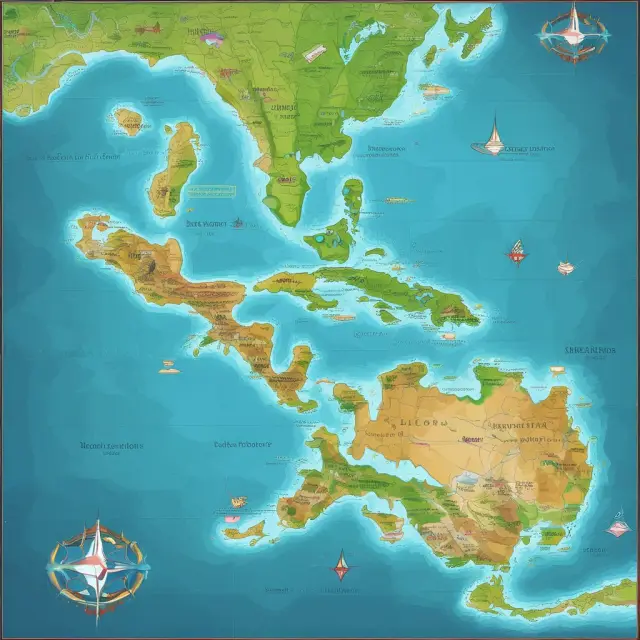
The Organisation of Eastern Caribbean States (OECS) cooperates with the larger Caribbean Community and Common Market (CARICOM) and its initiative, the Caribbean Single Market and Economy (CSME. To ensure alignment of policies, the OECS collaborates with these organizations extensively. The OECS is a crucial component of CARICOM, contributing to the regional economic integration process by removing trade and customs barriers among member states.
CARICOM, founded on November 4, 1973, was established to promote economic cooperation among its members, with the goal of achieving collective self-sufficiency. Its main objectives include enhancing trade, promoting unity, and strengthening cooperation between Caribbean countries. The CSME is a comprehensive regional trading arrangement that seeks to facilitate the free movement of goods, capital, skills, and labour throughout the CARICOM Single Market.
The OECS’s membership in CARICOM and its participation in the CSME enable its members to expand their economic opportunities beyond their immediate borders. This association provides a larger market for goods and services, which can lead to increased trade, investment, and economic growth. Additionally, it encourages greater regional integration in various sectors such as agriculture, manufacturing, tourism, and transportation.
Seven OECS members – Antigua and Barbuda, Commonwealth of Dominica, Grenada, Montserrat, St. Kitts and Nevis, Saint Lucia, and St. Vincent and The Grenadines – are also full members of CARICOM and the CSME. They enjoy all the benefits that come with being part of both organizations, including the free movement of people, capital, skills, and labour throughout CARICOM member states.
The associate members of OECS – Anguilla, British Virgin Islands, Martinique, and Guadeloupe – do not form part of CARICOM but are associated with it through various agreements. These arrangements enable them to participate in specific activities organized by CARICOM while maintaining their own political status. The British Virgin Islands is the only OECS associate member that has signed on to the CSME, giving it access to the benefits of the single market and economy.
In conclusion, the Organisation of Eastern Caribbean States (OECS) plays a significant role in regional economic integration by promoting cooperation among its members and collaborating with larger Caribbean organizations like CARICOM and the CSME. This association not only strengthens their position within the global economy but also facilitates greater trade, investment, and growth opportunities for member states.

FAQs: Answering Common Questions About the OECS
The Organisation of Eastern Caribbean States (OECS) is an intergovernmental organization established to promote economic integration and trade cooperation among its members in the Eastern Caribbean. Here are some frequently asked questions about this regional union.
What countries make up the Organisation of Eastern Caribbean States (OECS)?
The Organisation of Eastern Caribbean States consists of 11 member states: Antigua and Barbuda, The Bahamas (associate), Barbados (not an OECS member), Commonwealth of Dominica, Grenada, Montserrat, St. Kitts and Nevis, Saint Lucia, St. Vincent and The Grenadines, and the associate members Anguilla, British Virgin Islands, Guadeloupe, Martinique, and St. Maarten.
What is unique about the OECS?
The Organisation of Eastern Caribbean States is a single market and customs union, meaning goods, services, and people can move freely between its member states. Eight member states share the Eastern Caribbean Dollar as their common currency. The OECS also aligns its policies with the Caribbean Community and Common Market (CARICOM) to ensure coordinated regional participation.
What benefits do citizens gain from OECS membership?
Protocol members of the Organisation of Eastern Caribbean States enjoy freedom of movement, allowing them to live and work in any protocol member state without restrictions, using their passport or other accepted identification. Additionally, they can access education, healthcare, and employment opportunities across borders.
How does the OECS benefit the economy?
By promoting economic integration and trade cooperation, the Organisation of Eastern Caribbean States helps to strengthen the competitiveness of its members in the global economy and enhances their ability to engage effectively in regional and international trade. The single market and customs union allows for increased investment opportunities, while harmonized policies streamline business operations and improve overall efficiency.
What institutions support the Organisation of Eastern Caribbean States?
The Eastern Caribbean Central Bank plays a critical role in governing monetary policy and the Eastern Caribbean Dollar. Additionally, the Eastern Caribbean Supreme Court, Civil Aviation Authority, and Telecommunications Authority oversee various aspects of regional governance and cooperation. The OECS also collaborates closely with regional and international organizations like CARICOM to ensure consistent policy alignment and coordinated economic development efforts.
By providing answers to common questions about the Organisation of Eastern Caribbean States, we hope to enhance your understanding of this unique regional union and its impact on the lives of those it serves.
 Next entry · No. 3,793Understanding the Evolution and Importance of Organizational Behavior in Human Resources
See also
-
 No. 4,291
07 Jun 2025
20 min
Understanding Reaganomics: Policies, Objectives, Advantages, and Disadvantages
Business Finance
No. 4,291
07 Jun 2025
20 min
Understanding Reaganomics: Policies, Objectives, Advantages, and Disadvantages
Business Finance -
 No. 4,474
21 Jun 2025
19 min
Ricardian Equivalence: Understanding the Controversial Economic Theory
Economics
No. 4,474
21 Jun 2025
19 min
Ricardian Equivalence: Understanding the Controversial Economic Theory
Economics -
 No. 2,697
27 Jan 2025
20 min
Understanding the Concept of a Keynesian Put in Finance and Investment
Finance Policy
No. 2,697
27 Jan 2025
20 min
Understanding the Concept of a Keynesian Put in Finance and Investment
Finance Policy -
 No. 5,888
16 Oct 2025
19 min
Zero Bound and Negative Rates: Central Banking Beyond the Interest Rate
Business Finance
No. 5,888
16 Oct 2025
19 min
Zero Bound and Negative Rates: Central Banking Beyond the Interest Rate
Business Finance -
 No. 5,844
12 Oct 2025
18 min
Year-End Bonuses: Understanding the Role, Forms, and Uses of This Employee Compensation
Business Finance
No. 5,844
12 Oct 2025
18 min
Year-End Bonuses: Understanding the Role, Forms, and Uses of This Employee Compensation
Business Finance -
 No. 5,818
10 Oct 2025
20 min
Understanding Business Write-Offs: Expenses, Taxes, and Accounting
Business Finance
No. 5,818
10 Oct 2025
20 min
Understanding Business Write-Offs: Expenses, Taxes, and Accounting
Business Finance