Understanding Europe, Middle East, and Africa (EMEA) in Business and Investment
EMEA stands for Europe, the Middle East and Africa, a regional grouping multinational companies use to organize sales, management and financial reporting, usually alongside the Americas and Asia Pacific. FactSet, for example, reports EMEA as one of three geographic segments in its fiscal 2025 10-K. It is a company convention, so its exact boundaries vary.
Introduction to EMEA: Geographical Grouping for Global Corporations
Europe, Middle East, and Africa (EMEA) is a term used by corporations to define their regional business activity. The acronym includes the continents of Europe, the Middle East, and Africa. This geographical grouping provides a standardized way for businesses to report financial results, establish sales divisions, and organize leadership roles. EMEA encompasses numerous regions and subregions that offer distinct political, economic, linguistic, and cultural differences.
Understanding Europe, Middle East, and Africa (EMEA)
The term ‘Europe, Middle East, and Africa’ refers to the geographical grouping of three continents used by global corporations to distinguish their business activities from other regions such as the Americas and Asia Pacific. It is an essential tool for organizational purposes and communication among multinational companies. The inclusion of Russia or Kazakhstan, as well as European overseas territories on other continents, varies depending on a corporation’s needs.
Corporate Use of EMEA
EMEA’s significance lies in its convenience for businesses, as most of the regions fall within four time zones, making communication and travel more manageable. However, EMEA presents numerous challenges due to its vast political, economic, linguistic, and cultural diversity. Political systems range from stable democracies to autocracies, while languages spoken include Arabic, French, Russian, and English.
Regions and Subregions of EMEA
EMEA is often subdivided or rearranged depending on a corporation’s needs to distinguish specific regions or areas. Some common divisions include Southeastern Europe, Middle East, and Africa (SEEMA), Southern Europe, Middle East, and Africa (SEMEA), Central and Eastern Europe (CEE), Central Europe, Middle East, and Africa (CEMEA), Europe, the Middle East, and North Africa (EUMENA or EMENA), Europe, the Middle East, Africa, and the Caribbean (EMEAC), and Europe, the Middle East, Africa, and the Commonwealth of Independent States (EMEACIS).
In contrast to Asia Pacific countries, EMEA is a more complex region with diverse economies, cultures, and political systems. Understanding this geographical grouping provides valuable insight into the challenges and opportunities faced by multinational corporations operating in the region. In the next section, we will further explore the significance of EMEA for businesses through real-world examples of sales divisions and leadership roles.
Stay tuned for the next section of our article, where we’ll dive deeper into how corporations use EMEA for sales divisions and leadership roles.
The Significance of Europe, Middle East, and Africa (EMEA) for Businesses
Europe, Middle East, and Africa (EMEA), is a widely used term by global corporations to define regional business activity. This geographical grouping represents three continents and their respective areas, acting as a useful shorthand in international business. Understanding the importance of EMEA in business organization and communication sheds light on its significance for multinational corporations.
EMEA is utilized by companies for various operational purposes. It is helpful to distinguish financial results and leadership roles within an organization. For example, Microsoft Corporation (MSFT) has a Vice-President dedicated to managing their EMEA division. The term EMEA also offers convenience when dealing with regional differences in time zones, as most countries fall within four major time zones.
However, it is essential to note that EMEA’s significance lies more in its diversity than unity. Encompassing the political, economic, linguistic, and cultural differences among Europe, the Middle East, and Africa makes it a complex and intriguing area for businesses. The following sections will provide an overview of EMEA regions, subregions, and the challenges corporations face when targeting all areas within this expansive region.
The regions and subregions of EMEA are often rearranged depending on a corporation’s needs. Some common divisions include:
- Southeastern Europe, Middle East, and Africa (SEEMA)
- Southern Europe, Middle East, and Africa (SEMEA)
- The Middle East and North Africa (MENA)
- Central and Eastern Europe (CEE)
- Central Europe, Middle East, and Africa (CEMEA)
- Europe, the Middle East, and North Africa (EUMENA or EMENA)
- Europe, the Middle East, Africa, and the Caribbean (EMEAC)
- Europe, the Middle East, Africa, and the Commonwealth of Independent States (EMEACIS)
- Central and Eastern Europe, the Middle East, and Africa (CEMA)
- North Atlantic and Central Europe (NACE)
While there is no official definition for the Asia Pacific region (APAC), countries in eastern and southern Asia and those that touch the Pacific Ocean are generally considered APAC nations. Understanding both EMEA and APAC regions can provide valuable insights into global business trends, allowing businesses to make informed decisions when expanding their operations across these diverse regions.
In the following sections, we will discuss the importance of understanding Europe, Middle East, and Africa (EMEA) in more detail, including its significance for financial news reporting and the challenges faced by corporations when targeting all regions within EMEA.
Corporate Use of EMEA: Sales Divisions and Leadership Roles
As global corporations expand their operations, they require effective ways to manage their diverse business activities in various geographical regions. One popular way is through the use of regionally focused sales divisions and leadership roles, such as those under the European, Middle Eastern, and African (EMEA) umbrella. EMEA, an acronym representing Europe, Middle East, and Africa, is widely used by corporations to identify business activity in these specific regions. In this section, we’ll delve into how corporations utilize EMEA for sales divisions and leadership roles.
First and foremost, the use of EMEA as a regional term has gained widespread acceptance within the global corporate world due to its simplicity and convenience. It facilitates communication, travel, and organizational ease for businesses operating in these geographical areas. However, it’s important to note that while EMEA is widely used, there is no universally agreed-upon definition of what this term includes. For instance, some corporations may include or exclude certain countries depending on their strategic priorities.
One way corporations utilize EMEA is through the establishment of sales divisions. Having separate sales divisions for each region not only allows businesses to focus on unique market opportunities within that area but also helps maintain effective communication with customers and partners. This approach allows corporations to tailor marketing strategies, develop products to suit regional preferences, and manage local regulations more efficiently. Furthermore, it provides valuable insights into market trends and consumer behaviors, helping companies stay competitive in an ever-changing business landscape.
Additionally, EMEA is also used as a basis for leadership roles within global corporations. Many businesses appoint Vice Presidents or Regional Directors to oversee their operations in the EMEA region. This structure enables companies to ensure that their regional strategies are aligned with corporate objectives and allows for effective decision-making at the highest levels of management. Moreover, having dedicated leaders for EMEA helps foster a sense of unity among employees, allowing them to feel connected to a larger organizational purpose while addressing unique challenges specific to their region.
In conclusion, corporations have found the use of EMEA as a regional term invaluable when it comes to managing sales divisions and leadership roles. This approach provides numerous benefits, including more effective communication, tailored marketing strategies, and efficient management of diverse regulatory environments. In our next section, we’ll explore the different regions and subregions that make up EMEA and their significance for businesses.

Regions and Subregions of EMEA
Europe, Middle East, and Africa (EMEA) is a widely adopted term used by global corporations for defining and organizing their regional business activities. The acronym EMEA refers to the continents and the various subregions that fall under it. Although this labeling method is common in international business, there’s no precise definition of what exactly EMEA includes. This section will discuss the importance of understanding the various regions and subregions of EMEA and their significance for businesses.
The continents covered under EMEA are Europe, the Middle East, and Africa. However, as mentioned earlier, there’s no definitive agreement on which countries or territories should be included in each region. For example, some corporations may choose to include Russia and Kazakhstan while others exclude them based on their specific needs. Similarly, European overseas territories that lie outside of Europe are typically omitted from the EMEA definition.
The regions and subregions within EMEA can be categorized according to various criteria, such as geographical proximity, cultural affinity, or economic similarities. Some common subdivisions include Southeastern Europe, Middle East, and Africa (SEEMEA), Southern Europe, Middle East, and Africa (SEMEA), the Middle East and North Africa (MENA), Central and Eastern Europe (CEE), Central Europe, Middle East, and Africa (CEMEA), Europe, the Middle East, and North Africa (EUMENA or EMENA), Europe, the Middle East, Africa, and the Caribbean (EMEAC), and Europe, the Middle East, Africa, and the Commonwealth of Independent States (EMEACIS).
Understanding the regional diversity within EMEA is crucial for businesses as it can significantly impact various aspects of operations. Political systems, economies, languages, and cultures vary widely across these regions, necessitating tailored strategies for effective engagement. For instance, a company may need to consider local laws, cultural practices, and business customs when formulating marketing plans or conducting market research in different parts of EMEA.
Furthermore, corporations need to adapt to the economic landscape within each region as well. This could mean adjusting pricing strategies based on exchange rate fluctuations, addressing regulatory requirements, or understanding unique consumer trends. The diverse socio-economic realities across EMEA necessitate a nuanced understanding of the regional dynamics for any organization looking to thrive in this expansive market.
In conclusion, EMEA encompasses an extensive range of regions and subregions, each with its unique political, economic, linguistic, and cultural characteristics. Understanding these differences is vital for businesses operating within or targeting the EMEA region, as it enables them to tailor their strategies effectively and navigate the complexities presented by this diverse market.
It’s also important to note that while EMEA is widely used in business reporting, there are other regions like APAC (Asia Pacific) that companies might use when discussing their global operations. In the next section, we will explore the differences between EMEA and APAC and how they impact business reporting and strategy.

Political, Economic, Linguistic, and Cultural Diversity in EMEA
The Europe, Middle East, and Africa (EMEA) region is a diverse mix of continents, cultures, economies, and political systems. While this diversity offers numerous opportunities for businesses, it also presents challenges that require careful consideration when entering these markets. In this section, we will discuss the various dimensions of diversity within EMEA and their implications for corporate operations.
Political Diversity
One of the most striking aspects of EMEA is its political diversity. The region encompasses numerous forms of government, from stable democracies to autocratic regimes, and the level of economic freedom varies significantly between countries. These differences can impact business decisions in various ways. For example, companies may face different regulatory frameworks, varying levels of transparency, and diverse approaches to intellectual property rights and data protection. Moreover, political instability or unrest can disrupt supply chains, making it essential for corporations to maintain a robust risk management strategy when operating in EMEA.
Economic Diversity
The economic landscape of the EMEA region is equally varied, with substantial differences between developed and developing economies, oil-rich nations, and emerging markets. This diversity can create challenges and opportunities for businesses. For instance, corporations may face vastly different market sizes, consumer behaviors, and regulatory environments across different countries within the region. Additionally, economic volatility, inflation, and currency fluctuations can significantly impact corporate operations and profitability in EMEA.
Linguistic Diversity
Another defining feature of the EMEA region is its linguistic diversity. The region has numerous native languages spoken by millions of people, including Arabic, French, Russian, Turkish, and many more. This linguistic diversity poses challenges for companies seeking to enter these markets. Effective communication with local stakeholders is crucial for success. Multilingual staff or partnerships with local businesses can help bridge the language gap and facilitate effective cross-cultural communication.
Cultural Diversity
Finally, it’s essential to acknowledge the cultural differences within EMEA when doing business in the region. Understanding cultural nuances is crucial for building trust and establishing lasting relationships with local partners and customers. For example, different cultures may have varying attitudes towards time management, hierarchies, and business etiquette. By adapting to these cultural preferences, companies can create a positive experience for their clients and employees.
Embracing the Complexities of EMEA
The political, economic, linguistic, and cultural diversity within Europe, Middle East, and Africa presents complex challenges for businesses operating in the region. However, it also offers numerous opportunities for growth and innovation. Companies that can navigate these complexities and adapt to local conditions are more likely to succeed in a rapidly evolving global economy. By understanding the unique aspects of EMEA, corporations can tailor their strategies to meet the needs of various markets, build lasting partnerships, and create sustainable business models.
Understanding APAC: Asia Pacific Countries
When comparing Europe, Middle East, and Africa (EMEA) with other global regions like Asia Pacific (APAC), it is essential to understand the significance of each region for businesses and investors. While EMEA has its unique aspects and challenges, so does APAC. In this section, we will discuss the definition, importance, and key features of the Asia Pacific region.
Asia Pacific (APAC) refers to the countries located in the eastern and southern part of Asia and those that touch or are part of the Pacific Ocean. The list of APAC countries is not officially defined, and it may vary depending on the context and the corporation’s needs. However, most commonly, it includes Australia, China, India, Indonesia, Japan, Malaysia, New Zealand, South Korea, Singapore, Taiwan, Thailand, and Vietnam.
APAC is significant for businesses and investors due to its population size, economic potential, and geopolitical importance. APAC has the largest population in the world, with more than 4.6 billion people (as of 2021), making it a vast consumer base for various industries like Technology, Consumer Goods, and Retail. Additionally, many countries in APAC are among the fastest-growing economies globally, such as China, India, Indonesia, and Vietnam.
Politically and geographically, APAC is diverse, with a mix of stable democracies, developing nations, and emerging markets. Some APAC countries, like Japan, South Korea, Singapore, Australia, and New Zealand, are highly developed and have advanced economies, while others face unique challenges like political instability or economic disparities. Furthermore, APAC is home to several major international organizations, such as the Association of Southeast Asian Nations (ASEAN) and the East Asia Summit.
Businesses targeting APAC must account for various factors when developing strategies, including language barriers, cultural nuances, and unique regulations. For example, companies entering the Chinese market need to understand the local culture’s significance, business etiquette, and governmental requirements. Effective communication, understanding of consumer behavior, and local partnerships are essential for successful market entry into APAC.
In summary, Asia Pacific (APAC) is a vital region for businesses and investors due to its population size, economic potential, and geopolitical significance. Understanding the unique features and challenges of APAC can help inform strategic decision-making and create opportunities for growth. In the next section, we will discuss the implications of political, economic, linguistic, and cultural diversity within Europe, Middle East, and Africa (EMEA).
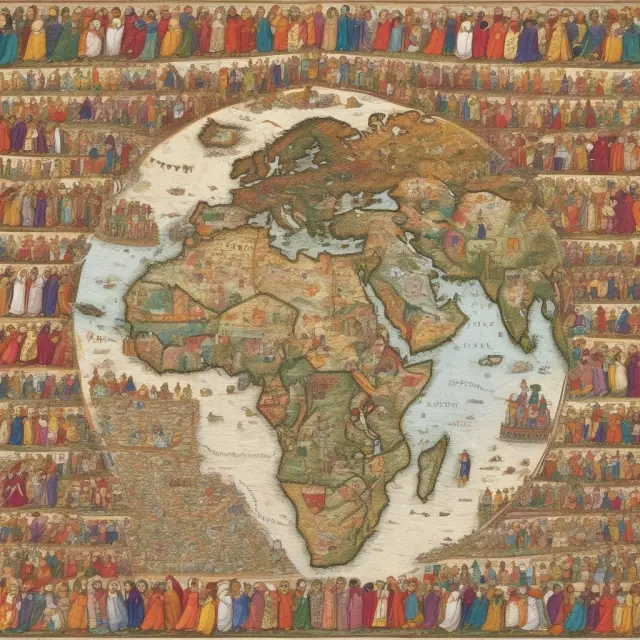
Challenges Facing Corporations When Targeting All Regions in EMEA
The vastness and diversity of Europe, Middle East, and Africa (EMEA) can be both an opportunity and a challenge for corporations seeking to target all regions within this expansive continent. While the use of a unified term like EMEA streamlines communication and reporting, the complex political, economic, linguistic, and cultural differences require careful consideration and customized marketing approaches to ensure success.
Marketing Challenges
Creating a marketing plan for EMEA calls for an in-depth analysis of local laws, cultures, and holidays across various regions, as these factors can significantly impact the effectiveness of marketing campaigns. For instance, advertising regulations vary greatly between countries, necessitating tailored marketing approaches to accommodate these differences. Additionally, cultural sensitivities must be considered when developing creative content.
Economic and Political Factors
EMEA is home to numerous diverse economies that can impact a corporation’s approach to targeting all regions within this broad area. Corporations need to stay informed about the latest economic trends, political instability, and regulatory requirements to make strategic decisions in each region. For example, corporations might need to consider factors such as tax policies, tariffs, or inflation rates when formulating a pricing strategy for their products or services in different EMEA regions.
Product Fit
Determining product fit is crucial for corporations targeting all regions in EMEA. Customizing products to meet the specific needs and preferences of each region requires extensive market research and an understanding of the local context. For instance, a corporation may need to adapt its product offerings or adjust its marketing strategies to cater to the unique demographic and socioeconomic characteristics of each region within EMEA.
Cultural Sensitivity
Another challenge corporations face when targeting all regions in EMEA is understanding the cultural nuances that shape consumer behavior, preferences, and expectations. Adapting marketing messages and branding to resonate with diverse cultural sensitivities is essential for a successful campaign. For example, a corporation may need to consider factors such as religious beliefs, language, and social norms when developing a marketing strategy for EMEA.
In summary, targeting all regions in EMEA requires corporations to adapt their marketing strategies to accommodate the unique political, economic, linguistic, and cultural differences within this vast continent. By understanding these challenges and implementing tailored approaches, companies can maximize their opportunities while minimizing risks when expanding into new markets within EMEA.
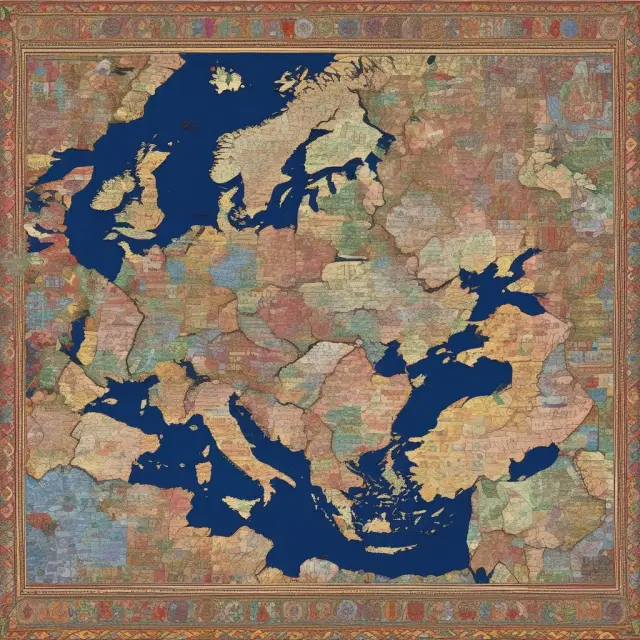
EMEA in Business News Reporting: Stocks and Market Indexes
Europe, Middle East, and Africa (EMEA) is a crucial term for businesses when it comes to reporting stocks and market indexes. This geographical grouping, consisting of Europe, the Middle East, and Africa, has its significance for global corporations in terms of stock market news and exchange information. EMEA serves as a valuable categorization tool that aids in separating financial data related to different regions.
Stocks are an essential aspect of any business organization, and investors closely follow stock market trends and indices to make informed decisions. One way to analyze this data is by regional segmentation. When it comes to EMEA, various stock exchanges report indices specifically dedicated to tracking the performance of the region’s stocks. For instance, the FTSE100 Index in London and the Euro Stoxx 50 index are popular market indices for European equities, while the MSCI Middle East index provides insights into the equity markets of the Middle Eastern countries.
Moreover, other stock market indices like the MSCI Africa ex-South Africa Index cover the remaining African nations’ stocks not included in the South African exchange. These indices help investors gain a better understanding of the performance and trends within various sub-regions of EMEA, enabling them to make informed decisions based on accurate and comprehensive data.
Additionally, several corporations use EMEA as a basis for their financial reporting, including Microsoft Corp. (MSFT), which reports its financials in the Americas, Asia Pacific, and EMEA regions. This regional segmentation provides investors with a clearer picture of the company’s performance in different markets and helps management make more informed decisions.
In summary, EMEA plays a vital role in business news reporting by providing valuable insights into the region’s stock market trends and indices. By understanding the importance of EMEA in financial reporting, investors can make informed decisions based on accurate data and comprehensive analyses of various sub-regions within this vast and diverse geographical area.

Case Study: Microsoft Corp. (MSFT) and EMEA
Microsoft Corporation, commonly known as Microsoft, is a leading multinational technology company with over 140,000 employees worldwide. The organization’s operations extend across various industries, including personal computers, gaming consoles, professional services, software development, and cloud computing. To effectively manage its diverse business portfolio, Microsoft divides its regions into four main categories: the Americas, EMEA (Europe, Middle East, and Africa), Asia Pacific, and Japan.
EMEA is a crucial region for Microsoft. The inclusion of Europe, the Middle East, and Africa offers various advantages in terms of operational purposes and business organization. With the majority of these regions falling within four time zones, corporations like Microsoft can facilitate effective communication and travel between their teams. Moreover, EMEA encompasses immense political, economic, linguistic, and cultural diversity.
Microsoft’s organizational structure includes a Vice-President for EMEA, responsible for managing the region’s operations and driving growth. This role is essential as Microsoft seeks to maintain its presence in a vast, diverse market where local laws, cultures, holidays, languages, and product fit are all crucial factors.
One example of Microsoft’s commitment to EMEA is its localization efforts in the Middle East. In 2015, Microsoft released Arabic-language versions of Windows 10 and Office 2016 specifically for the region. By catering to local languages, Microsoft aims to increase user adoption and expand its market reach.
Moreover, Microsoft’s presence in EMEA is not limited to traditional software sales but extends to cloud computing, enterprise services, and gaming consoles as well. In 2019, the company opened a new data center region in the United Arab Emirates (UAE) to support growing demand for its cloud offerings like Microsoft Azure and Office 365. By addressing local market requirements, Microsoft aims to strengthen its position in EMEA and maintain a competitive edge against rivals.
In conclusion, Microsoft’s approach to EMEA highlights the significance of the region in global business operations. The company’s strategic focus on cultural sensitivity, localization efforts, and regionalized leadership roles showcases how corporations can effectively manage diverse markets and overcome challenges within the vast and complex EMEA region.

FAQs About Europe, Middle East, and Africa (EMEA)
Europe, Middle East, and Africa (EMEA) is a term used by corporations to define their regional business activities. EMEA refers to three continents – Europe, Middle East, and Africa – and their respective subregions. In this FAQ, we answer some frequently asked questions about EMEA:
What is the meaning of EMEA in business?
EMEA stands for Europe, Middle East, and Africa. It is a term used by corporations to define regional business activities and operations.
How does a corporation use EMEA as a division or sales region?
Corporations divide their businesses into various regions for operational purposes and organization. EMEA is often used as a division, with leadership roles like Vice-Presidents responsible for overseeing these regions. Microsoft Corp., for example, has a Vice-President for EMEA.
What are the challenges of targeting all regions in EMEA?
Corporations face challenges when they target all regions within EMEA due to political, economic, linguistic, and cultural diversity. Marketing plans must consider local laws, cultures, holidays, and economic and political factors for each region. Local government regulations and product fit also need to be taken into account.
What is the significance of EMEA in business news reporting?
Business news reports use EMEA as a term when discussing financial news related to the region, such as EMEA stocks or market indexes.
How does EMEA compare to other regions like APAC?
Asia Pacific (APAC) is another commonly used term in business to define countries located throughout eastern and southern Asia, those that touch the Pacific Ocean, and Oceania. While there are similarities, such as regional business organization, EMEA and APAC serve different purposes as corporations may have varying needs when dividing their operations.
What is a subregion within EMEA?
Subregions within EMEA include Southeastern Europe, Middle East, and Africa (SEEMA), Southern Europe, Middle East, and Africa (SEMEA), the Middle East and North Africa (MENA), Central and Eastern Europe (CEE), Central Europe, Middle East, and Africa (CEMEA), Europe, the Middle East, and North Africa (EUMENA or EMENA), Europe, the Middle East, Africa, and the Caribbean (EMEAC), and Europe, the Middle East, Africa, and the Commonwealth of Independent States (EMEACIS).
How does political diversity impact businesses in EMEA?
Political systems within EMEA range from stable democracies to autocracies, making it essential for businesses to stay updated on regional political developments that may affect their operations. This includes local laws and regulations as well as potential economic instability.
What about the linguistic diversity in EMEA?
Linguistic diversity is a significant challenge within EMEA. Languages spoken across the region include Arabic, French, Russian, and English, among others. Businesses must consider language barriers when marketing to each region or when dealing with local governments and organizations.
How does cultural diversity impact businesses in EMEA?
Cultural differences can influence business practices within EMEA. For example, some regions may have different attitudes towards time management and communication styles, which can affect how corporations operate in those areas.
What are the benefits of using EMEA as a term in international business?
EMEA is widely used by multinational corporations to standardize news and business activity relating to the regional areas of Europe, Middle East, and Africa. It simplifies communication within organizations and helps facilitate travel and communication across different time zones.
 Next entry · No. 1,262Emergency Funds: Building a Financial Safety Net for Unexpected Expenses
See also
-
 No. 5,083
10 Aug 2025
22 min
Understanding the Triple Bottom Line: Profit, People, and the Planet
Business Strategy
No. 5,083
10 Aug 2025
22 min
Understanding the Triple Bottom Line: Profit, People, and the Planet
Business Strategy -
 No. 978
10 Jul 2024
21 min
Delaware Corporations: Understanding the Advantages of Incorporating in Delaware
Business Strategy
No. 978
10 Jul 2024
21 min
Delaware Corporations: Understanding the Advantages of Incorporating in Delaware
Business Strategy -
 No. 971
09 Jul 2024
19 min
Understanding Corporations: Structure, Creation, Operations, and Liquidation
Business Strategy
No. 971
09 Jul 2024
19 min
Understanding Corporations: Structure, Creation, Operations, and Liquidation
Business Strategy -
 No. 564
30 Apr 2024
24 min
Understanding Businesses: From Small-Scale Sole Proprietorships to Large-Scale Corporations
Business Strategy
No. 564
30 Apr 2024
24 min
Understanding Businesses: From Small-Scale Sole Proprietorships to Large-Scale Corporations
Business Strategy -
 No. 499
26 Apr 2024
21 min
Understanding Branch Accounting: A Comprehensive Guide for Institutional Investors
Business Strategy
No. 499
26 Apr 2024
21 min
Understanding Branch Accounting: A Comprehensive Guide for Institutional Investors
Business Strategy -
 No. 188
07 Apr 2024
20 min
Understanding Appellate Courts: Their Role in Finance and Investment
Business Strategy
No. 188
07 Apr 2024
20 min
Understanding Appellate Courts: Their Role in Finance and Investment
Business Strategy