Exploring the Inter-American Development Bank: Role, Significance, and Current Focus

Exploring the history, role, and significance of the Inter-American Development Bank in Latin American and Caribbean economic development. Discover…
Background and Overview of the Inter-American Development Bank (IDB)
The Inter-American Development Bank (IDB), established in 1959, is a multilateral development financial institution that plays a crucial role in advancing the economic and social progress of its Latin American and Caribbean member countries. The IDB is a cooperative bank with 48 member states, primarily from the Americas but also including some European nations. Its main objective is to support its members in formulating development policies and provide financing, as well as technical assistance to promote sustainable economic growth, social equity, poverty alleviation, modern state institutions, free trade, and regional integration (IDB, 2021).
The IDB finances its projects through the issuance of bonds in the international capital market. The loans are backed by a guarantee from its non-borrowing members and carry the triple-A rating, which keeps borrowing costs for member countries low. With a strong financial foundation and commitment to sustainable development, the bank has been at the forefront of financing projects that promote economic growth and social progress in the region (IDB, 2019).
As of October 2022, the IDB’s portfolio includes 601 projects worth a total of $56.1 billion (IDB, 2022). Some recently completed projects encompass state reforms and modernizations in countries like Suriname, Guyana, Jamaica, and Barbados; social investments in Ecuador; energy developments in Mexico; and environmental protection initiatives in Colombia and Barbados. Under the current leadership of Mauricio J. Claver-Carone, who took office on October 1, 2020, the bank has reaffirmed its focus on social inclusion, economic integration, innovation, climate change, gender issues, and diversity (Claver-Carone, 2020).
The IDB’s founding was a response to the need for financial and technical assistance in Latin America, as many countries faced economic challenges following World War II. Since then, it has become one of the largest sources of multilateral financing for development projects in the region (IDB, 1959).
The United States is the IDB’s largest shareholder with a 30.01% stake. Brazil and Argentina follow closely with an 11.35% share each, while Mexico holds a 7.3% stake (IDB, 2021). This diverse ownership structure enables the bank to maintain its financial strength and credibility in global markets while ensuring broad representation from its member countries.
The Inter-American Development Bank’s influence extends beyond its lending activities. It also plays a significant role in fostering regional integration, promoting free trade, and advancing economic cooperation among its members (IDB, 2019). By collaborating with various stakeholders, the IDB contributes to creating an enabling environment for sustainable growth and development in Latin America and the Caribbean.
In conclusion, the Inter-American Development Bank is an essential partner in the journey towards economic and social progress in Latin America and the Caribbean. Its unique combination of financial resources, technical expertise, and commitment to sustainable development positions it as a key driver of positive change in the region. With its triple-A rating, strong leadership, and diverse membership, the IDB remains a valuable resource for countries seeking to improve their economies and build stronger, more resilient societies.

The Role of the Inter-American Development Bank (IDB) in Latin American and Caribbean Economic Development
Since its establishment in 1959, the Inter-American Development Bank (IDB) has played a pivotal role in fostering economic growth and social development in its member countries across Latin America and the Caribbean. By providing loans, grants, and technical assistance, the IDB aims to help these nations create environmentally sustainable economies, increase competitiveness, enhance social equity, and fight poverty.
The bank’s efforts have been particularly noteworthy as the region grappled with economic challenges, including the end of the commodity boom in 2014. This period marked a significant decline in growth for Latin America, which suffered from the worst economic performance in the world since then. In response, the IDB intensified its focus on key areas like improving public services and addressing inequality to help countries overcome these obstacles.
One of the most critical aspects of the IDB’s operations is how it finances its support for member nations. The bank raises funds through the bond market to provide loans and grants to its member countries. These bonds carry a triple-A rating, which helps keep borrowing costs low for these countries.
The U.S., being the largest shareholder of the IDB, holds a significant stake of 30.01%. Other major shareholders include Brazil (11.35%), Argentina (11.35%), Mexico (7.3%), and Japan (5%). This robust financial backing ensures that the IDB can continue to contribute substantially to Latin American and Caribbean countries’ economic development.
The bank’s impact is reflected in its extensive portfolio of projects, which includes initiatives focused on modernizing the state (in countries like Suriname, Guyana, Jamaica, and Barbados), social investment (Ecuador), energy (Mexico), and environmental protection (Columbia, Barbados). The IDB also prioritizes current goals such as addressing social inclusion, economic integration, climate change, gender issues, and diversity.
Under Mauricio J. Claver-Carone, the newly elected President of the Inter-American Development Bank in 2020, the bank has continued to adapt its strategies to meet the evolving needs of its member countries. Claver-Carone, who previously served as Deputy Assistant to Former U.S. President Donald Trump and Senior Director for Western Hemisphere Affairs at the U.S. National Security Council, brings a unique perspective to the role. With his extensive experience in international affairs and finance, he is well-positioned to lead the IDB into a new era of innovation and impact.
In summary, the Inter-American Development Bank has been instrumental in fostering economic growth and social development in Latin America and the Caribbean since its founding. Through its various financing mechanisms, technical assistance, and innovative projects, the bank continues to support member countries as they work towards creating sustainable, competitive economies that offer improved public services and address key social issues.
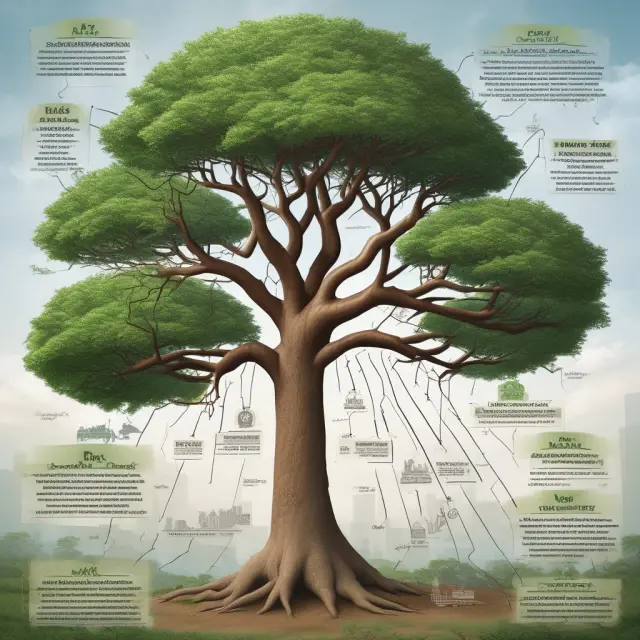
Funding Mechanisms: How Does the Inter-American Development Bank Obtain and Allocate Its Capital?
The IDB’s primary funding comes from the capital markets through the issuance of triple-A rated bonds, which are backed by the loans extended to its member countries. The bond market serves as a crucial source for financing development initiatives in Latin America and the Caribbean. The bond market enables the bank to access vast pools of investment capital while keeping borrowing costs low due to its strong credit rating.
The IDB’s triple-A bond rating is a key factor in attracting investors, as it guarantees the repayment of principal and interest on issued bonds. The rating reflects the financial strength and stability of the bank and adds credibility when securing loans for member countries. Additionally, the market rates applied to these bonds are competitive, keeping costs down for the recipient nations.
The IDB’s funding structure is characterized by a diverse group of shareholders. The United States holds the largest stake with a 30.01% ownership, followed closely by Brazil (11.35%) and Argentina (11.35%). Mexico comes in third place with a 7.3% share, while Japan owns 5%. This diverse distribution of shareholders ensures that the IDB is not overly dependent on any one country for funding.
The IDB’s success is evident through its significant impact in Latin America and the Caribbean. As of October 2022, the bank has financed 601 projects totaling $56.1 billion since its founding. Some recent successful projects have focused on state modernization (in Suriname, Guyana, Jamaica, and Barbados), social investment (Ecuador), energy (Mexico), and environmental efforts (Columbia and Barbados).
Under the leadership of Mauricio J. Claver-Carone, the bank has refocused its efforts on critical areas such as social inclusion, economic integration, and innovation. By addressing these issues, the IDB aims to contribute significantly to the development of Latin America and the Caribbean. Additionally, the bank is actively engaging in climate change initiatives, promoting gender equality, and fostering diversity to ensure a sustainable future for its member countries.
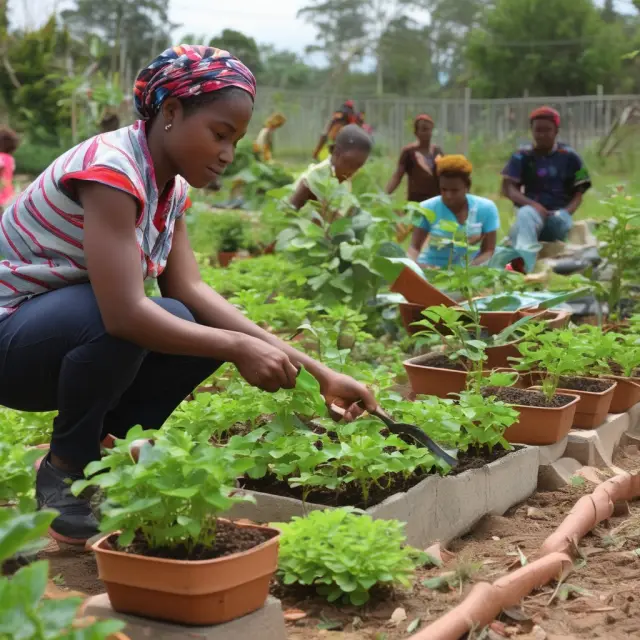
Impact of the Inter-American Development Bank: Notable Projects and Investments
Since its establishment in 1959, the Inter-American Development Bank (IDB) has played a crucial role in financing development initiatives across Latin America and the Caribbean. With an impressive portfolio of over 600 projects worth $56.1 billion as of October 2022, the IDB has demonstrated its commitment to promoting sustainable economic growth and social development within its member countries. By focusing on key areas such as climate change, gender issues, social inclusion, innovation, and economic integration, the bank has made a significant impact in numerous sectors.
One of the most notable achievements by the IDB includes its reform and modernization efforts within various countries. In 2022 alone, the bank supported projects to modernize the state in Suriname, Guyana, Jamaica, and Barbados. These initiatives aimed at improving public services and fostering a more efficient and effective government structure.
In addition to transforming public sectors, the IDB has also shown strong commitment towards addressing social issues. In Ecuador, for instance, the bank provided funding for a project focused on enhancing access to essential social services for vulnerable populations. The initiative targeted improving education, health, and housing conditions to create a more equitable society and promote inclusive growth.
Furthermore, the IDB has demonstrated its dedication towards promoting energy sustainability within Latin America. In Mexico, the bank supported an energy project designed to enhance clean energy generation and reduce greenhouse gas emissions. This initiative will not only help Mexico achieve its renewable energy targets but also contribute significantly towards mitigating climate change in the region.
Another area of focus for the IDB has been on environmental projects. In Colombia, the bank provided financing for an initiative aimed at preserving and restoring natural habitats, while in Barbados, the funding supported efforts to reduce plastic pollution and improve waste management infrastructure. These projects highlight the importance the bank places on protecting natural resources and promoting sustainable development within its member countries.
As the IDB moves forward with its new leadership under President Mauricio J. Claver-Carone, it continues to prioritize social inclusion, economic integration, and innovation. By focusing on these areas, the bank aims to address pressing challenges faced by Latin American and Caribbean countries and contribute towards a more prosperous and sustainable future for the region.

IDB’s Current Focus and Objectives: Tackling Inequality, Climate Change, Gender Issues, and More
Since taking office on October 1, 2020, Mauricio J. Claver-Carone has led the Inter-American Development Bank (IDB) with a renewed focus on social inclusion, economic integration, and innovation. The bank recognizes that there is a pressing need for change in the Latin American region, as demonstrated by various protests in the streets since 2019. Additionally, the lack of growth in Latin America since 2014, following the end of the commodity boom, has emphasized the importance of addressing these issues.
Under Claver-Carone’s leadership, the IDB is dedicated to tackling inequality and improving public services for its member countries. One of its main priorities is combating climate change. In response to the global crisis, the bank has increased its commitment to green investments, aiming to allocate 30% of its total lending towards climate mitigation projects by 2025.
Moreover, gender equality and women’s empowerment are crucial areas of focus for the IDB. In line with the United Nations Sustainable Development Goals (SDGs), the bank aims to achieve a gender balance in its workforce and ensure that at least 30% of beneficiaries from its projects are women. Furthermore, the IDB is committed to promoting diversity and inclusion across all sectors.
Another significant objective for the IDB under Claver-Carone’s leadership is economic integration. The bank seeks to strengthen regional cooperation and improve the competitiveness of its member countries by fostering free trade agreements, encouraging public-private partnerships, and supporting digital transformation initiatives.
The Inter-American Development Bank’s impact on Latin America is undeniable. In 2021, the bank financed 94 projects totaling $13.6 billion. Past completed projects include initiatives to reform and modernize the state in Suriname, Guyana, Jamaica, and Barbados, social investments in Ecuador, energy projects in Mexico, and environmental initiatives in Colombia and Barbados.
Looking ahead, the IDB remains dedicated to its core mission: supporting economic and social development in Latin America and the Caribbean. By focusing on social inclusion, economic integration, and innovation, the bank will continue to make a significant impact on the lives of millions in the region.

Key Figures: Statistics and Milestones in Inter-American Development Bank History
Since its establishment in 1959, the Inter-American Development Bank (IDB) has significantly impacted the economic landscape of Latin America and the Caribbean through its development policies, financing initiatives, and technical assistance. Below are some key figures that underscore the IDB’s role and influence over the years:
1. Membership: The IDB counts a total of 48 member countries, including the United States and various European nations, all dedicated to accelerating the economic and social development in their respective regions.
2. Financing: In 2021 alone, the bank provided $13.6 billion in loans and grants to support 94 projects. This investment is part of a larger cumulative total of over $56.1 billion in projects completed as of October 2022. These funds are primarily raised through the sale of bonds issued by the IDB, with the bank’s triple-A rating contributing significantly to maintaining low borrowing costs for its member countries.
3. Shareholders: The United States holds a leading position as the IDB’s largest shareholder with 30.01% ownership. Other significant contributors include Brazil (11.35%), Argentina (11.35%), Mexico (7.3%), and Japan (5%).
4. Project Focus: The IDB’s portfolio of projects spans a wide range of areas, from environmentally sustainable economic growth to social equity, poverty alleviation, state modernization, free trade, and regional integration.
The bank has undertaken various notable initiatives in recent years, such as reforming and modernizing the state, investing in social causes, energy, and environmental projects across its member countries. A few examples of completed projects include the modernization of public services in Suriname, Guyana, Jamaica, and Barbados; social investment in Ecuador; and energy projects in Mexico.
In light of current global challenges, the IDB is focusing on addressing climate change, gender issues, and diversity while tackling inequality and improving public services for its member countries. Mauricio J. Claver-Carone, who took office as President of the Inter-American Development Bank in October 2020, has emphasized this new direction. The need for change is evident through various social protests within the region during 2019 and the lackluster economic growth since 2014. Despite these challenges, the IDB remains dedicated to its mission of promoting sustainable development and fostering regional cooperation in Latin America and the Caribbean.
The Importance of the Inter-American Development Bank to Institutional Investors
Institutional investors, seeking opportunities for stable returns and positive social impact, should consider partnering with or investing in the Inter-American Development Bank (IDB). As a multilateral development bank dedicated to economic and social progress in Latin America and the Caribbean, the IDB offers several advantages that appeal to institutional investors.
First, the IDB’s triple-A rating is crucial for maintaining stable borrowing costs for its member countries. The bank’s bonds are issued at market rates, backed by the loans it grants to its members. This triple-A creditworthiness provides security and reliability for institutional investors looking to invest in Latin American economies.
Additionally, the IDB plays a vital role in fostering regional economic integration and free trade through initiatives like the Inter-American Trade and Investment Corporation (IATIC), which offers guarantees and insurance to facilitate international commerce between member nations. This helps create an attractive investment climate for institutional investors looking to expand their portfolios in emerging markets.
Moreover, as the largest shareholder of the IDB with a 30% stake, the United States plays a significant role in setting the bank’s priorities and strategic direction. Understanding the U.S.’s influence provides institutional investors with valuable insight into the long-term focus and goals of the institution.
Furthermore, the IDB’s commitment to addressing pressing issues such as inequality, climate change, and gender issues aligns well with the values and social responsibility objectives of many institutional investors. The bank has financed projects in these areas totaling $13.6 billion in 2021 alone, making it an attractive investment destination for those seeking a balance between financial gain and positive societal impact.
In conclusion, the Inter-American Development Bank offers various benefits to institutional investors, including financial stability through its triple-A rating, regional economic integration efforts, influence from key shareholders like the U.S., and alignment with social responsibility objectives. By partnering with or investing in the IDB, institutional investors can not only achieve solid returns but also contribute to the long-term growth and development of Latin American and Caribbean economies.

Understanding the Inter-American Development Bank’s Impact and Challenges
The Inter-American Development Bank (IDB) has significantly influenced Latin American and Caribbean economies since its inception in 1959, providing financing, technical assistance, and policy guidance to promote sustainable economic growth, reduce poverty, improve social conditions, and foster regional integration. The bank’s reach extends to 601 completed projects worth $56.1 billion as of October 2022. Let us examine the impact of these efforts and the challenges faced by the IDB in its mission to transform the lives of millions throughout the region.
Impact on Latin American and Caribbean Economies: The Inter-American Development Bank has played a pivotal role in enhancing economic growth, social progress, and regional cooperation within its member countries. A few examples include reforming and modernizing governments (Suriname, Guyana, Jamaica, and Barbados), investing in social sectors (Ecuador), supporting clean energy projects (Mexico), and addressing environmental concerns (Colombia and Barbados). These initiatives have led to numerous positive outcomes, such as improved public services, enhanced competitiveness, increased economic opportunities, and a stronger focus on sustainable development.
Addressing Socioeconomic Challenges: The Inter-American Development Bank has been instrumental in tackling some of the most pressing socioeconomic issues faced by Latin American and Caribbean nations. Its efforts to combat inequality, improve access to essential services like education and healthcare, and promote gender equality have had a significant impact on millions of lives throughout the region. Furthermore, the IDB’s commitment to climate change mitigation and adaptation has positioned it as an essential partner in helping countries adapt to the challenges posed by a changing global climate.
The Challenges: Despite its achievements, the Inter-American Development Bank faces several challenges in continuing its mission of transforming lives in Latin America and the Caribbean. These include addressing the persistent issue of inequality, particularly income inequality, which remains a significant barrier to sustainable development in many countries. Additionally, the IDB must grapple with the economic volatility and structural challenges that have plagued the region for decades. The recent global pandemic has further exacerbated these issues, requiring innovative responses from the bank and its member states to ensure that their economies remain resilient during these trying times.
Recent Developments: As the Inter-American Development Bank looks to the future, it must adapt to new challenges while continuing to build on its past successes. The recent leadership transition, with Mauricio J. Claver-Carone assuming the presidency in October 2020, marks a critical turning point for the bank as it navigates the complex and evolving landscape of Latin American development. Claver-Carone’s focus on innovation, economic integration, and social inclusion aligns with the bank’s current goals and positions it to tackle the region’s most pressing challenges head-on.
In conclusion, the Inter-American Development Bank has left an indelible mark on Latin American and Caribbean economies since its inception more than six decades ago. Despite the challenges it faces, the IDB remains committed to improving lives throughout the region by promoting economic growth, reducing poverty, addressing social issues, and fostering regional cooperation. As the bank embarks on a new chapter under Mauricio J. Claver-Carone’s leadership, it will continue to play an essential role in shaping the future of Latin America and the Caribbean.

The Inter-American Development Bank: A Catalyst for Regional Integration and Economic Growth
Since its inception in 1959, the Inter-American Development Bank (IDB) has been a vital catalyst for regional integration and economic growth in Latin America and the Caribbean. The IDB’s primary focus is to help its member nations formulate development policies and provides essential financing and technical assistance to promote environmentally sustainable economic growth. By enhancing competitiveness, social equity, fighting poverty, modernizing states, and fostering free trade, the Inter-American Development Bank plays a crucial role in strengthening the regional economy.
The IDB’s contributions to Latin American and Caribbean development can be seen through its numerous projects, with 601 initiatives completed as of October 2022, totaling $56.1 billion in financing. Notable projects include reforms and modernizations in various countries such as Suriname, Guyana, Jamaica, Barbados, social investment initiatives in Ecuador, energy projects like Mexico’s Comprehensive Energy Reform, and environmental efforts in Columbia and Barbados.
One of the IDB’s primary goals is to focus on addressing social inclusion, economic integration, and innovation. With a significant emphasis on climate change, gender issues, and diversity, the Inter-American Development Bank continues to be at the forefront of development in the region. Mauricio J. Claver-Carone, who took office as President in October 2020, has expressed the importance of tackling inequality and improving public services for the countries it serves.
Under the leadership of former president Luis Alberto Moreno, the Inter-American Development Bank faced the challenge of low growth in Latin America since 2014 – a period marked by economic stagnation due to the end of the commodity boom. During this time, various protests swept through the region’s streets, highlighting the need for change and development. Claver-Carone acknowledged these issues, emphasizing the importance of addressing inequality and promoting economic growth in Latin America.
In conclusion, the Inter-American Development Bank continues to play a vital role as a catalyst for regional integration and economic growth in Latin America and the Caribbean. With its significant focus on social inclusion, environmental sustainability, and innovation, the bank remains dedicated to helping its member countries overcome challenges and thrive in an increasingly interconnected world.
Recent Changes and Developments at the Inter-American Development Bank: A New Era under Mauricio J. Claver-Carone
The Inter-American Development Bank (IDB) has continued to evolve, with new leadership bringing fresh perspectives and priorities to its mission of promoting sustainable economic growth and social development in Latin America and the Caribbean. In late 2020, Mauricio J. Claver-Carone assumed the presidency of the IDB, becoming the first president from the United States since the bank’s founding in 1959.
Claver-Carone’s appointment came at a crucial time for the region, which has faced various challenges, including economic stagnation and social unrest. The new leadership brought renewed focus to key issues such as tackling inequality, climate change, gender equality, and regional integration.
Since taking office in October 2020, Claver-Carone has emphasized the importance of innovation and addressing the root causes of poverty and inequality. He has also highlighted the need for partnerships and collaboration between governments, the private sector, civil society, and multilateral organizations like the IDB to create sustainable solutions.
Under Claver-Carone’s leadership, the IDB has intensified its efforts in several areas:
- Social Inclusion: The bank continues to prioritize investments that support social inclusion and reduce poverty in its member countries. This includes initiatives addressing education, healthcare, housing, and labor markets.
- Climate Change: The IDB is committed to supporting the transition toward a low-carbon economy in Latin America and the Caribbean. It has pledged to increase its climate financing to $10 billion by 2025.
- Gender Equality: The bank aims to ensure that women have equal opportunities and are empowered in all aspects of life, including education, employment, and entrepreneurship. This includes initiatives promoting women’s economic participation and addressing gender-based violence.
- Diversity and Inclusion: The IDB recognizes the importance of diversity and inclusion in fostering sustainable growth and development. It has launched initiatives focusing on racial and ethnic minorities, indigenous peoples, and other marginalized groups.
- Regional Integration and Free Trade: The bank is dedicated to promoting regional integration and free trade through various programs and partnerships. This includes the Latin American Integration Association (LAIA), the Caribbean Community (CARICOM), and the Pacific Alliance.
Claver-Carone’s presidency marks an exciting new chapter for the Inter-American Development Bank. With a renewed focus on addressing the root causes of poverty, inequality, climate change, and gender issues, the bank is poised to make a significant impact in the lives of millions across Latin America and the Caribbean.

FAQs: Common Questions About the Inter-American Development Bank (IDB)
The Inter-American Development Bank (IDB), established in 1959, is a multilateral development institution headquartered in Washington D.C., dedicated to improving the lives of the people in its Latin American and Caribbean member countries by fostering sustainable economic growth and social progress. Here, we address some common queries regarding the IDB’s structure, funding, and impact.
What is the Inter-American Development Bank (IDB)?
The IDB is a regional development bank that finances and provides technical assistance to its member countries in Latin America and the Caribbean, focusing on sustainable economic growth, poverty reduction, social inclusion, innovation, and environmental sustainability.
How many countries are part of the Inter-American Development Bank (IDB)?
The IDB is owned by a total of 48 member countries. Its largest shareholder is the United States, representing a 30.01% stake, followed closely by Brazil and Argentina, each with an 11.35% ownership share. Mexico ranks third, with a 7.3% stake.
Where does the Inter-American Development Bank (IDB) get its funding?
The IDB raises its funds in the international bond market, offering bonds that are triple-A rated and issued at market rates. This high rating helps maintain low borrowing costs for member countries.
How does the Inter-American Development Bank (IDB) contribute to Latin American and Caribbean economic development?
The IDB supports its members through loans and grants, helping them formulate effective development policies and implement projects that promote sustainable economic growth, social equity, modernize the state, combat poverty, and foster regional integration. In 2021 alone, it provided $13.6 billion in financing for 94 projects.
What is the current focus of the Inter-American Development Bank (IDB)?
Under its new President, Mauricio J. Claver-Carone, who took office in October 2020, the IDB’s priorities include addressing inequality, social inclusion, economic integration, and innovation while focusing on climate change, gender issues, and diversity.
What are some notable projects funded by the Inter-American Development Bank (IDB)?
The IDB has financed various projects across its member countries, including those in education, health, infrastructure, energy, and the environment. Some recent examples include efforts to modernize state institutions in Suriname, Guyana, Jamaica, and Barbados; social investment initiatives in Ecuador; renewable energy projects in Mexico; and environmental preservation projects in Colombia and Barbados.
By addressing these frequently asked questions, we hope to offer readers a better understanding of the Inter-American Development Bank’s role, structure, and significance in Latin American and Caribbean economic development.
 Next entry · No. 2,290The Power of Ideation: Generating Innovative Solutions in Finance and Investment
See also
-
 No. 2,462
08 Jan 2025
20 min
Understanding the Role of the International Finance Corporation (IFC) in Global Finance and Development
Business Finance
No. 2,462
08 Jan 2025
20 min
Understanding the Role of the International Finance Corporation (IFC) in Global Finance and Development
Business Finance -
 No. 1,655
18 Oct 2024
22 min
Understanding the Four Asian Tigers: A Closer Look at Hong Kong, Singapore, South Korea, and Taiwan
Finance Policy
No. 1,655
18 Oct 2024
22 min
Understanding the Four Asian Tigers: A Closer Look at Hong Kong, Singapore, South Korea, and Taiwan
Finance Policy -
 No. 365
16 Apr 2024
18 min
The Basel Accords: A Comprehensive Guide for Institutional Investors
Finance Policy
No. 365
16 Apr 2024
18 min
The Basel Accords: A Comprehensive Guide for Institutional Investors
Finance Policy -
 No. 364
15 Apr 2024
20 min
Understanding Basel III: Regulation, Capital Requirements, and Liquidity
Regulations
No. 364
15 Apr 2024
20 min
Understanding Basel III: Regulation, Capital Requirements, and Liquidity
Regulations -
 No. 223
07 Apr 2024
23 min
The Asian Development Bank: Mission, Membership, Financing and Structure
Global Finance
No. 223
07 Apr 2024
23 min
The Asian Development Bank: Mission, Membership, Financing and Structure
Global Finance -
 No. 135
07 Apr 2024
19 min
Allocational Efficiency: The Optimal Distribution of Financial Capital and Goods
Economics
No. 135
07 Apr 2024
19 min
Allocational Efficiency: The Optimal Distribution of Financial Capital and Goods
Economics