Understanding Organizational Charts: Depicting a Company’s Hierarchical Structure
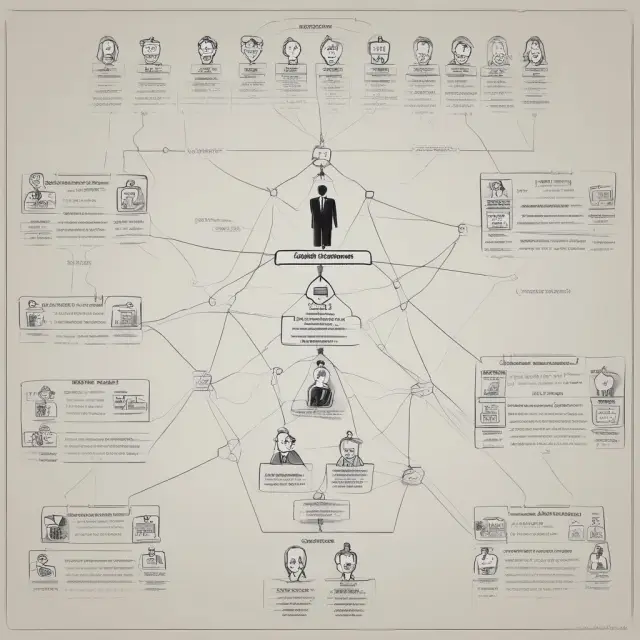
Explore organizational charts: their purpose, types, creation, real-world applications, challenges & the future.
Introduction to Organizational Charts
Organizational charts, also known as org charts, represent a visual means of illustrating an enterprise’s internal structure by displaying the various roles, responsibilities, and relationships among individuals within an organization. Essentially, they serve as a roadmap that conveys how different positions connect to one another and to the management team. Organizational charts can be as broad or narrow in scope as needed, showcasing either the overall company structure or focusing on specific departments or units.
Understanding Organizational Charts: What They Depict
An organizational chart is a graphical representation of an organization’s hierarchy that delineates positions based on their relative standing within the company. This can include job titles, departments, and reporting lines. The most common depiction of organizational charts is through the hierarchical model, which places high-ranking individuals at the top and subordinate employees beneath them.
Functionality and Significance of Organizational Charts
Organizational charts are essential for various reasons:
- Clarification of Roles: They provide a clear and concise depiction of each employee’s role within the organization, helping to streamline communication and minimize confusion regarding reporting relationships.
- Transparency: Org charts offer transparency, enabling all employees to see how their position fits into the broader context of the company structure. This understanding can lead to increased engagement and motivation as individuals recognize their part in the organization’s mission.
- Aid in Decision-Making: By illustrating the organizational hierarchy, org charts facilitate effective decision-making by making it easier for managers and employees alike to understand who they need to consult or collaborate with when addressing specific issues or opportunities.
- Improved Communication: Org charts foster open communication channels within organizations, ensuring that everyone is aware of their roles, responsibilities, and the chain of command, which in turn leads to a more cohesive work environment.
- Useful for Change Management: When undergoing organizational changes, such as restructuring or mergers and acquisitions, org charts provide an accurate picture of the current state of the organization while also helping to illustrate proposed changes. This makes it easier to identify potential challenges or areas requiring additional attention during transition periods.
- Compliance and Regulatory Requirements: In some industries, organizational charts may be mandatory for regulatory compliance purposes, demonstrating that all necessary checks and balances are in place.
- Onboarding New Employees: Organizational charts can serve as valuable tools during the onboarding process, helping new hires to quickly familiarize themselves with the company’s structure and reporting relationships.
- Training and Development: Org charts can also be useful for training and development purposes, enabling employees to identify potential career growth opportunities and understand how their roles fit into the overall organizational context.
- Planning and Budgeting: They can aid in strategic planning and budgeting exercises by providing a clear understanding of where resources are allocated within the organization.
- Preparation for Crisis Management: During times of crisis, org charts enable rapid response by ensuring all relevant individuals are aware of their roles and responsibilities during an emergency situation.
Types of Organizational Charts: Hierarchical vs. Flat, Matrix, and Divisional
While hierarchical organizational charts are the most common format, understanding other types such as flat, matrix, and divisional charts can help organizations adapt to various operational structures and business needs.
Hierarchical Organization Chart: The Most Common Organizational Structure
The hierarchical model situates high-ranking individuals at the top of the chart with lower-level employees beneath them. This structure is typically used in formal organizations and can depend on industry, geographic location, or company size.
Flat Organization Chart: Emphasizing Power Equality and Autonomous Decision-Making
Also referred to as a horizontal organizational chart, the flat format positions individuals at the same level, indicating more power equality and autonomous decision-making ability than is typical in hierarchical corporations.
Matrix Organization Chart: Complex Structure for Skills, Departments, and Managers
The matrix chart groups employees by their common skill sets, departments, and the people they report to, creating interconnections between teams and projects and enabling more efficient collaboration.
Divisional Organization Chart: Subdividing Companies Based on Specific Criteria
The divisional organizational chart subdivides a company based on specific criteria, such as product lines offered or geographical regions, providing autonomy while incurring additional overhead costs.
What Does an Organizational Chart Show?
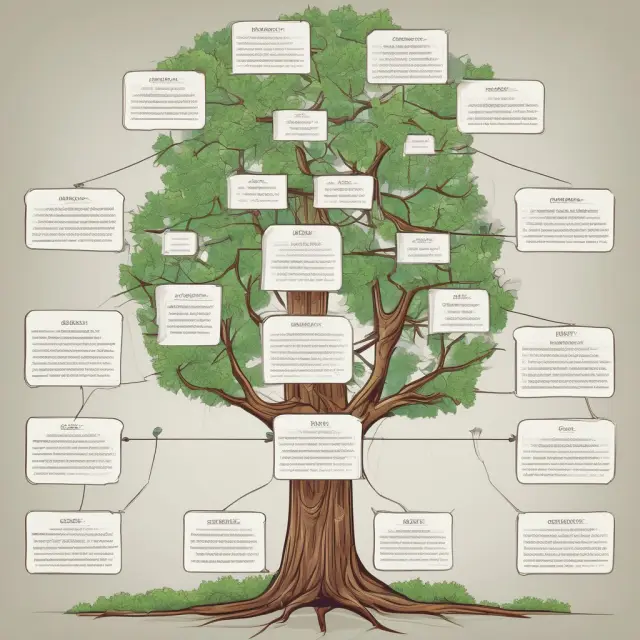
An organizational chart, commonly referred to as an org chart, is a visual representation of an organization’s internal structure, demonstrating the roles, responsibilities, and relationships between various individuals within a company. Organizational charts offer a clear understanding of how different positions fit into the overall corporate hierarchy. In this section, we will discuss in detail what an organizational chart represents and why it is such an essential tool for businesses.
An organizational chart graphically illustrates an enterprise’s structure, highlighting job titles, departments, and their interconnectedness. For example, a hierarchical org chart shows management or high-ranking officials at the top while lower-level employees are located beneath them. The highest-ranking individuals are typically depicted at the top of the chart to reflect their seniority and the reporting relationships between positions.
One crucial aspect of organizational charts is that they can be broad in scope, depicting an entire company’s structure, or narrowly focused, examining a specific department or division. These diagrams are vital when considering restructuring, as they offer transparency into the existing organization and allow for easier understanding of how roles fit within the overall corporate structure.
Organizational charts use simple visual cues such as lines, squares, and circles to represent different positions, relationships, and hierarchies. In a typical hierarchical org chart, a box symbolizes a job title, and a solid line denotes a reporting relationship between two individuals. For instance, if an assistant director falls under the direction of a director, their respective boxes would be connected with a solid line to convey this reporting relationship.
Understanding various types of organizational charts is essential to appreciate the versatility of this tool. While hierarchical charts are the most common and depict individuals based on their role in the company in a descending vertical order, other chart types include:
- Flat org charts, also known as horizontal charts, which position individuals at the same level, promoting power equality and autonomous decision-making ability.
- Matrix charts, which group employees by common skill sets, departments, and multiple reporting relationships. This structure allows for interconnectedness between teams and managers through vertical lines that connect positions to various managers.
- Divisional charts, which subdivide companies based on specific criteria such as product lines or geographic regions. In these charts, divisions have a certain autonomy but may incur additional overhead costs.
Organizational charts remain valuable tools for businesses due to their ability to clarify an organization’s hierarchy and reporting relationships. By understanding the structure of a company, employees can quickly grasp their role within it and how their position contributes to the overall mission and goals.
Types of Organizational Charts: Hierarchical
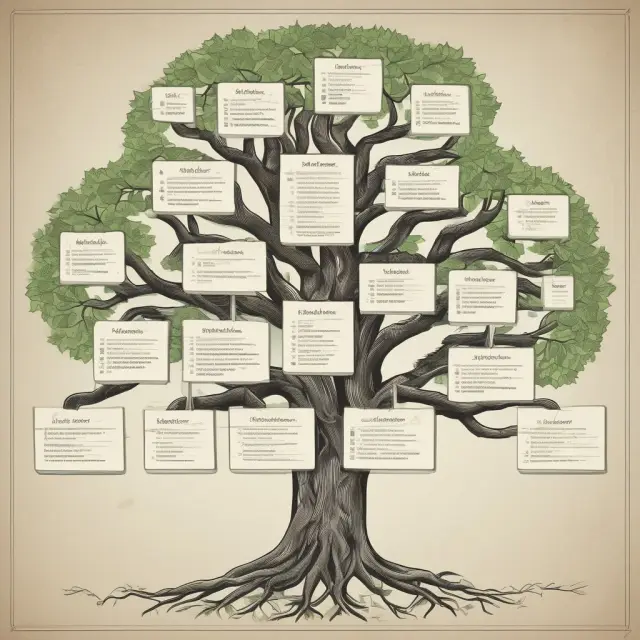
Hierarchical organizational charts, also known as pyramid charts or formal organizational charts, represent the most common structure for depicting company structures. This model is characterized by a clear chain of command and an unambiguous hierarchy. With hierarchical org charts, the highest-ranking officials occupy the top positions, while lower-level employees are placed below their respective superiors (Sullivan & Hart, 2013).
Hierarchical organizational structures depend on several factors, including industry, company size, and geography. For instance, a public company’s org chart may begin with shareholders at the pinnacle, followed by members of the board of directors, who in turn oversee the chief executive officer (CEO) and other C-level executives (Kriger & Slocum, 2013).
A well-structured hierarchical org chart features clear lines of authority, making it easier for employees to understand their roles and responsibilities within the organization. The chart’s simplicity also facilitates transparent communication across departments and teams.
The typical hierarchical org chart exhibits a vertical alignment of job titles, with each level of hierarchy being determined by seniority or importance. In this model, high-ranking officials are placed atop the chart, while lower-level employees are positioned beneath their immediate superiors (Kriger & Slocum, 2013).
Some common roles that can be found in a hierarchical organization include:
- Shareholders: The highest level of organizational hierarchy, representing the owners or investors of a company.
- Chair of the Board of Directors: A representative elected to govern the organization on behalf of its shareholders and stakeholders.
- Vice-chair: Assists and supports the chair in executing their duties.
- Board Members: Individuals responsible for setting organizational policies, making significant decisions, and overseeing the CEO.
- Chief Executive Officer (CEO): The highest-ranking executive officer who leads the organization’s overall management and operations.
- C-Suite Executives: Senior executives responsible for various aspects of a company, such as marketing, finance, HR, legal, or IT.
As one progresses down the chart, the roles become more specific to departments, teams, and individual employees, with clear lines of reporting and authority established (Sullivan & Hart, 2013).
Hierarchical organizational charts are commonly used in formal organizations, including corporations, government bodies, schools and universities, and the military. Their clarity and simplicity make them an essential tool for understanding complex structures and navigating interdepartmental communication.
Other Types of Organization Charts: Flat, Matrix, and Divisional
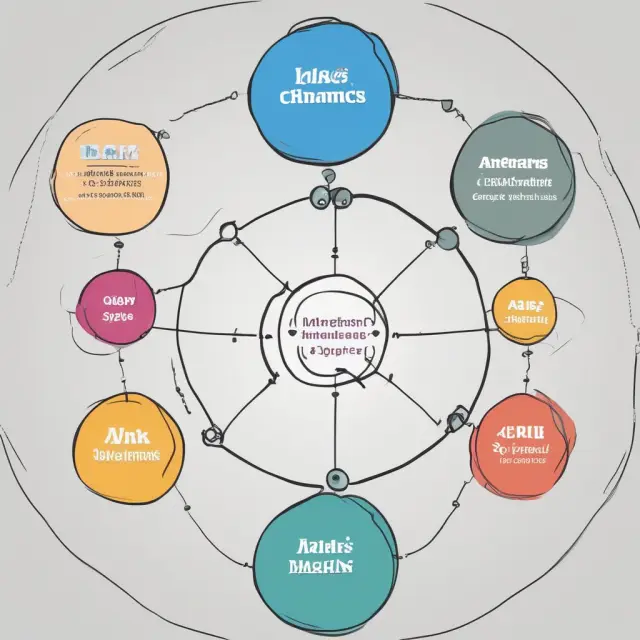
When we think of organizational charts, the hierarchical model is often the first image that comes to mind. However, there are other ways to structure a company visually through various types of organization charts such as flat, matrix, or divisional charts. Each chart type offers unique benefits and challenges for organizations, depending on their industry, size, and goals.
1. Flat Organizational Charts:
The flat organizational chart, also known as the horizontal organizational chart, is a non-hierarchical alternative to traditional hierarchies. It places individuals on the same level, indicating more power equality and autonomous decision-making ability than in hierarchical corporations (Lawler III, 2016). This structure is particularly effective for organizations that need quick decision-making processes or those that require high levels of creativity and innovation.
In a flat organizational chart, there are no formal reporting relationships between employees. Instead, they work collaboratively towards common goals. For instance, in a software development team using this model, each member may contribute their skills to various projects. They might also have multiple managers or cross-functional roles. The flat structure enables faster problem-solving and a more adaptive organizational response to external factors (Lawler III, 2016).
However, the absence of traditional reporting relationships can lead to potential challenges. There may be blurred lines regarding who is responsible for what tasks or decisions. Additionally, some employees might struggle with accountability in a flat structure and require clearer guidelines.
2. Matrix Organizational Charts:
A matrix organizational chart is a more complicated structure that groups individuals by their common skill-sets, the departments in which they work, and the people they may report to (Lawler III, 2016). In this model, employees and teams are interconnected with more than one manager. For example, a software developer working on two projects might be connected to each project manager using vertical lines. This arrangement allows for shared resources and knowledge between departments or teams and can foster cross-functional collaboration (Lawler III, 2016).
Matrix structures offer advantages such as increased flexibility and better communication between departments or teams. However, they also come with challenges:
– Ambiguity regarding reporting relationships and priorities may arise for employees, leading to potential conflicts.
– Complex decision-making processes can slow down the organization’s response time, as multiple managers need to agree on key decisions.
– Coordination and collaboration between teams may require significant effort and resources.
3. Divisional Organizational Charts:
The divisional organizational chart subdivides a company based on some specific criteria, such as product lines offered or geographic regions. It is an alternative way to represent a large organization’s structure that can offer autonomy and cost savings (Lawler III, 2016). Each division might have its own budget, staffing, and decision-making powers. However, these benefits come with their own challenges:
– Overhead costs might increase due to the need for additional management layers and support functions in each division.
– Communication between divisions can be a challenge, potentially leading to misaligned goals or duplicated efforts.
– Centralized control over strategic initiatives may weaken as more decision-making power is distributed among divisions.
In conclusion, various types of organization charts—hierarchical, flat, matrix, and divisional—each offer distinct advantages and challenges for organizations. It’s essential to consider the industry, size, and goals when choosing a chart type that best fits your organizational needs. By understanding these different structures, you can make informed decisions and create an effective organizational design.
Why Use an Organizational Chart?
Organizational charts serve a multifaceted role within an entity, providing critical insights into a company’s structure, hierarchy, and communication channels. By visually depicting the relationships between different employees, departments, and roles, organizational charts promote transparency, facilitate decision-making, and enable efficient information flow throughout the organization.
First and foremost, organizational charts offer an overview of how the company is structured hierarchically. This visual representation provides essential context for understanding who holds which positions within the business and how they relate to one another. For instance, a newly hired employee can quickly grasp where they fit within the organization’s hierarchy based on their placement on the chart.
Furthermore, organizational charts provide a means of illustrating lines of authority. In larger organizations with complex structures, it can be challenging for employees to know who reports to whom or which department handles specific responsibilities. Organizational charts clearly delineate reporting relationships and roles, ensuring everyone understands their place in the company’s hierarchy and who they should communicate with regarding various matters.
Additionally, organizational charts help improve communication between departments and team members. By providing a clear understanding of the organization’s structure and hierarchy, individuals can effectively collaborate with one another, reducing misunderstandings and promoting better overall teamwork.
When a company undergoes restructuring or changes in its management complexion, organizational charts act as valuable tools for transitioning to the new structure. They enable employees to familiarize themselves with the updated hierarchy and adapt accordingly. In times of change, clear communication about the organization’s structure is essential, making organizational charts indispensable during periods of transformation.
In conclusion, organizational charts serve a crucial function within any organization by promoting transparency, facilitating effective communication, and providing valuable insights into a company’s internal structure and hierarchy. Their ability to visually represent the connections between employees, departments, and roles makes them an essential tool for fostering efficient information flow and collaboration throughout the enterprise.
Creating an Organizational Chart: Software and Manual Methods
Organizational charts, also known as org charts, play a crucial role in visualizing the internal structure of a company by mapping out the relationships between individuals, departments, and hierarchies. In today’s digital era, creating organizational charts has become more accessible than ever before, with both software solutions and manual methods available to businesses.
Software Methods: Organizational Chart Software
Organizational charting software is an excellent choice for generating professional-looking org charts efficiently. These tools offer various features that cater to different organization sizes and structures, enabling users to create dynamic charts without requiring extensive drawing or design skills. Some popular options include Microsoft Visio, OrgPlus, Lucidchart, and Organimi.
These software solutions come with a variety of templates tailored for specific industries such as healthcare, education, government, and technology. Users can simply input employee names, titles, and relationships into the software, which generates an accurate chart based on the input data. Advanced features like real-time collaboration, customization, and integration with other HR systems make it easy to maintain up-to-date charts that reflect organizational changes.
Manual Methods: Handcrafted Charts
In some instances, businesses may prefer to create org charts manually due to budget constraints or the need for a more personal touch. To construct a manual org chart, you can use graphic design tools like PowerPoint, Google Slides, or Microsoft Excel. Alternatively, you can use pen and paper or specialized graph paper to hand draw your org chart.
To create a manual org chart using software, follow these steps:
- Choose a clean template that best suits your organizational structure.
- Input employee data into the template, ensuring proper alignment and spacing for clarity.
- Customize the layout, fonts, and colors to align with branding guidelines.
- Add icons or symbols to represent different roles or departments within the organization.
- Review and edit the chart thoroughly for accuracy before finalizing it.
For a hand-drawn manual org chart:
- Sketch out a rough layout of your organizational hierarchy on paper.
- Label each position with the corresponding title, employee name, or department.
- Use lines or arrows to connect positions based on reporting relationships.
- Add icons or symbols for clarity and visual appeal.
- Refine the chart by adjusting spacing, alignment, and overall design.
Regardless of whether you opt for software or manual methods, creating a well-designed organizational chart can provide significant benefits to your business. Clear communication, informed decision-making, and improved transparency are just a few of the advantages that come with utilizing effective org charts.
Organizational Charts in Practice: Real-World Applications
One of the most powerful ways to visualize a company’s structure is through organizational charts, which have been in use since the late 1800s (Smith, 2006). These diagrammatic representations depict roles, responsibilities, and relationships between individuals within an organization, providing valuable insights into its hierarchy and decision-making processes. In this section, we’ll explore real-world applications of organizational charts in various industries, including governments, corporations, and the military.
Governments:
The use of organizational charts by governments dates back to the early days of bureaucracy (Smith, 2006). These diagrams provide a clear understanding of an agency’s structure and help maintain transparency for citizens. For instance, the U.S. Federal Bureau of Investigation (FBI) employs organizational charts extensively to illustrate their hierarchical structure, with the Director atop the chart and divisions like Counterterrorism, Criminal, and National Security Branch underneath (FBI, 2021).
Corporations:
Organizational charts are indispensable tools for corporations when visualizing their internal structures. In a large corporation like IBM, an org chart might illustrate the roles of various executive officers, such as the CEO, CFO, COO, and CTO, along with their respective departments (IBM, 2021).
Military:
In military organizations, organizational charts are crucial for illustrating the chain of command, ensuring effective communication, and maintaining order. For example, the U.S. Army’s organizational chart reflects its complex hierarchical structure, with the President of the United States at the top, followed by the Secretary of Defense, the Chief of Staff of the Army, and numerous other officers and their respective branches (US Army, 2021).
Flat, Matrix, and Divisional Organizational Charts:
Although hierarchical charts are the most common, they’re not the only type. For instance, flat organizational charts level out power distribution by positioning individuals on the same plane. These charts work well in organizations that encourage autonomy and decentralized decision-making (Lewin & Ketz, 1964).
Matrix organizational charts depict interrelationships between teams and their reporting managers, enabling clear visualization of complex functional relationships within a project or program. The matrix structure is common in industries like technology and engineering, where employees may work on multiple projects concurrently (Galbraith & Brown, 1972).
Divisional organizational charts are used when an organization needs to be divided into separate entities based on geography, product lines, or other criteria. An example of a divisional chart can be found in the automobile industry, where each division focuses on producing a specific line of vehicles (Burgelman & Sayles, 1986).
In conclusion, organizational charts offer valuable insights into an organization’s hierarchy and decision-making structure. By examining real-world applications across industries like government, corporations, and the military, we can better appreciate their importance in maintaining transparency, communication, and effective management.

Challenges with Organizational Charts
While organizational charts provide valuable insights into a company’s structure, they do present some challenges. Here are the most common issues organizations face when using them.
1. Static Representation: Organizational charts offer a snapshot of an organization’s current state and may not accurately reflect changes in departmental structures or reporting relationships that occur frequently. This issue can be mitigated by updating org charts regularly to maintain their relevance and accuracy.
2. Lack of Visibility into Cross-Functional Relationships: Traditional hierarchical organizational charts do not provide a clear view of the connections between teams, departments, or functions beyond their reporting relationships. To address this challenge, some organizations employ more complex organizational chart designs such as network diagrams, which illustrate interdependent relationships and collaboration among various parts of an organization.
3. Complexity: Organizational charts for larger organizations can be intricate, making them challenging to create and maintain. As a result, it is essential to use software tools designed to simplify the creation process or employ professional assistance in creating and updating organizational charts.
4. Limited Depiction of Informal Relationships: Org charts primarily depict formal reporting relationships; they fail to illustrate informal relationships that may exist between individuals, teams, or departments. It is crucial for organizations to recognize the importance of informal networks in driving innovation and productivity. To account for these relationships, some companies use social network analysis tools that map out informal connections among team members.
5. Limited Flexibility: Organizational charts do not adapt well to rapidly changing environments and can become outdated quickly. Instead, organizations might consider using more dynamic tools such as organizational wikis or collaboration platforms that allow real-time updates to reflect the current state of an organization’s structure.
6. Data Privacy Concerns: Org charts can raise data privacy concerns when sharing sensitive information about an individual’s role, salary, and other employment details. Organizations must ensure they only share essential information and have adequate security measures in place to protect confidential data.
In conclusion, understanding the challenges associated with organizational charts is vital for organizations looking to create effective and accurate org charts that depict their company structures accurately while addressing potential limitations. By considering these challenges and employing best practices, companies can maintain up-to-date and informative organizational charts to aid in communication, decision-making, and overall organizational success.
The Future of Organizational Charts: Technology and Innovation
As businesses continue to evolve, so too must the tools used to manage their organizational structures. While traditional org charts have served us well for decades, new trends in technology and management practices are pushing the boundaries of what organizational charts can do. In this section, we’ll explore some exciting advancements in the world of organizational charts and discuss how they can help streamline operations, enhance collaboration, and foster innovation within your company.
Interactive Org Charts
Gone are the days of static org charts that only provide a snapshot of your organization at a particular moment in time. Interactive org charts offer users the ability to drill down into various levels of detail, explore relationships between team members, and even update information in real-time. These dynamic charts can be especially useful for large, complex organizations or those undergoing rapid growth.
Artificial Intelligence (AI) and Machine Learning
The integration of AI and machine learning algorithms into org chart software enables more intelligent data analysis and forecasting capabilities. This technology allows managers to identify trends and make informed decisions based on real-time data, such as identifying skill gaps or predicting potential talent needs. Additionally, AI can help streamline the process of updating organizational changes by automatically syncing new data points across the entire chart.
Remote Team Management
As more companies adopt remote work policies, managing geographically dispersed teams becomes a significant challenge for many organizations. Org charts that provide visual representations of team structures and communication channels can help bridge the gap between in-office and remote workers. By offering a clear understanding of reporting lines, responsibilities, and collaborative relationships, these charts can foster better communication, coordination, and overall productivity.
In conclusion, organizational charts have come a long way since their inception, and advancements in technology continue to drive innovation in this area. As businesses grow more complex and dynamic, having a flexible, adaptable org chart solution at your disposal becomes increasingly valuable. From interactive charts to AI-driven data analysis, the future of organizational charts is brighter than ever, offering new ways for companies to thrive in today’s fast-paced business landscape.

FAQs on Organizational Charts
Organizational charts can be a valuable tool for businesses, providing a clear visual representation of a company’s structure, roles, and relationships. In this section, we will answer some frequently asked questions about organizational charts to help you better understand their purpose and use.
Q: What is the primary function of an organizational chart?
A: An organizational chart is primarily used to depict a company’s hierarchical structure by showing the different roles, responsibilities, and reporting relationships between individuals within the organization. It allows for easy understanding of organizational hierarchy and decision-making processes.
Q: What are the different types of organizational charts?
A: The most common type is the hierarchical organizational chart, where positions are arranged in a vertical order based on their level of seniority. Other types include flat organization charts, which position individuals at the same level, and matrix charts, which combine elements of both hierarchical and flat structures. There’s also divisional charts that group employees by product lines or geographical regions.
Q: How do organizational charts help businesses?
A: Organizational charts promote transparency, facilitate communication, and support informed decision-making by clearly illustrating a company’s structure, roles, and relationships. They can also be used to identify areas for restructuring or improvement.
Q: Is it mandatory for all companies to create an organizational chart?
A: While not mandatory, organizational charts are highly recommended for larger organizations with complex structures to ensure effective communication and understanding of the company’s hierarchy among its employees. For smaller organizations, a simple org chart or verbal description may suffice.
Q: Can an organizational chart be modified easily if the company undergoes restructuring?
A: Yes, organizational charts can be updated as a company evolves, making them an effective tool for illustrating changes in structure and reporting relationships during periods of growth or reorganization.
Q: How to create an organizational chart for a large corporation?
A: Creating an organizational chart for a large corporation involves careful planning, data collection, and design considerations. Software tools can help streamline the process, but it’s crucial to ensure accuracy and clarity in representing the company’s structure and reporting relationships. Additionally, regular updates should be made to maintain currency and relevance.
Q: How often should an organizational chart be updated?
A: Organizational charts should be updated whenever there is a significant change to the company’s structure, such as new hires or promotions, department restructuring, or mergers and acquisitions. Regular updates also help ensure that the chart remains an accurate representation of the organization.
 Next entry · No. 3,795Understanding Organizational Economics: Application to Real-World Business Scenarios
See also
-
 No. 5,773
06 Oct 2025
21 min
Word-of-Mouth Marketing: Understanding the Power of Shared Experiences in Finance and Investment
Business Strategy
No. 5,773
06 Oct 2025
21 min
Word-of-Mouth Marketing: Understanding the Power of Shared Experiences in Finance and Investment
Business Strategy -
 No. 5,506
14 Sep 2025
17 min
Understanding Company Visibility: Estimating Future Performance for Institutional Investors
Business Strategy
No. 5,506
14 Sep 2025
17 min
Understanding Company Visibility: Estimating Future Performance for Institutional Investors
Business Strategy -
 No. 5,402
05 Sep 2025
20 min
Understanding Value Networks: A Comprehensive Guide for Institutional Investors
Business Strategy
No. 5,402
05 Sep 2025
20 min
Understanding Value Networks: A Comprehensive Guide for Institutional Investors
Business Strategy -
 No. 4,935
29 Jul 2025
25 min
Understanding the Implications of Termination of Employment: Voluntary vs Involuntary
Business Strategy
No. 4,935
29 Jul 2025
25 min
Understanding the Implications of Termination of Employment: Voluntary vs Involuntary
Business Strategy -
 No. 4,830
20 Jul 2025
21 min
Understanding Synergy in Mergers and Acquisitions: Maximizing Value and Performance
Business Strategy
No. 4,830
20 Jul 2025
21 min
Understanding Synergy in Mergers and Acquisitions: Maximizing Value and Performance
Business Strategy -
 No. 4,688
08 Jul 2025
21 min
Understanding the Power of Social Media for Institutional Investors
Business Strategy
No. 4,688
08 Jul 2025
21 min
Understanding the Power of Social Media for Institutional Investors
Business Strategy