The Eclectic Paradigm: Understanding the Three-Tiered Evaluation Framework for Foreign Direct Investment (FDI)

Explore The Eclectic Paradigm, a comprehensive framework for evaluating Foreign Direct Investment (FDI) opportunities through Ownership, Location, and…
Introduction to the Eclectic Paradigm
The eclectic paradigm, also known as the ownership, location, internalization (OLI) model or OLI framework, is a widely-used three-tiered evaluation framework for businesses considering foreign direct investment (FDI). This comprehensive approach to FDI analysis was first introduced by scholar John H. Dunning in 1979 and is based on the assumption that institutions will forgo open market transactions if performing those actions in-house results in a lower cost.
Key Takeaways
An eclectic paradigm is an essential tool for firms seeking to evaluate FDI opportunities, examining entire relationships and interactions of different business components. The approach aims to determine whether an approach provides greater overall value compared to other national or international choices for the production of goods or services. The three primary factors—ownership advantages, location advantages, and internalization advantages—are crucial for FDI to be beneficial.
Understanding the Eclectic Paradigm: A Holistic Approach to FDI
The eclectic paradigm offers a holistic viewpoint by considering all aspects of a business in relation to FDI. The framework provides an effective strategy for expansion through foreign direct investment, ensuring that businesses make informed decisions about whether a specific approach delivers greater value compared to other options.
Three Key Factors of the Eclectic Paradigm: Ownership Advantages
To be considered beneficial, ownership advantages include intangible aspects like proprietary information and various ownership rights such as branding, copyrights, trademarks, patents, and unique skills. These elements typically provide a company with a competitive edge, offering an essential advantage that attracts foreign investment.
Three Key Factors of the Eclectic Paradigm: Location Advantages
Location advantages are another crucial factor in the eclectic paradigm’s three-tiered evaluation framework. Companies must evaluate whether there is a comparative advantage to performing specific functions within a particular country. These considerations may include the availability and costs of resources, natural or created resources, and immobile factors that require collaboration with foreign investors for full utilization.
Three Key Factors of the Eclectic Paradigm: Internalization Advantages
Internalization advantages determine whether it is more cost-effective for a business to produce in-house versus outsourcing or contracting production to third parties. Depending on the specific circumstances, a business may find that keeping production in-house provides better quality control and knowledge of local markets, helping to make the investment worthwhile.
Real World Example: Shanghai Vision Technology Company’s Application of Eclectic Paradigm
Shanghai Vision Technology Company, an independent research firm reports, applied the eclectic paradigm when making the strategic decision to export their 3D printers and other advanced tech offerings despite the challenges posed by higher tariffs and transportation costs. By adhering to the principles of the eclectic paradigm, they were able to successfully enter new markets and thrive in a globalized economy.
Stay tuned for the next section where we dive deeper into the importance of ownership advantages in the context of the eclectic paradigm and how they contribute to the overall value of FDI.

The Holistic Approach of the Eclectic Paradigm
The eclectic paradigm is a unique, three-tiered evaluation framework for businesses considering foreign direct investment (FDI). This paradigm helps determine whether producing goods or services abroad offers greater overall value compared to other national or international production alternatives. The approach’s holistic nature allows for the examination of entire relationships and interactions within an organization (Dunning, 1979).
Understanding the Eclectic Paradigm in Depth
The eclectic paradigm offers a strategy for businesses looking to expand through FDI by considering three essential advantages: ownership advantages, location advantages, and internalization advantages. Each advantage plays a distinct role in ensuring the success of foreign investment projects.
- Ownership Advantages – This first advantage includes proprietary information and various other intangible assets that provide a competitive edge to a company (Dunning, 1979). These advantages can manifest as branding, copyrights, trademarks, patents, skills, or reputation for reliability. By evaluating ownership advantages, businesses can decide if the benefits of maintaining these aspects internally outweigh the potential gains from outsourcing or licensing them to a foreign partner.
- Location Advantages – A company’s assessment of location advantages is crucial when considering FDI. This advantage refers to the comparative advantage of performing specific functions within a particular nation. Natural or created resources, such as access to skilled labor, lower costs, or tax incentives, are often considered fixed and immobile, requiring partnerships with foreign investors for maximum utilization. Assessing location advantages helps businesses understand if there is a significant competitive advantage in producing goods or services abroad rather than domestically.
- Internalization Advantages – The third critical factor of the eclectic paradigm is internalization advantages (Dunning, 1979). This aspect considers when it is more cost-effective for a business to produce a particular product in-house versus outsourcing it to a foreign entity. Outsourcing only makes financial sense if the contracting company can meet the organization’s quality standards and offer lower costs, access to local market knowledge, or skilled labor. In some cases, businesses may choose to keep production in-house, even when expanding abroad, to maintain control over their intellectual property and core competencies.
A Real World Example: The Shanghai Vision Technology Company
One real-world example of the eclectic paradigm in action is Shanghai Vision Technology Company’s decision to export its 3D printers and other innovative tech offerings (Research Methodology, n.d.). Although this move involved higher tariffs and transportation costs, the internationalization strategy ultimately allowed the company to penetrate new markets and succeed through a global presence.
The eclectic paradigm is an indispensable tool for businesses considering foreign direct investment. By taking a holistic approach and evaluating ownership advantages, location advantages, and internalization advantages, organizations can ensure they are making the best possible decision for their future growth.

Three Key Factors of the Eclectic Paradigm: Ownership Advantages
The eclectic paradigm, also known as the ownership, location, internalization (OLI) model or framework, is a widely-used and influential theory when it comes to understanding foreign direct investment (FDI). This paradigm was first introduced by John H. Dunning in 1979 and has since been employed by businesses worldwide to make strategic decisions regarding their international operations. Essentially, the eclectic paradigm is a three-tiered evaluation framework that companies follow when assessing whether it’s beneficial for them to engage in FDI. The primary assumption is that a business will opt against open market transactions if performing those same activities in-house carries a lower cost.
One of the essential factors of the eclectic paradigm is ownership advantages. These refer to intangible aspects that give a company a competitive edge, including proprietary information and various forms of intellectual property rights such as branding, copyrights, trademarks, patents, or internally-available skills. Ownership advantages often provide unique value, like a reputation for reliability, which can significantly impact a firm’s decision to expand internationally.
When considering ownership advantages, businesses must determine whether these intangible assets would be more valuable if utilized in-house rather than through collaborations or outsourcing. This might involve evaluating potential risks of losing control over intellectual property when engaging with external partners, as well as assessing the benefits and costs of managing these assets internally versus delegating them to a foreign affiliate.
Furthermore, ownership advantages can be particularly significant for businesses operating in knowledge-intensive industries, where intangible resources may include highly skilled employees, unique organizational capabilities, or valuable know-how. In such cases, retaining ownership of these assets can help secure a competitive advantage in the global marketplace and enable the company to offer superior products or services compared to competitors.
To maximize ownership advantages, businesses must invest time and resources into developing, protecting, and effectively leveraging their unique assets. This might include building an innovation culture, investing in research and development, and engaging in strategic alliances or collaborations that can help strengthen the firm’s capabilities. By doing so, companies can not only reap the benefits of ownership advantages but also enhance their overall value proposition for customers and stakeholders alike.
In conclusion, understanding ownership advantages within the eclectic paradigm is crucial for businesses looking to expand internationally through FDI. This factor enables firms to evaluate the potential value of their intangible assets and determine whether retaining control over them in-house or partnering with external entities would be more beneficial for achieving long-term success.

Three Key Factors of the Eclectic Paradigm: Location Advantages
Location advantages are a crucial element in determining whether foreign direct investment (FDI) is worth pursuing for a business. In essence, companies must assess if there exists a comparative advantage to performing specific functions within a particular location. Location advantages can be categorized into three main areas: natural resources, created resources or immobile factors.
1. Natural Resources
Natural resources refer to the inherent attributes of an area that may not be easily relocated or replicated. These advantages can range from climate and geographical features to the availability of raw materials and energy sources. For instance, a country rich in mineral deposits would offer a significant location advantage for a mining company seeking to expand its operations abroad.
2. Created Resources
Created resources, also known as human capital and infrastructure, are intangible assets that can significantly influence a business’s decision to invest abroad. Human capital includes factors like skilled labor, education levels, and cultural compatibility. Infrastructure refers to the availability of physical infrastructure such as transportation networks, telecommunications systems, and utility services. For example, a company seeking to establish a manufacturing unit may favor a country with an abundant workforce that possesses specific skill sets or has a well-developed transport network.
3. Immobile Factors
Immobile factors are aspects of a location that cannot be easily moved or relocated and include government policies, taxes, tariffs, and regulations. These factors can significantly impact the profitability of an investment, especially for industries subject to heavy regulation or high taxation. For instance, a country with favorable business-friendly policies may offer a significant location advantage for companies seeking to set up operations in that jurisdiction.
Incorporating these considerations into the eclectic paradigm’s framework requires businesses to evaluate potential tradeoffs between various factors, including tariffs and transportation costs. By understanding how these advantages contribute to the overall value of an investment, organizations can make more informed decisions regarding their international expansion strategies. For instance, the decision to invest in a new location due to a specific natural resource or human capital advantage may be offset by higher transportation costs or unfavorable taxation policies. A thorough evaluation of both the potential benefits and drawbacks is essential for maximizing returns on foreign investment.
A real-world example of the eclectic paradigm in action can be seen with Shanghai Vision Technology Company’s internationalization strategy. Despite facing higher tariffs and transportation costs, their decision to export 3D printers and other innovative tech offerings enabled them to penetrate new markets and gain a competitive edge. By carefully weighing the advantages of operating in specific locations against the associated costs, businesses can effectively navigate the complex landscape of international investment.

Three Key Factors of the Eclectic Paradigm: Internalization Advantages
When evaluating foreign direct investment (FDI) using the eclectic paradigm framework, internalization advantages are a crucial consideration. This factor examines whether it is more cost-effective for a business to produce goods or services in-house compared to outsourcing them to a third party. Internalization advantages can significantly impact the decision-making process of businesses when considering FDI.
The internalization advantage refers to the benefits a company derives from producing and retaining activities within its own organization, as opposed to engaging external parties for those activities. This concept is particularly important in the context of foreign direct investment because it helps determine whether it’s more beneficial for a business to produce goods or services in-house or outsource them to local partners.
One example of an internalization advantage is the ability to maintain control over crucial intellectual property (IP) and proprietary technology. By keeping these assets in-house, businesses can protect their competitive edge and prevent competitors from gaining access to their valuable know-how. This is especially important when operating in unfamiliar markets or industries, where IP rights may not be as clearly defined or enforced.
Another internalization advantage stems from the potential for increased efficiency and synergy within a company’s operations. By producing goods or services internally, businesses can streamline their processes and reduce transaction costs associated with outsourcing or licensing agreements. This is particularly significant when dealing with complex production processes that require coordination and integration between various functions and departments.
The decision to internalize or externalize activities also depends on the availability of skilled labor in the target market. In some cases, a business may choose to retain certain capabilities in-house due to the scarcity or high cost of skilled labor in the local market. On the other hand, if the local workforce is abundant and possesses the required expertise, it may be more economical for the company to outsource the activity to a local partner.
Additionally, internalization advantages can help businesses cope with tariffs and transportation costs. By producing locally, they may be able to mitigate the impact of import duties or reduce the expenses associated with transporting goods across long distances. This is particularly relevant for companies entering markets with high tariff barriers or those dealing with perishable products that require quick and cost-effective transportation.
In summary, internalization advantages are a critical component of the eclectic paradigm framework when evaluating foreign direct investment opportunities. By considering these advantages alongside ownership and location advantages, businesses can make informed decisions about whether it is beneficial to produce goods or services in-house or outsource them to local partners.
For instance, the decision by Shanghai Vision Technology Company, a leading 3D printer manufacturer, to expand overseas and export its innovative tech offerings was driven in part by internalization advantages. By retaining control over their proprietary technology and production processes, the company was able to maintain its competitive edge and ensure consistent quality across markets. Moreover, the decision to produce locally also helped the business cope with tariffs and transportation costs, allowing it to tap into new markets and expand its customer base.

The Importance of Ownership, Location, and Internalization Advantages for FDI
Investing abroad can be a significant decision that brings numerous advantages to businesses seeking expansion opportunities. However, companies need to carefully evaluate whether foreign direct investment (FDI) is the best option under the given circumstances. This is where the eclectic paradigm comes in – an evaluation framework that considers the ownership, location, and internalization advantages of a company. These three key factors determine if FDI provides a better overall value proposition for a business compared to other available alternatives.
Ownership Advantages
The first factor, ownership advantages, refers to the intangible competitive edge that a business holds through its unique knowledge, resources, and capabilities. This could include branding, copyrights, trademarks, patents, and proprietary information. Ownership advantages can contribute significantly to a company’s overall success and profitability, making it crucial to consider this factor when assessing the feasibility of FDI.
Location Advantages
The second essential factor is location advantages. Companies need to evaluate whether they have a comparative advantage in specific locations for performing particular functions. This could stem from natural resources or created advantages, such as access to skilled labor, market knowledge, or favorable regulatory environments. Location advantages play a significant role in determining the success of FDI by ensuring that businesses can effectively leverage these benefits while operating internationally.
Internalization Advantages
Lastly, internalization advantages help determine if producing specific products or services in-house is more advantageous than outsourcing to third parties. This may include considerations related to costs, quality, and market knowledge. Internalization advantages can provide companies with a competitive edge by allowing them to maintain control over their intellectual property, production processes, and operational strategies when expanding abroad.
The Interplay of the Three Factors
Each factor in the eclectic paradigm is interconnected and influences the others. For example, ownership advantages can lead to location advantages if a company has strong brand recognition or unique expertise that attracts customers or partners from specific markets. Similarly, internalization advantages can influence the choice between FDI and licensing agreements, franchising, joint ventures, or other alternative investment strategies.
In conclusion, understanding the importance of ownership, location, and internalization advantages in the eclectic paradigm is crucial for businesses considering foreign direct investment. By carefully evaluating these factors, companies can make informed decisions about their internationalization strategy while mitigating potential risks and ensuring a successful expansion into new markets.

Real World Example: Shanghai Vision Technology Company
The eclectic paradigm provides a practical framework for understanding when foreign direct investment (FDI) is the optimal business strategy for a company. Let us examine how this holistic approach was applied by Shanghai Vision Technology Company, a leading 3D printer manufacturer based in China, to expand its reach and influence in international markets.
Shanghai Vision Technology Company’s decision-making process began with assessing ownership advantages. The company held proprietary information on their advanced 3D printing technology and various intellectual property rights such as patents, trademarks, and copyrights. These intangible assets granted the firm a competitive edge in the marketplace. Moreover, its in-house skills and expertise allowed it to develop customized solutions tailored to specific customer needs.
The second factor, location advantages, played a significant role in their internationalization strategy. China’s low production costs and large labor pool offered a comparative advantage for Shanghai Vision Technology Company. They could effectively produce goods at a lower cost compared to competitors based in high-wage countries. Additionally, the availability of natural resources like raw materials and access to an extensive transportation infrastructure enabled them to efficiently manufacture and distribute their products worldwide.
The third factor, internalization advantages, influenced Shanghai Vision Technology Company’s decision on whether to keep certain functions in-house or outsource to external partners. The company opted to produce 3D printers locally in various markets while keeping the research and development operations in China. This approach ensured they could better cater to local market demands while maintaining their technological edge and cost advantage.
Despite higher tariffs and transportation costs associated with international trade, the eclectic paradigm helped Shanghai Vision Technology Company navigate these challenges and successfully expand its business overseas. By evaluating ownership, location, and internalization advantages, the company could make informed decisions on where to invest resources, ensuring maximum value for both themselves and their stakeholders.
In summary, the Shanghai Vision Technology Company’s internationalization strategy serves as a prime example of how the eclectic paradigm can be effectively employed in practice to achieve success in global markets.
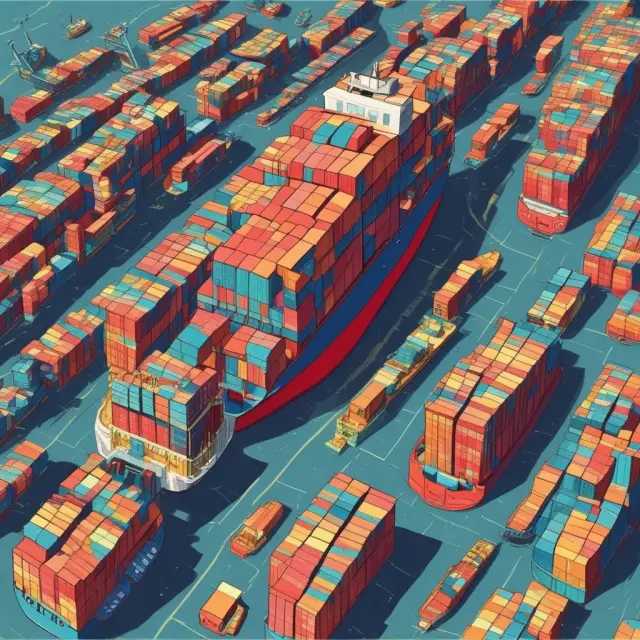
How the Eclectic Paradigm Addresses Tariffs and Transportation Costs
The eclectic paradigm plays a crucial role in helping businesses make informed decisions when considering foreign direct investment (FDI), particularly with regard to tariffs and transportation costs. Tariffs are taxes imposed on imported or exported goods, while transportation costs include the fees associated with moving products from one location to another. The OLI framework considers both factors as important elements that can impact a business’s decision to invest abroad.
First, let us examine tariffs. In international trade, tariffs may be levied by governments to protect domestic industries or generate revenue. However, they can increase the cost of imported goods for businesses and consumers alike. For instance, if a US-based company intends to import machinery from another country, it may face hefty customs duties that could make the overall investment less cost-effective. In such a scenario, the eclectic paradigm may suggest that the business consider setting up a manufacturing facility in the target country instead. By producing locally, the company can avoid tariffs and potentially benefit from location advantages like access to local markets and labor pools.
Secondly, transportation costs are another significant consideration for businesses looking to expand internationally. The distance between production sites and consumer bases can dramatically impact logistics expenses. Shipping goods over long distances can be expensive, especially if the business relies on air freight or expedited shipping services to ensure timely delivery. In this context, the eclectic paradigm may suggest that companies consider investing in a foreign market closer to their target audience or key customers to minimize transportation costs and maintain a competitive edge.
To illustrate how tariffs and transportation costs can be addressed using the eclectic paradigm, let us examine a real-world example. A US company, XYZ Inc., manufactures high-tech machinery in California but faces stiff competition from overseas manufacturers due to lower labor costs and favorable tax structures in foreign countries. To maintain market share and remain competitive, XYZ Inc. may consider FDI as an alternative strategy. By establishing a manufacturing facility in a low-tariff country, such as Singapore or South Korea, the company can reduce tariffs on imported goods, create local jobs, and tap into skilled labor pools. Furthermore, by setting up shop closer to its primary markets in Asia, XYZ Inc. may also minimize transportation costs, which can significantly improve overall efficiency and competitiveness.
In conclusion, the eclectic paradigm is an essential framework for businesses considering FDI, as it helps evaluate various aspects of international expansion. By examining ownership advantages, location advantages, and internalization advantages, companies can make informed decisions that mitigate the impact of tariffs and transportation costs. In today’s globalized economy, understanding how to navigate these challenges is vital for staying competitive in an ever-evolving market landscape.

Eclectic Paradigm vs. Alternative Investment Strategies
The eclectic paradigm is a renowned three-tiered evaluation framework used by businesses looking to expand through foreign direct investment (FDI). This model, also referred to as the ownership, location, internalization (OLI) model or OLI framework, sets out to determine if in-house production is more cost-effective than other available national or international options. The eclectic paradigm provides a holistic approach for businesses to assess entire relationships and interactions within their operations. In contrast, alternative investment strategies like outsourcing, licensing, franchising, and joint ventures are viable alternatives that organizations might consider when looking to expand abroad.
First, let’s examine the differences between the eclectic paradigm and outsourcing. Outsourcing refers to a contractual agreement whereby one company hires another to produce goods or services on its behalf. While the outsourced firm retains ownership of these products, the contracting company maintains control over the production process and intellectual property. In contrast, FDI entails acquiring a significant stake in a foreign enterprise, thereby gaining a share of its profits, losses, risks, and rewards.
When considering location advantages, outsourcing may offer lower labor costs or access to specialized expertise found in specific regions. However, it’s essential to note that this arrangement typically requires the contracting company to establish effective communication channels, oversee quality control, and ensure a reliable supplier network. On the other hand, FDI grants the investor more significant control over the operations in their chosen location. This control can lead to strategic advantages such as proximity to markets, access to resources, or the ability to adapt to local market conditions.
Regarding ownership advantages, outsourcing agreements often result in licensing or royalty payments to the provider of the intellectual property. This arrangement enables the contracting company to leverage the supplier’s knowledge and expertise without having to bear the costs of research and development. With FDI, ownership rights provide a competitive advantage by enabling the investor to control the production process from start to finish. Moreover, in-house ownership of intangible assets like trademarks, patents, or branding can lead to long-term economic benefits through increased market share and customer loyalty.
Internalization advantages are another critical factor that distinguishes FDI from outsourcing. The decision to internalize a process depends on the costs associated with outsourcing compared to keeping it in-house. In an outsourcing arrangement, the contracting company bears the burden of overseeing production quality and managing communication channels. Furthermore, the firm risks potential intellectual property theft or loss of competitive advantages if the supplier decides to offer similar services to competitors. Through FDI, however, internalization enables businesses to maintain complete control over their operations and avoid these risks while reaping the benefits of local market knowledge and skilled labor.
Licensing is another alternative investment strategy that can be compared with the eclectic paradigm. Licensing refers to granting permission to use a company’s intellectual property or trade secrets under specific terms. This arrangement allows businesses to expand their reach without the need for physical assets or a significant capital investment. While licensing agreements may offer lower upfront costs, they often include royalties and fees that can limit profits in the long term. Additionally, licensees may compete with the original company, potentially diluting its market share and brand recognition.
Franchising is another alternative investment strategy worth discussing. Franchises operate under an agreement where a franchisor provides a proven business model, trademark rights, and ongoing support to a franchisee in exchange for fees and royalties. This arrangement allows the franchisor to expand its presence while minimizing upfront capital investments and risks associated with managing multiple locations. However, similar to licensing agreements, franchisees may compete with each other or even against the franchisor itself. Moreover, franchises may require significant ongoing support, which can limit the franchisor’s ability to focus on core competencies.
Lastly, joint ventures represent a strategic alliance between two or more organizations that combine resources, knowledge, and expertise for mutual benefit. Joint ventures are formed through partnership agreements that define each partner’s roles, responsibilities, and ownership percentages. While this arrangement can provide access to new markets, technologies, or distribution networks, it may also involve complex negotiations and shared decision-making. Moreover, joint ventures can result in conflicts between partners due to differing goals and strategies.
In conclusion, while the eclectic paradigm is an effective framework for businesses looking to evaluate FDI opportunities, alternative investment strategies like outsourcing, licensing, franchising, and joint ventures serve their unique purposes. Understanding these alternatives can help organizations make informed decisions based on their specific goals, resources, and competitive landscape. By weighing the advantages and disadvantages of each approach, companies can effectively expand their presence while mitigating risks and capitalizing on opportunities in an ever-globalizing world.

FAQs About the Eclectic Paradigm
What is the eclectic paradigm or OLI model? The eclectic paradigm, also known as the ownership, location, internalization (OLI) framework, is a three-tiered evaluation theory that firms employ to assess if it’s advantageous for them to engage in foreign direct investment (FDI).
Why is the eclectic paradigm important? The eclectic paradigm is crucial because it helps businesses determine if there are significant advantages to producing goods or services in-house, as opposed to transacting within the open market. It considers three key factors – ownership advantages, location advantages, and internalization advantages – that can provide a clearer path for companies looking to expand through FDI.
When was the eclectic paradigm introduced? The eclectic paradigm was first presented in 1979 by John H. Dunning.
What are ownership advantages? Ownership advantages refer to intangible aspects of a business, such as proprietary information and various forms of intellectual property rights – copyrights, trademarks, patents, branding, and the utilization of unique skills. These advantages contribute to a company’s competitive edge.
What are location advantages? Location advantages concern the comparative benefit of performing specific functions within a particular nation. This consideration can include the availability and costs of resources and natural or created resources, as well as market knowledge and skilled labor. The goal is to understand whether there is an advantage in utilizing these resources in-house or through a partnership with a local investor.
What are internalization advantages? Internalization advantages determine when it’s more cost-effective for a business to produce a product in-house rather than outsourcing it to a third party. These advantages can include access to skilled labor, market knowledge, and the ability to meet quality standards at a lower cost.
How does the eclectic paradigm apply to real-world examples? The Shanghai Vision Technology Company is a prime example of how the eclectic paradigm has been implemented in practice. Despite tariffs and transportation costs, their internationalization strategy enabled them to thrive in new markets while maintaining quality and cost advantages.
 Next entry · No. 1,198Understanding Electronic Communications Networks (ECNs) and ECN Brokers
See also
-
 No. 5,024
05 Aug 2025
21 min
Understanding the Power of Comparative Advantage in International Trade
International Trade
No. 5,024
05 Aug 2025
21 min
Understanding the Power of Comparative Advantage in International Trade
International Trade -
 No. 4,711
10 Jul 2025
20 min
Maximizing Efficiency: Understanding the Concept and Benefits of Specialization in Economics
Economics
No. 4,711
10 Jul 2025
20 min
Maximizing Efficiency: Understanding the Concept and Benefits of Specialization in Economics
Economics -
 No. 1,598
09 Oct 2024
20 min
Maximizing Your Investments Abroad: Understanding the Foreign Tax Credit
Finance Policy
No. 1,598
09 Oct 2024
20 min
Maximizing Your Investments Abroad: Understanding the Foreign Tax Credit
Finance Policy -
 No. 728
28 May 2024
21 min
Understanding Comparative Advantage: A Key Concept in Economics
Economics
No. 728
28 May 2024
21 min
Understanding Comparative Advantage: A Key Concept in Economics
Economics -
 No. 12
28 Mar 2024
24 min
Understanding Absolute Advantage: The Key Concept for International Trade
Economics
No. 12
28 Mar 2024
24 min
Understanding Absolute Advantage: The Key Concept for International Trade
Economics -
 No. 3,449
29 Mar 2025
19 min
Maximizing Networking Opportunities: A Comprehensive Guide for Professionals and Business Owners
Business Strategy
No. 3,449
29 Mar 2025
19 min
Maximizing Networking Opportunities: A Comprehensive Guide for Professionals and Business Owners
Business Strategy