Understanding Electronic Communications Networks (ECNs) and ECN Brokers
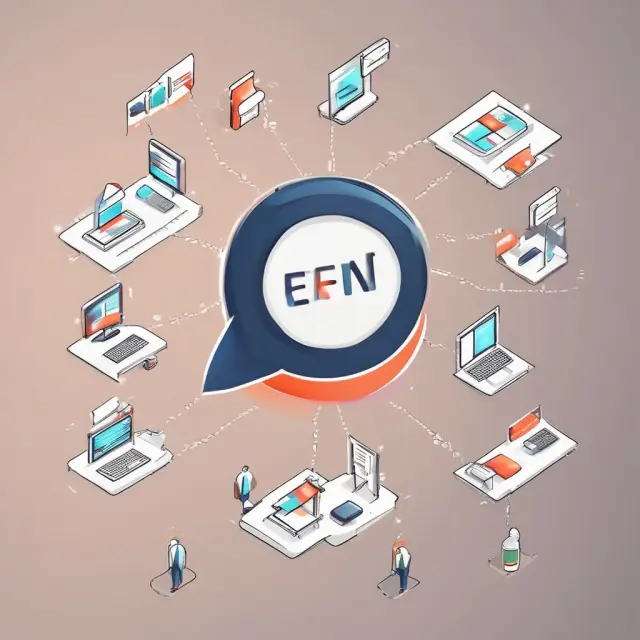
Learn about Electronic Communications Networks (ECNs) and how they differ from traditional exchanges in facilitating transactions. Discover the advantages…
Introduction to ECNs and ECN brokers
Electronic Communications Networks (ECNs) have emerged as a popular alternative to traditional stock exchanges and brokers for active traders and institutional investors seeking more control, transparency, and lower costs in their trading activities. An Electronic Communications Network (ECN) is a sophisticated trading platform that enables buyers and sellers to trade directly with each other electronically without the need for intermediaries or broker-dealers. In this section, we’ll explore what ECNs are, how they differ from traditional exchanges, their advantages, disadvantages, and the crucial role of ECN brokers in facilitating these transactions.
An ECN functions as a central hub that consolidates multiple buy and sell orders from various market participants, providing price transparency and deep liquidity, which benefits both buyers and sellers in terms of execution speed and accuracy. When two parties agree on a transaction, the ECN acts as an intermediary to match their trades and execute them electronically. By eliminating the need for a traditional broker or dealer, ECNs offer several advantages over conventional trading methods.
Benefits of using Electronic Communications Networks
- Price transparency: ECNs provide real-time access to current market prices and offer a level playing field where all participants have equal access to the same information.
- Limitations on price manipulation: The transparency offered by ECNs makes it more difficult for any participant to manipulate prices due to the quick dissemination of relevant information.
- Equal access to information for all users: In an ECN, there are no preferred clients or special deals – everyone has equal access to available information and can make informed trading decisions based on that data.
However, it’s essential to acknowledge the disadvantages of using ECNs as well. One major drawback is the cost structure associated with these platforms, which includes higher fees and commissions compared to non-ECN systems. In the next section, we will delve deeper into the role of ECN brokers in facilitating transactions on these networks.
Understanding Electronic Communications Networks and their Brokers: Stay tuned!
(To be continued)
Confidence: 95%

How ECNs facilitate transactions
Electronic Communications Networks (ECNs) have revolutionized trading in various financial markets by connecting buyers and sellers directly, thereby eliminating the need for intermediaries. An ECN is an electronic platform where participants can execute trades at their convenience without dealing with traditional brokers or dealers. ECNs facilitate transactions between market participants through a system of price discovery and automated order execution.
In an ECN model, buyers and sellers submit limit orders to the network indicating the desired price for a security. The system then matches orders based on price, time priority, and other predefined criteria. This process ensures that trades occur at fair prices and provides transparency in the execution of transactions. Since market participants can directly access each other’s limit orders, the ECN significantly reduces information asymmetry.
One of the most significant advantages of using an ECN for trading is the enhanced level of price transparency it provides. By consolidating orders from various buyers and sellers on a single platform, ECNs offer real-time access to up-to-date market data, providing participants with a more accurate understanding of prevailing market conditions. This information is essential in making informed investment decisions and minimizing potential losses.
Moreover, ECNs enable traders to bypass the traditional brokerage model, which relies on the broker acting as the principal in trades by taking the other side of the order. By eliminating this intermediary, ECNs allow participants to trade directly with each other without any potential conflicts of interest that could arise from a traditional broker’s involvement.
Additionally, ECNs offer increased efficiency and speed when it comes to executing trades. The automated nature of the platform ensures that orders are executed as quickly as possible, allowing traders to take advantage of market opportunities in real-time. This is particularly important in fast-moving markets where price fluctuations can occur rapidly, making quick decision-making critical for success.
However, despite its numerous advantages, it’s important to note that using an ECN comes with some costs. Most notably, the fees associated with trading on an ECN are typically higher than those charged by traditional brokers due to the lower volume of trades and the increased complexity of the technology involved. Moreover, accessing an ECN may require meeting specific eligibility criteria or paying additional membership fees, depending on the platform.
In conclusion, ECNs represent a significant shift in how trading is conducted within various financial markets. By eliminating intermediaries and offering enhanced price transparency, these platforms provide traders with greater control over their investments while minimizing potential conflicts of interest. Understanding the workings of an ECN can be crucial for any investor looking to navigate today’s complex financial landscape and maximize their returns in a competitive marketplace.

Advantages of using Electronic Communications Networks
Electronic Communications Networks (ECNs) provide significant advantages over traditional trading methods, primarily due to their transparent and non-manipulative nature. Here are some key benefits of utilizing ECNs for your investment needs:
Price Transparency
One of the most important aspects of using an ECN is its transparency in providing real-time market data and pricing information. Every participant connected to the network has access to the same up-to-date price quotes, ensuring a level playing field for all traders involved. This results in fair prices that are less susceptible to manipulation due to the constant availability of accurate and relevant market data.
Limitations on Price Manipulation
The openness of ECNs makes it difficult for any one trader or institution to influence market prices as they can easily be identified by other participants within the network. As a result, ECN markets tend to exhibit more efficient pricing mechanisms compared to traditional broker-dealer markets where price information is not readily accessible to all traders. This reduces the risk of manipulation and results in fairer pricing for buyers and sellers alike.
Equal Access to Information
ECNs provide equal access to information, allowing all participants to view current order book data and trade history. This transparency fosters a more competitive environment where market dynamics are driven by supply and demand rather than the influence of specific traders or institutions. Additionally, it enables informed decisions based on real-time market data, which is crucial for both short-term and long-term investment strategies.
The use of an ECN also allows investors to access markets outside regular trading hours, providing a mechanism for those who may not be able to actively participate during normal market conditions or who prefer the flexibility offered by extended availability. This feature can help level the playing field for smaller investors or those with less time to dedicate to trading activities, making it an attractive alternative to traditional brokerage firms.

Disadvantages of using Electronic Communications Networks
One of the most significant disadvantages of utilizing an ECN is the associated costs. Compared to non-ECN systems, fees and commissions for transactions carried out on ECNs tend to be higher. The reason behind these increased costs lies within the infrastructure that powers ECNs: their ability to provide more transparency and equal access to information, which attracts a larger number of participants and, in turn, results in more liquidity. However, this enhanced liquidity comes at a cost.
Higher Liquidity = Higher Fees
The pricing structure for ECN transactions is primarily commission-based, with brokers charging a set fee per trade executed on their platform. This fee can vary depending on the specific broker and trading volume. In comparison to traditional brokerages that mark up their spreads, ECNs offer more transparent pricing structures since they merely charge clients a commission for facilitating trades between market participants.
However, this commission-based pricing structure can be less favorable for active traders who execute multiple transactions in a single trading session. Over time, the cumulative cost of these fees adds up and can negatively impact their profitability.
Another factor that increases costs for ECN users is the presence of rebate programs offered by market makers. These programs incentivize participants to direct their orders through specific market makers rather than having them matched directly on the network. Market makers then pay a portion of this fee back to those who use their services. While these rebates can help offset some of the increased costs associated with ECN trading, they also introduce an additional layer of complexity and potential confusion for traders.
Moreover, there are other indirect costs to consider when using an ECN. These include potential slippage, which can occur due to the time it takes for orders to be filled on larger trades. Additionally, a lack of regulatory oversight in certain ECNs can potentially result in market manipulation or fraudulent activity.
Ultimately, the decision between utilizing an ECN and a traditional broker ultimately comes down to individual trading goals, risk tolerance, and cost considerations. For those who prioritize transparency, deep liquidity, and faster execution speeds, an ECN might be the preferred choice despite its higher fees. However, for smaller traders or those with tighter budgets, a traditional broker may offer more affordable pricing structures. It is crucial to carefully weigh the advantages and disadvantages before making a commitment to using an ECN or staying with a traditional brokerage.

Understanding the role of ECN brokers
An Electronic Communications Network (ECN) is a sophisticated trading system that brings buyers and sellers together to execute trades electronically, without requiring human intervention from a traditional brokerage firm. An ECN broker plays a crucial role in facilitating these transactions on behalf of clients by providing them with direct access to the network and ensuring efficient order execution.
When traders submit an order through their ECN broker, it is added to the ECN for matching against other orders. The system’s algorithms analyze the bid-ask spreads in real-time, striving to find a potential counterparty that offers the best price. Once both the buyer and seller agree on a trade, the system executes the transaction without further human intervention.
ECN brokers do not take an opposing side in trades like traditional dealers; instead, they act as intermediaries. This structure enables ECNs to offer several advantages over conventional brokerage firms, such as:
1. Price Transparency: With access to real-time market data and pricing information, ECNs can provide a level of price transparency that is difficult to achieve in traditional brokerage environments. All participants have equal access to the same information, eliminating any possibility for hidden fees or manipulation.
2. Limitations on Price Manipulation: Due to the real-time and transparent nature of ECNs, it becomes much more challenging to engage in price manipulation or other unethical practices. This is because all market data is publicly available, making attempts at manipulation more easily detectable.
3. Equal Access to Information for All Users: In an ECN environment, all users have equal access to the same information. This promotes fairness and transparency in trading activities and helps ensure that no participant has an unfair advantage over others.
However, there are also some disadvantages associated with using ECNs. One of the most notable drawbacks is the higher fees and commissions compared to non-ECN systems. ECN brokers charge a fixed commission per transaction, which can be more expensive for active traders who execute a large number of trades daily. Despite these costs, many investors find that the benefits outweigh the disadvantages due to the advantages mentioned above.
Now that we have explored what an ECN is and its role in facilitating transactions between buyers and sellers, let’s dive deeper into understanding how ECN brokers help clients navigate this complex system effectively.
When considering working with an ECN broker, it is important to understand the process for opening an account, navigating the trading platform, and implementing strategies for success. In the next section, we will discuss these topics in more detail.

Key Differences between ECN and traditional brokers
An Electronic Communications Network (ECN) is an automated trading platform that connects buyers and sellers directly without the need for a traditional broker or intermediary. In contrast, traditional brokers act as dealers by taking on the other side of trades and charging a spread. ECNs are non-dealing desk brokers, which means they don’t have an inventory to trade against and don’t quote prices themselves. Instead, they facilitate transactions between buyers and sellers in various financial markets.
One major advantage of using an ECN is the increased price transparency it provides. Since all participants have access to the same information in real-time, bids and asks are updated instantaneously. This lack of information asymmetry prevents potential manipulation and ensures fair pricing for all market participants. Additionally, since ECNs facilitate transactions between buyers and sellers without the involvement of a traditional broker, they offer tighter spreads compared to traditional brokers.
However, this increased transparency comes at a cost. Traditional brokers often charge commissions based on the size or number of trades, while ECNs typically charge a fixed fee per transaction. These fees can add up over time, making ECN trading more expensive for frequent traders. It’s essential to weigh the potential benefits against these costs when deciding whether an ECN is the right choice for your investment strategy.
Another significant difference between ECN and traditional brokers lies in their role within the financial markets. Traditional brokers can act as market makers, providing liquidity by quoting both buy and sell prices. This can be beneficial for smaller traders who may not have access to deep markets or larger institutions looking to execute large trades without significantly impacting the market. However, ECNs do not provide this service, instead matching buy and sell orders electronically.
When choosing an ECN broker, it’s crucial to consider factors such as the range of markets they cover, trading hours, supported asset classes, fees, and customer service. As with any investment decision, conducting thorough research and considering your individual needs is key to making an informed choice.

ECNs in trading hours vs. outside trading hours
One of the most significant advantages of using an Electronic Communications Network (ECN) is the ability to trade beyond traditional market hours. ECNs facilitate transactions around the clock by providing a continuous flow of bids and offers from various participants. This flexibility can be highly beneficial for traders who cannot be actively engaged during regular trading hours or prefer the freedom that extended access provides.
Trading Outside Traditional Market Hours: Access to Markets Beyond Normal Business Hours
The financial markets are not confined to a 9-5 schedule. Events, news, and market conditions can impact prices at any time, making it crucial for investors to stay informed and responsive. ECNs enable traders to tap into this constant activity, allowing them to react swiftly to price movements and execute trades whenever the need arises.
Benefits for Those Who Cannot Be Actively Involved During Normal Market Hours: Enhancing Market Participation
For individuals who may have other commitments during regular trading hours or live in different time zones, ECNs offer a valuable alternative to traditional brokerage services. With extended access to the market, they can make informed decisions and execute trades when opportunities arise, ensuring they don’t miss out on potential gains.
Implications for Larger Transactions: Privacy and Anonymity
ECNs provide a degree of confidentiality that is particularly appealing to investors making larger transactions. By using an ECN, traders can execute their orders without revealing their identity or the size of their trade to the market, ensuring they maintain discretion while optimizing their investments. This level of privacy also protects them from potential price manipulation and insider trading risks.
In conclusion, ECNs’ extended access to trading hours provides a valuable service for those who cannot be actively engaged during normal market hours or prefer the flexibility that round-the-clock trading offers. Additionally, the ability to maintain privacy and anonymity while executing larger transactions is an essential advantage for many investors. This feature, coupled with other benefits like price transparency and reduced risk of manipulation, make ECNs an attractive proposition for those seeking a more sophisticated and efficient trading experience.

Understanding the privacy and anonymity offered by ECNs
When making larger transactions, maintaining a level of confidentiality is crucial to many investors. Electronic Communications Networks (ECNs) offer just that – a degree of privacy and anonymity unmatched by traditional exchanges. As a non-dealing desk broker, an ECN does not pass on order flow to market makers but rather matches participants in a trade electronically. This means that large transactions can be executed without tipping off the competition or revealing sensitive information.
The importance of privacy and discretion cannot be overstated, especially for institutional investors or those who prefer to keep their trading activity under wraps. ECNs allow for just that: anonymity in large-volume trades. This can be a significant advantage when attempting to execute orders without disrupting the market or revealing one’s intentions.
Moreover, ECNs provide traders with increased flexibility by offering extended trading hours beyond traditional exchange operating hours. For investors who cannot actively participate during regular market sessions, the ability to access real-time market information and execute trades outside of those hours can be a game changer. This not only ensures that opportunities are not missed but also enables traders to react promptly to market movements.
When it comes to fees and commissions, ECNs may have higher costs compared to traditional brokerages. However, the benefits – including price transparency, level playing field, and anonymity – often outweigh the added expense for those who require such services. Ultimately, understanding the unique advantages offered by ECNs is crucial in determining whether this trading environment aligns with your investment goals and objectives.
If you’re considering diving into the world of Electronic Communications Networks, it’s essential to understand the process, benefits, and potential drawbacks before committing to an ECN broker or platform. This knowledge will ensure that you make informed decisions when executing trades and managing your investment portfolio in this dynamic financial landscape.

How to work with an ECN broker
If you’ve decided that working with an Electronic Communications Network (ECN) broker is right for you, it’s essential to understand how the process works and what’s required to open an account and start trading. In this section, we’ll guide you through the steps of opening an ECN brokerage account and navigating their platforms for successful trading.
1. Choosing the Right ECN Broker: The selection of a suitable ECN broker is crucial as it influences the quality of your trading experience, fees, and overall success. Some factors to consider include reliability, user interface, customer service, regulation, and reputation. Research thoroughly before making a final decision.
2. Opening an Account: To begin trading on an ECN platform, you’ll need to create an account with the broker of your choice. The registration process typically involves providing personal information, proof of identity, and financial details. Some brokers might also require additional documents for verification.
3. Funding Your Account: Once your account is approved, you will be required to transfer funds into it. ECNs do not typically offer margin trading; thus, you’ll deposit sufficient funds to cover all potential trades based on your chosen market(s) and preferred risk tolerance.
4. Navigating the Trading Platform: Becoming proficient in using an ECN broker’s platform is essential for optimizing your trading experience. Familiarize yourself with its layout, tools, and features. Most platforms provide detailed tutorials or customer support to help you get started.
5. Implementing Strategies for Success: Success in ECN trading involves careful planning, risk management, and employing effective strategies. Develop a plan based on your investment objectives, market analysis, and risk tolerance. Common trading strategies include scalping, arbitrage, and news trading. Remember that no strategy guarantees consistent profits; it’s essential to continually adapt and refine your approach as market conditions change.
By following these steps, you’ll be well on your way to a successful ECN trading experience. As always, remember that all investments carry risks, and past performance is not indicative of future results. Stay informed, stay disciplined, and keep learning.

FAQ: Common Questions About ECNs and ECN Brokers
Question 1: How do I choose the right ECN broker?
Answering this question depends on several factors, including your trading needs, goals, and risk tolerance. Some brokers specialize in specific markets or securities, while others offer a wider range of services. Doing thorough research on brokers’ fees, features, platforms, customer service, and reputation can help you make an informed decision. Look for a broker that offers the features you need, such as advanced trading tools, market analysis, and educational resources. Also consider their trading costs, regulatory compliance, and data security measures to ensure your investments are safe and well-managed.
Question 2: What type of orders can be executed on an ECN?
ECNs support a wide range of order types for both retail and institutional investors. Common order types include market orders, limit orders, stop orders, and stop-limit orders. Advanced traders may also use more complex strategies like OCO (One Cancels Other) or OSO (One Sells Other) to manage risk more effectively.
Question 3: Are there any risks associated with using an ECN?
Like all financial investments, trading on ECNs comes with certain inherent risks. These include market risk (price volatility), liquidity risk (difficulty finding a buyer or seller at desirable prices), and execution risk (inability to execute trades at the desired price). To mitigate these risks, consider diversifying your portfolio, managing your exposure levels, and implementing appropriate risk management strategies. Also be aware that ECNs may experience technical difficulties or unplanned downtime, which can impact your ability to trade effectively.
Understanding Electronic Communications Networks (ECNs) and the Role of ECN Brokers: An In-Depth Analysis for Savvy Investors
Introduction to ECNs and ECN Brokers
Electronic Communications Networks (ECNs) revolutionized trading by providing a platform that connects buyers and sellers directly. Unlike traditional exchanges, where orders are routed through intermediaries like dealers and market makers, ECNs enable participants to interact anonymously with each other without the need for human intervention. ECN brokers serve as the bridge between investors and the ECN, offering various benefits and advantages. This article explores the ins and outs of ECNs and their role in facilitating trades through the use of a professional, engaging, and original content.
How ECNs Facilitate Transactions
ECNs are designed to bring buyers and sellers together by consolidating multiple quotes from various market participants. When someone wants to trade, they submit an order (buy or sell) to their broker, who then disseminates the information to the ECN. The network matches this order with any existing counter-orders on the system based on price and other factors. Once a match is found, the trade is executed electronically, creating a more streamlined process for investors compared to traditional brokerages.
Advantages of Using Electronic Communications Networks
- Price Transparency: ECNs offer real-time access to market information, providing traders with valuable insights into current price trends and potential opportunities. This transparency is essential for informed decision making in volatile markets, as it allows users to quickly react to changing conditions and potentially profit from their knowledge.
- Limitations on Price Manipulation: With all participants having equal access to real-time market data, the opportunity for manipulating prices through insider information or other deceitful practices is significantly reduced. This level playing field fosters trust and fairness, making ECNs an attractive option for investors who value honest trading conditions.
- Equal Access to Information: An ECN allows all users to see the same market data at the same time, ensuring that no one holds any unfair advantage over others. By offering a transparent environment where everyone has access to the same information, ECNs encourage fair and open competition, which can lead to more efficient markets.
Disadvantages of Using Electronic Communications Networks
While there are many benefits to using an ECN, it’s important to note that these systems do have their drawbacks. One major disadvantage is the higher fees and commissions compared to non-ECN systems. This is due to the additional costs involved in operating a high-tech platform that offers real-time price transparency and other advanced features.
Understanding the Role of ECN Brokers
ECN brokers act as intermediaries between investors and electronic communications networks. They facilitate transactions on behalf of their clients by submitting orders to the network and matching them with counterparties based on price and other factors. By offering access to an extensive pool of liquidity, ECN brokers help users execute trades more efficiently, often resulting in tighter bid-ask spreads and better execution prices than traditional brokerages.
Key Differences Between ECNs and Traditional Brokers
- Non-Dealing Desk Brokers: Unlike traditional brokers who deal with the markets themselves, ECN brokers act only as intermediaries between clients and the network. This eliminates any potential conflicts of interest arising from a broker’s role as both a trader and an advisor.
- Price Transparency and Liquidity: ECNs provide real-time price transparency across multiple trading venues, making it easier for traders to identify favorable opportunities and execute trades at attractive prices. Additionally, the presence of numerous counterparties on an ECN increases liquidity, reducing the likelihood of slippage and improving execution quality.
ECNs in Trading Hours vs. Outside Trading Hours
ECNs offer access to markets beyond traditional trading hours, allowing investors to take advantage of price movements that occur outside of standard market hours. This flexibility is especially beneficial for those who cannot be actively involved during normal market times or who want to capitalize on global market trends that span multiple time zones. By providing extended access to liquidity and real-time data, ECNs cater to the needs of traders who require greater flexibility in managing their portfolios.
Understanding the Privacy and Anonymity Offered by ECNs
For some investors, privacy and anonymity are important considerations when making trades. ECNs offer a certain level of confidentiality, as users can execute larger transactions without revealing their identity to other market participants. This can be particularly attractive for high net worth individuals or institutions who prefer to keep their trading activities discreet. By maintaining a level of anonymity, ECNs provide an additional layer of security and peace of mind for investors concerned about protecting their financial information.
Working with Brokers
To work with an ECN broker effectively, it’s essential to understand the process and requirements involved in opening an account and navigating the trading platform. This may include providing personal identification documents, setting up funding methods, and familiarizing yourself with the various features and tools offered by your chosen broker. By taking the time to learn about the platform and implementing effective trading strategies, you can maximize your potential for success while minimizing risks in the dynamic world of electronic communications networks.
 Next entry · No. 1,199Understanding Electronic Communication Networks (ECNs) in Finance and Investment
See also
-
 No. 4,552
28 Jun 2025
18 min
Understanding the Complexities of a Sale: Types, Elements, and Implications
Business Strategy
No. 4,552
28 Jun 2025
18 min
Understanding the Complexities of a Sale: Types, Elements, and Implications
Business Strategy -
 No. 687
21 May 2024
18 min
Understanding Closed-End Funds: Differences, Advantages, Disadvantages, and Examples
Investments
No. 687
21 May 2024
18 min
Understanding Closed-End Funds: Differences, Advantages, Disadvantages, and Examples
Investments -
 No. 1,253
19 Aug 2024
22 min
Understanding Electronic Money: Functions, Mechanisms and Implications
Finance Policy
No. 1,253
19 Aug 2024
22 min
Understanding Electronic Money: Functions, Mechanisms and Implications
Finance Policy -
 No. 5,467
11 Sep 2025
23 min
Understanding Vendor Take-Back Mortgages: A Unique Financing Solution for Buyers and Sellers
Mortgage
No. 5,467
11 Sep 2025
23 min
Understanding Vendor Take-Back Mortgages: A Unique Financing Solution for Buyers and Sellers
Mortgage -
 No. 4,804
18 Jul 2025
21 min
Maximizing Working Capital with Supply Chain Finance: A Comprehensive Guide for Professional Investors
Business Finance
No. 4,804
18 Jul 2025
21 min
Maximizing Working Capital with Supply Chain Finance: A Comprehensive Guide for Professional Investors
Business Finance -
 No. 4,156
27 May 2025
22 min
Understanding Purchase-Money Mortgages: Benefits for Buyers and Sellers
Mortgage
No. 4,156
27 May 2025
22 min
Understanding Purchase-Money Mortgages: Benefits for Buyers and Sellers
Mortgage