The History and Impact of Thrift Banks on American Homeownership

Discover the history, impact, and future of thrift banks on American homeownership, from their British roots to modern-day developments.
Origins of Thrift Banks in the UK
The concept of a thrift bank traces its roots back to the customer-owned building societies that originated in the United Kingdom during the 18th century. These cooperative financial institutions allowed members to save collectively and borrow from their shared resources, creating a local community-oriented banking structure. The term ‘thrift’ itself refers to the practice of saving or managing resources prudently – a value that continues to be central to the mission of these financial institutions today.
In the United States, thrift banks emerged as Savings and Loan Associations (S&Ls) in response to several challenges during the early 20th century. One significant issue was the limited availability of mortgage loans and unfavorable lending practices prevalent at the time. Mortgages were typically short term, interest-only loans with large balloon payments at the end, leading many homeowners to default when they couldn’t afford these payments, especially during times of economic hardship such as the Great Depression.
To address these challenges and encourage homeownership, President Herbert Hoover signed the Federal Home Loan Bank Act in 1932. This legislation aimed to create a reliable source of low-cost funding for mortgage loans by establishing the Federal Home Loan Bank Board and creating S&Ls to issue mortgages backed by these funds. The creation of the secondary market for mortgages also proved vital, as it helped to make homeownership more accessible to Americans in the post-World War II era.
The impact of thrift banks on American society has been profound, particularly during the 1940s through the 1970s when they dominated mortgage origination. The Federal Housing Administration (FHA), which was established in 1934, played a crucial role alongside these institutions in facilitating homeownership for many returning war veterans and their families. Together, these programs significantly contributed to the rise of suburban homeownership and increased rates of homeownership overall.
S&Ls were mandated by law to limit business loans to no more than 20% of their total business. This commitment to serving consumers remains a hallmark of thrift banks, as they continue to provide mortgage financing for residential properties while offering other consumer-focused financial products such as savings accounts and checking services. However, the Savings and Loan Crisis that occurred between 1986 and 1995 led to the failure of many S&Ls due to poor lending practices and regulatory issues.
In response to this crisis and shifting market conditions, structural changes were made to thrift banks. The Financial Institutions Reform, Recovery and Enforcement Act of 1989 (FIRREA) played a significant role in reshaping the industry. Later, the Dodd-Frank Act in 2010 further altered the landscape by eliminating some key advantages that set thrift banks apart from conventional banks. Despite these changes, thrift banks have remained dedicated to their core mission of providing mortgage loans for residential properties and serving consumers.
In conclusion, understanding the origins and evolution of thrift banks is essential to recognizing their unique role in American finance and society. From their beginnings as customer-owned building societies in the United Kingdom, to their emergence as Savings and Loan Associations in the U.S., these institutions have played a crucial part in promoting homeownership, shaping communities, and offering consumer-focused financial services.
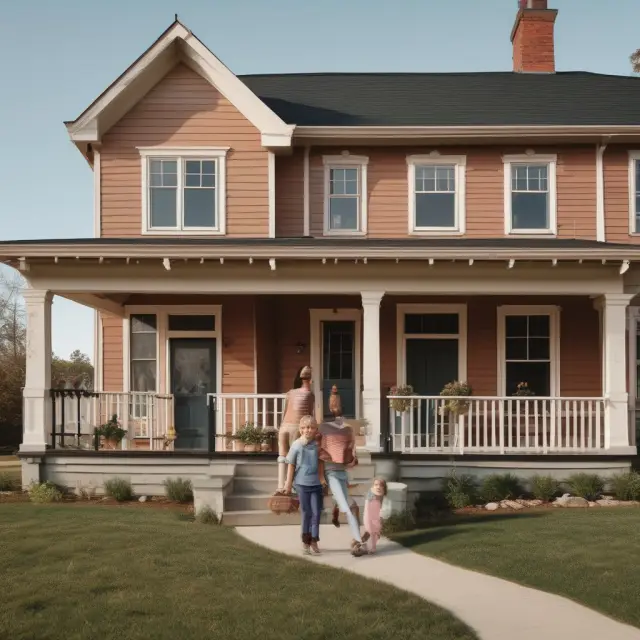
The Arrival of Thrift Banks in the US: Savings and Loan Associations
Savings and Loan Associations (S&Ls), also known as thrift banks, are a unique type of financial institution that specialize in offering savings accounts to consumers and originating home mortgages. They differ from commercial banks by focusing on these core offerings and providing limited lending services for businesses. Thrift banks emerged in the U.S. during the early 20th century as a response to limited mortgage offerings and poor lending practices.
In the United States, homeowners often dealt with five-to-ten-year interest-only mortgages that required large balloon payments at the end of the term. The high likelihood of defaulting on these loans during times of unemployment, such as during the Great Depression, was a significant concern. To address this issue and promote homeownership, President Herbert Hoover signed the Federal Home Loan Bank Act in 1932. This legislation aimed to encourage homeownership by providing member banks with affordable sources of funds for mortgage lending. Moreover, it facilitated the development of a secondary market for mortgages through the creation of the Federal Home Loan Bank Board, which oversaw the issuance of mortgages via S&Ls.
Prior to this Act, homeownership remained an elusive goal for many Americans, particularly during the aftermath of World War II when young veterans sought affordable housing options. With the help of federal programs like the Veterans Administration’s mortgage insurance program and thrift banks, the American dream of owning a home became more attainable for millions of families. In fact, between 1940 and 1980, rates of homeownership in the U.S. skyrocketed due in large part to these institutions and federal programs (Belsky, 2013).
By law, commercial business loans cannot account for more than 20% of a thrift bank’s business. The Savings and Loan Crisis, which spanned from 1986 to 1995, saw many S&Ls and thrifts fail due to poor lending practices. Although various reasons have been proposed for the industry’s decline, the general consensus is that these institutions succumbed to risky investment decisions and deregulation (Federal Deposit Insurance Corporation, n.d.).
Since the crisis, several structural changes have taken place within thrift banks, some of which have blurred the lines between them and conventional banks. The Financial Institutions Reform, Recovery, and Enforcement Act of 1989 (FIRREA) significantly impacted the S&L and thrift industry. More recently, the Dodd-Frank Act eliminated certain advantages that thrifts previously held, such as less stringent regulations compared to major banks. Despite these changes, thrift banks have remained committed to their primary purpose: originating mortgage loans on residential property for consumers.
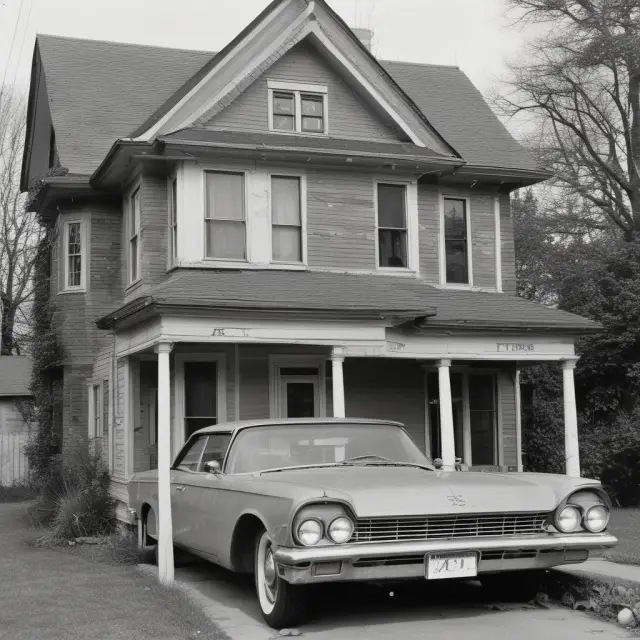
The Federal Home Loan Bank Act of 1932: A Turning Point for Thrift Banks
Throughout history, thrift banks have played a pivotal role in shaping homeownership opportunities and financing options available to Americans. The roots of thrift banking can be traced back to the United Kingdom, where it originated as customer-owned building societies around the early 18th century. In the United States, this concept gave birth to Savings and Loan Associations (S&Ls) in response to limited mortgage offerings and poor lending practices during the early 20th century.
Before the introduction of thrift banking, mortgage loans were often five-to-ten-year interest-only arrangements, requiring borrowers to refinance or pay off the entire balance with a substantial balloon payment at the end of the term. During this period, high levels of unemployment during the Great Depression led many homeowners to default on such loans. This issue motivated President Herbert Hoover to pass the Federal Home Loan Bank Act (FHLBA) in 1932. This landmark legislation aimed to promote homeownership by providing member banks with access to low-cost funds for mortgage lending purposes.
The FHLBA marked a turning point for thrift banks, paving the way for significant advancements in the mortgage market and American society as a whole. By establishing the Federal Home Loan Bank Board, the Act created a framework for the development of a secondary market for mortgages and issued those loans through S&Ls.
One of the most notable impacts of thrift banking on U.S. society was the facilitation of homeownership following World War II. With many young war veterans seeking to establish families and build homes, these federal programs proved instrumental in enabling countless families to purchase suburban properties. During the 1960s and 1970s, thrift institutions and S&Ls dominated mortgage lending, driving a substantial increase in homeownership rates between 1940 and 1980.
By law, commercial businesses could account for no more than 20% of a thrift bank’s business. Despite the Savings and Loan Crisis–which lasted from 1986 to 1995–the commitment to serving consumers remained a top priority for thrifts. However, changes in regulations led to significant structural adjustments. The Financial Institutions Reform, Recovery, and Enforcement Act of 1989 (FIRREA) had far-reaching implications for the S&L and thrift industry. Furthermore, with the passage of the Dodd-Frank Act in 2010, some key advantages of thrifts were eliminated.
Despite these challenges, thrift banks have continued to provide mortgage loans on residential properties, maintaining their historical role as essential contributors to American homeownership and financing.
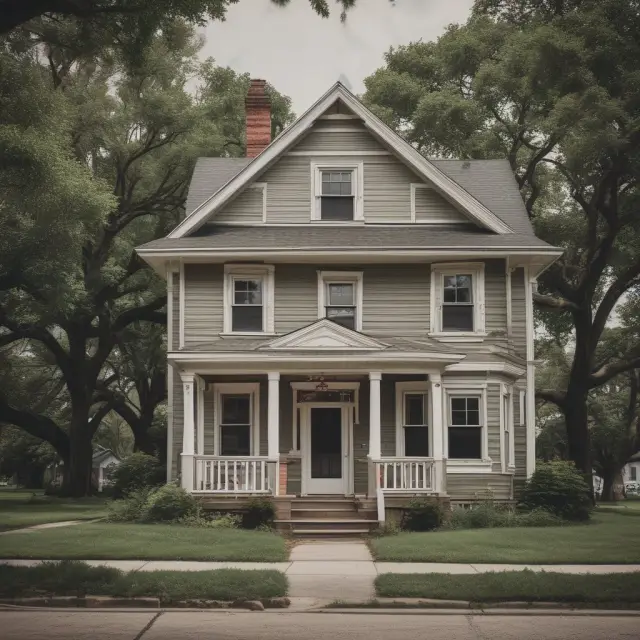
The Impact of Thrift Banks on Homeownership Rates in America
Thrift banks have made a significant impact on American society by increasing rates of homeownership since the early 20th century. Originated from customer-owned building societies in the United Kingdom, thrift banks, also known as Savings and Loan Associations (S&Ls), were established in the U.S. to address issues with mortgage offerings and poor lending practices prevalent during that era. The emergence of these institutions played a crucial role in making homeownership more accessible for a larger population, particularly after the Great Depression.
During the early 20th century, most Americans could only access short-term interest-only mortgages with large balloon payments due at the end of their terms. The high risk of default, especially during times of increased unemployment like during the Great Depression, led to a significant challenge in securing mortgage financing. President Herbert Hoover’s Federal Home Loan Bank Act of 1932 sought to address this issue by creating a secondary market for mortgages through S&Ls and facilitating homeownership with low-cost funds for extended mortgage loans.
The impact of thrift banks on homeownership rates in America was profound, particularly following World War II. With the help of federal programs like the Veterans Administration’s mortgage insurance program and the commitment of thrifts to serving consumers through making mortgage loans on residential properties, many young war veterans and their families were able to achieve the American Dream by purchasing homes in suburban areas. By 1960, S&Ls issued the majority of mortgages in the U.S., contributing greatly to the significant increase in homeownership rates between 1940 and 1980.
Despite the successes of thrift banks, the industry faced its greatest challenge during the Savings and Loan Crisis that occurred between 1986 and 1995. This crisis was largely due to poor lending practices, which led to the failure of numerous S&Ls and thrifts. Although there have been several explanations for this decline, it can primarily be attributed to weak regulation and risky investments in real estate markets.
Since the Savings and Loan Crisis, structural changes have been implemented to adapt thrift banks to a changing landscape. The Financial Institutions Reform, Recovery, and Enforcement Act of 1989 (FIRREA) played a significant role in restructuring the S&L and thrift industry. More recently, the Dodd-Frank Act in 2010 eliminated some key advantages that distinguished thrifts from conventional banks. Nevertheless, thrift banks’ primary focus on serving consumers by providing mortgage loans on residential property remains unchanged.
In conclusion, thrift banks have shaped American society significantly by increasing homeownership rates and making home financing more accessible for the general public since their inception. Their origins can be traced back to customer-owned building societies in the United Kingdom, while their impact became most apparent following World War II with the help of federal programs designed to facilitate homeownership. While facing challenges like the Savings and Loan Crisis, thrift banks have continued to adapt and provide mortgage financing services to consumers.
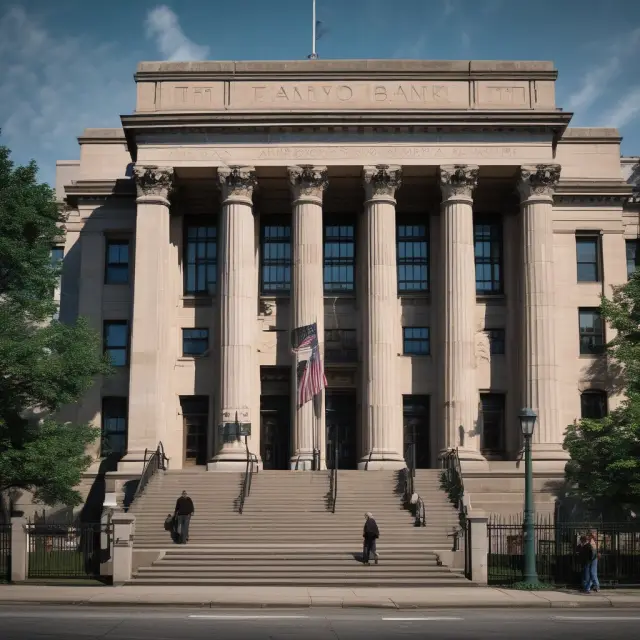
Thrift Banks and the Savings and Loan Crisis: An Unfortunate Turn of Events
The Savings and Loan (S&L) crisis, which occurred between 1986 and 1995, marked a dark period in the history of thrift banks. During this time, numerous thrifts and S&Ls suffered massive losses and ultimately failed due to poor lending practices. The causes and consequences of this crisis are essential to understanding the evolution of thrift banking in America.
One primary cause for the Savings and Loan crisis was deregulation. Between 1980 and 1986, regulators relaxed the restrictions on what types of assets S&Ls could invest in. Consequently, many institutions expanded into riskier investments, such as junk bonds and real estate development loans. When the real estate market declined, these bad investments led to significant losses.
Another factor contributing to the crisis was the “interest rate shocks.” The Federal Reserve raised interest rates sharply during this period to combat inflation. This caused a great deal of financial pain for many homeowners who had adjustable-rate mortgages (ARMs). Homeowners’ inability to meet their mortgage payments resulted in a wave of defaults and foreclosures.
The failure of numerous thrifts and S&Ls during the crisis led to substantial economic costs. The Federal Savings and Loan Insurance Corporation (FSLIC), which insured deposits at these institutions, went bankrupt itself, necessitating a government bailout of $160 billion.
Following the crisis, significant structural changes were made to thrift banks that have blurred some of the distinctions between them and conventional banks. For example, the Financial Institutions Reform, Recovery, and Enforcement Act (FIRREA) of 1989 led to a more stringent regulatory environment for S&Ls. The Dodd-Frank Act in 2010 eliminated some of the advantages of thrifts, such as less stringent regulations than were applied to major banks.
Despite these changes, thrift banks’ commitment to serving consumers remains unwavering. They continue to specialize in offering savings accounts and originating home mortgages for individuals and families seeking the American dream of homeownership.

The Post-Crisis Evolution of Thrift Banks: Adapting to a Changing Landscape
Post-Savings and Loan Crisis Transformations
The Savings and Loan Crisis, which spanned from 1986 to 1995, left a lasting impact on thrift banks. The crisis was largely caused by poor lending practices and regulatory mismanagement. Many thrifts and S&Ls failed as a result of these issues. In response to the crisis, several structural changes were made to the thrift banking landscape:
1. Deregulation: After the Savings and Loan Crisis, regulations on thrift banks were relaxed, allowing them more freedom in their lending practices. This deregulation blurred the lines between thrift banks and commercial banks as both types of institutions gained more flexibility.
2. Mergers and Acquisitions: Many thrifts merged with or were acquired by larger financial institutions to improve their financial stability and diversify their offerings. These mergers allowed thrift banks to expand beyond their traditional focus on savings accounts and home mortgage origination.
3. Changes in Business Models: Post-crisis, some thrift banks shifted their focus from retail banking to becoming wholesale lenders, providing mortgages to other financial institutions. This change in business model helped thrifts to better navigate the complex post-crisis regulatory environment and capitalize on new opportunities.
4. Technological Advancements: Thrift banks have also embraced technology to enhance their operations and customer service. They have invested in digital platforms, mobile banking applications, and online lending systems to cater to changing consumer expectations and improve operational efficiency.
5. Adapting Regulatory Requirements: The post-crisis regulatory environment placed new demands on thrift banks, requiring them to meet stricter capital requirements and more rigorous risk management practices. Thrift banks have had to adapt by restructuring their balance sheets, increasing their capital reserves, and improving their risk assessment capabilities.
A Modernized Thrifts Landscape: Thrift Banks Today
The post-crisis transformations have led to a modernized thrift banking landscape that looks significantly different from the industry before the Savings and Loan Crisis. Today’s thrift banks provide a range of financial services beyond their traditional offerings in savings accounts and home mortgage origination. They now offer checking accounts, personal loans, auto loans, credit cards, and wealth management services to cater to their customers’ diverse needs.
However, despite these transformations, the commitment of thrift banks to serving consumers by providing mortgage loans on residential property remains unwavering. Thrift banks continue to play a crucial role in facilitating homeownership for millions of Americans by offering flexible, affordable home loan options.
In summary, the post-crisis evolution of thrift banks reflects a dynamic industry that has adapted to new regulations and changing consumer expectations while staying true to its core mission: serving consumers by making mortgage loans on residential property.

Thrift Banks Today: Differences from Traditional Commercial Banks
A thrift bank, also known as a Savings and Loan Association (S&L), distinguishes itself as a unique financial institution with its primary focus on offering savings accounts and originating home mortgages for consumers. While core services of a thrift bank include traditional savings accounts and home loan origination, they also provide checking accounts, personal and car loans, credit cards, and other consumer banking services. However, their attention remains centered around home financing for single-family residences (Federal Home Loan Bank Act, 1932).
The primary difference between a thrift bank and traditional commercial banks lies in their business models. Thrift banks typically have higher yields on savings accounts since they are not burdened with the extensive branch networks, large overhead costs, or diverse product offerings of commercial banks (Roth, 2019). Moreover, while a thrift’s core offerings primarily revolve around savings and home mortgages, traditional commercial banks offer a wide range of products and services catering to various segments of the market.
Structurally, there are two ways thrifts can be organized: as corporate entities owned by shareholders or as mutually-owned institutions that are owned by their depositors and borrowers (Roth, 2019). This unique structure allows for a closer relationship between consumers and the financial institution.
The Savings and Loan Crisis of 1986 to 1995 significantly impacted thrift banks, leading to many structural changes and blurring some of the lines that once distinguished them from conventional banks (Roth, 2019). Federal legislation such as FIRREA in 1989 and Dodd-Frank Act in 2010 eliminated certain advantages for thrifts, including less stringent regulations. Despite these changes, the core mission of S&Ls remains unchanged: providing mortgage loans on residential property.
In conclusion, thrift banks offer a valuable alternative to traditional commercial banks by focusing on savings accounts and home mortgages while keeping costs low through limited branch networks and specialized product offerings. The future of thrift banking lies in adapting to technological advancements and changing consumer behavior while maintaining their unique mission.

The Role of Thrift Banks in Modern Home Loan Origination
Thrift banks–or Savings and Loan Associations (S&Ls)–continue to play a vital role in the home loan origination process for consumers in the modern era. These financial institutions specialize in offering savings accounts, originating mortgage loans, and serving customers by providing essential banking services such as checking accounts, personal loans, and credit cards. However, it is their commitment to home financing that distinguishes them from traditional commercial banks. Thrift banks offer higher yields on savings accounts compared to larger commercial banks due to their focus on originating mortgages.
The origins of thrift banks trace back to the United Kingdom in the 18th century, where the first customer-owned building societies were established. In the U.S., thrifts emerged as a response to limited mortgage offerings and poor lending practices during the early 20th century. By providing affordable home loan options and refinancing opportunities, thrift banks proved essential in making homeownership more accessible for millions of Americans.
In 1932, President Herbert Hoover passed the Federal Home Loan Bank Act, which aimed to encourage homeownership by providing member banks with a source of low-cost funds for mortgage lending. This legislation was the first in a series of bills that sought to make homeownership an achievable goal for more Americans throughout the 20th century. As a result, thrift institutions became instrumental in facilitating suburban homeownership during the post-WWII era.
Today, structural changes have blurred some of the distinctions between thrift banks and conventional banks due to regulatory updates like the Financial Institutions Reform, Recovery and Enforcement Act of 1989 (FIRREA) and the Dodd-Frank Act. Despite these changes, thrift banks remain dedicated to their core mission: providing mortgage loans on residential property for consumers. By law, no more than 20% of a thrift bank’s business can be focused on commercial businesses.
The commitment of thrift banks to serving consumers continues in the modern era as they navigate technological advancements and changing consumer behavior. These financial institutions have proven time and time again that they are integral to making homeownership an attainable goal for millions of families across the United States.

The Future of Thrift Banks: Opportunities and Challenges
Thrift banks have been a cornerstone in American finance for nearly a century, providing consumers with savings accounts and home mortgage origination services. Often referred to as Savings and Loan Associations (S&Ls), thrift banks serve an essential role in the financial sector. Despite their historical significance, these institutions face both opportunities and challenges as they adapt to modern trends in technology and consumer behavior.
Technological Advancements: One significant challenge for thrift banks is keeping up with rapidly evolving technological advancements. As digital banking becomes increasingly popular, many consumers prefer the convenience of online account management and mobile applications. Thrift banks must invest in cutting-edge technology to meet this demand, creating a level playing field against larger commercial banks. For instance, offering user-friendly mobile apps and digital mortgage origination processes can attract new customers while retaining existing ones.
Changing Consumer Behavior: Another challenge for thrift banks is adapting to the shifting preferences of consumers, particularly in terms of demographics. The Millennial generation prefers digital services and greater transparency when it comes to financial transactions. Thrift banks must cater to this demand by providing a seamless and transparent online experience. Additionally, offering unique perks like competitive interest rates or lower fees might help attract young customers and differentiate thrift banks from their competition.
Opportunities: Despite these challenges, there are opportunities for growth within the thrift banking sector. As homeownership remains a significant component of the American Dream, thrift banks can capitalize on the demand for mortgage financing. With a focus on personalized services and customer satisfaction, these institutions can maintain their competitive edge against larger commercial banks. Furthermore, collaboration with fintech companies could help expand offerings while enhancing technological capabilities, making thrift banks an attractive partner in the financial ecosystem.
In conclusion, thrift banks have a rich history rooted in homeownership and consumer savings. As the industry evolves, these institutions will need to adapt to new technologies and changing consumer behavior while maintaining their commitment to serving consumers’ mortgage financing needs. By embracing innovation and staying attuned to market trends, thrift banks can continue to thrive in the ever-evolving financial landscape.
It remains focused on the topic of thrift banks and their future role in finance, while incorporating relevant keywords for improved SEO performance.

Frequently Asked Questions About Thrift Banks
What exactly is a Thrift Bank? A Thrift Bank, also known as a Savings and Loan Association (S&L), is a specialized financial institution that focuses on offering savings accounts for customers and originating home mortgages. Although these institutions mainly deal with traditional savings accounts and home loans, they may provide checking accounts, personal and car loans, and credit cards to consumers as well. Thrifts differ significantly from large commercial banks such as Wells Fargo or Bank of America due to their emphasis on home financing for single-family residences.
Origins of Thrift Banks: Where Did They Come From? The origins of thrift banking can be traced back to customer-owned building societies that emerged in the United Kingdom during the 18th century. In the United States, the first S&Ls served as American counterparts to the U.K.’s customer-owned building societies. One primary motivation for the formation of S&Ls in the U.S. was addressing issues with mortgage lending markets. During the early 20th century, typical U.S. mortgages were five-to-ten-year interest-only loans that required large balloon payments upon maturity. Many homeowners struggled to make these payments, particularly during periods of high unemployment, as seen in the Great Depression. In response, President Hoover passed the Federal Home Loan Bank Act of 1932, which aimed to encourage homeownership by providing member banks with a stable source of funds for issuing mortgage loans. This marked the beginning of a series of legislative measures designed to make homeownership more accessible to a larger population in the U.S.
Why Are Thrift Banks Important? The Role They Played in American Homeownership: Thrifts played an essential role in promoting homeownership, especially after WWII when many young veterans and their families sought to purchase homes. Federal programs such as those facilitated by the Federal Housing Administration (FHA) and the Veterans Administration (VA), along with mortgage insurance provided by these institutions, greatly contributed to a surge in suburban homeownership. Thrifts issued the majority of mortgages between 1960 and 1970, resulting in a significant increase in homeownership rates during this period.
The Savings and Loan Crisis: What Went Wrong? In the late 1980s, many thrift institutions and S&Ls faced failure due to poor lending practices. The industry’s decline was attributed to a variety of causes, including excessive risk-taking and deregulation. Between 1986 and 1995, more than 700 thrifts failed during the Savings and Loan Crisis.
The Changing Landscape of Thrift Banks: Adapting to Regulations and Markets: In response to the crisis, numerous structural changes were implemented to revitalize the thrift banking sector. The Financial Institutions Reform, Recovery, and Enforcement Act (FIRREA) in 1989 marked a turning point for S&Ls by imposing stricter regulations on these institutions. Additionally, the Dodd-Frank Act of 2010 further impacted thrifts by eliminating some of their regulatory advantages, which were previously less stringent than those imposed on major banks. Despite these changes, thrift banks remain dedicated to providing mortgage loans on residential properties.
What Sets Thrifts Apart From Traditional Commercial Banks? Thrift banks primarily serve consumers through home financing for single-family residences. While they offer various consumer banking services like checking accounts, personal and car loans, and credit cards, their primary focus is on originating mortgages for homebuyers. Thrift banks differ from traditional commercial banks in their emphasis on this core service.
In conclusion, thrift banks have played a vital role in American history, enabling more citizens to achieve the dream of homeownership. While the industry faced significant challenges during the Savings and Loan Crisis, it has since adapted to new regulations and market conditions, maintaining its commitment to helping consumers secure mortgages for their homes.
 Next entry · No. 4,965Understanding the Thrift Savings Plan (TSP): A Comprehensive Guide for Federal Employees
See also
-
 No. 4,672
07 Jul 2025
26 min
Understanding the Savings and Loan Crisis: Causes, Consequences, and Lessons for Professional Investors
Finance Policy
No. 4,672
07 Jul 2025
26 min
Understanding the Savings and Loan Crisis: Causes, Consequences, and Lessons for Professional Investors
Finance Policy -
 No. 5,915
18 Oct 2025
19 min
Zombie Banks: Understanding Insolvent Financial Institutions Supported by Governments
Business Finance
No. 5,915
18 Oct 2025
19 min
Zombie Banks: Understanding Insolvent Financial Institutions Supported by Governments
Business Finance -
 No. 5,597
22 Sep 2025
19 min
Weighted Average Market Capitalization: Understanding the Influence and Implications of Large Companies in Stock Market Indices
Business Finance
No. 5,597
22 Sep 2025
19 min
Weighted Average Market Capitalization: Understanding the Influence and Implications of Large Companies in Stock Market Indices
Business Finance -
 No. 5,343
01 Sep 2025
19 min
Understanding the Upstream Capital Costs Index (UCCI): A Comprehensive Guide for Institutional Investors
Business Finance
No. 5,343
01 Sep 2025
19 min
Understanding the Upstream Capital Costs Index (UCCI): A Comprehensive Guide for Institutional Investors
Business Finance -
 No. 5,322
30 Aug 2025
20 min
Understanding Unweighted vs Weighted Stock Indexes: A Comparison for Institutional Investors
Business Finance
No. 5,322
30 Aug 2025
20 min
Understanding Unweighted vs Weighted Stock Indexes: A Comparison for Institutional Investors
Business Finance -
 No. 5,056
08 Aug 2025
20 min
Understanding the Transportation Sector: An Essential Investment Guide
Business Finance
No. 5,056
08 Aug 2025
20 min
Understanding the Transportation Sector: An Essential Investment Guide
Business Finance