Understanding the Upstream Capital Costs Index (UCCI): A Comprehensive Guide for Institutional Investors

The Upstream Capital Costs Index (UCCI) is an S&P Global Energy CERA index, set at 2000 = 100, that tracks the capital cost of developing upstream oil and gas projects. In January 2026, S&P reported the index up 8% since the second quarter of 2022 while Brent crude fell 40%.
Correction: This entry calls the UCCI a key input to a company's weighted average cost of capital. It is not: the UCCI tracks the cost of building upstream oil and gas projects, not the cost of financing them.
Introduction to the Upstream Capital Costs Index (UCCI)
The Upstream Capital Costs Index (UCCI), managed by S&P Global following its acquisition of Cambridge Energy Research Associates (CERA), offers a valuable benchmarking tool for analysts, investors, and other stakeholders interested in the oil and gas sector. The UCCI tracks changes to the composite capital cost of materials, facilities, equipment, and personnel for upstream projects, which includes exploration, drilling, mining, engineering and production (E&P), and integrated companies. With a diverse portfolio comprised of liquified natural gas (LNG), pipeline, onshore, and offshore projects from various geographical locations, the UCCI provides an invaluable resource for understanding industry trends and making informed decisions within the ever-evolving oil and gas landscape.
Understanding Capital Costs and the Upstream Sector
Capital costs represent a significant portion of the total expenses for businesses operating in the upstream sector of oil and natural gas production. These costs include financing, labor, machinery, equipment, and other necessary resources to bring new projects to fruition. By monitoring capital costs using the UCCI, stakeholders can evaluate potential risks and opportunities within the market, as well as assess the financial performance of specific companies or projects.
The Upstream Capital Costs Index (UCCI) is a critical component in determining the weighted average cost of capital (WACC), which signifies the overall cost of financing and operating a company’s business and projects. The WACC calculation involves multiplying the cost of each individual capital component by its proportional weight and summing those results to determine the composite cost of capital. A higher composite cost of capital indicates that a company faces higher borrowing costs.
History of the Upstream Capital Costs Index (UCCI)
Originally founded in 1983, Cambridge Energy Research Associates (CERA) has become an authority on energy markets and trends for more than four decades. The firm advises governments, industries, and companies on various aspects of the energy sector, making it a go-to source for valuable insights. CERA joined forces with IHS in 2004, forming IHS CERA, Inc., which continued to publish the UCCI as part of a broader family of indexes. In February 2022, S&P Global acquired IHS Markit, now incorporating the Upstream Capital Costs Index under its brand.
Understanding Key Terms: Upstream, Midstream, and Downstream in Oil and Gas
In extractive industries, “upstream” refers to exploration, drilling, mining, E&P, and integrated companies involved at the earliest stages of operations. “Upstream costs” encompass expenses related to drilling, pumping mineral resources before shipping them to the next stage of production.
“Midstream” denotes intermediate operations between extracting resources and delivering final products to consumers. Midstream activities include piping and transportation operations between extraction points and refineries, as well as processing plants that remove sulfur from raw natural gas and produce natural gas liquids.
Lastly, “downstream” refers to the final stages of operations in extractive industries, just before products are sold to consumers. In petrochemical industries, this can include refining and transportation to the final destination. By understanding these terms, stakeholders can better navigate the oil and gas industry landscape and utilize the UCCI to their advantage.
The Bottom Line
The Upstream Capital Costs Index (UCCI), managed by S&P Global after its acquisition of Cambridge Energy Research Associates in 2022, serves as an essential tool for analysts, investors, and stakeholders interested in the oil and gas sector. It provides valuable insights into composite capital costs for materials, facilities, equipment, and personnel related to upstream projects, aiding in evaluating risks and opportunities within the ever-evolving industry landscape. The UCCI’s historical data helps determine weighted average cost of capital (WACC), allowing stakeholders to assess a company’s financial performance and borrowing costs effectively.

Understanding Components of Upstream Operations
The term “upstream” refers to various aspects of the production cycle in the oil and natural gas industry, encompassing exploration, drilling, mining, extraction, and related activities. This section will delve into the distinct components of upstream operations, providing context for understanding the significance of the Upstream Capital Costs Index (UCCI).
Exploration: The first step in upstream operations is exploring for oil or natural gas deposits using various techniques such as seismic surveys and geological assessments. Once a potentially productive site is identified, further evaluation is conducted to determine if extraction is economically viable.
Drilling: After exploration comes drilling, which involves the actual physical act of boring into the ground to extract resources. There are various methods for drilling wells, including vertical, horizontal, and directional drilling techniques. Drilling costs can vary significantly depending on factors such as drilling depth, location, and geological conditions.
Mining: In some cases, oil sands or natural gas hydrates must be mined instead of drilled. Oil sands are large deposits of bitumen, a thick, viscous form of petroleum that can be extracted using mining techniques. Natural gas hydrates, which occur when methane is trapped in ice-like structures, require mining to access the stored energy.
Exploration and Production (E&P): Many companies engage in both exploration and production activities, known as E&P. These firms may explore for new reserves, drill wells, and manage production from existing fields. Integrated companies go a step further by also controlling downstream operations, such as refining and marketing of their extracted resources.
Capital Intensive: Upstream operations are capital-intensive ventures that require significant investments in equipment, personnel, and infrastructure. The capital costs for these projects can vary widely depending on the size, complexity, and location of each operation. Understanding the cost structure of upstream activities is essential for investors, financial analysts, and other industry stakeholders seeking to evaluate opportunities or make strategic decisions.
In the next section, we will examine the Upstream Capital Costs Index (UCCI) in more detail and discuss its components.

Components of the UCCI: Tracking Capital Costs for Oil and Gas Projects
The Upstream Capital Costs Index (UCCI) serves as a valuable benchmarking tool for analysts, traders, investors, and other interested parties in the oil and gas industry. Compiled by S&P Global’s CERA team, UCCI tracks the composite capital costs of materials, facilities, equipment, and personnel for a diverse array of liquified natural gas (LNG), pipeline, onshore, and offshore projects. The 28 projects within this index represent a comprehensive portfolio, allowing users to monitor trends and anticipate changes in oil and gas production costs across various regions.
Understanding the UCCI’s Components:
1. Liquified Natural Gas (LNG) Projects: LNG projects involve extracting natural gas from wells, cooling it until it turns into a liquid state, storing it, and shipping it to consumers. The capital costs associated with these projects are significant due to the large-scale infrastructure required for production, storage, and transportation of the liquefied product.
2. Pipeline Projects: These projects entail constructing pipelines to transport crude oil or natural gas from extraction sites to refineries or processing plants. The costs of building and maintaining pipelines are substantial due to the need for extensive infrastructure and safety precautions, particularly when dealing with high-pressure and hazardous materials.
3. Onshore Projects: Onshore projects refer to drilling operations in areas that do not require offshore facilities, typically land or shallow waters. The capital costs of onshore projects can vary significantly depending on the location’s geological conditions, regulatory requirements, and infrastructure availability.
4. Offshore Projects: Offshore projects involve drilling in deeper waters, often requiring extensive floating platforms, subsea pipelines, and specialized equipment to access oil and gas reserves. The high capital costs associated with offshore drilling are due to the need for advanced technology and infrastructure to operate effectively in challenging environments.
Monitoring Capital Costs:
The UCCI offers valuable insights into the changing capital costs of various projects within the oil and gas industry. By analyzing trends in this index, stakeholders can make informed decisions regarding investment opportunities, assess potential risks, and anticipate future changes in the market. The index also provides essential context for understanding the overall financial performance of companies involved in upstream operations.
In conclusion, understanding the Upstream Capital Costs Index (UCCI) is crucial for investors, traders, analysts, and other interested parties in the oil and gas industry. Its comprehensive tracking of capital costs across a diverse range of projects allows users to monitor trends, assess risks, and make informed decisions regarding investment opportunities. The UCCI’s role as a powerful benchmarking tool offers valuable insights into the financial performance of companies involved in upstream operations.

The Significance of Composite Capital Costs
Companies engaged in the exploration, production (E&P), and related activities that seek oil and natural gas reserves are part of the upstream sector in the oil and gas industry. These entities bear significant costs to finance their business operations, from drilling equipment to personnel wages, which collectively make up composite capital costs. Understanding composite capital costs as a crucial factor in evaluating the financial health and potential profitability of an upstream company is vital for investors seeking insights into the industry’s dynamics.
The calculation of a firm’s composite cost of capital (WACC) plays a pivotal role in determining its overall financial position. WACC represents the average cost a business incurs to obtain funding from various sources such as debt, equity, and retained earnings. The weighted average cost of capital can be calculated by multiplying each individual capital component’s cost by its proportional weight and then summing the results.
For instance, consider an oil exploration company that has a market capitalization (MC) of $10 billion, with debt financing at 4% interest and equity financing at 12%. The WACC calculation would be as follows:
WACC = (Market Cap * (Weight of Equity)) + [(Total Debt * Weight of Debt * Interest Rate)] / Total Capital
WACC = ($10B * 0.6) + ($5B * 0.4 * 0.04)
WACC = $6B + $100M
WACC ≈ $6.1B
The high composite cost of capital, as shown above, indicates that this company has high borrowing costs and may find it challenging to generate sufficient cash flow to cover its expenses and generate profits for shareholders. In contrast, a lower composite cost of capital might imply a more financially stable and potentially profitable enterprise.
Investors can use the Upstream Capital Costs Index (UCCI) as a valuable benchmarking tool when evaluating upstream companies’ financial performance against industry standards. By examining the changes to composite costs over specific time frames, analysts and traders can gain insights into the efficiency of these companies’ operations and their competitiveness within the oil and gas industry.
The UCCI is not limited to tracking capital costs alone; it also encompasses operating costs and other relevant factors that contribute to a company’s overall financial picture. This comprehensive index provides essential context for investors seeking to make informed decisions when investing in upstream companies, particularly in the dynamic oil and gas industry.
History of the Upstream Capital Costs Index (UCCI)
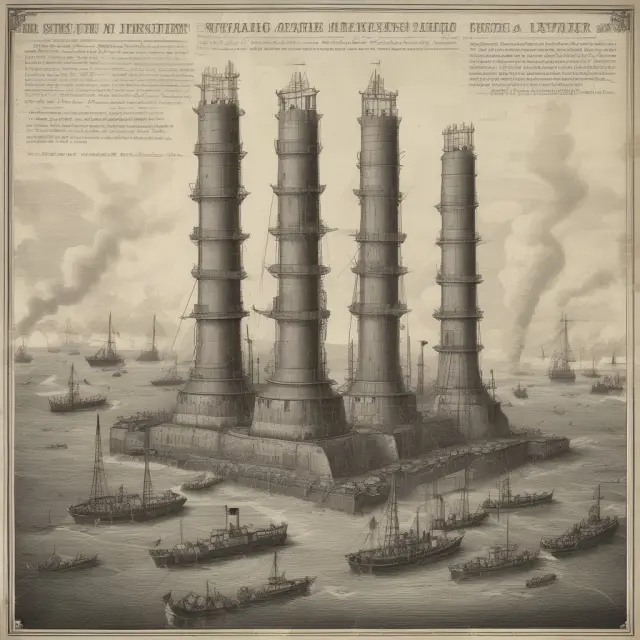
The Upstream Capital Costs Index (UCCI), a significant tool in the oil and gas industry, is published by S&P Global, an international company providing data, analytics, technology, and advisory services. S&P Global gained ownership of this index when it acquired Cambridge Energy Research Associates (CERA) in February 2022. CERA has been a trusted source for energy research, consulting, and industry insights since its establishment in 1983.
Before the acquisition, IHS Markit owned CERA for nearly two decades. During this period, the company expanded its offerings by integrating CERA’s expertise in energy markets with IHS Markit’s information solutions to provide a more comprehensive resource for clients. However, when S&P Global took over IHS Markit in late 2016, the Upstream Capital Costs Index became part of their vast portfolio.
The UCCI was one of several indexes that CERA managed before its acquisition. It is crucial for financial analysts and traders who need to track capital costs related to oil and natural gas projects. The index covers a diversified range of liquefied natural gas (LNG), pipeline, onshore, and offshore projects across different geographic locations. This information helps in evaluating the performance and potential returns of these projects over specific periods.
The Upstream Capital Costs Index is particularly useful because it provides insights into upstream costs, which are the earliest stages of operation involving exploration, drilling, and mining. The composite cost of capital is a critical factor for companies in this sector, as it represents their overall financing expenses. Understanding how these costs change can help businesses and investors make informed decisions regarding investment opportunities or potential risks in the oil and gas industry.
The UCCI’s historical data plays an essential role in analyzing trends and patterns within the industry. For example, understanding the cost evolution of previous projects helps inform estimates for future ones. Moreover, it can assist in forecasting how specific geographical locations or technologies may impact overall capital costs. As such, the Upstream Capital Costs Index acts as a valuable benchmarking tool that allows investors to compare projects, companies, and industry developments more effectively.
In conclusion, S&P Global’s acquisition of Cambridge Energy Research Associates in early 2022 brought the Upstream Capital Costs Index under its management. As a reputable data, analytics, technology, and advisory firm, S&P Global aims to strengthen its offering for clients by providing them with comprehensive information on oil and natural gas projects’ capital costs. By understanding the history of the UCCI, investors and analysts can leverage this valuable resource to make well-informed decisions regarding opportunities and risks in the upstream sector.
Upstream, Downstream, and Midstream: Definitions in the Oil and Gas Industry
The oil and gas industry consists of several operations that are interconnected, with each stage having its distinct role and costs. It’s essential to understand the definitions of upstream, midstream, and downstream operations to gain a comprehensive perspective on this complex sector. Let’s dive into these terms:
1. Upstream Operations:
Upstream operations involve the earliest stages of oil and gas production, including exploration, drilling, mining, extracting, and processing raw resources before selling them in their crude form to midstream companies. These activities aim to discover, evaluate, and develop reservoirs containing hydrocarbons for future use. Upstream costs refer to expenses associated with these processes, such as drilling rigs, exploration expenses, land acquisition, and seismic surveys.
2. Midstream Operations:
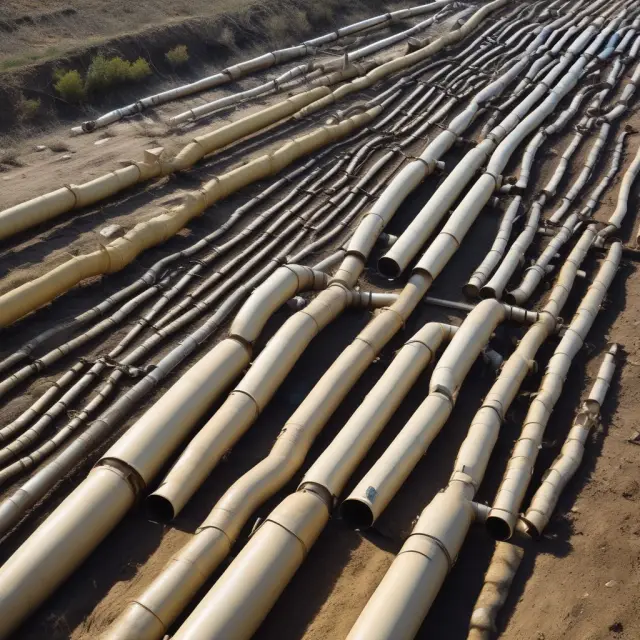
Midstream operations bridge the gap between upstream (exploration, production) and downstream (refining, marketing, and distribution) stages of the industry. This segment is primarily concerned with the transportation, storage, and processing of hydrocarbons. Midstream companies typically purchase raw materials from upstream entities and transform them into marketable forms before selling to downstream operators. Midstream costs include expenses related to building and operating pipelines, natural gas processing facilities, storage tanks, and compressors.
3. Downstream Operations:
Downstream operations represent the final stages of oil and gas production where companies refine crude oil and process natural gas into saleable products like gasoline, diesel, jet fuel, ethane, propane, and natural gas liquids (NGLs). Downstream costs include expenses related to refining and marketing these processed fuels.
Understanding these definitions is essential for investors, analysts, and industry professionals as they allow a more nuanced look into the operations and economics of companies in the oil and gas industry. Additionally, the Upstream Capital Costs Index (UCCI), managed by S&P Global, plays an integral role in assessing and benchmarking the performance and costs associated with these operations.
Stay tuned for more insights on the significance, components, history, and benefits of the Upstream Capital Costs Index as we continue to explore this comprehensive guide for institutional investors.

Benefits of Using the Upstream Capital Costs Index (UCCI)
The Upstream Capital Costs Index (UCCI), managed by S&P Global, has become a valuable tool for financial analysts, traders, and various stakeholders in the oil and gas industry. The index tracks composite capital costs, which is vital information when evaluating the financial health of companies engaged in upstream operations or considering potential investments in this sector.
Understanding the importance of UCCI lies in its ability to provide a comprehensive benchmark for assessing changes in the cost structure of various oil and gas projects worldwide. By monitoring trends in capital expenditures, analysts can forecast future performance, identify opportunities for cost savings, and compare the efficiency of projects against industry standards.
One primary benefit of using UCCI is its ability to help investors make informed decisions when evaluating upstream companies. This information can influence investment strategies by shedding light on how efficiently a company manages its capital costs in comparison to its peers and the broader market.
Furthermore, understanding capital cost trends can aid financial analysts in their assessment of the overall financial health of upstream operators. Companies with consistently high composite capital costs may face challenges attracting investors or securing financing for new projects, whereas those with lower costs can gain a competitive edge and potentially outperform their peers.
Moreover, the UCCI’s data is also useful to traders in determining optimal hedging strategies based on cost trends in various regions and project types. This information enables them to capitalize on market opportunities and manage risk more effectively.
Aside from providing valuable insights to financial professionals, the Upstream Capital Costs Index can also be utilized by governments, regulators, and policymakers to assess the economic viability of energy projects and evaluate potential regulatory impacts on upstream costs. By using this information, they can make informed decisions about resource allocation and project prioritization while ensuring that public funds are being used efficiently.
In conclusion, the Upstream Capital Costs Index offers a wealth of valuable information for those interested in the oil and gas industry. Its ability to provide insights into the composite capital costs of various projects worldwide makes it an essential tool for financial analysts, traders, and other stakeholders seeking to make informed decisions or assess market trends in upstream operations.

The Future of the Upstream Capital Costs Index
As the energy landscape evolves, so does the Upstream Capital Costs Index (UCCI), which tracks the composite capital cost of materials, facilities, equipment, and personnel for oil and natural gas producing projects. This index acts as a vital benchmarking tool for financial analysts, traders, and other interested parties in the oil and gas industry. With the ongoing advancements in technology, changing market conditions, and shifting geopolitical circumstances, it is essential to consider the future implications of the UCCI and its potential adaptations.
First, let’s discuss the technological developments that are shaping the oil and gas sector. Increasingly sophisticated exploration techniques and digital transformation are leading to significant reductions in capital expenditures. For instance, advanced seismic imaging technologies enable companies to identify oil reserves with greater precision, reducing drilling costs and enhancing overall project efficiency. Moreover, automation of various operations in the field through remote monitoring and control systems is facilitating a reduction in labor costs.
In addition to technological advancements, market conditions play a significant role in the future direction of UCCI. The global energy transition toward renewable energy sources has put pressure on traditional oil and gas companies to become more efficient and cost-effective. As such, these firms may face increasing competition from emerging technologies like carbon capture, utilization, and storage (CCUS) as well as alternative energies, which could impact capital costs for new projects.
Lastly, geopolitical circumstances are another factor that will shape the future of UCCI. Countries with favorable policies towards renewable energy, such as Germany or Saudi Arabia, may see a shift in focus away from traditional oil and gas investments. Conversely, those countries heavily reliant on fossil fuels for their economies might prioritize upstream projects to secure their long-term energy future. These geopolitical shifts could lead to significant fluctuations in capital costs depending on the specific regulatory environments and regional political dynamics.
Despite these challenges, the Upstream Capital Costs Index remains a valuable tool for investors seeking to make informed decisions in the oil and gas market. As the industry continues to evolve with new technologies, changing market conditions, and geopolitical shifts, it is essential that analysts and traders stay up-to-date on these trends and how they affect capital costs within the sector.
In conclusion, the Upstream Capital Costs Index (UCCI) plays a crucial role in providing investors with insights into the capital costs of oil and natural gas producing projects. As the energy landscape evolves, it is essential to consider the future implications of UCCI in light of technological advancements, market conditions, and geopolitical circumstances. By staying informed on these developments, investors can make more informed decisions in an increasingly complex oil and gas industry.

FAQ: Frequently Asked Questions about the UCCI
The Upstream Capital Costs Index (UCCI) is a widely-referenced metric index that serves as an essential benchmarking tool for financial analysts, traders, and other stakeholders interested in oil and gas projects. The index, managed by S&P Global, tracks the composite capital cost of materials, facilities, equipment, and personnel required to bring new upstream oil and natural gas producing projects into operation. In this FAQ section, we’ll address some frequently asked questions concerning the Upstream Capital Costs Index.
Question 1: What Does “Upstream” Mean in the Oil and Gas Industry?
Answer: In extractive industries, “upstream” refers to the earliest stages of oil and gas production. This includes exploration, drilling, mining, and extraction before shipping the resources to the next stage of the process – referred to as midstream or downstream.
Question 2: What Does “Downstream” Mean in the Oil and Gas Industry?
Answer: In contrast, “downstream” refers to the final stages of oil and gas production where refining, transportation, and marketing occur before products reach consumers.
Question 3: What Does “Midstream” Mean in the Oil and Gas Industry?
Answer: Midstream operations represent the intermediate processes that connect the extraction of resources to their delivery to consumers. These activities include processing, transportation, storage, and other essential services required between upstream (extraction) and downstream (refining and marketing).
Question 4: What Projects Does the UCCI Cover?
Answer: The UCCI covers a diversified portfolio of liquefied natural gas (LNG), pipeline, onshore, and offshore projects in various geographical locations. By tracking changes to operating and capital costs over specific timeframes, the index offers valuable insights into the performance of the underlying oil and gas properties.
Question 5: What Is the Role of the Upstream Capital Costs Index (UCCI) for Institutional Investors?
Answer: The UCCI is an essential tool for institutional investors as it provides a comprehensive benchmarking solution to make informed decisions in the rapidly-evolving oil and gas market. By evaluating the capital costs for various projects, investors can assess potential risks and opportunities and optimize their portfolios accordingly.
Question 6: What Is the Significance of Composite Capital Costs?
Answer: The composite cost of capital represents a company’s overall cost to finance its business and projects. This calculation is crucial for determining a project’s viability and profitability. By understanding the composite cost of capital, investors can assess a company’s financial strength and make more informed investment decisions.
Question 7: What Companies Does the UCCI Focus on?
Answer: The Upstream Capital Costs Index focuses on companies involved in upstream oil and natural gas operations. These include exploration and production (E&P) firms, as well as integrated companies that combine upstream activities with midstream and downstream operations.
In conclusion, the Upstream Capital Costs Index is a vital tool for institutional investors seeking to evaluate the financial feasibility of oil and natural gas projects. By staying informed about capital costs, investors can identify potential risks and opportunities while making data-driven decisions in a volatile market.

Conclusion: Harnessing the Power of the Upstream Capital Costs Index for Institutional Investors
In the intricate and dynamic world of finance, institutional investors face a myriad of challenges when it comes to making informed decisions regarding investments in the oil and gas industry. The ability to accurately assess capital costs plays a crucial role in determining both the viability and potential return on investment. This is where the Upstream Capital Costs Index (UCCI) shines, offering valuable insights for financial analysts, traders, and other stakeholders involved in the oil and gas sector.
The UCCI, managed by S&P Global, represents a unique benchmarking tool that tracks composite capital costs for upstream oil and natural gas producing projects. By monitoring this index, investors gain valuable insights into changes to operating and capital expenses over various time frames. This information can then be used to gauge the performance of underlying oil and gas properties, enabling more informed investment decisions.
S&P Global’s Upstream Capital Costs Index (UCCI) is but one component of a larger family of indexes that cater specifically to the energy industry. These include the Upstream Operating Costs Index (UOCI), which assesses changing costs for field operations, the Downstream Capital Costs Index (DCCI), focusing on petroleum projects, and others such as the North American Cost Index (NACI) and Upstream Innovation Index (UII).
A well-structured and comprehensive analysis of UCCI can offer significant benefits to institutional investors. Firstly, it provides a valuable perspective into capital costs associated with upstream oil and natural gas projects. This insight is essential for assessing the overall financial health and profitability of companies in the energy sector, particularly those involved in exploration and production (E&P) and integrated operations.
Secondly, understanding the composite cost of capital—determined by calculating the weighted average cost of capital (WACC)—is vital for assessing a company’s ability to finance its business and projects. A high composite cost of capital may indicate that a company has significant borrowing costs, potentially impacting its financial performance and investor appeal.
Finally, tracking changes in the UCCI can serve as an indicator of broader trends within the oil and gas industry. By staying informed of these shifts, investors can adjust their strategies accordingly to capitalize on emerging opportunities or mitigate potential risks.
In summary, the Upstream Capital Costs Index (UCCI), a valuable tool offered by S&P Global, provides institutional investors with crucial insights into the capital costs associated with upstream oil and natural gas projects. By utilizing this information, investors can make more informed decisions, enabling them to navigate market fluctuations and maximize returns in an increasingly complex financial landscape.
 Next entry · No. 5,344Understanding Upstream Guarantees: A Key Financing Strategy in Corporate Finance and Investment
See also
-
 No. 1,422
13 Sep 2024
20 min
Understanding Exploration & Production (E&P): The Early Stage of Energy Production
Energy Finance
No. 1,422
13 Sep 2024
20 min
Understanding Exploration & Production (E&P): The Early Stage of Energy Production
Energy Finance -
 No. 5,345
01 Sep 2025
20 min
Upstream Oil and Gas Operations: Understanding the Exploration and Production Sector
Business Finance
No. 5,345
01 Sep 2025
20 min
Upstream Oil and Gas Operations: Understanding the Exploration and Production Sector
Business Finance -
 No. 3,789
27 Apr 2025
20 min
Organic Reserve Replacement: Understanding the Importance of Organic Reserves for Oil and Gas Companies
Energy Finance
No. 3,789
27 Apr 2025
20 min
Organic Reserve Replacement: Understanding the Importance of Organic Reserves for Oil and Gas Companies
Energy Finance -
 No. 3,657
16 Apr 2025
20 min
Understanding Oil Fields: Discovering and Maximizing the Value of Fossil Fuels
Energy Finance
No. 3,657
16 Apr 2025
20 min
Understanding Oil Fields: Discovering and Maximizing the Value of Fossil Fuels
Energy Finance -
 No. 5,915
18 Oct 2025
19 min
Zombie Banks: Understanding Insolvent Financial Institutions Supported by Governments
Business Finance
No. 5,915
18 Oct 2025
19 min
Zombie Banks: Understanding Insolvent Financial Institutions Supported by Governments
Business Finance -
 No. 5,803
08 Oct 2025
19 min
Understanding the World Gold Council: Its Role in Gold Mining, Investment, and Consumption
Business Finance
No. 5,803
08 Oct 2025
19 min
Understanding the World Gold Council: Its Role in Gold Mining, Investment, and Consumption
Business Finance