Understanding Exploration & Production (E&P): The Early Stage of Energy Production
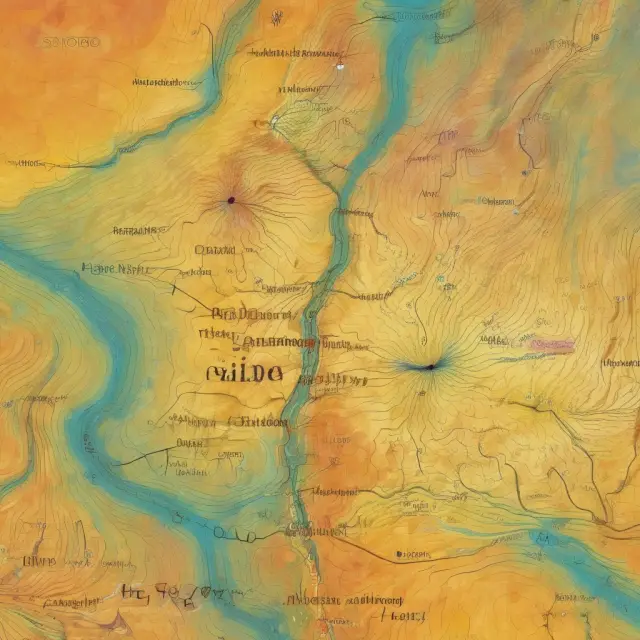
Explore the basics of Exploration & Production (E&P), including phases, technologies, environmental impact, and regulations.
Introduction to Exploration & Production (E&P)
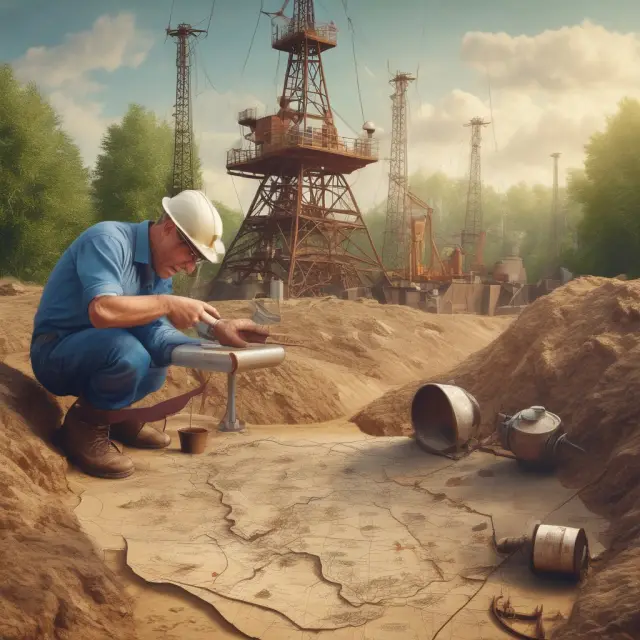
Exploration & production (E&P) is an essential part of the oil and gas industry focusing on discovering and extracting hydrocarbons, which are the primary components of petroleum and natural gas. E&P companies primarily engage in the upstream segment of the business, responsible for finding potential reservoirs, drilling wells, and producing raw materials for further refining or selling to other entities within the industry.
The Role of Exploration & Production (E&P)
In the oil and gas sector, E&P plays a pivotal role in the early stages. Companies involved in this sector search for hydrocarbons using various techniques such as land surveys and geological studies to determine if there is enough quantity and quality present for commercial production. Once an area with a significant deposit has been identified, well construction begins to drill, test, and extract oil or natural gas.
Phases of Exploration & Production (E&P)
The exploration and production process consists of several stages that include search and exploration, drilling and well completion, production, and abandonment. During the initial stage, geologists and engineers conduct surveys to search for promising areas based on rock formations, sediment layers, and seismic data. Once a potential deposit is identified, drilling commences to collect samples from beneath the surface and determine if commercial quantities are present.
Following successful drilling, wells are completed by installing necessary equipment for extraction, such as pipes and machinery. The extracted materials are then transported to refineries for further processing or sold directly to other entities within the industry. Eventually, when all reserves have been extracted from a well, it is abandoned and efforts are made to restore the site for environmental reasons.
The Importance of Exploration & Production (E&P) in the Oil and Gas Industry
E&P plays a vital role in powering modern life by providing raw materials that fuel our daily needs through heating, transportation, electricity generation, and various products. In 2020, oil and natural gas accounted for approximately 61% of global energy consumption, making them crucial resources for many industries worldwide.
Advancements in E&P Technologies
Recent innovations in drilling technology have led to significant improvements, including horizontal drilling, hydraulic fracturing, and seismic surveys using 3D and 4D data analysis techniques. These advancements have expanded the search area for oil and natural gas, allowing for more efficient and cost-effective exploration while minimizing environmental impact.
Regulations & Policies Affecting Exploration & Production (E&P)
Government regulations and policies have a substantial impact on E&P activities. In many countries, strict safety guidelines are in place to ensure the protection of workers, communities, and the environment. For instance, drilling companies must comply with specific environmental standards to minimize pollution and maintain local ecosystems. These regulations can vary greatly depending on the jurisdiction.
FAQs About Exploration & Production (E&P)
- What is exploration & production (E&P)? E&P refers to the early stage of energy production where companies search for, explore, and extract oil and natural gas resources from beneath the earth’s surface.
- How does exploration work? Geologists and engineers use various techniques, such as land surveys and seismic data analysis, to locate potential reservoirs based on rock formations and sediment layers. If a suitable deposit is identified, drilling follows to confirm its presence and determine commercial viability.
- What are the benefits of exploration & production (E&P)? E&P provides essential resources for modern life, such as fuel for vehicles, heating, electricity generation, and numerous products like deodorant, MRI machines, and pacemakers. Additionally, it offers employment opportunities and economic growth.
- What are the challenges of exploration & production (E&P)? E&P faces several challenges, including fluctuating market prices, high capital investment costs, stringent regulations, environmental concerns, geopolitical risks, and increasing competition among companies. However, technological advancements are helping to address some of these challenges.
- Is there a future for exploration & production (E&P)? Despite the challenges, the demand for oil and natural gas is expected to remain strong due to their importance in various industries. Additionally, new technologies, such as carbon capture and storage, could help mitigate environmental concerns and provide a more sustainable future for E&P.
The Phases of Exploration & Production
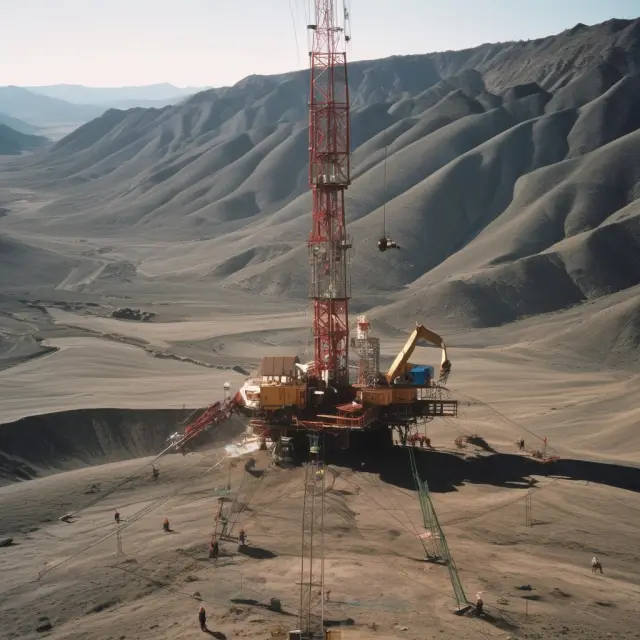
Exploration and production (E&P) is an essential sector within the oil and gas industry that involves searching for and extracting crude oil and natural gas from the Earth. The process begins with exploration to locate potential reserves through land surveys, geological studies, and seismology techniques. Once a promising area has been identified, the drilling phase commences where a well is constructed, a hole is drilled, and samples are taken for analysis. If the results show a sufficient quantity and quality of hydrocarbons, production begins.
In this section, we delve deeper into each stage of exploration and production to better understand the process.
Search and Exploration
The search and exploration phase is crucial as it sets the foundation for the entire E&P process. Geologists employ land surveys, geological studies, and seismology techniques to identify areas with potential hydrocarbon reserves. Seismic waves are generated by machinery or explosives to evaluate how these waves interact with reservoirs beneath the ground, revealing their location. Once a promising area is identified, drilling can begin.
Well Construction
Following the discovery of a viable field through exploration, well construction commences. A well is drilled using either vertical or horizontal methods to access the hydrocarbon reservoir. Vertical wells are traditional drill holes that reach directly to the target formation, while horizontal wells utilize advanced technologies such as directional drilling to maximize production from a single well pad. Once the well has been drilled and tested, production can begin.
Extraction:
The final stage of exploration and production is extraction, where oil and natural gas are removed from the well. Natural gas may be processed at the site or transported via pipelines to refineries. Crude oil, on the other hand, is extracted and stored temporarily before being transported to refineries for further processing. Once the reserves have been depleted, the wells are plugged or sealed and attempts are made to restore the area.
The E&P process plays a significant role in the upstream segment of the oil and gas industry as companies focus on discovering and extracting raw materials. Understanding this process is crucial for anyone interested in the oil and gas sector. In the next section, we discuss the importance of exploration and production to the global economy and various industries that rely on it.
E&P’s Role in the Oil and Gas Industry
Exploration & Production (E&P) is a crucial part of the oil and gas industry, representing the initial stages from finding hydrocarbon sources to extracting them for further processing. E&P companies are responsible for identifying areas with potential hydrocarbon reserves through land surveys, geological studies, and seismology techniques. Once promising sites have been located, exploration begins with drilling a well to test the findings and assess their commercial viability. If the results indicate sufficient quantity and quality of oil or natural gas, production follows, involving the extraction process.
E&P is considered part of the upstream sector in the oil and gas industry. It’s an essential first step towards meeting the world’s ever-growing energy demands. The primary focus of E&P companies is to locate hydrocarbon sources and extract them for distribution and refining. To accomplish this, they collaborate with various contractors like engineering procurement and construction (EPC) companies, joint venture partners, or oil field service providers.
In the process of exploration and production, substantial infrastructure development and data collection take place. Modern advancements in drilling technologies allow for horizontal drilling, where oil and natural gas can be accessed from multiple angles within a single well, leading to increased productivity compared to traditional vertical wells. Additionally, new technologies such as hydraulic fracturing have significantly boosted the efficiency of extracting hydrocarbons from previously uneconomical reservoirs.
Following extraction, E&P companies pass on their resources to midstream and downstream entities for further processing and marketing. Midstream businesses deal with the transportation and storage of crude oil and natural gas through pipelines, while downstream organizations refine the extracted oil into usable products like gasoline, diesel, or jet fuel.
The role of E&P in the oil and gas industry is significant, not just economically but also environmentally. Companies are continuously striving to minimize their environmental impact by adhering to strict regulations and implementing sustainable practices in their operations, including the restoration of abandoned wells and minimizing the carbon footprint of their activities.
In conclusion, Exploration & Production (E&P) plays a pivotal role as the foundation of the oil and gas industry. By focusing on the search for new hydrocarbon sources and the extraction process, E&P sets the stage for further processing and distribution of these valuable resources.
The Search for Hydrocarbons: Exploration
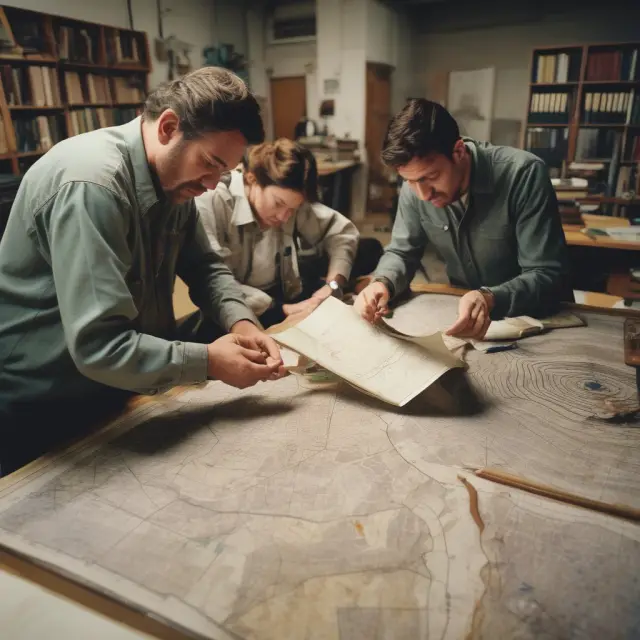
Exploration and Production (E&P) is an integral part of the oil and gas industry, encompassing the search for hydrocarbons, drilling, and extraction processes. E&P companies specialize in locating potential underground oil or natural gas deposits through various methods, including geological studies, land surveys, and seismology techniques.
The first step in the exploration process is to identify promising areas using land surveys, which help assess the topography and geological makeup of a region. Geologists study rock formations and sediment layers beneath the surface using geological studies and techniques such as seismology. Seismology employs substantial vibrations produced by machinery or explosives to create seismic waves that interact with underground reservoirs, providing valuable information on their location and characteristics.
After a potential oil or natural gas deposit has been identified, the search moves on to drilling the first test well. A well is drilled using various techniques such as drilling or grinding through rock layers beneath the surface, allowing for deeper exploration. Once a suitable reservoir is found, engineers evaluate its quality and quantity for commercial viability.
The exploration phase is crucial in determining whether further investment and production efforts are worthwhile. If the findings are positive, the extraction process begins with well construction, which involves building the necessary infrastructure on or offshore and ensuring proper environmental safeguards are in place. The extracted oil or natural gas is then transported through pipelines to refineries for processing and distribution.
It’s important to note that not all drilled wells yield commercial quantities of oil and natural gas, which highlights the inherent risks involved in exploration. However, continuous technological advancements in drilling techniques and seismic imaging contribute to the industry’s ability to discover and access previously unreachable reserves.
E&P companies play a vital role in the oil and gas sector by focusing on the initial stages of production. Their efforts lead to the discovery of valuable resources that fuel our daily lives, power industries, and contribute significantly to the global economy. The exploration phase sets the stage for the midstream and downstream processes, where energy is transported, refined, and ultimately distributed to consumers.
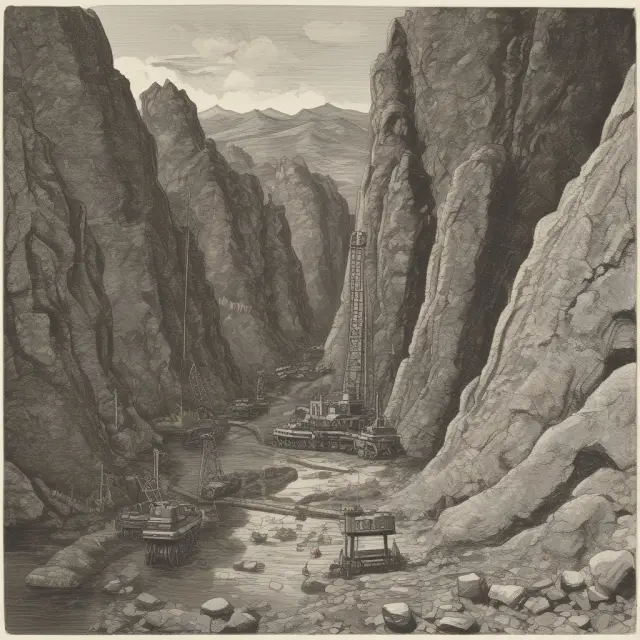
Well Construction: Drilling and Extraction
The discovery of an oil or natural gas reservoir through exploration and geological surveys is just the first step in the E&P process. Once a potentially viable field has been identified, the well construction phase begins. In this stage, companies drill test wells to verify the presence, quality, and quantity of hydrocarbons to determine whether the site is commercially viable for oil or natural gas production.
The drilling process itself involves creating an opening in the ground to extract underground resources. Traditional vertical drilling has been a long-standing method for finding oil and natural gas. However, advancements in technology have led to more efficient and effective techniques like horizontal drilling and hydraulic fracturing. These methods can significantly expand the reach of a well by drilling horizontally through multiple layers of rock, allowing access to larger areas of hydrocarbon reserves.
The construction of a well includes several important stages:
1. Drilling the Well: After selecting the location for the well and acquiring any necessary permits, a rig is set up on the site to begin drilling. A rotary drill, which uses a continuous bit to cut through rock and soil, is typically used. As the drill progresses deeper into the ground, it encounters various rock formations and layers that can influence the drilling process.
2. Casing the Well: Once the drilling is complete, the well is lined with casing to prevent cave-ins or other geological hazards from damaging the wellbore. Cement is also used to seal off certain zones in the well to maintain pressure and isolate producing formations.
3. Perforating the Well: After casing, perforations are made around the wellbore using explosive charges or specialized drill bits to allow hydrocarbons to flow into the well. These perforations act as communication between the reservoir and the well, allowing oil or natural gas to reach the surface.
4. Testing the Well: To determine if the site is commercially viable, companies perform various tests on the newly drilled well. One such test is a flow test, which measures the rate at which hydrocarbons can be produced from the reservoir. The results of this test help companies evaluate whether the well is economically feasible and how it might perform in commercial production.
5. Production: If a site passes all tests and meets economic viability requirements, oil or natural gas production begins. In this phase, hydrocarbons are extracted from the reservoir through various methods such as pumping, compression, or artificial lift systems. The produced fluids are transported to processing facilities where they undergo further refining and preparation before being sold to customers.
It’s important to note that well construction is only one piece of the exploration and production (E&P) puzzle. The industry also involves extensive land acquisition, regulatory compliance, environmental planning, and community engagement. However, understanding this stage provides valuable insight into how oil and natural gas are extracted from the ground and prepared for market.
The world’s increasing demand for energy makes E&P a vital sector in our global economy. Continued advancements in technology and innovation will continue to shape the way companies explore and produce hydrocarbons while addressing environmental concerns, enhancing operational efficiencies, and maintaining safety standards.
Environmental Considerations in E&P
The exploration and production (E&P) of oil and natural gas have been a source of significant controversy due to potential environmental impacts. While the need for these resources is essential to meet global energy demands, it’s critical that the industry operates responsibly and considers the long-term effects on ecosystems.
Environmental regulations and policies aim to minimize negative consequences during each stage of E&P: exploration, drilling, production, and well abandonment. These rules are increasingly important as society seeks to lessen its carbon footprint and transition towards renewable energy sources.
Exploration
The search for hydrocarbons starts with surveys, geological studies, and seismology techniques. To minimize disturbance, non-invasive methods such as aerial surveys using high-resolution sensors are preferred. For land exploration, companies collaborate with environmental organizations to follow best practices and rehabilitate the areas after assessments are complete.
Drilling and Production
Environmental regulations govern drilling techniques, including the use of directional drilling that minimizes surface disruption and reduces the need for multiple well pads. Air and water emissions from well operations must adhere to specific standards set by authorities. Proper waste management is crucial; recycling, reusing, or disposing of waste in a responsible manner ensures minimal environmental impact.
Well Abandonment
Upon depletion or exhaustion of resources, wells are plugged and sealed with cement, sand, or clay to prevent oil or gas leakages. In the case of offshore rigs, the entire platform may be removed under strict guidelines to ensure no harm is caused to marine ecosystems. Companies may also engage in reclamation efforts, including planting vegetation and restoring habitats to their original condition.
Emerging Technologies
Innovations like carbon capture and storage (CCS) technologies can reduce the industry’s greenhouse gas emissions during drilling, production, and transportation processes. Companies are also exploring hydrogen production from natural gas as a means of transitioning towards cleaner energy sources. The integration of renewable energy resources in oil fields is becoming more common to power operations, reducing dependency on fossil fuels.
Regulations and Policies
Governments worldwide impose strict regulations on the E&P sector to ensure environmental compliance. For example, the U.S. Environmental Protection Agency (EPA) sets standards for air emissions from oil and natural gas production facilities, while the Clean Water Act regulates water discharge. The European Union’s Water Framework Directive establishes goals for the quality of all inland waters, aiming to protect ecosystem health and ensure availability for various uses.
Conclusion
Exploration and production (E&P) have a significant impact on the environment. As the world demands more energy, it’s crucial that companies operate responsibly and minimize their carbon footprint. Strict regulations and emerging technologies are paving the way towards cleaner methods in E&P, setting an example for industries to follow as they transition towards renewable energy sources.
FAQs About Environmental Considerations in Exploration & Production (E&P)
What steps are taken during exploration to minimize environmental impact?
A: Non-invasive methods such as aerial surveys, collaboration with environmental organizations, and rehabilitation efforts after assessments are complete help minimize the impact of exploration activities on the environment.
How does drilling impact the environment?
A: Environmental regulations govern drilling techniques to minimize air and water emissions, while proper waste management is essential for minimal environmental impact.
What happens when a well is no longer productive or exhausted?
A: Wells are plugged and sealed with materials like cement, sand, or clay to prevent oil or gas leakages. Companies may also engage in reclamation efforts, including planting vegetation and restoring habitats to their original condition.
What role do regulations and policies play in E&P?
A: Strict regulations set standards for air emissions from oil and natural gas production facilities, water discharge, and waste management practices. These rules aim to minimize the environmental impact of E&P activities.
How are renewable energy sources being integrated into oil fields?
A: Companies are exploring hydrogen production from natural gas as a means of transitioning towards cleaner energy sources while integrating renewable energy resources, such as solar and wind, to power operations in oil fields.

The Importance of E&P to the Global Economy
Oil and natural gas, which are extracted through Exploration & Production (E&P), play an essential role in fueling our daily lives and supporting various industries. These resources serve as the backbone of modern civilization, powering transportation, heating homes, generating electricity, and supplying raw materials for numerous products we use every day.
The global economy’s dependence on E&P is a significant factor, considering that oil remains the primary source of energy worldwide. According to the U.S. Energy Information Administration (EIA), oil accounted for approximately 32% of the world’s total energy consumption in 2019. On the other hand, natural gas was the third-largest contributor at around 24%.
E&P is essential for several sectors:
Transportation sector: Oil remains the primary fuel for vehicles and aircraft globally. In 2019, approximately 61% of oil consumption was attributed to transportation according to the EIA.
Industrial sector: The industrial sector relies heavily on natural gas as a feedstock for chemical production and as a fuel source for power generation. In fact, the petrochemical industry utilizes about 70% of global natural gas consumption.
Electricity sector: Natural gas is used to generate electricity through combined-cycle gas turbines or internal combustion engines in both developed and developing countries. Approximately 42% of natural gas consumption was attributed to the power generation sector in 2019.
Heating sector: In many regions, natural gas serves as a primary heating source, particularly for residential and commercial applications.
The significance of E&P extends beyond its role in energy production. The sector also contributes to economic growth through employment opportunities and taxes. According to the International Energy Agency (IEA), about 5.2 million people were employed directly or indirectly within the global oil and gas industry in 2018. Additionally, the industry generated significant revenue for governments worldwide, accounting for approximately $4 trillion in direct government revenues in 2017 according to the IEA.
As the world continues its energy transition towards cleaner sources, E&P’s importance remains undeniable. The sector will continue to play a crucial role in providing a stable and affordable energy supply during this transition while investing in emerging technologies, such as renewable energy and carbon capture utilization and storage (CCUS), to mitigate environmental concerns.
In summary, exploration & production is the foundation of modern civilization, powering various industries and fueling our daily lives. Its role in transportation, industry, electricity generation, and heating demonstrates its essential contribution to the global economy, making it a vital sector that will continue to evolve alongside emerging technologies and energy transitions.
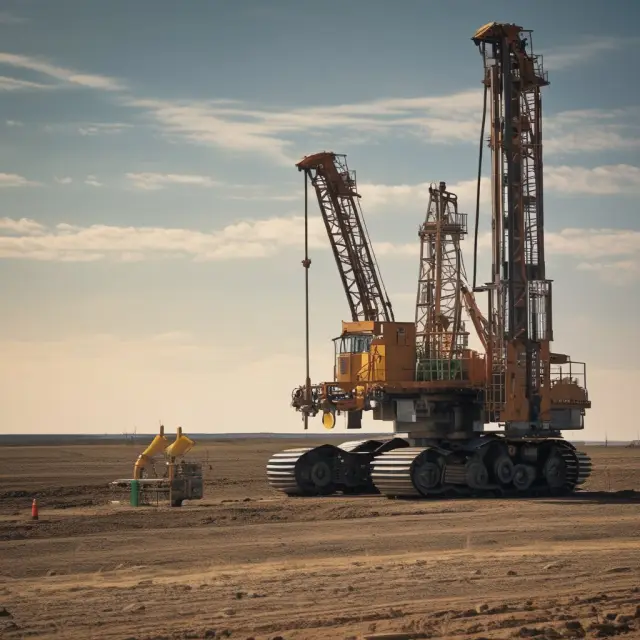
Emerging Technologies in Exploration & Production
Exploration and production (E&P) is an essential component of the oil and gas industry that focuses on discovering and extracting raw resources from the ground. As the first phase of the upstream sector, it sets the foundation for the subsequent stages of midstream and downstream production. In recent years, E&P has seen significant advancements in technology, making the process more efficient and less impactful on the environment.
Horizontal Drilling
One breakthrough innovation that has revolutionized the industry is horizontal drilling. This technique enables the drill bit to be rotated at an angle and follow a direction parallel to the ground, instead of being vertical as in traditional drilling methods. As a result, oil and gas reservoirs that were previously inaccessible due to their narrow extent can now be tapped into, producing much larger quantities than before. This method has contributed to the rise of shale formations becoming major players in the industry, providing an abundance of resources for extraction.
Hydraulic Fracturing (Fracking)
Another groundbreaking development is hydraulic fracturing (fracking). Fracking involves injecting a high-pressure mixture of water, sand, and chemicals into the ground to create fissures that release natural gas or oil trapped within tight rock formations. This process has significantly increased the production capacity of many wells, especially those in shale areas. However, concerns regarding its environmental impact remain, particularly with respect to potential contamination of groundwater resources.
Renewable Energy Sources
The transition towards renewable energy sources is also influencing the E&P sector. Solar and wind energy are becoming increasingly cost-competitive with traditional fossil fuels. While this shift may lead to a reduction in demand for oil and natural gas, it could potentially open new opportunities for the industry as they explore ways to integrate renewables into their operations.
Advancements in Drilling Technologies
Advances in drilling technologies like directional drilling, extended-reach drilling, and managed pressure drilling have enabled more precise drilling and reduced the number of wells needed to access vast hydrocarbon resources. These improvements also lead to less surface disruption and decreased operational costs, making E&P operations more efficient while minimizing environmental impact.
In conclusion, the exploration and production sector is experiencing a transformation through technological innovations like horizontal drilling, hydraulic fracturing, and renewable energy sources. This evolution is crucial for maintaining the industry’s competitiveness in an increasingly complex global economy, with growing concerns regarding resource scarcity and environmental sustainability.
Regulations and Policies Affecting E&P
Exploration & production (E&P) is subject to an intricate web of regulations and policies at both the state and federal levels. These rules, enacted to ensure public safety and environmental protection, govern every aspect of oil and natural gas extraction. This section focuses on the major guidelines that impact E&P companies and their operations.
Safety Regulations
The U.S. Occupational Safety and Health Administration (OSHA) sets standards for maintaining a safe work environment in the oil & gas industry. For example, they establish guidelines for handling hazardous materials, such as chemicals used during drilling and well completion processes.
Environmental Regulations
To minimize environmental risks associated with E&P, several regulations have been enacted. The most notable is the Clean Water Act, which sets standards to protect water quality in all U.S. waters, including wetlands. For instance, companies must implement measures to prevent drilling muds and produced water from contaminating water sources.
Industry Standards
Organizations like the American Petroleum Institute (API) develop voluntary industry standards that help maintain a consistent level of safety and environmental stewardship. These guidelines cover various aspects of E&P, such as equipment design, installation, and operation.
Fracking Regulations
Hydraulic fracturing (fracking) is a controversial extraction method that involves injecting large volumes of water, sand, and chemicals into rock formations to extract oil or natural gas. The Environmental Protection Agency (EPA) regulates fracking under the Safe Drinking Water Act. Companies must disclose the specific chemicals used during the process to ensure transparency regarding potential environmental risks.
Permitting Processes
The permitting process for exploration and production involves obtaining approvals from various regulatory bodies at both the federal and state levels. This can include approval to drill a well, build a pipeline, or construct a new facility. The time required for these permits varies depending on factors such as location, size of the project, and specific regulations involved.
In conclusion, E&P is shaped by numerous regulations and policies, designed to protect public safety and environmental concerns. Understanding these guidelines can help stakeholders make informed decisions regarding their investments in E&P companies while ensuring they are committed to sustainable operations.
FAQs About Exploration & Production (E&P)
What is E&P?
Exploration and production (E&P) refers to the initial phase of the oil and gas industry, focusing on locating and extracting crude oil and natural gas resources. Companies within this sector search for potential sites using geological studies and drilling methods, aiming to discover viable reserves for further processing and sales.
What is the role of E&P in the oil and gas industry?
E&P holds significant importance as it’s the first step in the production process. Once a resource has been identified, the extraction phase begins. E&P companies build infrastructure, collect data, and collaborate with various partners to bring the resources to market.
What are the four main stages of oil and gas exploration and production?
- Search and Exploration: Land surveys, geological studies, and seismology techniques help locate potential reserves by identifying mineral deposits under the surface.
- Well Construction: Once a viable field has been identified, drilling occurs to test the findings and extract samples for analysis. This includes drilling, casing installation, and cementing.
- Extraction: If there is enough quality and quantity of resources discovered, the extraction phase begins. Oil and gas are extracted from wells, often requiring specialized technologies and equipment.
- Abandonment: When a site has been depleted, it undergoes restoration efforts to minimize environmental impact.
How does exploration differ from production?
Exploration is the search for oil and natural gas reserves using various methods such as geological studies and drilling. Production involves extracting already discovered resources and processing them for sale or further refinement.
What are the three main stages of oil and gas production?
The oil and gas industry typically consists of three primary stages: upstream (exploration and production), midstream (transportation and storage), and downstream (processing and marketing).
Is E&P considered upstream?
Yes, E&P is classified as part of the upstream phase in the oil and gas production process. It encompasses exploration, drilling, and extraction of crude oil and natural gas resources for further processing and sales.
 Next entry · No. 1,423Exponential Growth in Finance: Understanding Compounding and Its Applications
See also
-
 No. 5,343
01 Sep 2025
19 min
Understanding the Upstream Capital Costs Index (UCCI): A Comprehensive Guide for Institutional Investors
Business Finance
No. 5,343
01 Sep 2025
19 min
Understanding the Upstream Capital Costs Index (UCCI): A Comprehensive Guide for Institutional Investors
Business Finance -
 No. 3,789
27 Apr 2025
20 min
Organic Reserve Replacement: Understanding the Importance of Organic Reserves for Oil and Gas Companies
Energy Finance
No. 3,789
27 Apr 2025
20 min
Organic Reserve Replacement: Understanding the Importance of Organic Reserves for Oil and Gas Companies
Energy Finance -
 No. 3,657
16 Apr 2025
20 min
Understanding Oil Fields: Discovering and Maximizing the Value of Fossil Fuels
Energy Finance
No. 3,657
16 Apr 2025
20 min
Understanding Oil Fields: Discovering and Maximizing the Value of Fossil Fuels
Energy Finance -
 No. 2,380
01 Jan 2025
22 min
Understanding the Impact and Innovations of the Industrial Revolution on Finance and Business
Business Finance
No. 2,380
01 Jan 2025
22 min
Understanding the Impact and Innovations of the Industrial Revolution on Finance and Business
Business Finance -
 No. 1,283
23 Aug 2024
18 min
Endogenous Growth Theory: Understanding the Economic Perspective Driving Persistent Prosperity
Economics
No. 1,283
23 Aug 2024
18 min
Endogenous Growth Theory: Understanding the Economic Perspective Driving Persistent Prosperity
Economics -
 No. 5,729
02 Oct 2025
19 min
Wildcat Drilling: High-Risk Exploratory Oil and Gas Drilling
Energy Finance
No. 5,729
02 Oct 2025
19 min
Wildcat Drilling: High-Risk Exploratory Oil and Gas Drilling
Energy Finance