Upstream Oil and Gas Operations: Understanding the Exploration and Production Sector

Understand the role of upstream in oil & gas production, differences from downstream, and its importance for institutional investors.
What is Upstream in Oil and Gas Industry?
Upstream is the sector that encompasses the exploration and production (E&P) activities within the oil and gas industry. Companies operating in this segment primarily focus on discovering, locating, drilling, and extracting hydrocarbons from the Earth. This stage of the oil and gas production process represents the earliest phase, as it is the furthest away from the end-user consumer in the supply chain.
The upstream sector starts with exploration activities to identify potential areas of interest for drilling based on geological studies or geophysical surveys. Once a promising location has been found, companies perform seismic tests using vibrations generated by machinery or explosions to study how these waves interact with the underlying rock formations. This data helps geologists and engineers estimate the size and potential of any oil or gas reserves present.
If further investigation confirms the presence of a substantial resource, an exploratory well is drilled to test for commercial quantities. If this well is successful, companies begin developing the site by constructing production facilities and extraction equipment.
Oil and gas exploration is a complex process that relies on advanced technology and geological knowledge. Upstream companies play a crucial role in the industry’s value chain, as their discoveries pave the way for downstream activities, such as processing, refining, transportation, and distribution of petroleum products to consumers.
Understanding the upstream sector is essential for institutional investors seeking exposure to the oil and gas industry, as it represents a significant portion of the entire market. Companies with strong exploration capabilities and successful drilling programs can generate substantial returns for investors. However, this sector also faces various risks, such as regulatory changes, geopolitical instability, technological advancements, and environmental concerns that can impact investment decisions.
In summary, upstream refers to the earliest stages of oil and gas production, including exploration and extraction. Companies operating in this segment primarily deal with discovering and producing hydrocarbons for further processing downstream.

Upstream vs Downstream: The Difference
Understanding the oil and gas industry’s complex production process can be confusing due to the various terms used. Among these terms are upstream, midstream, and downstream. While each term represents distinct functions within the sector, the differences between upstream and downstream operations might not be immediately clear. In this section, we’ll discuss the primary distinction between upstream and downstream processes in the oil and gas industry.
Upstream refers to the earliest phase of production, which includes exploration, drilling, and extraction. Upstream companies are primarily focused on discovering and extracting crude oil or natural gas from the ground. The term “exploration and production” (E&P) is another term used interchangeably with upstream.
Downstream, on the other hand, involves refining and distributing petroleum products to consumers. Once the raw resource has been extracted during upstream operations, it is then processed into various refined products like gasoline, diesel fuel, jet fuel, and heating oil. The downstream sector includes refineries, pipelines, storage facilities, and transportation networks that are essential for delivering these refined products to consumers.
A simple yet effective way to distinguish upstream from downstream is by considering the position of each phase within the production process. Upstream is the part that occurs before the resource has been processed or transformed into a final product, while downstream follows the transformation process and involves selling and distributing these products to end-users.
Key Takeaways:
- Upstream refers to exploration, drilling, and extraction of oil and gas. It is the earliest phase of production in the oil and gas industry.
- Downstream focuses on refining, storing, transporting, and selling oil and gas products to consumers.
- The primary distinction between upstream and downstream lies in the point in the production process where each begins – exploration, drilling, and extraction (upstream) versus refining, transportation, and distribution (downstream).
- Upstream operations are typically located far from end-users and deal with raw resources, whereas downstream companies provide closer links to everyday users.
- Integrated oil companies, such as ExxonMobil or Chevron, possess both upstream and downstream capabilities.
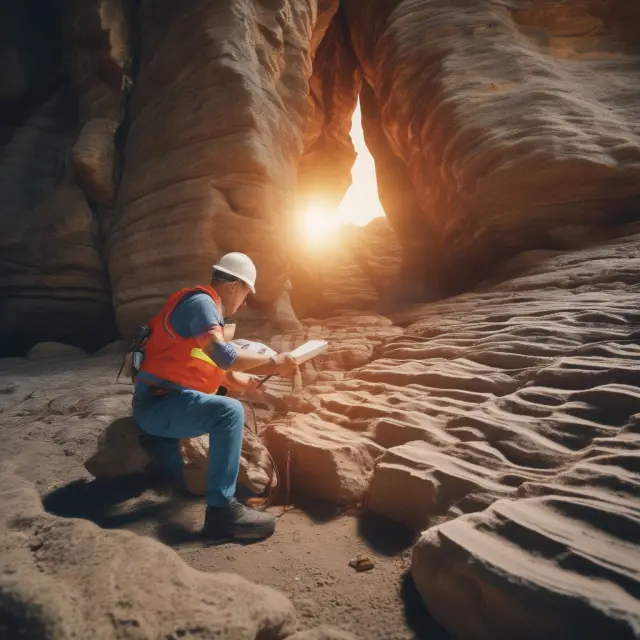
Oil and Gas Exploration Process
Upstream activities encompass the entire process from exploration to production in the oil and gas industry. The exploration phase is a crucial part of the upstream sector, which involves identifying potential areas for hydrocarbon reserves using geological data, seismic surveys, and other techniques. Once an area is identified as promising, exploratory wells are drilled to test for the presence of oil or natural gas. If successful, further drilling takes place to extract the resources, with upstream companies managing this process and operating the wells that bring crude oil or natural gas to the surface.
The exploration stage involves several steps:
- Geological and geophysical analysis to identify potential areas for hydrocarbon reserves
- Seismic surveys to gather data on rock formations, layers of sediment, and other subsurface structures
- Drilling exploratory wells to test reservoirs
- Evaluating the results of the tests to determine if the area is economically viable
- Deciding whether to invest in further drilling and production
Geological analysis plays a critical role in exploration, as it helps to identify areas with high potential for hydrocarbon reserves. Geologists study rock formations and layers of sediment to determine if conditions are favorable for the presence of oil or natural gas. Seismic surveys involve generating vibrations that create seismic waves, which then bounce off subsurface structures and provide valuable data on their makeup. This information helps to identify reservoirs containing hydrocarbons.
Once an area has been identified as having potential, exploratory wells are drilled to test the reservoir. These wells are typically shallow and are used to gather samples of rock cores and other geological data. They can also provide initial estimates of reserves present in the reservoir. Based on these results, companies determine if further investment is warranted. If the results are positive, additional drilling takes place to extract the resources, with upstream companies managing this process and operating the wells that bring crude oil or natural gas to the surface.
The oil exploration process requires sophisticated techniques and continually evolving technology. Exploration starts in an area that has a high potential to hold a resource due to local geology and known nearby petroleum deposits. In a high-potential area, further exploration is completed to delineate a resource. Geophysical and geochemical analysis is used, along with techniques such as induced polarization (IP) surveys, drilling, electrical currents, and others, to locate and estimate the potential of a resource.
Exploratory wells are an essential component of the exploration phase. In the event that the exploratory well is successful, the next step is to construct production wells and extract the resource. Upstream companies measure oil production in barrels, which is equal to 42 U.S. gallons. Companies often describe production in terms of bbl per day or bbl per quarter.
Understanding the exploration process sheds light on how upstream activities play a critical role in the overall oil and gas production process. This sector’s importance extends beyond the initial stages as it sets the foundation for midstream and downstream operations, ensuring a reliable supply of raw materials for further processing and distribution to consumers.
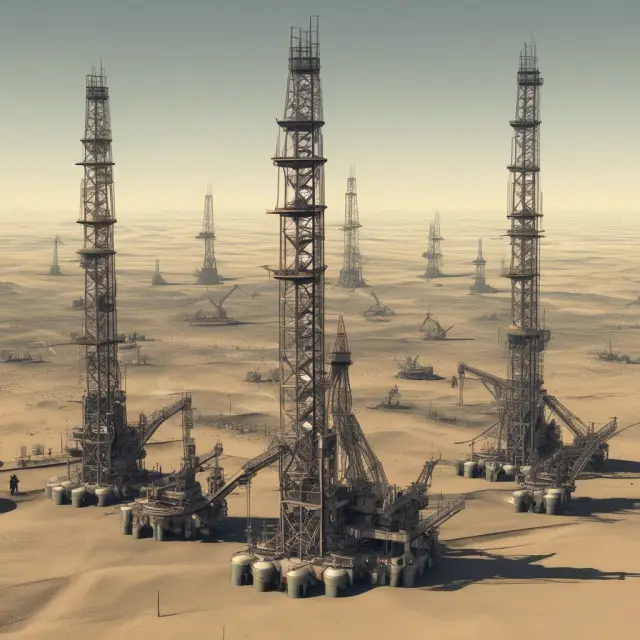
Upstream Companies: Examples and Role in Oil & Gas Industry
In the oil and gas industry, upstream companies play a pivotal role in the production process by focusing on exploration and extraction activities. These firms are responsible for locating and extracting crude oil and natural gas from beneath the Earth’s surface. Upstream operations encompass all aspects of exploration, including land acquisition, geological surveys, drilling, and reservoir engineering.
Some examples of well-known upstream companies include China National Offshore Oil Corporation (CNOOC) and Schlumberger (SLB). CNOOC is an integrated energy company engaged in both the exploration and production of oil and natural gas. They hold a significant presence in offshore oil and gas production, with operations in various regions worldwide.
Schlumberger, on the other hand, is primarily a service provider for the upstream sector. They specialize in providing technology, consulting services, and project management to help their clients optimize their exploration and production activities. Their offerings range from geophysical services, drilling, production, and reservoir management.
The importance of upstream companies extends beyond the oil and gas industry itself. Institutional investors should pay close attention to these entities because a successful upstream operation lays the foundation for a reliable and plentiful supply of raw resources that fuels the entire energy sector. Moreover, advances in technology and innovation are driving significant changes in the upstream landscape, which can create both opportunities and challenges for investors.
Upstream companies can be broken down into two main categories: explorers (companies focused on exploration and drilling) and production companies (companies engaged in the operation of existing wells). As part of the upstream sector, their primary focus is to find new reserves or maximize the potential of existing ones to meet the world’s growing energy demands.
In addition to CNOOC and Schlumberger, other notable upstream companies include BP plc (BP), Chevron Corporation (CVX), ConocoPhillips (COP), ExxonMobil Corporation (XOM), and Eni SpA (ENI). These integrated oil and gas giants engage in a variety of activities across the upstream sector, from exploration to production and beyond.
Integration between upstream, midstream, and downstream sectors is increasingly common among major oil and gas companies. This integration provides companies with more control over their supply chain, enabling them to optimize operations and reduce costs throughout the entire value chain. For investors, understanding the roles and interdependencies of each sector can help inform investment decisions by providing a better perspective on the risks and opportunities within the energy industry as a whole.
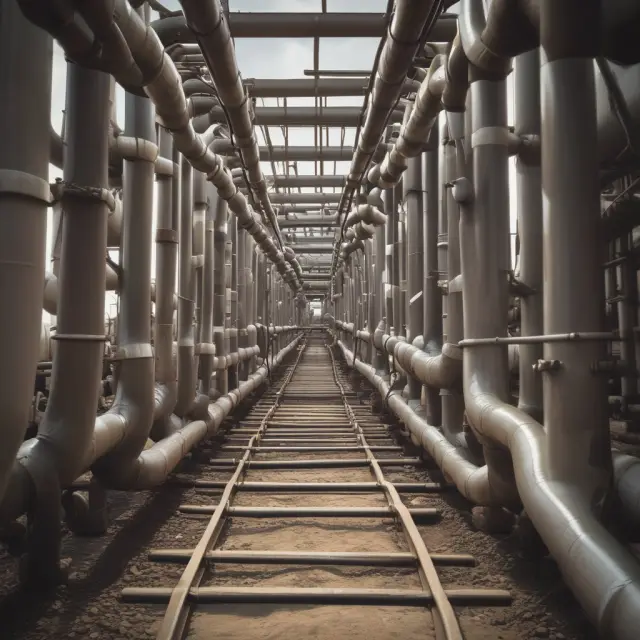
Midstream vs Upstream: Overview
Understanding the intricacies of the oil and gas industry requires familiarity with the three primary stages that make up its production process: upstream, midstream, and downstream. While each sector plays a distinct role in bringing crude oil or natural gas to market, it is crucial for institutional investors to grasp the differences between upstream and midstream operations. In this section, we’ll explore what sets these two sectors apart, shedding light on their significance within the industry.
Upstream companies primarily focus on the exploration and production phase of the oil and gas sector, making them the first link in the supply chain. These firms invest significant resources to locate hydrocarbon deposits through geological surveys, seismic analysis, drilling activities, and other techniques. This process starts with a thorough examination of potential areas, which may involve geologists studying rock formations and layers, or induced polarization (IP) surveys, electrical currents, and drilling to assess the subsurface environment.
The primary goal of upstream companies is to determine if a location holds a sufficient quantity of oil or natural gas reserves before initiating drilling activities. Once an area has been identified as promising, test wells are drilled to confirm the presence and extent of the resource. If successful, companies proceed with developing the site through various drilling methods and extraction techniques, including hydraulic fracturing (fracking), horizontal drilling, or conventional drilling.
The midstream sector, on the other hand, comes into play after upstream activities have resulted in the production of crude oil or natural gas. Midstream companies are responsible for transporting the raw resource to refineries through pipelines, railway systems, and tanker trucks. They also provide storage solutions and facilitate the marketing and sale of these resources to downstream firms.
Despite the distinct functions of upstream and midstream operations, they are interconnected. Midstream companies rely on a consistent supply of crude oil or natural gas to ensure their infrastructure remains operational and profitable. Conversely, upstream firms require midstream services to effectively move their products to market and generate revenue from their resources.
It’s essential for investors to recognize the differences between upstream and midstream operations as they develop investment strategies within the oil and gas sector. The level of risk exposure, operational complexities, and economic factors differ significantly between these sectors, necessitating a thorough understanding of each. In the following sections, we will dive deeper into the specifics of upstream companies, their role in the industry, and their implications for institutional investors.
In summary, midstream and upstream operations are integral components of the oil and gas production process, with distinct roles and responsibilities. Upstream firms focus on exploration, drilling, and extraction, while midstream companies facilitate the transportation, storage, marketing, and sale of raw resources to downstream firms. Institutional investors must possess a comprehensive understanding of these sectors when devising investment strategies within the oil and gas industry.

Importance of Upstream Operations for Institutional Investors
Investing in the oil and gas sector requires an understanding of the entire production process, from upstream operations to downstream distribution. Upstream companies play a vital role in creating value for investors through their exploration and production efforts. As institutional investors, it’s essential to recognize the significance of upstream activities and how they contribute to the overall performance of a company or investment portfolio.
Upstream oil and gas operations provide the foundation for the industry by identifying and extracting resources from the ground. Institutional investors may directly invest in exploration and production companies, such as China National Offshore Oil Corporation (CNOOC) and Schlumberger (SLB), or indirectly through funds or Exchange-Traded Funds (ETFs).
Understanding the value created by upstream activities can help investors make informed decisions about investments. For instance, an investment in a company with strong exploration success may lead to higher revenues, increased reserves, and potential future growth. Moreover, companies with advanced technologies or cost-effective operations could offer competitive advantages in today’s challenging economic climate.
One example of an upstream technology innovation is the use of 3D seismic surveys. These sophisticated techniques provide detailed images of subsurface structures, allowing companies to make more accurate decisions about drilling locations and reservoir evaluation. By identifying productive formations and avoiding drilling in areas with low potential, investors can help reduce operational costs and risks for their portfolio companies.
In addition, an understanding of upstream operations also enables institutional investors to assess the impact of macroeconomic factors on the industry. For example, geopolitical events such as conflicts or regulatory changes can significantly influence exploration activities, potentially causing price fluctuations in oil and gas markets. Investors should monitor these developments closely, as they may lead to opportunities for profit or potential risks for their investments.
Finally, the integration of upstream operations with midstream and downstream processes plays an essential role in creating long-term value for investors. As companies develop a portfolio of producing assets, they can leverage economies of scale by selling resources to their own refineries or other downstream facilities. This integrated business model not only reduces overall costs but also provides price stability through the entire oil and gas supply chain.
By closely examining upstream operations and their impact on the entire production process, institutional investors gain a comprehensive understanding of the value proposition offered by companies in the oil and gas sector. Such insights can help institutional investors make more informed decisions about their investments and enhance their overall portfolio performance.
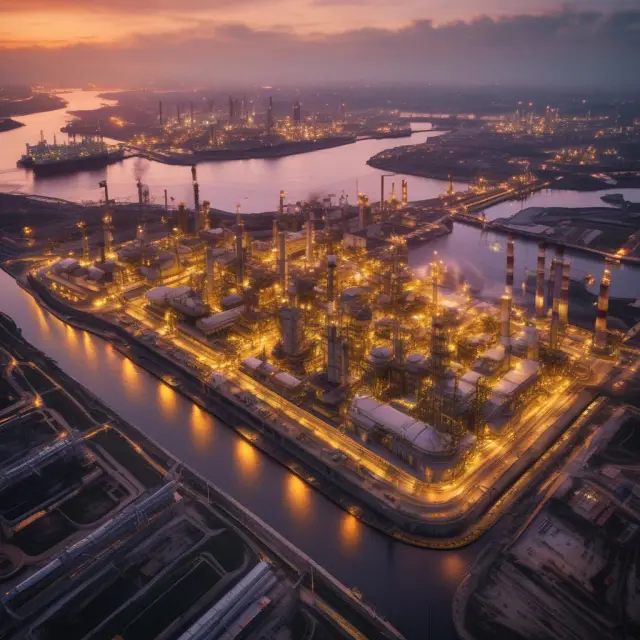
Upstream and Downstream: Integration and Impact on Markets
The oil and gas industry comprises three main sectors – upstream, midstream, and downstream. Understanding the role of each sector and their interconnectivity is crucial for investors in this space. This section delves deeper into the relationship between upstream, midstream, and downstream operations and how integration affects markets and pricing dynamics.
The oil and gas industry’s production process primarily consists of three stages: upstream (exploration and production), midstream (transportation and storage), and downstream (refining and distribution). Upstream companies are focused on the exploration, drilling, and extraction of natural resources such as crude oil or natural gas. These resources are then transported to refineries for processing in the downstream phase. Midstream companies facilitate the movement of these resources between upstream producers and downstream refiners by providing transportation services via pipelines, trucks, or ships.
The integration of upstream, midstream, and downstream sectors has significant implications for markets and pricing dynamics. By owning operations in all three sectors, integrated oil companies can control a larger share of the value chain. This integration offers various benefits such as:
- Price transparency: Integrated companies have better visibility into market conditions since they have access to real-time information regarding upstream production and downstream demand.
- Risk mitigation: Vertical integration helps these firms minimize risks associated with price volatility, as they can adjust their operations in the midstream or downstream sectors to accommodate changes in the upstream sector.
- Enhanced operational efficiency: Integrated companies can optimize their production and distribution processes by coordinating activities across all three sectors, leading to increased productivity and lower costs.
- Competitive advantages: The integration of various stages of the production process allows integrated firms to leverage economies of scale and scope, providing them with a competitive edge over non-integrated companies.
- Flexibility: Integrated oil companies have the flexibility to respond quickly to changing market conditions by adjusting their operations in each sector as needed.
- Improved stakeholder relations: By maintaining control over all aspects of the production process, integrated firms can enhance relationships with various stakeholders such as suppliers, customers, and governments.
- Enhanced financial performance: Integrated companies often achieve better financial performance due to the synergies generated by controlling multiple sectors within the value chain.
- Better management of commodity price risk: Integration allows companies to manage their exposure to price volatility more effectively by optimizing operations across all three stages of the production process.
In conclusion, understanding the relationship between upstream, midstream, and downstream operations is crucial for investors in the oil and gas industry. The integration of these sectors offers various benefits such as enhanced operational efficiency, improved risk management, increased flexibility, and competitive advantages that can impact markets and pricing dynamics significantly. By recognizing the importance of each sector and their interconnectivity, investors can make more informed decisions and better understand the overall performance of companies in this industry.

Upstream Technology and Innovations
In today’s oil and gas industry, technological innovations play a significant role in improving operational efficiency and reducing costs within upstream operations. The exploration process has evolved considerably from traditional methods, leading to more precise identification of potential reserves and less invasive drilling techniques. Some notable advancements include:
1. Seismic imaging technology: Seismic surveys using 3D, 4D, and even 5D technologies have become increasingly sophisticated. These advanced methods help geologists to gain a better understanding of reservoir structures, which leads to more accurate estimates of reserves.
2. Horizontal drilling: This drilling technique allows companies to extract oil or gas from wider areas by drilling horizontally instead of vertically. Horizontal drilling reduces the need for multiple wells in a single area and can lead to increased recoverable reserves.
3. Hydraulic fracturing (fracking): Fracking is a process that involves injecting water, sand, and chemicals into shale formations at high pressures to release trapped hydrocarbons. It has revolutionized the production of natural gas from shale formations, increasing both reserves and production rates.
4. Digital transformation: The use of digital technologies in upstream operations is becoming more widespread. Technologies such as artificial intelligence (AI), machine learning, and big data analytics help companies to make informed decisions regarding exploration, drilling, and extraction. These technologies can also improve operational efficiency and reduce costs.
5. Renewable energy integration: With the increasing focus on reducing greenhouse gas emissions, many oil and gas companies are exploring ways to integrate renewable energy into their upstream operations. This could include using wind or solar power to run drilling rigs, as well as carbon capture and storage technologies to reduce the carbon footprint of production processes.
These technological innovations have significantly impacted the upstream sector by increasing efficiency, reducing costs, and enabling companies to extract resources from previously uneconomic locations. Institutional investors should closely monitor these advancements and their implications for upstream operations, as they can provide valuable insights into potential investment opportunities and risks.
Challenges Facing Upstream Operations
Upstream operations face significant challenges due to various factors such as increasing competition, volatile market conditions, and ever-evolving regulations. These challenges affect the profitability and efficiency of exploration and production projects.
One major challenge for upstream companies is competition from other players in the industry, both large and small. With the rise of unconventional oil and gas resources such as shale formations, new entrants have joined the market, increasing competition for existing players. This has led to a race for resources and lower prices due to supply surplus, making it more difficult for companies to secure profitable projects.
Another challenge is the volatile market conditions in the oil and gas sector. The prices of crude oil and natural gas can fluctuate significantly based on global economic factors such as geopolitical risks, supply and demand imbalances, and changes in government policies. Upstream companies need to be able to manage these price risks effectively by employing various hedging strategies to minimize the impact on their revenues and cash flows.
Regulations also play a major role in upstream operations, with governments imposing new regulations to address environmental concerns and ensure safety standards. Companies must comply with these regulations, which can increase costs and complexity in exploration and production projects. In some cases, these regulations have led to longer project timelines and higher capital requirements, making it challenging for smaller companies to compete effectively.
Moreover, technological innovations are constantly changing the upstream landscape. For example, advancements in drilling technologies such as horizontal drilling and hydraulic fracturing (fracking) have opened up new opportunities for accessing previously uneconomical resources. However, these technologies also come with challenges such as environmental concerns and higher capital requirements, which can impact companies’ financial performance.
To address these challenges, upstream companies must be agile and adaptable to the ever-changing market conditions. They need to focus on improving operational efficiency by employing advanced technologies, optimizing their resource allocation, and streamlining their processes. Additionally, they should explore strategic partnerships and collaborations to share risks and costs with other players in the industry. By doing so, upstream companies can enhance their competitiveness and better navigate the challenges facing their sector.
In conclusion, understanding the challenges faced by upstream operations is crucial for institutional investors. Awareness of these factors can help inform investment strategies and enable better risk management. Institutional investors should monitor regulatory changes, technological innovations, market conditions, and competitive dynamics to ensure they make well-informed decisions when investing in upstream oil and gas companies.
Regulations Affecting Upstream Oil and Gas Operations
The upstream sector of the oil and gas industry faces numerous regulations that can significantly impact operations, costs, and investment decisions. In this section, we will discuss some crucial regulations affecting upstream activities.
Environmental Regulations
One of the primary concerns for upstream companies is complying with environmental regulations. The Environmental Protection Agency (EPA) in the United States enforces regulations regarding drilling, production, and waste disposal. Companies must adhere to strict guidelines for managing their wastewater, reducing emissions, and preventing spills. For instance, the Clean Water Act regulates discharge of pollutants into water sources, while the Clean Air Act governs emissions from oil and gas production facilities.
Safety Regulations
Safety regulations are also crucial for upstream companies to maintain operations. The Occupational Safety and Health Administration (OSHA) enforces rules protecting workers in the industry, such as mandatory training programs, reporting requirements, and workplace safety standards. Additionally, the Bureau of Safety and Environmental Enforcement (BSEE) regulates safety and environmental issues offshore.
Taxes and Royalties
Governments may levy taxes on upstream companies to generate revenue from oil and gas production. Production royalties are also common, with landowners or governments entitled to a percentage of the value produced from their land. Taxes and royalties can vary depending on the jurisdiction, making it essential for companies to understand tax laws in each location where they operate.
Exploration Permits
Before initiating exploration activities, upstream companies must obtain permits from regulatory bodies. These permissions may include drilling permits, environmental permits, and land use permits. Permitting processes can be lengthy and involve extensive documentation, inspections, and community consultations.
International Regulations
International regulations also play a significant role in upstream operations. For instance, the United Nations Convention on the Law of the Sea (UNCLOS) governs international waters, providing guidelines for nations regarding their jurisdiction over offshore resources, including oil, natural gas, and minerals. Additionally, various agreements between countries can impact exploration and production activities, such as joint ventures, service contracts, and production-sharing arrangements.
Conclusion:
Understanding the regulations affecting upstream oil and gas operations is vital for institutional investors seeking to make informed decisions in this sector. Regulations cover aspects such as environmental concerns, worker safety, taxes, exploration permits, and international agreements. By staying informed of these regulations and their implications, investors can assess risks and opportunities more effectively when considering investments in upstream companies.
FAQ:
What are some common regulations for upstream oil and gas operations?
Answer: Upstream oil and gas operations must adhere to regulations related to environmental issues, safety, taxes, royalties, and exploration permits.
Who enforces these regulations in the United States?
Answer: The EPA, OSHA, and BSEE are some of the main regulatory bodies that enforce rules for upstream oil and gas operations in the United States.
How do international regulations impact upstream operations?
Answer: International regulations, such as the UNCLOS, can significantly influence exploration and production activities, particularly in offshore locations and between countries.
FAQ: Frequently Asked Questions about Upstream Oil and Gas Operations
As institutional investors explore opportunities in the oil and gas industry, understanding upstream operations plays a crucial role in their investment strategies. In this section, we answer some frequently asked questions regarding upstream activities and their implications for the sector.
What is upstream in oil and gas operations?
Upstream refers to the initial stages of oil and gas production, which includes exploration, drilling, and extraction of crude oil and natural gas. Upstream companies are primarily involved in identifying deposits and extracting raw resources from beneath the ground.
What is the difference between upstream and downstream operations?
The primary distinction between upstream and downstream activities lies within their respective positions in the production process:
– Upstream: Involves exploration, drilling, and extraction of crude oil and natural gas. These companies search for deposits and extract raw materials from underground sources.
– Downstream: Encompasses the refining, processing, and distribution of finished petroleum products to consumers. Downstream companies convert raw resources into usable forms like gasoline, diesel, and natural gas liquids.
What are the three sectors of oil and gas production?
The oil and gas industry consists of three primary segments: upstream (exploration and production), midstream (transportation), and downstream (refining and distribution). Understanding these sectors is vital for investors seeking opportunities within the industry.
Who are some examples of upstream companies?
Upstream companies operate at the earliest stages of oil and gas production, focusing on exploration and extraction:
– China National Offshore Oil Corporation
– Schlumberger (SLB)
– ExxonMobil (XOM)
– Chevron (CVX)
– Royal Dutch Shell (RDS.A)
What services do upstream companies provide?
Upstream companies offer a range of services related to exploration, drilling, and extraction:
– Geological surveys
– Drilling rig operations
– Feasibility studies
– Machinery rental
– Extraction of chemical supplies
How do regulations affect upstream oil and gas operations?
Governmental regulations significantly influence the upstream sector by imposing strict guidelines on safety, environmental concerns, and operational procedures. Compliance with these rules is essential for maintaining a successful business in this industry.
In conclusion, understanding the role and significance of upstream operations is crucial for institutional investors looking to capitalize on opportunities in the oil and gas sector. By addressing some frequently asked questions concerning upstream activities, we aim to provide valuable insights into this essential part of the production process.
 Next entry · No. 5,346Understanding Upticks in Finance: Meaning, Types, Importance, and Rules
See also
-
 No. 5,343
01 Sep 2025
19 min
Understanding the Upstream Capital Costs Index (UCCI): A Comprehensive Guide for Institutional Investors
Business Finance
No. 5,343
01 Sep 2025
19 min
Understanding the Upstream Capital Costs Index (UCCI): A Comprehensive Guide for Institutional Investors
Business Finance -
 No. 3,972
11 May 2025
21 min
Understanding Petroleum: A Comprehensive Guide for Institutional Investors
Energy Finance
No. 3,972
11 May 2025
21 min
Understanding Petroleum: A Comprehensive Guide for Institutional Investors
Energy Finance -
 No. 3,789
27 Apr 2025
20 min
Organic Reserve Replacement: Understanding the Importance of Organic Reserves for Oil and Gas Companies
Energy Finance
No. 3,789
27 Apr 2025
20 min
Organic Reserve Replacement: Understanding the Importance of Organic Reserves for Oil and Gas Companies
Energy Finance -
 No. 5,882
15 Oct 2025
19 min
Zero-Based Budgeting: Understanding the Advantages, Disadvantages, and Process
Business Finance
No. 5,882
15 Oct 2025
19 min
Zero-Based Budgeting: Understanding the Advantages, Disadvantages, and Process
Business Finance -
 No. 5,573
20 Sep 2025
19 min
Wage Push Inflation: An Overview for Institutional Investors
Business Finance
No. 5,573
20 Sep 2025
19 min
Wage Push Inflation: An Overview for Institutional Investors
Business Finance -
 No. 5,176
17 Aug 2025
20 min
Understanding Undercapitalization: Causes, Consequences, and Prevention for Investors
Business Finance
No. 5,176
17 Aug 2025
20 min
Understanding Undercapitalization: Causes, Consequences, and Prevention for Investors
Business Finance