Understanding Downstream Operations in Finance and Investment: From Refining to Consumption
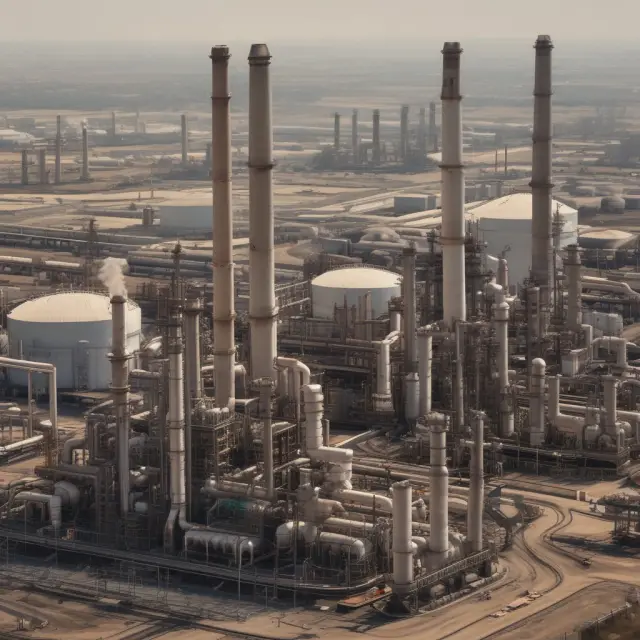
Exploring the significance of downstream operations within the oil and gas industry, from refining to consumer products, and its impact on investment.
Introduction to Downstream Operations
Downstream operations are a crucial part of the oil and gas industry. These operations refer to the conversion of crude oil and natural gas into their final products. Companies that manage these downstream processes are the closest to consumers and are responsible for delivering petroleum products such as liquefied natural gas, gasoline, heating oil, synthetic rubber, plastics, lubricants, antifreeze, fertilizers, pesticides, and many others. Unlike upstream operations that involve exploration, drilling, and extraction of crude oil, downstream operations start where the raw material has already been obtained.
Understanding Downstream Operations in the Oil and Gas Industry
The oil and gas industry can be divided into three main sectors: upstream, midstream, and downstream operations. The upstream sector deals with exploration and production of crude oil and natural gas, while the midstream sector involves transportation and storage of these resources. Downstream operations come next, where refining occurs to convert crude oil into finished products before they are marketed and sold to consumers.
Role in Everyday Life
The downstream process is significant as it provides the most direct link between the oil and gas industry and everyday life. The transformation of raw materials into consumer-ready goods is essential for industries like transportation, agriculture, medical, and many others. By focusing on this sector, we get a clearer understanding of how oil and natural gas influence our daily lives in various ways.
Diversification in the Economy
Downstream operations play an integral role in numerous industries that may not appear directly related to the oil and gas sector, such as healthcare and agriculture. The medical field relies on several by-products derived from the downstream process, while agriculture benefits from fertilizers and pesticides produced through these processes. This diversification within the economy demonstrates the far-reaching impact of downstream operations.
Refining Crude Oil into Petroleum Products
The downstream process begins with crude oil refining where it is transformed into various petroleum products such as gasoline, diesel, jet fuel, and heating oil. This is a critical step in ensuring the efficient distribution of these energy sources to end-users. The refining process benefits from any oversupply of crude oil in the upstream sector, which can lead to increased margins for downstream companies when crude prices are low.
Marketing and Retail
The final stages of downstream operations include marketing, distribution, and sales of petroleum products to consumers. Companies engaged in these activities maintain a strong presence through various channels like gas stations, convenience stores, and online sales platforms. This retail aspect is vital for the successful delivery of finished goods from the oil and gas industry.
Benefits for Institutional Investors
Investing in downstream operations can add diversity to an investment portfolio by exposing it to different parts of the oil and gas value chain. By investing in companies engaged in refining, marketing, or retail activities, investors can gain access to sectors with distinct growth patterns and profitability trends. This diversification strategy is particularly important for managing risks associated with volatility in crude oil prices and market fluctuations.

Processes Involved in Upstream Operations
The discovery, drilling, and extraction of crude oil and natural gas represent the upstream process within the oil and gas industry. It’s the first stage of the entire process that starts with identifying potential oil-rich areas through geological surveys and ends with extracting the raw materials.
In this section, we will delve into how these processes unfold to provide a better understanding of what upstream operations entail.
Discovery: The first step in upstream operations involves discovering hydrocarbon reservoirs or oil fields using geological surveys and seismic analysis. This stage is essential as it sets the foundation for the subsequent phases—drilling and extraction. Companies often spend vast amounts of resources in this phase to find potential areas with high oil and gas content, ensuring a profitable venture.
Drilling: After discovering an oil reservoir, the next step is drilling. Oil companies employ various drilling technologies such as rotary, directional, or horizontal drilling to reach deep underground deposits. During this process, a wellbore is created, and a casing is installed to ensure stability and maintain structural integrity.
Extraction: The final upstream operation involves extracting the crude oil or natural gas from the reservoir. Several methods are used for extraction, including primary, secondary, and tertiary recovery techniques. Primary recovery, which includes methods such as gravity drainage, is the most straightforward form of extraction that utilizes the natural driving mechanism to displace oil. However, when the reservoir’s natural pressure drops, additional methods are required for continued production. Secondary recovery processes, such as water flooding and gas injection, are employed to enhance oil recovery. Tertiary recovery involves the use of chemical or thermal techniques that further improve oil extraction.
Although upstream operations are crucial in the exploration and production phase, they do not directly contribute to providing consumers with petroleum products. The downstream process comes into play next. In the following section, we will discuss what downstream operations are and their significance in the oil and gas industry.
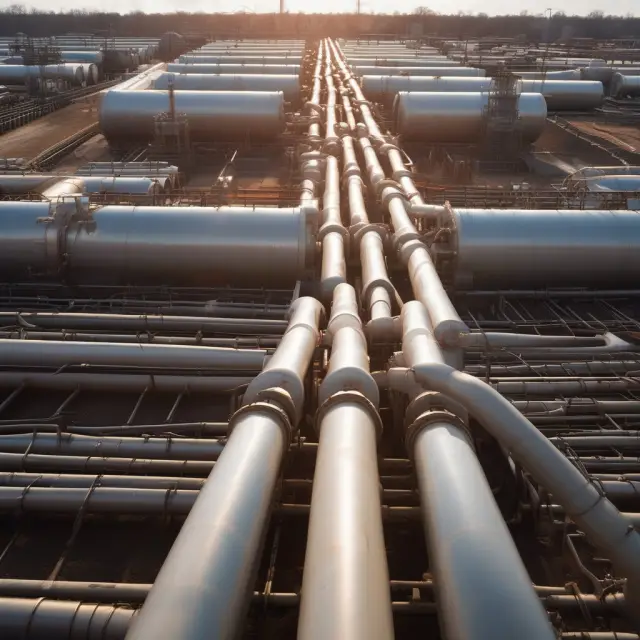
Midstream Operations: Transportation and Storage of Crude Oil
Understanding Midstream Operations in the context of the oil and gas industry refers to the processes involved with transporting crude oil from its extraction site to refineries for processing into petroleum products. The midstream sector is a critical link between upstream (exploration, production) and downstream (refining, marketing, distribution) operations. In this section, we’ll delve deeper into the methods used for transporting, storing, and managing crude oil to refineries.
Methods of Transportation: Crude oil can be transported in various ways depending on its location, volume, and distance from refineries. The most common forms include pipelines, trucks, railways, and tankers. Pipelines are the preferred mode of transportation for large volumes of crude due to their lower cost per barrel compared to trucking or rail. However, they can be limited by geographic factors and are not easily re-routed if needed. Trucks are often used to transport smaller quantities of crude oil short distances, such as from wells to storage tanks prior to pipeline connection or in locations where pipelines are not readily available. Railways can transport large volumes of crude over long distances when pipelines are not viable due to distance, cost, or geographic constraints. Tankers are used for offshore drilling platforms and international transportation. They can hold anywhere from 30,000 barrels to over 2 million barrels of oil and are typically used for shipping crude between continents or countries.
Storage: The storage of crude oil is critical to ensure a stable supply to refineries as well as to balance the demand and supply dynamics in the market. Crude oil can be stored in tanks, pipelines, or even on ships, depending on its location and the intended usage. Tanks can range from small aboveground storage tanks (ASTs) used at wellheads and terminals to large underground storage caverns designed for strategic petroleum reserves. Pipeline storage is also used when there are temporary bottlenecks in pipeline capacity or when a producer wants to store crude oil for an extended period before selling it. Floating, production, storage, and offloading (FPSO) vessels can also be used as floating storage solutions when oil fields are located far from shore or when there is limited onshore storage capacity.
Management: The effective management of midstream operations is essential to ensure that crude oil is transported and stored safely and efficiently. This includes monitoring pipeline networks, managing tanker schedules, optimizing logistics for transportation modes, and ensuring that all regulatory requirements are met. Midstream operators employ various technologies such as real-time pipeline monitoring systems, predictive maintenance solutions, and advanced analytics to minimize downtime, improve throughput, and reduce costs. They also collaborate with upstream and downstream companies to optimize the entire value chain, ensuring a consistent supply of crude oil to refineries while minimizing transportation costs and maintaining efficient storage capacity.
Benefits for Integrated Companies: In an oversupply situation where there is an excess of crude oil in the upstream sector leading to lower prices, midstream companies can benefit as their revenues increase due to higher volumes of crude oil being transported. This additional revenue can be used to invest in new pipelines or storage capacity, further bolstering the midstream company’s position in the market and providing a hedge against future supply gluts. Furthermore, during periods when refineries are experiencing maintenance downtime, midstream companies may store excess crude oil to sell later when demand returns, helping to mitigate the negative impact of lower refining margins and ensuring stable cash flow for the company.
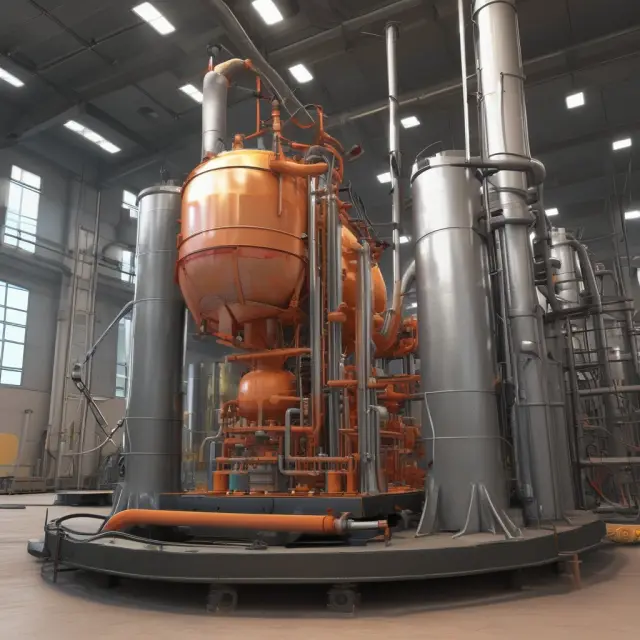
What are Downstream Operations?
Downstream operations represent the final stages of the oil and gas industry value chain—a critical step in converting raw crude oil or natural gas into valuable finished products for everyday use. This segment is essential as it links consumers to the energy sector, creating a crucial bridge between production and consumption. Downstream processes encompass refining crude oil into petroleum products like liquefied natural gas (LNG), gasoline, diesel, heating oil, synthetic rubber, plastics, lubricants, antifreeze, fertilizers, and pesticides.
Furthermore, downstream operations extend beyond the traditional oil and gas industry to influence other sectors, such as healthcare and agriculture. In healthcare, downstream operations contribute to essential products like medical equipment, pharmaceuticals, and anesthetics. Meanwhile, in agriculture, petroleum-based fertilizers and pesticides are vital for optimizing crop yields and food production.
Downstream operations significantly differ from upstream processes such as exploration and production (E&P), which involve drilling and extracting crude oil or natural gas. While E&P companies focus on the initial stages of oil discovery, downstream companies specialize in refining, marketing, distributing, and selling petroleum products. The oil and gas industry can be divided into three primary segments: upstream (E&P), midstream (transportation and storage), and downstream (refining and distribution).
Downstream operations provide several advantages for institutional investors by offering diversification to their portfolios. By investing in various downstream sectors like oil refining, supply and trading, and product marketing and retail, investors can hedge against potential risks associated with the volatile nature of upstream activities. For example, during periods of oversupply in the crude oil market, integrated companies may experience a decline in revenue, while downstream segments continue to generate profitability as the demand for refined petroleum products remains stable.
Understanding the role and significance of downstream operations in the oil and gas industry is crucial for both investors and consumers alike. As the world’s population continues to grow, and energy demands escalate, the importance of this vital sector cannot be overstated. By providing finished petroleum products that fuel our economy and power our daily lives, downstream operations play a pivotal role in ensuring the long-term success and sustainability of the oil and gas industry as a whole.

Types of Products Resulting from the Downstream Process
The downstream process is crucial for converting raw crude oil into various valuable commodities essential to everyday life. After crude oil undergoes extraction through upstream processes, it moves on to midstream and finally reaches the downstream sector for transformation into consumer-oriented products. The following are some common commodities generated from the downstream process:
- Liquefied Natural Gas (LNG) – Derived from natural gas by cooling it to a liquid state at extremely low temperatures, typically below -162°F (-109.4°C).
- Gasoline – A type of petroleum product primarily used as fuel for cars and other internal combustion engines.
- Heating Oil – Consumed as a fuel for home heating systems, particularly in colder regions.
- Synthetic Rubber – Manufactured by polymerization processes using oil feedstocks, producing materials with different properties suitable for automobile tires and various industrial applications.
- Plastics – Derived from petroleum products through polymerization and other chemical reactions, used in packaging, construction, automotive manufacturing, and many other industries.
- Lubricants – Utilized to reduce friction between moving parts and facilitate smooth operation.
- Antifreeze – A mixture of ethylene glycol or propylene glycol and water that protects cooling systems from freezing during cold temperatures.
- Fertilizers – Derived primarily from natural gas, producing nitrogen-based fertilizers to promote plant growth in agriculture.
- Pesticides – Organic and synthetic compounds used to control pests, fungi, weeds, and diseases in crops.
Moreover, the downstream process has significant impacts beyond conventional industries like energy or transportation. For instance, it plays a substantial role in sectors that might not initially come to mind:
- Medical field – Synthetic rubbers, plastics, and antifreeze are integral components of medical devices, surgical instruments, and hospital equipment.
- Agriculture sector – Fertilizers, pesticides, and fuel for farming machinery enable the production and distribution of food to consumers.
In conclusion, understanding downstream operations is crucial for grasping the entire oil and gas value chain. The process results in a wide range of products that are essential to various industries, from energy and transportation to healthcare and agriculture. By recognizing its significance and diversity, readers can deepen their knowledge of how oil transforms into everyday commodities.

Downstream Operations in Non-Traditional Industries
Beyond the traditional aspects of providing consumers with their everyday fuels like gasoline, diesel, heating oil, natural gas, and other petroleum products, downstream operations play a crucial role in sectors that may not initially seem related. This section will delve into how downstream operations contribute significantly to both the medical field and agriculture sector.
The Medical Field: A New Perspective on Petroleum Products
Petroleum is not just used for transportation and generating electricity, but it also plays a significant role in modern medicine. Downstream operations are at the forefront of producing crucial products like pharmaceuticals, medical equipment, and materials essential to medical facilities. In fact, over 60% of the components in drugs have their origins in petroleum, and oil refineries generate more than 800 different chemical compounds for medical use. These include anesthetics, antidepressants, anti-inflammatory medications, vitamins, and even life-saving antibiotics.
Moreover, medical equipment and supplies often contain synthetic materials derived from crude oil. For instance, plastic syringes, catheters, and IV tubing all rely on petroleum for their production. The refining process converts raw materials like natural gas liquids or crude oil into essential intermediates, which ultimately result in the synthesis of pharmaceutical compounds, plastics, and medical equipment.
Agriculture: A Symbiotic Relationship with Downstream Operations
The connection between agriculture and downstream operations may not be as immediately apparent but is equally crucial. Petroleum products play a role in maintaining optimal crop yields while minimizing environmental impact. Farmers utilize fertilizers, herbicides, and pesticides derived from petroleum to increase productivity and reduce damage caused by pests and weeds.
Furthermore, petroleum-derived fuels power the machinery used in modern agriculture, such as tractors, irrigation systems, and grain dryers. This enables large-scale farming operations that are essential for feeding a growing global population. Without downstream operations, agricultural productivity would not be able to meet the increasing demand.
Conclusion: A Broader Impact of Downstream Operations
The significance of downstream operations goes beyond just refining crude oil into consumer products. Their influence on various industries and aspects of modern society is vast and often overlooked. From medical applications and equipment production to agriculture’s success, downstream operations prove essential to our daily lives. This interconnectedness highlights the importance of understanding the complete scope of this crucial sector in the financial world.
Refining: Turning Crude Oil into Petroleum Products
In the oil and gas industry, downstream operations represent the final stages of converting raw materials—crude oil or natural gas—into finished products for consumers. One crucial aspect of these downstream processes is refining crude oil into valuable petroleum products. Understanding the significance of this stage, especially during periods of oversupply and volatile oil prices, can provide substantial benefits to integrated companies.
The distinction between upstream and downstream operations lies primarily in where companies are within the process of delivering petroleum products to consumers. Upstream activities include exploration, production, drilling, and extraction; these companies are responsible for discovering crude oil and bringing it to the surface. Downstream businesses, on the other hand, deal with refining, marketing, distribution, and selling of oil or natural gas products to end-users.
Downstream operations provide significant value to integrated companies and can even turn a profit during periods when upstream companies experience challenges like oversupply and falling crude prices. For example, consider an integrated refining company that processes WTI crude oil into gasoline when prices drop substantially due to a global supply glut. Though the price of crude oil is low, the demand for refined petroleum products remains steady or even increases. Consequently, this refining company experiences higher margins as it converts the low-cost crude oil into valuable gasoline.
The refining process plays a crucial role in the industry by providing finished petroleum products to consumers and generating additional revenue for integrated companies during difficult economic conditions. To fully comprehend downstream operations, including refining, let’s explore their impact on integrated companies and the importance of being an integrated player within this sector.
Impact of Downstream Operations on Integrated Companies
When it comes to oil and gas production, companies can be categorized based on the extent of their involvement in various stages—upstream, midstream, and downstream operations. Upstream companies are responsible for exploration, drilling, and extraction, while those involved in refining and distribution are considered downstream players. Integrated companies, however, engage in multiple aspects of this value chain, reaping advantages from both upstream and downstream opportunities.
The benefit of being an integrated company is that it provides a more stable revenue stream by reducing exposure to market price volatility. For instance, when crude oil prices drop significantly, the profitability of upstream companies can be negatively impacted. However, downstream companies may experience increased profitability due to higher refining margins during these periods.
Benefits of Refining Operations for Investors
For institutional investors seeking diversification in their portfolios, investing in downstream operations, specifically refining, can provide a hedge against the price volatility experienced by upstream companies. By investing in refining assets, investors can generate stable returns and potentially protect their portfolio from extreme market swings.
Moreover, refining operations offer an attractive proposition for investors as they are less susceptible to geopolitical risks than upstream activities. For instance, unlike drilling or exploration sites that could be targeted by political instability, refineries tend to be located in more stable areas, further reducing risk factors for investors.
Conclusion:
Refining is a crucial aspect of downstream operations within the oil and gas industry. It provides significant benefits to integrated companies, particularly during challenging market conditions like oversupply or falling crude prices. By converting raw materials into valuable finished products, refining plays an essential role in delivering petroleum products to consumers and generating stable revenue for integrated companies. For investors seeking diversification, investing in downstream operations like refining can provide a hedge against upstream price volatility while minimizing geopolitical risks associated with oil exploration and production.
Marketing and Retail in Downstream Operations
When we talk about oil and gas operations, there’s an intricate web of upstream, midstream, and downstream processes involved. While upstream activities such as exploration, drilling, and production might receive the most attention, it is the downstream process that ultimately puts refined products in the hands of consumers. In this section, we will delve into the marketing and retail aspects of the downstream operations.
Downstream businesses can be broadly categorized as oil refining, supply and trading, and product marketing and retail. These categories are interconnected, and their roles play a crucial part in the overall flow of petroleum products from production to the end consumer. Let’s explore each category in detail:
- Oil Refining: The refining process is responsible for transforming crude oil into various forms of valuable fuels and chemicals. It typically occurs either midstream or downstream, depending on how the companies are structured. This process involves distillation, desulfurization, and other treatments to ensure that the extracted products meet the necessary specifications for different industries and applications. Refiners also aim to optimize their operations to maximize efficiency and profitability in response to market conditions and supply/demand dynamics.
- Supply and Trading: Another critical downstream business segment is supply and trading, which plays a vital role in managing the logistics of petroleum products between different markets, regions, and storage facilities. This can include spot trading, where companies buy or sell crude oil or refined products at current market prices to meet immediate demands, as well as long-term contracts for securing future supplies of raw materials or finished products. Supply and trading companies need to stay abreast of the latest market trends, regulatory changes, and geopolitical events to effectively manage risk and maximize profitability in their operations.
- Product Marketing and Retail: The final step in downstream operations is product marketing and retail, where companies distribute and sell refined petroleum products directly to consumers through various channels such as gas stations, convenience stores, or industrial customers. This sector involves significant competition among players due to the commoditized nature of many fuels and the importance of building a strong brand that resonates with consumers. Effective marketing strategies can include pricing promotions, loyalty programs, and partnerships with complementary businesses to expand market reach. Additionally, retailers must invest in technology and infrastructure to offer convenient payment methods, streamlined processes, and high-quality customer service to stay competitive.
The downstream sector plays a vital role not only within the oil and gas industry but also in various industries where petroleum products are integral components, such as agriculture and medical fields. For example, downstream processes yield essential commodities like fertilizers, pesticides, and pharmaceuticals that support agricultural production and contribute to advancements in healthcare technology.
Furthermore, the relationship between upstream operations (exploration, drilling, and extraction) and downstream operations is significant, as an oversupply of crude oil in the upstream sector can provide opportunities for integrated companies to benefit from increased refining margins and improved product demand due to price volatility. In contrast, a downturn in the upstream sector may put pressure on downstream companies to adapt and innovate to maintain profitability.
As we have seen, understanding marketing and retail aspects of downstream operations is essential for investors, policymakers, and industry professionals alike to appreciate the intricacies involved in the entire oil and gas value chain. With a clear grasp of upstream, midstream, and downstream processes, one can better assess market trends, evaluate potential investment opportunities, and make informed decisions that contribute to long-term growth and success.

Benefits of Downstream Operations for Institutional Investors
Downstream operations represent a crucial aspect of the energy sector as they convert raw crude oil into valuable finished products that are directly linked to everyday consumers’ lives. This section sheds light on how institutional investors can benefit from investing in downstream companies, with an emphasis on diversification and steady cash flow generation.
Investing in Downstream Operations: Diversification
First and foremost, diversification is a key advantage of investing in downstream operations for institutional investors. As oil prices fluctuate, the upstream industry can be subjected to significant volatility due to market forces such as geopolitical risks or supply and demand imbalances. In contrast, the downstream sector offers a more stable revenue stream due to its closeness to consumers, making it an attractive proposition for those seeking risk mitigation.
Moreover, downstream operations encompass various commodities, such as liquefied natural gas (LNG), gasoline, heating oil, synthetic rubber, plastics, lubricants, antifreeze, fertilizers, and pesticides. This diversification helps investors spread their risk across multiple products and sectors, potentially reducing the overall volatility in their portfolios.
Steady Cash Flows from Downstream Operations
A stable revenue stream is another benefit of investing in downstream operations. Unlike upstream operations that rely on exploration and production success, downstream companies generate cash flows through the sale of refined products to consumers. This consistent cash flow can be a significant advantage for institutional investors seeking to maintain a steady income stream.
Moreover, as mentioned earlier, the demand for petroleum products tends to remain relatively stable compared to crude oil prices. Therefore, downstream companies can benefit from these price discrepancies and generate healthy profit margins when crude oil prices are low. For example, during periods of oversupply or falling crude prices, upstream companies may experience decreased profits due to reduced demand for their products; however, downstream companies can continue generating steady revenues by refining the existing stockpiles and selling the resulting petroleum products.
Additionally, the midstream sector—which includes transportation and storage—can benefit from downstream operations since a continuous supply of crude oil is necessary to maintain refinery production levels and meet consumer demand for petroleum products. This symbiotic relationship between upstream, midstream, and downstream sectors creates a solid foundation for stable cash flows in the downstream sector.
Investing Strategies for Institutional Investors: Examples
When it comes to investing strategies for institutional investors interested in the downstream sector, there are several approaches they can take. These strategies may include but are not limited to index funds, actively managed funds, exchange-traded funds (ETFs), and individual company investments.
1. Index Funds: Institutional investors can consider investing in index funds that track the performance of specific downstream sectors or indices, such as the Dow Jones U.S. Oil & Gas Refining & Marketing Index or the MSCI World Energy sector index. These funds offer diversification and a passive investment approach that aims to replicate the overall market performance.
2. Actively Managed Funds: Actively managed funds allow investors to leverage professional management teams’ expertise and insights in picking stocks within the downstream sector. These funds can be more expensive compared to index funds but may potentially provide higher returns if the fund manager performs well.
3. Exchange-Traded Funds (ETFs): ETFs offer a low-cost, diversified investment option for institutional investors. ETFs like United States Oil ETF and Energy Select Sector SPDR Fund invest primarily in downstream oil and gas companies or the energy sector, respectively. Institutional investors can trade these ETFs on major exchanges like NYSE or NASDAQ just like individual stocks.
4. Individual Company Investments: Institutions can opt to directly invest in specific downstream companies whose operations they believe will yield solid returns over time. This approach allows for more control and customization but requires extensive due diligence, research, and analysis of the selected company’s financial statements, industry trends, and management quality.
Conclusion: Downstream Operations Offer Institutional Investors Stable Cash Flows and Diversification
In conclusion, downstream operations offer institutional investors a unique opportunity for diversification and steady cash flows in the volatile oil and gas market. By converting crude oil into valuable petroleum products, companies within this sector cater to everyday consumers’ needs, providing a stable revenue stream that is less susceptible to price fluctuations. Institutional investors seeking diversification and income stability can consider investing in various ways such as index funds, actively managed funds, ETFs, or individual company investments.
Understanding downstream operations further can help institutional investors make more informed decisions regarding their energy sector allocations, ultimately contributing to a well-diversified and robust investment portfolio.

FAQs: Understanding Downstream Operations Further
Downstream operations have been a critical part of the oil and gas industry for decades, but their role often remains misunderstood, especially with respect to upstream and midstream processes. In this section, we address some common questions regarding downstream operations, offering insights into its functions in various industries, its importance, and how it differs from other sectors.
What is Downstream Operations?
Downstream operations refer to the conversion of raw oil and gas resources into consumer-ready products. These processes include refining crude oil, manufacturing natural gas liquids, marketing and trading petroleum commodities, as well as transporting and selling refined products at retail outlets. This sector is essential for delivering the end products that everyday consumers use, such as fuel, lubricants, plastics, fertilizers, and more.
How does Downstream Operations Differ from Upstream and Midstream?
Upstream operations encompass exploration, discovery, drilling, and production of crude oil or natural gas resources. Midstream operations involve the transportation, storage, and processing of these resources between the wellhead and refineries or distribution terminals. In contrast, downstream operations manage the conversion of raw materials into finished products for consumers, making it the final link in the value chain.
What are Some Examples of Downstream Operations?
Downstream operations cover a broad range of industries, from traditional petroleum products to non-traditional applications like medical and agricultural sectors. For instance, synthetic rubber, plastics, lubricants, antifreeze, fertilizers, and pesticides are all byproducts of the downstream process in the oil and gas industry. Moreover, it plays a significant role in the medical field through pharmaceuticals, surgical instruments, and packaging materials made from petroleum products. In agriculture, downstream operations provide essential fuels for farming equipment and produce raw materials like fertilizers and pesticides that are crucial for crop production.
What is the Benefit of Downstream Operations to Institutional Investors?
Investing in downstream operations can provide several advantages for institutional investors. Diversification, risk management, stable cash flows, and higher returns relative to upstream exploration and production (E&P) projects are some of these benefits. Moreover, downstream companies often enjoy stronger demand, less volatile pricing compared to crude oil prices, and more resilient business models since they serve various industries and customers.
What’s the Role of Downstream Operations in the Oil and Gas Industry?
In summary, downstream operations are critical for the oil and gas industry since they convert raw resources into consumer-ready products. They are responsible for delivering essential fuels, lubricants, plastics, fertilizers, and other petroleum derivatives that power our economy and daily life. By understanding downstream operations’ importance, we can gain a more comprehensive perspective on the overall value chain of the oil and gas sector.
 Next entry · No. 1,128Understanding Downtrends in Finance: Characteristics, Identification, and Impact
See also
-
 No. 835
17 Jun 2024
21 min
Crude Oil: Understanding This Vital Fossil Fuel
Business Strategy
No. 835
17 Jun 2024
21 min
Crude Oil: Understanding This Vital Fossil Fuel
Business Strategy -
 No. 5,786
07 Oct 2025
20 min
Understanding Working Interest: Investment and Taxation
Business Finance
No. 5,786
07 Oct 2025
20 min
Understanding Working Interest: Investment and Taxation
Business Finance -
 No. 3,428
28 Mar 2025
16 min
Understanding Netback: A Key Performance Metric for Oil Producers
Business Finance
No. 3,428
28 Mar 2025
16 min
Understanding Netback: A Key Performance Metric for Oil Producers
Business Finance -
 No. 3,197
09 Mar 2025
20 min
Understanding Midstream: Storage, Processing, and Transportation in Oil and Gas
Business Finance
No. 3,197
09 Mar 2025
20 min
Understanding Midstream: Storage, Processing, and Transportation in Oil and Gas
Business Finance -
 No. 2,243
21 Dec 2024
20 min
The Hubbert Curve: Understanding the Theory and Real-World Applications for Investors
Business Finance
No. 2,243
21 Dec 2024
20 min
The Hubbert Curve: Understanding the Theory and Real-World Applications for Investors
Business Finance -
 No. 1,496
24 Sep 2024
23 min
Foreign Institutional Investors (FII) – Understanding, Regulations, and Impact on India and China
Business Finance
No. 1,496
24 Sep 2024
23 min
Foreign Institutional Investors (FII) – Understanding, Regulations, and Impact on India and China
Business Finance