Understanding Midstream: Storage, Processing, and Transportation in Oil and Gas
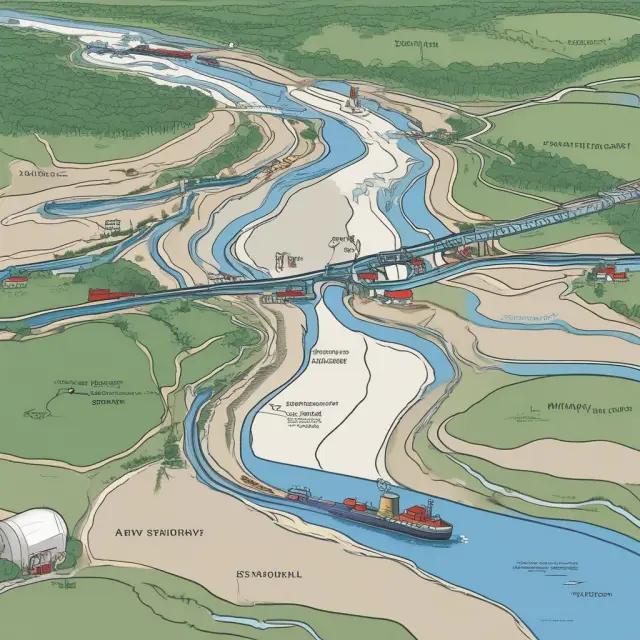
Learn about midstream in the Oil & Gas industry: Understanding processing, storage, and transportation of crude oil & natural gas. Discover major players…
Introduction to Midstream
Midstream is an integral aspect of the oil and gas industry that falls between upstream (raw crude oil and natural gas production) and downstream (refining of crude oil into gasoline, diesel, jet fuel, and other fuels). Midstream encompasses the processing, storing, transporting, and marketing of oil, natural gas, and natural gas liquids. Many large oil companies engage in all three streams of the process and are referred to as integrated oil companies.
Midstream Activities: An Overview
Midstream activities come into play after the production phase, or upstream, and extend through to the point of sale. Integrated oil companies often incorporate midstream operations within their overall business strategies. However, some companies focus exclusively on midstream processes by specializing in operating tanker ships, pipelines, or storage facilities.
The United States and Canada: The Heartland of Midstream
Midstream is more prominent as a separate industry in the US and Canada due to large privately owned oil pipelines and storage facilities. For instance, TransCanada Corporation owns the Keystone Pipeline System, a significant oil pipeline system that spans Canada and the United States. Other midstream-focused companies like Magellan Midstream Partners, Hess Midstream, Oasis Midstream Partners, Sanchez Midstream Partners, and EQT Midstream Partners have made their mark in the industry by offering crucial services between raw upstream production and refiners.
Midstream Example: Magellan Midstream Partners
Magellan Midstream Partners provides a clear illustration of midstream operations. They own and manage five marine storage terminals, situated along coastal waterways with a combined capacity of approximately 26 million barrels. These terminals offer services such as distribution, storage, blending, inventory management, and additive injection for refiners, marketers, traders, and other end-users of petroleum products.
In contrast, midstream is less defined as a separate industry in Europe. European oil companies, like Shell or BBP, typically report production and transportation costs together in their annual financial results. Additionally, many European pipelines are state-owned or controlled by the governments whose territories they cross or by state-owned oil transportation companies in those countries. This arrangement often results in a lack of midstream as a distinct part of the European oil production value chain.
Definition and Characteristics of Midstream Activities
Midstream refers to the crucial middle stage between upstream and downstream processes in the oil and gas industry. This stage is often overlooked, yet it plays an essential role in the entire process. Midstream activities primarily consist of processing, storing, transporting, and marketing of raw crude oil, natural gas, and natural gas liquids. After upstream production – drilling, extraction, and gathering – midstream companies step in to manage the storage, refinement, and distribution of these resources.
In the context of the oil industry, the distinction between upstream, midstream, and downstream is critical. Upstream processes include exploration, drilling, and production of crude oil or natural gas. Midstream activities occur post-production but before the final conversion of raw materials into refined products, which falls under the downstream category.
The significance of midstream stems from its role as a bridge between upstream and downstream sectors. Companies specializing in midstream services are essential for ensuring the efficient movement of crude oil and natural gas from production sites to refineries or end consumers. Examples include those that operate tanker ships, pipelines, or storage facilities.
The United States and Canada have a more prominent midstream industry compared to Europe, thanks to their extensive privately-owned oil pipelines and storage facilities. For instance, the Keystone Pipeline System is a notable example of an oil pipeline system that runs between Canada and the US, primarily owned by TransCanada Corporation. Other significant midstream companies include Oasis Midstream Partners, Sanchez Midstream Partners, Hess Midstream, Magellan Midstream Partners, and EQT Midstream Partners.
One key example of a midstream company, Magellan Midstream Partners, emphasizes the importance of its role in the oil value chain by providing distribution, storage, blending, inventory management, additive injection services, and other crucial functions for refiners, marketers, traders, and end-users.
While midstream activities are often viewed as distinct from upstream or downstream processes, they are intricately linked to them. European oil companies usually report production and transportation costs together. Moreover, European oil pipelines are often state-owned or controlled by governments, making midstream a less separate entity in their value chain.
Role and Significance of Midstream in the Oil Industry
Midstream is an essential component of the oil industry, acting as a bridge between upstream (exploration and production) and downstream (refining and marketing) stages. This critical middle sector focuses on storage, processing, transporting, and marketing of crude oil and natural gas. Midstream activities ensure a steady flow of oil and gas from the wellhead to refineries or export terminals.
Understanding Midstream Activities
Midstream companies play significant roles in various aspects of the oil industry. These roles can include:
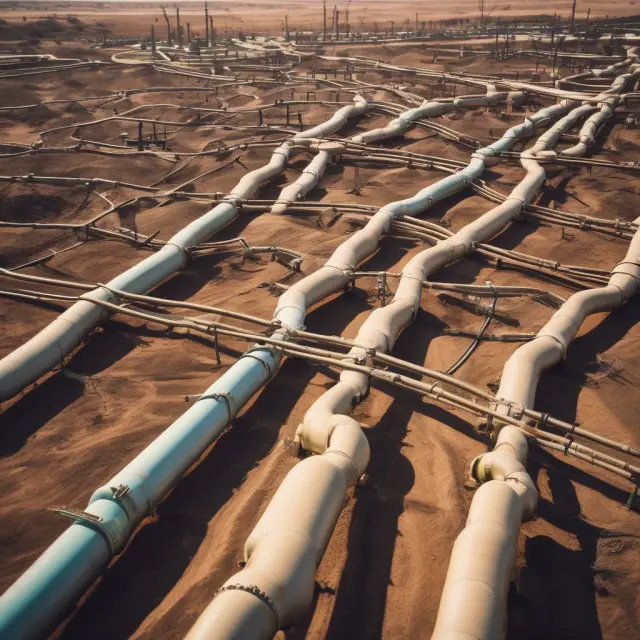
– Transportation: Midstream operators move crude oil, natural gas liquids, and natural gas via pipelines, tanker ships, or rail to refineries, storage facilities, or export terminals. They also manage the transfer of products from pipelines to marine vessels or trucks for further transportation.
– Storage: Midstream companies provide essential storage facilities for crude oil and natural gas, ensuring a stable supply for consumers and markets. These services include maintaining tank farms, aboveground storage tanks (ASTs), salt cavern storage, and other types of bulk liquid and compressed gas storage.
– Processing: Some midstream operators also perform processing activities, such as separating natural gas liquids from natural gas or cleaning crude oil before it is transported to refineries. In some cases, they may blend various types of crudes to create more consistent product quality for refiners.
– Marketing: Midstream companies market and sell the natural gas and natural gas liquids they acquire from producers to end-users or other industry participants. They can also act as intermediaries in transactions between different parties.
Importance of Midstream Activities
The role of midstream activities in the oil industry is twofold: it facilitates the efficient flow of oil and natural gas from production to consumption and provides essential services that enable upstream, midstream, and downstream companies to operate effectively. In addition to these benefits, midstream operations also help manage price risks for producers by providing a platform for hedging and risk management.
In the US and Canada, midstream has become an increasingly important sector due to large privately-owned oil pipelines and storage facilities that allow independent companies to operate as midstream providers separate from upstream or downstream businesses. This separation of functions in the oil production value chain results in numerous benefits for consumers, including increased competition, improved efficiency, and enhanced safety and regulatory oversight.
Some prominent midstream companies include Magellan Midstream Partners, Oasis Midstream Partners, Sanchez Midstream Partners, Hess Midstream, and EQT Midstream Partners. These companies play vital roles in the oil industry by providing services such as storage, transportation, processing, and marketing to upstream, midstream, and downstream players.
Comparison of Upstream, Midstream, and Downstream Activities
The primary difference between upstream, midstream, and downstream activities lies in their focus:
– Upstream (Exploration and Production): Companies in this stage search for new oil and natural gas reserves, drill wells, and extract raw resources from the ground.
– Midstream (Storage, Processing, Transportation, and Marketing): Midstream companies provide essential services that facilitate the transportation and storage of crude oil and natural gas between upstream operations and downstream refining and marketing.
– Downstream (Refining and Marketing): Companies in this stage convert raw resources into usable products such as gasoline, diesel, jet fuel, or other petrochemicals, and sell these products to consumers through various channels.
By understanding the functions of upstream, midstream, and downstream activities, it becomes easier to appreciate the role that each sector plays in the overall oil industry. The midstream sector acts as a vital link between production and consumption, ensuring that crude oil and natural gas can be transported efficiently and safely to refineries and export terminals.
In contrast, European countries often report production and transportation costs together, leading to the absence of midstream as a distinctly separate part of the oil production value chain. However, this doesn’t diminish the importance of midstream activities, which continue to play a significant role in maintaining the integrity and functionality of the global oil industry.
The Future of Midstream Operations
As the world transitions towards renewable energy sources and reduces its reliance on fossil fuels, midstream operations will likely face both challenges and opportunities. However, given the essential nature of midstream services for the stability and security of the oil industry, it is expected that they will continue to play a crucial role in facilitating the movement of crude oil and natural gas between production, refining, and consumption.
Environmental Considerations
Midstream operators face numerous environmental challenges due to their roles in handling large quantities of hydrocarbons. To mitigate these risks, companies invest in advanced technologies and practices to minimize emissions, reduce water usage, and ensure operational safety. Some key considerations include the use of low-emission vehicles and equipment, the implementation of leak detection systems, and adherence to strict regulations governing pipeline construction, operation, and maintenance.
In conclusion, midstream is a crucial component of the oil industry, providing essential services for storage, transportation, processing, and marketing of crude oil and natural gas. Understanding its role and significance can help provide valuable insights into the overall functioning of the oil industry and the challenges it faces in today’s ever-evolving energy landscape.
FAQs:
What is midstream in the oil industry?
Midstream refers to the storage, processing, transporting, and marketing of crude oil and natural gas between production and refining or export terminals.
Which companies are considered midstream?
Companies such as Magellan Midstream Partners, Oasis Midstream Partners, Sanchez Midstream Partners, Hess Midstream, and EQT Midstream Partners are prominent examples of midstream operators.
Why is midstream important to the oil industry?
Midstream activities ensure a steady flow of crude oil and natural gas from production to refineries or export terminals and provide essential services that enable upstream, midstream, and downstream companies to operate effectively.
What are some common environmental challenges faced by midstream operators?
Midstream operators face challenges such as emissions reduction, water usage minimization, and operational safety. They invest in advanced technologies and practices to mitigate these risks.
Types of Midstream Companies and Operations
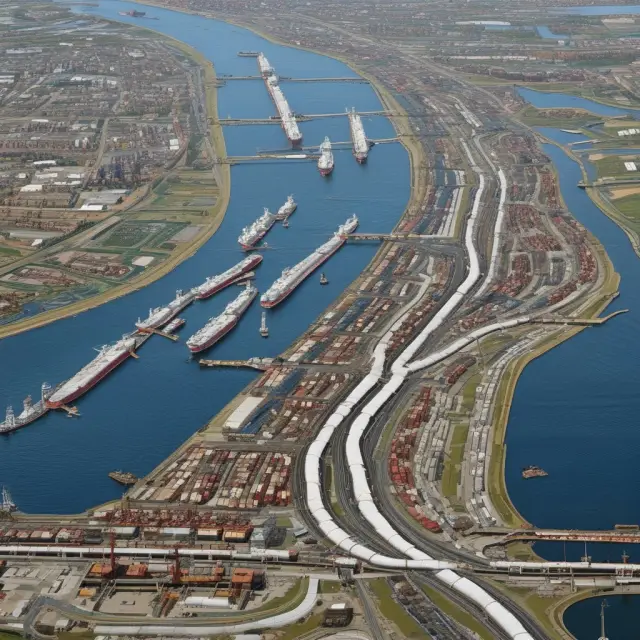
Midstream is an essential aspect of the oil and gas industry, encompassing the activities between upstream production and downstream refining or marketing. In particular, midstream involves the processing, storage, and transportation of crude oil, natural gas, and natural gas liquids. Midstream companies specialize in this sector, offering services that bridge the gap between raw resource extraction and the end product. Three primary types of midstream operations include tanker ships, pipelines, and storage facilities.
Midstream via Tanker Ships
Tanker ships transport oil from its production site to refineries or other destinations for further processing. These ships are crucial in moving large quantities of crude oil over long distances. For instance, Magellan Midstream Partners is a leading midstream player with a significant focus on marine terminals. They offer essential services such as distribution, storage, blending, inventory management, and additive injection to refiners, marketers, traders, and other end-users of petroleum products.
Midstream via Pipelines
Another vital midstream activity is the transportation of oil and natural gas through pipelines. These structures enable the transfer of crude oil or natural gas over long distances more efficiently than road or rail transport methods. The Keystone Pipeline System, owned by TransCanada Corporation, is a prominent example of a large-scale pipeline system. It transports crude oil between Canada and the United States.
Midstream via Storage Facilities
Lastly, midstream companies provide storage services to store crude oil or natural gas for later use. For instance, Hess Midstream focuses on operating pipelines and storage facilities, providing essential infrastructure that supports upstream producers and downstream refiners and marketers alike. The ability to store petroleum products allows the industry to balance supply and demand and ensure a consistent flow of product to consumers.
Midstream vs. Upstream and Downstream
In contrast to upstream activities, such as drilling for oil or exploring for natural gas, midstream companies do not actually produce any hydrocarbons; rather, they provide the logistical link between production and consumption. Similarly, downstream operations include refining crude oil into various fuels like gasoline, diesel, and jet fuel. Midstream companies operate in the middle of these processes, ensuring that raw resources are transported and stored safely and efficiently to meet the demands of upstream and downstream activities.
Midstream’s Role in the US vs. Europe
The midstream industry is more prominent as a separate entity in the United States and Canada than in Europe due to the large privately-owned oil pipelines and storage facilities that exist within these countries. In Europe, transportation and storage tend to be integrated with upstream production. For example, major European oil companies like Shell or BP report production and transportation costs together in their annual financial results. Additionally, most European oil pipelines are controlled by governments or state-owned oil transportation companies. This ownership structure tends to result in the absence of midstream as a separately designated part of the oil production value chain in Europe. However, midstream companies still play an important role in transporting crude oil and natural gas from producing countries like Russia and Norway to European consumers.
Midstream Activities vs. Upstream and Downstream
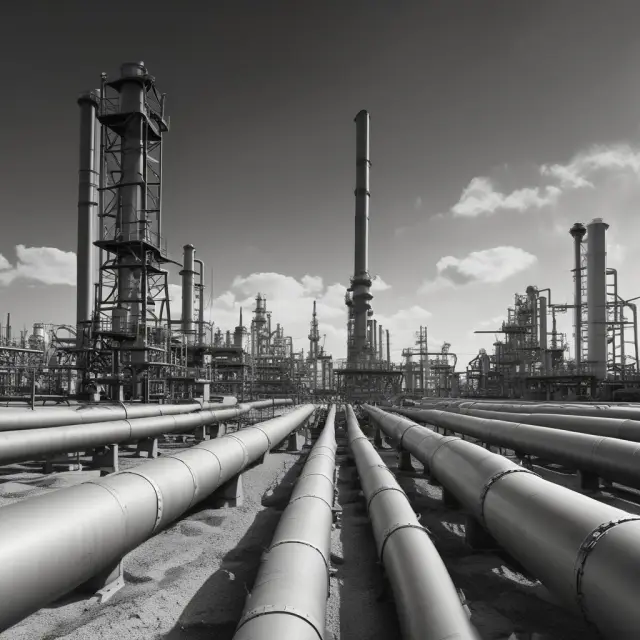
To fully comprehend midstream’s significance, it is essential to distinguish it from upstream (production) and downstream (refining, marketing, and distribution) activities in the oil and gas industry. Midstream refers to the sector that falls between these two stages; its primary role involves processing, storing, transporting, and marketing of crude oil and natural gas.
When raw resources like oil and natural gas are extracted through upstream processes, they often need to be refined, processed, or temporarily stored before they can be utilized in their final form by consumers. Midstream companies specialize in these vital functions. They own and operate essential infrastructure such as pipelines, storage facilities, processing plants, and shipping vessels to ensure the seamless transition of products from the exploration phase to the end user.
A prime example of midstream activities is Magellan Midstream Partners’ operations. The company owns five marine terminals along coastal waterways with approximately 26 million barrels of aggregate storage capacity and around one million barrels in jointly owned facilities through their Texas Frontera, LLC joint venture. These terminals offer essential services such as distribution, storage, blending, inventory management, and additive injection to refiners, marketers, traders, and end-users.
In contrast, upstream companies focus on extracting natural resources from the earth by drilling or mining. Their primary goal is to discover, produce, and sell oil and natural gas. The downstream sector, on the other hand, deals with refining crude oil into various petroleum products like gasoline, diesel, jet fuel, and other derivatives. They market these products to consumers or industries that require them for energy needs, transportation, or manufacturing processes.
The distinction between midstream and upstream activities is more pronounced in the United States and Canada than in other parts of the world, particularly Europe. In Europe, many crude oil pipelines are state-owned or integrated with production operations, making it challenging to separate midstream as a standalone sector. This difference stems from the historical context, government policies, and ownership structures specific to each region.
In conclusion, understanding midstream activities is crucial to grasping the complexities of the oil and gas industry. Midstream companies play an indispensable role in ensuring the transition of raw resources from their extraction to their refinement and distribution. With their focus on processing, storing, transporting, and marketing, they bridge the gap between upstream (production) and downstream (refining, marketing, and distribution) activities.
Midstream in the United States and Canada
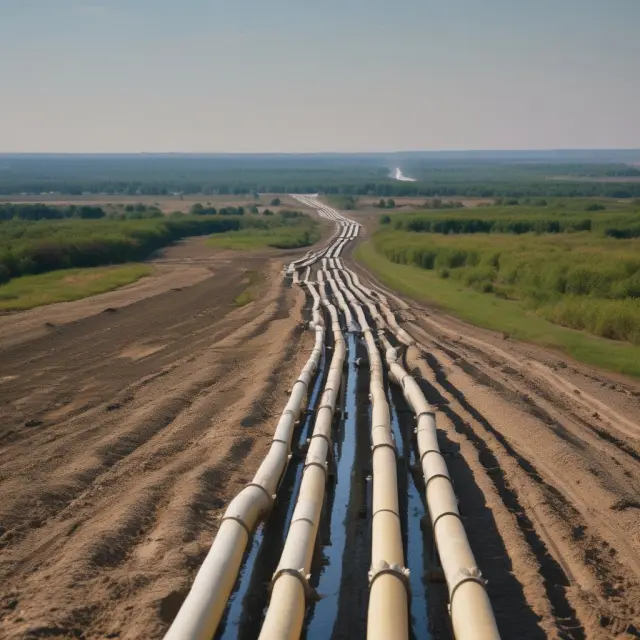
The United States and Canada have seen the emergence of a distinct midstream industry due to their extensive privately-owned pipelines and storage facilities. Midstream, as defined by the Oil & Gas Cluster Organization, pertains to the sector that processes, transports, and stores oil, natural gas, and natural gas liquids between production and refining or sale. In contrast, upstream refers to the exploration, drilling, and production phase of oil and gas operations, while downstream covers refining, marketing, and sales of these resources (Wikipedia, 2023).
This distinct separation of midstream from upstream and downstream in the United States and Canada is rooted in the extensive crude oil transportation infrastructure. For instance, companies like Magellan Midstream Partners own and operate marine storage terminals with a combined capacity of over 26 million barrels (Magellan Midstream Partners, 2023). These terminals offer valuable services, such as distribution, storage, blending, inventory management, and additive injection, to refiners, marketers, traders, and other end-users.
The role of midstream in the United States is further emphasized by its economic significance. According to a report from the American Petroleum Institute (API), the U.S. midstream sector employed around 140,000 people as of 2018 and contributed approximately $93 billion to the country’s economy that year (API, 2019).
Unlike in the United States and Canada, Europe tends to integrate crude oil transportation and storage with upstream production. In European companies like Shell or BP, production and transportation costs are reported together, and many pipelines crossing European borders are government-owned or controlled by state-owned oil transportation companies (Wikipedia, 2023).
The significance of midstream in the United States and Canada lies in its role in connecting upstream and downstream operations. By focusing on storage, processing, and transporting crude oil and natural gas between production and refining or sale, midstream operators play a crucial role in ensuring the continuous flow of energy resources to various markets. The privately-owned pipelines and storage facilities provide critical infrastructure for managing supply and demand, adding value to the overall industry.
In summary, the prevalence of midstream as a separate industry in the United States and Canada is attributed to their extensive privately-owned oil pipeline and storage infrastructure. This separation allows for efficient operations and value creation within the larger oil and gas production chain.
Major Midstream Players and Their Operations
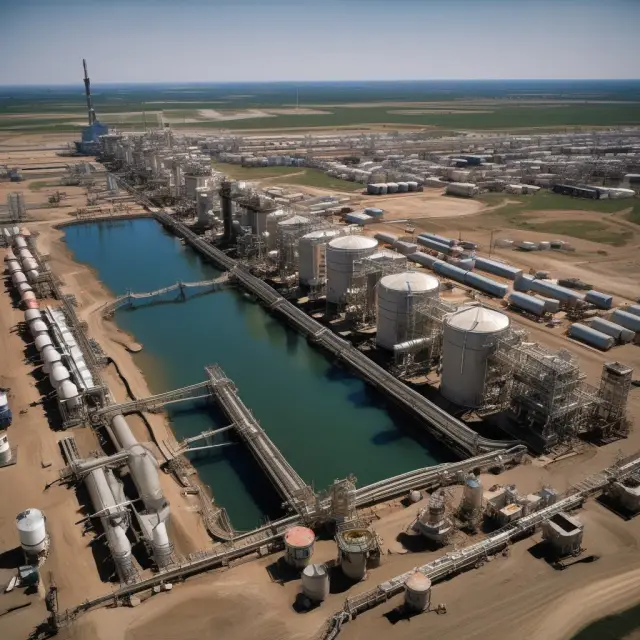
One of the most prominent players in the midstream sector are Magellan Midstream Partners, Hess Midstream, Oasis Midstream Partners, Sanchez Midstream Partners, and EQT Midstream Partners. These companies specialize in managing the critical functions between oil extraction (upstream) and refining (downstream): storage, transportation, and marketing of crude and natural gas.
Magellan Midstream Partners, for instance, owns and operates five marine terminals in the U.S., with an impressive 26 million barrels of aggregate storage capacity. These facilities offer a range of services tailored to refiners, marketers, traders, and other consumers of petroleum products. By providing distribution, storage, blending, inventory management, and additive injection services, Magellan Midstream Partners plays an essential role in the oil industry’s value chain.
Another significant player in the midstream sector is Hess Midstream. Hess Midstream focuses on natural gas gathering, processing, and transportation, with a presence in major producing basins such as the Permian Basin, the Bakken Shale, and the Appalachian Basin. Their extensive infrastructure network includes pipelines that connect wellheads to processing facilities, storage tanks for produced water, and natural gas liquids terminals for fractionation and marketing.
Oasis Midstream Partners and Sanchez Midstream Partners are also notable midstream companies. Oasis Midstream Partners is primarily engaged in the gathering, processing, and transportation of crude oil in the Permian Basin. Their infrastructure includes a vast network of pipelines, tank batteries, and natural gas processing facilities that cater to both independent producers and major oil companies. Sanchez Midstream Partners, on the other hand, focuses on gathering, processing, and transporting natural gas in the Eagle Ford Shale area. They own and operate approximately 132 miles of pipeline and several compression facilities that enable them to manage the complex logistical challenges associated with natural gas production in this region.
EQT Midstream Partners is another prominent name in the midstream sector, focusing on gathering and processing natural gas in the Appalachian Basin. They own and operate a network of pipelines spanning over 2,900 miles, connecting approximately 13,500 producing wells. Their facilities include several processing plants that handle over 1 billion cubic feet (Bcf) of natural gas per day – an impressive figure representing approximately 2% of the daily U.S. consumption.
As evidenced by these examples, midstream companies play a crucial role in the oil and gas industry by providing critical services between upstream production and downstream refining. Their expertise lies in managing complex logistical challenges associated with storing, transporting, and marketing petroleum products, ensuring the smooth flow of the energy value chain.
The Future of the Midstream Industry
Midstream activities, such as storage, processing, and transporting oil and natural gas products, play an essential role in the oil industry, particularly between upstream production and downstream refining stages. As the world’s energy landscape evolves, midstream companies face various challenges and opportunities that can impact their future growth prospects.
Environmental Regulations: The increasing focus on reducing carbon emissions and transitioning to renewable energy sources has brought attention to the environmental impact of oil and gas production and transportation. Midstream companies are under pressure to invest in greener technologies, such as hydrogen infrastructure, carbon capture utilization and storage (CCUS), and low-emission fuels.
Market Diversification: Midstream players must adapt to changing market trends and adjust their operations to accommodate various oil types, including renewable energy sources and natural gas liquids. For instance, they may need to invest in infrastructure for the transportation of unconventional oil and natural gas resources or develop new technologies to process and store low-carbon fuels.
Digitalization: The application of digital technologies can lead to increased efficiency, reduced costs, and improved safety in midstream operations. This includes advanced monitoring systems, automation, predictive maintenance, and data analytics for better forecasting and optimizing storage capacity, pipeline utilization, and transportation scheduling.
Infrastructure Expansion: Continued investment in expanding infrastructure is necessary to accommodate growing production volumes and increasing demand for oil and natural gas products. This includes building new pipelines, storage facilities, and other essential infrastructure projects to meet the energy requirements of a growing global population.
Financial Considerations: Midstream companies must also address financial challenges such as fluctuating commodity prices, changing regulations, and market volatility. They may need to implement cost-cutting measures or consider alternative sources of revenue through partnerships, mergers, acquisitions, or asset sales.
In conclusion, midstream activities will continue to be crucial components in the oil industry as energy demands grow and transition towards cleaner sources. To remain competitive, midstream companies must embrace change, invest in emerging technologies, and navigate various challenges to meet evolving market requirements while mitigating environmental impacts.
Environmental Considerations in Midstream Operations
As with any industrial sector, environmental considerations play a significant role in midstream operations. Midstream companies deal with large volumes of hydrocarbons and must comply with strict regulations to ensure safety and minimize their carbon footprint. In particular, oil spills and natural gas leaks can lead to severe environmental consequences, including damage to ecosystems and wildlife populations.
Safety Measures: Midstream operators have implemented multiple safety measures to prevent accidents, primarily focused on pipelines, storage facilities, and transportation methods like trucks and ships. These safety initiatives include regular inspection, maintenance, and emergency response plans. For instance, pipeline companies invest heavily in monitoring technologies such as pressure sensors, flowmeters, and leak detection systems. Storage facilities are also subjected to rigorous safety checks, including weekly inspections by regulatory agencies and regular inspections by third-party firms.
Regulations: The Environmental Protection Agency (EPA) in the U.S. has established strict regulations for midstream operations. For instance, the Clean Water Act mandates spill prevention, control, and countermeasure plans for oil storage facilities and pipelines. The Natural Gas Act also governs the transportation and storage of natural gas to ensure compliance with safety and environmental standards. In Canada, the National Energy Board oversees the regulatory framework for midstream activities related to oil and natural gas production.
Reducing Carbon Footprint: Midstream companies are continuously exploring ways to reduce their carbon footprint through technological innovations. For example, some operators use natural gas instead of diesel to power their vehicles or equipment. Others employ methods like carbon capture, utilization, and storage (CCUS) to minimize greenhouse gas emissions during their processes. As the world transitions towards cleaner energy sources, midstream companies are investing in renewable alternatives such as hydrogen and biomethane for transportation and storage infrastructure.
In conclusion, midstream operations play a crucial role in the oil industry by processing, storing, transporting, and marketing crude oil, natural gas, and natural gas liquids. Environmental considerations have always been an essential part of these activities, with safety measures and regulations playing a significant role in mitigating risks for both people and the environment. As the world shifts towards cleaner energy sources, midstream companies are adapting to this transition by investing in new technologies and renewable alternatives.
FAQs on Midstream
Midstream is an integral component of the oil and gas industry, sitting between upstream (exploration, production) and downstream (refining, marketing, distribution). This section aims to answer some common questions about midstream activities, companies, and the role they play in the energy sector.
What is Midstream and what does it include?
Midstream refers to the stage of oil and gas industry operations that falls between upstream (production) and downstream (refining and marketing). Midstream activities involve the storage, processing, transporting, and marketing of raw materials like crude oil and natural gas. Companies specializing in midstream often operate tanker ships, pipelines, or storage facilities.
Why is Midstream important?
Midstream plays a vital role by storing and transporting petroleum products between the production sites (upstream) and refineries or marketing centers (downstream). Midstream companies provide essential services such as pipeline transportation, marine terminal operations, and storage services to facilitate the flow of crude oil from wellhead to refinery and natural gas from wellhead to consumers.
Why is the term ‘midstream’ more commonly used in the U.S. and Canada?
The designation of crude oil transportation and storage as a separate part of the production chain is what allows the midstream industry to exist in the United States and Canada. In countries like Europe, transportation and storage tend to be integrated with upstream production.
Who are some major Midstream Companies?
Some notable midstream companies include Magellan Midstream Partners, Hess Midstream, Oasis Midstream Partners, Sanchez Midstream Partners, and EQT Midstream Partners. These companies provide essential services such as marine terminal operations, pipeline transportation, and storage facilities to facilitate the flow of crude oil between wellhead and refinery.
How does midstream differ from upstream and downstream?
Upstream involves exploration and production of raw materials (crude oil and natural gas), midstream focuses on storing, processing, and transporting these resources, while downstream deals with refining, marketing, and distributing the final products to consumers. Midstream companies facilitate the transition from upstream production to downstream distribution by providing crucial services like pipeline transportation and storage facilities.
What are some examples of midstream activities?
Midstream activities can include marine terminal operations where crude oil is stored, processed, and distributed; pipeline transportation through systems that move natural gas and crude oil; and the provision of blending, inventory management, and additive injection services for refiners, marketers, traders, and other end-users.
Why are midstream companies important to integrated oil companies?
Midstream companies are significant partners to integrated oil companies because they provide essential services in transportation, storage, and processing that are required to move crude oil from production sites (upstream) to refineries (downstream). These relationships are especially critical for companies with large-scale operations and significant volumes of production.
 Next entry · No. 3,198Understanding Midcap Funds: Balancing Growth and Stability
See also
-
 No. 3,798
27 Apr 2025
16 min
Understanding Original Cost: Definition, Calculation and Importance for Financial Reporting and Taxes
Business Finance
No. 3,798
27 Apr 2025
16 min
Understanding Original Cost: Definition, Calculation and Importance for Financial Reporting and Taxes
Business Finance -
 No. 3,428
28 Mar 2025
16 min
Understanding Netback: A Key Performance Metric for Oil Producers
Business Finance
No. 3,428
28 Mar 2025
16 min
Understanding Netback: A Key Performance Metric for Oil Producers
Business Finance -
 No. 1,127
01 Aug 2024
22 min
Understanding Downstream Operations in Finance and Investment: From Refining to Consumption
Business Finance
No. 1,127
01 Aug 2024
22 min
Understanding Downstream Operations in Finance and Investment: From Refining to Consumption
Business Finance -
 No. 4,549
27 Jun 2025
17 min
Safe Deposit Boxes: Secure Storage Solutions for Valuables and Important Documents
Personal Finance
No. 4,549
27 Jun 2025
17 min
Safe Deposit Boxes: Secure Storage Solutions for Valuables and Important Documents
Personal Finance -
 No. 3,348
21 Mar 2025
22 min
Understanding Nationalization: Seizure of Assets by Governments and Its Impact on Business
Business Strategy
No. 3,348
21 Mar 2025
22 min
Understanding Nationalization: Seizure of Assets by Governments and Its Impact on Business
Business Strategy -
 No. 835
17 Jun 2024
21 min
Crude Oil: Understanding This Vital Fossil Fuel
Business Strategy
No. 835
17 Jun 2024
21 min
Crude Oil: Understanding This Vital Fossil Fuel
Business Strategy