Understanding the Role and Processes of Oil Refineries: From Crude to End Products
Understand oil refineries' role, processes & products from crude to end usage. Learn about safety, efficiency & economic impact.
Introduction to Oil Refineries
An oil refinery is an industrial plant that transforms crude oil into valuable petroleum products such as diesel, gasoline, and heating oils like kerosene. Crude oil undergoes a complex process at the refinery to extract usable fuels. In essence, an oil refinery functions as the second stage in the crude oil production process, following the actual extraction upstream. The first stage of this process is distillation, where crude oil is heated at high temperatures to separate various hydrocarbons (keywords: oil refinery, petroleum products, crude oil, distillation).
The importance of oil refineries cannot be understated as they serve the crucial role of producing a wide range of transportation fuels and industrial feedstocks from crude oil. Once separated through the refining process, these components are then marketed to various industries for diverse applications. The most common petroleum products derived at refineries include diesel, gasoline, jet fuel, aviation fuel, lubricants, asphalt, and other petrochemicals (keywords: petroleum products, applications).
Oil refineries represent the downstream sector of the oil and gas industry, while crude oil production is known as the upstream sector. The term “downstream” is derived from the concept that oil flows through various stages in the value chain until it reaches the refinery for further processing into fuel (keywords: downstream, upstream, oil refining).
In the United States alone, refineries process hundreds of thousand barrels of crude oil daily and employ a significant workforce. Their operations require continuous maintenance due to the complex nature of their processes, making them major contributors to local economies in terms of employment opportunities (keywords: US refineries, capacity).
Apart from the production of essential fuels, oil refining plays an integral role in commodities trading through the crack spread. Crack spread refers to the relative difference in production costs and market prices of various petroleum products in the derivatives market (keywords: crack spread, commodity trading). This strategy enables oil refiners and traders to hedge against risks associated with crude oil and petroleum product prices (keywords: risk management).
The Nelson Complexity Index (NCI) is a useful measure of the sophistication of an oil refinery. Refineries with more complex processes can produce lighter, more heavily refined products, which are often more valuable in the market (keywords: refining process, Nelson Complexity Index, product yields).
The exact mix and proportions of petroleum products produced from a barrel of crude oil vary depending on the specific refinery’s processes and the type of crude being processed. The demand for certain products within local markets and the complexity index of the refinery can influence these product yields (keywords: refining processes, product mix).
Oil refineries are essential contributors to the energy industry and have a significant impact on both the economy and the environment. In the following sections, we will discuss various aspects of oil refineries in further detail, including their importance, the refining process, safety considerations, and their economic impact. (keywords: oil refineries, significance, refining process)
The Importance of Oil Refineries: Petroleum Products and Applications
Oil refineries play a crucial role in the production cycle of crude oil, transforming it into various usable petroleum products that serve diverse industries and applications. Upon being extracted from the ground, crude oil undergoes a series of refining processes within oil refineries to create essential fuels like diesel, jet fuel, and gasoline, as well as other derivatives such as lubricants, asphalt, and petrochemicals.
Refineries are the downstream operation in the oil and gas industry where crude oil is turned into valuable products that cater to multiple industries. The first step in the refining process involves distillation, where crude oil is heated at extreme temperatures to separate its various components or hydrocarbons. These separated hydrocarbons are then further processed to create a variety of final petroleum products that have different applications and end uses.
Major refineries can process hundreds of thousands of barrels of crude oil daily, making them significant contributors to the global economy. The production of these essential fuels is categorized as the downstream sector in the oil industry, while the upstream sector refers to the exploration and extraction of crude oil.
The refining process’s output encompasses over a dozen different petroleum products that cater to various industries. Some of the most common products include lubricants, aviation fuel, diesel, gasoline, and kerosene. In some cases, the proportions produced depend on local market demand and the specific crude oil being processed. For instance, heavier crude oils are more challenging to refine into lighter products like gasoline.
Refineries also serve as critical trading tools for energy futures markets. The crack spread is a widely used indicator of oil refining companies’ earnings and acts as a hedging strategy against crude oil price risks. Crack spreads, which represent the difference between crude oil and refined product prices, help refining companies manage their exposure to market volatility while also ensuring stable profits.
The Nelson Complexity Index (NCI) is another essential factor that influences the profitability of refineries. The NCI measures a refinery’s sophistication level by quantifying its ability to produce lighter and more heavily refined products from each barrel of crude oil. More complex refineries can generate higher-value products, providing them with a competitive advantage in the industry.
Oil refining is an essential component of the integrated approach adopted by many large oil companies, which include ExxonMobil, Shell, and Chevron. By controlling all aspects of the oil production process, from exploration to sale, these companies can mitigate risks and optimize their profits.
In conclusion, oil refineries contribute significantly to the economy and global energy landscape by transforming crude oil into essential fuels and petroleum products for various industries. Their importance as a downstream operation in the oil industry extends beyond just producing refined petroleum products but also serves as a strategic tool for managing price risks through crack spreads and promoting sustainable practices to minimize environmental impact.
The Refining Process: From Crude to Usable Fuels
An oil refinery is a critical link between crude oil production and the final usage of petroleum products by various industries and consumers. The refining process, which follows the extraction of crude oil, serves as a downstream segment of the oil and gas industry. Oil refineries utilize sophisticated techniques to transform raw crude oil into valuable products such as diesel, gasoline, jet fuel, kerosene, lubricants, and other petrochemicals.
Distillation is the primary process in an oil refinery, where crude oil undergoes heating at extreme temperatures to separate its various hydrocarbon components through a series of distillation columns. The result is a range of liquid fractions with varying boiling points. These fractions are then further refined or processed into finished products using additional techniques like cracking and reforming.
Cracking is another significant process in refineries, which breaks down heavier hydrocarbons to yield lighter, more valuable products. This technique involves subjecting crude oil to high temperatures and pressures, causing the bonds between atoms to break down and form new molecular structures. The resulting products include naphtha (used as a feedstock for petrochemicals), diesel, jet fuel, and gasoline.
The cracking process is crucial in managing price risk associated with oil prices. In commodities trading, the “crack spread” refers to the difference between the price of crude oil and that of refined products like gasoline or diesel. A trader can exploit this spread by purchasing crude oil futures and selling product futures simultaneously, aiming to lock in a profit margin regardless of market movements.
Refineries process millions of barrels daily and are complex industrial plants with multiple units that undergo various refining processes. These facilities require large amounts of energy for their operations and employ thousands of skilled workers to ensure the safe and efficient production of petroleum products. The U.S., for example, operates approximately 130 operable petroleum refineries as of 2021.
The sophistication level of a refinery is measured through the Nelson Complexity Index (NCI). This index assesses a refinery’s ability to produce more complex and valuable products from crude oil, with higher NCI values indicating greater processing capabilities. The NCI can impact crack spreads as well, as refineries with higher NCI values may be better positioned to generate larger margins on lighter, more heavily refined products.
In summary, the refining process is a vital component of the oil and gas industry, converting raw crude oil into essential petroleum products for various industries and consumers. This transformation involves distillation, cracking, and other processes to create a wide range of products, while also offering opportunities for price risk management through techniques like crack spreads.

Cracking Crude Oil: A Trading Strategy and Risk Management Tool
The crack spread is a term widely used by traders, investors, and oil industry professionals alike to evaluate profit margins in the oil refining sector. In essence, it’s an indicator of the difference between the production cost and market price of various petroleum products derived from crude oil. The crack spread, also known as the crack margin or simply crack, plays a crucial role as a trading strategy and risk management tool for refineries and traders to hedge their exposure to crude oil prices.
Understanding Refining Margin with Crack Spread:
The crack spread is calculated by subtracting the price of a barrel of crude oil from the weighted average of the prices of the primary refined products (gasoline, diesel, and jet fuel) derived from it. By using this margin, refiners can assess their profitability and optimize their operations based on market conditions. For example, if the crack spread is high, it signifies a favorable environment for refineries to increase output and capture greater profits. Conversely, when the crack spread is low or negative, refineries may opt to reduce production as the potential profit margins narrow.
Trading Strategies with Crack Spread:
Crack spreads can also serve as valuable trading strategies for energy futures markets. By simultaneously purchasing crude oil futures and selling petroleum product futures, traders attempt to establish an artificial position in the refining of oil through a spread. This strategy is an effective hedge against the risks associated with price fluctuations in both crude oil and refined products.
Investors and traders can employ different crack spread strategies depending on their risk tolerance and market expectations:
1. Long Crack Spread Position: A long crack position indicates a bullish outlook, expecting an increase in refining margins, which translates to higher profits for refineries. To establish this strategy, a trader would purchase crude oil futures while selling the corresponding gasoline and/or diesel fuel futures.
2. Short Crack Spread Position: A short crack position implies a bearish sentiment towards refining margins, as traders anticipate lower profits from processing crude oil into refined products. In this case, they would sell crude oil futures while buying back gasoline and/or diesel fuel futures to profit from any potential widening of the spread.
Impact of Refining Complexity on Crack Spread:
The cracking process’s complexity also influences the overall profitability of a refinery, as more sophisticated refineries can produce lighter, more heavily refined and valuable products from a barrel of oil. The Nelson Complexity Index (NCI) is a measure of this sophistication, with higher NCI scores indicating a more complex refining process that results in better product yields and improved profitability.
In conclusion, the crack spread plays an essential role as a trading strategy and risk management tool for both refineries and traders to hedge against price volatility in crude oil and petroleum products. As the energy landscape continues to evolve, understanding this critical indicator can help investors make informed decisions regarding market trends and potential opportunities within the oil refining sector.
The Complexity of Refineries: Advanced Processes and Technologies
Refining crude oil is not just a simple process of heating it up and separating it into its various components through distillation; advanced refining processes and technologies have emerged to maximize product yields, complexity index, and profitability for refineries.
Cracking Crude Oil: Cracking is an essential refining technique used in the downstream sector to produce a variety of desirable products from crude oil. The cracking process breaks long hydrocarbon chains into smaller ones to create fuel products with higher octane ratings and energy density. Refineries employ two primary types of cracking: Fluid Catalytic Cracking (FCC) and Thermal Cracking. FCC is a catalytic process, which uses a solid catalyst to accelerate the cracking reaction, whereas thermal cracking does not use any added catalysts – instead, it relies on high temperatures to break the hydrocarbon chains.
Crack Spread: A key economic indicator and trading strategy in the refining industry is the “crack spread,” which measures the difference between the price of crude oil and the combined prices of various refined products. This spread helps refineries understand their profitability potential and hedge risks associated with changes in the prices of both crude oil and refined products. As a trader, you can establish an artificial position in refining oil by purchasing crude oil futures while selling petroleum product futures to achieve a profitable crack spread.
The Nelson Complexity Index (NCI): The complexity index is a measure of the sophistication of an oil refinery that assesses its ability to produce lighter, more valuable products from a barrel of crude oil. More complex refineries can process heavy crude oil and convert it into a broader range of high-value petroleum products. Modern refineries utilize various advanced techniques such as hydrocracking, hydrotreating, alkylation, isomerization, and catalytic reforming to increase their complexity index and generate higher profits.
Product Mix: The proportions of different petroleum products a refinery produces can influence crack spreads significantly. Refineries that process heavy crude oil and have the capability to convert it into lighter products like gasoline or jet fuel tend to enjoy larger profit margins due to their ability to cater to changing market demands and supply-side dynamics.
In conclusion, understanding the complexities of oil refineries and the advanced processes they employ allows us to appreciate the downstream segment’s importance in transforming crude oil into valuable petroleum products for various industries. The crack spread and complexity index serve as significant indicators of profitability and market dynamics within the refining sector, making them essential tools for both traders and refinery operators.
Oil Refinery Safety: Risks and Challenges
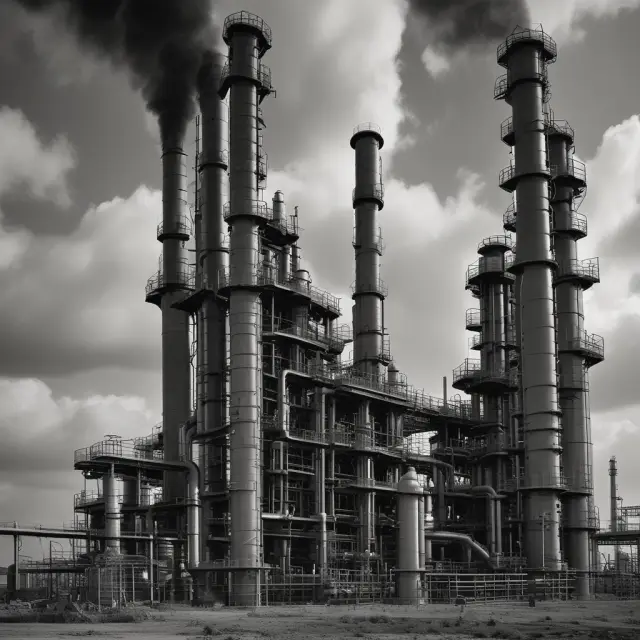
Safety is an essential concern in the operation of an oil refinery, with potential risks including explosions, fires, hazardous chemical releases, and worker injuries. In 2005, a tragic incident at BP’s Texas City oil refinery resulted in fifteen fatalities and over one hundred injuries due to a series of explosions during the restarting process of a hydrocarbon isomerization unit.
The U.S. Chemical Safety Board (CSB) reported that the root cause of this catastrophic accident was an improperly designed and executed start-up sequence. This sequence led to hydrocarbons flooding the distillation tower, which eventually overpressurized and resulted in a violent release from the vent stack.
The CSB investigation also highlighted several contributing factors, including deficiencies in the management system for safe refinery startup procedures and insufficient training of operating personnel. This accident was a grim reminder of the importance of implementing effective safety measures and proper procedures to minimize risks during all stages of oil refining operations.
To prevent incidents like this one from recurring, various organizations, such as the American Petroleum Institute (API), establish strict guidelines for safety standards in the design, construction, and operation of refineries. These guidelines include regular inspections, employee training programs, and emergency response plans.
Moreover, technology plays a crucial role in ensuring safety in oil refining operations. Innovations such as fire-resistant materials, advanced process control systems, and real-time monitoring tools can help mitigate potential hazards, minimize downtime due to incidents, and ultimately save lives.
Another significant risk for the oil refining industry is cybersecurity threats. The increasing use of digitization and automation in modern refineries makes them susceptible to cyberattacks that could disrupt critical operations and potentially lead to catastrophic consequences. Refineries must invest in robust cybersecurity measures, such as intrusion detection systems, access controls, and data encryption, to protect against these threats and ensure the safety of their operations.
Oil refineries contribute significantly to local economies by providing jobs and generating tax revenue. However, they also present environmental challenges due to emissions associated with their operations. In response, refineries have implemented various measures to minimize their carbon footprint and reduce greenhouse gas emissions through technological advancements and sustainable practices.
In conclusion, the safety of oil refineries is a critical concern that requires constant attention from operators, regulators, and policymakers alike. By adhering to strict guidelines, implementing advanced technologies, investing in employee training programs, and focusing on continuous improvement, the industry can minimize risks and ensure the safe production of essential petroleum products.

U.S. Oil Refining Landscape: Number of Operable Refineries and Capacity
Oil refineries play an essential role in the U.S. energy sector by converting crude oil into a variety of usable petroleum products like gasoline, diesel fuel, jet fuel, and other related chemicals and plastics. As of January 1, 2021, there were 129 operable petroleum refineries in the United States, according to the U.S. Energy Information Administration (EIA). Understanding the number and capacity of these facilities offers insight into the significance of the oil refining industry and its impact on fuel production, energy markets, and the overall economy.
The Role of Operable Refineries: Capacity and Production
Operable refineries are those that are in a position to process crude oil and produce petroleum products continuously. Their numbers and operational capacities directly influence the amount of gasoline, diesel fuel, jet fuel, and other derivatives available within the U.S. market. The EIA reports that, on average, each operable refinery in the United States has a capacity to process approximately 150,000 barrels of crude oil per day. This equates to an industry-wide production capacity of around 19.85 million barrels daily.
Current Operating Refineries and Trends: A Changing Landscape
Refinery numbers have remained relatively steady over the last decade, but there has been significant variation in their operational capacities. This evolution reflects changes in market conditions, crude oil availability, and economic factors. For example, while some refineries have expanded or upgraded their facilities to process heavier crudes or incorporate more advanced refining techniques, others have gone offline due to low profitability or older infrastructure.
The Impact of Operable Refinery Numbers on U.S. Energy Markets
A fluctuation in operable refinery numbers can cause significant shifts in energy markets. For instance, a decrease in the number of refineries could potentially lead to an increase in crude oil prices due to a supply imbalance. Conversely, a rise in the number of refineries might lower the demand for crude oil and put downward pressure on its price.
Economic Implications of Operable Refineries: Employment and Tax Revenue
The oil refining industry contributes significantly to the U.S. economy through employment and tax revenues. The EIA reports that, in 2019, there were approximately 45,000 employees working at refineries across the country. Additionally, refineries paid over $7 billion in federal taxes and almost $16 billion in state taxes that year.
In conclusion, understanding the number of operable refineries and their capacities within the United States is crucial for analyzing the energy sector’s current landscape and future trends. As technological advancements, market conditions, and economic factors continue to shape the oil refining industry, it remains vital to stay informed about this essential downstream component of the U.S. energy sector.

Efficiency and Sustainability in Oil Refineries: Minimizing Environmental Impact
As we delve deeper into the world of oil refining, it’s essential to acknowledge that this crucial process involves more than just transforming crude oil into various usable petroleum products. Modern-day oil refineries focus on efficiency and sustainability, minimizing their environmental footprint, and optimizing their operations through advanced technologies.
Refineries are increasingly investing in research and development to find ways to reduce energy consumption, minimize emissions, and enhance the overall efficiency of their operations. These advancements not only contribute to the industry’s economic viability but also help address growing societal concerns regarding environmental sustainability.
One way refineries optimize their processes is through the implementation of energy-efficient technologies such as waste heat recovery systems, which recycle and utilize excess heat for power generation or other applications. These systems can significantly reduce a refinery’s overall energy consumption, resulting in substantial cost savings and lower greenhouse gas emissions.
Moreover, advances in catalyst technology have enabled refineries to process heavier crude oils more effectively. Heavier crudes contain more impurities and sulfur content, which can be challenging to refine. However, newer catalysts can efficiently convert these impurities into valuable products like diesel and jet fuel, thereby reducing the overall amount of waste produced during refining operations.
Additionally, some refineries are exploring alternative feedstocks, such as biomass or renewable sources, to produce biofuels and other chemicals. This shift towards more sustainable practices not only helps reduce greenhouse gas emissions but also opens up new market opportunities for these companies in the growing renewable energy sector.
Furthermore, refineries are implementing more stringent safety measures to minimize risks associated with their operations, ensuring that both employees and the surrounding communities remain safe from potential hazards. This includes the adoption of advanced automation technologies and continuous training programs for staff members to maintain the highest standards in operational excellence.
The future of oil refineries lies in a delicate balance between maintaining efficiency and sustainability while minimizing their environmental impact. By embracing advancements in technology, optimizing processes, and collaborating with stakeholders to promote sustainable practices, refineries can secure their role as an integral part of the global energy landscape while addressing pressing societal concerns.
In conclusion, oil refineries serve a vital function within the oil and gas industry by converting crude oil into various usable petroleum products that power industries and economies around the world. Through ongoing investments in advanced technologies, safety measures, and sustainable practices, these facilities are adapting to meet evolving societal expectations while maintaining their economic viability.
The Economic Impact of Oil Refineries on Local Communities and the Economy
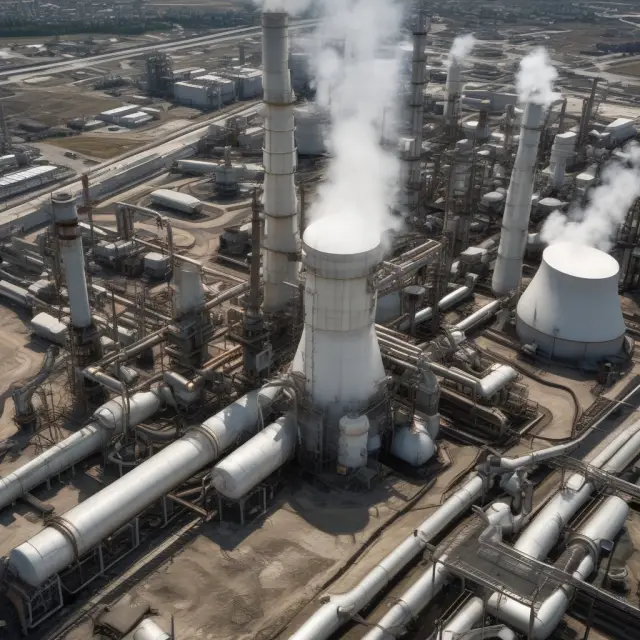
Oil refineries have long been essential contributors to local economies and the energy industry as a whole. These facilities play an integral role by transforming crude oil into various usable products, providing jobs and generating significant tax revenues for communities. Additionally, they support numerous industries that rely on the derived petroleum products for their operations.
According to the U.S. Energy Information Administration (EIA), refineries in the United States produced a total of 7.4 million barrels per day in 2019. This massive production volume directly impacted various industries and economies across the country. A single operable refinery can process hundreds of thousands of barrels of crude oil daily, creating substantial economic activity for the surrounding community.
One of the most apparent effects of oil refineries is their job creation potential. These industrial facilities typically require a large workforce to operate around the clock. Refineries employ individuals in various roles such as engineers, technicians, operators, and maintenance personnel. Moreover, they also create jobs for support services like security, administrative staff, and transportation providers.
Furthermore, oil refineries contribute significantly to local economies through tax revenues. They are often large contributors to property taxes due to the extensive land requirements of these facilities. Additionally, they generate sales tax revenue as various goods and services are purchased within the community for their day-to-day operations.
Moreover, the petroleum products produced by refineries serve a vast array of industries, from transportation to manufacturing. For example, gasoline is used extensively in the automotive industry while diesel fuel powers heavy machinery in construction and agriculture. Additionally, jet fuel is essential for the aviation sector. As these industries grow, so does the demand for refined petroleum products, leading to increased economic activity and growth in local communities.
However, it’s important to note that oil refineries do present potential risks. Although they are integral contributors to local economies, they can pose safety concerns and environmental hazards if not properly managed. Therefore, continuous investments in advanced technologies and stringent regulations are necessary to minimize these risks and ensure the long-term sustainability of both refineries and their surrounding communities.
In conclusion, oil refineries have a profound impact on local economies by providing jobs, generating tax revenue, and creating demand for various industries that rely on petroleum products. As we continue to explore the world of oil refining, it is crucial to understand these economic benefits alongside the challenges and potential risks associated with their operation.
Future Outlook for Oil Refineries: Trends, Challenges, and Opportunities
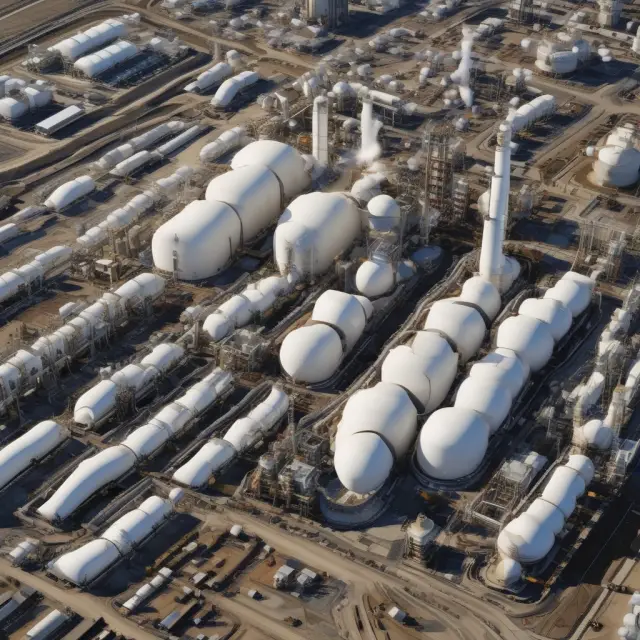
Oil refineries play a crucial role in the transformation of crude oil into valuable petroleum products that cater to various industries and end-users. As the global energy landscape evolves, refineries face numerous trends, challenges, and opportunities that impact their profitability and long-term growth. In this section, we discuss these factors shaping the future of oil refining.
Demand for Refinery Products: Changing Demands and Shifting Market Dynamics
One significant factor influencing the oil refining industry is evolving demand patterns. The growing focus on reducing greenhouse gas emissions has led to increased adoption of electric vehicles (EVs) and renewable energy sources. However, despite these trends, traditional transportation fuels like diesel and gasoline will remain in demand for several years due to their widespread use in industries such as aviation, maritime shipping, and heavy-duty trucks.
Government Regulations: Impact on Refinery Operations and Investments
Another critical challenge for refineries is complying with stringent environmental regulations designed to reduce greenhouse gas emissions and improve air quality. These mandates lead to increased operational costs for refineries, requiring significant investments in modernizing facilities and adopting advanced technologies to minimize their carbon footprint. For instance, some refineries are turning towards hydroprocessing techniques that use hydrogen instead of steam cracking to produce petrochemicals, thereby reducing greenhouse gas emissions.
New Technologies: Innovations Driving Refinery Efficiency and Productivity
Technological advancements continue to transform the oil refining industry, enabling higher efficiency levels and improved product yields. For example, advanced catalysts and process control technologies allow refineries to optimize their operations, leading to increased profitability while minimizing environmental impact. Moreover, the integration of digital solutions such as artificial intelligence and machine learning can help refineries predict maintenance needs, optimize production schedules, and manage energy usage more efficiently.
Alternative Energy Sources: Opportunities in Biofuels and Renewable Energy
The oil refining industry also faces opportunities arising from the growing adoption of alternative energy sources like biofuels and renewables. Refineries can capitalize on this trend by integrating biomass conversion technologies, producing renewable fuels such as biodiesel or bioethanol, and investing in green hydrogen production. This shift towards sustainable energy sources not only creates new revenue streams but also positions refineries as more eco-friendly players within the broader energy landscape.
In conclusion, the future outlook for oil refineries is marked by a complex mix of trends, challenges, and opportunities. Refineries must adapt to evolving demand patterns, comply with stringent regulations, embrace technological innovations, and explore opportunities in alternative energy sources to remain competitive and profitable. By doing so, they can ensure long-term growth within the dynamic and ever-changing oil and gas industry.
Frequently Asked Questions: Oil Refineries and Their Role in the Energy Industry
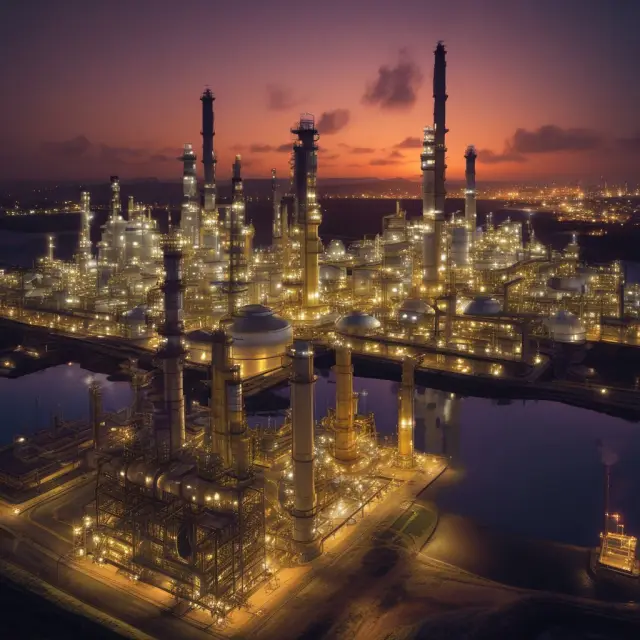
Understanding the intricacies of an oil refinery can be an intimidating prospect, but these facilities play a crucial role in our modern energy economy. Below, we’ll address some common questions about what oil refineries are, their importance, and the relationship between crude oil prices and crack spreads – a key trading strategy for refining companies.
**What is an oil refinery?**
An oil refinery is an industrial plant designed to process crude oil into various usable petroleum products, such as diesel, gasoline, jet fuel, and heating oils like kerosene. Essentially, they serve as the downstream stage of the oil and gas industry following upstream crude oil extraction.
**Why are oil refineries important?**
Oil refineries are essential because they turn raw crude oil into valuable fuels used to power our transportation systems, heat homes, and fuel industries. These products are then sold to various sectors for a broad range of purposes.
**How does the crack spread impact refining companies?**
The crack spread is a trading strategy employed in energy futures markets by both traders and refining companies to hedge their exposure to crude oil prices. By purchasing crude oil futures and selling petroleum product futures simultaneously, a trader creates an artificial refinery position. This practice allows them to profit from the price difference between crude oil and refined products.
**What is the cracking process in refineries?**
The cracking or “crack spread” refers to the difference in production cost and market prices of various petroleum products, providing valuable insights into a refinery’s earnings. This margin allows refining companies to navigate risks associated with both crude oil and petroleum product markets.
**How does the complexity index affect oil refineries?**
The Nelson Complexity Index (NCI) measures the sophistication of an oil refinery, with more complex facilities able to produce lighter, valuable products from a barrel of oil. This index plays a significant role in determining the profitability and efficiency of various refineries.
**How many operable petroleum refineries are there in the United States?**
As of January 2021, there were 129 operable petroleum refineries in the United States. These refineries have the capacity to process hundreds of thousands of barrels of crude oil daily and occupy large amounts of land.
**How much crude oil does it take to make a gallon of gasoline?**
A single 42-gallon barrel of crude oil can yield 19 to 20 gallons of motor gasoline and 11 to 12 gallons of distillate fuel like diesel.
**What is the significance of refinery safety?**
Oil refineries are complex industrial facilities that require extensive safety measures to protect workers, communities, and the environment. Occasional accidents can have devastating consequences, making ongoing safety efforts a top priority for refining companies.
In conclusion, understanding the role and processes involved in oil refineries is essential for grasping how crude oil transitions into valuable petroleum products that power our modern economy. From the crack spread to the complexity index, various factors impacting the oil refining industry are critical components of this essential sector.
 Next entry · No. 3,662Understanding Oil Reserves: Size, Importance, and Components
See also
-
 No. 3,549
07 Apr 2025
25 min
Understanding Nonrenewable Resources: Their Significance and Impact on Climate Change
Energy Finance
No. 3,549
07 Apr 2025
25 min
Understanding Nonrenewable Resources: Their Significance and Impact on Climate Change
Energy Finance -
 No. 2,906
13 Feb 2025
21 min
Understanding Liquefied Natural Gas (LNG): Global Production, Demand, and Uses
Energy Finance
No. 2,906
13 Feb 2025
21 min
Understanding Liquefied Natural Gas (LNG): Global Production, Demand, and Uses
Energy Finance -
 No. 2,701
28 Jan 2025
18 min
Understanding the Controversial Keystone XL Pipeline: History, Environmental Impact, and Political Implications
Energy Finance
No. 2,701
28 Jan 2025
18 min
Understanding the Controversial Keystone XL Pipeline: History, Environmental Impact, and Political Implications
Energy Finance -
 No. 2,266
23 Dec 2024
29 min
Understanding Hydrocarbons: Uses, Types, Impacts, and Alternatives
Energy Finance
No. 2,266
23 Dec 2024
29 min
Understanding Hydrocarbons: Uses, Types, Impacts, and Alternatives
Energy Finance -
 No. 2,208
18 Dec 2024
19 min
Exploring Horizontal Wells: A Modern Approach to Oil and Gas Extraction
Energy Finance
No. 2,208
18 Dec 2024
19 min
Exploring Horizontal Wells: A Modern Approach to Oil and Gas Extraction
Energy Finance -
 No. 1,482
22 Sep 2024
19 min
Understanding Feed-In Tariffs (FIT): A Policy Tool to Promote Renewable Energy
Energy Finance
No. 1,482
22 Sep 2024
19 min
Understanding Feed-In Tariffs (FIT): A Policy Tool to Promote Renewable Energy
Energy Finance