Understanding Oil Fields: Discovering and Maximizing the Value of Fossil Fuels

Explore the fascinating world of oil fields - from discovery to maximizing value. Learn geology, history, infrastructure, technology, and environmental…
What is an Oil Field?
An oil field refers to a geological formation containing substantial amounts of petroleum—be it crude oil or natural gas—beneath the Earth’s surface. These reserves can be discovered in various locations, including onshore land and beneath the ocean floor. The term ‘oil field’ is often used synonymously with reservoir when discussing the economic viability of extracting these resources.
Historically Significant Discoveries
Oil fields have been a focal point for human civilization for millennia, from ancient Babylonian tablets detailing oil trade to the modern-day industry that powers our economies. The first commercially viable oil well was drilled in Pennsylvania, USA, in 1859, ushering in the era of industrialization and leading to an insatiable demand for fossil fuels.
The Search for New Drilling Sites
Finding a new oil field is a complex, expensive, and risky process. Despite this, the potential reward for discovering a large reserve can be enormous. Oil exploration involves various methods like seismic surveying to detect possible reservoirs beneath the Earth’s surface. These efforts have led to the discovery of thousands of oil fields worldwide, with many concentrated in areas like the Middle East and offshore platforms.
Geological Formation: From Seabeds to Reservoirs
The genesis of an oil field begins millions of years ago when organic materials, such as plankton and algae, settle at the bottom of ancient seabeds. Over time, these organics undergo a transformation in the absence of oxygen—a process known as catagenesis—resulting in the formation of hydrocarbons. As sediment builds up on top, pressure increases, driving hydrocarbons to migrate towards porous rocks where they form pools or reservoirs. Finally, an impermeable cap rock seals the reservoir, preserving the trapped oil and gas for future exploration.
Understanding the Significance of Oil Fields
Oil fields hold immense historical significance as major contributors to our global economy, powering industries and fueling transportation networks. They have also been sources of geopolitical conflicts due to their strategic importance and high demand. The largest oil fields, such as Ghawar in Saudi Arabia and Safaniya in the Persian Gulf, contain billions of barrels of oil and natural gas.
Infrastructure and Logistics
Establishing an oil field involves a substantial investment in infrastructure and logistics, from drilling rigs to pipelines and support facilities. The complexity of setting up these operations can be daunting, but technological advancements have made the process more efficient and cost-effective.
Technology’s Role in Oil Field Development
Innovations such as horizontal drilling, hydraulic fracturing, and seismic monitoring have revolutionized oil field development by increasing productivity rates and reducing costs. These advancements have led to a significant increase in the number of profitable oil fields globally and contributed to both economic growth and environmental challenges.
Case Studies: Ghawar and Safaniya Oil Fields
Ghawar, located in Saudi Arabia, is the world’s largest onshore oil field, having produced over 80 billion barrels since its discovery in 1951. Offshore, the Safaniya oil field in the Persian Gulf holds an estimated 50 billion barrels of recoverable oil.
FAQs about Oil Fields
What is the lifespan of an oil field?
The average lifespan for an oil field is around 30-40 years, though some have been producing for over a century.
How many oil fields are in the world?
Currently, there are more than 65,000 known oil fields worldwide.
Why are oil fields important?
Oil fields are essential to modern economies as they provide energy for industries and transportation networks, with major reserves playing a significant role in geopolitics.
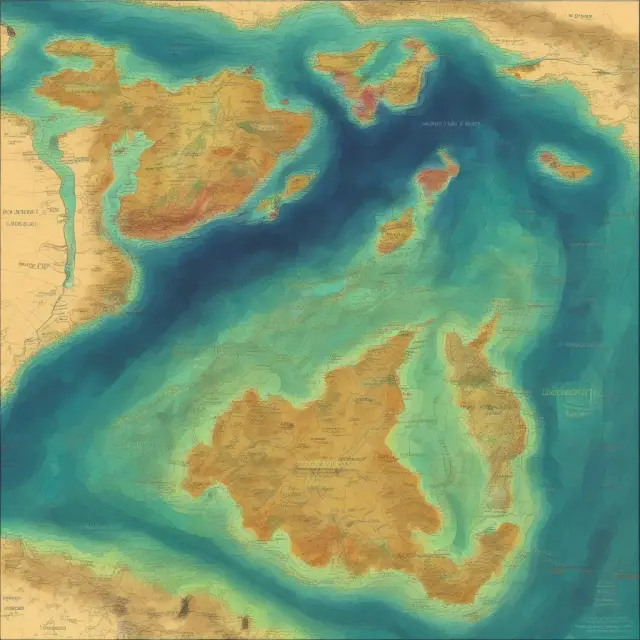
Oil Field Formation
An oil field is a substantial tract of land or seabed where petroleum resources are extracted from beneath the Earth’s surface. These natural resources can include crude oil and natural gas, which often originate from ancient organic materials formed in deposits deep within the Earth. The geological history behind oil fields sheds light on their fascinating origin story.
Historically, theories about petroleum’s formation varied significantly. Some believed it was produced by the decomposition of plants and animals in anaerobic environments, while others held that it was a primordial substance existing since Earth’s creation. However, most scientists now agree that petroleum forms from the remnants of prehistoric marine organisms, such as plankton and algae.
This process begins millions of years ago when ancient seabeds are covered by layers of sediments containing organic matter. Over time, these sedimentary layers compress, transforming into source rocks rich in hydrocarbons. As the water above the seabed evaporates, the weight of the sediments eventually compacts the organic material, forcing out volatile gases such as methane and hydrogen sulfide.
What remains is a mixture of oil and gas known as petroleum, trapped within impermeable rock layers that act as effective barriers against the intrusion of water or other substances. This combination of hydrocarbons and trapping mechanisms results in an oil reservoir. The impermeable rock layer prevents the reservoir from emptying out, ensuring that petroleum can be extracted economically.
The formation of oil fields is a complex geological process shaped by several factors including the right temperature, pressure, and sedimentation conditions. Oil fields are most commonly found in areas where ancient seabeds existed, with modern discoveries often uncovered beneath the ocean’s surface. The Middle East, for example, is home to numerous oil fields due to its geological history as a cradle of marine life millions of years ago.
Once discovered, the process of extracting petroleum from an oil field involves drilling deep into the ground or seabed to access the trapped resources. Modern technology and advances in drilling techniques have improved efficiency, increased production rates, and lowered costs, making it possible for oil companies to tap into previously unprofitable reserves.
Understanding how oil fields form is crucial for anyone interested in the energy sector. This knowledge can provide valuable insights into the history of petroleum resources, as well as the challenges and rewards of extracting them from the ground or seabed.
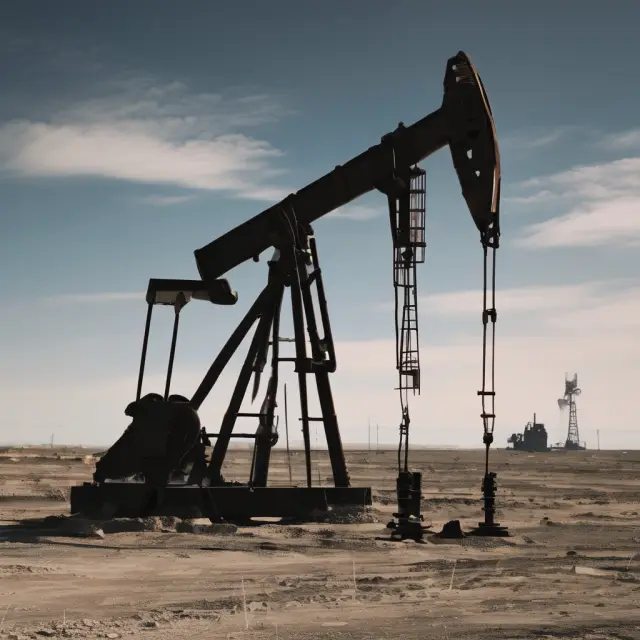
Exploration and Discovery
An Oil Field: A Treasure Trove Hidden Beneath the Earth’s Surface
The discovery of an oil field can be likened to striking gold – a valuable resource, often found deep beneath the surface of the earth. An oil field refers to a specific location where hydrocarbons (oil or natural gas) are extracted from the ground due to its economic viability. Though petroleum is commonly associated with ancient seabeds, it can also be located in other geological structures. The process of identifying and establishing an oil field involves significant exploration, investment, and risk.
The Origins of Oil Fields
Oil fields are formed from a combination of organic matter and the geological conditions that exist deep within the Earth. Fossil fuels, including oil and natural gas, originate from decaying plant and animal remains buried millions of years ago. In time, these organic materials transform into complex hydrocarbon compounds. Geologic forces create a seal, trapping the fossil fuel in what we now call an oil reservoir. This process occurs deep within the Earth’s crust, where temperatures and pressures maintain the integrity of the trapped resource.
Seeking New Oil Fields: An Expensive Endeavor
The search for new oil fields is a complex and costly process. Companies employ various methods such as seismic surveying, drilling, and data analysis to assess the potential for hydrocarbon deposits. These techniques can be expensive, with costs reaching into the billions of dollars in some cases. However, the potential reward of finding a large oil field can be substantial, both economically and geopolitically.
Challenges and Rewards
The quest to establish an oil field presents challenges as well as rewards. While the discovery of a new oil field may bring significant financial gains, it also requires extensive infrastructure development. Setting up an oil field involves not only drilling rigs and platforms but also transportation pipelines, support facilities, and ongoing maintenance. The process can be risky; if a newly discovered oil field proves less productive than anticipated, the investment may not yield the desired return.
Unlocking the Secrets of the Earth: Innovation and Technology in Oil Fields
The exploration and discovery of oil fields has been revolutionized by technological advancements. Techniques such as horizontal drilling, hydraulic fracking (or “fracking”), and seismic monitoring have significantly increased productivity levels and reduced costs. These innovations have transformed the way oil fields are explored, developed, and extracted. Despite these advances, companies remain focused on research and development to improve operational efficiencies and reduce production costs in the current price-competitive landscape.
The World’s Largest Oil Fields: A Look at Ghawar and Safaniya
Two of the world’s most notable oil fields are Ghawar in Saudi Arabia and Safaniya, located off the coast of the Persian Gulf. Both fields have yielded vast amounts of petroleum resources. The Ghawar field, discovered in 1951, is the largest ever found and has produced over 80 billion barrels of oil through 2018. Safaniya, located offshore, holds an estimated 50 billion barrels of recoverable oil.
In conclusion, understanding the process of discovering and establishing an oil field sheds light on the importance of this valuable resource. The exploration and discovery of oil fields necessitates a significant investment in time, resources, and technology but offers substantial rewards both economically and geopolitically.

Oil Field Reservoirs
An oil field reservoir refers to a subterranean body of rock that contains economically recoverable quantities of crude oil, natural gas, or both. This reservoir is typically located beneath an impermeable layer (often clay or shale), which acts as a caprock that prevents the hydrocarbons from escaping into the surrounding rock formations or surface environment. The primary focus for oil and gas companies is to discover, evaluate, develop, and produce these reservoirs in a profitable manner.
The formation of oil fields is primarily linked with ancient seabeds where marine organisms lived, thrived, and eventually died millions of years ago. Over the eons, these remains were buried deep beneath sediment layers, subjected to immense heat and pressure, which transformed them into hydrocarbons. As the ocean receded, these deposits became trapped in geological formations, forming oil and gas reservoirs.
Geologists estimate that there are over 65,000 known oil fields around the world, with a majority of the largest reserves being located in the Middle East. These areas have long been the focus for oil exploration due to their potential for vast reserves hidden beneath the desert sands. However, the distribution of oil fields is not limited solely to the Middle East; substantial deposits are also found beneath the ocean floor and in various locations across North America, Central Asia, and South America.
The process of establishing an oil field requires significant investment and a complex infrastructure network. Exploration begins with seismic surveys, which use sound waves to determine the subsurface geology. Once a promising area is identified, wells are drilled to confirm the presence of hydrocarbons and determine their quality and quantity. If the results warrant further development, production facilities are erected to extract crude oil or natural gas from the reservoir. These facilities include drilling rigs, pipelines, processing plants, storage tanks, and support services.
New technologies have significantly impacted the way oil fields are discovered and developed. Horizontal drilling, hydraulic fracturing (fracking), and seismic monitoring have helped to increase extraction efficiency and maximize the potential yield from reservoirs. For instance, fracking allows companies to extract oil or natural gas from shale formations that were previously considered uneconomical. As a result, the oil industry continues to focus on technological advancements to lower production costs and improve profitability.
Oil fields have had profound historical significance in terms of geopolitics, energy markets, and global economies. Control over major oil fields has been the basis for numerous conflicts and diplomatic negotiations. Moreover, fluctuations in oil prices can have far-reaching impacts on international trade and the financial sector. Furthermore, the extraction process itself raises environmental concerns due to potential spills, air pollution, and greenhouse gas emissions.
Understanding the structure and formation of oil fields is essential for those involved in the industry, investors, policymakers, or anyone seeking a deeper appreciation for our planet’s energy resources.

The Importance of Oil Fields
Oil fields have held significant historical, economic, and geopolitical importance for centuries. An oil field refers to a reservoir of hydrocarbons found deep within the Earth. These precious resources are primarily composed of crude oil and natural gas, which are essential for powering modern economies and industries.
Historically, oil fields have been the source of numerous geopolitical tensions due to their strategic importance as valuable natural resources. In recent history, countries such as Iraq and Iran have experienced conflicts revolving around their vast reserves, illustrating how access to these resources can fuel political instability.
Economically, oil fields play a critical role in powering industries that drive economic growth. The petroleum industry is one of the largest in the world, generating billions in revenue for countries and corporations alike. In fact, according to the United States Energy Information Administration (EIA), crude oil was the world’s leading energy source in 2019, representing approximately 33% of global primary energy consumption.
Geopolitically, oil fields have significant influence on international relations. The discovery and exploitation of new oil reserves can shift power dynamics between countries and impact global geopolitical alliances. For example, the United States’ emergence as a major oil producer through shale drilling has reduced its reliance on Middle Eastern imports and changed the balance of power in the region.
The discovery and exploration of new oil fields involve significant costs and risks but can lead to substantial rewards. Oil industry professionals employ various technologies, including seismic monitoring and hydraulic fracturing (fracking), to locate and extract hydrocarbons from the Earth. These investments are crucial for maintaining a stable global energy supply while reducing our dependence on finite resources.
Some of the most notable oil fields include Ghawar Field in Saudi Arabia, which has produced more than 80 billion barrels of crude oil since its discovery in 1951, and Safaniya Field located off the coast of Saudi Arabia in the Persian Gulf, believed to contain over 50 billion barrels of recoverable reserves.
In conclusion, understanding oil fields is crucial for appreciating their historical significance, economic importance, and geopolitical consequences. The continued exploration and development of new oil fields will remain essential for meeting the world’s energy demands and maintaining a stable global economy.
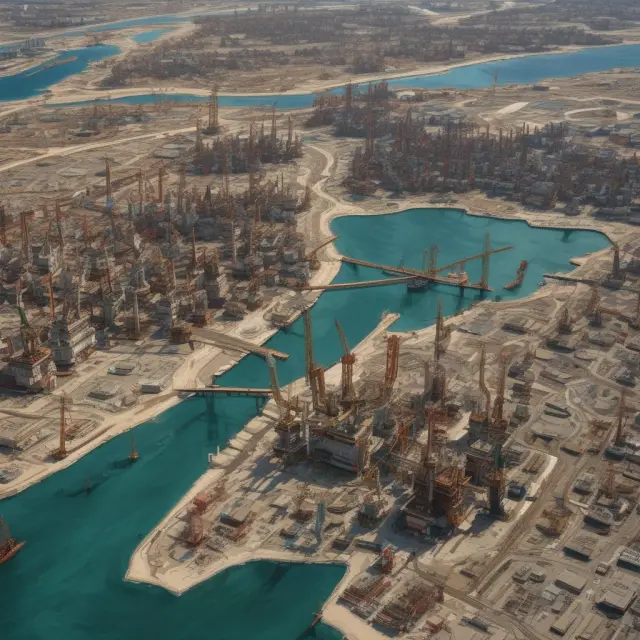
Establishing an Oil Field: Infrastructure and Logistics
An oil field is more than just a tract of land containing valuable hydrocarbons. To extract these resources efficiently, companies need to invest in crucial infrastructure and logistical capabilities. From drilling rigs to pipelines, these investments are integral to the success and profitability of an oil field operation.
A well-established oil field requires a robust infrastructure network to transport crude oil from its source deep beneath the ground to processing plants or refineries for further transformation into usable fuel products. This complex web of resources is constructed over years, often involving significant capital expenditure and careful planning.
One essential component of an oil field’s infrastructure is drilling rigs. These mobile or stationary structures are designed to drill exploratory or production wells in search of hydrocarbons. Drilling technology has significantly advanced over the decades with advancements like horizontal drilling and hydraulic fracturing (fracking). These methods have not only made oil fields more productive but also helped minimize the environmental impact of drilling activities.
Offshore platforms are another critical infrastructure piece for oil fields located underwater. These structures facilitate the extraction of submerged hydrocarbons and can remain operational for decades. One prime example is the Safaniya field in the Persian Gulf, which contains more than 50 billion barrels of oil and requires large platforms to effectively extract and transport its resources.
Besides drilling rigs and offshore platforms, pipelines are a vital component of an oil field’s infrastructure. They serve multiple purposes, including the transportation of crude oil from the wellhead to refineries or export terminals and facilitating the injection of gas or water into reservoirs for enhanced oil recovery methods.
Support facilities such as processing plants, living quarters for workers, and communication centers are crucial elements that ensure the smooth operation of an oil field. These facilities provide essential services like maintaining equipment, monitoring drilling activities, and ensuring the safety and well-being of personnel.
Recent technological advancements have transformed how oil fields are established and operated. Seismic imaging technology has improved our ability to identify the most promising sites for exploration, while drilling technologies like horizontal drilling and hydraulic fracturing (fracking) have significantly increased the productivity levels of oil fields. By investing in research and development, companies can continue optimizing their infrastructure and logistical processes to remain competitive.
Establishing an oil field requires a significant investment of capital, time, and resources. From drilling rigs to pipelines and support facilities, each piece of infrastructure plays a critical role in the successful extraction and transportation of hydrocarbons. By continually innovating and adapting to new technologies, companies can create profitable and sustainable oil field operations that meet the growing demand for energy around the world.
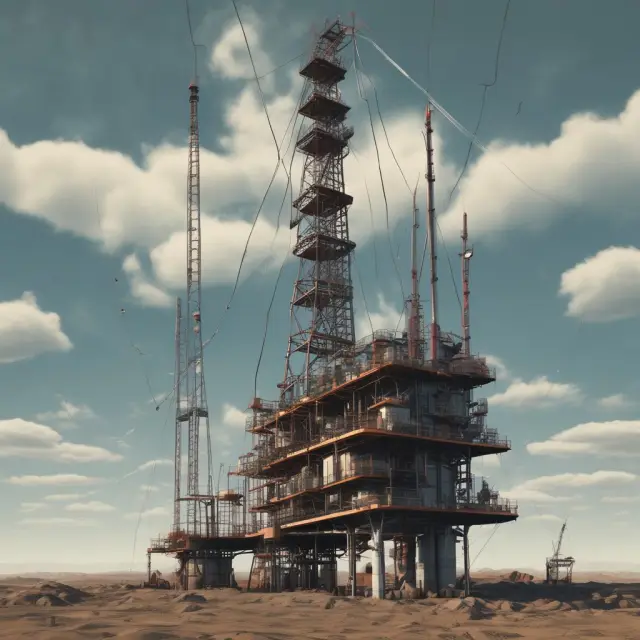
Technology in Oil Fields
The discovery and production of oil from fields have been revolutionized by technological advancements. Understanding these developments plays a crucial role in comprehending the economics, efficiency, and sustainability of modern oil fields.
Oil fields consist of a reservoir of fossil fuels found deep within the Earth, often covered by an impermeable rock layer to keep it sealed over millennia. Discovering these valuable resources was once a risky and expensive venture. However, new technologies have dramatically increased the productivity levels of oil fields while reducing exploration costs.
One of the most significant technological innovations in modern oil production is horizontal drilling. Horizontal drilling allows companies to extract oil from wider areas than traditional vertical drilling methods. This technique increases the overall amount of recoverable resources and lowers the number of wells required for a given field, making it an essential part of modern oil exploration strategies.
Another technological development transforming the oil industry is hydraulic fracturing or “fracking.” Fracking involves injecting a mixture of water and sand into the rock formations to release trapped hydrocarbons, allowing companies to extract oil and natural gas from previously inaccessible sources. This process has been instrumental in expanding production capabilities, especially in the United States and Canada.
Moreover, seismic monitoring technology plays a vital role in oil field exploration. It allows professionals to create detailed subsurface images of the Earth’s structure, helping them to identify potential drilling sites more accurately and efficiently.
In addition to these advancements, companies are also increasingly embracing automation and digital technologies to optimize their production processes. For example, predictive maintenance systems can help identify potential mechanical issues before they become major problems, reducing downtime and minimizing repair costs. Similarly, real-time monitoring of well performance enables operators to respond quickly to any changes in fluid levels or pressure.
New technologies have contributed significantly to the industry’s growth, driving down production costs, and increasing overall efficiency rates. Companies that successfully adapt to these technological developments are better positioned to succeed in the current price-pressured environment and contribute to a more sustainable future for oil fields.
Environmental Considerations
Oil fields are an essential component of the global energy landscape, but their production comes with significant environmental implications. The extraction process can negatively impact air quality and water resources, as well as contribute to greenhouse gas emissions. In this section, we will discuss the main environmental concerns related to oil field production and the strategies used by industry professionals to minimize their impact.
Impact on Air Quality
The drilling and production of oil involves several stages that release volatile organic compounds (VOCs), particulate matter, and other air pollutants. The primary sources of air emissions include drilling operations, processing facilities, transportation equipment, and the combustion of natural gas for various uses during the extraction process.
The oil industry has taken steps to reduce its environmental footprint in terms of air quality. Technological advancements such as improved well completions techniques, low-emission engines, and flare reduction systems have significantly lowered emissions levels in recent years. Additionally, governments around the world have implemented regulations aimed at reducing emissions from oil production facilities.
Impact on Water Resources
Water is an essential component of the oil industry; it’s used for drilling operations, hydraulic fracturing, and for cooling the equipment during extraction. However, the process can lead to water contamination as a result of leaks or spills. The impact on water resources can be especially significant in regions where groundwater is scarce or poorly regulated.
To address these concerns, oil companies have implemented several measures aimed at reducing the environmental impact of their operations. For example, recycling and reusing produced water for drilling purposes has become a common practice. In addition, advanced water treatment systems and stricter regulations have been put in place to minimize the risk of contamination.
Greenhouse Gas Emissions
Oil production is a significant contributor to greenhouse gas (GHG) emissions, primarily due to the combustion of natural gas during the extraction process. According to the International Energy Agency, the oil and gas industry accounted for around 54% of global energy-related CO2 emissions in 2019.
The industry is taking steps to address its environmental impact by implementing various mitigation strategies. These include carbon capture, utilization, and storage (CCUS) technologies, which aim to reduce the amount of CO2 released into the atmosphere during the production process. Additionally, renewable energy sources like wind and solar are being integrated into oil field operations to power facilities and reduce reliance on fossil fuels.
In conclusion, understanding the environmental considerations related to oil fields is crucial for both industry professionals and the general public. The oil industry has made significant strides in reducing its impact on air quality, water resources, and greenhouse gas emissions through technological advancements and regulatory efforts. However, ongoing challenges persist, and a collaborative approach between governments, oil companies, and stakeholders will be necessary to ensure a sustainable future for the industry.
Major Oil Fields: Case Studies
The discovery and exploration of major oil fields have shaped global economies and geopolitics in significant ways. This section examines two prominent case studies: Ghawar in Saudi Arabia and Safaniya in the Persian Gulf.
Ghawar Field, located in Saudi Arabia, holds the title as the world’s largest discovered oil field. With production commencing in 1951, it has yielded more than 80 billion barrels of crude oil as of 2018. Ghawar’s discovery catapulted Saudi Arabia to global prominence as an oil powerhouse and led the kingdom to become a major economic and political force. This vast reservoir spans approximately 35,000 square miles and is estimated to hold over 74 trillion cubic feet of natural gas. The Ghawar field’s significance extends beyond its sheer size; it has played a critical role in shaping the oil industry’s pricing structure. Its unique geological characteristics make it difficult for other producers to replicate, offering Saudi Arabia an unparalleled position in global energy markets.
Safaniya Field is another significant oil field, situated in the Persian Gulf off the coast of Saudi Arabia. It holds more than 50 billion barrels of crude oil and has been a major contributor to the country’s oil production since its discovery in 1976. The depth of this offshore oil field varies significantly, with its shallowest portions at approximately 32 feet and deepest sections reaching over 2,600 feet below sea level. Its extensive size covers an area of about 4,500 square miles. Safaniya’s discovery opened new opportunities for Saudi Aramco, the state-owned oil company that operates the field, to expand its production capacity and cement its status as a leading global petroleum producer.
These major oil fields have had far-reaching implications for international relations and fueled debates regarding energy security and the environment. As governments, industry leaders, and stakeholders navigate this complex landscape, understanding these key case studies becomes crucial in anticipating future trends in the oil sector.
FAQs about Oil Fields
Oil fields have long been a source of fascination and controversy due to their historical significance, economic impact, and geopolitical consequences. Here are some common questions and misconceptions surrounding the topic of oil fields.
What Is an Oil Field?
Answer: An oil field is a tract of land used for the purpose of extracting petroleum, such as natural gas or crude oil, from the ground. Although some contest the exact origins of oil, most consider it to be a “fossil fuel” formed from ancient organic matter that accumulated in the rocky strata of the earth. Identifying viable oil fields is an essential part of the upstream oil industry.
Where Are Oil Fields Located?
Answer: Oil fields are commonly found beneath the earth’s surface, with major deposits located in the Middle East and beneath ocean floors. The locations of these fields have been a source of geopolitical conflict throughout history and continue to shape international relations today.
How Are Oil Fields Discovered?
Answer: Finding an oil field involves drilling exploratory wells to test for the presence of hydrocarbons. The process can be expensive, risky, but also quite lucrative if a large reserve is identified. Technological advances in seismic monitoring and drilling techniques have improved exploration success rates.
What Is an Oil Field Reservoir?
Answer: An oil field reservoir refers to a rock formation beneath the earth’s surface that traps hydrocarbons, primarily crude oil or natural gas. The impermeable layer covering the reservoir keeps it sealed over millennia.
What Is the Significance of Oil Fields?
Answer: Oil fields are significant due to their historical role in fueling industrialization and powering economies worldwide. They have also been a source of geopolitical conflict throughout history and continue to influence international relations today.
What Is Involved in Establishing an Oil Field?
Answer: Establishing an oil field is a complex process requiring extensive infrastructure, including drilling rigs, pipelines, support facilities, and highly specialized services. The logistics of setting up and maintaining an oil field can be herculean tasks, with costs reaching billions of dollars.
What Is the Future of Oil Fields?
Answer: With increasing concerns about climate change, there is growing pressure for a transition towards renewable energy sources. However, oil fields will continue to play a role in meeting global demand for energy in the short term. New technologies such as carbon capture and storage may help mitigate their environmental impact.
Can Oil Fields Be Sustainably Managed?
Answer: Yes, oil fields can be managed in a sustainable manner by implementing best practices aimed at minimizing waste, reducing emissions, and improving efficiency. This includes using renewable energy sources to power operations, adhering to environmental regulations, and investing in technology to improve resource recovery rates.
 Next entry · No. 3,658Understanding Oil Initially in Place (OIIP): An Essential Concept for Institutional Investors
See also
-
 No. 3,972
11 May 2025
21 min
Understanding Petroleum: A Comprehensive Guide for Institutional Investors
Energy Finance
No. 3,972
11 May 2025
21 min
Understanding Petroleum: A Comprehensive Guide for Institutional Investors
Energy Finance -
 No. 5,680
29 Sep 2025
17 min
Understanding Wellbores: A Comprehensive Guide for Institutional Investors
Energy Finance
No. 5,680
29 Sep 2025
17 min
Understanding Wellbores: A Comprehensive Guide for Institutional Investors
Energy Finance -
 No. 3,789
27 Apr 2025
20 min
Organic Reserve Replacement: Understanding the Importance of Organic Reserves for Oil and Gas Companies
Energy Finance
No. 3,789
27 Apr 2025
20 min
Organic Reserve Replacement: Understanding the Importance of Organic Reserves for Oil and Gas Companies
Energy Finance -
 No. 1,422
13 Sep 2024
20 min
Understanding Exploration & Production (E&P): The Early Stage of Energy Production
Energy Finance
No. 1,422
13 Sep 2024
20 min
Understanding Exploration & Production (E&P): The Early Stage of Energy Production
Energy Finance -
 No. 5,343
01 Sep 2025
19 min
Understanding the Upstream Capital Costs Index (UCCI): A Comprehensive Guide for Institutional Investors
Business Finance
No. 5,343
01 Sep 2025
19 min
Understanding the Upstream Capital Costs Index (UCCI): A Comprehensive Guide for Institutional Investors
Business Finance -
 No. 5,729
02 Oct 2025
19 min
Wildcat Drilling: High-Risk Exploratory Oil and Gas Drilling
Energy Finance
No. 5,729
02 Oct 2025
19 min
Wildcat Drilling: High-Risk Exploratory Oil and Gas Drilling
Energy Finance