Understanding Hydrocarbons: Uses, Types, Impacts, and Alternatives

Discover the role of hydrocarbons as energy sources in this comprehensive guide. Learn types, impacts, alternatives, formation methods & more.
Introduction to Hydrocarbons
Hydrocarbons are organic compounds exclusively made up of hydrogen and carbon atoms, forming the backbone of global energy production. Widely occurring naturally, they originate from ancient plant and animal fossils, primarily found deep within porous rock formations such as sandstone, limestone, and shale. Hydrocarbons hold immense significance as a versatile energy source for modern society and power the vast majority of its economies (approximately 80%). Their applications extend far beyond fuel, with refined petroleum products playing essential roles in industries ranging from plastics manufacturing to lubricant production.
As our world grapples with the environmental consequences of relying heavily on hydrocarbons for energy, there is a growing urgency to explore alternative sources and reduce our carbon footprint. In this section, we delve deeper into understanding hydrocarbons’ origins, extraction techniques, economic impact, and the emerging alternatives that are shaping the future of global energy production.
Section Title: Formation of Hydrocarbons
(To be continued)
Formation of Hydrocarbons
Hydrocarbons originate from ancient plant and animal fossils formed under intense heat and pressure over millions of years. The process, known as catagenesis, transforms organic matter into various hydrocarbon types. This section explores the geological conditions that give rise to hydrocarbons and discusses their classification based on formation depth and temperature.
Hydrocarbons primarily originate from the remains of marine organisms that settled at the bottom of anoxic environments. As these organisms are buried, they undergo diagenesis, a process during which organic matter breaks down into simpler compounds. Over time, this material is subjected to increasing temperatures and pressures deep within the Earth’s crust. These conditions cause the hydrocarbon molecules to form and become trapped in porous rock structures such as sandstone, limestone, and shale.
The exact conditions required for hydrocarbon formation vary depending on the specific type of hydrocarbon being produced. Light hydrocarbons like methane (CH4) and ethane (C2H6) are typically formed under low-temperature, shallow conditions, while heavier hydrocarbons such as crude oil and natural gas require higher temperatures and deeper formations.
Section Title: Extraction Techniques for Hydrocarbons
(To be continued)
Extraction Techniques for Hydrocarbons
The process of extracting hydrocarbons from the Earth involves several intricate techniques, each designed to target specific reservoirs and overcome geological challenges. This section explores the most common methods used in modern hydrocarbon extraction: hydraulic fracturing (fracking), mining, and drilling techniques.
Hydraulic Fracturing (Fracking)
In recent years, fracking has gained significant attention due to its role in extracting natural gas from shale formations. The process involves injecting a high-pressure fluid mixture into the ground, creating fissures in the rock that release trapped hydrocarbons. Water, sand, and chemicals make up the fluid mixture, with water serving as the primary component for carrying sand particles to create and hold open fractures within the shale.
Mining Techniques
Traditional mining methods are used to extract oil sands, unconventional deposits of crude oil that are heavily intermixed with sand and sandstone. Mining can be accomplished through surface or in-situ techniques. Surface mining involves removing the overlying soil and vegetation to expose the oil sands, which are then extracted using various methods such as froth flotation or centrifuging. In-situ mining targets oil sands that are too deep for surface mining, requiring the use of steam injection to liquefy the bitumen within the sand, making it easier to extract.
Drilling Techniques
Drilling is a method used to access hydrocarbons from subsurface reservoirs. Various drilling techniques exist, including vertical and horizontal drilling. Vertical drilling involves drilling a well vertically into the ground until it reaches the targeted formation. Horizontal drilling, on the other hand, angles the well horizontally to increase the amount of hydrocarbons extracted from a reservoir. This technique is particularly effective in shale formations and has led to significant advances in oil and natural gas production.
Section Title: The Role of Hydrocarbon Companies in the Global Economy
(To be continued)
The Role of Hydrocarbon Companies in the Global Economy
Given the critical role hydrocarbons play in powering modern economies, it comes as no surprise that some of the largest companies in the world are hydrocarbon companies, primarily oil and gas giants. This section delves into the economic impact of these corporations and discusses the six largest hydrocarbon companies: Saudi Aramco, Exxon Mobil, Chevron, Royal Dutch Shell, PetroChina, National Iranian Oil Company, Gazprom, and British Petroleum.
Saudi Aramco, headquartered in Dhahran, Saudi Arabia, is the world’s largest oil and gas company. With operations spanning across every aspect of the industry, from exploration to refining and distribution, it is a significant player in the global energy market. Exxon Mobil, based in Irving, Texas, is the world’s largest publicly-traded company. This multinational petroleum and natural gas corporation operates facilities in various parts of the world, including the United States, Canada, Europe, Africa, Asia, and Australia.
Chevron, headquartered in San Ramon, California, is another major player in the industry, with operations spanning the upstream, midstream, and downstream sectors. Royal Dutch Shell, based in The Hague, Netherlands, operates worldwide and focuses on exploration, production, refining, and marketing of oil and natural gas. PetroChina, headquartered in Beijing, China, is Asia’s largest integrated energy company and ranks among the world’s leading companies by market capitalization.
National Iranian Oil Company (NIOC) is Iran’s national petroleum corporation and has been a significant player in the global oil industry since its establishment in 1954. Gazprom, based in Moscow, Russia, is the largest natural gas company in the world and holds a monopoly on Russian gas production, transportation, and export. British Petroleum (BP), headquartered in London, United Kingdom, is a multinational oil and gas company with significant operations in exploration, refining, and marketing.
These companies have an immense impact on the global economy through their role as major energy producers and exporters. Their operations influence financial markets by affecting prices for oil and natural gas, which, in turn, can lead to widespread economic consequences.
Section Title: Environmental Impact of Hydrocarbons
(To be continued)
Environmental Impact of Hydrocarbons
Despite hydrocarbons’ crucial role in the modern economy, their use comes with significant environmental concerns. This section discusses the negative impact of hydrocarbon extraction and use on the environment, including climate change, air pollution, and water contamination.
Climate Change: Burning hydrocarbons releases large amounts of carbon dioxide (CO2) into the atmosphere, which contributes to greenhouse gas emissions and global warming. As a result, efforts have been made to reduce reliance on hydrocarbon energy sources and move towards renewable alternatives such as wind, solar, geothermal, and nuclear power.
Air Pollution: The burning of hydrocarbons releases various pollutants into the air, including nitrogen oxides (NOx), sulfur dioxide (SO2), and particulate matter. These emissions can lead to health concerns such as respiratory problems, heart disease, and cancer, particularly in densely populated urban areas.
Water Contamination: The extraction and production of hydrocarbons can lead to groundwater contamination through spills or leaks from pipelines, storage tanks, and disposal sites. Additionally, the process of extracting oil sands requires significant amounts of water, which can lead to concerns regarding water scarcity in regions where these operations are taking place.
Section Title: Alternatives to Hydrocarbons: Solar, Wind, and Geothermal Power
(To be continued)
Alternatives to Hydrocarbons: Solar, Wind, and Geothermal Power
As concerns over the environmental impact of hydrocarbon energy sources continue to grow, there is increasing interest in exploring alternatives such as solar, wind, and geothermal power. This section discusses these renewable energy sources and their potential role in reducing reliance on hydrocarbons for energy production.
Solar Power: Solar power is an abundant and clean source of energy that can be harnessed through the use of photovoltaic cells, which convert sunlight into electricity. The technology behind solar panels has advanced significantly in recent years, making them more efficient and cost-effective. Additionally, advancements in battery storage technology are allowing for greater grid integration and increased reliability.
Wind Power: Wind power is another renewable energy source that has gained significant attention due to its potential to reduce greenhouse gas emissions and provide a clean alternative to hydrocarbon energy sources. Wind turbines convert the kinetic energy of wind into electrical power, with onshore and offshore installations providing various benefits depending on location and environmental considerations.
Geothermal Power: Geothermal power harnesses the Earth’s heat energy from beneath the surface to generate electricity or provide heating and cooling for buildings. This renewable energy source can be accessed through geothermal reservoirs, hot springs, and volcanic areas. The process involves extracting steam or hot water from these reservoirs and using it to power turbines that generate electricity.
Section Title: Types of Hydrocarbons: Aliphatic vs. Aromatic
(To be continued)
Types of Hydrocarbons: Aliphatic vs. Aromatic
Understanding the various types of hydrocarbons is essential for gaining a comprehensive grasp of this complex energy source. This section explores the differences between aliphatic and aromatic hydrocarbons, their structures, and their unique properties.
Aliphatic Hydrocarbons: Aliphatic hydrocarbons consist of long chains of carbon atoms with hydrogen atoms attached to each carbon atom. The three main types of aliphatic hydrocarbons are alkanes, alkenes, and alkynes. Alkanes contain single bonds between carbon atoms and are nonpolar and saturated. Alkenes have a double bond between carbon atoms and are polar and unsaturated. Alkynes possess a triple bond between carbon atoms and are also polar and unsaturated.
Aromatic Hydrocarbons: Aromatic hydrocarbons, on the other hand, are characterized by their distinct structure, which includes a planar ring of benzene rings with alternating double bonds. This molecular arrangement grants aromatic hydrocarbons unique properties such as stability and resistance to oxidation.
Section Title: Hydrocarbon Fuel: Uses and Examples
(To be continued)
Hydrocarbon Fuel: Uses and Examples
As the primary energy source for modern society, understanding the various applications of hydrocarbons is essential. This section explores common uses and examples of hydrocarbon fuels, from transportation to industrial processes.
Gasoline: Gasoline, also known as petrol, is a refined product derived from crude oil that is primarily used for powering internal combustion engines in automobiles. It consists mainly of alkanes and alkenes with varying degrees of branching and unsaturation.
Jet Fuel: Jet fuel is another important hydrocarbon derivative, designed specifically for use in aviation fuel systems to power large turbofan or jet engines. Jet fuels are typically a blend of kerosene-type hydrocarbons that provide the desired properties for high-altitude combustion.
Propane: Propane is a versatile hydrocarbon fuel that can be used as a liquid fuel for heating homes and businesses or as a compressed gas for powering engines, including portable generators and forklifts. Its chemical structure consists mainly of alkanes with one to four carbon atoms per molecule.
Kerosene: Kerosene is another refined hydrocarbon product derived from crude oil that can be used primarily for heating and as a jet fuel additive. It is typically a mixture of paraffinic, naphthenic, and aromatic hydrocarbons with boiling points between 150 and 300 degrees Celsius.
Diesel: Diesel fuel, also known as diesel oil or diesel, is a refined petroleum product designed for use in compression-ignition engines. It typically contains long, straight hydrocarbon chains with carbon numbers ranging from C10 to C23.
Section Title: Economic Implications of Hydrocarbons
(To be continued)
Economic Implications of Hydrocarbons
The economic implications of hydrocarbons extend beyond their role as a primary energy source. This section discusses the various economic factors that influence the production, consumption, and pricing of hydrocarbons, including global markets, supply and demand dynamics, and geopolitical considerations.
Global Markets: The global hydrocarbon market is influenced by various economic factors such as oil prices, production levels, and geopolitical risks. These factors can impact the overall stability of energy markets and significantly affect the economies of countries that rely heavily on hydrocarbon exports or imports.
Supply and Demand Dynamics: The relationship between supply and demand plays a critical role in determining the price of hydrocarbons. Factors such as technological advancements, geopolitical instability, and economic fluctuations can impact both the supply and demand sides of the market, leading to significant price volatility.
Geopolitical Considerations: Geopolitical factors such as conflicts, political instability, and trade disputes can significantly influence hydrocarbon markets. For example, conflicts in the Middle East have historically led to volatile oil prices due to their impact on global supply levels.
Section Title: FAQs about Hydrocarbons
(To be continued)
FAQs about Hydrocarbons
In this final section, we answer common questions about hydrocarbons that readers may have and provide additional information to deepen their understanding of this vital energy source.
What is a hydrocarbon?
A: A hydrocarbon is an organic compound made up exclusively of hydrogen and carbon atoms. Hydrocarbons are the primary component of crude oil, natural gas, and coal and serve as the basis for various refined products such as gasoline, diesel fuel, and jet fuel.
How are hydrocarbons formed?
A: Hydrocarbons originate from ancient plant and animal fossils that undergo geological conditions of heat and pressure over millions of years to form various types of hydrocarbons.
What are the main types of hydrocarbons?
A: The two primary types of hydrocarbons are aliphatic hydrocarbons, which consist of long chains of carbon atoms with hydrogen atoms attached, and aromatic hydrocarbons, which have a distinct structure featuring planar rings of benzene rings.
How are hydrocarbons extracted?
A: Hydrocarbons are extracted using various methods such as hydraulic fracturing (fracking), mining, and drilling techniques, depending on the specific reservoir and geological conditions.
What is the environmental impact of hydrocarbons?
A: The use and extraction of hydrocarbons have significant environmental consequences, including climate change through greenhouse gas emissions, air pollution from burning hydrocarbons, and water contamination from spills or leaks.
What are alternatives to hydrocarbons?
A: Renewable energy sources such as solar, wind, and geothermal power offer potential alternatives to hydrocarbons for reducing greenhouse gas emissions and transitioning towards a more sustainable energy future.

Formation of Hydrocarbons
Hydrocarbons are formed primarily from ancient plant and animal remains that have been subjected to high temperatures and pressures deep within the Earth’s crust for millions of years. These organic materials, such as plankton, algae, and other marine organisms, contain hydrogen and carbon in their molecular structure. Over time, these remains become buried beneath layers of sediment, isolating them from oxygen and other elements that would cause decay.
As temperatures rise due to geothermal activity or the heat generated by the Earth’s core, organic material transforms into hydrocarbons through a series of chemical reactions known as catagenesis. The specific type of hydrocarbon produced depends on the conditions present during this process – for example, higher temperatures and pressures can result in heavier, more complex molecules like oil, while lower temperatures may produce lighter compounds such as natural gas.
Hydrocarbons are mostly found deep underground in porous rock formations, such as sandstone, limestone, and shale. These rocks act as reservoirs that trap the hydrocarbon resources until they are extracted through various methods. The world’s largest oil-producing countries, like Saudi Arabia, Russia, and the United States, have vast reserves of these hydrocarbons hidden beneath their territories, making them major players in the global energy market.
The formation of hydrocarbons is a complex process that requires a deep understanding of geology, chemistry, and engineering principles. The discovery and extraction of hydrocarbons has led to significant technological advancements and shaped the modern industrial world as we know it. However, their environmental impact, particularly in terms of greenhouse gas emissions and climate change, has become a pressing concern for policymakers, scientists, and the public alike.
In response to these challenges, efforts to explore alternative energy sources, such as solar, wind, geothermal, and nuclear power, have intensified. These renewable resources offer a more sustainable and cleaner alternative to hydrocarbons while reducing dependence on finite fossil fuel reserves. The ongoing transition towards a low-carbon economy represents a significant shift in the global energy landscape, with far-reaching implications for industries, economies, and the environment.
Understanding the origins of hydrocarbons is crucial for appreciating their role as our primary source of energy, as well as recognizing the need to find sustainable alternatives for a more responsible and eco-friendly future.
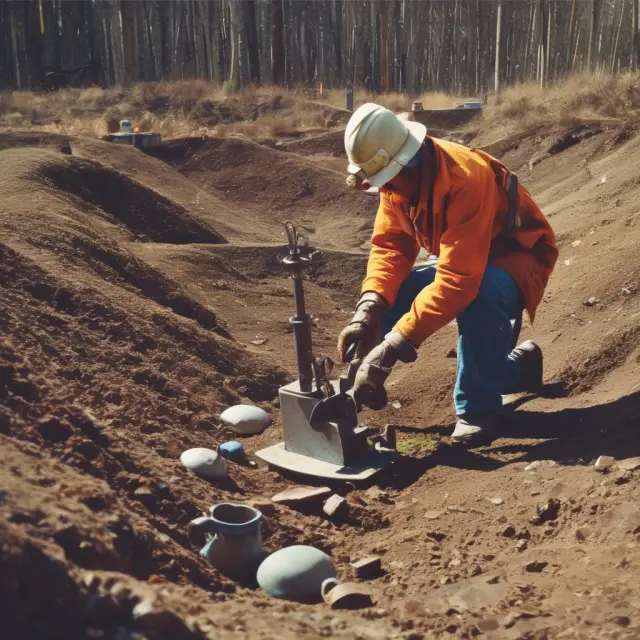
Extraction Techniques for Hydrocarbons
To access hydrocarbons, advanced engineering methods are used to locate and extract these valuable resources from deep beneath the Earth’s surface. Hydrocarbons can be found in various rock formations such as shale, sandstone, limestone, and coal seams. The techniques employed to extract them include hydraulic fracturing (fracking), mining, and drilling.
Hydraulic Fracturing (Fracking)
One of the most significant methods for extracting natural gas from shale formations is through hydraulic fracturing or fracking. This process involves injecting high-pressure water, sand, and chemicals into a well to create fissures in the rock. The sand acts as a prop to maintain these cracks, allowing the natural gas to flow freely to the surface. Water and other fluids are then extracted along with the gas, which is then processed to remove impurities and prepare it for use.
Mining
In contrast to fracking, mining techniques are used when accessing oil sands or heavy crude oils that cannot be readily pumped from the ground through conventional drilling methods. Mining involves removing the overlying soil, vegetation, and rock to reach the hydrocarbon-bearing formation. The extracted hydrocarbons are then separated using various processes before being transported for refining and distribution.
Drilling Techniques
Traditional drilling techniques are used when accessing oil and natural gas reservoirs located in porous rock formations. In this process, a drill bit is lowered into the wellbore to reach the target hydrocarbon-bearing formation. Once the desired depth is reached, the hydrocarbons are extracted by applying pressure to force them up through the wellbore and collected at the surface for further processing.
Understanding the various methods used in extracting hydrocarbons not only highlights their importance as a primary energy source but also reveals the significant impact they have on the global economy. Companies specializing in these resources play crucial roles, such as ExxonMobil, Chevron, Royal Dutch Shell, PetroChina, National Iranian Oil Company, Gazprom, and British Petroleum.
However, the environmental consequences of hydrocarbon extraction should not be overlooked. The release of greenhouse gases into the atmosphere during combustion contributes to climate change. The process itself can cause significant damage to the environment and groundwater, prompting an increasing focus on renewable energy sources like solar, wind, and geothermal power.
As we continue to explore the depths of our planet for hydrocarbons, it is essential that we consider sustainable extraction techniques and transition towards more environmentally friendly alternatives to minimize the negative impact on our planet.

The Role of Hydrocarbon Companies in the Global Economy
As hydrocarbons are the primary source of energy for over 80% of global consumption, the companies that explore, extract, and distribute these resources play an integral role in the global economy. Some of the world’s largest corporations are hydrocarbon companies, primarily oil and gas entities, making their economic impact significant. In this section, we delve into the economic significance of these companies and introduce six major players: Saudi Aramco, Exxon Mobil, Chevron, Royal Dutch Shell, PetroChina, and National Iranian Oil Company (NIOC), Gazprom, and British Petroleum (BP).
The Role of Hydrocarbons in the Economy: A Gigantic Force
Hydrocarbons are the lifeblood of the global economy. They power industries, fuel transportation, and provide essential raw materials for manufacturing processes. Given their importance as energy sources, it’s no surprise that hydrocarbon companies dominate Fortune Global 500 lists, which rank companies based on revenue.
Economic Significance of Hydrocarbon Companies
The economic significance of these companies can be measured in various ways. For instance, their revenues contribute substantially to national economies and offer employment opportunities for millions. Moreover, their operations indirectly create jobs in related industries such as shipping, construction, engineering, finance, and technology.
Six Major Hydrocarbon Companies: A Brief Overview
1. Saudi Aramco: Saudi Arabian Oil Company (Saudi Aramco) is the world’s largest integrated oil and gas company. It operates under the Saudi Arabian Ministry of Energy and Mineral Resources, making it a state-owned enterprise. With an estimated 260 billion barrels of proven petroleum reserves and a production capacity of over 11 million barrels per day (bpd), Saudi Aramco is at the forefront of global oil production.
2. ExxonMobil: ExxonMobil, formerly known as Standard Oil Company (New Jersey), is an American multinational oil and gas corporation. It is a publicly-traded company that explores, produces, refines, markets, and sells crude oil, natural gas, petroleum products, and other energy-related commodities. ExxonMobil maintains the largest oil reserves worldwide with an estimated 25 billion barrels of proven reserves and a daily production capacity of approximately 4 million bpd.
3. Chevron: California-based Chevron Corporation is another multinational oil and gas corporation that operates in various parts of the world, including Europe, the Middle East, Africa, and North America. The company’s operations include exploration, drilling, production, refining, marketing, transportation, and petrochemicals. Chevron has proven reserves of 9.5 billion barrels of oil equivalent and a daily production capacity of around 3 million bpd.
4. Royal Dutch Shell: Royal Dutch Shell is a multinational oil and gas company based in the Netherlands and the United Kingdom. It operates in over 70 countries, producing oil and natural gas, and refining and marketing fuels. With an estimated 21.8 billion barrels of proven reserves and a daily production capacity of 3 million bpd, Shell is one of the world’s leading energy companies.
5. PetroChina: China National Petroleum Corporation (PetroChina) is China’s largest oil and gas producing and refining company. It operates both domestically and internationally in various stages of the oil and natural gas industry, including exploration, production, refining, marketing, and trading. With proven reserves of 24.6 billion barrels of oil equivalent and a daily production capacity of 3.7 million bpd, PetroChina is one of the world’s major hydrocarbon players.
6. National Iranian Oil Company (NIOC): As the name suggests, this company manages Iran’s vast petroleum resources, making it a crucial component of Iran’s economy. With an estimated 153 billion barrels of proven oil reserves and daily production capacity reaching 4 million bpd, NIOC is one of the world’s largest hydrocarbon companies.
7. Gazprom: Headquartered in Russia, Gazprom is the world’s largest natural gas company. It produces, explores, processes, and sells natural gas and condensate, as well as generates and sells electricity. With approximately 1.4 trillion cubic meters of proven reserves and a daily production capacity of around 730 billion cubic meters, Gazprom is the world’s leading natural gas company.
8. British Petroleum (BP): British Petroleum, commonly known as BP, is a multinational oil and gas company headquartered in London, United Kingdom. It explores for, produces, refines, markets, transports, and sells petroleum and natural gas products. With an estimated 17.4 billion barrels of proven oil reserves and a daily production capacity of around 3 million bpd, BP is a significant player in the global hydrocarbon market.
The economic impact of these companies on the global economy cannot be overstated. Their operations influence financial markets by affecting commodity prices and currency exchange rates. Additionally, their size and influence extend to political spheres, shaping energy policies and international relations. The interconnectedness of the world’s economies through these hydrocarbon corporations highlights their vital role in the global economic system.

Environmental Impact of Hydrocarbons
Hydrocarbons are essential for meeting our energy needs but come with significant environmental consequences. The combustion of hydrocarbons releases greenhouse gases, primarily carbon dioxide (CO2), which contribute to climate change. Fossil fuel sources like crude oil, natural gas, and coal contain large amounts of carbon, making them major contributors to global CO2 emissions.
Moreover, the extraction process itself can lead to environmental degradation. For example, hydraulic fracturing (fracking) for natural gas releases large quantities of methane into the air, a potent greenhouse gas with 25 times more heat-trapping potential than CO2 over a 100-year time horizon. The oil spills can also result in devastating impacts on marine ecosystems and wildlife.
The environmental impact of hydrocarbons extends beyond their carbon footprint. Extraction, transportation, and processing of these resources require vast amounts of water, potentially contaminating aquifers and causing harm to local communities. Additionally, mining oil sands and coal produces significant quantities of waste and can destroy habitats, threatening the livelihoods and health of affected populations.
These environmental concerns have led to growing interest in renewable energy sources like solar, wind, and geothermal power. These alternatives offer lower carbon emissions and reduced reliance on finite resources. In response to the increasing demand for cleaner energy options, governments and industries are investing heavily in research, development, and deployment of these technologies.
In conclusion, while hydrocarbons play a crucial role in meeting our energy needs, their environmental impact is a growing concern. The transition towards renewable energy sources presents an opportunity to reduce greenhouse gas emissions, decrease reliance on finite resources, and promote sustainable economic growth. By understanding the importance of both hydrocarbons and renewable energy, we can make informed decisions that contribute to a cleaner future.
It’s essential to note that there is no specific FAQ section mentioned in your instructions for this part of the article. However, addressing some frequently asked questions about hydrocarbons could be helpful for readers looking for further clarification. Below are some common questions and their answers:
How are hydrocarbons formed?
Hydrocarbons primarily form from the remains of ancient organic materials such as plankton, plants, and animals that were buried deep underground over millions of years due to geological processes like sedimentation and compaction. Over time, these organic materials undergo various chemical reactions to form hydrocarbons.
What is the difference between aliphatic and aromatic hydrocarbons?
Aliphatic hydrocarbons (alkanes, alkenes, and alkynes) are characterized by long chains of carbon atoms with single bonds between them. Aromatic hydrocarbons (benzene and its derivatives), on the other hand, have a ring-like structure containing alternating double and single bonds in their molecular structure.
What are some examples of hydrocarbon fuels?
Some common hydrocarbon fuels include gasoline, jet fuel, propane, kerosene, and diesel. These fuels are derived from crude oil and natural gas through various refining processes to meet the specific requirements for different applications.
How do we extract hydrocarbons?
Hydrocarbons are extracted using various methods such as drilling, hydraulic fracturing (fracking), mining, and enhanced oil recovery techniques like cyclic steam injection and water flooding. The choice of extraction method depends on the type, location, and complexity of the hydrocarbon reservoir.
What are the alternatives to hydrocarbons?
Alternative energy sources include solar, wind, geothermal, and nuclear power. These renewable energy sources offer lower carbon emissions and have the potential to reduce our reliance on finite resources like oil and natural gas. As technology advances, these options become increasingly cost-competitive and accessible to a larger population.

Alternatives to Hydrocarbons: Solar, Wind, and Geothermal Power
As hydrocarbons have significant environmental consequences, efforts are being made to move away from them as the primary energy source and towards renewable alternatives such as solar, wind, and geothermal power. Renewable energy sources, unlike fossil fuels, do not generate greenhouse gases when used, making them a more sustainable choice for power generation.
Solar Power
Solar power is one of the most promising alternative sources of energy to hydrocarbons. It harnesses the sun’s energy through photovoltaic cells (solar panels) and converts it into electricity that can be used in homes and businesses. The advantages of solar power include its cleanliness, abundance, and low operating costs. In recent years, the cost of solar panel installations has decreased significantly due to advancements in technology and increased production efficiency, making it a more accessible energy source for individuals and organizations alike.
Wind Power
Another promising alternative to hydrocarbons is wind power, which uses wind turbines to generate electricity by converting the kinetic energy from the wind into mechanical energy. Wind turbines come in various sizes, ranging from small, residential models to large-scale industrial installations that can generate enough electricity for entire cities. The environmental benefits of wind power include its cleanliness and the fact that it does not rely on finite resources like fossil fuels. Wind power is becoming increasingly cost-competitive with traditional hydrocarbon energy sources.
Geothermal Power
Geothermal power, which harnesses heat from the earth, is another alternative to hydrocarbons for generating electricity. Geothermal power plants use hot water and steam to drive turbines, producing electricity. The environmental advantages of geothermal power are numerous: it emits fewer greenhouse gases than hydrocarbon-based energy sources, does not contribute to climate change, and has a smaller carbon footprint overall.
Progress Towards Alternatives
As concerns about the environmental impact of hydrocarbons continue to grow, governments and organizations worldwide are investing in renewable energy research, development, and implementation. Renewable energy is becoming more cost-competitive with fossil fuels, making it an increasingly viable alternative for energy production. In 2021, solar power became the world’s leading source of new electricity generation capacity, surpassing coal for the first time in history. Similarly, wind energy is expected to become the largest contributor to global electricity generation by 2035.
Conclusion:
Hydrocarbons have long been a dominant force in the global energy sector, but their environmental consequences and limited resources are prompting a shift towards renewable alternatives such as solar, wind, and geothermal power. While these sources still face challenges in terms of cost competitiveness and infrastructure development, advancements in technology and increasing investment from governments and organizations worldwide suggest that renewables will play an increasingly important role in the world’s energy landscape. By understanding the benefits and potential of these alternative energy sources, we can take steps towards a more sustainable future for our planet.

Types of Hydrocarbons: Aliphatic vs. Aromatic
Hydrocarbons are classified based on their molecular structures into two main categories: aliphatic and aromatic hydrocarbons. Understanding these distinctions provides insight into their unique properties, uses, and formation processes.
Aliphatic Hydrocarbons
Aliphatic hydrocarbons encompass a vast array of organic molecules where carbon atoms are bonded together with hydrogen atoms in long continuous chains or branched structures. This category includes alkanes, alkenes, and alkynes. These hydrocarbons derive their name from the Greek word “aliphatos,” meaning “unbranched” or “simple.”
Alkanes are hydrocarbons where all carbon atoms are bonded to each other through single bonds, making them saturated hydrocarbons. Alkanes contain an even number of carbon atoms in their molecular structure and can be linear or branched. Examples include methane (CH4), ethane (C2H6), propane (C3H8), butane (C4H10), pentane (C5H12), hexane (C6H14), heptane (C7H16), octane (C8H18), and nonane (C9H20).
Alkenes are hydrocarbons where one or more carbon-carbon double bonds exist. Unsaturated hydrocarbons, alkenes can be mono-, di-, or tri-unsaturated. Ethylene (C2H4) and propylene (C3H6) are common examples of alkenes.
Alkynes are hydrocarbons with carbon-carbon triple bonds. They possess a characteristic “triangle” molecular structure where each carbon atom is bonded to one hydrogen atom and another carbon atom via a triple bond, leaving one unshared electron pair. An example of an alkyne is acetylene (C2H2).
Aromatic Hydrocarbons
Aromatic hydrocarbons are characterized by their unique ring structure that contains a planar arrangement of atoms in which each carbon atom is bonded to one hydrogen atom and another carbon atom in a continuous path. Benzene (C6H6) is the most commonly found aromatic hydrocarbon, but toluene (C7H8), xylene (C8H10), and napthalene (C10H8) are also important examples. The distinct feature that sets aromatic hydrocarbons apart from aliphatic ones lies in their unique bonding pattern, which is described by the “aromatic sextet,” where each carbon atom in the ring is bonded to three other carbon atoms and one hydrogen atom while sharing a pair of electrons with its adjacent carbon atoms.
The properties of aliphatic and aromatic hydrocarbons have significant implications for their applications in various industries, such as petrochemicals, pharmaceuticals, plastics, and fuel production. For instance, the high reactivity of alkenes makes them valuable for olefin polymerization processes to create polymers like polyethylene and polypropylene. In contrast, aromatic hydrocarbons exhibit remarkable resistance to oxidation, which makes them suitable for manufacturing rubber, dyes, solvents, and pharmaceuticals.
In conclusion, understanding the difference between aliphatic and aromatic hydrocarbons provides a deeper appreciation of their unique structural properties and wide-ranging applications in modern industries. As research progresses, further advancements in their production processes and uses continue to emerge, promising potential solutions for sustainable energy sources, chemical synthesis, and material innovation.

Hydrocarbon Fuel: Uses and Examples
Given the critical role hydrocarbons play as the primary source of fuel for modern society, it’s essential to discuss their uses in detail. Hydrocarbons come in various forms such as gasoline, jet fuel, propane, kerosene, and diesel, each with distinct applications due to their physical and chemical properties.
Gasoline is the most widely used hydrocarbon fuel for automobiles, powering internal combustion engines by burning it inside a cylinder. When you fill up your gas tank at a service station, you’re essentially purchasing liquid gasoline. It’s essential to note that the term “gasoline” can refer to several different types, such as unleaded, mid-grade, and premium. The exact composition of these grades varies, with higher-octane fuels offering better engine performance and longer life span.
Jet fuel is another vital hydrocarbon fuel, designed specifically for aviation. This fuel powers jet engines in planes, allowing them to take passengers across vast distances at impressive speeds. Jet fuel is a complex blend of various hydrocarbons, which ensures its ability to perform effectively under extreme conditions, such as high altitude and temperature fluctuations.
Propane, also known as liquefied petroleum gas (LPG), is another common hydrocarbon fuel used for heating homes and powering vehicles. This versatile energy source can be stored in tanks or transported through pipelines and is often used as a substitute for natural gas due to its greater energy density compared to methane.
Kerosene, also called paraffin oil or lamp oil, is primarily used as fuel for heating, cooking, and lighting applications. It’s less volatile than jet fuel but more so than gasoline. Kerosene can be found in various industries like agriculture, where it serves as a starting material for producing certain pesticides.
Lastly, diesel fuel powers heavy machinery and vehicles with large engines, including trucks, buses, trains, and ships. Diesel engines are characterized by their high efficiency and ability to run on a wide range of hydrocarbon fuels, making them an excellent choice for industries that require significant power output. Diesel is a thicker and heavier fuel than gasoline or jet fuel, which requires additional energy input to turn it into liquid form for transportation.
In conclusion, hydrocarbons have been the backbone of global energy production for decades. Understanding their various uses and forms, such as gasoline, jet fuel, propane, kerosene, and diesel, sheds light on the significance of this vital resource in our daily lives. As we move towards more sustainable alternatives, hydrocarbons will remain a critical transition fuel, providing the energy needed to power our industries and economies until renewable sources become more widespread.

Economic Implications of Hydrocarbons
The widespread use of hydrocarbons as a primary energy source has far-reaching implications for the global economy. This section aims to shed light on these economic effects and explore their impact on financial markets and companies, particularly those involved in the extraction and distribution of hydrocarbons.
One essential aspect of hydrocarbon economics is understanding the market dynamics surrounding their prices. Due to their significance as a fuel source, hydrocarbons significantly influence global energy markets. The price volatility in crude oil, natural gas, coal, or other hydrocarbon types can lead to significant economic ripples across various sectors.
Hydrocarbon companies, primarily those dealing with oil and gas, occupy a pivotal position in the economy due to their role as major energy suppliers. These organizations face numerous challenges and opportunities that stem from the natural resource’s volatility and the demand for sustainable alternatives.
Several factors influence hydrocarbon prices, including geopolitical tensions, technological advancements, environmental regulations, and the shift towards renewable energy sources. For instance, the Organization of the Petroleum Exporting Countries (OPEC) is a significant influencer in global oil markets due to its control over a considerable portion of the world’s oil reserves. Conversely, technological advancements like hydraulic fracturing (fracking) have led to increased production and decreased prices for natural gas.
The economic implications of hydrocarbons extend beyond their role as energy sources. Hydrocarbons are also used in various industries to create derivative products such as plastics, solvents, lubricants, and other materials that play crucial roles in the global economy. These applications underscore the importance of understanding the economic context of hydrocarbons and their impact on financial markets and companies.
However, it is essential to acknowledge the negative externalities associated with hydrocarbon extraction and use. The environmental impact of burning fossil fuels contributes significantly to climate change, posing challenges for both the economy and society as a whole. This reality raises questions about the long-term viability of hydrocarbons as an energy source and the potential for renewable alternatives like solar, wind, and geothermal power to take their place.
In conclusion, understanding the economic implications of hydrocarbons requires a nuanced perspective that encompasses their role in the global energy market, the financial impact on companies involved in their production and distribution, as well as the environmental challenges associated with their use. As the world transitions towards more sustainable energy sources, it is crucial to stay informed about the evolving economic landscape of hydrocarbons.

FAQs about Hydrocarbons
1. What is a hydrocarbon? A hydrocarbon is an organic compound that consists only of carbon and hydrogen atoms. They are formed from the fossilization of plants and animals over millions of years and serve as the primary source of energy for modern society, powering vehicles, heating homes, and generating electricity.
2. Where do hydrocarbons come from? Hydrocarbons originate from plant and animal fossils that are found deep underground in porous rock formations like sandstone, limestone, and shale. The most common methods for extracting these resources include hydraulic fracturing (fracking), mining, and drilling techniques.
3. What types of hydrocarbons exist? There are two main categories: aliphatic and aromatic. Aliphatic hydrocarbons can be further divided into alkanes, alkenes, and alkynes. Aromatic hydrocarbons include benzene. Each type has unique structures and uses.
4. What is the economic impact of hydrocarbon companies? Hydrocarbon companies, mainly oil and gas companies, play a significant role in the global economy, providing over 80% of energy consumption and generating substantial revenue. Some of the largest hydrocarbon companies include Saudi Aramco, Exxon Mobil, Chevron, Royal Dutch Shell, PetroChina, National Iranian Oil Company, Gazprom, and British Petroleum.
5. What are the environmental implications of using hydrocarbons as energy sources? Burning hydrocarbons releases carbon dioxide and other greenhouse gases that contribute to climate change. Additionally, extracting these resources can negatively impact the environment through water pollution, air pollution, and habitat destruction.
6. What are alternatives to hydrocarbons? Renewable energy sources like solar, wind, and geothermal power are becoming increasingly popular as alternatives to hydrocarbons due to their lower environmental impact and sustainability. Solar panels convert sunlight into electricity while wind turbines harness the power of the wind. Geothermal power taps into the heat within the earth to generate electricity.
7. How can we reduce our reliance on hydrocarbons? Adopting energy efficiency practices, such as using LED light bulbs and insulating homes, can help decrease overall demand for hydrocarbon-based energy sources. Additionally, transitioning towards renewable energy sources and implementing carbon pricing policies can incentivize a reduction in the use of fossil fuels.
8. How do hydrocarbons affect climate change? The burning of hydrocarbons releases large amounts of carbon dioxide into the atmosphere, contributing to the greenhouse effect that results in global warming and climate change.
9. What are some examples of hydrocarbon fuels? Hydrocarbon fuels include gasoline, jet fuel, propane, kerosene, and diesel. These fuels can be derived from various types of hydrocarbons and have wide applications in transportation and industry.
 Next entry · No. 2,267Understanding Hyperdeflation: An Extremely Rapid Decrease in Price Levels
See also
-
 No. 4,377
13 Jun 2025
21 min
Renewable Resources: Understanding the Sustainable Energy Solutions for a Growing Population
Energy Finance
No. 4,377
13 Jun 2025
21 min
Renewable Resources: Understanding the Sustainable Energy Solutions for a Growing Population
Energy Finance -
 No. 3,972
11 May 2025
21 min
Understanding Petroleum: A Comprehensive Guide for Institutional Investors
Energy Finance
No. 3,972
11 May 2025
21 min
Understanding Petroleum: A Comprehensive Guide for Institutional Investors
Energy Finance -
 No. 3,549
07 Apr 2025
25 min
Understanding Nonrenewable Resources: Their Significance and Impact on Climate Change
Energy Finance
No. 3,549
07 Apr 2025
25 min
Understanding Nonrenewable Resources: Their Significance and Impact on Climate Change
Energy Finance -
 No. 1,482
22 Sep 2024
19 min
Understanding Feed-In Tariffs (FIT): A Policy Tool to Promote Renewable Energy
Energy Finance
No. 1,482
22 Sep 2024
19 min
Understanding Feed-In Tariffs (FIT): A Policy Tool to Promote Renewable Energy
Energy Finance -
 No. 835
17 Jun 2024
21 min
Crude Oil: Understanding This Vital Fossil Fuel
Business Strategy
No. 835
17 Jun 2024
21 min
Crude Oil: Understanding This Vital Fossil Fuel
Business Strategy -
 No. 5,709
01 Oct 2025
17 min
Understanding Wholesale Energy: A Comprehensive Guide for Institutional Investors
Energy Finance
No. 5,709
01 Oct 2025
17 min
Understanding Wholesale Energy: A Comprehensive Guide for Institutional Investors
Energy Finance