Understanding Hydraulic Fracturing: Process, History, Benefits, and Controversies

Understanding the process, history, benefits, controversies, and environmental implications of hydraulic fracturing for oil and gas production.
What is Hydraulic Fracturing?
Hydraulic fracturing, a technique commonly referred to as “fracking,” is an extraction process that unlocks oil and natural gas trapped within sedimentary rock formations by injecting high-pressure liquid into the rocks. The result of this process is the creation of cracks or fissures in the rock, allowing the hydrocarbons to flow more freely towards the drilling site. In the context of modern oil production, hydraulic fracturing has proven essential for unlocking economically viable reserves from tight and unconventional formations, such as shale plays like the Bakken, Eagle Ford, Niobrara, and Pierre formations.
The primary components of hydraulic fracturing fluid consist of water, chemicals, and proppants—small particles made of sand or ceramics that keep the created cracks open for improved oil and gas flow. Hydraulic fracturing has an intriguing history: it was first used in 1947 to extract natural gas from a limestone formation in the Hugoton field, Kansas. Since then, fracking has remained an indispensable tool for petroleum engineers seeking enhanced production from tight rock formations.
The hydraulic fracturing process is as follows: after drilling a well into the target rock layer, a borehole is created horizontally to maximize the contact between the fluid and the formation. Next, the fracking fluid is pumped at high pressures through this horizontal borehole into the formation, creating cracks. Once the pressure drops, the fluid returns to the surface, along with the produced oil or gas. The proppants remain in place within these cracks to maintain their structure and enhance production efficiency.
Despite its benefits, hydraulic fracturing remains a contentious issue due to concerns over environmental impacts. These concerns include water contamination from spills or inadequate wastewater handling, potential air pollution from methane emissions, and the risk of induced earthquakes from disposing of drilling wastewater deep underground.
In conclusion, understanding hydraulic fracturing and its role in oil production is crucial for investors, energy enthusiasts, and the general public alike. Stay tuned as we dive deeper into the components, history, process, economic implications, controversies, and alternatives to this transformative technology.

Components of Fracking Fluid
Hydraulic fracturing (fracking) is a method used to extract oil or gas from deep underground reservoirs by injecting high-pressure liquids into rock formations, creating cracks that release hydrocarbons. Comprehending the essential components of fracking fluid provides insight into this controversial technique.
Fracking Fluid Basics
The primary elements in a typical fracking fluid consist of water, chemicals, and proppant—sand or ceramic particles used to keep the fractures open. This cocktail’s specific composition can vary based on the formation being drilled and the desired outcomes for production.
Water
Water is the most significant component of hydraulic fracturing fluid, typically making up 95%-98% of the mix. For efficient drilling, water must be clean, free from impurities, and chemically compatible with the rock formations. Sourcing local water sources can help minimize transportation costs, while recycling or treating used water may reduce environmental concerns.
Chemicals
Chemicals in fracking fluid are utilized for specific purposes, including lubrication, biocides, corrosion inhibitors, and surfactants that aid the transportation of proppant particles into the fractures. These chemicals account for 0.5%-2% of the total fluid volume. A list of approximately 30 core chemicals is commonly used in fracking fluid, with each drilling firm customizing their blend based on specific rock formations and production goals.
Proppant
The final primary component, proppant, includes sand or ceramic particles that maintain the newly created cracks to enable better hydrocarbon flow. Proppants typically account for 1%-8% of fracking fluid volume. The choice between sand and ceramic proppants depends on factors such as particle size, hardness, compressive strength, and cost.
Additives and Water Treatment
Minor components in fracking fluids include various additives for improved drilling efficiency or performance enhancement. These may include biocides to prevent microbial growth, surfactants that help the proppant disperse evenly within the fractures, and clay stabilizers to maintain wellbore stability during drilling. Water treatment is essential in fracking to ensure that the water used is clean, free from impurities, and chemically compatible with the rock formations.
Environmental Considerations and Regulations
The environmental impact of fracking fluid has been a source of concern due to potential groundwater contamination and induced seismic activity. The use of water in large volumes for hydraulic fracturing necessitates effective management strategies that minimize waste, reduce the risk of spills or leaks, and ensure proper disposal of used fluids. Regulations regarding the handling, transportation, and disposal of fracking fluids can vary depending on local, state, and national regulations. Adherence to these guidelines is essential for mitigating potential environmental risks while ensuring responsible hydraulic fracturing practices.

History of Hydraulic Fracturing
The roots of hydraulic fracturing can be traced back to 1947 when it was first employed to extract natural gas from a limestone formation in the Hugoton gas field, Kansas. Since then, this innovative technology has become an essential method for increasing oil and gas production across the globe. Hydraulic fracturing is a technique used to widen cracks and fissures within oil- or gas-bearing rock formations through the application of high-pressure liquids. The fluid injected during this process usually consists of water, chemicals, and solid particles called proppants. These particles, primarily made from sand or ceramics, remain in place to maintain the fractures’ stability, thereby enhancing the flow of hydrocarbons to the surface.
The widespread application of hydraulic fracturing became increasingly important as tight oil and gas reservoirs, such as those found in shale formations like the Bakken, Eagle Ford, Niobrara, and Pierre formations in North America, necessitated a combination of horizontal drilling and hydraulic fracturing for efficient production. This technology has transformed unconventional reserves into economically viable sources of energy, contributing significantly to domestic oil and gas output.
Despite the numerous benefits of hydraulic fracturing, it remains a controversial process due to concerns related to environmental impact. The potential risks include air pollution from methane emissions, groundwater contamination, and earthquakes induced by wastewater disposal practices. Controversies surrounding hydraulic fracturing have led to strict regulations in certain regions, with outright bans imposed by countries such as France, Vermont, and New York.
Environmental groups and local communities raise concerns about possible contamination from inadequate holding tanks and spills during the disposal of wastewater from drilling operations. Although drilling companies take measures to ensure well integrity, incidents of water contamination have occurred, raising valid concerns about the long-term effects on public health and the environment. Additionally, there is an ongoing debate regarding the environmental impact of methane leakage from hydraulic fracturing sites, as well as potential seismic activity induced by deep wastewater disposal in some areas. These issues have led to intense scrutiny and regulatory oversight at both the state and federal levels.
How Hydraulic Fracturing Works: Steps Involved
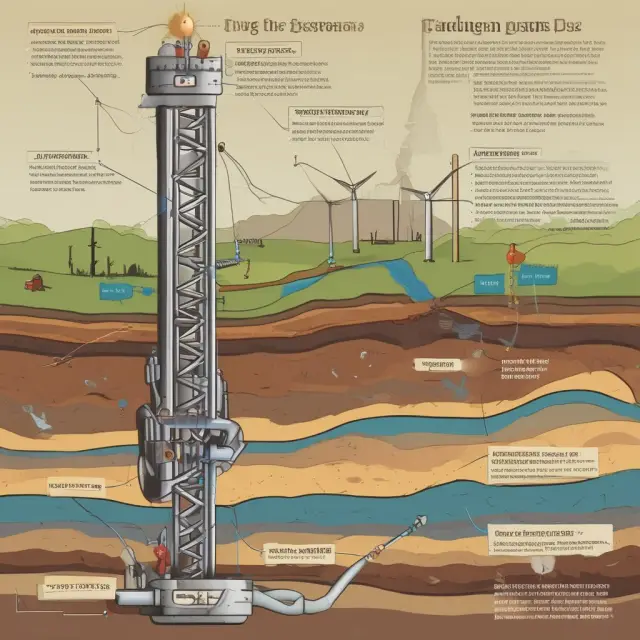
Hydraulic fracturing, or fracking, is a cutting-edge method for extracting oil and natural gas from shale rock formations. This process involves pumping high-pressure liquids into subterranean rock to create cracks that allow the oil and gas to flow more freely toward the surface. In this section, we’ll explore how hydraulic fracturing works in detail.
1. Preparation: Drilling a wellbore is the initial step in the hydraulic fracturing process. This involves constructing a drill pad, installing equipment, and drilling vertically to reach the shale formation. Once at the target depth, the direction of the drill bit is adjusted to create a horizontal section for increased exposure to the oil or gas-bearing rock.
2. Drilling: Horizontal drilling is employed to maximize contact with the hydrocarbon-rich shale formations, allowing the hydraulic fracturing fluid to effectively reach and penetrate the rock. This process creates a wellbore, which serves as a conduit for the high-pressure fluid to enter the rock formation.
3. Fracturing Fluid Preparation: The hydraulic fracturing fluid is typically composed of water, sand or ceramic particles (proppants), and various chemical additives. These chemicals assist in improving the flow of the fluid through the reservoir, reducing friction between the rock and the wellbore, and preventing corrosion and damage to drilling equipment.
4. Fracturing Process: After preparing the well and mixing the fracturing fluid, the process begins by pumping it into the wellbore under immense pressure. The fluid forces its way through the rock formation, creating a series of cracks that allow trapped hydrocarbons to flow more freely toward the surface.
5. Proppants: Once these cracks are created, small particles (proppants) suspended in the high-pressure fluid are used to keep them open. This propping effect allows for more efficient and continuous production of oil or natural gas.
6. Flowback and Production: After hydraulic fracturing, the well is allowed to flow back the produced fluids (flowback), which can contain both water and hydrocarbons. Once most of the flowback has been removed, the well can begin producing oil or natural gas. Over time, additional hydraulic fracturing treatments may be performed on the same well to maintain production levels.
Understanding how hydraulic fracturing works is essential for investors and stakeholders interested in the oil and gas industry. As technology continues to advance and regulations evolve, this process remains a significant contributor to North America’s energy landscape.
Environmental Concerns and Regulations
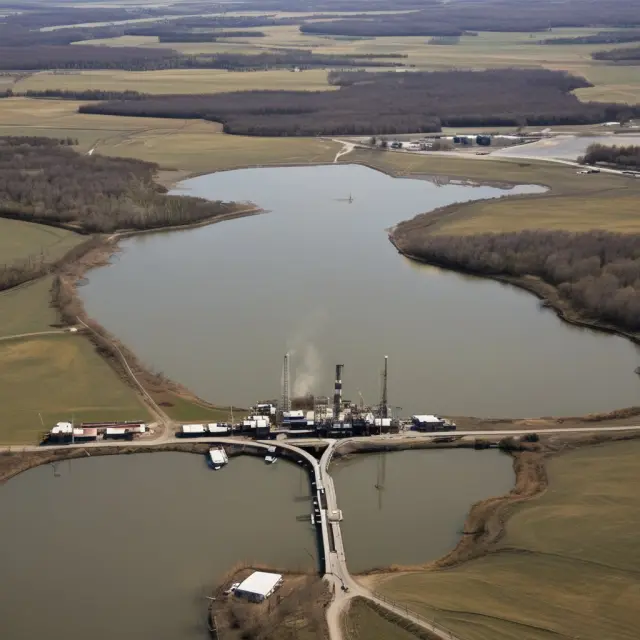
Hydraulic fracturing (fracking) has become a contentious issue due to concerns regarding its environmental impact. While fracking can be an effective method for extracting oil and natural gas from otherwise inaccessible resources, it also raises potential risks for water contamination, air pollution, and induced earthquakes.
Water Contamination
One major concern involves the risk of groundwater contamination through spills or leaks in drilling equipment or poorly-constructed wells. Fracking fluid, which contains chemicals that help reduce friction and facilitate the fracturing process, can potentially leak into groundwater sources if not contained properly. Contaminated water sources could lead to health risks for nearby communities and wildlife. Additionally, large volumes of water are required during the drilling process, often sourced from local aquifers, which can negatively impact available freshwater resources for agriculture, drinking, and other purposes.
Air Pollution
Methane emissions, a potent greenhouse gas, have been identified as another concern related to hydraulic fracturing. The process itself releases methane through the drilling and completion stages of wells. Furthermore, during the production phase, methane can escape from the wells or migrate from nearby sources, contributing to air pollution and its associated health risks.
Induced Earthquakes
A growing concern in regions with significant fracking activity is the potential for induced earthquakes. Disposal of wastewater by injecting it deep into underground wells has been linked to increased seismic activity. The risk of these earthquakes can vary depending on the geological conditions in a particular region and the method used for disposal.
Regulations:
In response to the environmental concerns surrounding hydraulic fracturing, various regulations have been implemented at both the state and federal levels. For example, the US Environmental Protection Agency (EPA) issued a report in 2016 concluding that the fracking process itself did not likely contaminate groundwater sources, although they did highlight instances where failures in well construction were the cause of contamination. Many states have also implemented regulations to address methane emissions and earthquake risks, such as monitoring systems and reporting requirements for seismic activity.
In conclusion, hydraulic fracturing is a valuable method for extracting oil and natural gas from shale formations that would otherwise be inaccessible, but it comes with potential environmental concerns including water contamination, air pollution, and induced earthquakes. Regulations at various levels aim to mitigate these risks while allowing the continued use of this technology to meet energy demands.
Economic Advantages and Disadvantages
The economic implications of hydraulic fracturing have been significant since its initial application in 1947 for extracting natural gas from shale formations. Hydraulic fracturing has led to a surge in oil and gas production, particularly in the United States, where the process is credited with contributing to energy independence. The process’s economic advantages include:
- Job Creation: Fracking has generated numerous jobs for engineers, geologists, drillers, and other industry professionals, as well as support roles in transportation, equipment manufacturing, and service industries.
- Economic Growth: Hydraulic fracturing has led to a significant increase in oil and gas production, particularly from shale formations, contributing billions of dollars to the economy each year.
- Lower Energy Prices: Increased domestic production through hydraulic fracturing has reduced energy prices for consumers, making the U.S. a net exporter of natural gas and lowering dependence on foreign oil.
- Access to New Resources: Fracking has made it possible to access resources trapped deep within shale formations that were previously uneconomical to extract.
- Reduced Import Dependence: The rise in domestic production from hydraulic fracturing has led to reduced import dependence, making the U.S. less reliant on foreign oil and gas supplies.
However, there are also economic disadvantages associated with hydraulic fracturing:
- Operational Costs: Fracking operations require substantial capital investments for drilling, equipment, and maintenance. The process can be expensive due to the large volumes of water, chemicals, and energy required.
- Waste Management: Hydraulic fracturing creates significant amounts of wastewater that must be disposed of properly. The cost of managing this wastewater, either through injection wells or other methods like recycling, adds to the overall cost of the process.
- Potential Health and Safety Concerns: Although uncommon, accidents related to fracking can result in significant costs for clean-up, litigation, and compensation to affected individuals and communities.
- Regulation and Compliance Costs: Strict regulations governing hydraulic fracturing have led to added costs for drilling companies, including the requirement to disclose the chemicals used in fracking fluids and ensuring proper wastewater disposal.
- Infrastructure Development: The expansion of hydraulic fracturing requires significant infrastructure investments to transport and process natural gas and oil. These costs can include pipeline construction and maintenance, as well as transportation infrastructure for water and supplies.
In conclusion, hydraulic fracturing carries both economic advantages and disadvantages, with the primary benefits being job creation, economic growth, lower energy prices, access to new resources, and reduced import dependence. However, significant costs associated with operational expenses, waste management, potential health and safety concerns, regulation compliance, and infrastructure development must be considered when evaluating the overall economic impact of fracking.
The Role of Technology in Fracking
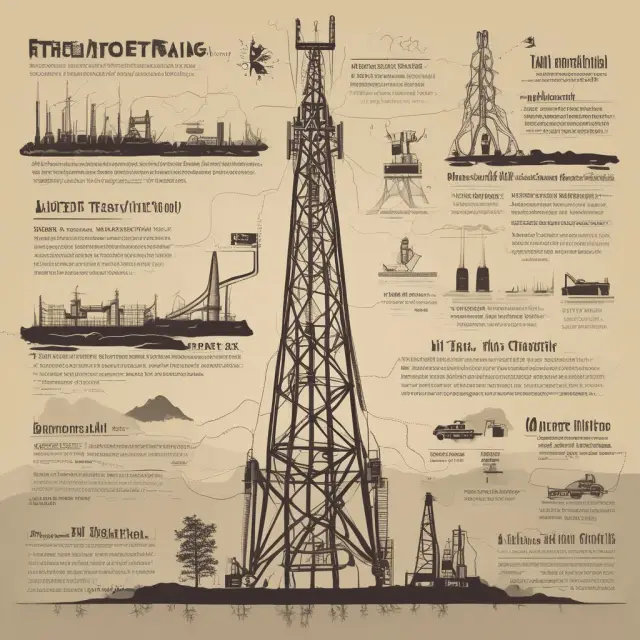
Hydraulic fracturing has undergone significant technological advancements since its inception in 1947. These improvements have led to increased efficiency, reduced environmental impacts, and enhanced safety for this controversial oil and gas extraction technique. This section explores the technology behind fracking and its impact on the process’s performance.
Hydraulic fracturing, also known as fracking or hydrofracking, is a method used to extract unconventional natural resources such as shale oil and gas from deep within sedimentary rock formations. The fundamental concept behind hydraulic fracturing involves injecting high-pressure liquid into a wellbore to create cracks in the rock formation. This process releases hydrocarbons, which are then pumped back up to the surface for refining.
**Components of Fracking Fluid**
The fluid used in hydraulic fracturing comprises water, chemicals, and proppants. Water acts as a solvent, carrying other components deep into rock formations. Chemicals help reduce friction between the fluid and the rocks, making it easier to create cracks. Proppants include sand or ceramic materials, which remain in place after injection to keep fractures open and facilitate oil or gas flow.
**History of Hydraulic Fracturing**
Fracking was first used for commercial oil production in the late 1940s in the Hugoton Gas Field in Kansas. Since then, it has evolved into a significant tool for extracting resources from tight formations like shale, sandstone, and coalbed methane reservoirs. However, its widespread use has raised concerns over potential environmental implications.
**Improvements in Fracking Technology**
Several technological advancements have made hydraulic fracturing more efficient and reduced the associated risks:
- Horizontal Drilling: In horizontal drilling, drill bits are angled to drill in a direction parallel to the target rock layer instead of vertically. This method allows for greater access to resources in thicker formations like shale.
- Enhanced Completion Techniques: These techniques include pad drilling (drilling multiple wells from a single site) and multi-stage fracturing, which involves dividing the hydraulic fracturing process into several stages to optimize resource recovery and minimize environmental impact.
- Proppant Improvements: The development of more robust proppants, such as ceramic materials, has enhanced their ability to keep fractures open longer, leading to increased production rates and reduced water use.
- Water Management: Treatment technologies have improved to make the water used in fracking more efficient and reduce the volume required. Recycling water for multiple uses is also becoming common practice.
- Seismic Monitoring: Continuous monitoring of seismic activity near hydraulic fracturing sites has led to better detection and mitigation of potential induced earthquakes.
- Regulatory Compliance: Strict regulations in countries like the United States have forced drilling companies to employ advanced technologies to minimize the risks associated with fracking, such as air pollution, groundwater contamination, and methane leakage.
These advancements have enabled hydraulic fracturing to become a key player in the global energy landscape, especially in regions like North America. However, ongoing debates about environmental concerns and potential health risks continue to shape public perception and regulatory responses to fracking operations.

Benefits and Challenges for Communities Near Fracking Operations
The emergence of hydraulic fracturing has led to significant economic growth in various communities across the United States, particularly in areas with high potential for shale oil and gas reserves. This section discusses both advantages and challenges that local communities face due to fracking operations.
Benefits for Communities
1. Job Creation: The influx of fracking activities generates numerous jobs within these communities. Oil and gas companies hire drilling crews, truck drivers, equipment operators, engineers, and support personnel for their projects. Local businesses may also see increased demand for goods and services, leading to job opportunities in areas like construction, catering, and retail.
2. Economic Development: Fracking operations can bring substantial revenue to local communities through lease payments, tax revenues, and royalty checks. Counties and towns with fracking activity may invest the funds into infrastructure improvements, public projects, or community development initiatives.
3. Energy Security: The United States is among the world’s leading producers of oil and natural gas thanks to hydraulic fracturing. Fracking operations make the US less reliant on foreign sources of energy, contributing to national energy security. Additionally, these communities can sell their produced resources to neighboring states or regions, providing a stable income source.
Challenges for Communities
1. Environmental Concerns: Residents living near fracking operations may experience environmental challenges such as noise pollution, increased traffic from trucks transporting materials and workers, and concerns related to water contamination. These impacts can affect property values and raise health concerns if not adequately addressed by the companies involved in fracking activities.
2. Health Risks: The potential risks associated with hydraulic fracturing have been a matter of debate for years. Some studies suggest that exposure to air pollutants from drilling operations could result in respiratory issues, neurological disorders, and even cancer. These claims are still being investigated, but it is essential that companies provide clear communication about their processes to alleviate fears and ensure public safety.
3. Regulatory Compliance: Fracking regulations can vary from one state to another, leading to challenges in ensuring consistent compliance. In some cases, local communities may struggle to enforce regulations or obtain necessary permits due to limited resources or bureaucratic red tape. This could result in delays and frustration for residents seeking a solution to their concerns.
4. Dependence on Oil and Gas Industry: As the oil and gas industry evolves, some communities that rely heavily on these industries risk experiencing economic downturns if energy prices drop significantly or if alternative energy sources gain traction. Diversifying the local economy to include various industries can help mitigate this risk and ensure long-term sustainability.
In conclusion, hydraulic fracturing has both advantages and disadvantages for local communities. It is essential that stakeholders—including government officials, drilling companies, and residents—work together to address challenges and capitalize on opportunities presented by the fracking industry. By promoting transparency, community engagement, and collaboration, it may be possible to mitigate environmental risks and maximize the economic benefits of hydraulic fracturing for all involved parties.

Alternatives to Hydraulic Fracturing: Geothermal and Coalbed Methane
Hydraulic fracturing has been a topic of intense debate for years, with many expressing concerns about its impact on the environment. In light of these concerns, it’s essential to explore potential alternatives in oil and gas extraction, such as geothermal energy and coalbed methane. These methods offer intriguing prospects for producing energy in a more sustainable manner than traditional hydraulic fracturing.
Geothermal Energy: The Earth’s Internal Heat Source
Unlike hydraulic fracturing, which focuses on extracting oil and gas from sedimentary rock formations, geothermal energy harnesses the natural heat generated within the earth itself. This heat is typically found in the upper crust where tectonic plates are separating or where volcanic activity occurs. Geothermal power plants use this heat to generate electricity through a closed-loop system that avoids the need for combustion of fossil fuels or nuclear reactions.
Coalbed Methane: Mining Methane From Coal Seams
Another alternative to hydraulic fracturing is coalbed methane extraction, which involves recovering methane gas trapped within coal seams. The process starts with drilling wells into the coal seam and then injecting water or air into it. The gas, under pressure from the injection, flows through the coal seams toward the wellbore, where it’s captured and transported to a processing facility for conversion to electricity or liquefied natural gas (LNG).
Advantages of Geothermal Energy and Coalbed Methane
Compared to hydraulic fracturing, geothermal energy and coalbed methane have several advantages. Firstly, they emit fewer greenhouse gases since these methods do not rely on burning fossil fuels. Moreover, the process of producing both geothermal energy and coalbed methane is typically more environmentally friendly as it does not involve using large amounts of water or chemicals, which are often associated with hydraulic fracturing.
Challenges Faced by Geothermal Energy and Coalbed Methane
Despite their merits, both geothermal energy and coalbed methane face challenges in scaling up production to meet the world’s growing energy demands. For instance, geothermal power plants are limited by the availability of suitable geothermal resources. Coalbed methane extraction, on the other hand, faces challenges related to high capital costs due to the need for specialized drilling equipment and infrastructure.
Conclusion: The Future of Oil and Gas Extraction
As the world continues its transition towards a low-carbon future, it’s crucial to explore alternatives to hydraulic fracturing like geothermal energy and coalbed methane. These methods offer more sustainable and potentially less environmentally damaging ways to extract energy from natural resources. However, it is important for researchers and industry professionals to continue developing new technologies and finding innovative solutions to address the challenges faced by these alternative methods. Only then can we pave the way towards a cleaner and more sustainable future in oil and gas extraction.
FAQs About Hydraulic Fracturing
Hydraulic fracturing, also known as fracking, is a controversial yet effective method used by oil and gas companies to extract resources from deep rock formations. In this FAQ section, we address some of the most common questions about hydraulic fracturing from professional and institutional investors.
What exactly does hydraulic fracturing entail?
Hydraulic fracturing is a process that uses high-pressure liquids to create cracks or fractures in rock formations containing oil or natural gas. The fluid injected into the well contains water, chemicals, and solid particles called proppants that help maintain the fractures once they have been created.
Why is hydraulic fracturing important for the oil and gas industry?
Hydraulic fracturing allows oil and gas companies to extract resources from unconventional formations, such as shale, that were previously considered uneconomical to exploit. This method has made it possible to tap into vast reserves of natural gas and tight oil in North America and other parts of the world, leading to increased production and decreased dependence on imported energy sources.
What are some concerns regarding hydraulic fracturing’s environmental impact?
Environmental issues related to hydraulic fracturing include air pollution from methane emissions, groundwater contamination, and induced earthquakes. Concerns revolve around the disposal of wastewater from fracking operations and potential leaks or spills at holding tanks that could result in water table contamination. Additionally, some studies have found a correlation between deep well disposal of hydraulic fracturing wastewater and an increased risk of earthquakes, particularly in regions like Oklahoma.
How does the regulatory landscape for hydraulic fracturing vary from place to place?
Regulation of hydraulic fracturing differs depending on the location. Some jurisdictions have imposed strict regulations, while others have banned it entirely due to environmental concerns. For example, France and the states of Vermont and New York have prohibited fracking within their borders. Other countries, such as Canada and Australia, have adopted more permissive approaches to hydraulic fracturing.
What steps are being taken to minimize the environmental impact of hydraulic fracturing?
To mitigate the environmental concerns surrounding hydraulic fracturing, companies are employing a variety of measures. These include using water recycling technologies to reduce the amount of freshwater required, minimizing the use of hazardous chemicals in fracking fluids, and implementing tighter regulations on wastewater disposal. Additionally, advancements in drilling technology, such as directional drilling and hydraulic fracturing at longer lateral distances, have reduced the surface footprint of well sites and allowed for more efficient production.
How does hydraulic fracturing compare to alternative methods of oil and gas extraction?
Geothermal energy and coalbed methane extraction are two alternatives to hydraulic fracturing that have gained attention due to their lower environmental impact. Geothermal power harnesses the Earth’s natural heat to generate electricity, whereas coalbed methane is a cleaner-burning alternative to coal for generating electricity or as a heating fuel. However, these methods currently have limited potential in terms of overall energy production compared to hydraulic fracturing.
By addressing some of the most common questions surrounding hydraulic fracturing, investors and industry professionals can gain a deeper understanding of this complex issue and make informed decisions about its role within their investment portfolios.
 Next entry · No. 2,266Understanding Hydrocarbons: Uses, Types, Impacts, and Alternatives
See also
-
 No. 3,352
21 Mar 2025
21 min
Understanding Natural Gas Liquids: Types, Applications, Challenges and Opportunities
Energy Finance
No. 3,352
21 Mar 2025
21 min
Understanding Natural Gas Liquids: Types, Applications, Challenges and Opportunities
Energy Finance -
 No. 2,311
27 Dec 2024
19 min
Understanding Impaired Credit: A Comprehensive Guide for Institutional Investors
Business Finance
No. 2,311
27 Dec 2024
19 min
Understanding Impaired Credit: A Comprehensive Guide for Institutional Investors
Business Finance -
 No. 1,681
21 Oct 2024
17 min
The Free Rider Problem: Understanding the Inefficient Distribution of Shared Resources in Finance and Investment
Business Finance
No. 1,681
21 Oct 2024
17 min
The Free Rider Problem: Understanding the Inefficient Distribution of Shared Resources in Finance and Investment
Business Finance -
 No. 1,356
03 Sep 2024
19 min
Understanding the Complexity of the Euromarket: Eurocurrencies vs European Union’s Single Market
Business Finance
No. 1,356
03 Sep 2024
19 min
Understanding the Complexity of the Euromarket: Eurocurrencies vs European Union’s Single Market
Business Finance -
 No. 1,353
03 Sep 2024
17 min
Understanding Eurocurrency and Its Significance in the Global Financial System
Business Finance
No. 1,353
03 Sep 2024
17 min
Understanding Eurocurrency and Its Significance in the Global Financial System
Business Finance -
 No. 1,152
04 Aug 2024
21 min
Understanding Duopolies in Finance and Investment: A Comprehensive Guide
Business Finance
No. 1,152
04 Aug 2024
21 min
Understanding Duopolies in Finance and Investment: A Comprehensive Guide
Business Finance