Understanding Unconventional Oil: From Fracking to Oil Sands
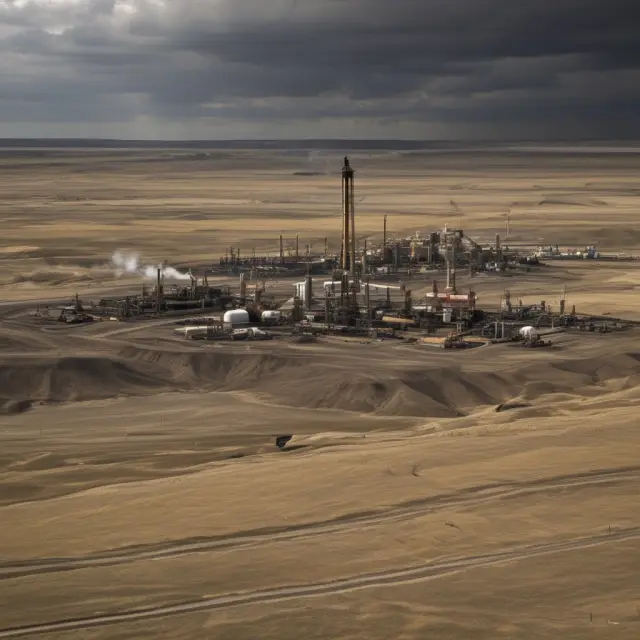
Understanding the shift towards unconventional oil sources like fracking and oil sands, including their background, economic drivers, and environmental impacts.
Background: Defining Unconventional Oil
Unconventional oil refers to crude oil that is obtained through methods other than traditional vertical well extraction. Techniques such as hydraulic fracturing (fracking) and oil sands extraction fall under the category of unconventional oil production. These innovative methods have gained traction in recent years due to both economic pressures and technological advancements. Unconventionally sourced oil was previously associated with periods of high oil prices, as costlier methods became economically justifiable. However, new technologies have now become mainstream, with directional drilling techniques enabling access to multiple reserves through a single well, reducing the need for multiple vertical drill sites.
Understanding Unconventional Oil’s Importance
The increasing scarcity of conventional oil sources and competition from alternative energy sources like solar, wind, and nuclear power have driven the oil industry to seek new methods to maximize their reserves and remain profitable. Unconventional oil production techniques offer a viable solution by unlocking previously inaccessible resources. For instance, hydraulic fracturing was initially developed in response to high oil prices but has since become more widely adopted due to advancements that have significantly reduced the cost of extraction.
Unconventional Oil Techniques: Fracking and Oil Sands
Fracking is a process used to extract oil from shale formations by injecting fluids, typically water, sand, and chemicals, into wells to release hydrocarbons trapped in rock formations. This method was first employed in the late 1940s but gained popularity due to technological advancements and high oil prices. Fracking remains a contentious issue due to environmental concerns; however, it continues to be a significant contributor to US energy production.
Oil sands, also known as tar sands, are found in soil and rock formations containing crude bitumen, which is too thick to flow on its own. This dense, viscous oil necessitates specialized extraction methods. Though expensive and complex, the profits generated from oil sands extraction can be substantial when oil prices are high. Oil sands are primarily found in Alberta, Canada, as well as Venezuela, Kazakhstan, and Russia. Two primary techniques for extracting bitumen include mining and in situ methods. Mining involves surface mining to remove the overburden above the bitumen deposit followed by processing the extracted material to produce synthetic crude oil. In situ extraction involves injecting steam or solvents into the ground to heat and liquefy the bitumen, which is then pumped out through a well.
Conclusion:
The evolution of unconventional oil production techniques has enabled oil companies to access previously unreachable reserves, contributing to their long-term viability in an increasingly competitive industry. Understanding these methods and their significance is crucial for investors, policymakers, and consumers alike, as the future of the global energy landscape will be shaped by ongoing advancements in this sector.

Historical Context: Traditional Oil vs. Unconventional Oil
Unconventional oil, a term used in the oil and gas industry, encompasses crude oil that is extracted via methods other than traditional vertical wells. Examples of such methods include hydraulic fracturing (fracking), oil sands extraction, and directional drilling, among others. Unconventional oil has seen a surge in popularity due to the combination of economic pressures and technological advancements within the industry. Historically, unconventional oil was associated with high oil prices, making costlier methods economically viable. However, as technology has progressed, these techniques have been adopted throughout mainstream oil production.
Understanding the distinction between traditional and unconventional oil is crucial, as their extraction methods vary significantly. Traditional oil is typically found in porous rocks that allow it to flow naturally to a well. In contrast, unconventional oil often requires more complex and innovative approaches for extraction due to its location or properties.
As traditional oil reserves dwindle, the need for unconventional oil sources has grown. When oil prices drop, companies must adapt to maintain profitability. These economic pressures have led to new technological advancements and innovations in oil extraction methods. For example, directional drilling techniques have made it possible for companies to access multiple underground reserves using a single vertical well, whereas previously this would have required multiple vertical drill sites.
On the other hand, when prices are persistently high, unconventional oil sources that were once considered economically infeasible suddenly become profitable targets. This was the case with hydraulic fracturing (fracking), a controversial and environmentally contentious method for extracting shale gas and tight oil reserves through injecting high-pressure water, sand, and chemicals into rock formations. Fracking was first developed in 1947 and has since undergone significant improvements, making it a common extraction technique today.
In summary, the historical context of traditional oil versus unconventional oil reveals that while their methods differ significantly, technological advancements have increasingly blurred the line between the two. The industry’s shift towards unconventional oil is driven by both economic pressures and the need to adapt to dwindling reserves. As the importance of unconventional oil sources continues to grow, it is crucial to understand their unique characteristics, potential risks, and benefits. In the following sections, we will delve deeper into specific examples of unconventional oil, such as fracking and oil sands extraction.
(Continued in the next section: “The Role of Economics in the Shift to Unconventional Oil”)

The Role of Economics in the Shift to Unconventional Oil
Unconventional oil’s emergence as a vital component in the oil industry can be attributed to various economic factors, including technological advancements and fluctuating market conditions. With the increasing scarcity of traditional crude oil and the rising cost of production, companies have had to adopt innovative methods to extract previously unreachable resources.
Historically, the term “unconventional oil” was used to describe oil reserves that required advanced techniques for extraction due to their location or geological properties. However, the line between conventional and unconventional oil has grown increasingly blurred as technology progressed and became integrated into mainstream production practices.
One significant economic driver of unconventional oil’s rise to prominence is the need for more efficient methods when oil prices are low or market conditions are challenging. In these circumstances, companies often invest in research and development to create new technologies that increase equipment speed, reliability, automation, or reduce their overall environmental footprint. These advancements can lead to significant cost savings and make previously uneconomical resources accessible.
A prime example of this is the shift from traditional vertical drilling to directional drilling techniques, which enable oil companies to access multiple underground reserves using a single well site instead of multiple drill sites. Such innovations have become increasingly commonplace as companies aim to reduce their capital expenditures and maximize operational efficiency.
Another factor driving the shift towards unconventional oil is the changing economic landscape caused by high oil prices. When oil prices are persistently high, previously inaccessible or expensive-to-extract resources can become commercially viable targets. For instance, the development of hydraulic fracturing (fracking) techniques was largely driven by increased oil costs during the 1970s and 1980s. Fracking involves injecting steam, gas, or chemical injections into shale formations to create fissures that release trapped hydrocarbons, which can then flow upwards towards the surface through the well.
Examples of unconventional oil include fracking and oil sands. Fracking is a technique used to extract natural gas and oil from shale formations by injecting high-pressure fluids into the ground. Oil sands, on the other hand, refer to soil and rock containing crude bitumen, which requires specialized methods for extraction due to its thick, dense nature. Bitumen is extracted through mining or in situ processes, which can be costly but become economically viable when oil prices are high enough to justify the investment.
As the industry continues to adapt to new challenges and opportunities, it’s likely that unconventional oil will remain a significant player in the global energy landscape. Technological advancements and improvements in extraction techniques will undoubtedly continue to reshape the industry, offering both challenges and opportunities for investors and companies alike.
In conclusion, the economic factors driving the shift towards unconventional oil are multifaceted, with technological advancements, changing market conditions, and resource scarcity all playing a role in shaping its adoption and development. As the industry continues to evolve, it’s essential for investors, policymakers, and industry professionals to stay informed about these trends and adapt accordingly to capitalize on the opportunities and mitigate the risks that come with this dynamic sector.
Examples of Unconventional Oil: Fracking
Unconventional oil extraction methods, such as hydraulic fracturing (fracking), have gained significant importance within the industry due to their ability to tap into previously unrecoverable reserves. Hydraulic fracturing, first discovered in 1947, is a technique for unlocking hydrocarbons trapped within unconventional reservoirs using a combination of high-pressure fluids and chemical additives (USGS, 2015). By injecting large quantities of water, sand, and chemicals into the ground, fracking creates small fractures in rock formations, allowing oil or natural gas to flow freely to the surface. This innovative process has transformed the landscape of energy production, enabling access to vast reserves that were once considered economically unfeasible (EIA, 2013).
Historically, fracking was primarily employed during periods of high oil prices, when costlier methods for oil recovery could be economically justified. However, rapid advancements in drilling technology and equipment have enabled widespread adoption of fracking techniques throughout the industry, making them integral to mainstream oil production practices (Brown et al., 2014).
The process of hydraulic fracturing can be broken down into three main steps: drilling the wellbore, injecting the fracking fluid, and producing the oil or natural gas. First, a wellbore is drilled vertically to reach the targeted shale formation (EIA, 2013). Next, the wellbore is extended horizontally using directional drilling techniques, enabling the fracturing fluid to cover a larger surface area and maximize hydrocarbon recovery. The fracking fluid, which typically consists of water, sand, and chemical additives, is then injected at high pressure into the horizontal section of the wellbore (EPA, 2015). This causes the rock formations to fracture, allowing the trapped hydrocarbons to flow freely towards the wellbore. The oil or natural gas is finally extracted from the well by pumping it back to the surface through a production casing.
While fracking has revolutionized the oil industry and contributed significantly to energy security in the United States, it remains a contentious issue due to concerns over environmental impacts (EPA, 2016). Critics argue that the chemical additives used in fracking fluids can contaminate groundwater sources and contribute to air pollution. Additionally, large volumes of water are required for fracking operations, placing increased pressure on already strained water resources in some regions (Brown et al., 2014). Addressing these concerns will be crucial as the industry continues to explore ways to expand the use of unconventional oil extraction methods like hydraulic fracturing while minimizing their environmental footprint.
Environmental Concerns Surrounding Fracking
The environmental concerns associated with unconventional oil extraction, specifically fracking, have received significant attention due to the potential risks involved. Hydraulic fracturing, or “fracking,” is a relatively new method of extracting oil and natural gas from shale formations by injecting fluids at high pressure into the ground, leading to the creation of small fissures that release the hydrocarbons within. While fracking has revolutionized the energy industry and significantly increased domestic production, it comes with environmental challenges.
Water Use and Wastewater
One of the primary concerns surrounding fracking is the significant amount of water required for the process—approximately 1-5 million gallons per well. This large usage places a strain on local water resources and raises concerns regarding wastewater disposal. The process generates a substantial volume of wastewater, which often contains dissolved solids, salts, heavy metals, and naturally occurring radioactive materials. In addition, chemicals used in the fracking fluid can also contaminate the wastewater.
Air Quality and Greenhouse Gas Emissions
Fracking is known to release volatile organic compounds (VOCs) and methane into the atmosphere during various stages of production. Methane emissions are of particular concern because they contribute significantly to greenhouse gas emissions, which can exacerbate climate change. The Environmental Protection Agency (EPA) has estimated that methane emissions from fracking accounted for about 3% to 7% of total US methane emissions between 2014 and 2018.
Seismic Activity
Another concern is the potential for seismic activity, specifically induced seismicity caused by injection wells used in hydraulic fracturing. When large volumes of fluid are injected into deep underground rock formations, it can alter stresses within the rocks and potentially trigger small earthquakes. In some instances, these earthquakes can be felt at the surface.
Public Health Concerns
There is ongoing debate about the potential health effects associated with fracking, including the possibility of increased risk for respiratory diseases, cardiovascular problems, and cancers due to exposure to air pollutants and water contaminants. However, research on these risks remains inconclusive.
Regulations and Mitigation Strategies
Governments and industry organizations have implemented various regulations aimed at addressing the environmental concerns surrounding fracking. These efforts include stricter guidelines for wastewater disposal, reduced use of certain chemicals in fracking fluid, and enhanced monitoring systems to detect and mitigate seismic activity. Additionally, continuous improvements in technologies designed to reduce water usage, minimize emissions, and improve overall efficiency are underway.
In conclusion, while the benefits of unconventional oil extraction through hydraulic fracturing have transformed the energy industry, it is essential to consider and address the associated environmental challenges. By implementing regulations and investing in technological advancements, industries can work towards reducing negative impacts on water resources, air quality, public health, and seismic activity while continuing to provide energy security and economic growth.
In the following section, we will discuss the examples of unconventional oil beyond fracking: oil sands and their environmental concerns.
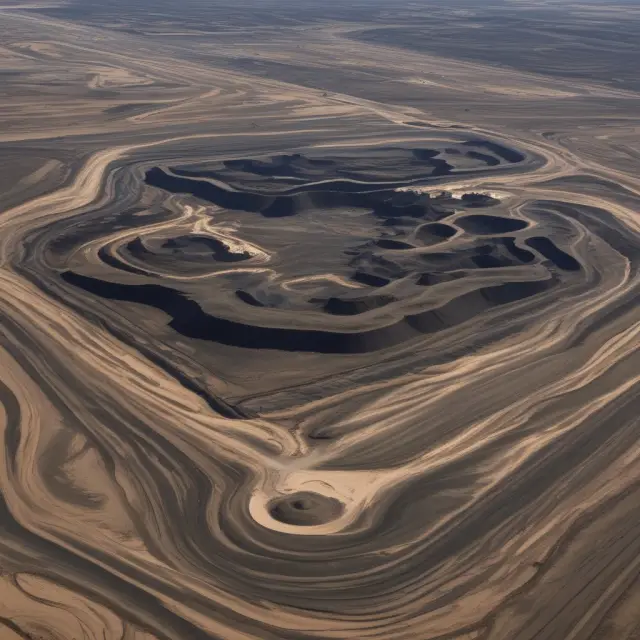
Examples of Unconventional Oil: Oil Sands
Unconventional oil sources, such as oil sands, have been increasingly gaining importance within the oil industry. Unlike traditional crude oil that is extracted through conventional means, unconventional oil involves more complex and innovative methods. One prominent example is extracting oil from oil sands. This resource contains a dense form of crude called bitumen, which is too thick to flow on its own. As a result, specialized extraction techniques are necessary to obtain this unconventional source.
Oil sands are primarily located in the Athabasca, Cold Lake, and Peace River regions of northern Alberta and Saskatchewan, Canada, as well as areas in Venezuela, Kazakhstan, and Russia. These resources contain a mixture of sand, clay, water, and bitumen—a viscous crude oil. To extract the bitumen from the oil sands, two primary methods are used: mining and in situ.
Mining involves using large machinery to remove the overlying soil and excavating the oil-saturated sand. The extracted material is then transported to a processing plant where it undergoes various stages of refining before being transformed into marketable crude oil. This process can be quite extensive, with each barrel of synthetic crude requiring around four or five barrels of water and generating three to four times the greenhouse gas emissions compared to traditional methods.
The in situ method involves injecting steam, gas, or solvents directly into the oil sands to liquefy the bitumen, which is then pumped to the surface for processing and refining. This technique is more economically viable as it reduces the need for large-scale mining and transportation operations. However, it still presents environmental challenges due to its energy intensity and greenhouse gas emissions.
The oil sands industry has experienced significant growth over the last few decades, driven by various factors such as increasing global demand for oil, technological advancements, and favorable economic conditions. Despite this, concerns regarding the environmental impact of oil sand extraction persist. The potential risks include water contamination, increased greenhouse gas emissions, and land degradation. Moreover, the long-term sustainability and profitability of oil sands production are being questioned as global transition towards renewable energy accelerates.
In conclusion, understanding unconventional oil sources like oil sands is crucial for anyone interested in the financial aspects of the oil industry. These resources offer unique challenges and opportunities, requiring specialized expertise and innovative technologies to extract their raw materials and turn them into valuable products. By diving deeper into specific examples such as oil sands, we can better comprehend the complexities involved in unconventional oil extraction and its implications for the economy, the environment, and society as a whole.

The Future of Unconventional Oil: Innovation and Improvement
Unconventional oil extraction techniques have drastically transformed the way we extract crude oil from underground reservoirs. As prices for traditional oil sources become less economically viable, new technologies and innovations are continually being developed to improve efficiency and reduce reliance on costly vertical wells. Two common examples of unconventional oil sources—fracking and oil sands—have undergone significant advancements in the past few decades, leading to a shift in industry practices.
Fracking: The Evolution of Hydraulic Fracturing
First introduced in 1947, hydraulic fracturing, or fracking, was initially used as an experimental technique for extracting oil and natural gas from unconventional reservoirs. Traditional drilling methods were unable to access the deep shale formations containing these resources. However, fracking’s ability to create fissures in rock formations and release trapped hydrocarbons made it a valuable tool.
The original fracking process involved injecting large volumes of water, sand, and chemical additives under high pressure to fracture the rock. This allowed oil and natural gas to flow out of the formation and up to the surface. However, as concerns over environmental impacts began to rise, improvements in technology led to modifications such as directional drilling, horizontal drilling, and reduced use of water and chemicals.
Directional drilling allows a single well to access multiple oil reservoirs, while horizontal drilling ensures that the hydraulic fracturing takes place along the entire length of a wellbore, rather than just at the drill site. This reduces the environmental footprint and increases overall efficiency. Additionally, advances in chemical additives have led to the use of fewer chemicals in fracking processes.
Oil Sands: A Complex Extraction Process
Exploration and production of oil sands began in the early 20th century. Oil sands are comprised of bitumen, a dense, viscous form of crude oil that cannot flow on its own. Traditional methods to extract oil from oil sands required significant amounts of water, energy, and labor, making it a costly process.
However, improvements in technology over the last few decades have led to more efficient techniques, reducing the reliance on water and energy. One such innovation is steam-assisted gravity drainage (SAGD), which uses steam to heat the bitumen and reduce its viscosity, making it easier to flow to the surface through gravity. Another promising approach is in situ methods, where steam or solvents are injected directly into the oil sand deposit to liquefy the bitumen, allowing it to be pumped out.
In conclusion, unconventional oil extraction techniques have undergone significant changes over the last century as the industry has adapted to technological advancements and changing economic conditions. The future of unconventional oil will continue to evolve as companies find new ways to increase efficiency, reduce costs, and minimize environmental impact.
Advancements in fracking technology, including directional drilling and reduced water usage, have made it a more viable option for accessing previously inaccessible reserves. Similarly, improvements in the extraction process for oil sands, such as SAGD and in situ methods, have made this once-costly method a profitable source of crude oil. As we continue to explore new innovations, unconventional oil will play an increasingly important role in shaping the future of the global energy landscape.

Regulations, Policy, and the Role of Governments
As unconventional oil extraction techniques continue to evolve and gain importance within the industry, governments have a crucial role to play in implementing regulations that mitigate potential risks while encouraging sustainability. The complex nature of some unconventional oil methods calls for a collaborative effort between industry experts, scientists, and policymakers to ensure safe operations.
Historically, unconventional oil was primarily associated with periods of high oil prices when costlier methods could be economically justified. However, in recent times, technological advancements have led to the implementation of these techniques throughout conventional oil production practices, making them more efficient and profitable for companies.
One of the most significant examples of unconventional oil is hydraulic fracturing (fracking), which was first developed in 1947 by engineers at Stanolind Oil and Gas Corporation. Fracking involves injecting highly pressurized fracking fluid into a well to create fissures within underground rock formations, releasing trapped hydrocarbons that flow to the surface. To facilitate the movement of oil toward the surface, pressure is increased in the reservoir, while chemical additives are used to adjust the viscosity of the crude.
Despite its numerous benefits, fracking has been a topic of controversy due to environmental concerns associated with water usage and potential groundwater contamination. As a result, various governments have stepped in to regulate the industry through enacting legislation and implementing regulations. For instance, the United States Environmental Protection Agency (EPA) has established guidelines for responsible hydraulic fracturing practices, including proper well construction, public disclosure of chemicals used, and effective wastewater management systems.
Another example of unconventional oil is oil sands, which are rich in bitumen, a dense form of crude that requires specialized extraction methods due to its viscosity. The oil sands industry is primarily found in Canada and Venezuela, with significant reserves located in Athabasca, Cold Lake, Peace River, and other regions.
The process of extracting usable crude from oil sands involves two main methods: mining and in situ. Mining involves extracting the bitumen using large-scale shovels or open pit mining techniques. In situ methods employ steam injection to melt the bitumen within the ground, allowing it to be pumped to the surface via wells.
Environmental concerns surrounding oil sand extraction include potential water usage and greenhouse gas emissions. To mitigate these risks, various governments have implemented regulations aimed at reducing environmental impacts. For example, Canada’s National Energy Board has set strict guidelines for water usage and wastewater management in the oil sands industry. In addition, technological advancements such as carbon capture, use, and storage (CCUS) systems are being explored to reduce greenhouse gas emissions from oil sand operations.
Government regulations play a pivotal role in ensuring that unconventional oil extraction methods operate efficiently and safely, while minimizing environmental risks. By working closely with industry experts and scientists, policymakers can create a regulatory environment that fosters innovation, encourages best practices, and protects the long-term sustainability of resources.

Economic Impacts: The Business Case for Unconventional Oil
Unconventional oil represents a significant shift in the way crude oil is extracted from reservoirs. The economic factors influencing this shift are essential to understand when evaluating the business case for unconventional oil and its role in the global energy landscape. Traditional vertical wells used for conventional oil extraction have been replaced by innovative techniques such as hydraulic fracturing (fracking) and oil sands production.
Historically, unconventional oil was primarily extracted during periods of high oil prices when costly methods could be economically justified. However, technological advancements have now integrated these techniques into mainstream oil production practices, such as directional drilling. In fact, the versatility and efficiency of these methods make them increasingly attractive even in a lower-priced market.
Let us examine some examples: Fracking is an unconventional oil extraction method that involves injecting large volumes of high-pressure water, sand, and chemicals into deep shale formations to release the oil trapped within. The first successful frack job was carried out in 1947 by engineers at the Stanolind Oil and Gas Corporation. At that time, it was considered a costly process; however, with advancements in technology, such as horizontal drilling and multi-stage fracturing, fracking has become a more profitable alternative for extracting oil from otherwise unrecoverable resources.
Another example is the production of oil from oil sands. Oil sands are soil and rock material containing crude bitumen, which is too thick to flow on its own. To access this unconventional oil, specialized extraction methods are required due to its high viscosity. Despite the complexity and expense involved in extracting oil from oil sands, technological advancements have made it more economically viable when oil prices are high. Oil sands are primarily found in northern Alberta, Canada, and areas of Venezuela, Kazakhstan, and Russia, making them a significant contributor to the global oil supply.
These examples illustrate how unconventional oil extraction methods can yield substantial economic benefits by unlocking new reserves or enhancing existing ones. Furthermore, they provide energy security by reducing the reliance on foreign oil imports. Additionally, they generate jobs and stimulate economic growth in areas where these resources are located.
The future of unconventional oil is promising as technological advancements continue to improve the efficiency and affordability of these methods. As the world’s traditional oil reserves dwindle and alternative energy sources gain popularity, unconventional oil will likely play an increasingly important role in meeting global demand.
In conclusion, understanding the economic factors driving the shift towards unconventional oil extraction is crucial for investors, policymakers, and industry professionals. The business case for unconventional oil is strong, with its potential to create jobs, stimulate economic growth, provide energy security, and contribute to global oil supply. As the world adapts to changing energy markets and environmental concerns, unconventional oil extraction methods will continue to be at the forefront of the industry.
FAQs about Unconventional Oil
Unconventional oil, which includes resources obtained through fracking and oil sands, has become increasingly common due to new technological developments and economic considerations. Below are some frequently asked questions regarding unconventional oil extraction methods and their impact on the environment:
What is unconventional oil?
Unconventional oil refers to crude oil obtained using techniques other than traditional vertical well extraction, including hydraulic fracturing (fracking) and oil sands development.
Why is unconventional oil becoming more common?
The primary reasons include economic factors such as low oil prices or high oil prices, which put pressure on companies to innovate and reduce the reliance on personnel through automation and technological advancements.
What are the environmental concerns surrounding unconventional oil extraction methods?
Some people express concerns about the potential harm caused by fracking and oil sands development to groundwater sources, air quality, and greenhouse gas emissions.
How does fracking work?
Fracking involves injecting highly pressurized fluid into a well to create fissures in an underground rock formation, releasing hydrocarbons that flow up to the surface for extraction.
What are oil sands?
Oil sands are soil and rock material containing crude bitumen, which is too thick to flow on its own. To extract usable crude oil from oil sands, complex methods such as mining or in situ processes are required due to their high viscosity.
How does fracking impact water sources?
Fracking has the potential to contaminate groundwater if proper well casing and cementing procedures aren’t followed, but regulatory agencies implement safety measures to minimize this risk.
Are greenhouse gas emissions increased during unconventional oil extraction?
Yes, there are concerns about the environmental impact of increased greenhouse gas emissions from fracking and oil sands development; however, technological advancements aim to reduce these emissions.
How is oil extracted from oil sands using in situ methods?
In situ methods involve heating the bitumen in place to liquefy it and then pumping it to the surface for refining and processing.
Is fracking water-intensive?
Yes, fracking requires significant amounts of water for the hydraulic fracturing process, but reuse and recycling practices are implemented to minimize water usage.
How can we improve unconventional oil extraction methods?
Continuous technological advancements aim to make unconventional oil extraction methods more efficient, cost-effective, and environmentally friendly, such as reducing greenhouse gas emissions.
 Next entry · No. 5,170Understanding Uncovered Interest Arbitrage: Seizing Opportunities Amid Currency Fluctuations and Interest Rate Differentials
See also
-
 No. 5,729
02 Oct 2025
19 min
Wildcat Drilling: High-Risk Exploratory Oil and Gas Drilling
Energy Finance
No. 5,729
02 Oct 2025
19 min
Wildcat Drilling: High-Risk Exploratory Oil and Gas Drilling
Energy Finance -
 No. 3,712
20 Apr 2025
20 min
Understanding Open Source Software: A Gamechanger in Finance and Investment
Tech Tools
No. 3,712
20 Apr 2025
20 min
Understanding Open Source Software: A Gamechanger in Finance and Investment
Tech Tools -
 No. 3,702
20 Apr 2025
19 min
Open Banking: The Future of Financial Services or a Privacy Nightmare?
Finance Policy
No. 3,702
20 Apr 2025
19 min
Open Banking: The Future of Financial Services or a Privacy Nightmare?
Finance Policy -
 No. 3,665
16 Apr 2025
20 min
Old Economy: Understanding the Traditional Sectors That Continue to Shape Our Economy
Business Strategy
No. 3,665
16 Apr 2025
20 min
Old Economy: Understanding the Traditional Sectors That Continue to Shape Our Economy
Business Strategy -
 No. 3,086
27 Feb 2025
21 min
Mark Zuckerberg’s Journey from Harvard Dorm Room to Billionaire CEO: The Evolution of Facebook
Business Strategy
No. 3,086
27 Feb 2025
21 min
Mark Zuckerberg’s Journey from Harvard Dorm Room to Billionaire CEO: The Evolution of Facebook
Business Strategy -
 No. 5,709
01 Oct 2025
17 min
Understanding Wholesale Energy: A Comprehensive Guide for Institutional Investors
Energy Finance
No. 5,709
01 Oct 2025
17 min
Understanding Wholesale Energy: A Comprehensive Guide for Institutional Investors
Energy Finance