Understanding Wholesale Energy: A Comprehensive Guide for Institutional Investors

Understanding Wholesale Energy: A Comprehensive Guide for Institutional Investors. Learn about the evolution, trading process, players, benefits, risks & more.
Introduction to Wholesale Energy: Definition and Overview
Wholesale energy refers to the buying and selling of electricity, steam, and natural gas in bulk between energy producers and retailers within the wholesale market. This concept emerged as a result of deregulation and restructuring of utility industries around the globe during the 1990s. In essence, wholesale energy represents the business transaction of large-scale energy trading between entities other than standard consumers.
Understanding Wholesale Energy: A Historical Perspective
The advent of wholesale energy markets can be traced back to the deregulation and restructuring of electricity industries, allowing for increased competition and enhanced efficiency. Driven by this shift, the concept has evolved over the years, becoming a crucial aspect of energy trading, with independent system operators (ISOs) playing a pivotal role in its coordination, control, and monitoring.
The Development and Role of Independent System Operators (ISOs)
Independent system operators are non-profit organizations that ensure the reliability, efficiency, and transparency of wholesale energy markets by managing the transmission and distribution grids. ISOs act as neutral third parties to balance electricity demand and supply in real-time while preventing manipulation and maintaining market fairness.
Wholesale Energy: Benefits and Challenges
The emergence of wholesale energy markets has brought about several benefits for consumers, including increased reliability, efficient grid dispatch, and better price transparency. However, the potential pitfalls include the possibility of higher retail prices for consumers and artificial shortages due to market manipulation, as highlighted during California’s energy crisis in 2000-2001.
Wholesale Energy Market: A Platform for Renewables
As the renewable energy sector continues to grow, wholesale energy markets provide an opportunity for producers of solar, wind, and other clean energy sources to sell their excess power back to the grid. This trend is expected to lead to a more efficient and lower-cost model that benefits both consumers and producers alike.
In conclusion, understanding wholesale energy markets is essential for institutional investors as they can gain insight into the complex dynamics of energy trading and potential investment opportunities within this growing sector. By exploring the history, players, and trends in this market, we can appreciate its significance and the role it plays in driving the transition towards a more sustainable energy future.

The Evolution of Wholesale Energy Markets
Wholesale energy, also known as the bulk energy market, represents a significant segment in the global energy sector. It is an essential platform where electricity, natural gas, and other forms of energy are bought and sold between producers, retailers, and various stakeholders. The concept of wholesale energy markets originated following the deregulation of utility industries around the world in the 1990s.
At its core, wholesale energy refers to the large-scale trading of energy commodities, primarily electricity, with other participants in the market. These players include energy producers, retailers, financial intermediaries, and traders who engage in the buying, selling, and hedging activities to optimize their positions and minimize risk. Independent system operators (ISOs) play a crucial role in managing and coordinating the wholesale energy markets’ operation, ensuring an efficient flow of energy from production to consumption.
The development of wholesale energy markets brought numerous benefits to various stakeholders:
- Improved Reliability: Deregulation led to increased competition between power generation companies, encouraging them to improve operational efficiency and invest in technologies that enhance system reliability.
- Enhanced Transparency: With the introduction of wholesale energy markets, consumers gained access to real-time pricing information, enabling them to make informed decisions based on market conditions.
- Grid Dispatch Efficiency: ISOs employ advanced techniques for grid dispatch and coordination, ensuring that power generation capacity is utilized effectively to meet changing consumer demand.
However, there are also challenges associated with wholesale energy markets, such as the potential for price volatility and market manipulation. Critics argue that these issues can result in higher prices for retail consumers, causing artificial shortages and disrupting the overall balance of the electricity grid.
As the world transitions to renewable energy sources, wholesale energy markets continue to evolve, offering opportunities for retail customers to participate directly by selling excess energy generated from solar, wind, or other sources back to utilities. This can lead to a more decentralized and efficient energy system with lower costs for both producers and consumers. However, significant improvements are needed to streamline the process of selling renewable energy to grid operators and achieve fair compensation for retail customers.
In conclusion, understanding the evolution and implications of wholesale energy markets is crucial for institutional investors looking to capitalize on the opportunities and mitigate potential risks associated with this dynamic sector. As we explore further in upcoming sections, it becomes evident that navigating the complexities of the wholesale energy market requires a deep understanding of various aspects such as pricing mechanisms, key players, and regulatory frameworks.
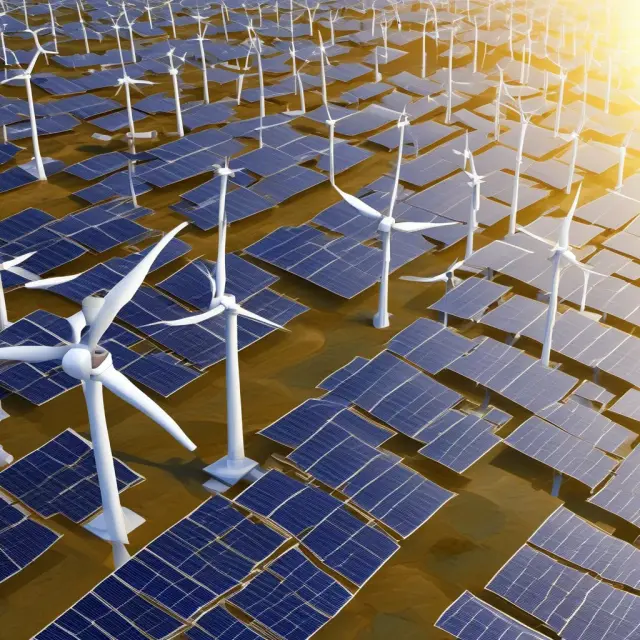
How Does Wholesale Energy Trading Work?
Wholesale energy trading represents an intricate process through which energy producers sell large quantities of electricity, natural gas, or steam to retailers, financial intermediaries, energy traders, and other participants within the wholesale energy market. The primary aim is to facilitate a steady supply of energy to the grid while ensuring efficient pricing mechanisms for all involved parties.
Historically, wholesale energy markets developed in response to electricity utility deregulation and restructuring that took place globally during the 1990s. Independent system operators (ISOs) emerged as essential players within these markets, overseeing coordination, control, and monitoring of their respective market operations.
In essence, wholesale energy markets enable energy producers to sell their output in bulk to various buyers at competitive prices. This creates a more efficient energy market by allowing the price to fluctuate based on supply and demand dynamics. Pricing mechanisms, such as auction-based systems or day-ahead markets, play a crucial role in determining wholesale electricity prices.
One unique aspect of wholesale energy trading is the involvement of financial intermediaries and traders. These entities buy and sell wholesale energy contracts on behalf of their clients or for their own accounts to profit from price differences between various regional markets, time periods, or contract specifications.
Retailers also engage in wholesale energy trading by purchasing electricity from producers at lower prices and reselling it to end-users under branded rates. This transaction allows retailers to maintain consistent pricing structures for their customers while capitalizing on the price volatility inherent within the wholesale market.
Renewable energy sources, such as solar or wind power, are increasingly entering the wholesale energy market. ISOS adapt their grids to accommodate renewable energy producers and ensure a steady flow of energy by providing incentives like net metering and feed-in tariffs. This allows retail consumers to sell excess electricity back to utility companies and earn revenue, further promoting the adoption of sustainable energy sources.
In conclusion, wholesale energy trading is a complex process that plays a vital role in facilitating efficient energy markets and ensuring price transparency for all involved parties. The involvement of various market participants, including independent system operators, retailers, financial intermediaries, traders, and renewable energy producers, creates a dynamic and ever-evolving landscape within the wholesale energy sector.

Key Players in the Wholesale Energy Market
The intricacy of the wholesale energy market involves various entities with distinct roles, each playing a crucial part in the exchange process. The primary participants include:
- Energy Producers: They are responsible for generating electricity or natural gas using conventional or renewable resources such as coal, natural gas, hydroelectricity, wind, and solar power. As wholesale energy suppliers, they sell their produced energy to other market players like retailers and traders.
- Retailers: Energy retailers, also known as distributors, buy energy from various sources (wholesalers, producers, or even directly from the grid) and then sell it onwards to end-users such as homes and businesses.
- Financial Intermediaries: These entities play a vital role in facilitating transactions between buyers and sellers by providing risk management tools and liquidity services. They help manage price, volume, and other risks for energy producers and consumers while also enhancing market efficiency by connecting various stakeholders.
- Energy Traders: Like commodities traders, energy traders buy and sell wholesale energy contracts based on supply and demand fundamentals or market speculation. Their actions influence the price of energy in real-time and have a significant impact on producers, retailers, and end-users.
- Independent System Operators (ISOs): ISOs act as neutral third parties that manage and operate the electric grid’s day-to-day operations to ensure reliability, efficiency, and fairness in wholesale energy markets. They control the flow of electricity in the grid, set market rules, and coordinate transactions among participants.
- Large Consumers: Industries and commercial entities with high energy usage also contribute to the wholesale energy market. They often purchase energy directly from producers or traders to secure better pricing and ensure supply stability for their operations.
The interplay between these players creates a dynamic, complex system that requires strong coordination and collaboration to ensure an efficient and effective wholesale energy market. Understanding each player’s role helps investors navigate the market landscape, make informed decisions, and ultimately profit from this evolving sector.
Wholesale Energy vs. Retail Energy: What’s the Difference?
When discussing energy markets, it’s essential to understand the key differences between wholesale and retail energy. Wholesale energy refers to large-scale trading of energy products like electricity or natural gas between producers and retailers. In contrast, retail energy is the supply of energy services to end consumers. This section delves deeper into these distinct concepts.
Origins of Wholesale Energy Markets
Wholesale energy markets evolved from utility deregulation in the 1990s. Independent system operators (ISOs) coordinate, control, and monitor wholesale energy operations, ensuring efficient grid dispatch and price transparency. These markets offer benefits such as enhanced reliability and lower prices for consumers. However, critics argue that they can lead to higher retail costs due to market manipulation or artificial shortages.
Retail Energy: The Consumer Perspective
Unlike wholesale energy transactions, which deal with large quantities sold between utilities and other large-scale players, retail energy is the supply of energy services to end consumers. Retailers purchase wholesale energy to sell at a profit to their customers. In some cases, consumers can also participate in the wholesale market by selling excess renewable energy back to utility companies, allowing for greater efficiency and fairness within the energy ecosystem.
Renewable Energy in Wholesale vs. Retail Markets
As the energy sector continues its transition towards more sustainable sources, retail customers increasingly have opportunities to sell their renewable energy, such as solar or wind power, back to electric utility companies. However, navigating this process requires updates to outdated grid systems and fair compensation for consumers. Net metering programs, where households can receive checks for excess energy sold to the grid, are a step in the right direction but require further progress towards a more efficient and cost-effective model benefiting both producers and consumers.
In conclusion, understanding the differences between wholesale and retail energy is crucial for anyone interested in the energy sector. Wholesale energy markets involve large-scale trading of energy products between producers and retailers, while retail energy pertains to supplying energy services to end consumers. As the renewable energy market grows, opportunities for consumer participation in wholesale markets will expand, paving the way for a more efficient and equitable energy ecosystem.
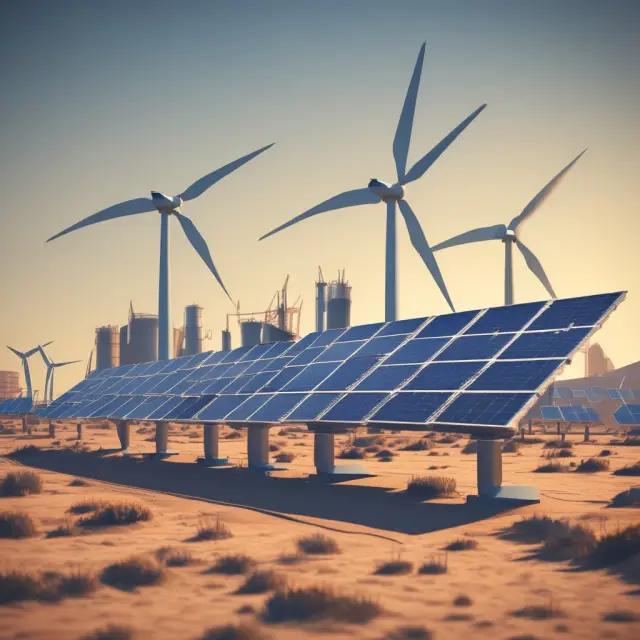
The Importance of Wholesale Energy in Renewable Energy Transition
As the world transitions towards renewable energy sources, the role of wholesale energy markets becomes increasingly significant. Wholesale energy refers to the large-scale buying and selling of electricity, steam, natural gas, and other energy commodities between producers, retailers, financial intermediaries, and energy traders. In the context of the renewable energy transition, wholesale energy plays a crucial role in facilitating the integration of variable renewable energy sources (VRES) into the power grid.
Historically, wholesale energy markets have evolved as part of the deregulation and restructuring of utility industries around the world, starting from the 1990s. While some argue that deregulated energy markets can lead to higher retail prices for consumers, their benefits are undeniable: enhanced reliability, efficient grid dispatch, and better price transparency.
Wholesale energy markets allow renewable energy producers, such as solar or wind farms, to sell their excess electricity to the grid when demand is low and buy back power from the grid during peak usage hours. This mechanism not only enables a more stable energy supply but also allows for greater integration of VRES into the grid.
Moreover, wholesale energy markets play an essential role in encouraging the growth of renewable energy sources by offering market-based incentives to producers and investors. The profitability of renewable energy investments is directly linked to the performance of wholesale energy markets as they determine the prices at which energy is bought and sold.
Net metering, a mechanism that enables households generating electricity from renewable sources to sell excess power back to their utility company, is an essential step towards enabling retail consumers to participate in wholesale energy markets. This mechanism provides fairer rates for customers, encourages energy efficiency, and supports the growth of distributed energy resources (DERs) such as rooftop solar installations.
However, it’s important to note that the integration of renewable energy sources into wholesale energy markets poses unique challenges. These include managing the intermittency and variability of renewable energy production, ensuring grid stability, and addressing pricing and regulatory issues. To address these challenges, independent system operators (ISOs) have been established in many regions to coordinate, control, and monitor the operation of wholesale energy markets.
As the world moves towards a more sustainable and lower-carbon energy future, wholesale energy markets will play an increasingly important role in facilitating the transition. By allowing for the integration of renewable energy sources into the power grid and providing market-based incentives, wholesale energy markets will continue to support the growth and profitability of the renewable energy sector.
Benefits and Challenges of Participating in Wholesale Energy Markets
Wholesale energy markets offer significant opportunities for institutional investors, energy producers, and consumers to engage in the energy trading process. By delving into the advantages and disadvantages of participating, we can better understand the potential benefits and risks associated with this increasingly popular sector.
Institutional Investors
For institutional investors, wholesale energy markets provide access to a large and liquid marketplace. They can buy and sell energy products in bulk, taking advantage of price movements and hedging positions. Additionally, these investors can gain exposure to various sources of energy, including renewable and traditional energy. However, participation in the wholesale energy market requires significant capital and expertise in risk management, as well as the ability to monitor markets and adjust investment strategies accordingly.
Energy Producers
Energy producers can benefit from participating in wholesale energy markets by selling their excess capacity at competitive prices or securing contracts for future deliveries of energy. By connecting directly with buyers and trading partners, they can build stronger relationships and increase their market influence. However, energy producers face challenges such as price volatility, operational risks, and regulatory compliance, which require significant resources to manage effectively.
Consumers:
Wholesale energy markets offer consumers the opportunity to sell excess energy generated from renewable sources, such as solar or wind power, back to the grid. This not only offsets their energy usage but can also generate revenue. Additionally, retail customers can benefit from more efficient and fair pricing structures that allow for more competition and choice in the market. However, consumers face challenges such as high upfront costs for installing renewable energy systems and navigating complex regulatory frameworks.
As the wholesale energy sector continues to evolve, it is crucial to stay informed about current trends, regulations, and best practices. The benefits of participating in the wholesale energy market can be substantial, but careful planning and risk management are essential for success. By evaluating the advantages and disadvantages for various stakeholders, we can better understand the role of wholesale energy markets in our increasingly interconnected and decarbonized energy landscape.

Navigating Risks and Regulations in Wholesale Energy Trading
Wholesale energy trading involves managing various risks and complying with an extensive set of regulations, ensuring the smooth functioning and fairness of the market. Let’s explore some key considerations for institutional investors and energy producers participating in wholesale energy markets.
Market Risks: Wholesale energy markets are characterized by price volatility due to factors like supply and demand imbalances, weather conditions, regulatory changes, and technological advancements. Hedging tools, such as futures contracts, swaps, and options, can help manage these risks. However, it is crucial to monitor market trends closely and have a solid risk management strategy in place.
Regulatory Compliance: Regulations play an essential role in the wholesale energy sector, ensuring fair competition, transparency, and consumer protection. In the U.S., for instance, the Federal Energy Regulatory Commission (FERC) governs interstate electricity sales, transmission, and wholesale natural gas market operations. Compliance with these regulations involves understanding complex rules related to tariffs, market manipulation, and anti-competitive practices.
Transparency: Transparency is crucial in the wholesale energy market as it helps participants make informed decisions while preventing potential abuse. Independent system operators (ISOs) play a vital role in maintaining transparency by providing real-time information on power generation, transmission capacity, and pricing. Participating in these markets also requires advanced analytical tools to process vast amounts of data, making the right partnerships with technology providers essential for success.
Market Manipulation: The potential for market manipulation in wholesale energy markets is a significant concern. Price manipulation can result in artificial price spikes and can have detrimental effects on consumers and market participants. Regulatory bodies like FERC and other national authorities impose strict regulations to prevent market manipulation and ensure fair trading practices.
In conclusion, understanding and effectively managing risks and complying with regulations are crucial components of wholesale energy trading for institutional investors and energy producers. By staying informed about market trends, remaining vigilant against potential threats such as market manipulation, and maintaining a solid risk management strategy, participants can navigate the complexities of the wholesale energy market and reap its benefits.
Wholesale Energy Market Trends and Future Outlook
The evolution of wholesale energy markets has led to significant changes in the way electricity is produced, distributed, and consumed. As the importance of renewable energy sources grows, so does the role of wholesale energy trading in this sector’s development. Let us discuss some current trends in the wholesale energy market and explore its future outlook.
Trend 1: Integration of Renewable Energy Sources
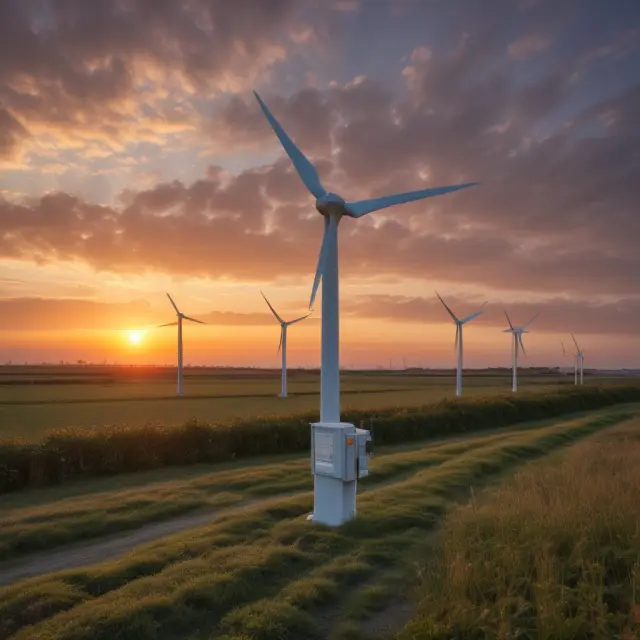
The integration of renewable energy into wholesale energy markets is a major trend. Renewable energy producers are increasingly becoming active participants in these markets, selling their energy to the grid in bulk. As more countries and regions transition towards cleaner energy sources, wholesale energy markets play a crucial role in facilitating this shift. However, challenges remain, such as managing intermittency and ensuring grid stability with renewable energy’s unpredictable nature.
Trend 2: Digital Transformation and Automation
Digital transformation is revolutionizing the wholesale energy market by enabling real-time data analysis, automating trade processes, and optimizing grid management. Advanced technologies like AI, blockchain, and IoT sensors are being used to improve forecasting accuracy, reduce operational costs, and enhance overall efficiency. The use of digital platforms also supports decentralized trading between producers and consumers, making energy markets more accessible and inclusive.
Trend 3: Energy Storage and Capacity Markets
Energy storage solutions have gained increasing importance in the wholesale energy market to address intermittency issues arising from renewable energy sources. Batteries can store excess generation during periods of low demand and release it when demand spikes, ensuring a stable grid and improving overall system efficiency. Additionally, capacity markets are being developed to incentivize investments in new generating assets that can provide reserves for peak demand or emergencies, enhancing grid reliability and resilience.
Looking Forward: Future of Wholesale Energy Markets
The future of wholesale energy markets is shaped by these trends and several other factors. As the world continues to transition towards cleaner, more sustainable energy sources, the role of wholesale energy trading will become increasingly significant in addressing the challenges posed by renewable energy’s intermittent nature. Additionally, digital transformation and automation will continue to drive improvements in efficiency, transparency, and competitiveness within these markets.
In conclusion, the wholesale energy market plays a crucial role in facilitating the transition towards a low-carbon economy by enabling the integration of renewable energy sources into electricity grids, managing intermittency and ensuring grid stability. As the energy landscape evolves, the trends shaping the wholesale energy market will continue to impact its future development, providing opportunities and challenges for all stakeholders involved.

FAQ: Commonly Asked Questions About Wholesale Energy Trading
Question 1: What exactly is wholesale energy, and what role does it play in the larger energy market?
Answer: Wholesale energy refers to the bulk purchase and sale of various energy products, primarily electricity but also steam and natural gas. It is a crucial part of the overall energy market where energy producers and retailers transact. Independent system operators oversee wholesale energy markets’ coordination, control, and monitoring. Deregulation and the emergence of independent power producers have led to the growth of wholesale energy markets, which provide end-user benefits such as grid reliability, efficient dispatch, and price transparency.
Question 2: What are some advantages and disadvantages of wholesale energy trading?
Answer: Benefits include enhanced competition, efficient resource allocation, and pricing flexibility. However, challenges include potential market manipulation, volatility, and increased complexity for consumers and retailers.
Question 3: Who are the key players in the wholesale energy market?
Answer: Participants include energy producers, retailers, financial intermediaries, traders, and independent system operators. Energy producers sell their excess capacity to the wholesale market, while retailers purchase electricity for resale to end consumers. Financial intermediaries facilitate transactions, and traders act as brokers or investors in the wholesale energy market. Independent system operators ensure a reliable and efficient grid operation.
Question 4: How does the wholesale energy market differ from retail energy markets?
Answer: Wholesale energy is focused on bulk sales between large entities, while retail energy targets individual consumers. Prices in wholesale energy markets can be more volatile due to their larger scale and are typically not regulated like retail prices.
Question 5: How does renewable energy fit into the wholesale energy market?
Answer: Renewable energy producers can sell excess energy produced back to the grid through wholesale energy markets. Net metering policies allow consumers with on-site generation, such as rooftop solar panels, to offset their electricity usage by selling excess production back to utility companies. However, challenges remain in making this process more efficient and fair for consumers and producers alike.
Question 6: What impact has the growth of renewable energy sources had on wholesale energy markets?
Answer: The increasing penetration of renewable energy sources in the wholesale market poses both opportunities and challenges. It enhances competition, grid flexibility, and sustainability while requiring updated infrastructure to manage intermittent generation and ensure fair pricing for consumers and producers.
 Next entry · No. 5,710Wholesale Insurance: Understanding Coverage for Small Employer Groups
See also
-
 No. 5,212
20 Aug 2025
16 min
Understanding Underwriting Risk in Finance and Insurance
Business Finance
No. 5,212
20 Aug 2025
16 min
Understanding Underwriting Risk in Finance and Insurance
Business Finance -
 No. 5,729
02 Oct 2025
19 min
Wildcat Drilling: High-Risk Exploratory Oil and Gas Drilling
Energy Finance
No. 5,729
02 Oct 2025
19 min
Wildcat Drilling: High-Risk Exploratory Oil and Gas Drilling
Energy Finance -
 No. 5,236
22 Aug 2025
23 min
Understanding the United States Natural Gas Fund (UNG): The Largest Natural Gas ETF
Energy Finance
No. 5,236
22 Aug 2025
23 min
Understanding the United States Natural Gas Fund (UNG): The Largest Natural Gas ETF
Energy Finance -
 No. 5,169
17 Aug 2025
20 min
Understanding Unconventional Oil: From Fracking to Oil Sands
Energy Finance
No. 5,169
17 Aug 2025
20 min
Understanding Unconventional Oil: From Fracking to Oil Sands
Energy Finance -
 No. 4,377
13 Jun 2025
21 min
Renewable Resources: Understanding the Sustainable Energy Solutions for a Growing Population
Energy Finance
No. 4,377
13 Jun 2025
21 min
Renewable Resources: Understanding the Sustainable Energy Solutions for a Growing Population
Energy Finance -
 No. 3,701
19 Apr 2025
18 min
The OPEC Basket: Understanding the OPEC Reference Basket of Crude
Energy Finance
No. 3,701
19 Apr 2025
18 min
The OPEC Basket: Understanding the OPEC Reference Basket of Crude
Energy Finance