Old Economy: Understanding the Traditional Sectors That Continue to Shape Our Economy

Explore the world of Old Economy: traditional sectors like manufacturing, agriculture, and their evolution in the face of new technologies.
What is Old Economy?
Old economy, also known as traditional or established sectors, refers to industries with deep roots in the early parts of the last century, predominantly driven by industrialization and physical production processes. These industries, which include steel, manufacturing, and agriculture, have withstood the test of time despite advancements in technology and the emergence of new economy sectors.
Old economy companies operate using traditional methods, relying on human labor, raw materials, and infrastructure rather than being heavily reliant on digital or technological innovation. The foundations of old economy industries can be traced back to the Industrial Revolution, where industrialization brought about a significant shift in how goods were produced. In contrast, new economy sectors focus on information exchange and intangible products, which require advanced technology for growth and development.
One common misconception is that old economy versus new economy. However, the two economies are not mutually exclusive but rather interconnected. Old economy companies have embraced technological advancements, albeit at a slower pace than new economy firms. For example, agricultural practices have evolved with technology like automated irrigation and precision farming methods. Yet, labor and human supervision remain essential components for the industry’s continued success.
Old economy companies have a rich history, employing large portions of the population and contributing substantially to GDP. These industries include:
- Steel: This sector has been an integral part of industrialization since its inception in the late 1800s. Steel is used extensively in construction, transportation infrastructure, and manufacturing sectors.
- Manufacturing: From producing goods like automobiles to electronics, manufacturing industries have undergone significant growth throughout history. While some aspects have embraced technology, such as robotics and automation, others still rely on human labor for quality control and customization.
- Agriculture: This sector has seen advancements in farming methods and technology but still relies heavily on human labor and natural elements to produce crops. Climate change poses a significant challenge to agricultural industries, making adaptation crucial for survival.
- Energy: While the energy sector is evolving rapidly with renewable energy sources like solar, wind, and hydroelectric power, traditional fuel sources such as coal, oil, and natural gas remain essential components of the old economy.
Old economy companies offer investors stable earnings growth, consistent returns, and modest dividends, making them attractive investments for those seeking reliable income streams. Furthermore, small businesses outside the realm of blue-chip stocks fall under this category, providing opportunities for investment diversification. For example, a bakery or a horse farm is an old economy business that can contribute to a well-rounded portfolio.
However, old economy companies must adapt quickly to external shocks and disruptive technologies to remain competitive in today’s market. Climate change poses a significant threat to industries like agriculture and energy, making innovation crucial for long-term success. Despite these challenges, old economy companies continue to play an essential role in the global economy, offering valuable insights into the past and paving the way for future advancements.
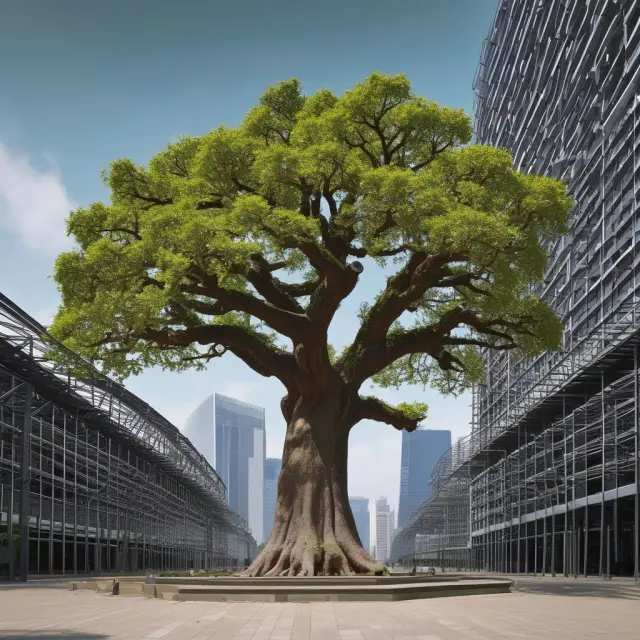
Old Economy vs. New Economy: The Differences
Understanding Old Economy and New Economy
In contrast to the old economy, new economy companies rely heavily on technology for growth and innovation. Old economy industries, on the other hand, have remained relatively unchanged despite technological advancements. These sectors encompass traditional methods of production and have been around for centuries. While old economy companies have adopted some new technologies, their core processes often remain rooted in the industrial revolution era.
The Differences between Old Economy and New Economy
Old economy industries include sectors like steel, agriculture, and manufacturing. They are characterized by traditional methods of production that rely on human labor and physical resources rather than digital advancements or intellectual property. In comparison, new economy companies focus on technology, data analysis, and information exchange to drive growth and innovation.
Impact of Old Economy on New Economy
The old economy has laid the groundwork for technological progress in the new economy by demonstrating how traditional industries can adapt and innovate. As a result, old economy companies have shown that it is not a matter of old economy versus new economy but rather a blend of both. This convergence highlights the importance of innovation and adaptation to maintain competitiveness.
Challenges Facing Old Economy Industries
Old economy industries face various challenges, including climate change, which can disrupt traditional production methods. However, old economy companies are increasingly adapting to these changes by investing in renewable energy sources and implementing sustainable practices. The integration of new technologies is also helping old economy firms become more efficient and productive while reducing their environmental footprint.
Examples of Old Economy
Old economy industries are not limited to large blue-chip stocks; they include small businesses as well. Bread making, horse farms, and landscaping are examples of old economy enterprises that continue to thrive despite the emergence of new economy sectors. These traditional industries may face challenges in adapting to technological advancements, but their unique aspects provide value that cannot be replicated by digital entities.
Investing in Old Economy Stocks
Old economy stocks remain popular among investors due to their stable earnings growth, consistent returns, and modest dividends. In an uncertain economic climate, investing in old economy stocks can provide a level of security as these companies have demonstrated resilience over decades. Additionally, some old economy firms are embracing new technologies, which could lead to increased profits and long-term growth opportunities.
Old Economy’s Response to External Shocks and Disruptive Technologies
Old economy industries have responded to external shocks and disruptive technologies by adapting their processes and business models. For instance, the agricultural sector has implemented precision farming techniques that optimize production while minimizing resource consumption. Similarly, the manufacturing industry is investing in automation and robotics to improve efficiency and maintain competitiveness.
In conclusion, understanding the differences between old economy and new economy sectors and their respective challenges will help investors and businesses navigate an evolving economic landscape. While old economy industries may face obstacles, they also offer unique opportunities for growth and innovation through collaboration with new economy companies and technologies.
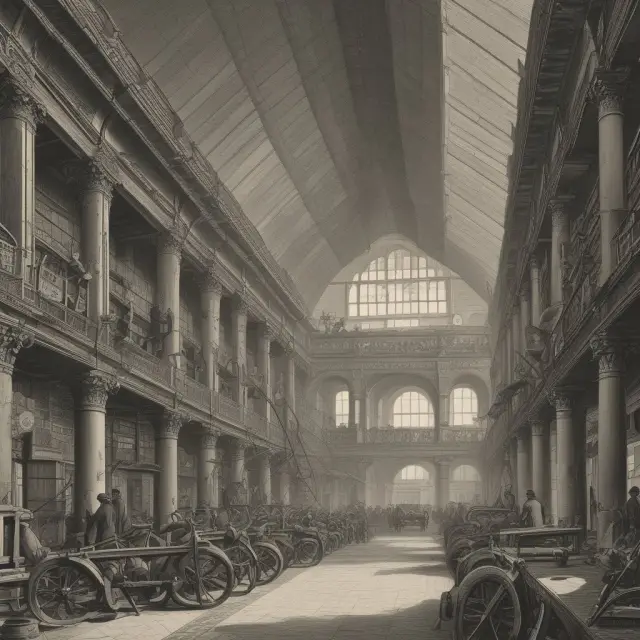
The Evolution of Old Economy: A Foundation for the New Economy
Old Economy: A Historical Perspective on Traditional Industries
Old economy refers to traditional industries that have not undergone significant transformation despite technological advancements. These sectors, such as steel, agriculture, and manufacturing, are often labeled as old economy due to their historical roots dating back to the Industrial Revolution. Although these industries have evolved over time, they have remained largely unchanged in terms of their core operations.
A Foundation for Technological Progress
Despite being characterized by traditional methods and a resistance to change, old economy companies played a crucial role in paving the way for technological progress. During the industrial revolution, the efficiency gains brought about by the introduction of new machinery and processes led to massive increases in output and productivity. Old economy industries were at the forefront of these transformations, shaping the foundation for future technological advancements that would come to define the new economy.
Limited Impact of New Technology on Old Economy Industries
While old economy companies have adopted new technologies over the years, there is a limit to how much innovation can benefit traditional industries. This is especially true in industries that require human labor and supervision, such as farming and manufacturing. In these sectors, technology has enabled improvements but cannot fully replace the role of human intervention.
Old Economy: Bridging the Gap Between Past and Future
The old economy’s historical significance extends beyond being a relic of the past. It serves as a bridge between traditional economic practices and modern technological advancements. As old economy companies continue to adopt new technologies, they must reconcile the limitations of their core operations with the demands of an increasingly digitized world.
Old Economy Companies Adapting to External Shocks and Disruptive Technologies
As external shocks such as climate change and disruptive technologies reshape industries, old economy companies are responding in various ways. Some firms have embraced new technologies to improve their operations or cater to changing consumer demands, while others have focused on innovation within their core businesses. Regardless of their approach, the ability for old economy companies to adapt will determine their continued success in the modern economy.
Old Economy Industries’ Response to Climate Change
The effects of climate change present a significant challenge for various sectors of the old economy. Agriculture is particularly vulnerable to weather-related disruptions and could see substantial variation in crop production. In response, farmers have turned to new technologies such as precision agriculture, which uses satellite data and drones to optimize irrigation, fertilization, and pest management. This adaptation not only enables farmers to mitigate the impact of climate change but also contributes to more sustainable farming practices.
Old Economy’s Role in Modern Economic Systems
In summary, old economy companies may be characterized by their resistance to change and historical roots, but they continue to play a crucial role in shaping modern economic systems. Their foundational contributions during the industrial revolution set the stage for technological progress, while their ongoing evolution reflects the ever-changing nature of the global economy. By embracing innovation while remaining grounded in tradition, old economy companies can navigate the challenges and opportunities that lie ahead.

The Impact of Climate Change on Old Economy Industries
Climate change poses a significant threat to traditional sectors of the economy, including agriculture, manufacturing, and energy. These industries, known collectively as old economy or traditional sectors, have been part of our economic landscape for centuries, but are now facing new challenges due to global climate trends.
Agriculture, in particular, is susceptible to the effects of extreme weather events, temperature fluctuations, and changing precipitation patterns. For farmers, these changes can mean unpredictable crop yields and higher production costs. According to the National Oceanic and Atmospheric Administration (NOAA), climate change could lead to a decrease in agricultural productivity by up to 10% in certain regions by 2050, posing a considerable challenge for farmers and food producers.
The manufacturing sector is also vulnerable to the impacts of climate change. Extreme weather events can disrupt supply chains, damage infrastructure, and increase production costs. For instance, hurricanes can devastate coastal manufacturing facilities, while droughts can impact water-intensive industries such as cement production. Additionally, increased temperatures can lead to higher energy consumption during peak seasons, further increasing production costs.
The energy sector is another old economy industry that must adapt to a changing climate. The traditional sources of energy, such as coal and oil, contribute significantly to greenhouse gas emissions and are facing increasing pressure from governments and consumers to reduce their carbon footprint. In response, companies in the energy sector are investing in renewable energy sources like solar, wind, and hydroelectric power. While this shift presents opportunities for growth, it also requires significant capital investment and a reorganization of business models.
Despite these challenges, old economy industries can still innovate and adapt to meet new demands. For example, farmers are experimenting with new crops and techniques that are better suited to changing climates. Manufacturing companies are exploring alternative energy sources and implementing more resilient supply chain strategies. And the energy sector is investing in renewable technologies while improving efficiency and reducing emissions from traditional power plants.
In conclusion, climate change presents a significant challenge to old economy industries such as agriculture, manufacturing, and energy. However, these sectors can still innovate and adapt by experimenting with new technologies, techniques, and business models. By embracing change and staying resilient in the face of adversity, old economy companies can continue to contribute to our economic landscape while minimizing their impact on the environment.
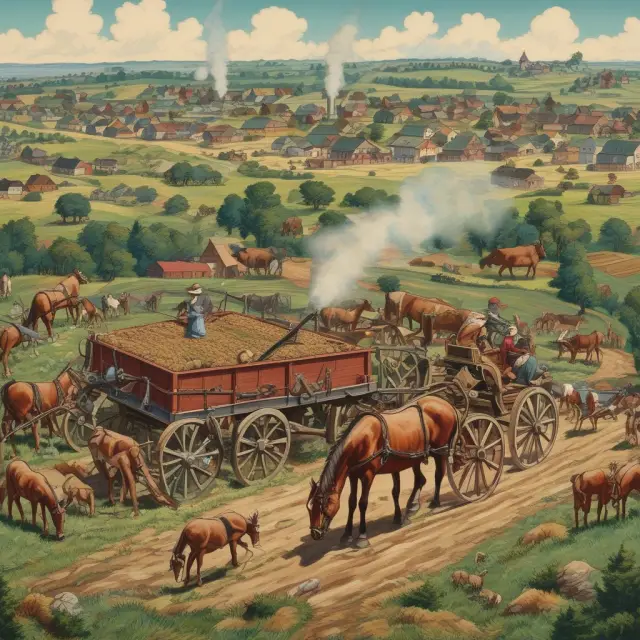
Examples of Old Economy: Beyond Blue-Chip Stocks
Old economy companies represent traditional industries that have not significantly changed since the Industrial Revolution despite advances in technology. These sectors consist of manufacturing, agriculture, and others that rely on processes developed over centuries. While blue-chip old economy companies are commonly recognized for their stability and reliability, smaller businesses also belong to this category.
Manufacturing industries such as automobile production and textiles have relied heavily on human labor to create products. Although technology has influenced manufacturing, it is often used to streamline processes rather than replace labor entirely. Agriculture is another old economy sector that continues to contribute significantly to the world’s economy. Traditional farming practices involve crop rotation, irrigation systems, and animal husbandry. Climate change poses a significant challenge for farmers worldwide by causing unpredictable weather patterns and increasing demand for water resources.
Old economy sectors are also found in lesser-known businesses like bakeries that produce bread or horse farms that breed horses. These industries may not be considered technological trailblazers but contribute to their local economies and communities, offering valuable products and services. For investors, old economy companies are attractive for their stable earnings growth, consistent returns, and modest dividends. However, the old economy landscape is evolving, with companies adopting technology to maintain a competitive edge.
External shocks like climate change pose challenges to old economy industries. Agriculture, in particular, faces unpredictable weather patterns and increased demand for water resources due to changing environmental conditions. To remain resilient, farmers are turning to technology, such as precision agriculture and automated irrigation systems, to optimize crop production and reduce waste. The energy sector is another classic old economy industry undergoing transformation through the adoption of renewable energy sources like solar, wind, and hydroelectric power.
The old economy continues to provide essential goods and services while integrating technology to meet modern demands. Companies must adapt to remain competitive, as seen in manufacturing’s shift towards automation and agriculture’s incorporation of precision farming techniques. By embracing innovation, traditional industries maintain their relevance and continue shaping the global economy.

Market Shares and the Need for Innovation in Old Economy
The market shares held by old economy companies have been significant for decades; however, these firms now face increasing pressure to innovate and adapt to a rapidly changing economic landscape. In contrast to the new economy sectors that heavily rely on technology and innovation, the traditional industries of the old economy such as manufacturing, agriculture, and steel remain rooted in processes that have changed little over time.
While some argue that old economy companies are lagging behind in technological advancements, it’s essential to remember that these industries laid the foundation for modern progress. The old economy sector’s traditional methods of production were crucial to industrialization during the early parts of the last century. However, as technology continues to evolve and new business models emerge, these industries must adapt to remain competitive in today’s economic environment.
For instance, the manufacturing industry has been significantly impacted by automation and robotics; yet, human labor remains crucial for various aspects of production. A study by McKinsey & Company shows that even though 800 million jobs could be displaced by automation, 534 million new roles would arise due to technological progress. This means that while old economy industries must evolve, they still require the human element to succeed.
The agricultural sector is another example of an old economy industry grappling with external forces such as climate change. Although farmers have adopted technology in various aspects of production, extreme weather conditions and unpredictable climate patterns pose significant challenges to crop yields. In this scenario, innovation plays a critical role in helping farmers adapt to these new realities. For instance, precision farming is an innovative approach that uses satellite imagery and data analysis to optimize irrigation, fertilizer usage, and crop management, resulting in increased efficiency and reduced waste.
Similarly, the energy sector has experienced significant change as renewable energy sources like solar, wind, and hydro continue to grow. Traditional energy companies must adapt to this evolution by investing in renewable energy or risk being left behind. However, innovation isn’t just about adopting new technologies; it also requires a shift in mindset and business models. For example, utility companies that once sold electricity based on the amount consumed must now consider providing services based on customer needs and preferences.
In conclusion, old economy industries are essential to any economy and have shaped our economic landscape for centuries. Despite the rise of new technologies and business models, these industries continue to contribute significantly to GDP and provide employment opportunities. However, they cannot afford to be complacent in today’s rapidly changing business environment. In order to remain competitive, old economy companies must invest in innovation, adapt to external shocks, and embrace change while maintaining their traditional roots.

The Role of Human Labor in Old Economy Industries
Old economy industries, while seemingly outdated compared to new technology-driven sectors, still maintain a significant presence in today’s economy. Traditional sectors like steel, agriculture, and manufacturing continue to employ millions of people worldwide. These industries, which have existed for centuries, are characterized by their reliance on human labor as much as they do on traditional methods. The role that human labor plays within old economy industries is essential for maintaining productivity and ensuring the continuation of these businesses.
Old economy industries did not arise from technological advancements, but rather evolved during the Industrial Revolution. Although new technologies have impacted them to some extent, most processes remain largely unchanged due to their deeply rooted history and established systems. In contrast, new economy sectors rely heavily on technology to develop and grow, such as software development, social media platforms, and e-commerce.
The myth of old economy versus new economy has persisted for quite some time, but this distinction is increasingly becoming irrelevant. Instead, it is more accurate to consider how the old economy influences the new economy and vice versa. Traditional industries must adapt to modern demands by integrating technology to remain competitive. However, they still require human labor in various aspects of their operations.
For instance, farming is an old economy industry that has undergone significant changes over the centuries but remains reliant on human labor for tasks such as planting, harvesting, and managing crops. While new technologies like autonomous tractors and drones assist farmers with crop monitoring and data analysis, there is still a need for human intervention in various aspects of farming.
Manufacturing industries have also seen the integration of technology to automate production processes and increase efficiency. However, labor remains essential to manage machines, quality control, and assembly tasks that cannot be automated easily. In fact, the adoption of new technologies has led to a resurgence of manufacturing in some regions due to reduced labor costs and increased productivity.
Steel is another old economy industry that continues to employ large workforces despite significant technological advancements. While automation plays a crucial role in producing steel, human labor remains essential for tasks like loading and unloading materials, operating machines, and conducting quality inspections. In the long term, the integration of technology will continue to change how steel is produced, but it will not eliminate the need for human labor entirely.
In conclusion, while old economy industries may seem outdated compared to new technology-driven sectors, they still maintain a critical role in today’s global economy. Human labor plays a crucial role in maintaining productivity and ensuring the continuation of these businesses. The misconception that old economy versus new economy is a dichotomy needs to be reconsidered, as both are interconnected. Old economy industries must integrate technology while preserving their traditional practices to remain competitive.

Investing in Old Economy: Stable Earnings and Consistent Returns
Old economy stocks have always been a safe bet for investors seeking stable earnings growth, consistent returns, and modest dividends. Despite the increasing trend towards new technologies and innovations in various sectors, old economy industries continue to offer solid investment opportunities. Companies rooted in traditional sectors like steel, manufacturing, agriculture, energy, and others still play essential roles in our economy, employing millions of people and contributing substantially to gross domestic product (GDP).
Blue-chip companies within these industries are often regarded as old economy investments due to their steady performance and financial strength. However, the old economy’s reach extends far beyond blue-chip stocks. Small businesses like bakeries, horse farms, landscaping firms, and even local shops can be considered part of the old economy, offering reliable income streams for investors.
Old economy companies have weathered economic downturns and market shifts due to their long-standing business practices and established customer bases. While they may not see the same exponential growth rates as new economy companies, they provide stable returns that can benefit investors seeking less risky investments. Moreover, many of these businesses pay dividends to shareholders, offering a steady stream of income on top of potential capital gains.
Investing in old economy stocks also provides an opportunity to tap into industries with solid fundamentals and a proven track record of success. For instance, the agricultural sector is essential to ensuring food security worldwide, while the manufacturing industry continues to play a crucial role in producing goods for both domestic and international markets. Energy remains a fundamental necessity, making old economy energy companies reliable investments.
However, it’s not all smooth sailing when investing in old economy stocks. Traditional industries can face challenges from external factors like climate change, disruptive technologies, and changing consumer preferences. For example, farming is at the mercy of weather conditions, making it vulnerable to unpredictable environmental shifts. In addition, companies may struggle with adapting to new technologies or changing market dynamics.
Nevertheless, many old economy firms have proven their resilience in the face of challenges by embracing innovation and implementing new strategies. Companies like Ford Motor Company, which has been a stalwart of the manufacturing sector for over a century, have adapted to remain competitive by focusing on producing electric vehicles and investing in autonomous driving technology.
Investors can profit from these shifts by staying informed about the trends within old economy industries and being selective with their investments. By understanding the underlying dynamics and the potential opportunities within each industry, investors can capitalize on stable earnings growth and consistent returns while mitigating risks associated with external shocks.
Old Economy’s Response to External Shocks and Disruptive Technologies
The old economy companies face external shocks and disruptive technologies that require them to adapt while maintaining their traditional practices. Old economy companies, including steel, manufacturing, agriculture, and energy, have been the backbone of the global economy since the Industrial Revolution. However, they are not immune to challenges brought by climate change, new technologies, or changing market demands. In recent decades, these industries have undergone various transformations to remain competitive.
One of the most significant external shocks for old economy companies is climate change. Old economy industries like agriculture and energy are particularly vulnerable since their primary source of production depends on natural conditions. Farmers face an increased risk of crop failure due to unpredictable weather patterns, while the energy sector must adapt to changing energy sources like solar, wind, and hydroelectric power.
Another challenge for old economy companies is disruptive technologies that threaten their established business models. For instance, automation and robotics have significantly impacted manufacturing by increasing productivity and reducing labor costs. As a result, traditional manufacturing industries must respond to this technological shift while maintaining the skills and expertise of their workforce to remain competitive.
In response to these challenges, old economy companies are employing various strategies to adapt. One such approach is innovation, where they integrate technology into their existing business models. For example, farmers can use precision agriculture techniques that leverage satellite imagery and sensor data to optimize crop yields, reduce water usage, and minimize input costs. Similarly, the energy sector invests in renewable technologies to diversify their energy portfolio while still maintaining a presence in traditional fossil fuels.
Old economy companies also collaborate with new economy firms to create synergies and leverage technological advancements. For instance, old economy manufacturers are partnering with technology companies to develop smarter factories and implement Industry 4.0 solutions like artificial intelligence (AI), machine learning (ML), and the Internet of Things (IoT) to optimize production processes and improve efficiency.
Lastly, old economy companies can embrace digital transformation, which involves adopting a culture of innovation that leverages technology to streamline operations, enhance customer engagement, and reduce costs. For example, some agricultural firms have started using drones for crop monitoring, while others use IoT sensors to optimize irrigation systems and reduce water usage.
In conclusion, old economy companies face external shocks and disruptive technologies that require them to adapt while maintaining their traditional practices. By embracing innovation and collaboration with new economy companies, old economy industries can respond effectively to the changing business environment and remain competitive in the modern economy.
FAQ: Old Economy Frequently Asked Questions
Old Economy FAQs
- What industries fall under the category of old economy? Old economy includes traditional sectors like steel, manufacturing, agriculture, and others that have not significantly changed despite technological advancements.
- How does climate change impact old economy industries? Climate change poses significant challenges for traditional industries such as farming, energy, and manufacturing. Farming may experience crop production variations due to weather changes while the energy sector is evolving with newer technologies like solar, wind, and hydro.
- What makes old economy companies different from new economy ones? Old economy companies rely on traditional methods of doing business, whereas new economy companies leverage technology for growth and innovation.
- Can old economy industries survive in today’s market? Yes, old economy companies have adapted to technological advancements and continue to innovate while maintaining their traditional practices.
- What are examples of small businesses that fall under the old economy category? Small businesses such as bakeries, horse farms, and landscaping services also belong to the old economy sector.
- Why do investors turn to old economy stocks for stable returns? Old economy companies provide stable earnings growth, consistent returns, and modest dividend payments, making them attractive investments.
- What are some examples of old economy industries that have adopted new technology? The energy sector has significantly embraced newer technologies like solar, wind, and hydro to adapt to the market.
- How do old economy companies differ from blue-chip stocks? Old economy companies include more than just blue-chip stocks; they also involve small businesses in traditional sectors providing essential services and products.
- What is the role of human labor in old economy industries? Human labor plays a vital role in old economy industries, as many processes require manual supervision or oversight even with technological advancements.
- Is it incorrect to view old economy versus new economy? The idea that it’s an either-or situation between old and new economies is false. Instead, they exist together, with traditional companies incorporating technology while adhering to their core practices.
 Next entry · No. 3,666The Old Lady: Understanding the Colloquial Nickname for the Bank of England
See also
-
 No. 5,169
17 Aug 2025
20 min
Understanding Unconventional Oil: From Fracking to Oil Sands
Energy Finance
No. 5,169
17 Aug 2025
20 min
Understanding Unconventional Oil: From Fracking to Oil Sands
Energy Finance -
 No. 5,697
30 Sep 2025
24 min
White Knight vs. Black Knight: Understanding Friendly and Hostile Takeovers
Business Strategy
No. 5,697
30 Sep 2025
24 min
White Knight vs. Black Knight: Understanding Friendly and Hostile Takeovers
Business Strategy -
 No. 5,693
30 Sep 2025
24 min
Understanding White Label Products: Benefits, Types, and Real-life Examples
Business Strategy
No. 5,693
30 Sep 2025
24 min
Understanding White Label Products: Benefits, Types, and Real-life Examples
Business Strategy -
 No. 5,501
14 Sep 2025
19 min
Virtual Data Rooms: A Secure Solution for Sharing Sensitive Information During Mergers and Acquisitions
Business Strategy
No. 5,501
14 Sep 2025
19 min
Virtual Data Rooms: A Secure Solution for Sharing Sensitive Information During Mergers and Acquisitions
Business Strategy -
 No. 5,470
11 Sep 2025
18 min
Venture Philanthropy: Bridging the Gap Between Capitalism and Philanthropy
Business Strategy
No. 5,470
11 Sep 2025
18 min
Venture Philanthropy: Bridging the Gap Between Capitalism and Philanthropy
Business Strategy -
 No. 5,406
06 Sep 2025
20 min
Value Added: Understanding the Concept, Importance and Implementation in Businesses and Economy
Business Strategy
No. 5,406
06 Sep 2025
20 min
Value Added: Understanding the Concept, Importance and Implementation in Businesses and Economy
Business Strategy