The Old Lady: Understanding the Colloquial Nickname for the Bank of England

Exploring the intriguing history and symbolism behind the colloquial 'Old Lady' nickname given to the esteemed Bank of England.
Background and Origin of the Old Lady Nickname
The colloquial nickname ‘Old Lady’ for the Bank of England dates back to 1797, originating from a satirical James Gillray cartoon titled “Political Ravishment, or The Old Lady of Threadneedle Street in Danger!” This image depicted the Bank of England as an elderly woman, with Prime Minister William Pitt attempting to forcibly kiss her while reaching for the gold coins in her pocket. The nickname came about due to Pitt’s controversial decision to suspend redemption of bank notes for gold under the Restriction Act of 1797, making payments only in paper money. This moment marked the first time the Bank of England’s notes were no longer redeemable for gold.
The historical context behind this event was a period of heavy paper note issuance to finance the war with France and a subsequent run on the bank following the landing of French forces near Fishguard. Opposition leaders in Parliament criticized Pitt’s actions as an abuse of power, comparing the Bank to an elderly woman who had her honor violated by a swindler. This analogy paved the way for the moniker ‘Old Lady,’ which has since persisted in various forms—cartoons, newspaper headlines, and everyday language.
Understanding the Old Lady
The term “Old Lady” refers to the Bank of England and specifically to its location on Threadneedle Street. This nickname was born from a cartoon that highlighted the historical moment when the Prime Minister William Pitt decided to suspend redemption of notes for gold under the Restriction Act of 1797. The Old Lady symbolizes the Bank’s reputation, which has faced crises throughout its history and has persisted as a central figure in British economic history.
The cartoon, “Political Ravishment, or The Old Lady of Threadneedle Street in Danger!” is an essential piece of financial history that offers insights into the significance of the Old Lady nickname. The image portrays the Bank as a vulnerable woman, emphasizing the importance of trust and confidence in maintaining a stable economy. It also highlights the power dynamic between government leaders and the financial sector during times of crisis.
History of the Bank of England
The Bank of England’s roots date back to 1694 when it began operations as a retail bank. Its first significant crisis came in 1720, resulting from the South Sea Company’s collapse due to bad loans and overvalued shares. The bank moved from its original location on Walbrook to Threadneedle Street in 1734 and weathered another major crisis in 1825 when it opened branches across the country to maintain control over currency.
The Bank of England’s role expanded during the 19th century as it took on the responsibility of providing emergency loans to failing financial institutions, such as Overend Gurney in 1866. These events underscored the Old Lady’s resilience and adaptability in the face of economic challenges.
In conclusion, the nickname ‘Old Lady’ for the Bank of England is a testament to its historical significance and the enduring trust that British citizens have placed in it. The origins of this term can be traced back to a satirical cartoon by James Gillray that captured the public imagination during a pivotal moment in financial history. From the early days of the Bank of England to modern times, ‘The Old Lady’ continues to represent a symbol of stability and strength in the ever-changing landscape of finance and economic policy.

The Old Lady’s Role in British Economic History
The term “Old Lady” is a colloquial nickname for the Bank of England, stemming from an 18th-century James Gillray satirical cartoon named “Political Ravishment, or The Old Lady of Threadneedle Street in Danger!” published on May 25, 1797. This cartoon depicted a woman representing the Bank of England—sitting on a chest labeled “Bank of England”—who was being forcefully kissed and robbed by Prime Minister William Pitt while her gold coins were being taken. The cartoon’s title alluded to the Bank’s new situation following the suspension of redemption for gold under the Restriction Act of 1797. As a response to an impending financial crisis and triggered by a period of extensive paper note issuance to finance the war against France, the Bank’s notes were no longer redeemable in gold. The term “Old Lady” became widely used due to the comparison made by opposition Whig party leaders to the prime minister as a swindler, who took advantage of the elderly woman-like institution.
In the early days, the Bank of England was established in 1694 and primarily functioned as both a retail bank and the country’s central bank. Its initial crisis occurred in 1720 when the South Sea Company obtained funds from the government to finance part of the national debt and acquired trading rights in South America. A subsequent price surge in South Sea stock followed, which eventually led to its crash in September 1720. Many investors lost their fortunes due to this crisis, causing significant damage to public confidence in the Bank of England.
In an effort to regain control over the currency and prevent future crises, the Bank of England relocated from Walbrook to Threadneedle Street in 1734. Later on, another crisis occurred in 1825, which prompted the bank to open branches across the country and expand its role as a lender to failing financial institutions. During the crisis of Overend Gurney in 1866, the Bank refused to bail out the company when it collapsed under the weight of bad loans. This refusal further solidified the Old Lady’s reputation as a lender to troubled financial institutions and played a significant role in shaping modern monetary policy and central banks worldwide.
The “Old Lady” nickname for the Bank of England has endured throughout history, representing a symbolic connection between the Bank and its role in the United Kingdom’s economic past as well as a reminder of its ability to weather financial crises. The term continues to be used in financial jargon and media to refer to the British central bank’s resilience, influence, and importance.

Early Days: The Founding of the Bank of England
The “Old Lady,” a renowned colloquial nickname for the esteemed Bank of England, is rooted in its rich and intriguing history. Derived from a 1797 satirical cartoon titled “Political Ravishment, or The Old Lady of Threadneedle Street in Danger!” by James Gillray, this moniker offers an alluring glimpse into the bank’s past.
In the cartoon, the Bank of England is symbolized as an elderly woman, dressed in one- and two-pound notes, sitting on a chest labeled “Bank of England.” The woman’s suitor, Prime Minister William Pitt, forcefully kisses her while attempting to reach into her pocket for gold coins. In protest, the woman shouts, “Murder! murder! Rape! murder!” This vivid representation reflects the public’s outrage towards the then recent decision made by Prime Minister Pitt under the Restriction Act of 1797. The act mandated that the bank would no longer redeem its notes in gold and instead pay customers solely with paper money.
The 1797 cartoon’s comparison of the Bank to an elderly woman was based on the Whig party’s opposition leader’s characterization of the bank as having had her honor violated by Pitt, who they deemed a swindler. This comparison became deeply ingrained in political discourse and was instrumental in the creation of this enduring nickname.
The Bank of England can trace its origins to 1694 when it commenced operations as both a retail bank and a central banking institution. The first crisis the bank encountered occurred in 1720, during the infamous South Sea Bubble. The South Sea Company’s acquisition of trading rights in present-day South America led to a surge in stock prices, followed by an inevitable crash that left many investors financially devastated. Despite this early hurdle, the Bank of England continued its mission, eventually moving from its original location on Walbrook to Threadneedle Street in 1734.
The nickname ‘Old Lady’ carries significant historical weight and has been a topic of intrigue for generations. Its origins can be traced back to this pivotal moment in the Bank’s history, which tested public trust in paper currency and challenged the prime minister’s political authority.

The South Sea Bubble Crisis (1720)
The infamous South Sea Company bubble, which occurred in 1720, significantly impacted the Bank of England’s reputation and financial stability. The crisis began when the South Sea Company was granted a monopoly to trade with South America and a share in the public debt, leading to an unsustainable price surge in their stock (Buchanan, 2015).
As investors scrambled for a piece of this promising venture, the bubble grew rapidly, eventually bursting in September 1720. The aftermath left countless investors bankrupt and tarnished the Bank of England’s reputation as it was widely believed to have played a role in enabling this financial disaster through its loose monetary policy (Grieve, 2018).
The South Sea Bubble crisis marked the first time the British government had granted shares to a private company in exchange for debt repayment. The Bank of England purchased these South Sea Company shares on behalf of the crown to cover some of its own debts and was consequently left with significant losses when the bubble burst (Buchanan, 2015).
This incident highlighted the fragility of paper currency and the importance of maintaining financial stability during economic crises. It also marked a turning point in the Bank’s history as it shifted towards assuming more responsibility for managing the nation’s economy and finances. The crisis forced the Bank to establish stronger regulations, such as controlling the issue of paper money, to prevent a similar occurrence from happening again (Grieve, 2018).
In summary, the South Sea Bubble crisis was a pivotal moment in the financial history of Britain and significantly impacted the role and reputation of the Bank of England. Its aftermath demonstrated the importance of maintaining sound monetary policy to prevent future economic crises and shaped the future direction of central banking in the UK.
References:
Buchanan, S. (2015). A financial history of the world. Princeton University Press.
Grieve, P. (2018). The Bank of England: a short history. Yale University Press.
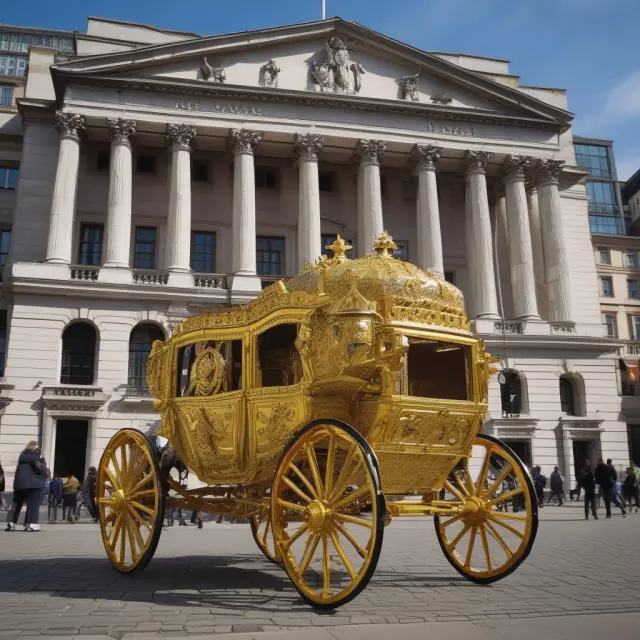
Bank of England’s Move to Threadneedle Street
The relocation of the Bank of England from Walbrook to its present location on Threadneedle Street in 1734 holds significant historical importance. This move, which presented certain challenges, established the Bank as the symbolic heart of London’s financial district and further solidified its status as a critical player within the British economy.
The decision to transfer the Bank from Walbrook was influenced by several factors. One of these reasons was an increasing need for the Bank to have a more prominent and central location, which would reflect its growing role in the financial realm. Additionally, the move aimed to reduce the vulnerability of the Bank to riots and attacks due to its proximity to popular areas prone to unrest.
However, the transition was not without complications. The relocation required extensive planning, as it involved the transfer of a substantial amount of gold bullion and paper currency from Walbrook to Threadneedle Street. This undertaking demanded immense logistical expertise and careful execution, considering that the security and integrity of the Bank’s assets were at stake.
The journey of the gold bullion was accomplished using a fleet of horse-drawn carriages under heavy guard for protection against theft or attack from external forces. The transportation of the paper currency followed soon after, with meticulous attention paid to ensure that no counterfeit notes were mistakenly included in the transfer.
Despite the challenges presented during the relocation process, the move proved successful and bolstered the Bank’s reputation as a dependable and influential institution. The transition from Walbrook to Threadneedle Street not only underscored the significance of the Bank of England in the financial landscape but also provided a foundation for its transformation into the central bank of the United Kingdom.
As the Bank of England continued to evolve, it became increasingly crucial in times of crisis. In 1825, the Bank faced another challenge that further expanded its role as a lender and stabilizing force within the country’s financial system. It is important to note that this role did not come without controversy. An instance involving Overend Gurney, a discount house that collapsed in 1866 due to bad loans, showcased the Bank of England’s refusal to bail it out and underscored its dedication to financial prudence.
In conclusion, the historical significance of the move from Walbrook to Threadneedle Street is evident when considering the Bank of England’s transformation into a central bank and its role as a lender during times of crisis. This relocation served as a turning point that further solidified the Bank’s influence and demonstrated its commitment to ensuring financial stability within the United Kingdom.

The 1825 Crisis: A Turning Point in Old Lady’s Evolution
An intriguing moment in the Bank of England’s history, which significantly shaped its transformation into a central bank, was the crisis that unfolded during 1825. This event, often referred to as the “Bank Charter Act Crisis” or the “Overend Gurney Crisis,” marked a turning point in the Bank’s evolution and its growing role as a lender of last resort to failing financial institutions.
In the midst of the 1820s, England experienced an economic downturn. The financial system was on shaky ground due to an unprecedented wave of bad debts. One particular financial institution, Overend Gurney & Co., played a significant role in this crisis. Founded in 1784, the firm acted as a discount house—a type of intermediary that provided short-term loans, usually for commercial bills, to various merchants and banks.
By 1825, Overend Gurney’s fortunes had begun to wane. The company held an extensive portfolio of bad debts that threatened its solvency. Despite early warnings of financial instability, Overend Gurney failed to heed the red flags, and their creditors began withdrawing deposits in mass.
On May 9th, 1825, rumors circulated that Overend Gurney & Co.’s affairs were on the verge of collapse. This panic resulted in a massive run on the bank. Depositors flocked to withdraw their funds as quickly as possible, fearing they would lose everything if the firm went bankrupt.
As the crisis escalated and more financial institutions started experiencing instability, the Bank of England found itself confronted with an unprecedented challenge. The Bank’s Governor, Sir John Smith, knew that a failure to address the issue could lead to a cascading effect, potentially resulting in an economic catastrophe.
In response, Sir John took decisive action and made it clear that the Bank would not provide aid directly to Overend Gurney & Co. Instead, he proposed to extend a line of credit to other banks to help mitigate the crisis. This move effectively prevented the panic from spreading further and demonstrated the Old Lady’s newfound power as a lender to other financial institutions in need.
The aftermath of this crisis brought about significant changes for the Bank of England. The Bank Charter Act, enacted in 1826, formalized the Bank’s status as the United Kingdom’s central bank and provided it with exclusive authority to issue paper currency. It also granted the Bank the power to regulate note-issuing banks and control the issuance of government bonds.
Throughout history, the Old Lady has continued to play an essential role in the financial sector by providing loans to ailing institutions during times of crisis—a responsibility that began with its response to the 1825 Overend Gurney Crisis. This crucial turning point solidified the Bank’s reputation as a lender of last resort and strengthened its position as an indispensable pillar of the British financial system.

Old Lady’s Role as a Lender to Failing Financial Institutions
The ‘Old Lady’ nickname for the Bank of England is deeply rooted in British economic history. One pivotal moment that solidified this moniker came during the 1825 financial crisis when the Bank of England assumed the role of a lender to failing financial institutions, shaping its legacy as a central bank and influencing modern monetary policy.
In the early days of the Bank of England, which was established in 1694 as a retail bank, it suffered its first major crisis in 1720, known as the South Sea Bubble. The bubble occurred when the South Sea Company financed some of Britain’s national debt and acquired trading rights in what is now South America, leading to an unprecedented surge in stock prices. Eventually, the stock price bubble burst, causing widespread financial losses and panic among investors. This crisis tested not only the Bank of England’s stability but also its credibility as a lender to the government.
The Bank of England moved to Threadneedle Street in 1734 from its original location on Walbrook. However, another major test came in 1825 when the crisis forced the bank to consider the role it should play during periods of financial instability. The crisis was triggered by a series of events including heavy paper note issuance, a sudden drop in commodity prices, and a panic among depositors due to rumors that several discount houses were on the brink of collapse.
The Bank of England faced a crucial decision: should it step in to prevent a potential financial catastrophe or maintain its hardline stance against bailing out failing financial institutions? The bank ultimately chose to provide loans to distressed discount houses, which helped stabilize confidence and prevented a more widespread panic. This decision marked a significant turning point for the Bank of England as it evolved from a traditional retail bank into the central bank we know today.
One critical example of its role as a lender to failing financial institutions occurred in 1866 when the Bank refused to bail out discount house Overend Gurney after it collapsed under the weight of bad loans. The crisis led to an economic recession and marked the beginning of a new chapter for the Old Lady as she took on a more active role in managing monetary policy, acting as a lender of last resort to prevent financial panics.
The Bank of England’s actions during the South Sea Bubble, the 1825 crisis, and other significant economic events have set an important precedent for central banks worldwide. Its legacy as ‘Old Lady’ highlights its role in maintaining financial stability, influencing monetary policy, and adapting to evolving economic conditions. This unique history has solidified its reputation as a trusted and authoritative institution that continues to shape the global financial landscape.
FAQs:
When did the Bank of England first use the term ‘Old Lady’?
A. The origin of the nickname ‘Old Lady’ dates back to the 18th century, specifically a James Gillray cartoon in 1797 depicting the Bank as an elderly woman.
Why is the Bank of England called the Old Lady?
A. The term ‘Old Lady’ originated from a political cartoon during the South Sea Bubble crisis, comparing the Bank to an elderly woman and highlighting the government’s attempt to suspend gold redemption.
What was the significance of the Old Lady in managing financial crises?
A. The Old Lady has played a pivotal role throughout history by stepping in during financial crises as a lender to prevent widespread panic, stabilize confidence and maintain financial stability.
How did the Bank of England evolve from a retail bank to a central bank?
A. The Bank of England’s transformation into a central bank started during the 1825 crisis when it provided loans to distressed discount houses, marking a turning point in its history.
What was the impact of the Old Lady on modern monetary policy?
A. The Old Lady’s legacy has influenced modern monetary policy by shaping central banks’ roles in managing financial instability and maintaining economic stability through various crises.
The Old Lady’s Influence on Central Banks Worldwide
The nickname ‘Old Lady’ for the Bank of England holds significant historical importance, but its influence extends beyond the realm of British monetary history. The Bank of England’s legacy has shaped central banking systems and modern monetary policies worldwide. Let us delve deeper into this intriguing aspect.
Origins of Central Banks
The Bank of England’s influence on central banking began with its founding in 1694. This pioneering financial institution marked the beginning of a new era in monetary systems, providing the blueprint for future central banks like the Federal Reserve System and the European Central Bank. As the first central bank, the Bank of England became an essential source of stability amidst the tumultuous economic conditions of its time.
Adoption by Other Countries
By the late 18th century, other countries began to adopt central banking systems modeled on the Bank of England. Sweden established the Riksbank in 1661 and is often considered one of the oldest central banks worldwide. However, it wasn’t until the late 19th and early 20th centuries that most European countries followed suit. Influential figures like Montesquieu, Hume, and Ricardo advocated for a central bank to manage their respective economies. The Bank of England’s reputation for stability and success proved irresistible, ultimately leading nations to adopt similar institutions.
Role in Modern Monetary Policy
The Bank of England’s influence on modern monetary policy is evident in its role during times of financial instability. For instance, in 1931, the Bank of England adopted a gold standard to restore confidence in the British economy following the Great Depression. This decision influenced other central banks to adopt the same approach, contributing significantly to the eventual global economic recovery.
Lender of Last Resort
The Bank of England’s function as a lender to failing financial institutions has been a vital aspect of its influence on modern monetary policy. One of the most famous instances is the refusal to bail out discount house Overend Gurney in 1866, resulting in the crisis that expanded the Old Lady’s role as a lender to failing institutions. This function is now a standard practice among central banks worldwide.
Implications for Emerging Markets
As central banking spread across the globe, the Bank of England’s influence on monetary policy extended to emerging markets. The Bank played a crucial role in supporting the gold standard during the late 19th and early 20th centuries, setting the stage for the global adoption of this monetary system. Despite its eventual abandonment due to the economic challenges posed by World War I and the Great Depression, the Bank’s impact on the development of central banking in emerging markets remains significant.
In conclusion, the nickname ‘Old Lady’ may have originated from a satirical 18th-century cartoon, but its significance goes far beyond that. The Bank of England’s legacy has shaped modern monetary policy and influenced the development of central banks worldwide. As we continue to navigate the intricacies of our global economy, understanding the historical roots of institutions like the Old Lady is essential for informed decision-making and financial literacy.

Investigating the Metaphor: Meaning and Significance in Modern Contexts
The ‘Old Lady’ moniker for the Bank of England has persisted throughout history, deeply ingrained within contemporary finance, investments, and media. The term originated from James Gillray’s 1797 political cartoon, “Political Ravishment, or The Old Lady of Threadneedle Street in Danger!” that depicted the Bank as a helpless elderly woman being kissed by Prime Minister William Pitt during the suspension of gold redemption. In this context, the metaphor ‘Old Lady’ alluded to the idea of the Bank being seduced and violated by the prime minister, reflecting the public’s frustration with the government’s handling of the Bank Restriction Act of 1797.
Fast forward to modern times; this nickname has continued to evolve, often used in various financial contexts. In the investment world, the ‘Old Lady’ is synonymous with monetary policy and central banking stability. The term is particularly popular among British investors, emphasizing the Bank’s role as the United Kingdom’s central bank and its historical significance in shaping modern monetary policy worldwide.
Moreover, in financial media, the ‘Old Lady’ serves as a metonym for the Bank of England and its influence over the country’s economy. This nickname also represents the bank’s powerful position to intervene in economic crises when necessary. For instance, during the global financial crisis of 2008, the ‘Old Lady’ played a pivotal role in rescuing HBOS (House of Brundle) by providing an emergency loan to prevent it from collapsing and triggering contagion effects across the UK financial sector.
Furthermore, this nickname extends beyond its British context and has influenced other central banks worldwide. Central banks like the European Central Bank (ECB), Reserve Bank of India (RBI), and even the Federal Reserve System (FRS) in the United States have been influenced by the ‘Old Lady’ model, adopting similar functions and structures to maintain economic stability.
In summary, the ‘Old Lady’ moniker for the Bank of England signifies a rich history filled with intrigue, resilience, and influence. This metaphor has pervaded the financial lexicon and continues to be an essential part of the conversation surrounding monetary policy, central banking, and economic stability.

The Future of the Bank of England as ‘The Old Lady’
Since its inception, the Bank of England has seen numerous changes and challenges that have shaped its reputation as the venerable ‘Old Lady’ of Threadneedle Street. While the nickname gained prominence during a time when confidence in paper currency was shaken, the role and significance of the Old Lady continue to evolve within today’s modern economic landscape.
Looking ahead, how will this centuries-old moniker be affected by ongoing changes to financial markets, monetary policy, and political climate? Let us delve into several possible scenarios and implications.
1. Digital Currency: The rise of cryptocurrencies and Central Bank Digital Currencies (CBDCs) could impact the Old Lady’s role as a guardian of currency. While many central banks have shown interest in issuing their own digital currencies, it remains to be seen how this may affect public trust and confidence in traditional fiat currencies managed by institutions like the Bank of England.
2. Monetary Policy: The Bank of England continues to navigate the complexities of modern monetary policy, such as interest rates and quantitative easing, while ensuring stability in a globalized economy. As markets become increasingly volatile, the Old Lady could face renewed scrutiny regarding her ability to maintain the balance between price stability, financial stability, and economic growth.
3. Brexit: The UK’s exit from the European Union may lead to changes in monetary policy, trade relationships, and geopolitical dynamics that could influence the future of the Bank of England as a central bank and its position in the global economy. Depending on how these changes unfold, it remains an open question whether the Old Lady will retain her mantle as a symbol of financial stability.
4. Technology: With advancements in artificial intelligence, machine learning, and other technologies shaping financial markets and services, it is crucial to examine how this may impact the Bank of England’s role as a regulator, provider of market infrastructure, and innovator. For example, will new technologies render some of its traditional functions obsolete? Alternatively, could these advancements create opportunities for collaboration with fintech firms and other financial institutions?
5. Political Climate: The political climate plays a significant role in shaping the future of central banks like the Bank of England. Public perception, government policies, and regulatory frameworks can all impact the institution’s ability to fulfill its mandate while maintaining public trust. For instance, recent calls for greater transparency and accountability may necessitate changes to governance structures, communication strategies, or operational practices.
6. Globalization: As economies continue to globalize, the Old Lady faces new challenges related to cross-border transactions, financial integration, and geopolitical risks. For instance, how will she respond to volatile capital flows and currency fluctuations in a post-Brexit world? The answers to these questions could significantly influence her standing as a trusted central bank and the perception of the UK economy at large.
In conclusion, as we look to the future, the Old Lady remains an enduring symbol of financial stability and resilience. However, her role in an increasingly complex and interconnected global economy will necessitate ongoing adaptations to maintain that position. By staying informed and engaged with the latest trends, challenges, and debates, it is possible to gain valuable insights into how this venerable institution will continue to evolve as a central pillar of the UK’s economic future.

FAQs about the Old Lady: Answers to Your Burning Questions
What is the origin of the Old Lady nickname for the Bank of England?
Answer: The Old Lady nickname for the Bank of England dates back to 1797 when a political cartoon by James Gillray depicted the Bank as an old woman in peril, with then Prime Minister William Pitt attempting to steal her gold coins. This was a result of the suspension of gold redemption under the Restriction Act of 1797.
2. Why is the Bank of England called “The Old Lady?”
Answer: The moniker “Old Lady” for the Bank of England stems from an 18th-century satirical cartoon named “Political Ravishment, or The Old Lady of Threadneedle Street in Danger!” by James Gillray. It depicted a woman representing the Bank being forcibly kissed and robbed of her gold by Prime Minister Pitt as a commentary on the suspension of redemption during the time of war with France and an impending run on the bank.
What events led to the Old Lady nickname?
Answer: The Old Lady nickname for the Bank of England came about following the suspension of gold redemption under the Restriction Act of 1797, which prompted the Bank of England to make payments in paper money instead of gold coins. This led to public distrust and a loss of confidence in paper currency, with the opposition Whigs comparing the Bank to an elderly woman seduced by a swindler.
4. When was the Bank of England first called “The Old Lady?”
Answer: The first recorded use of the term “Old Lady” for the Bank of England came from the 1797 James Gillray cartoon, which portrayed the Bank as an elderly woman in distress.
What is the significance of the Old Lady nickname today?
Answer: Today, the Old Lady nickname is still used metaphorically to refer to the Bank of England and other central banks that issue paper currency. It highlights their role in maintaining monetary stability and public trust in financial systems during economic challenges.
 Next entry · No. 3,667Understanding Oligopolies: The Market Structure That Influences Prices and Innovation
See also
-
 No. 4,906
26 Jul 2025
22 min
Understanding the Taylor Rule: An Essential Guide for Institutional Investors
Finance Policy
No. 4,906
26 Jul 2025
22 min
Understanding the Taylor Rule: An Essential Guide for Institutional Investors
Finance Policy -
 No. 3,603
11 Apr 2025
22 min
The Fascinating History and Strength of the New Zealand Dollar (NZD)
Finance Policy
No. 3,603
11 Apr 2025
22 min
The Fascinating History and Strength of the New Zealand Dollar (NZD)
Finance Policy -
 No. 3,475
01 Apr 2025
22 min
Understanding the Nixon Shock and Its Lasting Impact on Modern Finance
Finance Policy
No. 3,475
01 Apr 2025
22 min
Understanding the Nixon Shock and Its Lasting Impact on Modern Finance
Finance Policy -
 No. 3,238
12 Mar 2025
17 min
Understanding Monetary Policy: Tools, Types, Goals, and Impact
Finance Policy
No. 3,238
12 Mar 2025
17 min
Understanding Monetary Policy: Tools, Types, Goals, and Impact
Finance Policy -
 No. 2,640
23 Jan 2025
23 min
Understanding the Japanese Yen: History, Trading, and Safe Haven Currency Status
Finance Policy
No. 2,640
23 Jan 2025
23 min
Understanding the Japanese Yen: History, Trading, and Safe Haven Currency Status
Finance Policy -
 No. 1,670
20 Oct 2024
18 min
Understanding the Role and Functioning of the Federal Reserve Board (FRB)
Finance Policy
No. 1,670
20 Oct 2024
18 min
Understanding the Role and Functioning of the Federal Reserve Board (FRB)
Finance Policy