Wildcat Drilling: High-Risk Exploratory Oil and Gas Drilling

Exploring the world of wildcat drilling - high-risk exploratory oil & gas method. Origin, role, tech, risks.
Understanding Wildcat Drilling
Wildcat drilling is a vital part of the oil and gas industry, representing the exploratory phase where companies seek to discover new reserves in unproven or unexploited areas. With the increasing scarcity of easily accessible oil and natural gas resources, wildcat drilling has taken on renewed importance as a high-risk strategy for both small and large producers.
Wildcat Drilling: Origins and Significance
The term “wildcat drilling” likely originated from the early days of the petroleum industry, when most drilling took place in remote locations, untouched by civilization and inhabited by wild animals such as cats. Today, wildcat drilling has evolved to encompass exploratory activities in unproven areas or those that have been fully exploited but still hold untapped energy resources.
The significance of wildcat drilling lies in its potential to unlock new reserves for the energy industry and contribute to increased oil and natural gas output. Smaller companies often engage in this high-risk drilling strategy, aiming to capitalize on opportunities overlooked by larger players due to economies of scale. These ventures can result in substantial financial rewards for successful wildcatters or significant losses if the wells prove dry.
Challenges and Risks in Wildcat Drilling
Despite its potential rewards, wildcat drilling is a high-risk endeavor that requires a considerable amount of investment and expertise to identify prospective areas and assess the viability of drilling projects. Missed opportunities, high costs, and negative stock performance can result from unsuccessful exploratory efforts. Nevertheless, the promise of discovering a large new oil or gas field can provide significant value to stakeholders in the form of increased energy security, job creation, and economic growth.
In conclusion, wildcat drilling is an essential aspect of the oil and gas industry, offering small companies a chance to make their mark on the energy landscape by targeting untapped reserves and exploiting opportunities left behind by larger players. While it presents significant financial risks, successful ventures can lead to substantial rewards for all parties involved. As the world’s energy needs continue to grow, wildcat drilling will play an increasingly important role in meeting those demands while maintaining a sustainable and responsible approach to resource management.

The Importance of Exploration and Production
Exploration and production (E&P) companies play a crucial role in the energy industry by finding and extracting raw materials such as oil and natural gas. The first stages of this process involve searching for new sources of energy through geological surveys, drilling activities, and other exploration techniques. E&P firms are responsible for transforming these raw materials into usable energy through processes like refining or processing.
Wildcat Drilling: A Risky but Essential Proposition
Among the various stages within the E&P process, wildcat drilling represents a unique and high-risk venture. This type of exploratory drilling targets unproven or unexplored areas in search of oil or natural gas reserves. Wildcat drillers may also seek opportunities to revisit previously drilled sites that have been abandoned by larger companies due to their high costs.
Historically, wildcat drilling gained popularity during the early 20th century when energy exploration primarily took place in remote locations. The term “wildcat drilling” is believed to have originated from these untamed and often wildlife-infested territories in the American West. Today, with vast portions of Earth’s surface already exploited for oil and natural gas, wildcat drillers focus their efforts on areas that have remained untouched or unexplored.
Significance of Wildcat Drillers
Small energy companies often engage in wildcat drilling, as the high-risk nature of this venture can yield substantial rewards for stakeholders. The discovery of large energy reservoirs can significantly boost the value of small oil and gas companies, while repeated dry holes may negatively impact stock performance or even lead to bankruptcy.
The Role of Wildcat Drillers in the Energy Market
Wildcat drilling contributes little to the market price of oil but is vital for overall energy production. These smaller players focus on untapped resources and provide a crucial role in the industry, allowing for greater output than would be possible without their involvement. Although the success rate for wildcat drills may be lower compared to established producing fields, their efforts facilitate the discovery of new sources of oil and natural gas essential for meeting growing energy demand worldwide.
Small Producers’ Impact on Previously Exploited Fields
A 2008 study by Massachusetts Institute of Technology estimated that even at high oil prices, about two-thirds of known oil fields are left untapped due to economic feasibility concerns. Large oil companies often abandon these fields since their scale economies make smaller reserves uneconomical to exploit. Wildcat drillers, however, can capitalize on these overlooked opportunities and provide significant value by extracting sizable pockets of oil reserves that were previously deemed unviable for larger producers.
Conclusion
Wildcat drilling plays a pivotal role in the E&P process and the global energy landscape. Small oil and gas companies engaging in wildcat drilling take on high risks to discover new energy sources, often in unexplored or previously abandoned areas. Their efforts not only increase overall production but also allow for the efficient extraction of resources that might have otherwise been left untouched.

Remote Locations and Wildcat Drilling Origins
Wildcat drilling refers to a high-stakes exploratory method within the oil & gas industry, where companies seek to discover hydrocarbons in unproven or exhausted areas, either with no prior production records or depleted by larger firms. The risks associated with wildcat drilling necessitate the involvement of skilled and experienced crews capable of interpreting valuable data from various well parameters. This approach can result in significant rewards for stakeholders, making it an essential part of the energy sector’s exploration process.
The term “wildcat” may have originated during the early 20th century when drilling operations occurred primarily in remote locations far from urban centers. The wild and uncharted territories might have been infested with wildcats or other untamed creatures, adding to the allure of discovering new energy sources. Nowadays, as global oil & gas exploration reaches its limits, few areas remain unexplored for their potential energy reserves.
Small companies often engage in wildcat drilling due to its high-risk, high-reward nature. They can acquire land or claims at relatively low costs compared to large corporations. However, the likelihood of drilling success is quite low, making it financially challenging to operate without fruitful results. Small energy companies can be make-or-break propositions for wildcat drillers: investors stand to reap substantial rewards if successful, but repeated dry holes might result in adverse stock performance or bankruptcy.
Another unique aspect of wildcat drilling is the role smaller producers play in extracting oil from fields that larger companies have already exhausted. These overlooked reserves can represent considerable untapped potential and offer opportunities for nimble wildcat drillers, even though the market impact on oil prices remains negligible. A 2008 MIT study revealed that about two-thirds of known oil reserves in fields worldwide were left unexploited due to economies of scale, providing a valuable niche for smaller energy companies to participate and contribute to increased overall production.
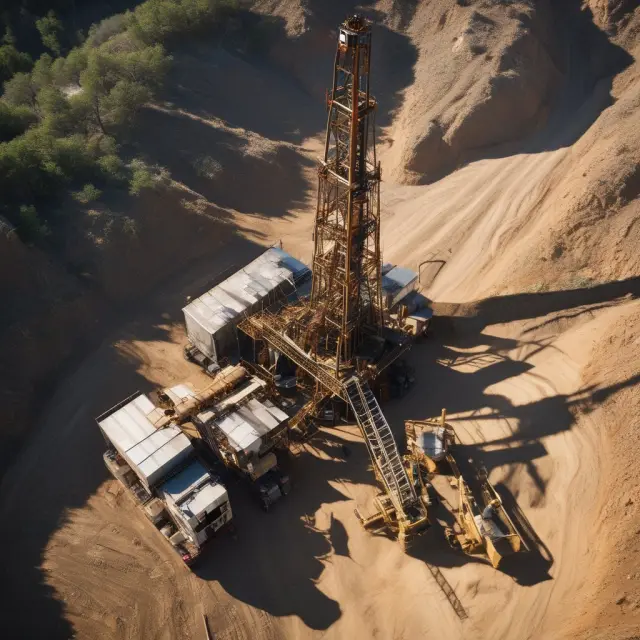
Wildcat Drilling for Small Producers
In the world of oil and gas exploration, wildcat drilling stands out as a high-stakes endeavor for smaller producers. This exploratory drilling technique is focused on unproven or fully exploited areas, often with little to no historic production data available. Wildcat drilling presents both considerable risks and substantial rewards for small energy companies and their investors.
The role of exploration and production (E&P) in the oil industry is crucial; these companies are responsible for discovering new sources of oil or natural gas, extracting them from the ground, and bringing them to market. In a competitive landscape, wildcat drilling can be a make-or-break proposition for smaller players.
The origins of wildcat drilling date back to the early days of the oil industry, when drilling activities took place in remote locations that were often inaccessible or undesirable for larger companies. These “wildcat” territories have since become essential for smaller producers seeking untapped opportunities. Wildcat drillers aim to discover new energy reservoirs and extract resources from areas that might otherwise be overlooked, offering potential financial gains for small-cap companies and investors alike.
One significant advantage of wildcat drilling for small producers is their ability to target economically unviable fields and reserves left behind by larger oil companies. With limited resources and a smaller operational scale, wildcat drillers can focus on these areas without the financial burden associated with the large-scale operations required by major energy companies.
However, the risks accompanying wildcat drilling are substantial. The inherent uncertainty of discovering viable energy sources often results in dry holes and significant financial losses for small producers. Even when successful, wildcat drilling can lead to negative stock performance if the market does not react favorably to the news or if the discovered reserves do not meet initial expectations.
The Massachusetts Institute of Technology (MIT) has reported that up to 75 percent of oil in known oil fields remains untapped due to economies of scale and the unwillingness of large producers to invest in extracting this residual oil. Wildcat drillers represent a critical segment of the market, filling the gap left by major companies and contributing to an increased overall oil output.
The role technology plays in wildcat drilling is vital. Advancements in exploration techniques, such as seismic imaging, have made it possible for smaller companies to access valuable geological data remotely, reducing the costs associated with on-site exploratory drilling and increasing the chances of successful discoveries.
Despite the challenges, small producers remain committed to wildcat drilling in pursuit of financial gains and growth opportunities within the oil industry. Their efforts not only add value to the market but also help ensure a steady supply of oil and natural gas for energy-dependent economies worldwide.
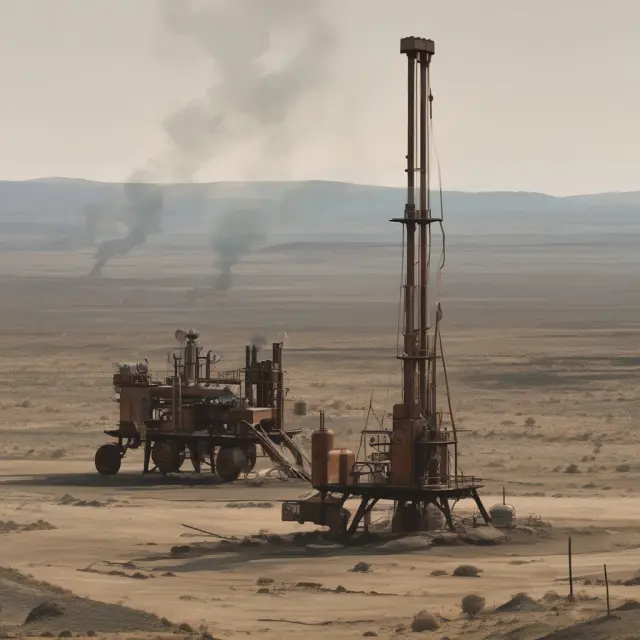
Global Energy Landscape and Wildcat Drilling
Wildcat drilling plays a significant role in the global energy landscape as it targets areas with unproven potential, either unexplored or exhausted by larger oil & gas companies. This type of exploratory drilling offers small producers the opportunity to potentially discover large reservoirs, bringing economic benefits for stakeholders and contributing to overall production levels.
The Role of Small Producers in Wildcat Drilling
Small energy firms often engage in wildcat drilling as they target oil reservoirs that larger companies have deemed uneconomic due to their size or economies of scale. These exploratory projects can lead to substantial rewards for small-cap investors if successful, with potentially large discoveries remaining undiscovered by major oil companies.
The Impact on the Market
Despite not significantly impacting market prices, wildcat drilling is essential for maximizing overall oil and gas output. With two-thirds of known oil in fields being left in the ground due to existing technologies not being fully utilized by larger producers (MIT, 2008), small wildcat drillers fill a crucial niche.
Unexplored Areas
With many regions already heavily explored, wildcat drilling opens opportunities for companies to target previously untapped areas, including the Arctic, deep sea, or remote locations. These areas may offer significant potential rewards but come with their own unique challenges and costs.
The Role of Technology in Wildcat Drilling
Innovation continues to play a crucial role in wildcat drilling by enabling access to previously unreachable reserves and increasing the efficiency of exploratory projects. Enhanced oil recovery technologies, 3D seismic surveys, and advanced drilling techniques are all driving growth in this sector.
Challenges Faced in Wildcat Drilling
The high level of uncertainty associated with wildcat drilling makes it a financially risky proposition for companies, especially small ones. Missed opportunities, high exploration costs, and negative stock performance are common challenges faced by wildcat drillers.
Regulations and Environmental Considerations
As the global energy landscape evolves, governments increasingly focus on environmental regulations to minimize the impact of exploratory drilling on ecosystems and local communities. Wildcat drilling projects must adhere to strict guidelines to ensure minimal disturbance while maximizing potential rewards for investors and stakeholders.
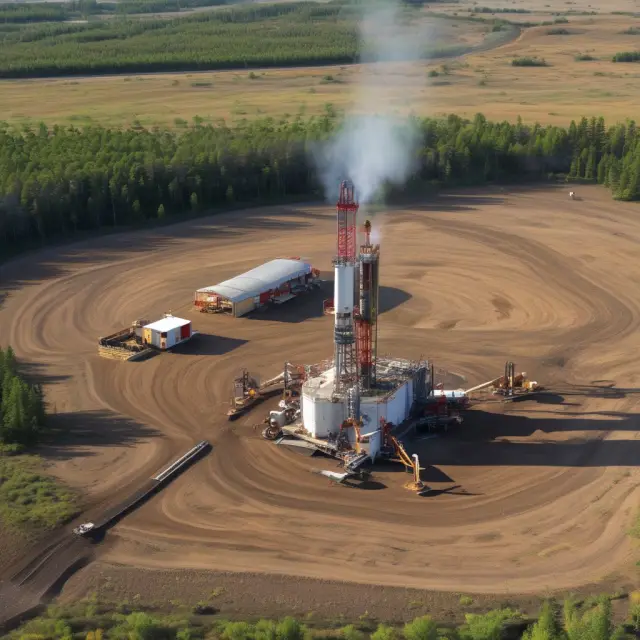
Wildcat Drillers and Economies of Scale
In the energy industry, wildcat drilling is a crucial aspect for smaller producers seeking to capitalize on economically unviable fields and reserves left behind by larger companies. With global energy markets continuously evolving, understanding how wildcat drilling contributes to oil output requires delving into its unique features and implications.
Exploration and production (E&P) play a pivotal role in the energy sector, involving the search for new sources of crude oil and natural gas and extracting these resources from the ground. Wildcat drilling represents the pioneering spirit of this industry: targeting unproven or economically unexplored areas. Small-scale E&P companies excel at wildcat drilling due to their nimbleness, risk tolerance, and determination to uncover previously overlooked hydrocarbon reserves.
Historically, wildcat drilling originated from the need to explore remote locations that were often inaccessible or difficult to reach due to their geographical isolation. These frontier territories presented immense potential for discovering untapped resources but also heightened risks and uncertainties. Today, with many of the Earth’s accessible oil and gas deposits already discovered, wildcat drillers focus on unexplored areas or those previously deemed uneconomical by larger companies.
Small producers play an essential role in the energy ecosystem. While they may account for a minor percentage of overall drilling activity, their contributions can yield significant rewards. The success or failure of these smaller outfits has a direct impact on the oil market and provides valuable insights into future exploration trends. For investors, backing wildcat drillers comes with both risks and potential lucrative returns if they strike it big by unearthing substantial reserves.
One fascinating aspect of wildcat drilling is its potential to tap into fields that larger energy companies have already exhausted. MIT researchers estimate that around two-thirds of the oil in known oil fields is left untouched due to the high costs associated with extracting these resources from older reservoirs using current technology. This creates an opportunity for small-scale wildcat drillers, who can focus on these economically unviable areas and potentially unlock significant value for themselves and their investors.
In summary, wildcat drilling is a vital contributor to oil output by enabling smaller producers to target unexploited areas or previously exhausted fields. Their innovative approach not only increases overall production but also plays a crucial role in the energy sector’s long-term growth and sustainability.
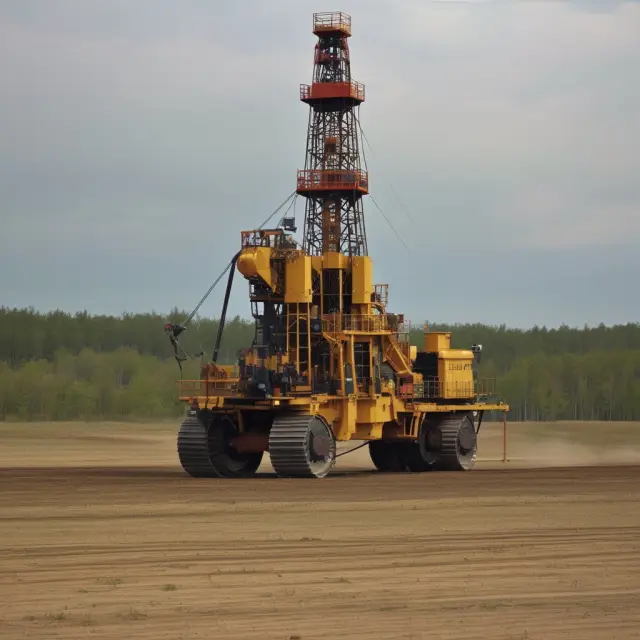
The Role of Technology in Wildcat Drilling
Wildcat drilling is a form of exploratory drilling characterized by its high-risk nature, as it targets unproven or exhausted areas with no clear historical production records. The significance of this drilling technique lies in its potential for unearthing significant oil and gas deposits while contributing to the global energy landscape. Understanding Technology’s Impact on Wildcat Drilling
Technology has revolutionized various sectors, including wildcat drilling. It plays a crucial role in increasing the likelihood of success by providing real-time data on geological conditions and reducing operational costs. In recent years, innovations like 3D seismic surveys, directional drilling, and hydraulic fracturing have significantly impacted the industry’s exploration efforts, enabling companies to target smaller reserves that were once uneconomical to exploit.
One of the most prominent technologies in wildcat drilling is seismic surveying. Seismic data is used to create images of subsurface geological structures and can help identify potential oil or gas reservoirs. The advent of 3D seismic surveys, which record seismic data from multiple angles, has improved the accuracy and resolution of these images, making it easier for wildcat drillers to assess prospective areas before drilling.
Directional drilling is another essential technology in the oil industry, particularly for wildcat drillers seeking to minimize the environmental impact and maximize production from smaller reserves. Directional drilling involves drilling a wellbore at an angle, which allows companies to access multiple reservoirs or reach target formations without disturbing the surface or other producing fields.
Hydraulic fracturing (fracking) has gained popularity in recent decades due to its ability to extract previously unreachable oil and gas reserves from shale formations. Fracking involves injecting a fluid mixture into rock formations under high pressure, causing them to fracture and release the trapped hydrocarbons. Although controversial for environmental reasons, fracking’s benefits have made it an essential tool for wildcat drillers targeting previously untapped resources.
Despite these technological advancements, challenges remain. Wildcat drilling is a high-risk endeavor that demands significant capital investment and operational expertise. Companies must carefully evaluate the potential risks and rewards of each prospective site, which can be difficult given the inherent uncertainty associated with exploratory drilling. Additionally, the high costs of drilling, combined with the risk of missed opportunities or dry holes, make it essential for companies to maintain a diverse portfolio of prospects in order to mitigate their risk exposure and maximize their chances of success.
In conclusion, wildcat drilling is an integral component of the oil and gas industry, providing smaller producers with the opportunity to unlock previously untapped reserves that larger companies may have overlooked. Technology has played a significant role in enhancing the potential for successful discoveries, but challenges remain, particularly regarding high capital costs and operational risks. As energy demand continues to grow and traditional resources become scarce, wildcat drillers will continue to play a vital role in maintaining global energy security while contributing to the overall growth of the oil and gas industry.
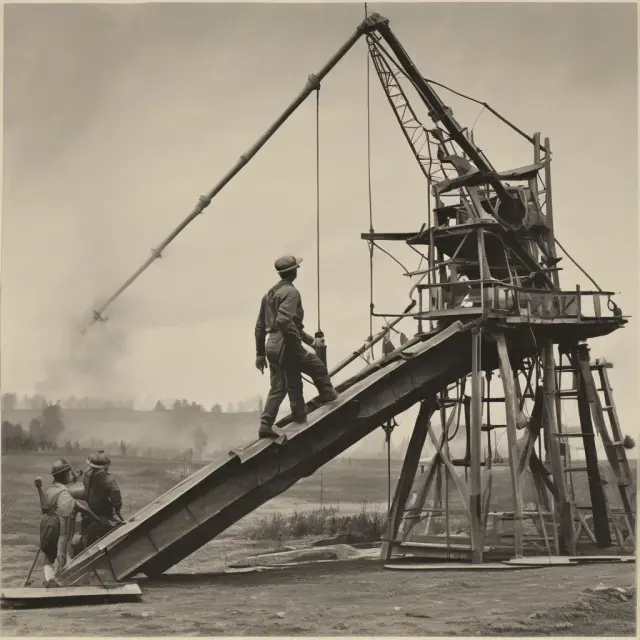
Wildcat Drilling Risks
Wildcat drilling presents significant financial risks as it involves exploring unproven areas for oil or natural gas where there is a higher degree of uncertainty regarding potential discoveries. Small energy companies often engage in wildcat drilling activities, and while success can result in substantial rewards, failures are more common than not.
Exploration and production (E&P) firms are primarily responsible for the first stages of the energy industry, which encompasses searching and extracting raw materials, such as oil and gas. Wildcat drillers target unproven or economically unviable areas with limited historic records. These risks can be attributed to various factors:
1. Missed Opportunities: In the quest for higher-probability prospects, large energy companies may overlook some opportunities, creating a niche for wildcat drillers in unexplored territories or overlooked reserves. However, these areas have a higher likelihood of being barren or uneconomic to exploit, leading to significant financial risks.
2. High Costs: Wildcat drilling involves drilling and testing wells in remote locations with challenging geological conditions, which can result in high costs due to extensive logistics support and specialized equipment requirements. The costs of exploratory drilling include not only the actual drilling operations but also land acquisition, seismic surveys, permits, and other related expenses. If a discovery is made, there may still be additional costs for production facilities, transportation, and marketing.
3. Negative Stock Performance: Wildcat drilling can significantly impact small energy companies’ stock performance depending on the outcome of their drilling efforts. A string of dry holes could lead to poor investor sentiment, lower trading volumes, and decreased share prices. In contrast, successful discoveries can generate substantial returns for investors.
Despite these challenges, wildcat drilling remains a crucial aspect of the energy industry as it allows smaller firms to compete in the oil and gas sector by targeting areas that larger companies deem uneconomic or risky. Additionally, technology advancements have facilitated more accurate reservoir assessment and improved drilling techniques, making wildcat drilling a more viable option for exploration companies.
In conclusion, wildcat drilling offers both high risks and rewards for smaller energy firms. By targeting unexplored or economically unviable areas, these companies can potentially discover substantial reserves, but they also face the possibility of significant financial losses if their efforts result in dry holes. Prospective investors should be aware that investing in small-cap wildcat drillers comes with a higher degree of uncertainty, and success is not guaranteed. However, given the importance of exploration and production to the energy industry’s continued growth, the role of wildcat drillers remains essential.

Impact on the Environment and Regulations
Wildcat drilling plays a crucial role in energy markets as it focuses on unexplored or exhausted areas for oil and gas production, but its environmental implications and regulatory frameworks cannot be overlooked. Wildcat drilling operations involve exploring uncharted territories and often occur in remote locations, which might raise concerns regarding potential ecological impacts.
In the energy sector, exploration and production stages are essential to discovering and extracting natural resources; however, these processes can have detrimental consequences if not executed carefully. Environmental risks associated with wildcat drilling include water pollution from spills, land degradation, and air emissions, among others. A single mishap or failure to adhere to regulations could lead to severe environmental damage, potential harm to wildlife habitats, and public backlash.
Governments worldwide have recognized the importance of implementing regulations to mitigate these risks. Environmental protection agencies establish rules and standards for drilling operations in their jurisdiction. In the United States, the U.S. Environmental Protection Agency (EPA) enforces federal regulations on oil and natural gas exploration and production activities that can potentially impact water resources, air quality, and hazardous waste management.
The industry has made considerable progress in addressing environmental concerns by adopting technologies and best practices designed to minimize negative impacts. For instance, directional drilling and hydraulic fracturing techniques have reduced the need for multiple well sites and decreased the surface footprint of production operations, ultimately reducing potential damage to ecosystems.
Moreover, companies are increasingly investing in renewable energy sources and seeking ways to minimize their carbon footprint. In the context of wildcat drilling, this might include the adoption of cleaner technologies or implementing environmental offset programs. For example, some oil companies purchase carbon credits, invest in reforestation projects, and allocate a portion of profits to environmental initiatives as a means of balancing their environmental impact.
In conclusion, wildcat drillers are essential for expanding the energy supply but must navigate various regulations aimed at mitigating potential negative environmental impacts. As technology advances and awareness about sustainable practices grows, these stakeholders have an opportunity to improve their operations’ efficiency, reduce their carbon footprint, and contribute positively to society.
FAQs: Wildcat Drilling and the Environment
What are the primary environmental concerns related to wildcat drilling?
– Potential water pollution from spills
– Land degradation
– Air emissions
– Impact on wildlife habitats
How do governments regulate environmental aspects of wildcat drilling?
Regulations may vary by jurisdiction but typically include oversight from environmental protection agencies, such as the U.S. Environmental Protection Agency (EPA). These regulations cover water resources, air quality, hazardous waste management, and other potential environmental risks.
How has the industry responded to concerns over the environmental impact of wildcat drilling?
The industry has adopted cleaner technologies, best practices, and invested in renewable energy sources as a means of mitigating negative impacts on the environment while ensuring that oil and gas production continues to meet global demand.

FAQ: Wildcat Drilling and the Energy Sector
What is wildcat drilling?
Wildcat drilling represents a type of exploratory drilling aimed at discovering oil or natural gas in unproven areas with little to no historical production data. This high-risk drilling approach is particularly attractive for smaller companies, as it offers the potential for significant financial rewards when successful. The origin of the term “wildcat” likely stems from early drilling efforts in remote locations where wild animals, such as cats, were common inhabitants. With most easily accessible resources already discovered by large corporations, wildcat drillers focus on unexplored territories or previously exhausted sites to increase overall oil and gas production.
What are the origins of wildcat drilling?
Wildcat drilling can be traced back to the early 20th century when exploratory drilling took place in remote, untamed regions, far from major population centers. The name “wildcat” might have originated due to the presence of wild animals like cats in these areas. In modern times, as large corporations have explored and depleted much of the Earth’s surface for oil and gas resources, wildcat drillers have shifted their focus towards previously uncharted territories or fully exhausted sites, providing a vital role in increasing overall energy production.
What impact does wildcat drilling have on the energy sector?
Wildcat drilling plays an essential role in the energy industry by enabling smaller companies to contribute significantly to oil and gas output. Although wildcat drillers have limited influence on market prices, their efforts are crucial for unlocking untapped resources that larger corporations may overlook due to economies of scale or resource scarcity in certain regions. The high-risk nature of this drilling activity ensures a steady flow of new discoveries and production, which contributes to the overall growth and sustainability of the energy sector.
How do small producers benefit from wildcat drilling?
Small producers specializing in wildcat drilling can profit significantly by targeting economically unviable fields or reserves left behind by larger corporations. By taking on higher levels of risk, these companies have the opportunity to locate large oil and gas reservoirs that can generate substantial returns for investors if successful. In turn, this helps maintain a diverse and competitive energy market landscape.
What are some risks associated with wildcat drilling?
Despite the potential rewards, wildcat drilling comes with significant financial risks. Missed opportunities due to exploration failures, high costs, and negative stock performance can severely impact small-cap energy companies that invest heavily in exploratory drilling. Thus, it is essential for wildcat drillers to carefully assess geological data, drilling sites, and market conditions before embarking on new projects.
How does technology influence the future of wildcat drilling?
The use of advanced technologies such as seismic imaging, horizontal drilling, and hydraulic fracturing has significantly increased the chances of success for wildcat drillers by allowing them to target previously uneconomical oil reservoirs. These technological advancements can help reduce exploration costs and expand the search for new resources beyond traditional drilling locations. However, they also present challenges such as complex regulations and environmental concerns that must be addressed carefully.
What is the role of economies of scale in wildcat drilling?
Economies of scale refer to cost reductions derived from increasing production or output levels. In the context of wildcat drilling, larger oil corporations typically have significant advantages due to their ability to spread fixed costs over a larger volume of production. This often makes it difficult for small producers to compete financially in the search for oil and gas resources. However, nimble wildcat drillers can still capitalize on overlooked opportunities by focusing on smaller reserves or remote locations, allowing them to contribute to overall energy production while maintaining a viable business model.
 Next entry · No. 5,730Understanding Wildcatting: The SEC’s Industry-Wide Investigative Initiative in Finance and Investment
See also
-
 No. 5,169
17 Aug 2025
20 min
Understanding Unconventional Oil: From Fracking to Oil Sands
Energy Finance
No. 5,169
17 Aug 2025
20 min
Understanding Unconventional Oil: From Fracking to Oil Sands
Energy Finance -
 No. 5,709
01 Oct 2025
17 min
Understanding Wholesale Energy: A Comprehensive Guide for Institutional Investors
Energy Finance
No. 5,709
01 Oct 2025
17 min
Understanding Wholesale Energy: A Comprehensive Guide for Institutional Investors
Energy Finance -
 No. 3,657
16 Apr 2025
20 min
Understanding Oil Fields: Discovering and Maximizing the Value of Fossil Fuels
Energy Finance
No. 3,657
16 Apr 2025
20 min
Understanding Oil Fields: Discovering and Maximizing the Value of Fossil Fuels
Energy Finance -
 No. 1,422
13 Sep 2024
20 min
Understanding Exploration & Production (E&P): The Early Stage of Energy Production
Energy Finance
No. 1,422
13 Sep 2024
20 min
Understanding Exploration & Production (E&P): The Early Stage of Energy Production
Energy Finance -
 No. 5,926
19 Oct 2025
20 min
Understanding the Impact and Implications of Zoning Laws: A Comprehensive Guide for Institutional Investors
Business Strategy
No. 5,926
19 Oct 2025
20 min
Understanding the Impact and Implications of Zoning Laws: A Comprehensive Guide for Institutional Investors
Business Strategy -
 No. 5,925
19 Oct 2025
22 min
Understanding Zoning Ordinances: A Comprehensive Guide for Institutional Investors
Real Estate
No. 5,925
19 Oct 2025
22 min
Understanding Zoning Ordinances: A Comprehensive Guide for Institutional Investors
Real Estate