Exploring Horizontal Wells: A Modern Approach to Oil and Gas Extraction
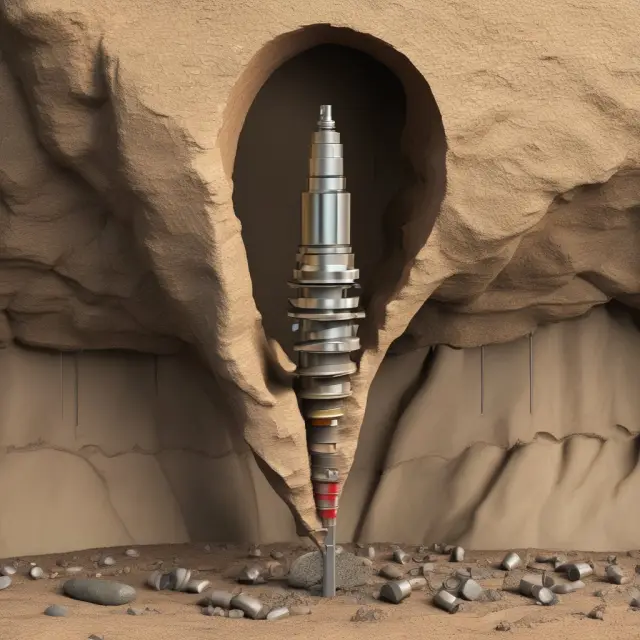
Exploring the modern approach of horizontal drilling in oil and gas extraction, its components, benefits, and applications.
Overview of Horizontal Drilling
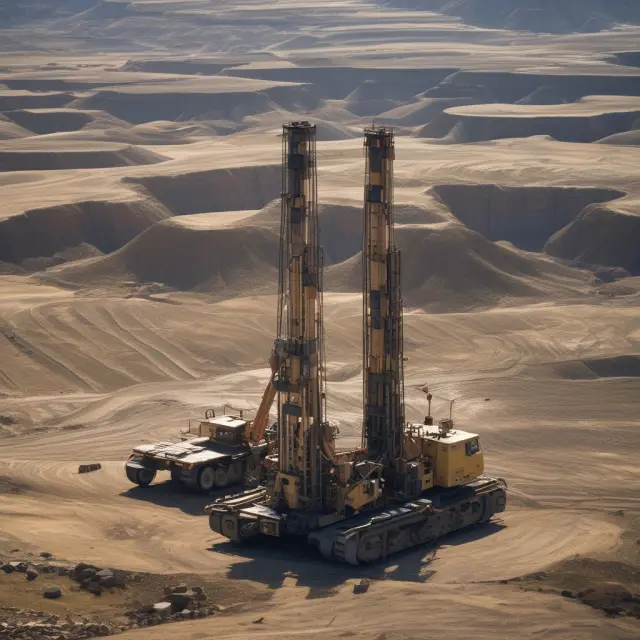
Horizontal drilling is a revolutionary approach to oil and gas extraction that has gained significant traction in recent years. A horizontal well is a type of directional drilling technique, in which the drill bit is angled at least 80 degrees from a vertical plane (Figure 1). This innovative method has emerged as a critical tool for accessing reservoirs with abnormal shapes or those that are otherwise difficult to reach through traditional vertical drilling.
**Advantages of Horizontal Drilling**
Horizontal drilling offers several advantages over its vertical counterpart. Primarily, it enables operators to tap into subsurface reservoirs that would be inaccessible from above. By drilling at an angle and horizontally accessing the resource, oil and gas companies can increase their efficiency and recovery rates. Moreover, horizontal drilling minimizes the need for multiple drilling pads, reducing environmental impact and operational costs (Figure 2).
**Components of Horizontal Drilling**
Two essential components enable horizontal drilling: mud motors and measuring while drilling devices (MWD). The mud motor is a pump mechanism designed to bore into the earth. It harnesses the power of drilling fluid, or mud, to propel the bit forward. Mud motors can be configured in various ways to allow for non-vertical drilling directions.
The MWD system monitors subsurface conditions and provides real-time data to the operator. This information is critical during horizontal drilling, as the drill bit constantly needs to be adjusted to maintain its horizontal trajectory (Figure 3).
**How Horizontal Wells Work: A Modern Approach to Oil Extraction**
The advent of technology has enabled a paradigm shift in the way oil and gas are extracted from the ground. The development of computer-controlled drilling rigs, improved drill bit designs, and real-time data analysis have made horizontal drilling an indispensable tool for operators (Figure 4).
Modern drilling techniques allow the use of hydraulic jets to bend drill bits, enabling engineers to adjust their angle. This adaptation facilitates precise control over the direction of the drill bit and is a key factor in horizontal drilling’s success.
**The Evolution of Horizontal Drilling: Past, Present, and Future**
The first horizontal well was drilled in 1892, but it took nearly a century for this technique to gain significant popularity. As technology advanced and the need for more efficient extraction methods grew, horizontal drilling came into its own (Figure 5). Today, it is an essential component of the oil and gas industry, providing access to vast reservoirs and reducing the environmental impact of exploration and production activities.
Looking forward, the integration of renewable energy sources and advances in geothermal drilling technology may further expand the scope of horizontal drilling in the future (Figure 6). This versatile and efficient technique will undoubtedly continue to play a vital role in meeting the world’s energy needs while minimizing its environmental footprint.
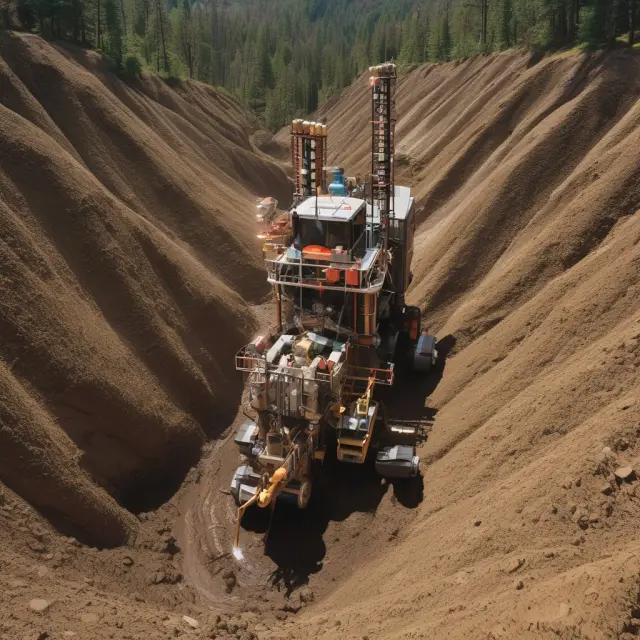
The Components of Horizontal Drilling
Horizontal drilling has taken a more prominent role in the oil and gas industry, thanks to its ability to access subsurface reservoirs that may not be reachable with traditional vertical wells. This modern drilling technique is made possible by two crucial components: a mud motor and a Measuring While Drilling (MWD) system.
The Mud Motor: Powering the Depths
A mud motor, which acts as a pump mechanism, powers horizontal drilling. It relies on a supply of drilling fluid, commonly called mud, to bore into the earth. The mud motor’s configuration is adjusted to direct the bit in non-vertical directions, making it possible to create a horizontal wellbore.
The Measuring While Drilling (MWD) Device: Real-time Subsurface Analysis
An essential element of successful horizontal drilling operations is the MWD device. This system provides real-time data on subsurface conditions, allowing engineers to monitor the drilling progress and make necessary adjustments for optimal results.
Adapting to a Changing Landscape
Horizontal drilling emerged as a more popular technique with technological advancements in recent years. Modern drilling practices include hydraulic jets that enable drill bits to bend, allowing engineers to alter the drilling direction at will. Additionally, computer-aided technology plays a vital role in horizontal drilling, providing real-time data on the bit’s location and adjusting the angle as needed based on global positioning signals (GPS).
Advantages of Horizontal Drilling
Horizontal drilling has several advantages over traditional vertical drilling. It allows access to reservoirs that are difficult or impossible to reach vertically, making it an invaluable tool for oil and gas exploration. This technique also enables one drilling pad to explore a broader underground area and can be used to seal off—or relieve pressure on—an out-of-control well by drilling an adjacent relief well. Furthermore, horizontal drilling has applications beyond just oil extraction; it is also utilized in the construction of underground pipelines or utility lines that need to travel beneath a river or an existing building.
Horizontal Drilling and Hydraulic Fracturing: A Perfect Match
The combination of horizontal drilling and hydraulic fracturing has proven particularly effective for extracting oil and natural gas from unconventional resources, such as shale formations. These reservoirs are typically impermeable to traditional vertical wells due to their dense nature. By drilling horizontally into the shale formation and pumping fracking fluids at high pressure, operators can create fractures in the rock, increasing the flow of petroleum and natural gas.
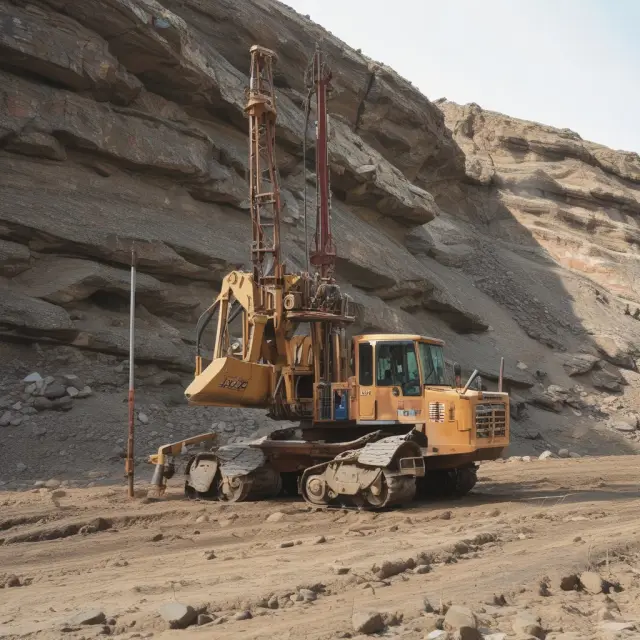
How Horizontal Wells Work
Horizontal drilling is a modern oil and gas extraction technique that allows wells to be drilled at an angle greater than 80 degrees to the vertical axis (90 degrees). This method has gained popularity due to its ability to access reservoirs that cannot be reached from directly above. Horizontal wells enable the exploitation of complex geological structures and are especially useful in unconventional oil and gas reserves such as shale formations (McCarthy, 2018). The primary components enabling this advanced drilling technique include the mud motor and Measuring While Drilling (MWD) system.
The Mud Motor: A Pump Mechanism for Horizontal Drilling
The mud motor is a vital component in horizontal drilling. This pump mechanism bores into the earth, harnessing the power of mud to drive the drill bit. The mud motor’s design has been engineered to work at various angles and rotational speeds, making it adaptable for horizontal drilling applications (Halliburton, 2021). By adjusting the mud motor configuration, engineers can direct the drill bit into non-vertical directions, enabling horizontal drilling.
Measuring While Drilling: Real-time Analysis of Subsurface Conditions
Another essential tool in horizontal drilling is Measuring While Drilling (MWD) technology. This system measures data as a well is being drilled and provides valuable information about the subsurface conditions, such as rock formations, geological stratigraphy, and changes in temperature or pressure (Schlumberger, 2019). MWD plays a crucial role in horizontal drilling by providing real-time guidance for accurate placement of the bit angle, ensuring that it stays within the targeted reservoir.
Computer-Aided Technology: Adjusting Drill Bit Angle
Horizontal drilling’s success can be attributed to technological advancements enabling the use of computer-aided technology to adjust the drill bit angle. Global Positioning Systems (GPS) and geosteering software are employed to pinpoint the location of the drilling bit in real-time, allowing engineers to modify the directional trajectory as needed. This capability ensures that the wellbore remains on track towards the target reservoir and optimizes reservoir contact, ultimately improving oil recovery (Baker Hughes, 2019).
Conclusion:
Horizontal drilling is a powerful tool in modern oil and gas extraction that has transformed the industry’s landscape. By using advanced components like mud motors and MWD systems in conjunction with computer-aided technology, engineers can effectively navigate complex geological structures and tap into subsurface reservoirs previously inaccessible with traditional vertical drilling methods. The benefits of horizontal drilling, such as increased efficiency, reduced costs, and access to unconventional reserves, make it a crucial aspect of the industry’s technological evolution.
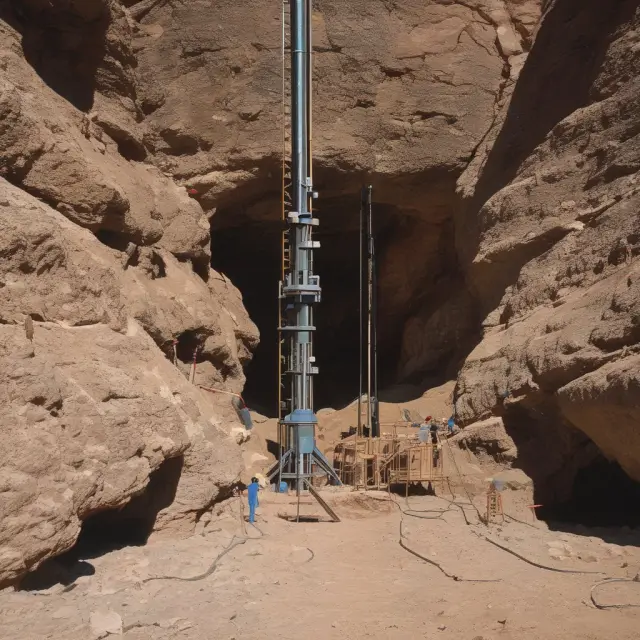
Benefits of Horizontal Drilling vs. Vertical Drilling
Horizontal drilling stands out from traditional vertical drilling techniques due to several advantages that make it a more desirable method for extracting oil and gas resources from subsurface reservoirs. Let’s explore these benefits in detail.
First, horizontal drilling offers access to reservoirs that are difficult or impossible to reach via vertical drilling. By drilling at an angle of 80 degrees or more, operators can target underground formations that lie below the surface but were previously untouchable. This not only increases the potential for discovering new oil and gas deposits but also optimizes extraction efficiency by accessing a larger portion of the available hydrocarbon resources.
Secondly, horizontal drilling enables the exploration of broader underground areas using just one drilling pad. Traditional vertical drilling requires multiple pads to cover a similar area, significantly increasing both operational costs and environmental impacts. By extending the reach of each well into different portions of a formation, horizontal drilling minimizes the need for additional drill sites and reduces overall environmental footprint.
Lastly, horizontal drilling provides an effective solution for sealing off or relieving pressure on uncontrollable wells. This capability is crucial when dealing with wells that experience problems during extraction processes, as it helps prevent further damage to the formation or the environment while ensuring safe and efficient production. By drilling an adjacent relief well horizontally, operators can intercept the out-of-control well and manage the issue more effectively than using traditional vertical methods.
Additionally, horizontal drilling plays a significant role in the implementation of hydraulic fracturing, also known as fracking. Fracking is a process used to extract natural gas and oil from shale reservoirs that are typically impermeable to traditional vertical drilling techniques. The use of horizontal drilling allows operators to target these resources more effectively by drilling horizontally into the shale formation and injecting hydraulic fracturing fluids at high pressures to create fractures, releasing the hydrocarbons for extraction.
In summary, the benefits of horizontal drilling—access to previously unreachable reservoirs, increased efficiency in resource utilization, and improved management of problematic wells—have made it an indispensable tool in modern oil and gas exploration and production. By understanding its advantages over traditional vertical drilling methods, we can appreciate the profound impact it has had on both the industry and the global energy landscape.
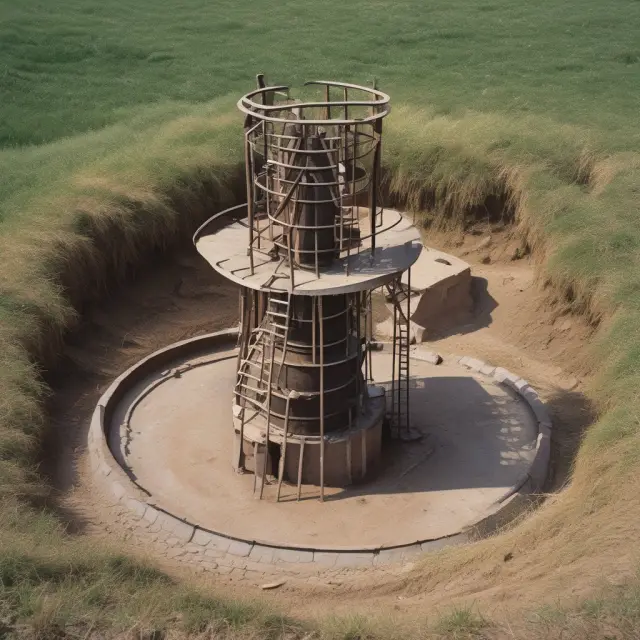
Applications of Horizontal Drilling in Oil Extraction
Horizontal drilling has revolutionized the oil and gas industry by opening up access to previously untapped reservoirs. This advanced technique enables companies to extract resources from areas that were once considered inaccessible due to their complex geological structures. Two primary applications of horizontal drilling include controlling wells with issues and exploring shale formations through hydraulic fracturing (fracking).
Controlling Wells with Issues
Horizontal drilling is a vital solution when dealing with wells that experience operational challenges. By drilling adjacent relief wells, operators can gain control over these problematic wells without disrupting production from the existing wellbore. Relief wells, typically drilled at angles ranging between 90 to 135 degrees, intersect the troubled well and help stabilize it by redistributing pressure. This method has proven invaluable in managing wells with issues such as blowouts or excessive formation pressures.
Exploring Shale Formations through Hydraulic Fracturing (Fracking)
The combination of horizontal drilling and hydraulic fracturing (fracking) has significantly impacted the oil and gas industry. This synergistic approach has become the cornerstone for extracting resources from shale formations, which are often impermeable to vertical drilling methods due to their tight rock structures. In a fracking operation, a horizontal well is drilled into the shale formation and then hydraulically fractured by injecting high-pressure fluids, typically water or gas, into the subsurface. This process creates cracks in the shale, enabling the trapped hydrocarbons to flow freely to the surface for extraction.
The horizontal drilling technique’s success in accessing shale formations has led to a significant increase in oil and natural gas production, particularly in the United States. The United States Energy Information Administration (EIA) reported that horizontal drilling accounted for over 70% of total U.S. natural gas production in 2019. Additionally, the technique plays a crucial role in maintaining domestic energy security by reducing reliance on imports.
In conclusion, horizontal drilling represents a powerful tool in modern oil and gas exploration and extraction. Its applications span from controlling wells with issues to exploring shale formations through hydraulic fracturing. The versatility and effectiveness of this technique have reshaped the energy landscape while addressing complex geological challenges and improving operational efficiency.

Impact of Horizontal Drilling on the Energy Landscape
Horizontal drilling is no longer just a niche technique; it has become an essential component of modern oil and gas extraction with significant positive implications for both the industry and the environment. As the cost and efficiency of horizontal drilling have improved, so too has our ability to tap into new reservoirs and extract resources in previously unreachable ways.
Firstly, lower costs and increased efficiency are among the most compelling reasons for the surge in popularity of horizontal drilling. Horizontal wells enable access to subsurface reservoirs that may not be accessible from directly above, making exploration more productive and cost-effective. In turn, this has led to a decrease in overall drilling costs as one drilling pad can be used to explore a broader underground area instead of requiring multiple vertical wells for the same purpose.
Moreover, horizontal drilling plays an instrumental role in sustainable extraction practices. For instance, it helps operators control out-of-control wells by drilling adjacent relief wells that can alleviate pressure and seal off problematic wells. Additionally, hydraulic fracturing (fracking) – a process used to extract natural gas and oil from shale formations – relies heavily on horizontal drilling to make these otherwise inaccessible resources economically viable.
Technological innovations continue to drive the evolution of horizontal drilling, resulting in increasingly sophisticated practices. For example, engineers can adjust the direction of the drill bit using computer-aided technology and global positioning signals (GPS) to pinpoint the location of the bit in relation to the reservoir. This not only optimizes drilling efficiency but also reduces the environmental impact by minimizing the need for multiple well pads.
As horizontal drilling continues to revolutionize the oil and gas industry, it remains crucial that we address the potential risks associated with this technique. For instance, measures must be taken to prevent contamination of groundwater resources and minimize air pollution. Nevertheless, the benefits of horizontal drilling far outweigh its challenges, making it a vital tool in our quest for sustainable energy sources.
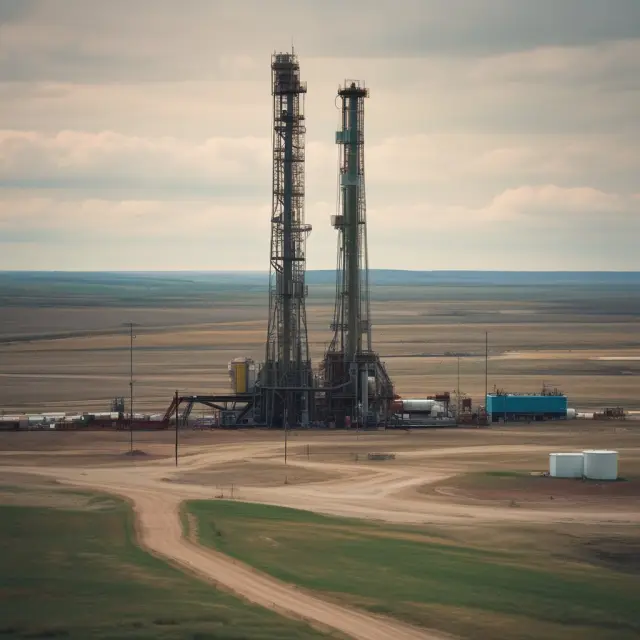
Environmental Concerns Regarding Horizontal Drilling
Horizontal drilling has been a topic of significant debate due to potential environmental risks associated with groundwater contamination and air quality. As oil and gas companies continue to adopt this modern exploration method, it is crucial to discuss the measures being taken to mitigate these concerns.
Groundwater Contamination: One primary concern lies in the possibility of groundwater contamination from horizontal drilling operations. Migrating fluids used during drilling, such as drilling mud and hydraulic fracturing (fracking) chemicals, can potentially reach underground aquifers if not properly contained. To mitigate this risk, companies employ multiple methods to prevent or minimize contamination:
- Multiple barriers: Engineers design well casings with several layers of protective materials to ensure the containment of fluids and prevent them from migrating into groundwater sources.
- Proper cementing techniques: The use of high-quality cement mixtures and rigorous adherence to proper cementing practices can help prevent fluid migration between the drilling site and underground aquifers.
- Monitoring systems: Continuous monitoring of the drill site and groundwater sources allows operators to detect any signs of contamination early and take corrective actions promptly.
Air Quality: Horizontal drilling operations may also contribute to air quality concerns, primarily through emissions from flaring and venting. Flaring involves burning off excess natural gas during the production process as a safety measure or when market conditions do not justify capturing it for sale. This practice releases greenhouse gases into the atmosphere. The use of green completions or capture technologies can help reduce these emissions, making drilling more sustainable.
Regulations: Federal and state regulatory frameworks play a significant role in setting standards for horizontal drilling practices to minimize environmental risks. For instance, the U.S. Environmental Protection Agency (EPA) regulates hydraulic fracturing under the Safe Drinking Water Act. The EPA requires companies to disclose the chemicals used in their fracking operations and mandates the implementation of best management practices to protect groundwater sources. Additionally, many states have passed regulations requiring mandatory reporting and monitoring of well completions and the use of technologies to minimize air emissions.
Case Studies: Horizontal drilling has seen both successes and challenges regarding environmental concerns. For example, a study published in the journal “Science” found that hydraulic fracturing operations did not cause significant groundwater contamination from chemicals or methane gas migration when proper well construction practices were followed (White et al., 2016). However, instances of groundwater contamination from unconventional oil and gas extraction have occurred, such as the Pavillion, Wyoming case, where methane contamination was linked to hydraulic fracturing operations in the region (Osmundson et al., 2011).
In conclusion, horizontal drilling has become a crucial component of modern oil and gas extraction techniques. While it brings significant benefits such as accessing difficult-to-reach reservoirs and increasing production efficiency, it also presents environmental concerns regarding groundwater contamination and air quality. To mitigate these risks, companies employ various measures, including the use of multiple barriers, proper cementing techniques, continuous monitoring systems, capture technologies, and adherence to regulatory guidelines. Despite challenges, horizontal drilling can continue to evolve and become more sustainable through technological innovations and improved practices.
FAQs: Common Questions About Horizontal Drilling
What are the main advantages of horizontal drilling over traditional vertical drilling?
Horizontal drilling offers several benefits over traditional vertical drilling, including accessing subsurface reservoirs that may not be accessible from directly above and exploring a broader underground area with one drilling pad. Additionally, it can help seal off or relieve pressure on an out-of-control well by drilling an adjacent relief well.
What is hydraulic fracturing?
Hydraulic fracturing, also known as fracking, is a method used to extract oil and natural gas from shale formations through the process of injecting a fluid mixture into the rock at high pressure. This causes the rock to fracture and release the hydrocarbons trapped within.
What are some common environmental concerns associated with horizontal drilling?
Environmental concerns regarding horizontal drilling include groundwater contamination from migrating fluids such as drilling mud and hydraulic fracturing chemicals, as well as air quality issues from emissions during the production process.
How does horizontal drilling help address these environmental concerns?
Horizontal drilling uses multiple barriers for well casings, employs proper cementing techniques, and continuous monitoring systems to prevent groundwater contamination. Additionally, the use of capture technologies, such as green completions or flare gas recovery, helps minimize air emissions. Adherence to regulatory guidelines is also essential in minimizing risks.
What are some notable successful applications of horizontal drilling?
Success stories of horizontal drilling include the Permian Basin’s shale formations, where the method has been instrumental in increasing oil production and efficiency. Additionally, horizontal drilling has enabled access to gas resources trapped in tight sandstones such as the Barnett Shale in Texas.
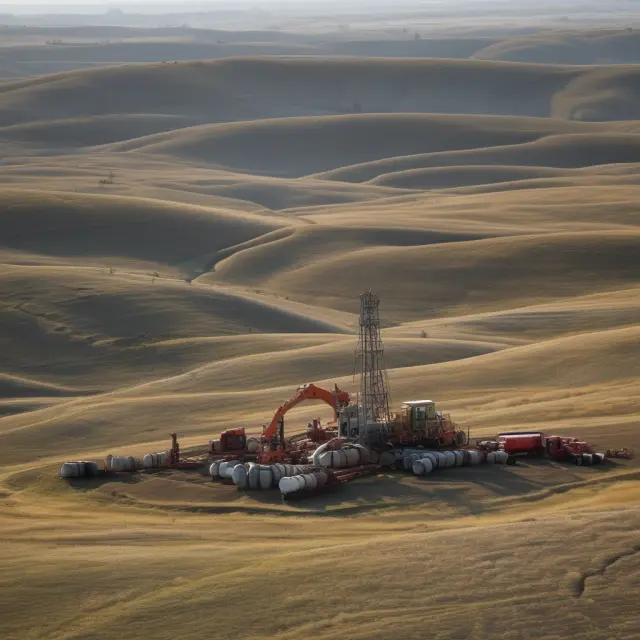
Regulatory Frameworks for Horizontal Drilling
Horizontal drilling practices have evolved significantly since the first commercial application in 1896, necessitating stringent regulatory frameworks to ensure safety, environmental stewardship, and transparency. In this section, we examine the federal, state, and local regulations governing horizontal drilling.
Federal Regulations
The U.S. Environmental Protection Agency (EPA) oversees the Safe Drinking Water Act (SDWA), which sets national standards for drinking water quality and regulates underground injection wells, including those used in hydraulic fracturing. The Bureau of Land Management (BLM), a division of the U.S. Department of the Interior, manages oil and gas drilling operations on federal lands. The BLM’s regulations cover well construction, location, and production to protect natural resources and minimize environmental impact.
State Regulations
States typically have more stringent regulations than the federal government when it comes to horizontal drilling practices. For example, Texas has enacted the Railroad Commission of Texas (RRC) to regulate oil and gas drilling, production, and transportation within its borders. Pennsylvania’s Department of Environmental Protection (DEP) oversees oil and gas permitting, drilling operations, and compliance with environmental regulations. The specifics of state regulations vary widely depending on geology, local concerns, and industry practices.
Local Regulations
Municipalities, counties, and other local entities may also impose additional regulations. For instance, cities or towns may enact zoning laws that restrict or limit oil and gas drilling operations. In some cases, homeowners can prohibit drilling on their property through easements and deed restrictions.
International Regulations
Horizontal drilling is not limited to the United States but has become a global practice. Each country has its own regulatory frameworks for oil and gas exploration, production, and environmental protection. For instance, the European Union has strict regulations regarding greenhouse gas emissions, while Canada has rules regarding water use in hydraulic fracturing operations.
Conclusion
Horizontal drilling is an essential component of modern oil and natural gas extraction techniques. Regulatory frameworks at various levels have been put in place to ensure the safe and efficient implementation of these practices while minimizing their environmental impact. Understanding the regulatory landscape governing horizontal drilling can help investors, policymakers, and industry professionals navigate the complexities of this important sector.
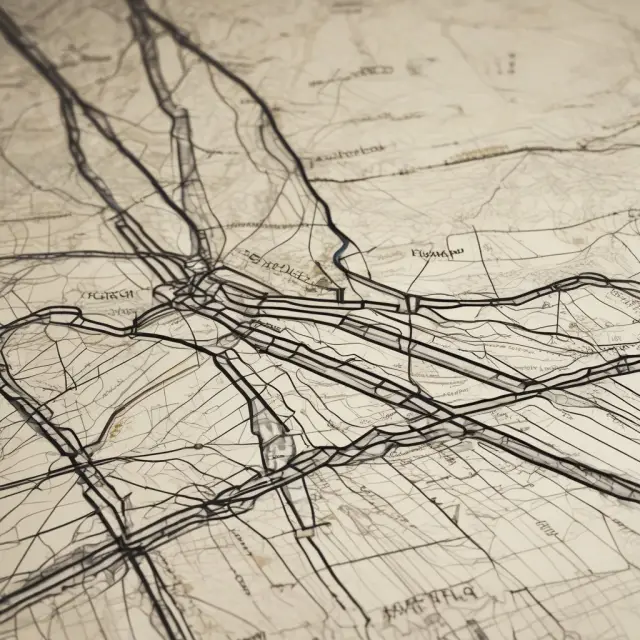
Case Studies: Successes and Challenges in Implementing Horizontal Drilling
Horizontal drilling has proven to be an indispensable tool for the oil and natural gas industries throughout recent years. With its ability to access subsurface reservoirs that may not be accessible from directly above and expand the reach of extraction efforts, horizontal drilling has revolutionized the way companies approach exploration and production. Let’s explore some real-world examples of successful and challenging implementations of this innovative technology.
The Bakken Formation in North Dakota is one of the most well-known success stories for horizontal drilling. Since 2006, Bakken operators have employed this method to extract oil from the shale formation that lies beneath the region. The Bakken Formation is notoriously difficult to access with vertical wells due to its thin and non-continuous nature. Horizontal drilling has made it possible for companies like Whiting Petroleum, Continental Resources, and Hess Corporation to tap into the vast reserves contained within the formation and increase production significantly.
Another example of successful horizontal drilling implementation is in the Marcellus Shale Formation located in eastern North America. This shale play has been a focus for natural gas producers since the late 2000s due to its substantial resources. However, it poses challenges due to its low permeability and complex geology. Horizontal drilling enables companies to access these resources more effectively by drilling into multiple zones within a single wellbore and targeting the sweet spots within the formation. Companies such as Range Resources, EQT Corporation, and Anadarko Petroleum have reaped considerable benefits from their investments in this region.
However, horizontal drilling isn’t without its challenges. The Barnett Shale Formation in Texas is one example of an area where horizontal drilling has faced obstacles. In 2012, the industry faced a decline in production due to low natural gas prices and concerns over water usage for hydraulic fracturing. Additionally, the geological complexities of the Barnett Shale presented challenges for operators trying to extract natural gas through horizontal wells. Companies like Chesapeake Energy and EOG Resources have had to adapt their strategies to address these challenges by employing new technologies such as multi-stage hydraulic fracturing and adjusting their drilling practices accordingly.
As the energy landscape continues to evolve, it’s important for companies and investors to stay informed about the latest trends and advancements in horizontal drilling technology. These case studies demonstrate not only the potential rewards but also the challenges that come with implementing this innovative technique. By understanding the successes and challenges of horizontal drilling, stakeholders can make more informed decisions when it comes to investment opportunities and strategic planning within the oil and natural gas industry.
FAQs: Common Questions About Horizontal Drilling
What exactly is horizontal drilling, and how does it differ from vertical drilling?
Horizontal drilling refers to a technique of extracting oil or natural gas by boring at an angle greater than 80 degrees from the vertical plane. In contrast, traditional vertical drilling involves drilling straight down into the ground. Horizontal drilling provides access to reservoirs that may not be accessible via vertical drilling due to their shape or location.
What components are essential for horizontal drilling?
Two crucial elements of horizontal drilling include a mud motor and Measuring While Drilling (MWD). The mud motor is a pump mechanism that burrows into the earth, with adjustments made to its configuration enabling it to drill in non-vertical directions. MWD allows real-time analysis of subsurface conditions and provides the target for horizontal drilling by giving insight into reservoir structure and orientation.
How does horizontal drilling work?
Horizontal wells have become increasingly common due to advancements in technology, resulting in lower costs and enhanced efficiency in oil and natural gas extraction. The process involves bending drill bits using hydraulic jets to change the direction of the drilling. Computer-aided technology aids in adjusting the angle based on GPS signals to pinpoint the location of the bit and maintain its trajectory accurately.
What are the benefits of horizontal drilling compared to vertical drilling?
The main advantages of horizontal drilling include access to reservoirs that may not be accessible from directly above, exploration of broader underground areas with a single drilling pad, and relief or sealing off of out-of-control wells. Moreover, horizontal drilling can help in the construction of pipelines and utility lines by traveling beneath rivers and buildings.
How does horizontal drilling impact hydraulic fracturing?
Horizontal drilling is an essential component of the hydraulic fracturing process as it enables access to vast shale reservoirs that are impermeable to traditional vertical drilling techniques. By drilling horizontally into the shale and injecting a mixture of water, chemicals, and guar gum, companies can fracture the rock and release trapped hydrocarbons for extraction.
What regulatory frameworks govern horizontal drilling?
Regulations governing horizontal drilling vary by jurisdiction. At the federal level, the U.S. Environmental Protection Agency (EPA) and the Bureau of Land Management (BLM) provide guidelines. State and local authorities also issue permits, monitor operations, and enforce regulations specific to their region.
What are some challenges and success stories related to horizontal drilling?
Challenges include potential environmental concerns due to the use of chemicals and water during hydraulic fracturing. Success stories include significant oil and natural gas discoveries in the Marcellus Shale in Pennsylvania, the Barnett Shale in Texas, and the Montney Formation in British Columbia. These discoveries have revolutionized the energy landscape by providing new resources for North America’s energy sector.
 Next entry · No. 2,209The Federal Hospital Insurance Trust Fund: Understanding Its Importance and Challenges for Institutional Investors
See also
-
 No. 429
23 Apr 2024
23 min
Understanding the Economics and Process of Bitcoin Mining: Costs, Rewards, Difficulty, and Impact on Environment
Crypto
No. 429
23 Apr 2024
23 min
Understanding the Economics and Process of Bitcoin Mining: Costs, Rewards, Difficulty, and Impact on Environment
Crypto -
 No. 5,169
17 Aug 2025
20 min
Understanding Unconventional Oil: From Fracking to Oil Sands
Energy Finance
No. 5,169
17 Aug 2025
20 min
Understanding Unconventional Oil: From Fracking to Oil Sands
Energy Finance -
 No. 3,661
16 Apr 2025
22 min
Understanding the Role and Processes of Oil Refineries: From Crude to End Products
Energy Finance
No. 3,661
16 Apr 2025
22 min
Understanding the Role and Processes of Oil Refineries: From Crude to End Products
Energy Finance -
 No. 3,657
16 Apr 2025
20 min
Understanding Oil Fields: Discovering and Maximizing the Value of Fossil Fuels
Energy Finance
No. 3,657
16 Apr 2025
20 min
Understanding Oil Fields: Discovering and Maximizing the Value of Fossil Fuels
Energy Finance -
 No. 3,549
07 Apr 2025
25 min
Understanding Nonrenewable Resources: Their Significance and Impact on Climate Change
Energy Finance
No. 3,549
07 Apr 2025
25 min
Understanding Nonrenewable Resources: Their Significance and Impact on Climate Change
Energy Finance -
 No. 2,906
13 Feb 2025
21 min
Understanding Liquefied Natural Gas (LNG): Global Production, Demand, and Uses
Energy Finance
No. 2,906
13 Feb 2025
21 min
Understanding Liquefied Natural Gas (LNG): Global Production, Demand, and Uses
Energy Finance