Understanding Vertical Wells: The Traditional Method of Accessing Underground Oil and Gas Reserves
Learn about traditional methods of accessing oil and gas reserves with an in-depth look at understanding vertical wells, their advantages, and applications.
What Is a Vertical Well?
A vertical well refers to the traditional technique of extracting oil or natural gas reserves located directly beneath the ground via a borehole that extends vertically downward. The drilling method, which has been around for over a century, remains the foundation of the industry and is the primary approach used by offshore drilling platforms.
Vertical wells offer several benefits, including simplicity in design, lower initial capital requirements compared to their more advanced counterparts, and reduced time to extract available reserves from beneath the surface. While they have become less common with the rise of horizontal drilling techniques, vertical wells continue to serve an essential role in oil exploration and production.
In contrast, directional or horizontal drilling involves installing a vertical well that drills down into a reservoir before drilling horizontally or at an angle to access broader areas of a deposit. Although horizontal drilling is increasingly popular due to its increased efficiency, the industry still relies on vertical wells for their cost savings and ease of implementation.
For instance, in cases where underground reserves stretch across large swaths of land, multiple vertical wells are required to extract oil efficiently. Horizontal drilling offers a more effective alternative by accessing the entire deposit from a single borehole. However, drilling horizontally or at an angle necessitates additional equipment and increased labor costs.
An example of the continued relevance of vertical wells can be seen in offshore drilling projects. With drilling from offshore platforms already complex and expensive, horizontal drilling remains cost-prohibitive in most cases, leaving vertical wells as the preferred option for accessing oil reserves beneath the ocean floor.
In addition to their role in offshore drilling, vertical wells continue to be utilized in conventional exploration projects for analyzing rock formations and determining where oil reserves are likely to be found. By examining samples collected from vertical wells, engineers can inform the direction of subsequent drilling efforts. The potential cost savings achieved through this method is significant, as multiple reservoirs can potentially be extracted using a single vertical well.
In conclusion, while horizontal drilling has gained prominence in recent years, vertical wells remain an essential part of the oil industry. Their simplicity, cost savings, and effectiveness continue to make them a preferred choice for offshore drilling projects and conventional exploration projects alike.
How Do Vertical Wells Work?
A vertical well functions by drilling a borehole straight down into the ground and reaching an underground oil or natural gas reserve located directly beneath it. This technique, which has been used since the advent of oil extraction, is still employed today due to its simplicity and cost savings in terms of equipment and labor.
The process begins by choosing a suitable location for the well site based on geological data and existing knowledge about the subsurface structures. Once the drilling location is established, a rig is set up on the surface, which includes a derrick, drilling mud tanks, and other necessary equipment.
A drill bit, which can be made of various materials such as steel or diamond, is used to bore into the ground. The drill string, which is attached to the top of the bit, is lowered down into the hole until it reaches the target reservoir. As the drill bit encounters various rock strata, it breaks them apart, enabling mud to circulate and bring up rock cuttings.
Once the reservoir is reached, production tools are installed in the wellbore to extract oil or natural gas. This may include a Christmas tree, which is a type of valve system used to control the flow of hydrocarbons from the reservoir, as well as other essential components such as separators and meters.
Vertical wells have their limitations, especially when it comes to accessing larger reserves that extend horizontally across wide areas. In those cases, directional drilling techniques might be more cost-effective since they involve drilling a single wellbore that reaches the entire reservoir rather than requiring multiple vertical wells to extract oil from different sections.
Despite these limitations, vertical wells remain relevant due to their simplicity and cost savings, particularly in offshore drilling operations where drilling from an offshore platform is already quite complex. In such cases, drilling directionally from a vertical well is often too expensive, making the use of vertical wells a more economical choice.
In conclusion, understanding how a vertical well operates is crucial to recognizing its importance in the oil and gas industry. Although it may not be as glamorous or technologically advanced as horizontal drilling methods, the fundamental role it plays in extracting hydrocarbons from the ground cannot be overlooked.
Vertical Well vs. Horizontal Well: The Comparison
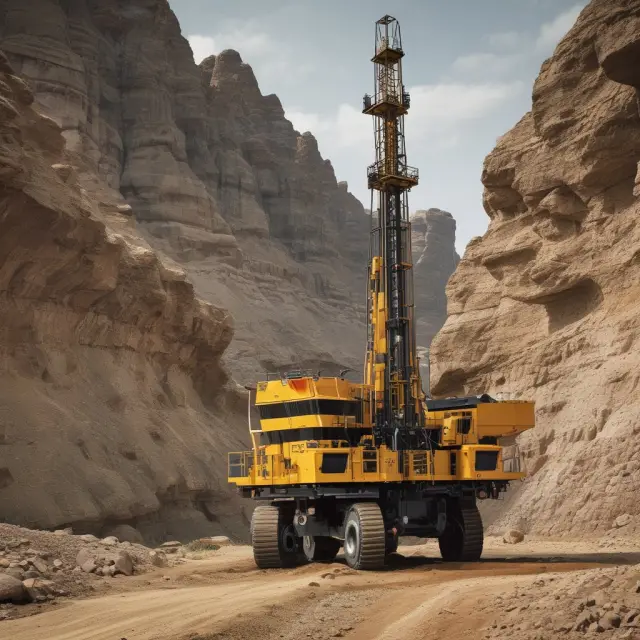
A vertical well and a horizontal well represent two distinct methods of extracting oil or natural gas from underground reserves. While both techniques serve the same purpose, they differ significantly in drilling processes and efficiency.
In a vertical well, drilling proceeds straight downward, aiming for an oil or gas reservoir located directly beneath the well site. Vertical wells have been traditionally used due to their simplicity, cost savings, and ease of implementation. However, their efficiency can be limited when dealing with large horizontal reserves, as multiple vertical wells would need to be drilled to efficiently extract resources from such an extended area.
Horizontal wells, on the other hand, are characterized by drilling at an angle of 80 degrees or more from a vertical borehole. This technique was not widely adopted until recent times due to technological advancements in drilling capabilities. However, horizontal drilling now dominates the industry, making up 96% of crude oil production and 97% of natural gas production in U.S. shale plays at the end of 2018.
One significant advantage of horizontal wells is their ability to efficiently access extensive reservoirs horizontally. With a single horizontal well, oil from an entire reserve can be extracted instead of requiring multiple vertical wells for efficient extraction. Additionally, the surface disruption and equipment required for directional drilling are relatively less when compared to that needed for multiple vertical wells, resulting in significant cost savings over the life of the project.
However, vertical wells continue to have their place in the oil industry. For instance, they remain essential for initiating all directional drilling projects by providing the initial vertical wellbore from which an angled bore can be drilled. Vertical wells also play a vital role in offshore drilling operations where the complexity and cost of drilling horizontally are prohibitive.
In conclusion, understanding both vertical and horizontal wells is essential for appreciating the evolution of oil extraction technologies and their respective applications within the industry. While vertical wells have been a traditional choice due to their simplicity, horizontal wells’ emergence has brought significant advancements in efficiency and cost savings.
Advantages of Vertical Wells
Vertical wells have long been a staple in the oil extraction industry and continue to offer significant benefits despite the emergence of more modern drilling techniques like horizontal drilling. The primary advantage of vertical wells is their simplicity, which translates into cost savings both in terms of equipment and labor requirements, as well as reduced time required for extracting available reserves. In many situations, vertical wells are still an efficient choice for accessing oil or natural gas reserves directly beneath the well site.
One critical industry where vertical wells remain indispensable is offshore drilling platforms. Given the complex nature of drilling operations in the ocean, horizontal drilling can be prohibitively expensive in this context. Vertical wells are a more cost-effective option for extracting oil from offshore reserves. Moreover, because all directional drilling projects must commence with drilling a vertical well, the initial setup costs for offshore projects can be spread out over several wells, further increasing efficiency and reducing costs per well.
Another advantage of vertical wells is their ease in exploration applications. Vertical wells allow engineers to examine rock fragments at various depths and analyze them to identify where oil reserves are located. This information can inform the direction of subsequent drilling efforts, allowing companies to extract oil from multiple reservoirs using a single vertical well. By maximizing the production potential from a single well, companies can save costs associated with multiple drilling locations and the deployment of additional equipment and personnel.
Furthermore, vertical wells are less intrusive on the environment compared to horizontal wells. Vertical wells require fewer rigs and equipment on-site, reducing the environmental impact of extraction operations. This is particularly important for projects in sensitive ecological areas or those that face public opposition due to concerns about their potential impacts.
Despite these advantages, it’s essential to acknowledge that vertical wells have limitations. They may not be as efficient when extracting oil reserves that extend horizontally across a wide area. In such cases, horizontal drilling can be a more cost-effective option for efficiently accessing the entire reserve from a single borehole. However, the choice between vertical and horizontal wells depends on the specific circumstances of each project, including the location, size, and nature of the oil reserves.
In conclusion, while horizontal drilling has gained popularity in recent years due to its ability to extract resources more efficiently from large reservoirs, vertical wells still have a crucial role in the oil extraction industry. Their simplicity, cost savings potential, and continued relevance in offshore drilling make them an essential tool for companies looking to maximize production while minimizing costs and environmental impact.

Example Applications of Vertical Wells
Although the use of vertical wells has decreased with the advent of more modern drilling techniques such as horizontal drilling, they remain a crucial component in the oil and gas industry, particularly in specific applications like offshore drilling.
In exploration projects, vertical wells serve as a starting point for gathering geological data. Engineers utilize information collected from vertical well samples to determine the presence of oil reserves and guide directional drilling efforts towards those locations. For instance, during the early stages of a project, it is essential to understand the subsurface conditions to optimize drill site placement, target reservoir depths, and design appropriate completion strategies. Vertical wells play an indispensable role in this process by offering insight into the underlying geology.
Vertical wells remain the primary drilling method for offshore oil platforms. Offshore drilling is complex and expensive due to the logistical challenges of transporting equipment, personnel, and supplies to a remote location. With vertical drilling, rigs can drill directly into the seafloor without the need for directional or horizontal components, which simplifies the overall process and reduces costs.
Moreover, vertical wells have proven effective in extracting oil from multiple distinct reservoirs using a single well. This methodology results in cost savings by reducing the number of drilling sites required to access reserves, decreasing surface disruption due to less equipment and personnel on-site, and streamlining production operations.
One example of this is the use of multi-zone wells, where multiple reservoirs exist at various depths within a single vertical wellbore. The ability to extract oil from these individual zones without requiring separate wellbores for each one significantly enhances the overall efficiency of the drilling process. By combining the benefits of vertical drilling techniques with modern production optimization methods, such as enhanced oil recovery technologies, operators can maximize the potential of their reservoirs while minimizing environmental impact.
In conclusion, even though horizontal and directional drilling have gained popularity in recent times, vertical wells continue to play a pivotal role in the oil and gas industry, particularly for offshore drilling projects and exploration efforts. By understanding the advantages and limitations of this traditional method, operators can make informed decisions about when and where to apply it, optimizing the value of their resources while minimizing costs and environmental impact.
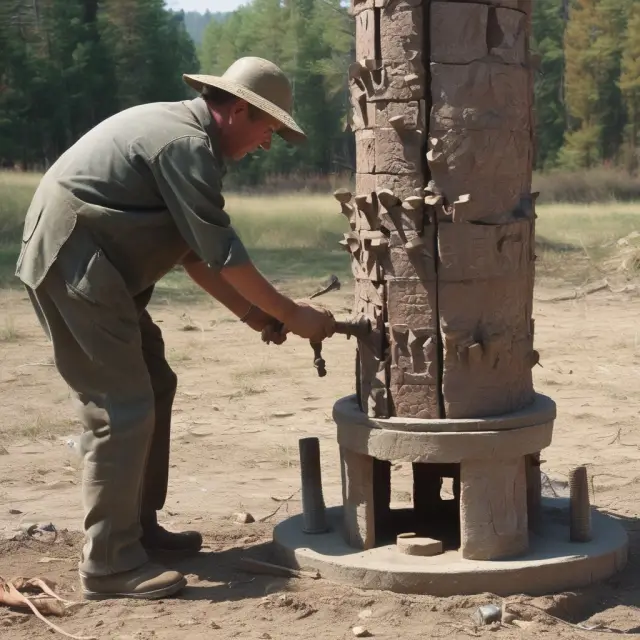
Vertical Well Drilling Techniques
A vertical well drilling technique involves creating a borehole that goes straight down into the ground to reach an underground reservoir of oil or natural gas. This traditional method is used primarily when the underground deposit lies directly beneath the well site, as it is simpler and more cost-effective than other drilling techniques in such situations.
Different methods have been employed throughout history to drill vertical wells:
1. Cable Tool Drilling: This early method involved percussive drilling with a cable tool rig that used a heavy weight suspended from a cable. The repetitive up-and-down motion of the drill bit loosened the soil and rock, which was then removed via a bucket on a cable.
2. Rotary Drilling: Introduced in 1893 by Edward L. Baker, rotary drilling uses a continuously rotating drill bit to cut through formations. It replaced cable tool drilling because it drilled holes faster and deeper with less labor.
Today, the most common vertical drilling technique is rotary drilling, which allows for high penetration rates, better control of drilling parameters, and greater flexibility in dealing with different subsurface conditions.
Equipment used in vertical well drilling includes a drill rig, drilling mud, casing, and cement. The drilling process involves the following steps:
- Mud is pumped down the hollow drill pipe to cool, lubricate, and remove cuttings from the borehole as the bit advances.
- Casing is installed to prevent collapse of the hole and provide structural support.
- Cement is pumped around the casing to seal it against groundwater or other fluids.
- The drill string is removed once the well has been completed, and production equipment is installed for oil or gas extraction.
Though vertical wells are less commonly used due to the advent of directional drilling techniques like horizontal drilling, they still play a significant role in the industry. Their simplicity, cost savings, and relevance to offshore operations make them an essential component of modern oil exploration and production practices.

Vertical Well Economics
Vertical wells can be a cost-effective choice for oil and natural gas extraction due to their simplicity and reduced requirements for equipment and labor. Vertical drilling involves creating a single borehole directly into the underground reservoir, allowing companies to extract resources from beneath the site where the well is located. Although vertical wells have been surpassed by directional drilling techniques in terms of popularity, they still represent an essential part of the oil extraction industry, particularly for offshore operations.
Cost Savings with Vertical Drilling
One primary advantage of vertical wells is their cost savings, stemming from reduced equipment requirements and labor needs. With fewer components involved, drilling a vertical well can be less expensive than directional drilling, which in turn may translate into significant savings over the life of a project. Additionally, labor costs are usually lower for vertical drilling operations due to the smaller scale and simpler setup.
Capital Requirements for Vertical Wells
Despite their cost benefits, setting up a vertical well project comes with substantial capital requirements. The drilling rigs used for vertical wells can cost anywhere from several hundred thousand dollars to millions of dollars depending on the location and specific circumstances. Furthermore, additional expenses such as permits, site preparation, drilling fluid, and casing materials add significantly to the total investment needed to bring a new vertical well online.
Comparing the Economics of Vertical and Horizontal Wells
Horizontal drilling, which allows for the extraction of oil from vast, horizontally-extended reservoirs using a single borehole, has become more common than vertical drilling in recent years. This trend can be attributed to the increased efficiency and cost savings that horizontal wells provide when dealing with large reserves. However, smaller or isolated reserves are still often best accessed through vertical wells due to their lower capital requirements and simpler setup.
In conclusion, vertical wells continue to play an essential role in the oil and natural gas industry despite the rise of directional drilling techniques. Their cost savings, simplicity, and effectiveness make them a viable choice for many applications, particularly offshore operations and smaller, isolated reserves. As the industry evolves, it is vital to understand the benefits and limitations of vertical wells and their role in the broader context of oil extraction.

Environmental Concerns and Regulations
As with any oil extraction process, vertical well operations come with environmental concerns that must be addressed through stringent regulations. The primary risks associated with vertical drilling include potential groundwater contamination, air pollution, and the release of methane gas during production. These issues are amplified when considering offshore vertical drilling due to the unique challenges presented by marine environments.
Governments and regulatory bodies have implemented numerous measures to mitigate these environmental risks, including:
1. Well Cementing and Casings: Properly cemented wells and casings play a significant role in preventing groundwater contamination. The cementing process ensures the drilling fluid used during extraction does not mix with or contaminate surrounding water sources. Meanwhile, well casings act as a barrier between the production zone and freshwater aquifers.
2. Drilling Mud: Properly managed drilling mud is crucial to maintaining environmental integrity. The composition of drilling mud should be monitored closely to prevent any contamination risks.
3. Well Integrity Management: Regular inspections and maintenance programs help ensure well integrity, minimizing the chance of leaks and spills.
4. Regulations: Various regulatory bodies oversee vertical drilling projects, such as the Environmental Protection Agency (EPA) in the U.S., to enforce compliance with environmental regulations.
5. Offshore Drilling Platforms: Regulations for offshore vertical drilling are particularly stringent due to the unique challenges of marine environments. These platforms must adhere to specific design requirements, including location, stability, and safety features.
Methane gas release is a significant concern in both onshore and offshore vertical well operations. The potential for methane leaks can contribute to greenhouse gas emissions and pose a risk to local communities if the gas reaches the surface. To minimize these risks, companies employ several measures:
1. Capture Systems: Modern well technologies include capture systems that collect methane released during production, preventing its release into the environment.
2. Monitoring: Regular monitoring of production sites helps identify and address any potential methane leaks.
3. Emissions Reduction Technologies: Companies are investing in advanced technologies to reduce methane emissions, such as low-emission completions and improved wellhead equipment designs.
The evolving environmental concerns and regulations surrounding oil extraction necessitate a strong focus on sustainable practices and continuous innovation in vertical drilling technology. By adhering to these guidelines, the industry can maintain the balance between meeting energy demands while minimizing negative impacts on the environment.

Vertical Well Maintenance and Decommissioning
Once a vertical well has reached the end of its productive life cycle, it must be maintained or decommissioned to minimize environmental risks and prevent further resource extraction from an exhausted reservoir. The maintenance and decommissioning process comprises several essential stages.
First, engineers assess whether a well can continue producing oil or natural gas economically. If the well remains viable for further production, it may be maintained with routine upkeep like replacement of worn parts or re-perforating the casing to improve extraction efficiency. In contrast, if the well is no longer profitable, decommissioning becomes the next course of action.
The process begins with drilling a new relief well to intersect with the original vertical well. The primary purpose of this relief well is to ensure that all remaining oil or natural gas inside the reservoir is safely extracted before the final stage, plugging and abandonment, takes place. Plugging and abandonment involves installing cement plugs into the wellbore to prevent any further communication between the groundwater or surrounding environment and the abandoned well. This process can be complex for deep-sea or offshore drilling projects due to logistical challenges involved.
Environmental concerns are a crucial consideration throughout the maintenance and decommissioning phases, as potential environmental hazards include leaks in the well casing, released oil or natural gas, and contamination of groundwater resources. To mitigate these risks, regulations have been established to govern the drilling industry’s practices for abandoning wells. For example, the United States Bureau of Safety and Environmental Enforcement (BSEE) mandates that decommissioned wells must be sealed with cement plugs and remain permanently sealed throughout their entire lifetime.
The overall cost of maintaining or decommissioning a vertical well can vary significantly depending on factors like location, depth, and complexity of the operation. In recent years, many companies have turned to innovative solutions to minimize these costs, such as recycling drilling fluids and repurposing equipment for other projects in order to reduce waste and improve efficiency.
In conclusion, vertical wells play a critical role in oil extraction and will continue to be relevant in the industry despite the increasing popularity of directional drilling techniques. With proper maintenance and decommissioning procedures, vertical wells can be safely retired when they no longer produce profitably. By adhering to environmental regulations and exploring cost-effective solutions for managing these operations, oil companies can ensure that the benefits of vertical well technology continue to drive industry growth while minimizing negative impacts on our planet.

FAQs about Vertical Wells
What is the typical lifespan of a vertical well? The average lifespan of a vertical well can vary depending on factors like the geological conditions, drilling method, and the specific oil field. Generally speaking, vertical wells are capable of producing oil or natural gas for 10 to 25 years, although some have been known to continue operating for over 40 years with proper maintenance.
What equipment is required to drill a vertical well? To drill a vertical well, companies require the following basic equipment: a rig, a drilling derrick, drill pipe, drill bit, casing, and cementing materials. The rig serves as the main structure for the drilling process; the drilling derrick supports it. Drill pipe is used to transfer drilling fluid and rotate the drill bit, while the drill bit breaks apart rock formations to create a borehole. Casing is inserted after drilling to prevent cave-ins, while cementing materials hold the casing in place.
What are the benefits of using vertical wells? Vertical wells offer several advantages over other methods of extracting oil and natural gas:
- Cost savings: Vertical wells require fewer resources and personnel compared to horizontal drilling due to their simpler design. This can lead to substantial cost savings for oil companies.
- Ease of implementation: Vertical wells are a more straightforward drilling technique, making them an excellent choice for areas where complex geological conditions may complicate the drilling process.
- Effectiveness in some situations: In cases where oil or natural gas reserves are located directly beneath the surface, vertical wells are still the most efficient and cost-effective option. This is particularly true of offshore platforms, where horizontal drilling remains expensive compared to vertical drilling.
- Simplified regulatory compliance: Vertical wells are more straightforward in design than directional wells, making it easier for companies to navigate complex regulatory frameworks.
In conclusion, understanding the basics of vertical wells is crucial for anyone involved or interested in the oil and gas industry. From their role in accessing underground reserves to their continued relevance offshore, vertical wells continue to play a significant part in our energy future.
 Next entry · No. 5,480Understanding Vertical Analysis: A Comprehensive Guide for Institutional Investors
See also
-
 No. 2,701
28 Jan 2025
18 min
Understanding the Controversial Keystone XL Pipeline: History, Environmental Impact, and Political Implications
Energy Finance
No. 2,701
28 Jan 2025
18 min
Understanding the Controversial Keystone XL Pipeline: History, Environmental Impact, and Political Implications
Energy Finance -
 No. 5,081
10 Aug 2025
18 min
Understanding Trillion Cubic Feet (Tcf) in Natural Gas Industry: Measurement, Conversion, and Comparison
Business Finance
No. 5,081
10 Aug 2025
18 min
Understanding Trillion Cubic Feet (Tcf) in Natural Gas Industry: Measurement, Conversion, and Comparison
Business Finance -
 No. 4,846
21 Jul 2025
19 min
Understanding Take-or-Pay Provisions: Sharing Risk in Contracts for Institutional Investors
Business Finance
No. 4,846
21 Jul 2025
19 min
Understanding Take-or-Pay Provisions: Sharing Risk in Contracts for Institutional Investors
Business Finance -
 No. 624
09 May 2024
20 min
Understanding Carbon Credits: A Mechanism for Reducing Greenhouse Gas Emissions
Green Investing
No. 624
09 May 2024
20 min
Understanding Carbon Credits: A Mechanism for Reducing Greenhouse Gas Emissions
Green Investing -
 No. 456
24 Apr 2024
16 min
Understanding Barrels Of Oil Equivalent Per Day (BOE/D): A Key Performance Metric in the Oil and Gas Industry
Business Strategy
No. 456
24 Apr 2024
16 min
Understanding Barrels Of Oil Equivalent Per Day (BOE/D): A Key Performance Metric in the Oil and Gas Industry
Business Strategy -
 No. 5,828
10 Oct 2025
19 min
Understanding West Texas Intermediate (WTI): The Key Oil Benchmark for North America
Energy Finance
No. 5,828
10 Oct 2025
19 min
Understanding West Texas Intermediate (WTI): The Key Oil Benchmark for North America
Energy Finance